-
-
APP Icon
-
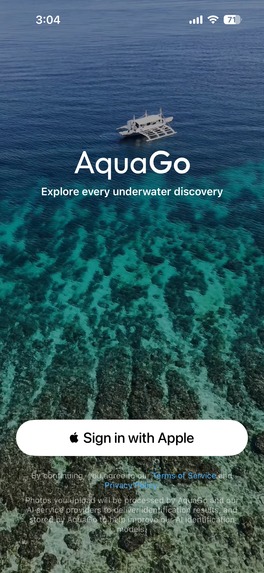
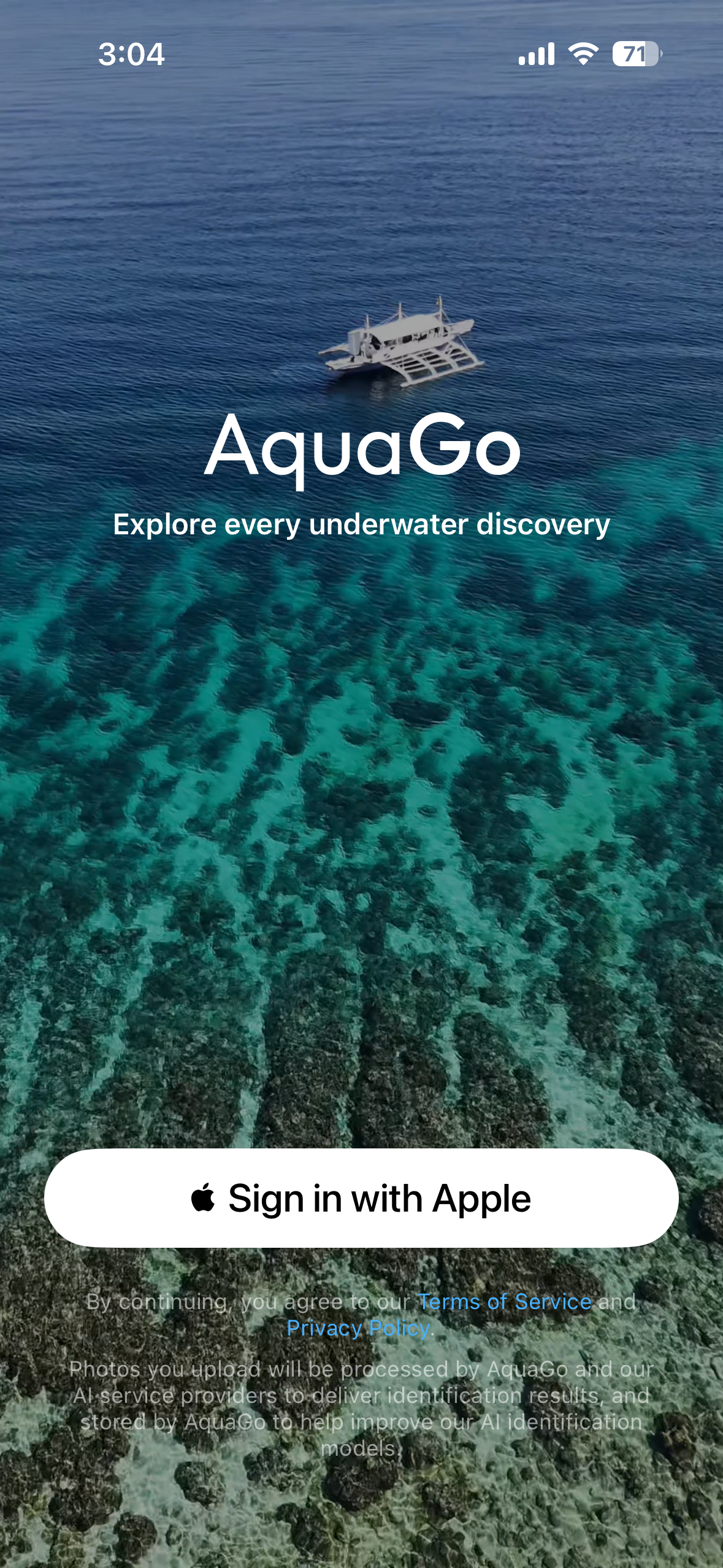
Login-Standing on the boat before the dive begins.
-
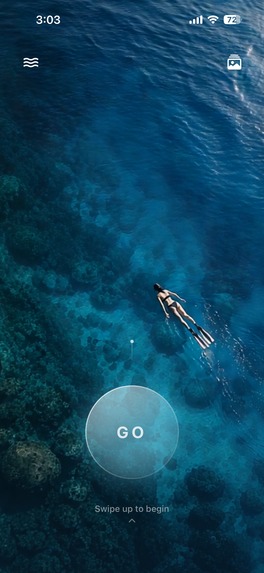
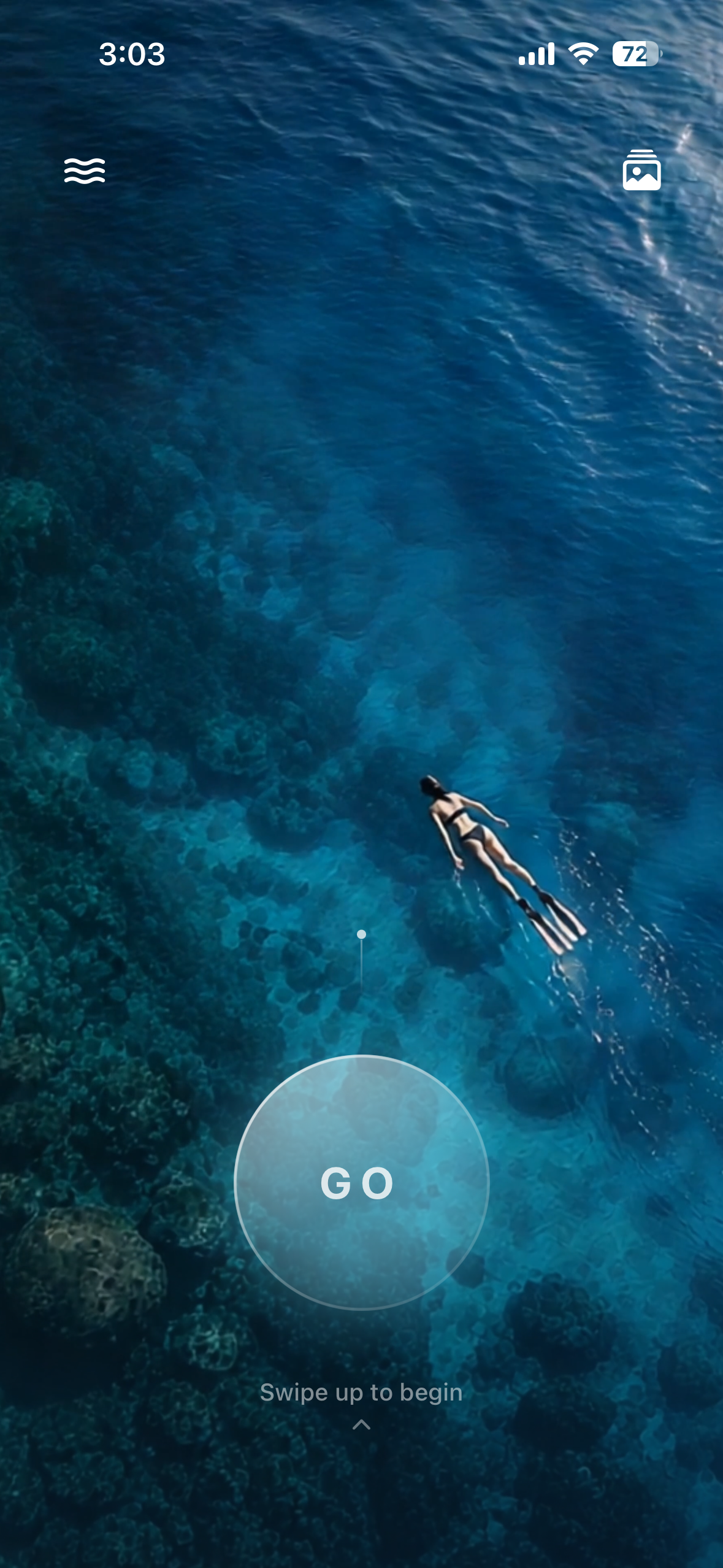
Home-Floating on the surface. Press GO when you're ready to descend.
-
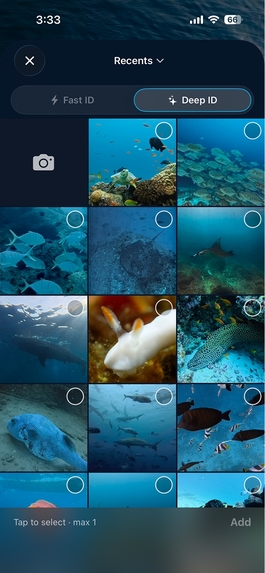
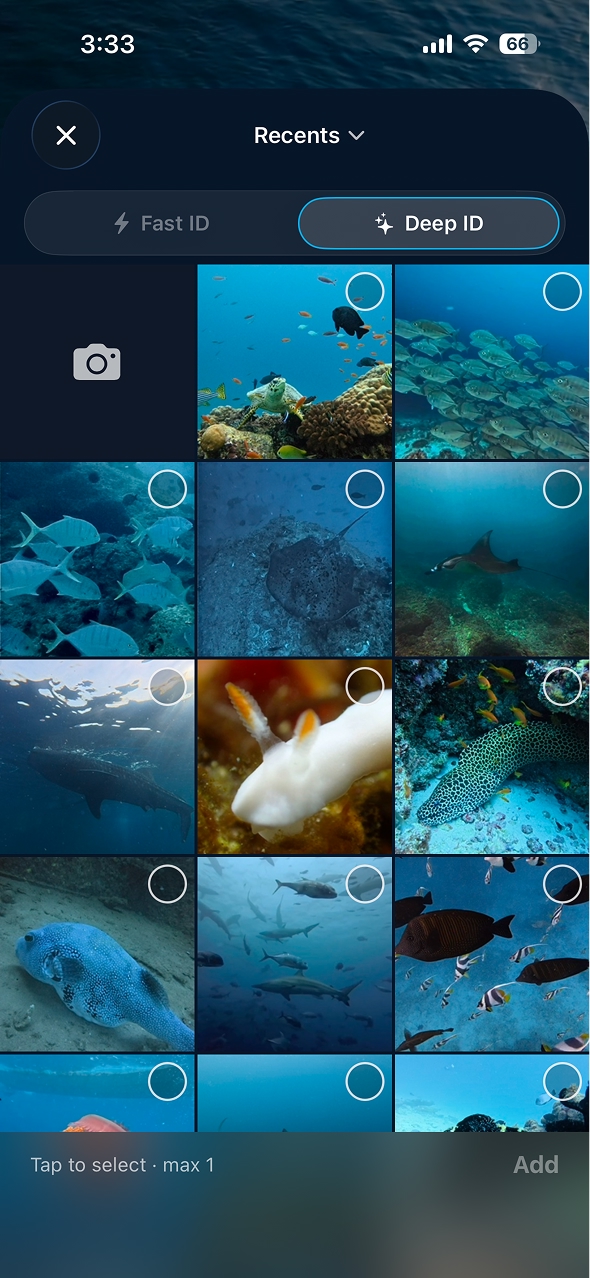
Select photo-Pick a photo from your dive, then choose Fast ID or Deep ID.
-
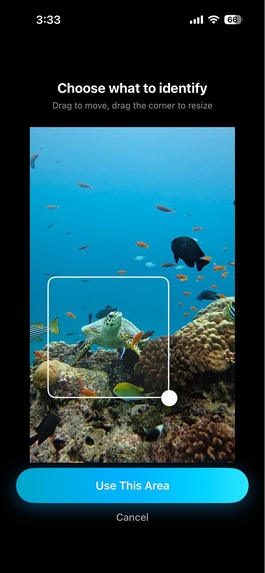
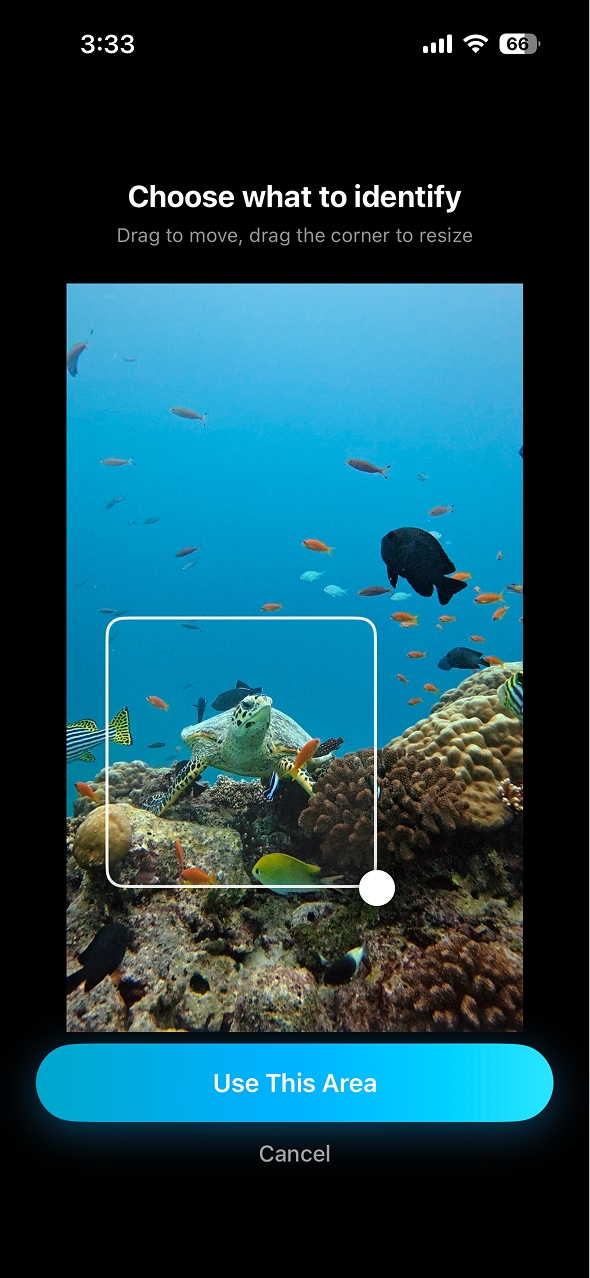
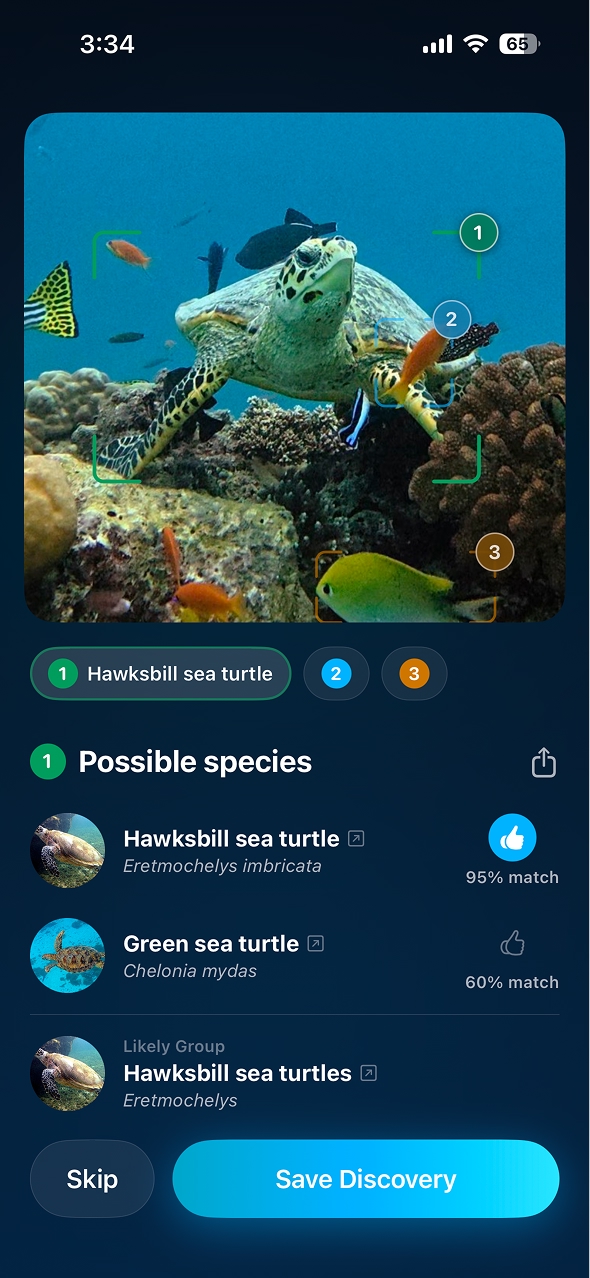
Select species -Not sure what to identify? Drag a box around it.
-
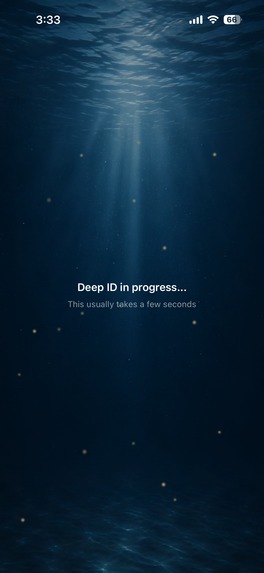
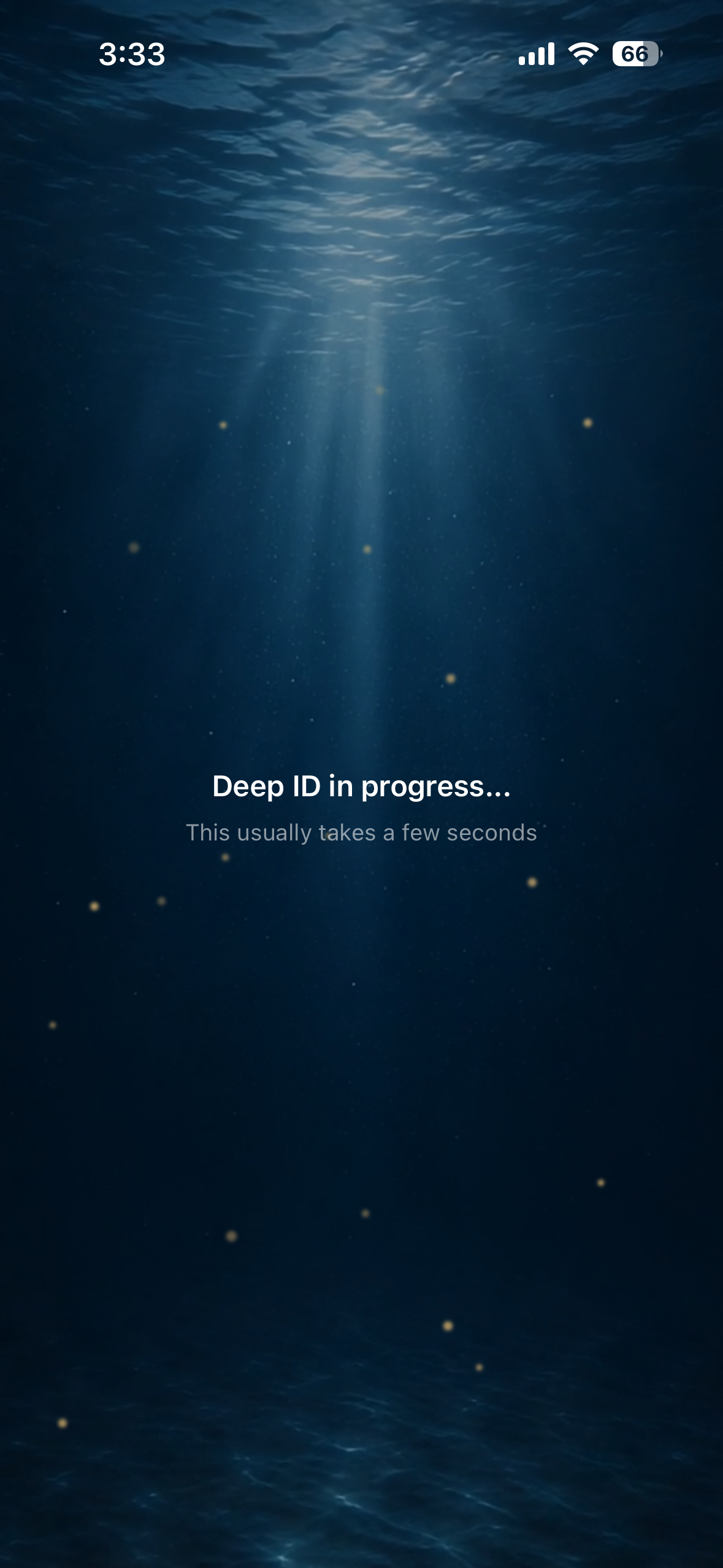
Loading-Sunlight filtering through the water while AI quietly works.
-
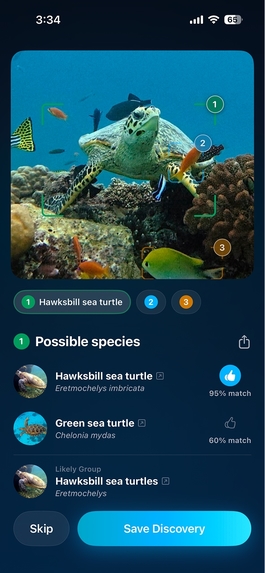
Possible species-Every match comes with a confidence score — so you can verify, not just trust.
-
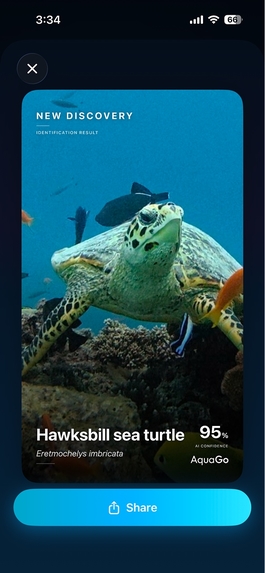
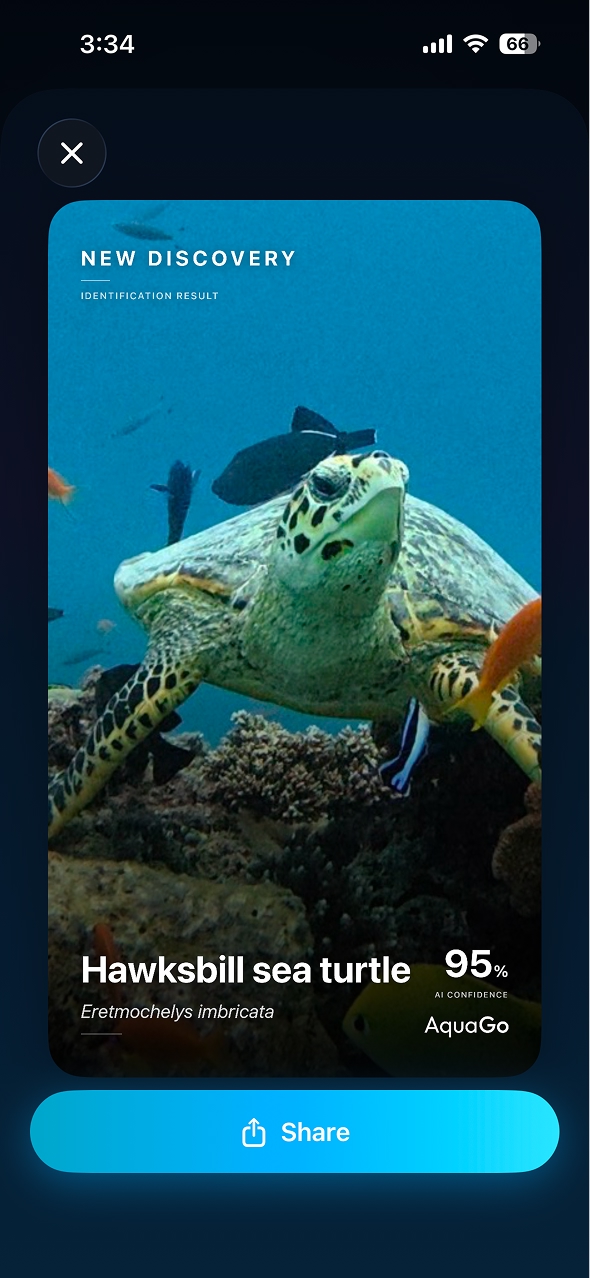
Share-Every discovery becomes a card worth sharing.
-
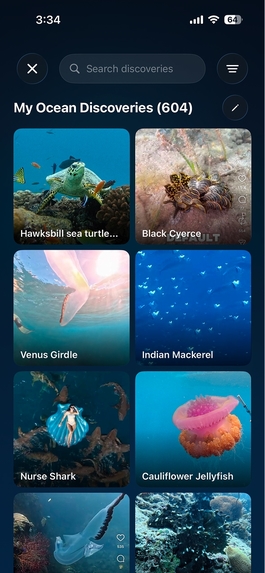
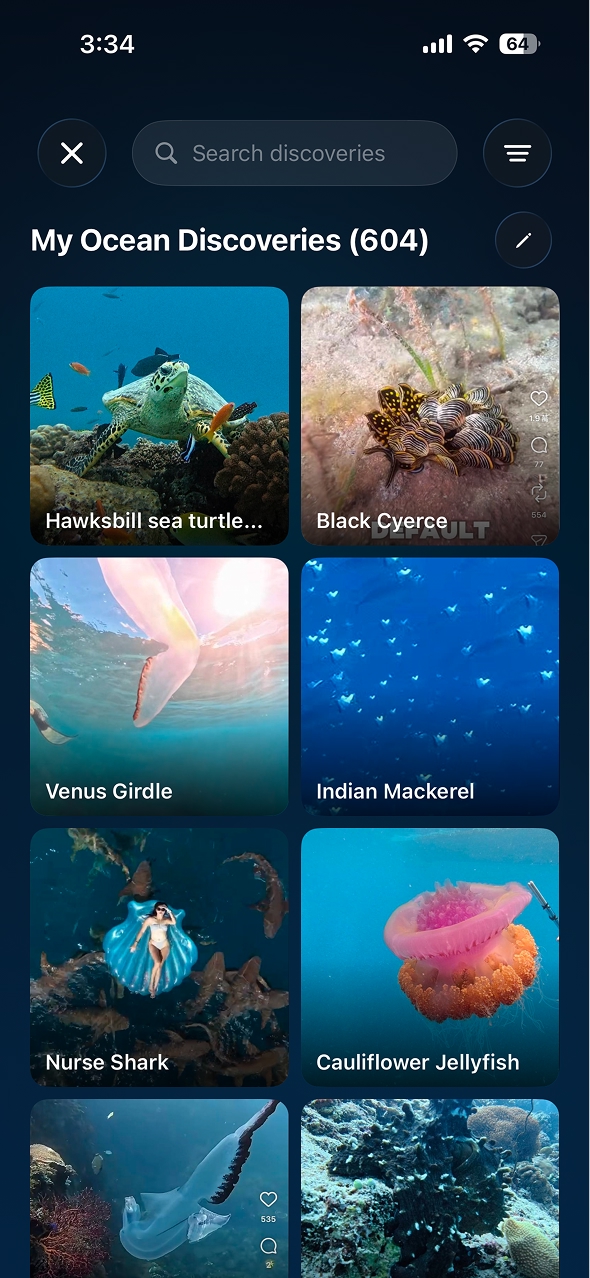
Collection-Every dive adds to a growing record of everything you've found.
-
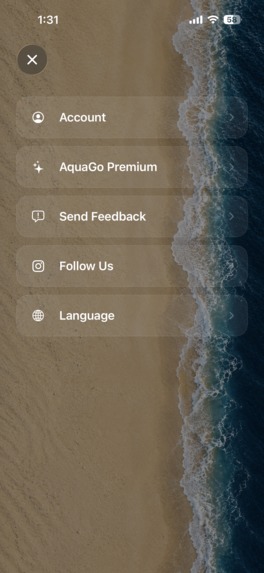
-
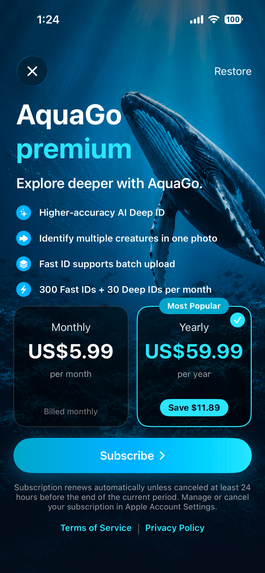
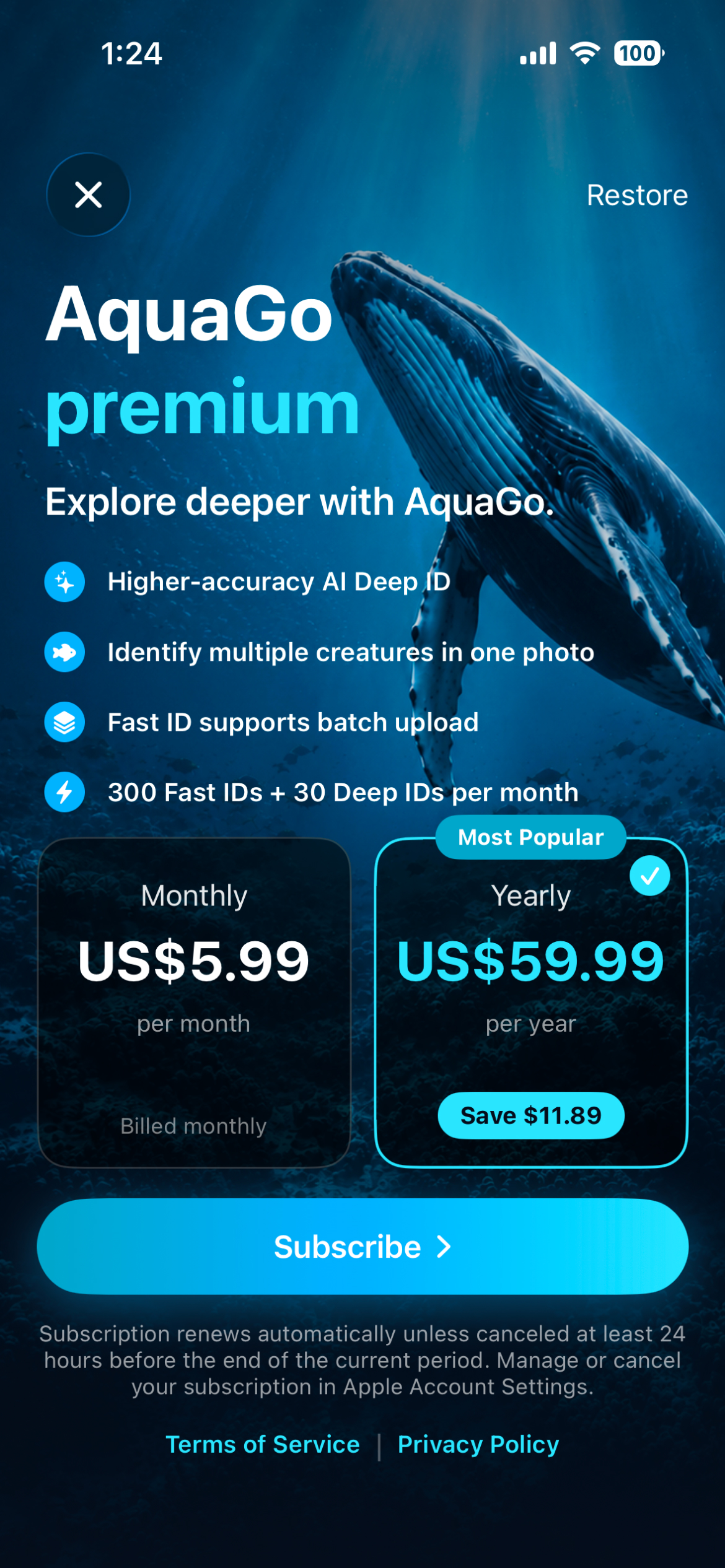
Premium-Premium unlocks Deep ID, multi-species detection, and batch upload.
AquaGo Explorer
Inspiration
After almost every dive, someone would point at a photo and ask:
"What is this?"
It's probably one of the most common questions among divers.
Sometimes they had discovered something beautiful. Sometimes they had been stung by an unfamiliar marine animal. Either way, everyone wanted to understand what they had encountered.
Some asked their dive instructor. Some searched Google. Some tried AI. But the answers didn't always match, and very few people completely trusted them.
As a diver myself, I experienced the exact same frustration. I've always been fascinated by marine life. I've even been injured by it before. That curiosity made me realize there had to be a better way to connect people with the ocean.
At first, my idea was simple: build an AI app that identifies marine life. Before writing a single line of code, I wanted to validate that assumption. I interviewed divers, observed what they did after every dive, and continued those conversations during field research in the Philippines with people from different countries and experience levels.
One insight completely changed the direction of the project. Most divers loved documenting what they saw underwater. What frustrated them wasn't taking photos. It was everything that happened afterwards—jumping between instructors, Google, AI tools, Facebook groups, and marine websites. And even when they finally found a name, knowing the name wasn't enough. People wanted to know where that species lived, when it appeared, whether it was dangerous, and the fascinating stories behind it.
That's when I realized AquaGo shouldn't simply identify marine life. It should make learning about the ocean part of the diving experience.
What it does
AquaGo uses AI to identify marine life from underwater photos.
Identification results bring together:
- AI identification
- Confidence score
- Learning references
Instead of treating AI as absolute truth, AquaGo encourages users to verify results, compare information, and continue learning. Confidence scores reflect the AI’s estimated confidence, not independently verified accuracy.
Every species can also become part of a personal collection. Over time, those collections become much more than a gallery of photos—they become a record of every underwater adventure.
My goal isn't simply to answer "What is this?" It's to help people remember what they discovered and inspire them to keep exploring.
Design
From the beginning, I didn't want AquaGo to feel like another AI app. I wanted it to feel like the continuation of a dive.
Every screen represents a different stage of the journey.
🌊 Login — Standing on the boat before entering the water.
🌊 Home — Floating on the ocean surface. Press GO, and that's the moment you descend.
🌊 Loading — Sunlight filtering through the water while AI quietly works in the background.
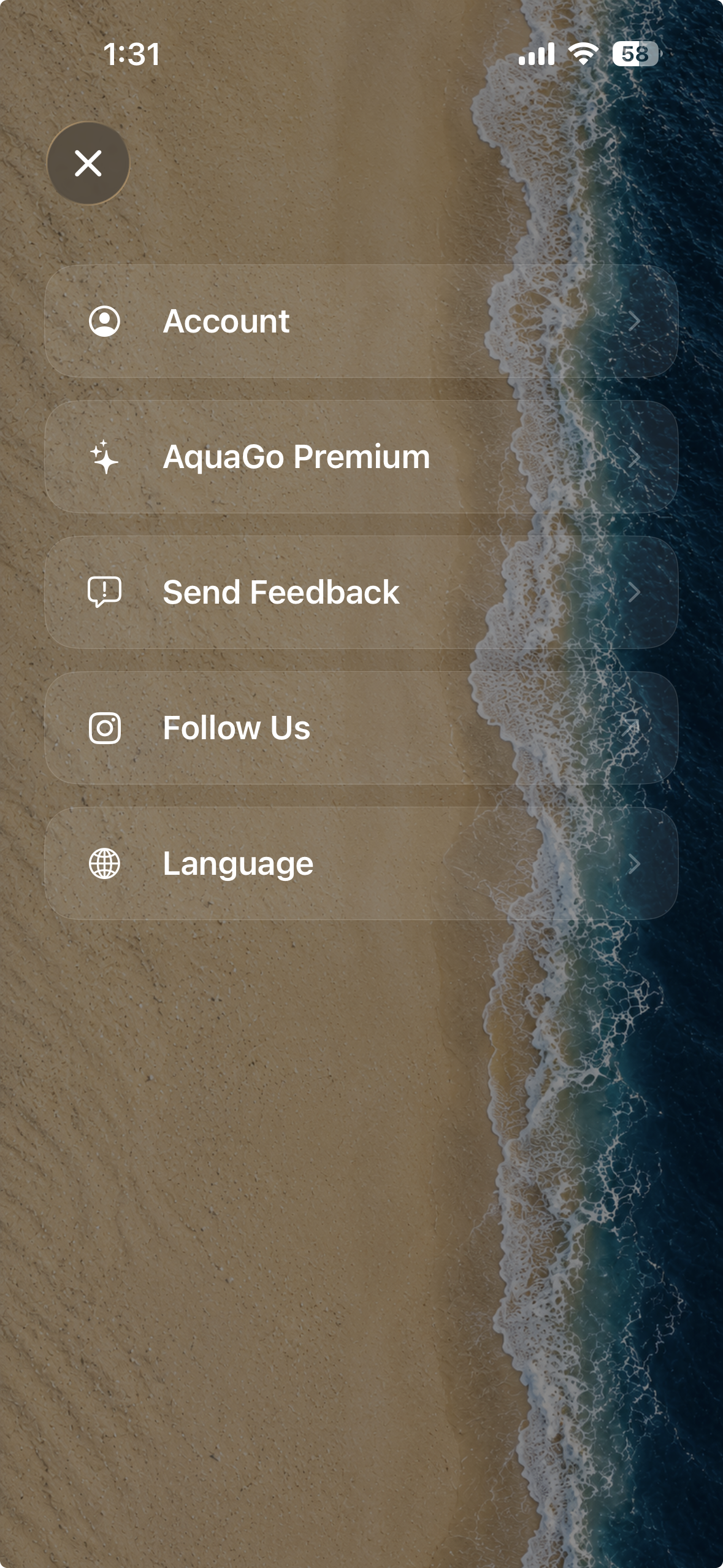
🏖 Menu — Returning to shore after the dive.
The interface wasn't designed page by page. It was designed as one continuous diving experience. That philosophy shaped every design decision.
The glass-like interface uses transparency, reflections, and depth to evoke light underwater. I wanted the controls to feel like they belonged in the ocean setting.
I also intentionally reduced text throughout the app. Underwater, people can't have conversations—divers communicate through observation instead of words. That's why AquaGo relies heavily on icons, animation, motion, and visual hierarchy to guide users naturally.
Finally, I wanted people to develop the ability to recognize marine life themselves instead of relying entirely on AI. Confidence scores and learning references help communicate uncertainty and encourage further exploration.
For me, good design isn't only about making things beautiful. It's about making uncertainty understandable.
How I built it
Building AquaGo became the biggest learning journey of my career. As a Product Designer, I had never built and shipped an entire mobile product on my own. Every solved problem introduced another challenge.
- SwiftUI
- Backend architecture (Next.js + Vercel)
- Database design (Postgres via Neon + Drizzle)
- Authentication
- AI integration (Google Gemini)
- Premium subscriptions (RevenueCat + StoreKit)
- Cloud infrastructure
- Deployment
The first iOS version was built with SwiftUI. After repeated requests for Android support, I began rebuilding AquaGo in React Native. This cross-platform version is still in development.
AI accelerated my learning, but it never replaced understanding. I spent months reading documentation, attending AI meetups, asking engineers countless questions, and slowly connecting every piece together.
Looking back, AquaGo became the intersection of everything I've learned throughout my career—from product design and visual design to AI, engineering, and my passion for diving.
Challenges I ran into
The hardest challenge wasn't identifying fish. It was deciding what to do when AI was wrong.
For an educational product, no answer is better than a wrong answer.
Underwater photos are incredibly challenging:
- Poor visibility
- Motion blur
- Green water
- Camouflage
- Multiple species in the same image
No identification app can guarantee perfect accuracy. Instead of hiding those limitations, AquaGo embraces them. Confidence scores, broader taxonomic categories, and learning references became part of the experience because users deserve honesty—not false certainty.
What I learned
User testing surprised me more than any technical challenge. People uploaded:
- 🍣 Sushi
- 🥚 Fish eggs
- 🪸 Tiny creatures hiding in the corner
- 🌊 Photos where the intended subject wasn't even in the center
Those moments reminded me that real-world behavior is always more complex than we imagine. To better support these difficult cases, I introduced a Premium Deep Identification mode capable of handling more challenging underwater photos.
It also revealed something else: many testers didn't just want identification. They wanted dive logs. They wanted a place to organize memories. They wanted to keep learning after every dive.
That reinforced the direction AquaGo is taking.
Launch and early usage
AquaGo Explorer launched on the App Store on August 13, 2026. I share marine-life content on Instagram and document the development journey on Threads and LinkedIn, including public demos, launch milestones, and lessons from user feedback.
Sharing AquaGo publicly has helped shape its direction. I demonstrated the app at HackPei, discussed product decisions with other builders, and shared both milestones and unresolved questions online. Users asked about recent sightings at dive sites, species rarity, and maps, while repeated requests for Android support changed my development priorities. I also invited early Android testers and discussed how to balance a useful free experience with meaningful Premium value.
The current AquaGo analytics snapshot records:
- 427 new users
- 1,666 identification requests
AquaGo offers Premium access, including Deep ID, with subscriptions powered by RevenueCat. These early usage numbers give me a starting point for understanding how people use the app beyond my own dives.
What's next
Today, I no longer see AquaGo as an AI identification app. AI is only the starting point.
The future includes:
- Android support through the React Native version currently in development
- Dive logs
- Expanded marine life collections
- Virtual aquariums
- Community features
- A dedicated underwater AI model
Those are features. The vision is much bigger. I want AquaGo to help more people fall in love with the ocean.
Because people protect what they understand. And the more we explore the ocean, the more reasons we have to protect it.
Built With
- drizzle
- gemini
- neon
- next.js
- postgresql
- react
- revenucat
- server
- storekit
- swiftui
- typescript
- xcode
Log in or sign up for Devpost to join the conversation.