-
-
Splash screen
-
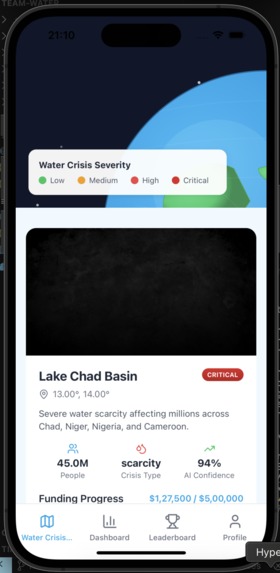
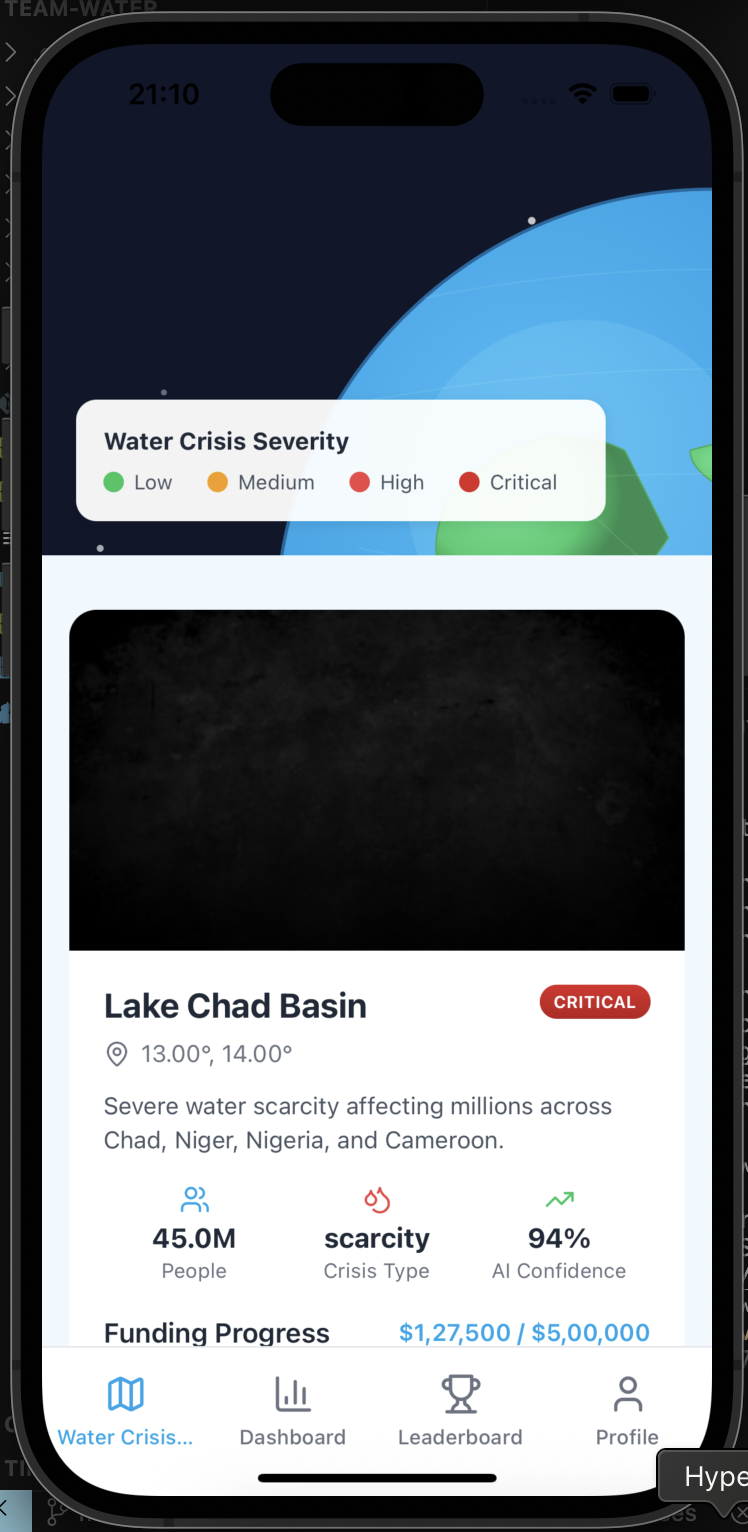
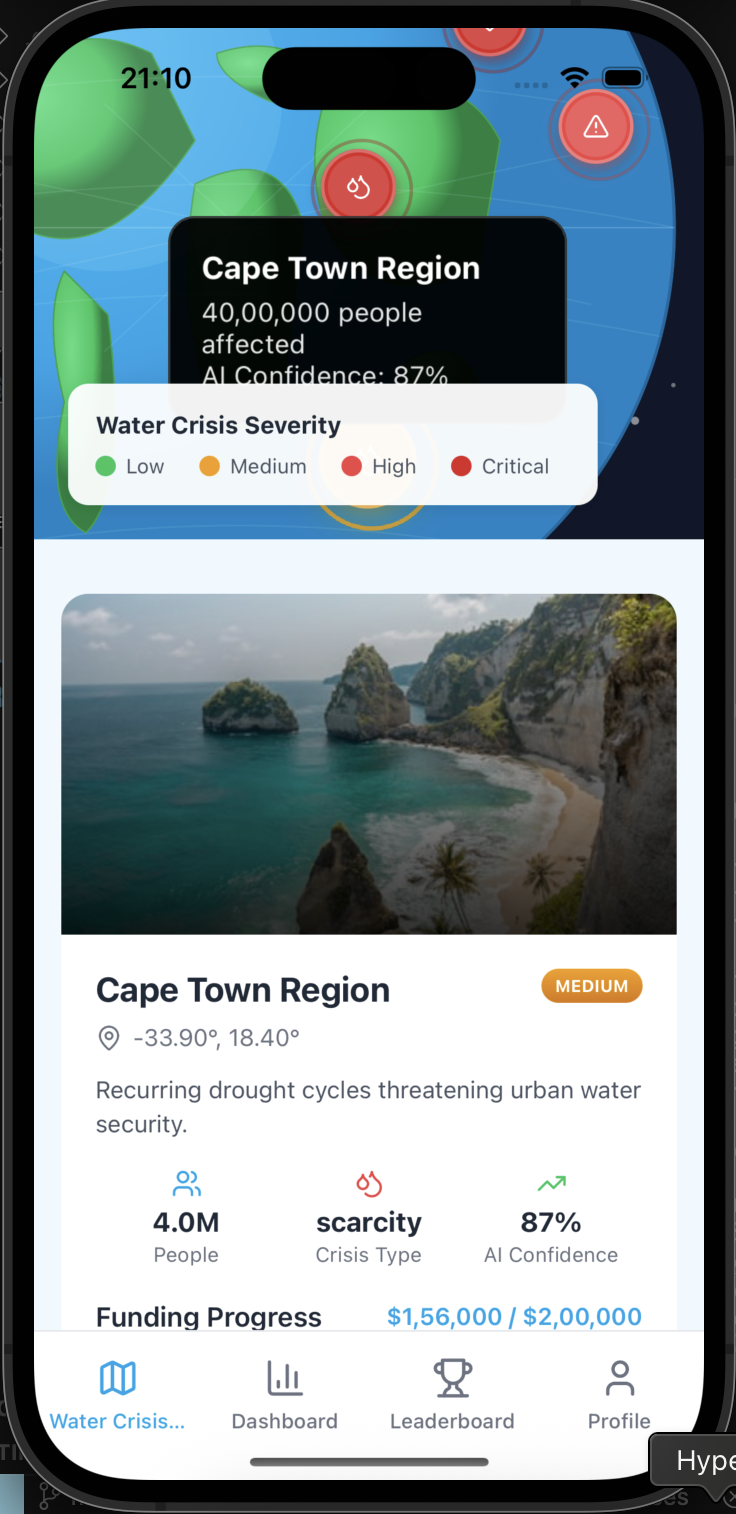
Home Screen
-
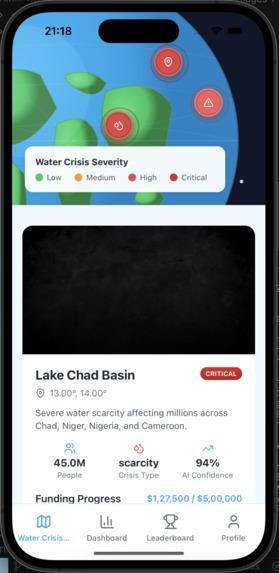
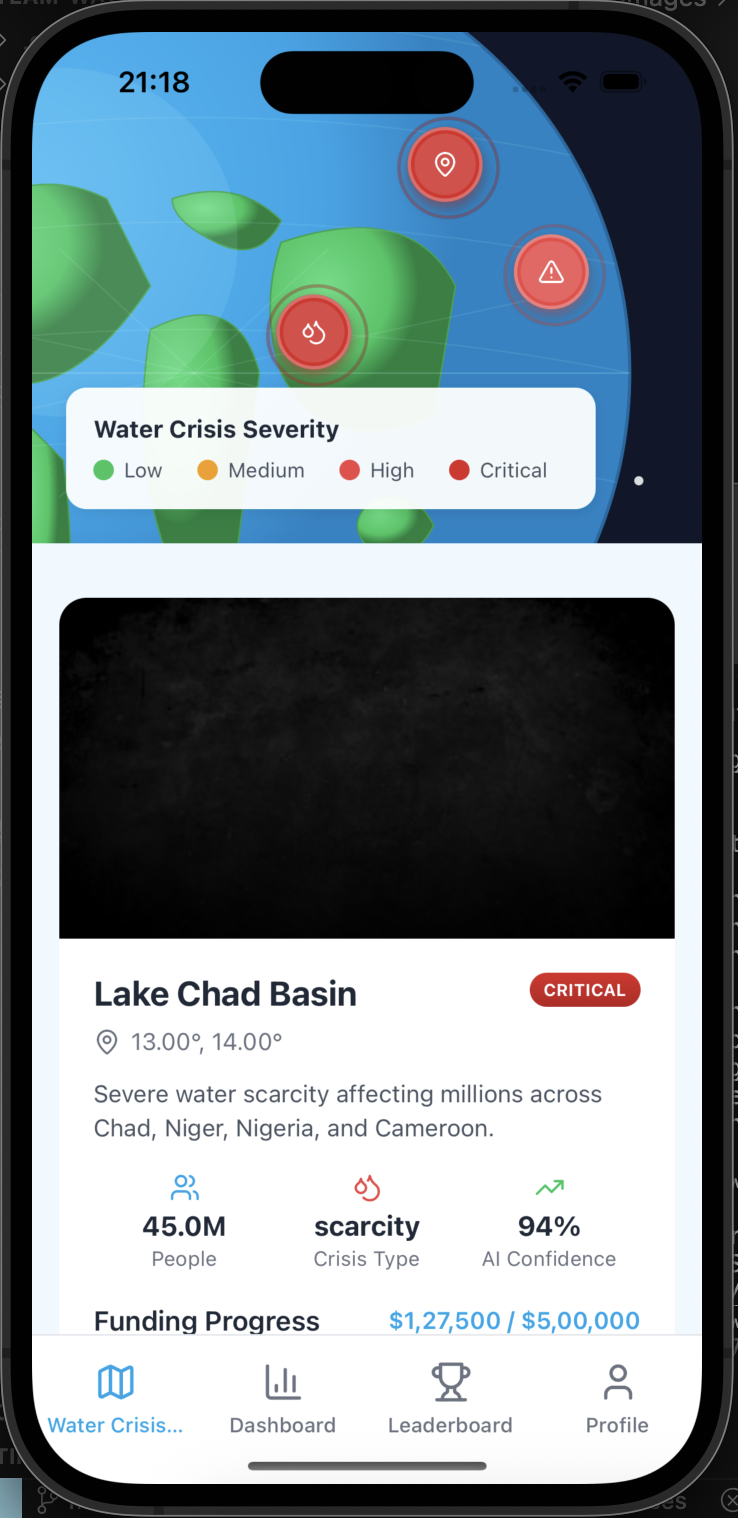
Global Map
-
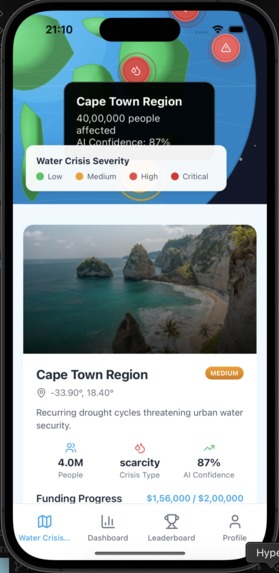
Critical Sections
-
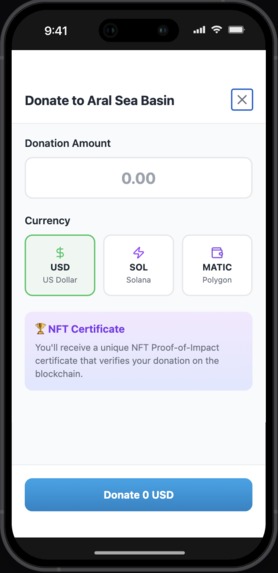
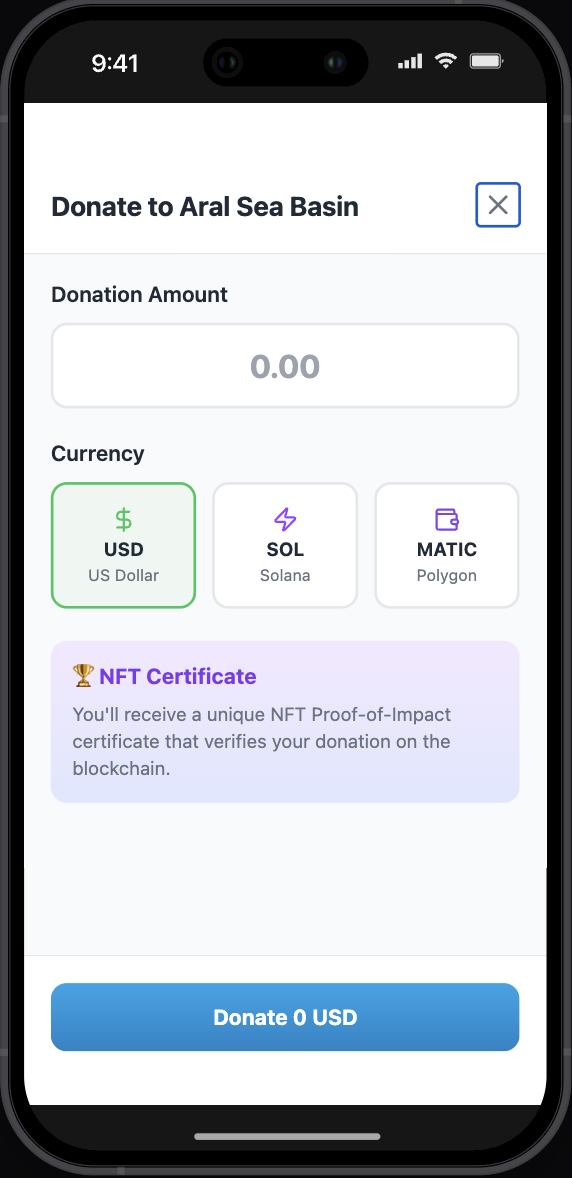
Donation Section
-
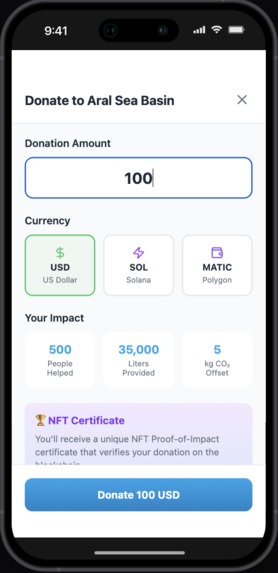
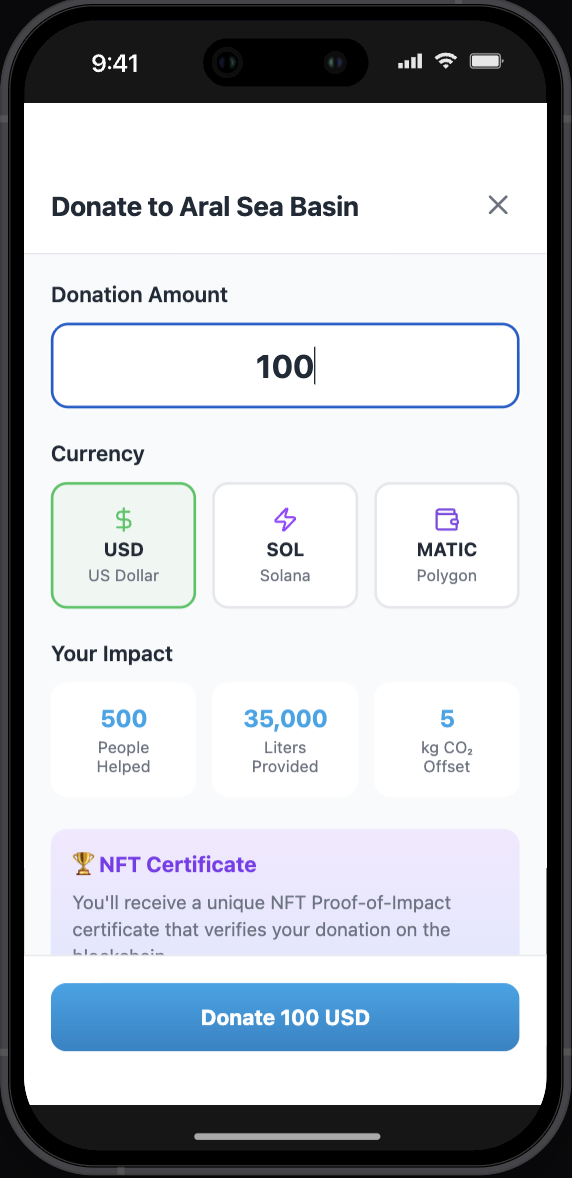
Dollar Donation
-
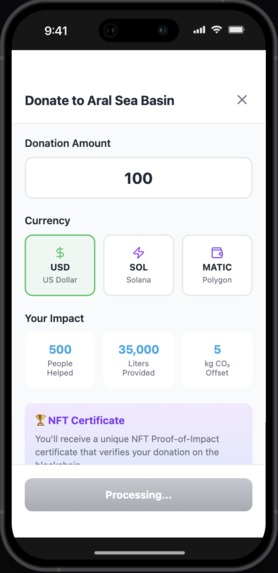
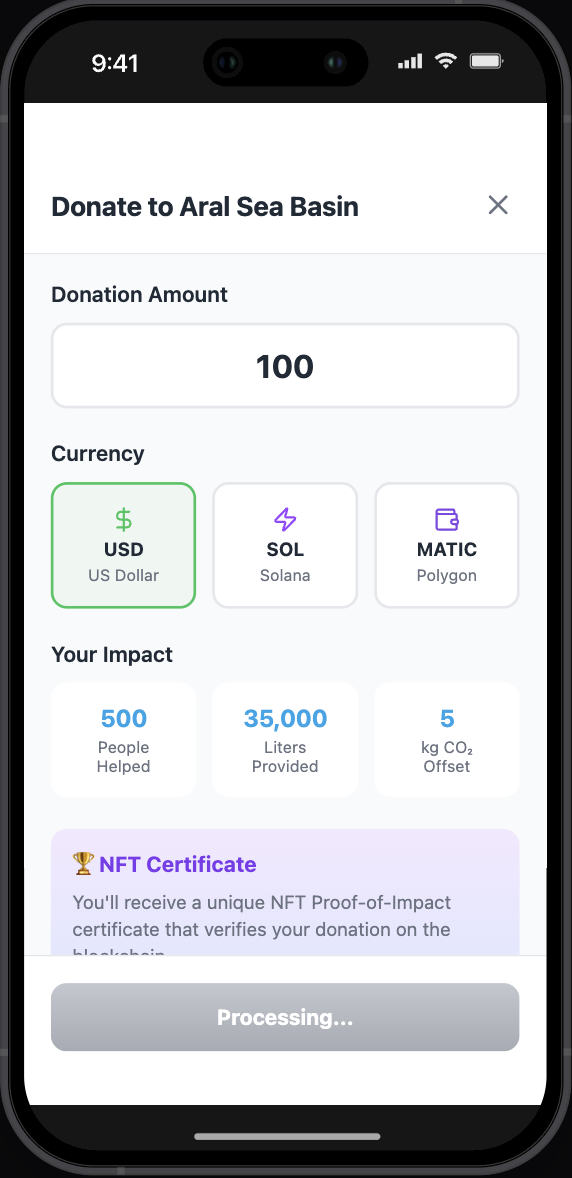
Processing
-
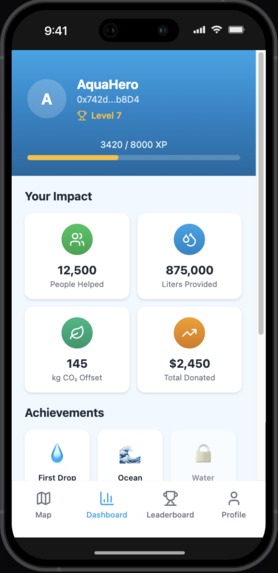
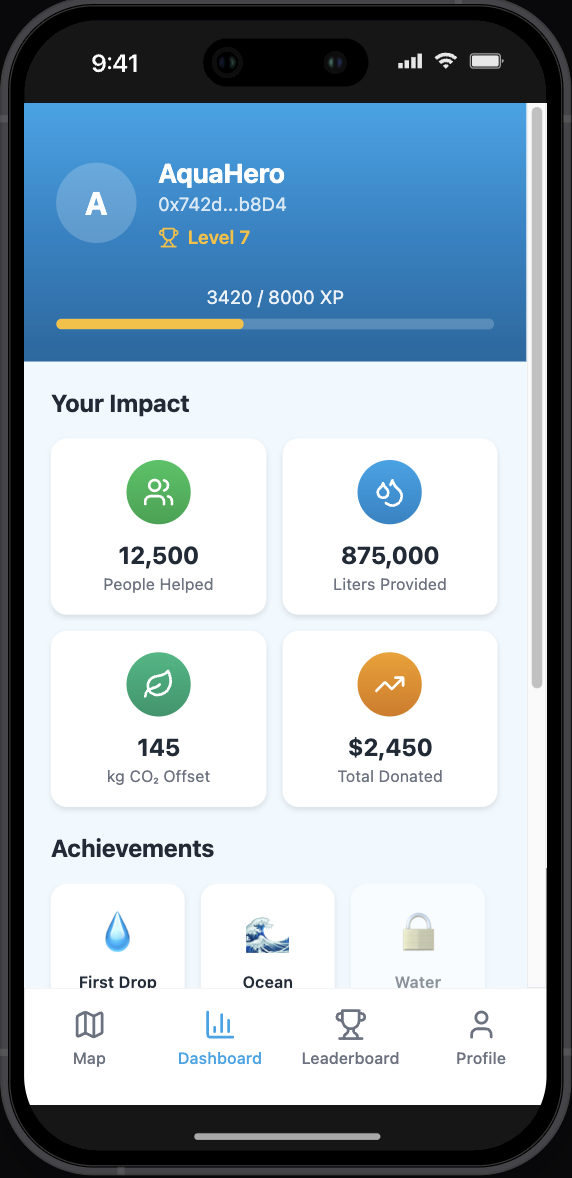
Dashboard - 1
-
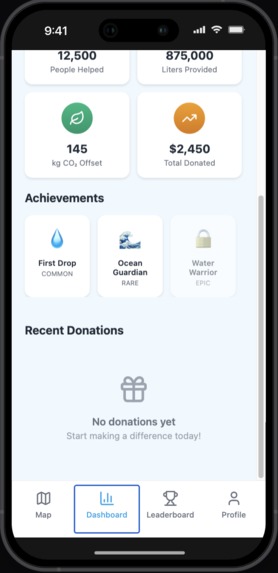
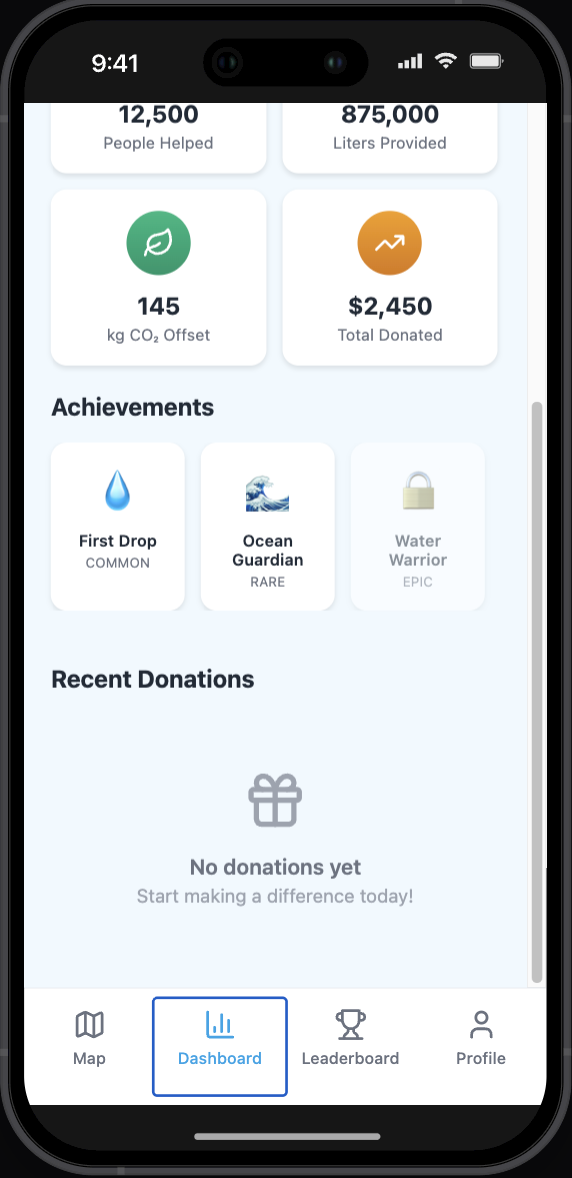
Dashboard - 2
-
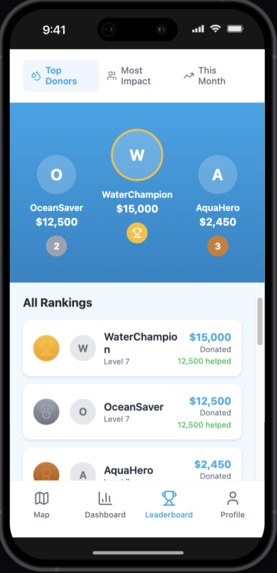
Leaderboard
-
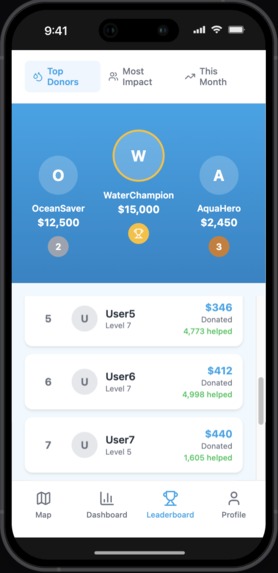
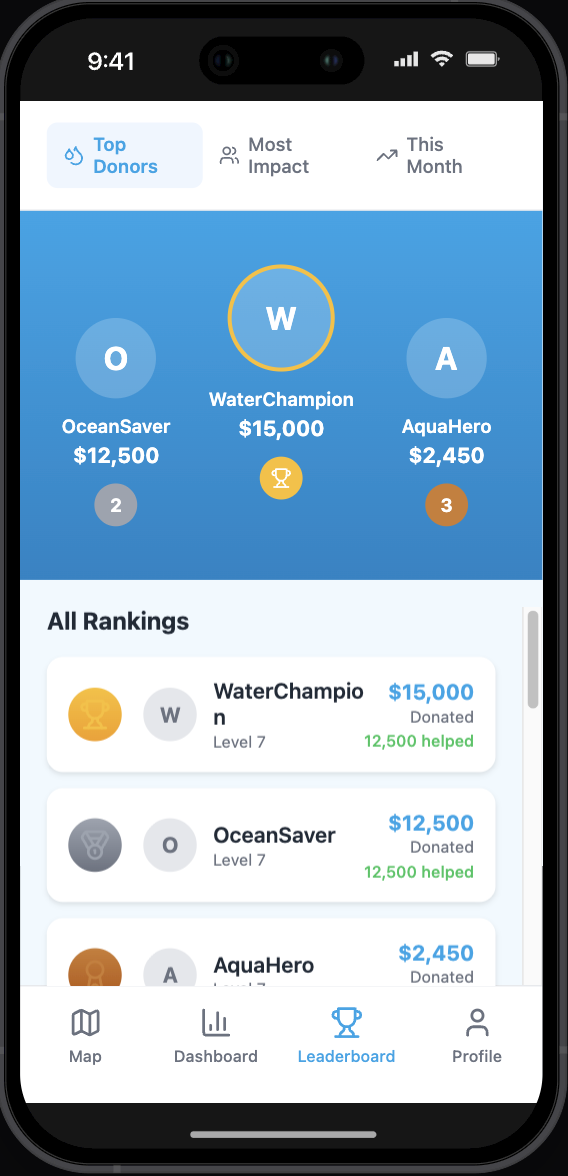
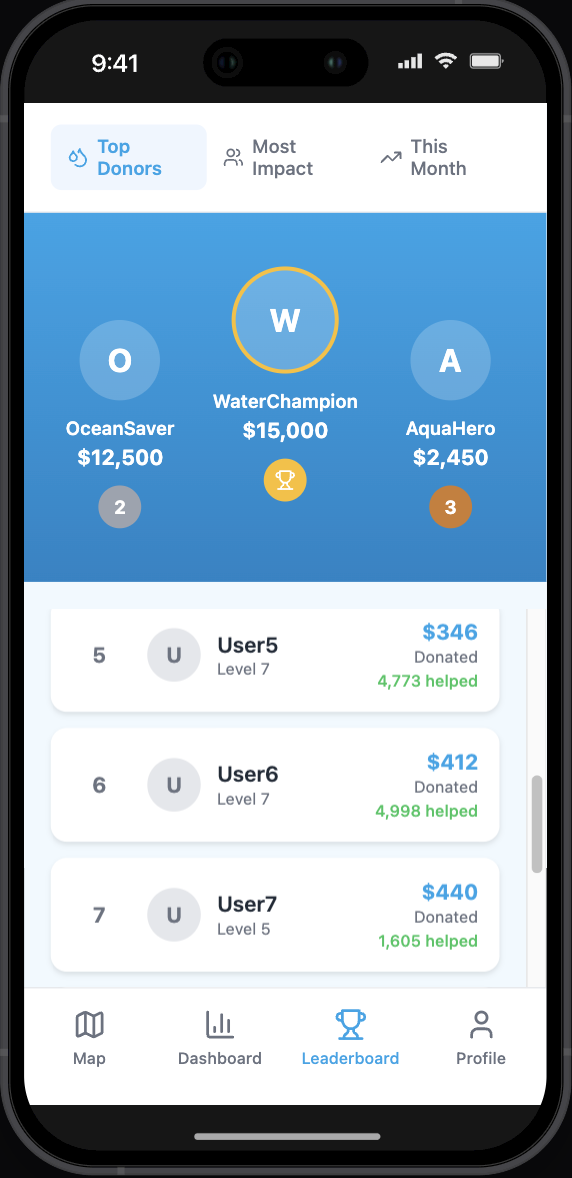
Top Donation - Leaderboard
-
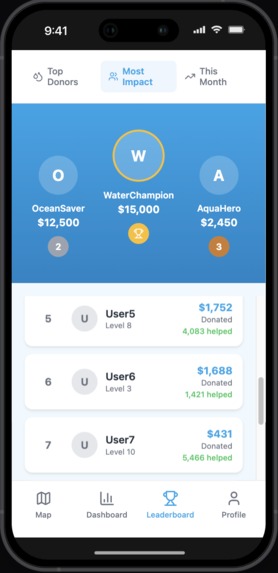
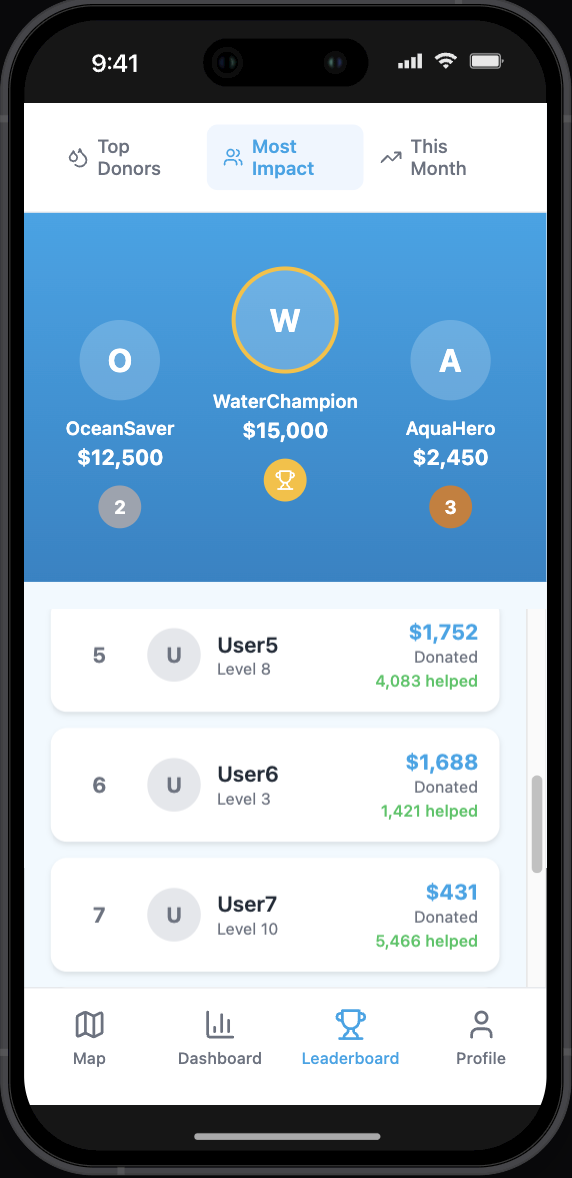
Most Impact - Leaderboard
-
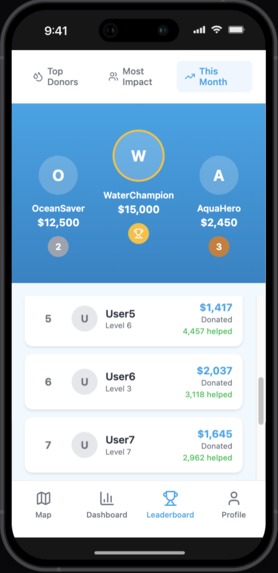
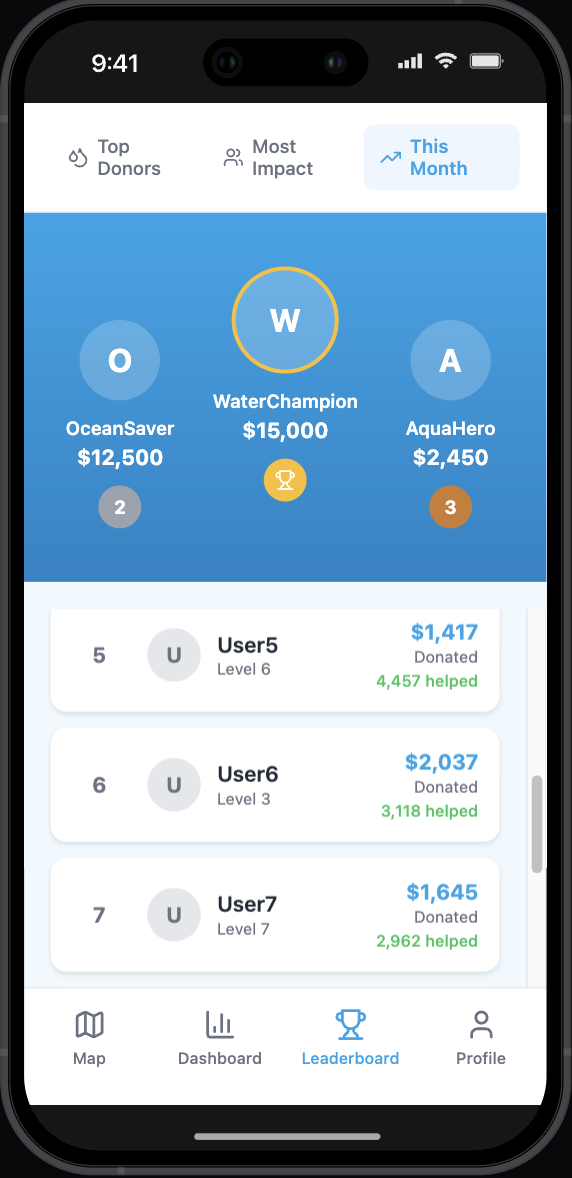
This Month - Leaderboard
-
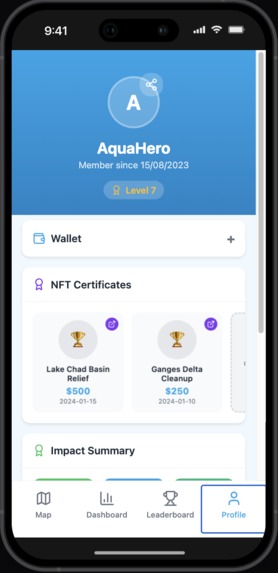
Profile
-
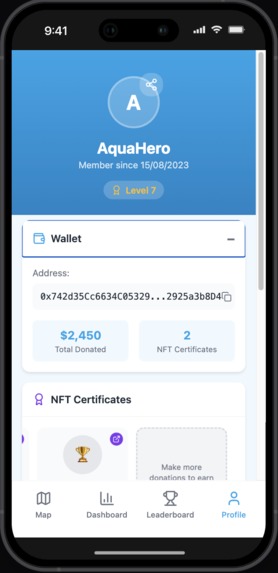
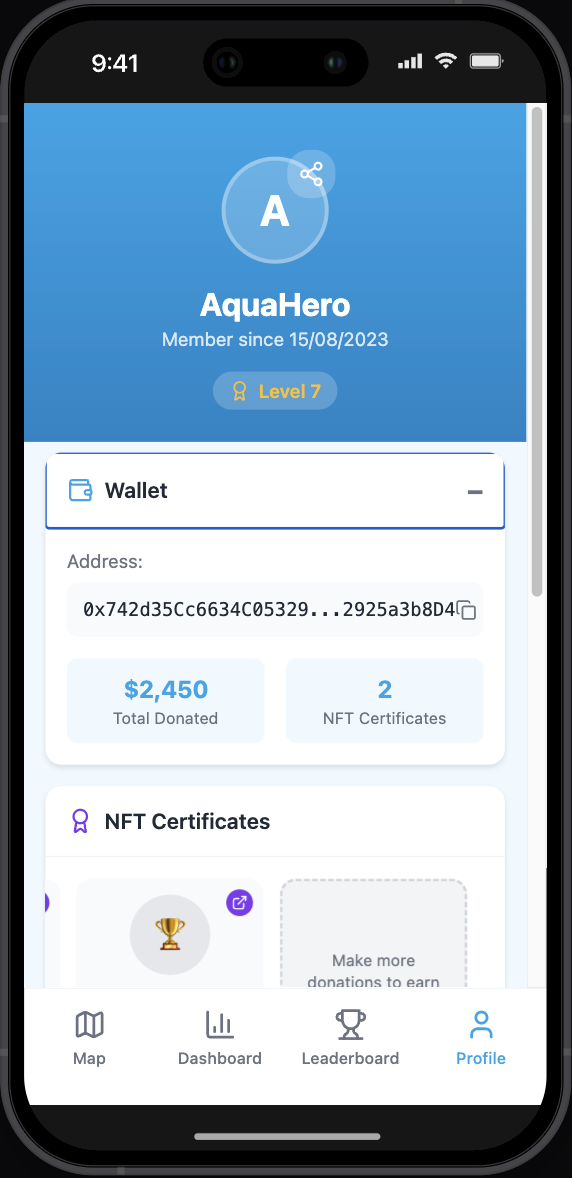
Wallet info
-
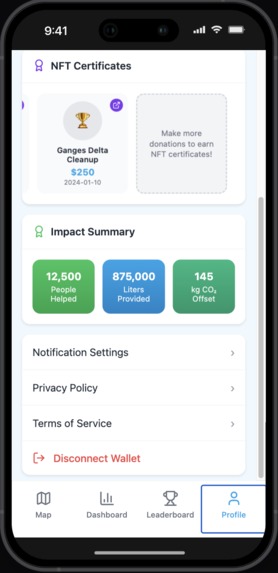
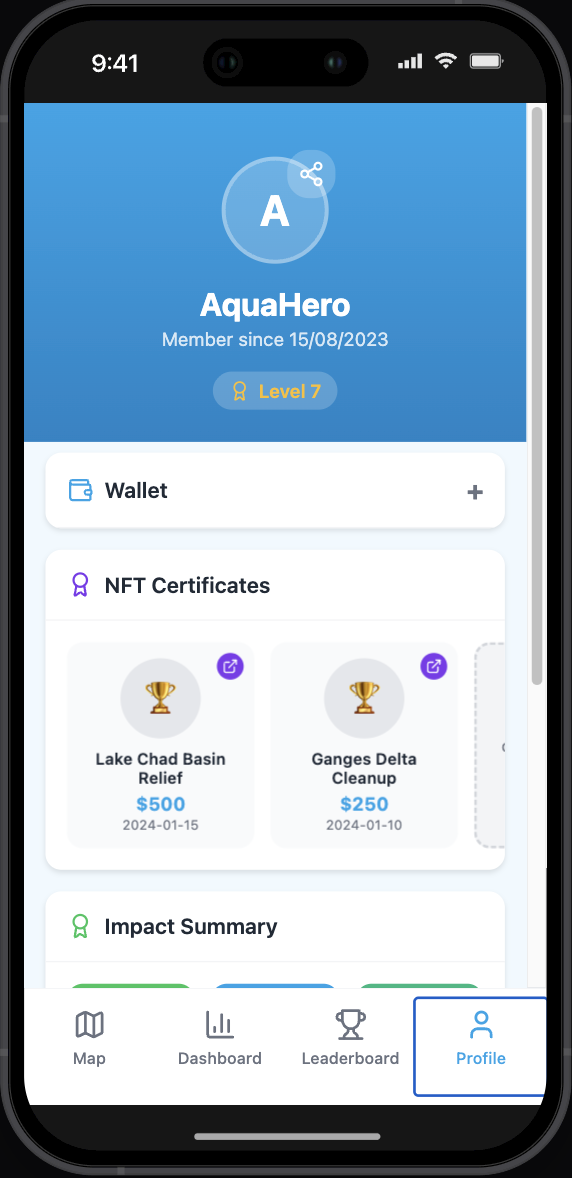
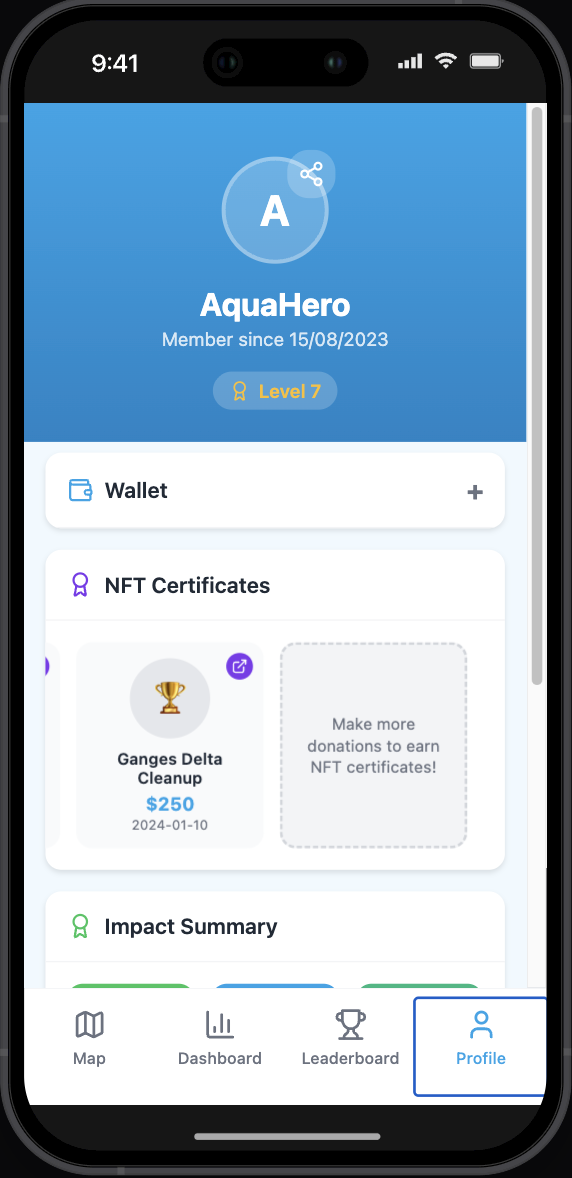
Profile Section
-
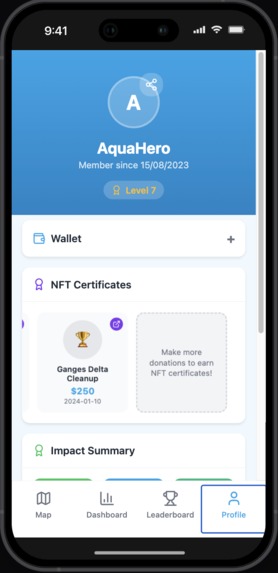
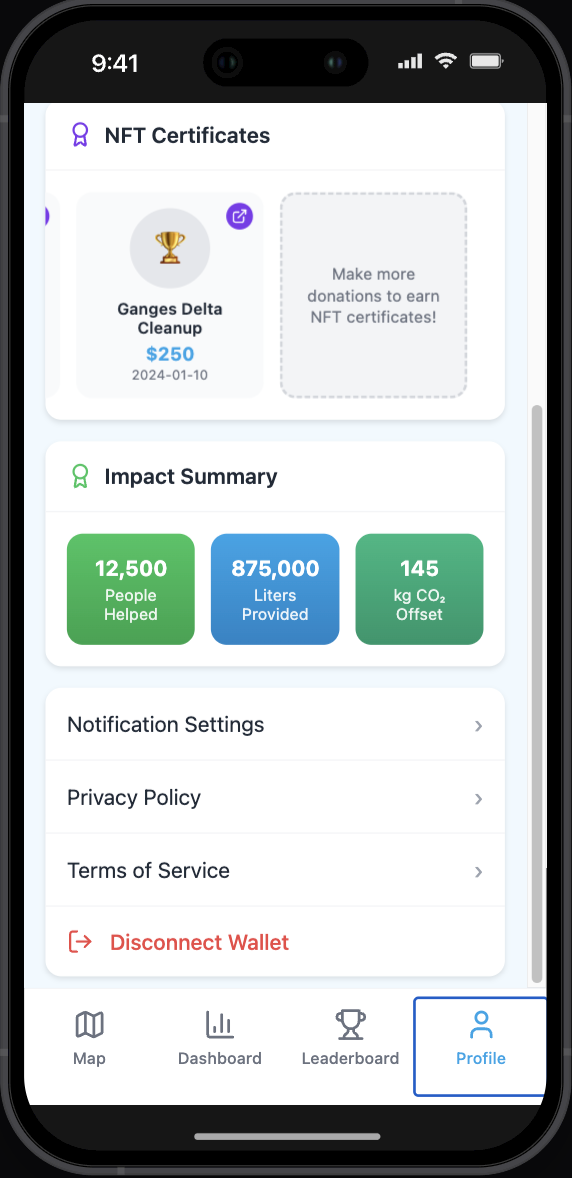
Profile - NFT
Inspiration
Water scarcity affects billions, yet donations often lack transparency and accountability. We wanted to build something that not only highlights where help is needed the most but also ensures that every contribution is traceable, impactful, and meaningful. That’s how AquaChain was born — merging AI insights with blockchain trust.
What it does
AquaChain is a mobile app that uses AI + satellite imagery to map regions suffering from water scarcity and pollution. Users can explore these hotspots on an interactive map and directly donate to affected areas. Every donation is securely logged on blockchain, and donors receive an NFT Proof-of-Impact certificate, ensuring full transparency and lasting recognition of their contribution.
How we built it • Frontend: React Native for a clean, mobile-first experience. • AI: Google Earth Engine + TensorFlow to analyze satellite imagery and detect water stress zones. • Backend: FastAPI/Node.js to connect AI outputs with donation flows. • Blockchain: Solana/Polygon smart contracts to record donations and mint NFTs as proof of impact. • Integration: A real-time dashboard displaying water scarcity data, donations, and gamified leaderboards.
Challenges we ran into • Processing large satellite datasets in near real-time. • Designing smart contracts that were gas-efficient and easy to integrate. • Coordinating between AI predictions, the backend, and blockchain to keep data flow seamless. • Ensuring the mobile experience stayed smooth despite complex integrations.
Accomplishments that we’re proud of • Built a working prototype that combines AI analysis, blockchain transparency, and mobile-first usability. • Successfully mapped real-world water scarcity zones and tied them to transparent donation flows. • Created NFT-based proof certificates that make impact visible and memorable. • Designed a project with real-world scalability and global social impact potential.
What we learned • How to integrate satellite-based AI analysis into a consumer-friendly application. • Best practices for building smart contracts that prioritize transparency and user trust. • The power of combining AI for insights and blockchain for accountability in tackling global issues. • The importance of storytelling and user experience in making tech projects resonate with people.
What’s next for AquaChain • Expand AI models to cover more environmental challenges (like flood prediction and water pollution tracking). • Partner with NGOs and governments to channel donations directly into verified water projects. • Enhance gamification with badges, community challenges, and social sharing features. • Scale globally to become the go-to platform for transparent, AI-driven environmental donations.

Log in or sign up for Devpost to join the conversation.