
Inspiration
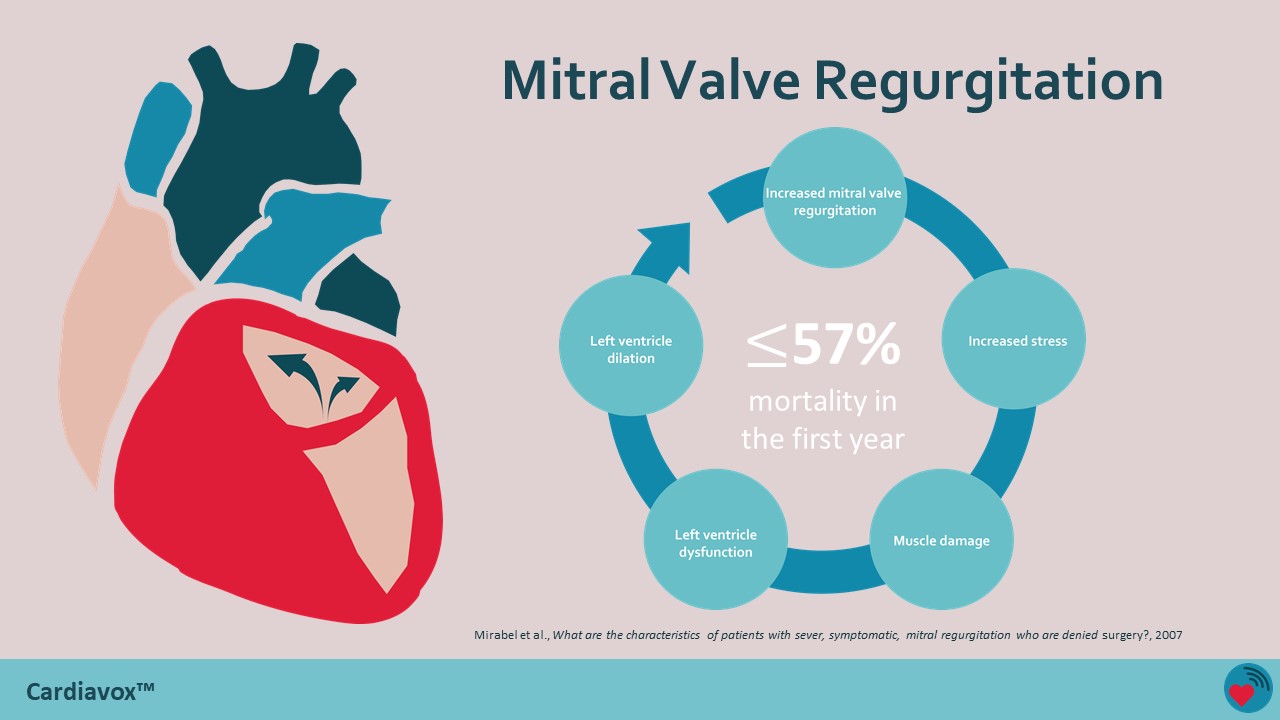
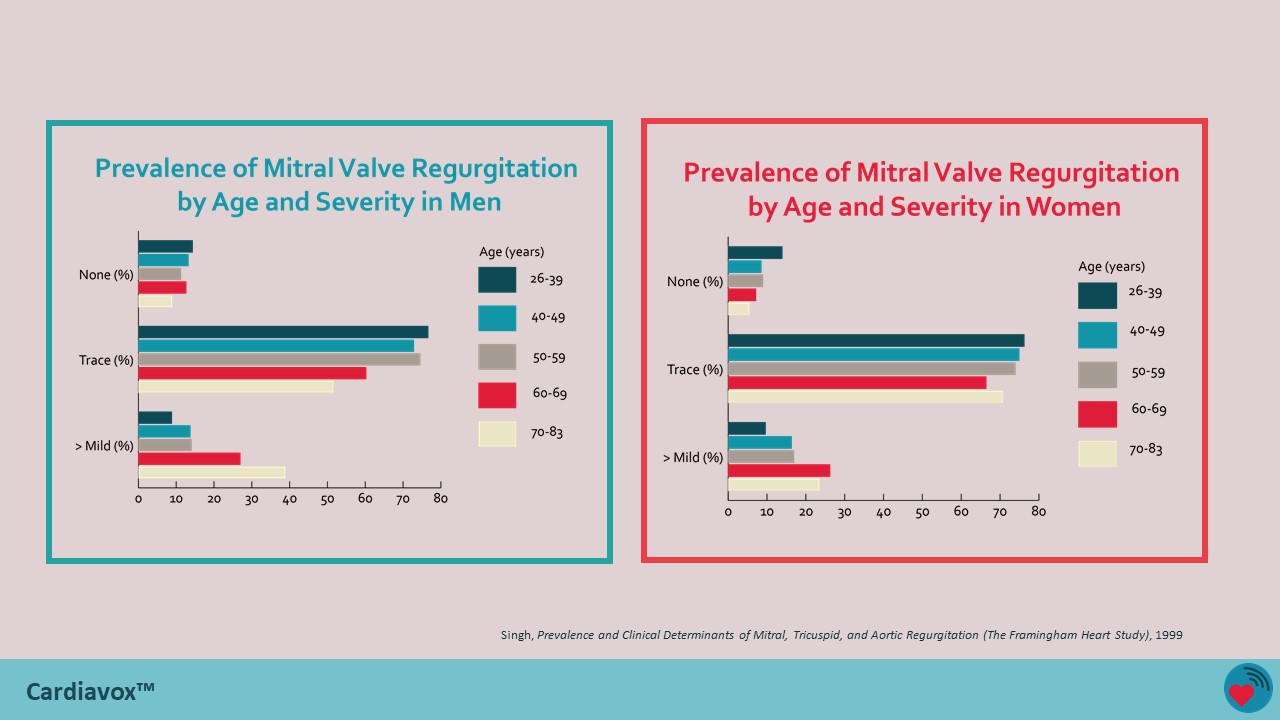
Mitral Valve Regurgitation (MVR) is the most common type of valvular heart disease, affecting 3-8% of people in the world and 1 in 10 people over the age of 75. In this condition, the mitral valve does not close properly, resulting in backflow of blood from the left ventricle to the left atrium through the mitral valve. This condition is largely asymptomatic and can only be detected using expensive equipment operated by a trained physician. Even with an experienced physician using a stethoscope, the sensitivity of detecting MVR is only 60%. This high false positive rate results in additional, unnecessary diagnostic tests which increases the burden of cost on our healthcare system.
MVR can result in life-threatening complications such as atrial fibrillation and myocardial infarction. Left untreated, patients with MVR has a 57% mortality rate within 1 year. Currently, there is no at-home system for personal detection of MVR. This device is an easily accessible, high-accuracy, diagnostic tool that can detect incidences of MVR before the manifestation of serious effects which require surgical intervention. Prior to CardiaVox, patients had no modality to perform personal, at-home checks for mitral valve regurgitation.
What it does
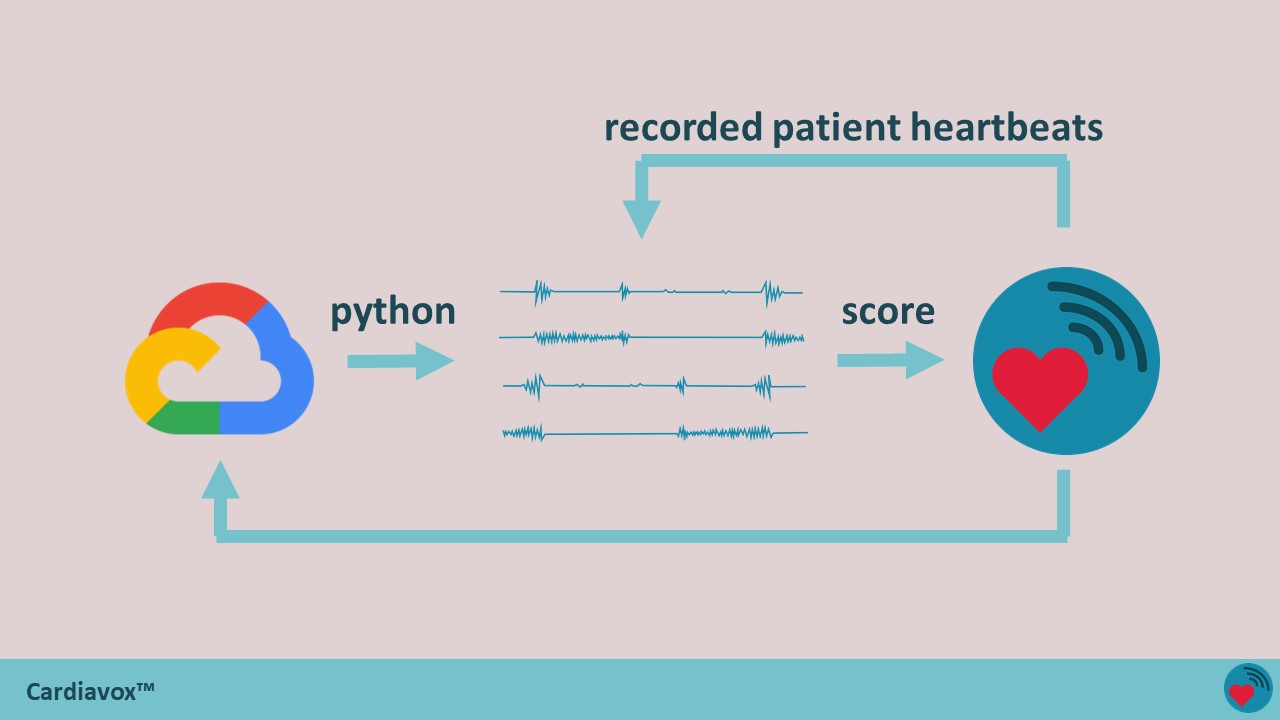
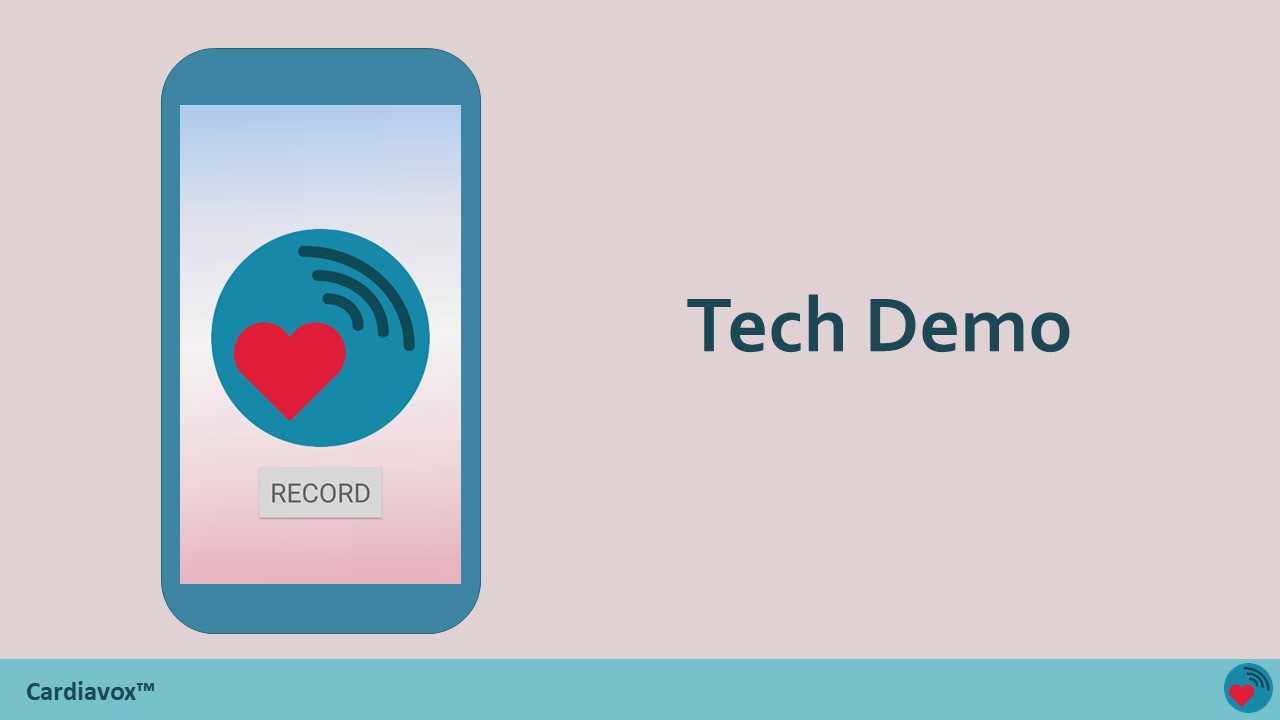
CardiaVox detects MVR using the external microphone of an Android phone. The app compares the audio file generated by the heart sounds to a database of other audio files corresponding to different heart murmurs. If MVR is detected, patients will be urged to make an appointment with a physician to have their condition professionally checked. Patients can also keep a regular record of their day-to-day symptoms relating to the heart sound recorded.
CardiaVox has a 93% accuracy in detecting a MVR heart murmur and collects data to send to physicians. The app uses a machine learning algorithm to build on the existing database to improve the long-term sensitivity and specificity of the application.
How I built it
Built using Kaggle Database, Android Studio for UI/UX and app design, Google Cloud Platform for server.
Challenges I ran into
Accomplishments that I'm proud of
First mobile medical application First at-home mitral valve regurgitation detection mobile application
What I learned
What's next for CardiaVox
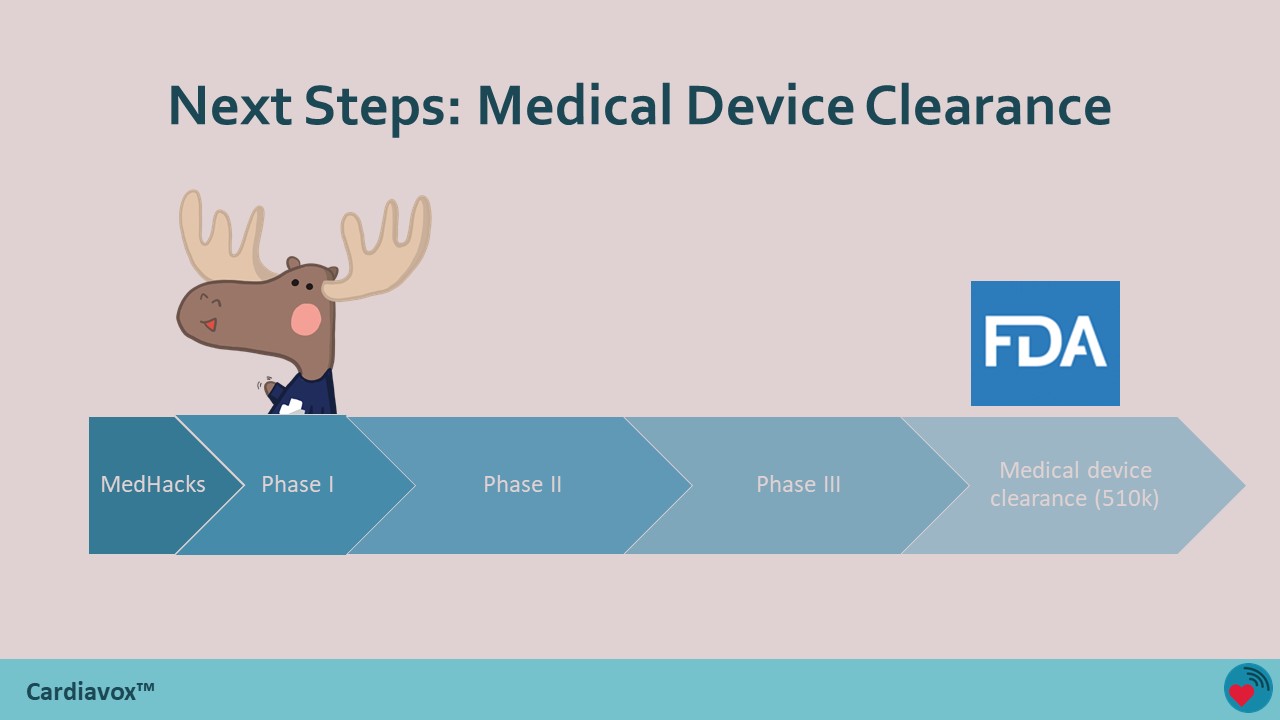
Designing and enrolling patients in clinical trials (Phase I - Feasibility, Phase II - Non-Inferiority, Phase III - Randomized, Controlled Trial) in order to obtain the safety and efficacy data to support a 510(k) submission.
Expanding heart murmur audio file database to detect a wider range of heart murmurs (aortic stenosis, mitral stenosis, atrial valve regurgitation, etc.).


Log in or sign up for Devpost to join the conversation.