-
-
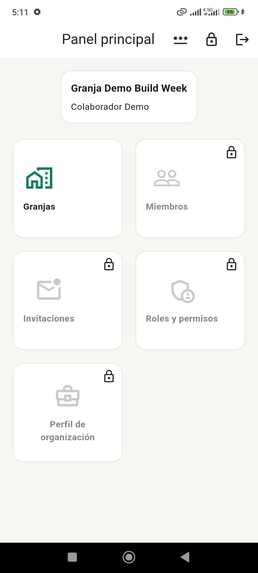
Permission-Aware Collaborator Access
-
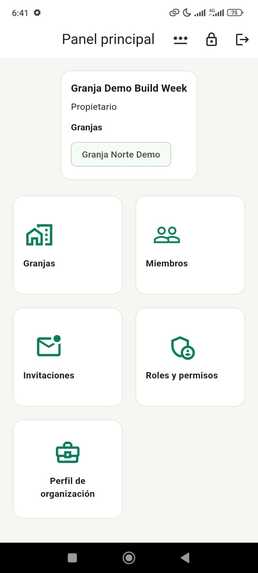
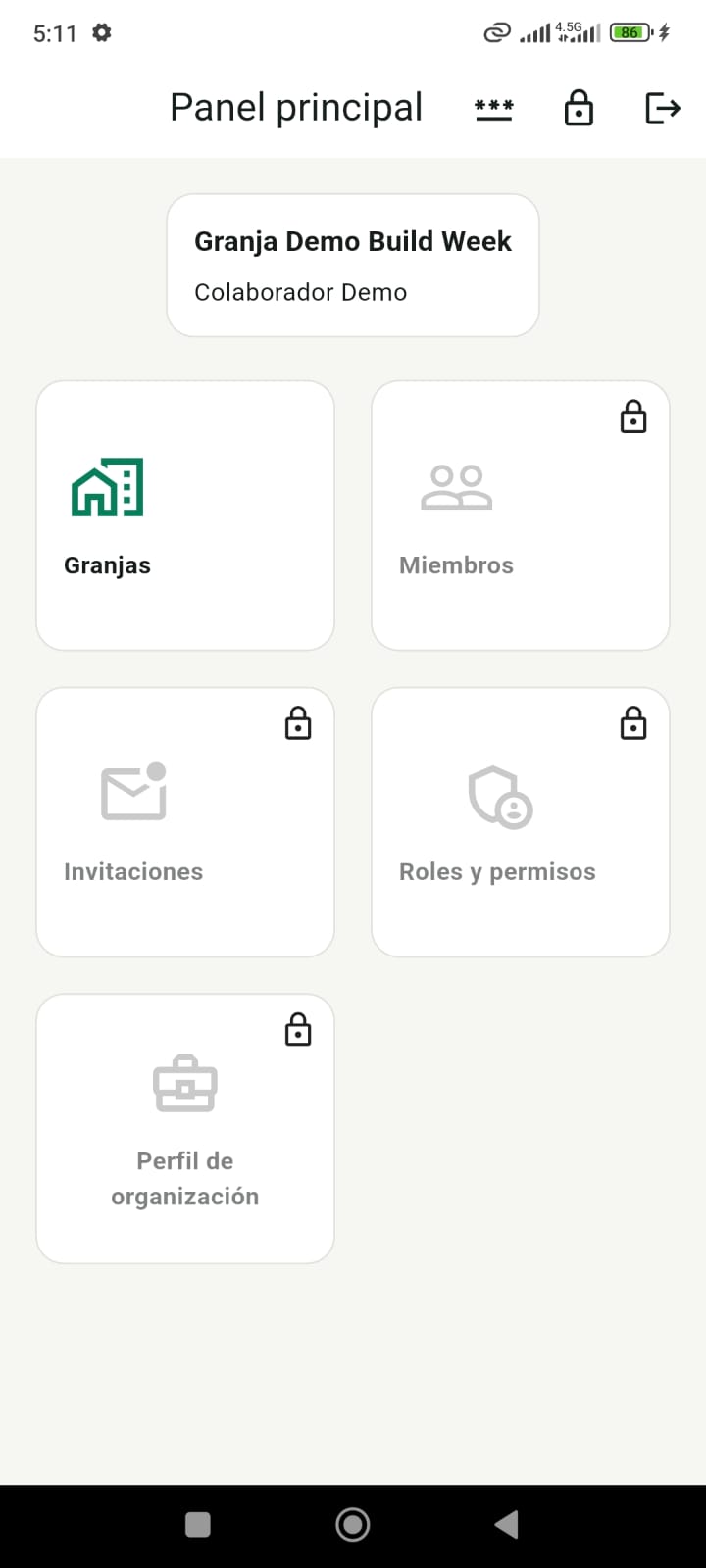
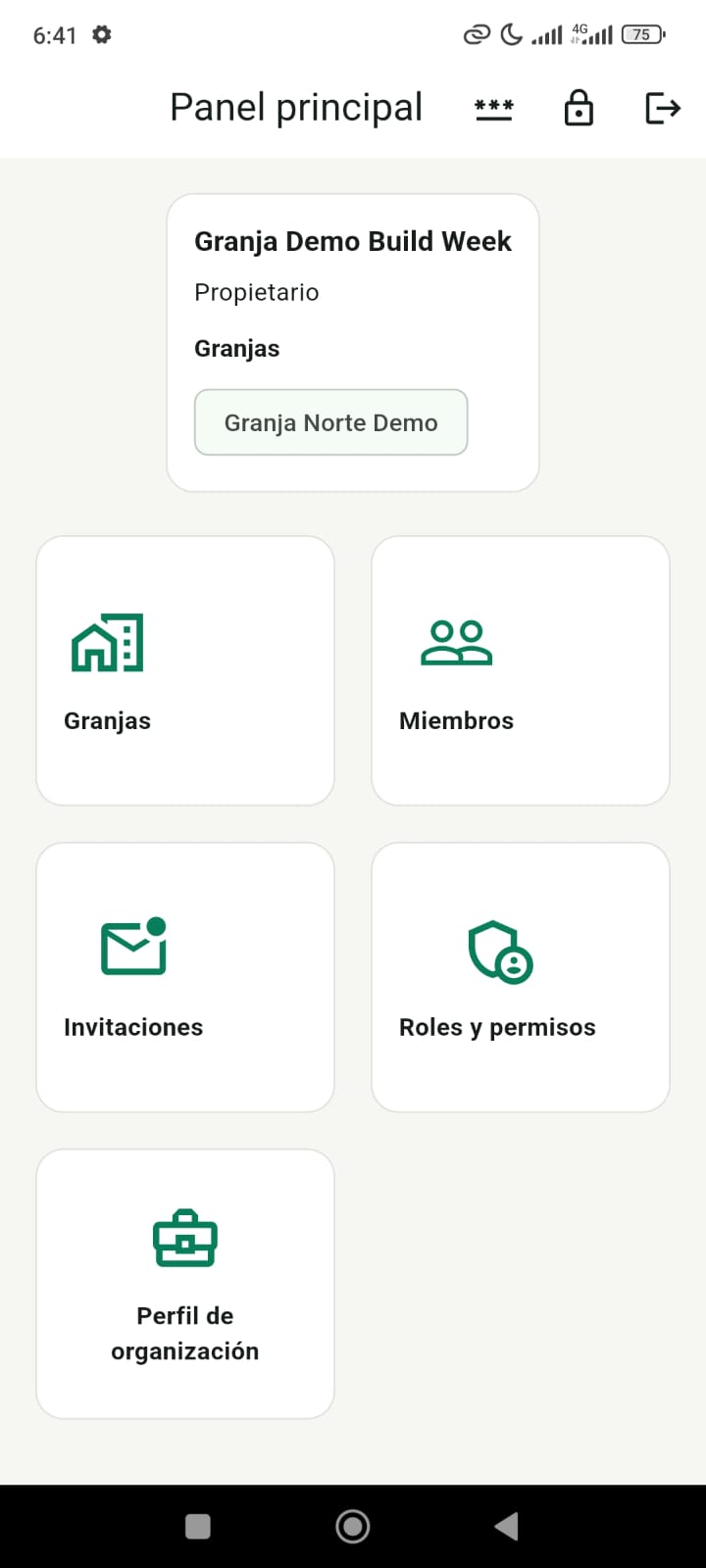
App Multigranja — Organization Dashboard
-
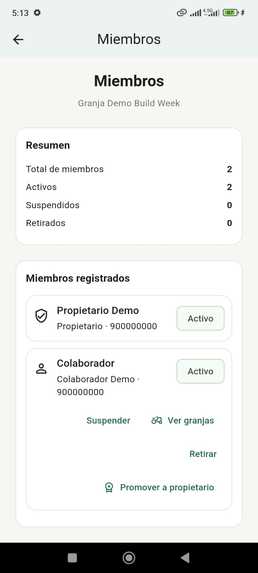
Controlled Multi-Owner Governance
-
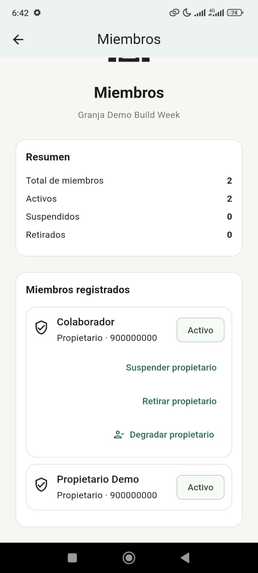
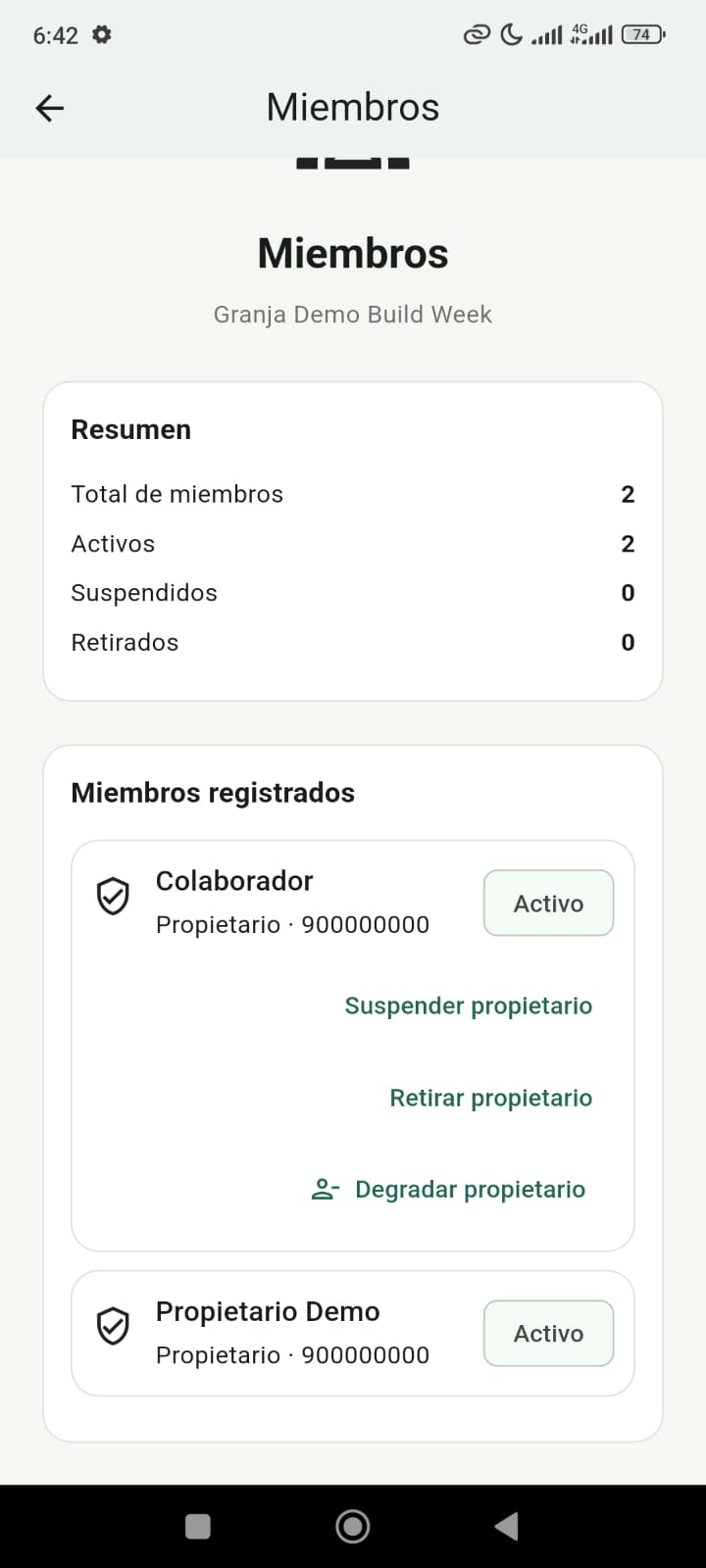
Multiple Active Organization Owners
-
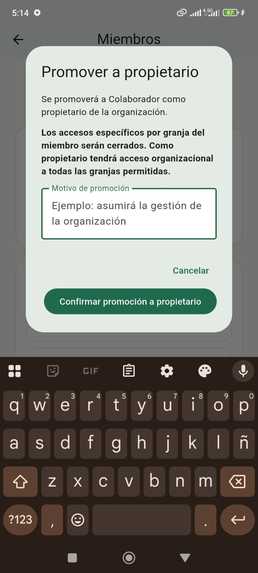
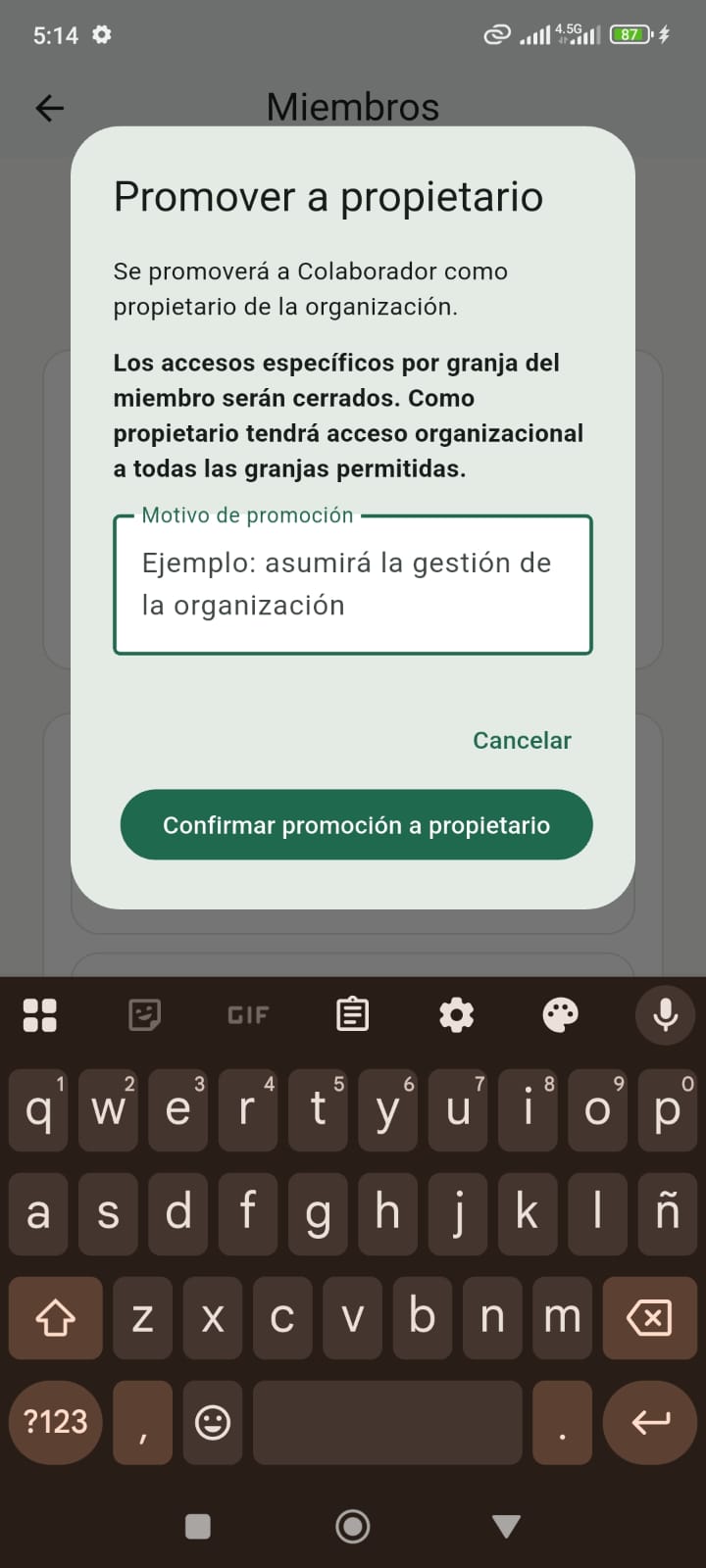
Auditable Owner Promotion Workflow
-
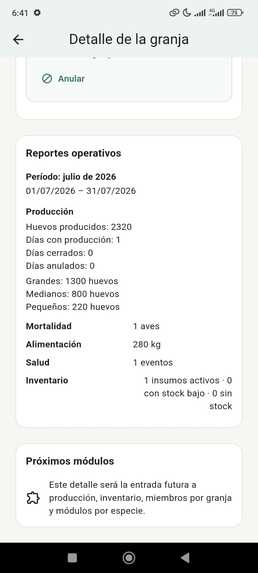
Centralized Poultry Operations and Reporting
Inspiration
I run a small poultry farm with approximately 2,500 laying hens. Daily production and operational reports were traditionally recorded by the farm manager in a notebook. Sometimes pages were misplaced, and reports sent through messaging apps were difficult to read because the photos were unclear or incomplete.
I initially wanted to build a simple application only for my own farm, so I could keep production, mortality, feeding, health, and inventory records organized in one place.
As the project evolved, I realized that many other small and mid-sized farmers face the same difficulties: fragmented records, unreliable connectivity, limited traceability, and no simple way to coordinate owners and workers.
That is why App Multigranja grew from a personal solution into a mobile platform designed to help more farmers manage their operations securely, both online and offline.
What it does
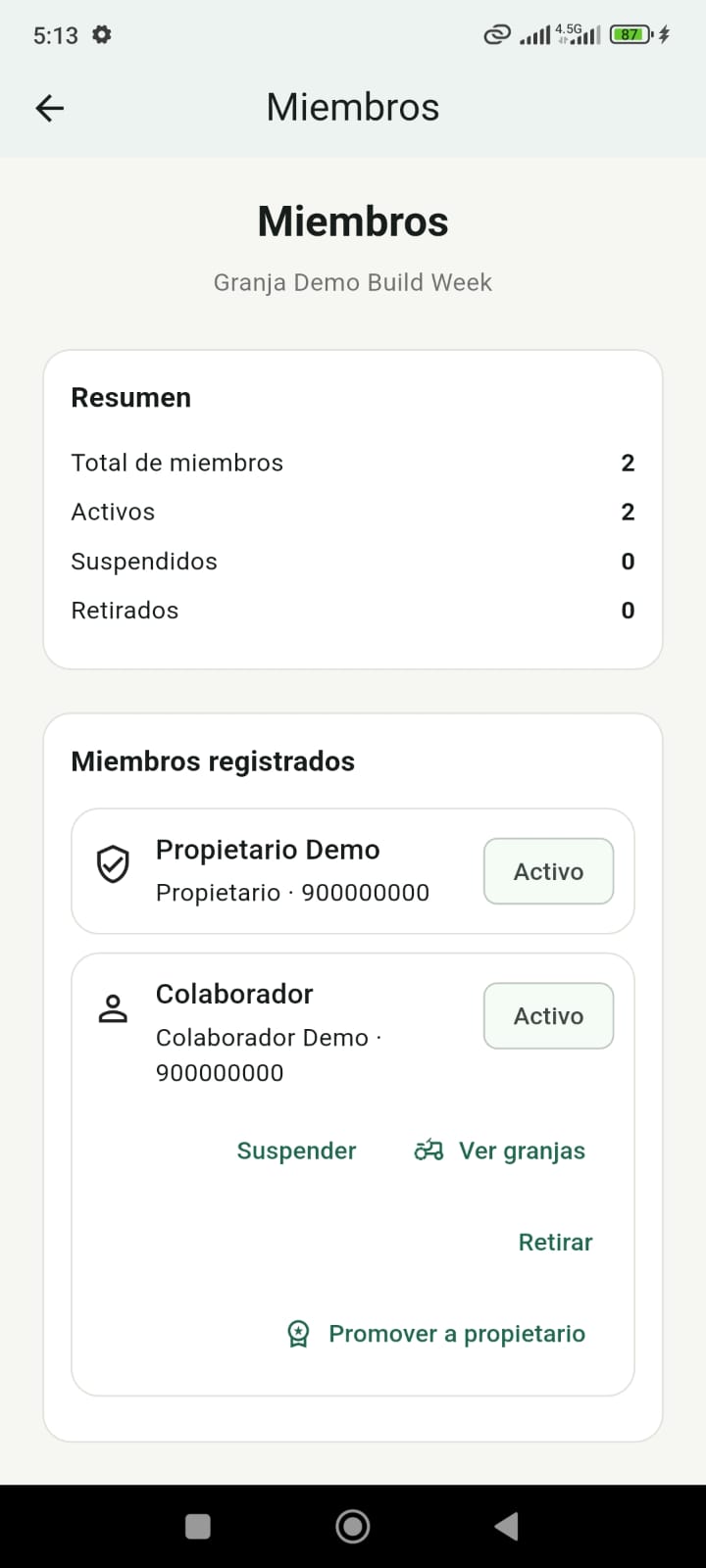
App Multigranja is a Flutter mobile application for managing poultry farm operations. It supports organizations with multiple farms, owners, workers, roles, permissions, and farm-level access.
The application includes:
- Poultry flock management
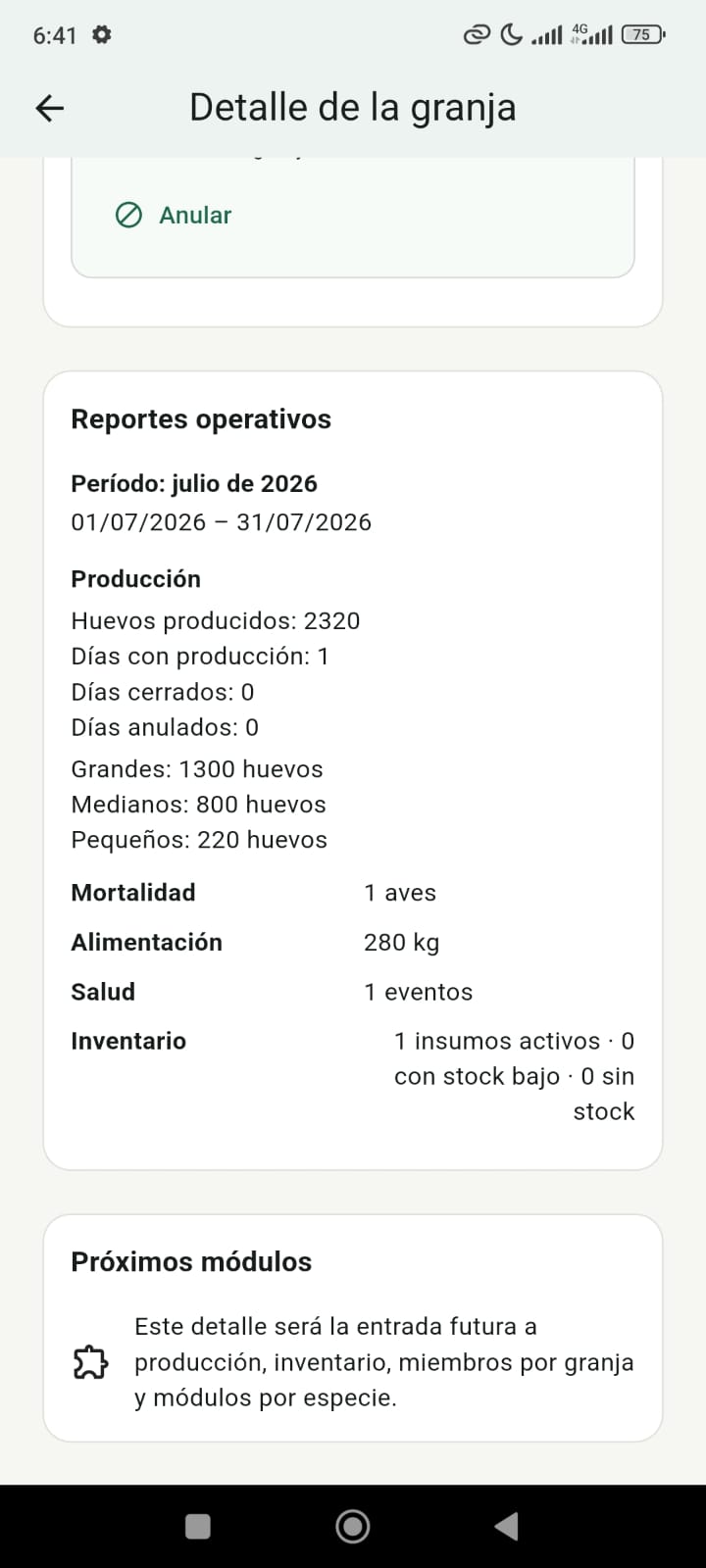
- Daily egg production records
- Feeding, mortality, and poultry health records
- Inventory items and stock movements
- Operational farm reports
- Online and offline workflows
- Secure organization and farm permissions
- Auditability for sensitive operational actions
Existing project and Build Week extension
App Multigranja existed before OpenAI Build Week. The core farm-management modules were already under development.
During the Build Week submission period, the project was meaningfully extended with secure multi-owner organization governance. The new work focused on making ownership a reliable and authoritative access model instead of a simple role label.
The extension includes:
- Support for multiple active organization owners
- Consistent owner access across all organization farms
- Safe promotion of an existing member to owner
- Protection against removing or demoting the last active owner
- Authoritative owner context and access revalidation
- Security, transaction, concurrency, and negative-path validation
- Flutter integration for the owner-promotion workflow
The backend was also extended with linked egg-production correction support. It preserves a linear correction history, audit metadata, transactional safety, and concurrency protection. This correction capability is currently validated at the backend level and is not presented as a completed Flutter workflow.
The dated Git history and Codex sessions distinguish the pre-existing project from the work completed during Build Week.
How we built it
The mobile application is built with Flutter and Dart. Supabase provides authentication and a PostgreSQL backend.
The security model uses Row Level Security, transactional RPC functions, organization membership, farm assignments, explicit permissions, and audit records. Local persistence and synchronization support operation when connectivity is limited.
The project is developed in small, reviewable blocks. Each block is inspected before modification and validated through formatting, static analysis, automated tests, SQL validation, Git diff checks, and real Android testing when applicable.
How we used Codex and GPT-5.6
Codex worked directly with the repository to inspect existing architecture, implement scoped changes, update tests, analyze SQL migrations, and validate security-sensitive workflows.
GPT-5.6 supported architecture review, risk analysis, product decisions, documentation, and the final explanation of how the Build Week extension fits into the larger product.
The human developer remained responsible for product direction, scope approval, security decisions, real-device validation, and stable commits.
Challenges we ran into
The main challenge was supporting several owners without weakening tenant isolation or creating inconsistent access between the backend, local cache, and Flutter interface.
Important edge cases included concurrent operations, stale local context, suspended memberships, owner promotion, and protecting an organization from losing its final active owner.
Accomplishments that we're proud of
The Build Week extension produced a tested multi-owner access model for a real agricultural management application. It combines practical mobile workflows with PostgreSQL security, transactional operations, offline-aware architecture, and a documented engineering process.
What we learned
Reliable permissions require more than hiding interface buttons. The database, RPC layer, local context, synchronization behavior, and user interface must all agree about the user's effective authority.
Codex was most valuable when changes were divided into narrow blocks with explicit contracts, negative tests, and validation criteria.
What's next for App Multigranja
The next steps are to complete the Flutter workflow for linked production corrections, improve the daily-operation user experience, prepare a controlled pilot with poultry farms, and expand reports based on real operational feedback.

Log in or sign up for Devpost to join the conversation.