-
-
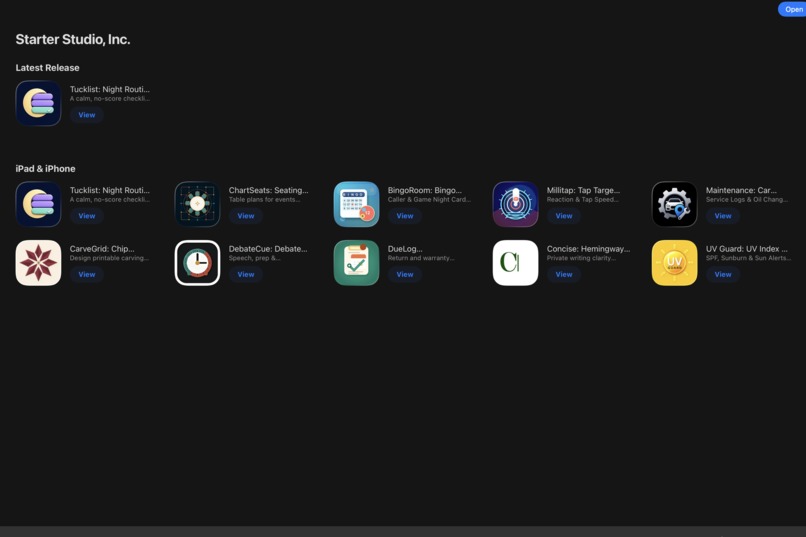
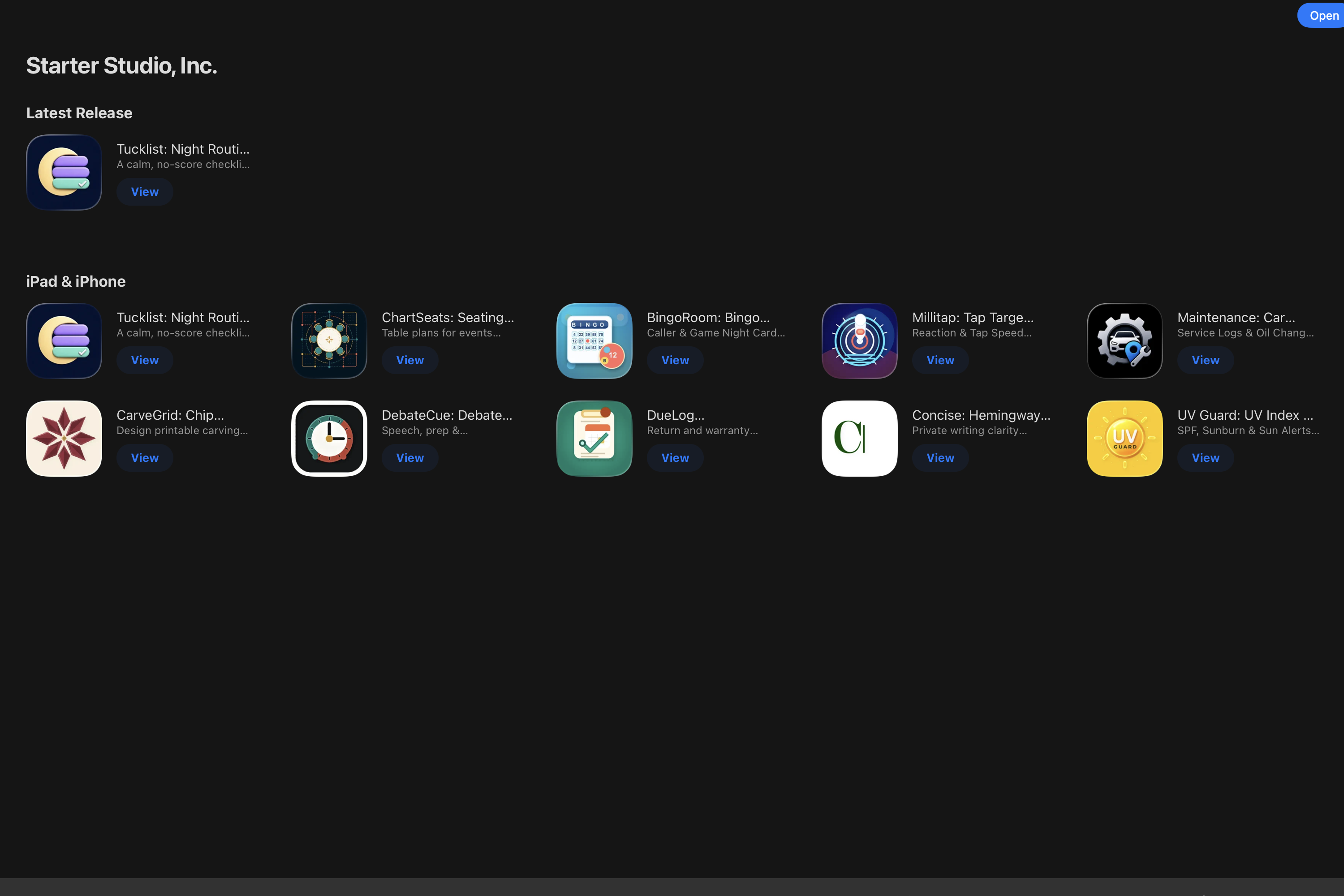
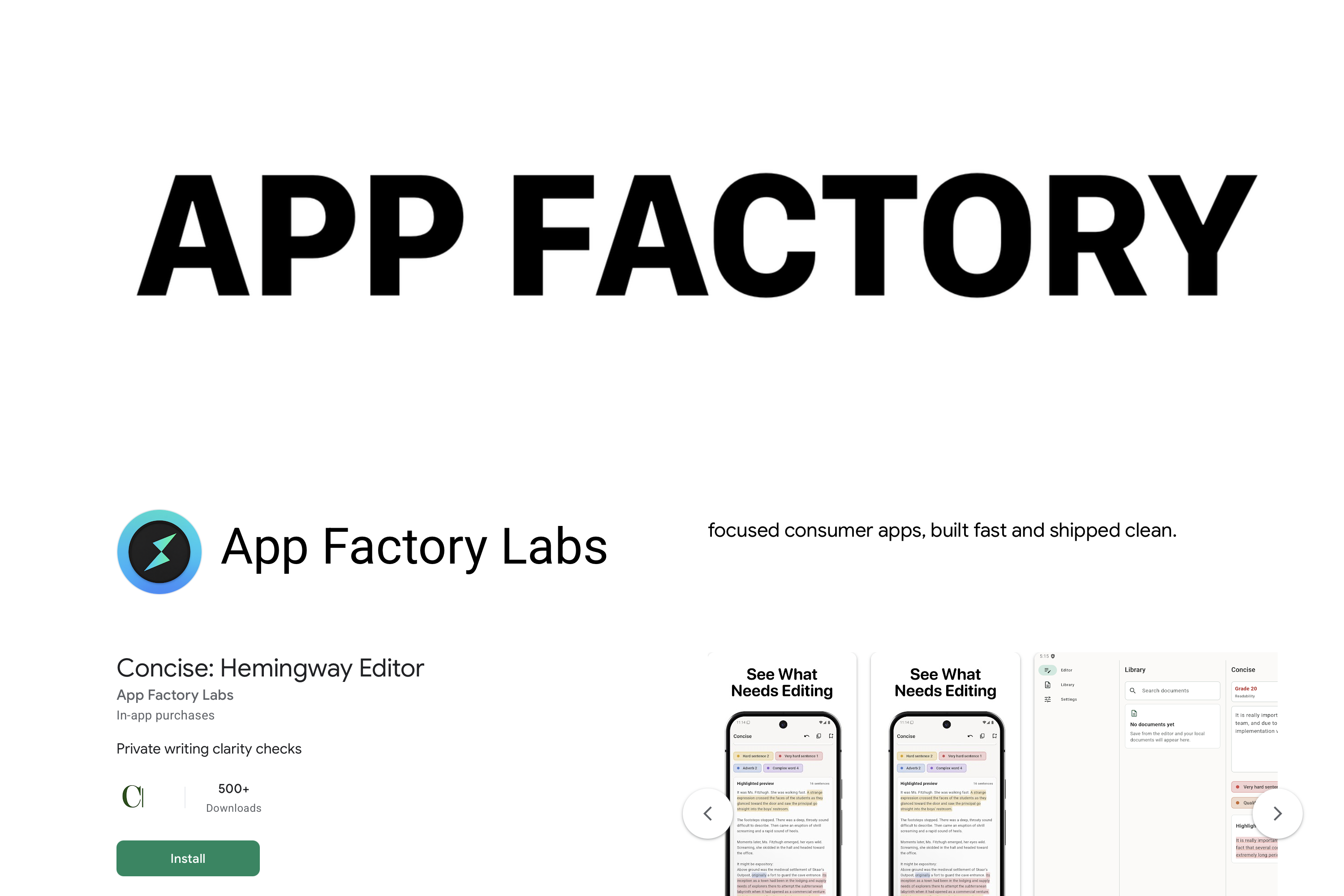
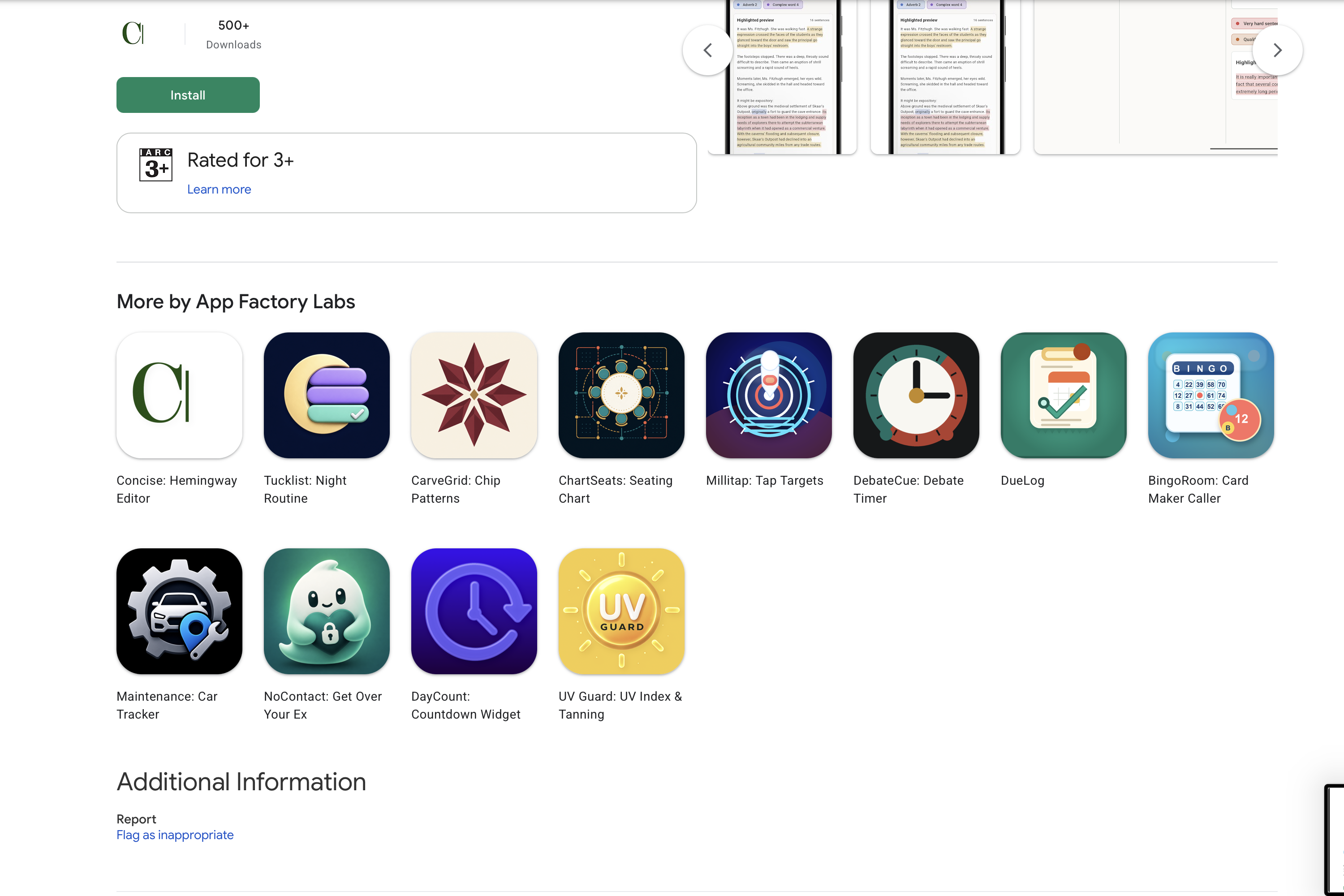
App Factory products distributed through real production app-store infrastructure.
-
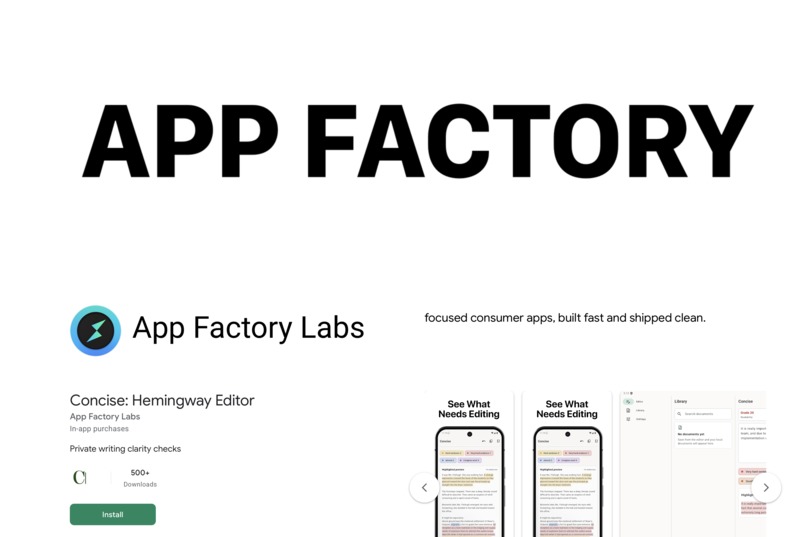
App Factory products distributed through real production app-store infrastructure.
-
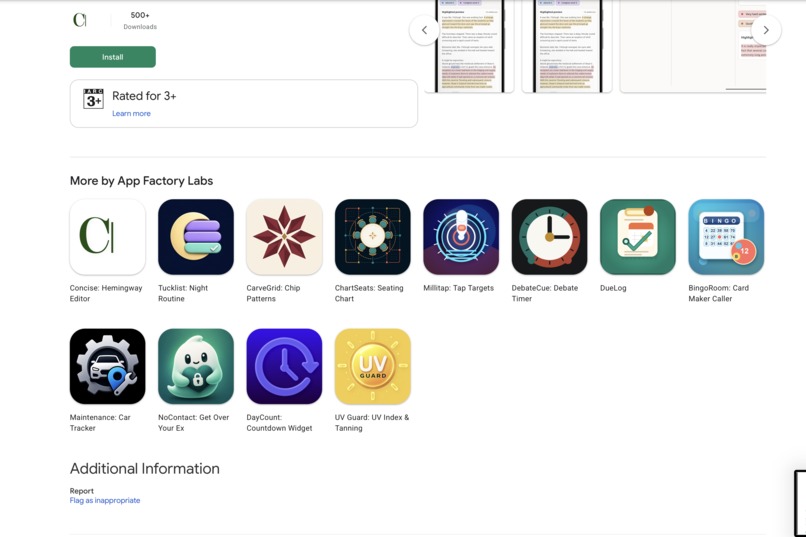
App Factory products distributed through real production app-store infrastructure.
-
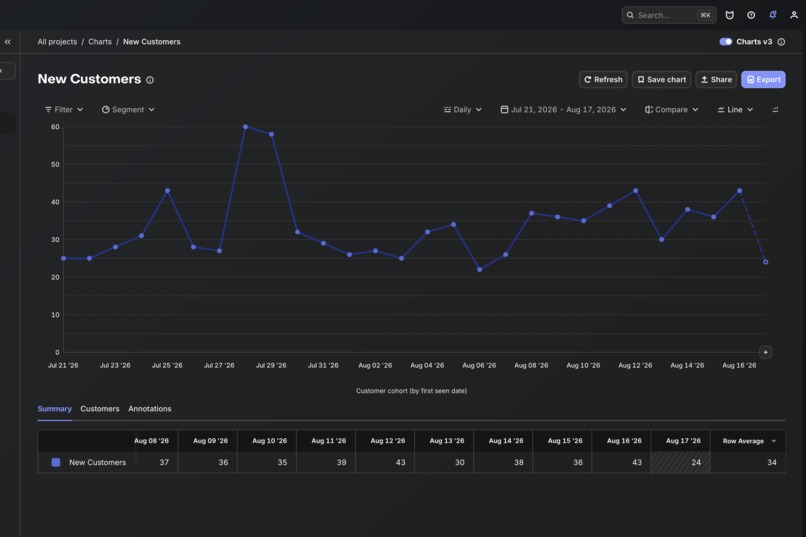
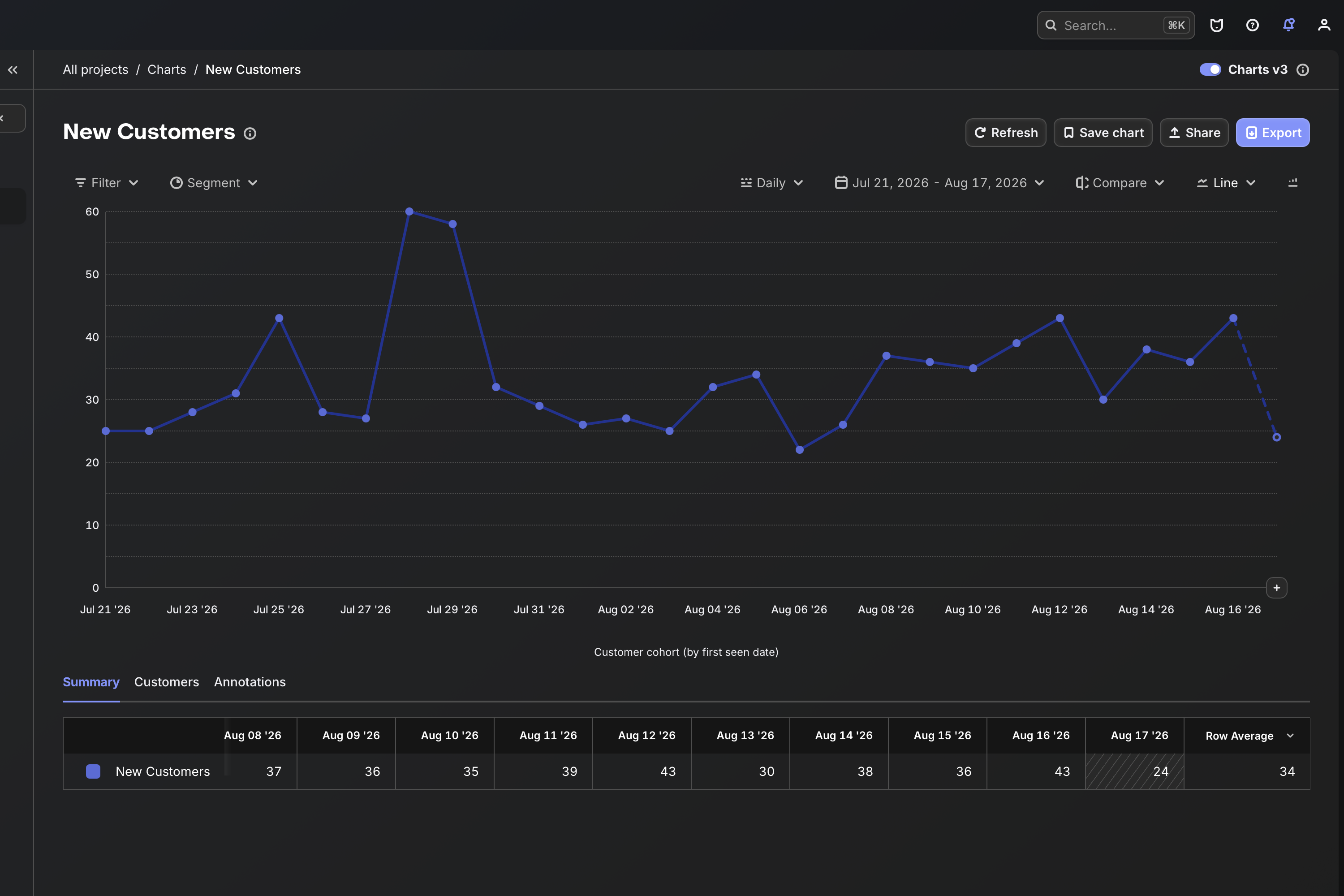
Real production customers acquired across the App Factory portfolio during the competition period.
-
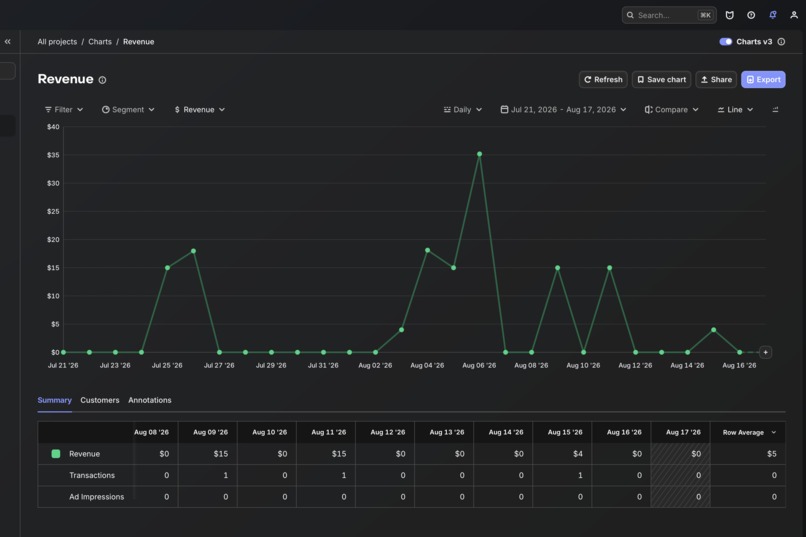
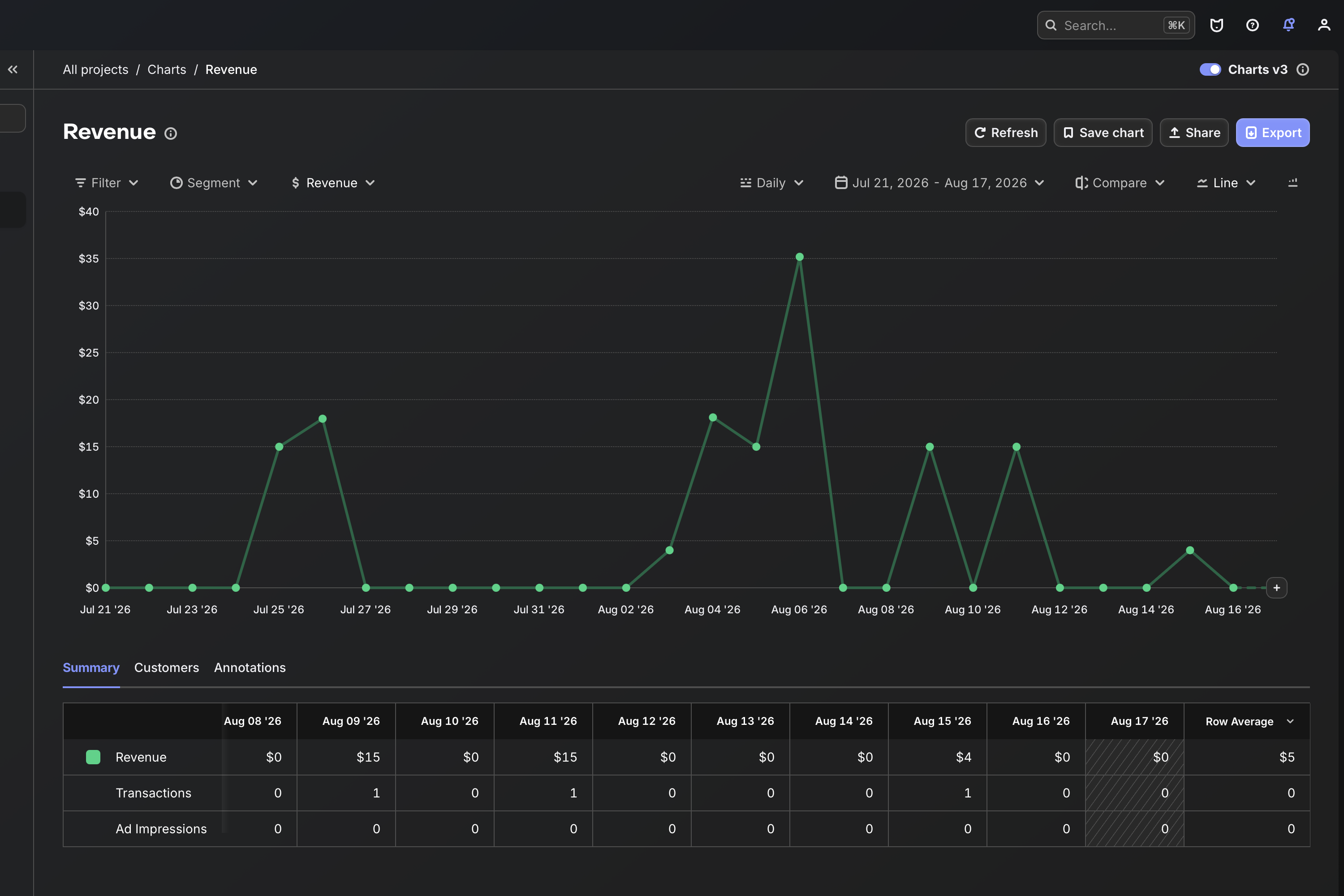
Real production customer revenue generated by the App Factory portfolio during the competition period.
-
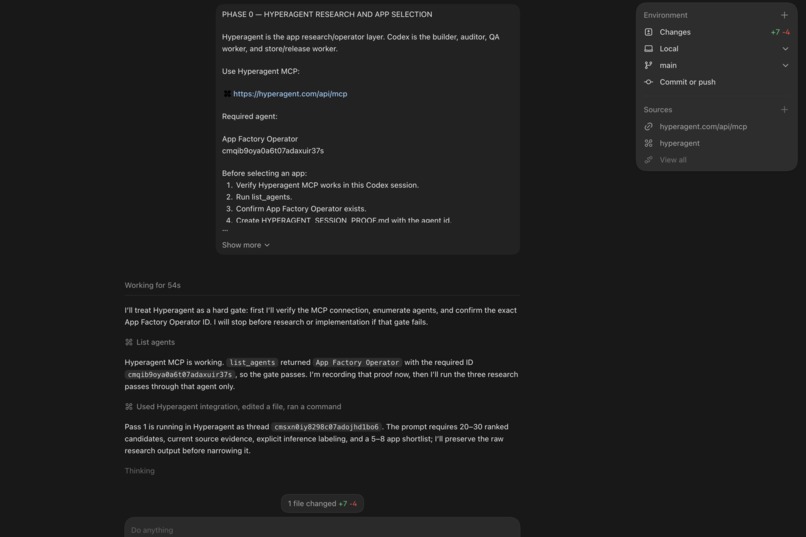
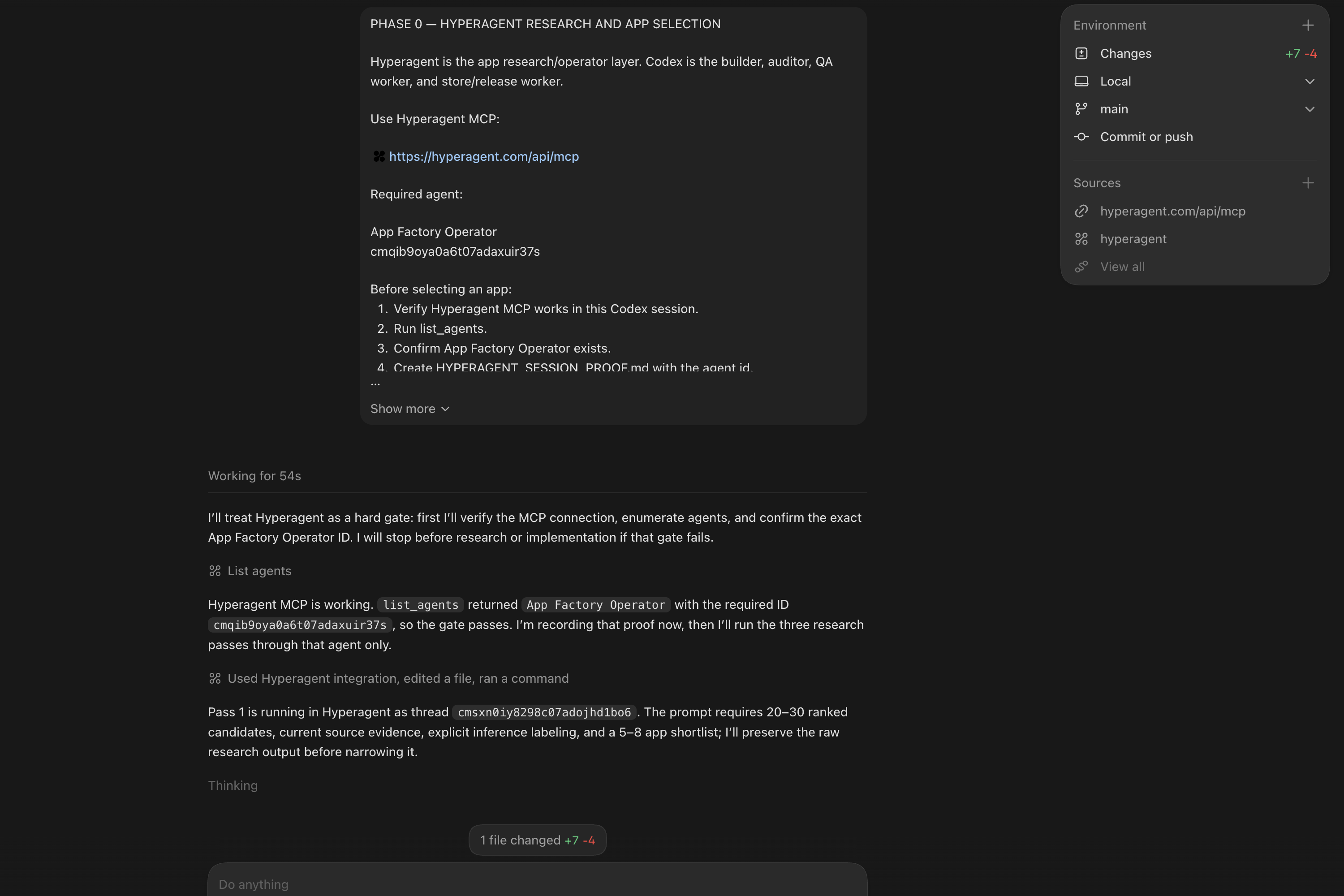
Central operating system coordinating research, decisions, builds, releases, and production evidence.
Inspiration
Building an app has become dramatically easier with modern AI coding agents. But choosing the right app to build, validating whether people actually want it, launching it correctly, monetizing it, and learning from the market are still largely manual.
That led us to a bigger question:
How much of a mobile app company can be operated by AI agents instead?
App Factory was built around the entire lifecycle of a software business, not just code generation.
Instead of starting with an idea and hoping there is demand, we start with evidence. AI agents research markets, web traffic, App Store search behavior, competitors, customer complaints, pricing, and distribution opportunities. Humans provide strategy, taste, and approval at consequential decision points, while more of the repetitive research, implementation, testing, release preparation, and operational work is delegated to AI.
Our goal is to build a company where AI does not simply help employees work faster. AI performs meaningful operating roles inside the business itself.
What it does
App Factory is an AI-native mobile app company that turns market demand into real software products.
A typical App Factory run follows a closed loop:
Research demand
AI research agents scan markets and identify products, utilities, and underserved opportunities with demonstrated demand.Validate the opportunity
We evaluate App Store search demand, competition, reviews, pricing, user complaints, existing alternatives, and potential distribution channels before committing engineering time.Make a build decision
Research evidence is synthesized into a structured build or no-build decision.Generate the build specification
The system produces product requirements, UX direction, monetization strategy, technical constraints, store positioning, and launch requirements.Build the product
Coding agents implement native Swift/SwiftUI or Flutter applications, supporting websites, tests, subscriptions, analytics, and backend services where required.Verify the product
Automated and agent-assisted workflows run tests, inspect simulator and emulator behavior, validate requirements, and produce evidence before release.Launch and monetize
App Factory prepares App Store Connect and Google Play releases, configures RevenueCat products and entitlements, creates metadata, websites, privacy and support pages, and other launch infrastructure.Learn from the market
Downloads, rankings, conversion, reviews, retention, revenue, and acquisition experiments feed back into future product and operating decisions.
The loop is:
research → decide → build → launch → monetize → measure → learn → repeat
The result is not a prototype of an app generator. App Factory operates a portfolio of real mobile products distributed through the Apple App Store and Google Play, with real users and real customer revenue.
How we built it
We built App Factory as a collection of specialized AI workflows connected through a central command-center architecture.
Research agents investigate external markets and gather evidence. ASO workflows evaluate App Store demand and competitive difficulty. Structured research artifacts preserve why an opportunity should or should not be built instead of relying on an AI conversation that disappears after the session.
Once an opportunity passes our research gates, the command center produces a structured build packet containing the product definition, functionality, design direction, monetization plan, technical requirements, store positioning, and verification criteria.
Coding agents then implement the applications using technologies including Swift, SwiftUI, Flutter, Dart, Firebase, Google Cloud, GitHub, and supporting backend services. App Factory also uses specialized tooling for App Store Connect, Google Play Console, RevenueCat, Fastlane, websites, compliance preparation, testing, and release verification.
The system deliberately keeps human approval boundaries around consequential actions. Humans still make strategic decisions, evaluate product quality, approve releases, and intervene where judgment or irreversible actions are required.
We entered the competition with some generic mobile-development standards, early research experiments, templates, and boilerplate already available. During the hackathon period, we built the operational App Factory business around them, including its command center, structured decision pipeline, automation layer, portfolio workflow, monetization systems, store infrastructure, production processes, and expanding collection of products.
The business evolved from isolated experiments into a repeatable operating system for researching, producing, launching, and managing mobile software businesses.
Challenges we ran into
The biggest challenge was discovering that generating code is not the hardest part of building an AI-native company.
AI can build software extremely quickly, but it can also confidently build the wrong product. We therefore had to make opportunity selection and market validation much more rigorous.
Store operations became another major bottleneck. An app can compile successfully and still fail because of App Store review requirements, Google Play compliance, subscription configuration, screenshots, metadata, privacy disclosures, or production-state differences. We learned that "the code is finished" and "the business is launched" are completely different milestones.
Automation also created a verification problem. Agents can report that an operation succeeded when the external system is actually in a different state. We responded by adding stronger evidence requirements and read-back verification instead of trusting successful command execution alone.
We also had to determine where automation should stop. Some actions, especially production releases, destructive operations, pricing decisions, and other consequential changes, still require deliberate human approval.
Growth experiments presented another lesson. Paid installs do not automatically create sustainable App Store growth. ASO, conversion, retention, reviews, monetization, and product quality are interconnected, so App Factory increasingly treats distribution and monetization as part of product selection rather than something added after development.
Finally, moving toward a remote and cloud-operated factory exposed hidden dependencies on a developer's local machine. That pushed us toward a clearer separation between the persistent control plane, reusable automation, application repositories, and eventually disposable workers that can execute individual factory jobs remotely.
Accomplishments that we're proud of
We are most proud that App Factory became an operating business rather than remaining an architecture diagram or AI demo.
During the competition period, we:
- built a central command center for preserving research, product decisions, build specifications, and release evidence;
- created reusable iOS, Android, web, monetization, compliance, and release workflows;
- built and operated products across both native SwiftUI and Flutter;
- established a portfolio of mobile applications across multiple consumer categories;
- automated substantial parts of market research, product specification, implementation, testing, store preparation, monetization setup, and operational verification;
- integrated App Store Connect, Google Play Console, RevenueCat, GitHub, Firebase, websites, and other production systems into the operating workflow;
- tested real acquisition and ASO strategies instead of evaluating products only in development;
- launched real products to real users;
- generated real customer revenue; and
- continually converted lessons from live products back into reusable factory processes.
Most importantly, the role of the human has started to move away from manually performing every function of a software company and toward strategy, judgment, approval, and taste-making.
That is the model App Factory was created to test.
What we learned
The hardest problem is not generating code.
It is creating a reliable chain of decisions.
AI can produce software quickly, but speed has little value if the product targets weak demand, fails store review, has poor monetization, or cannot be operated after launch.
We therefore spent much of the competition turning implicit human knowledge into explicit gates, evidence requirements, operating rules, and reusable automation.
We also learned that live products teach the factory more than theoretical research.
Every launch exposes new bottlenecks in product selection, QA, App Store compliance, monetization, acquisition, ASO, retention, and customer experience. Those lessons can then be incorporated into the next App Factory run.
The system becomes more valuable not simply because the underlying AI models improve, but because the company accumulates structured operating knowledge from every product it researches, builds, launches, and measures.
What's next for App Factory
The next stage is to make the factory increasingly autonomous while preserving clear human approval boundaries.
Gemini is part of App Factory’s production decision layer, where it evaluates structured market and operating evidence produced by our research workflows and contributes to consequential build/no-build decisions alongside Hyperagent and the rest of our agent stack.
We are also moving the operating environment away from dependence on a single local development machine toward a cloud architecture with a persistent control plane and disposable workers for research, build, testing, and release jobs.
Post-launch intelligence is another major focus. Revenue, rankings, retention, reviews, conversion, acquisition cost, and customer behavior should increasingly become inputs into the next generation of product decisions automatically.
Our long-term goal is to reduce the time between identifying validated demand and launching a high-quality product, while allowing a very small human team to operate a much larger portfolio of software businesses.
App Factory fits Entrepreneurship & Job Creation because it changes the minimum resources required to create a software company.
A founder traditionally needs capital and a multidisciplinary team before discovering whether an idea works. An AI-native operating model can compress many of those functions into a small team supported by specialized agents.
The goal is not to remove humans from entrepreneurship.
It is to give more people the leverage to build and operate businesses that previously required much larger teams, more capital, and more specialized expertise.


Log in or sign up for Devpost to join the conversation.