Inspiration:
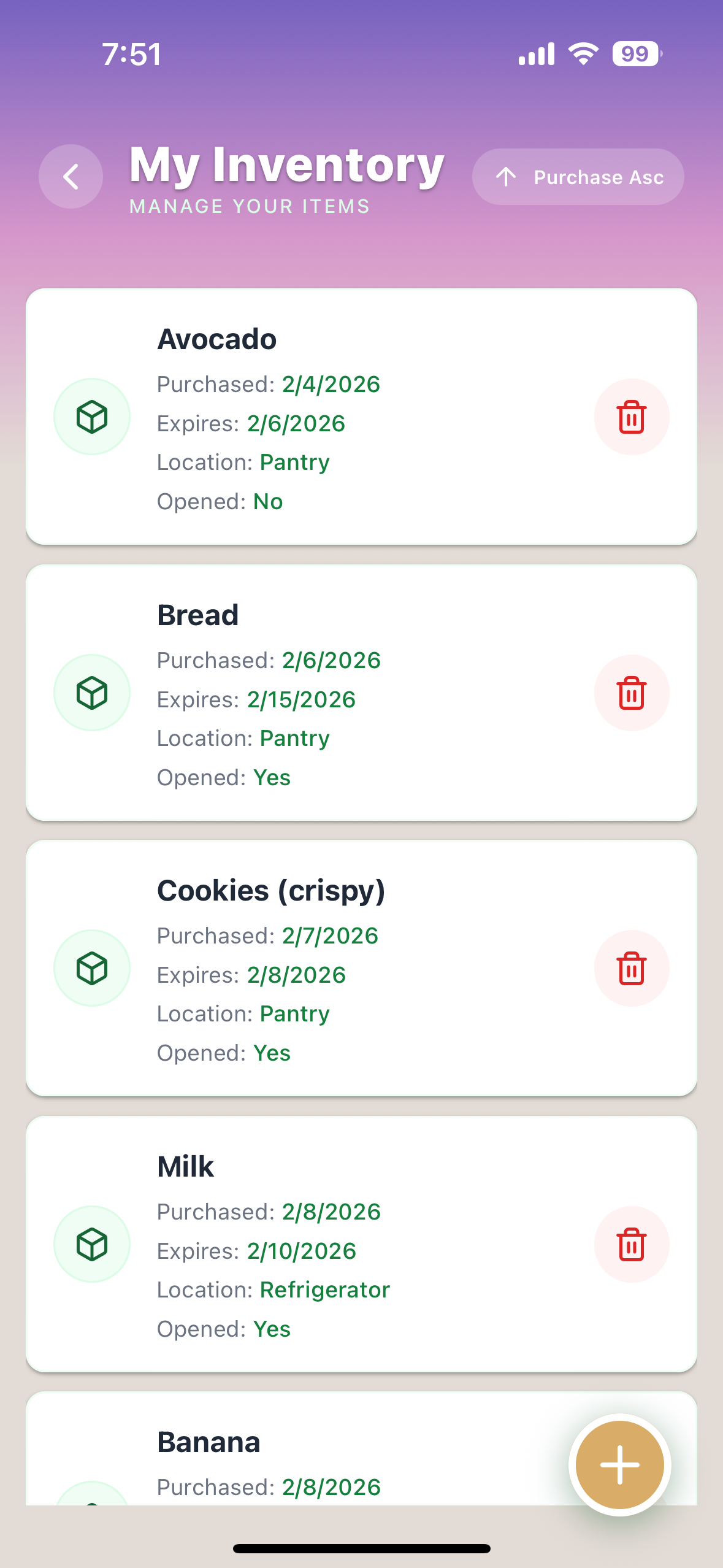
Food waste is a daily, invisible problem - people forget what they own and when it expires. We wanted to build a lightweight, technical solution that turns a pantry into a trackable, data-driven inventory instead of a guessing game.
What it does:
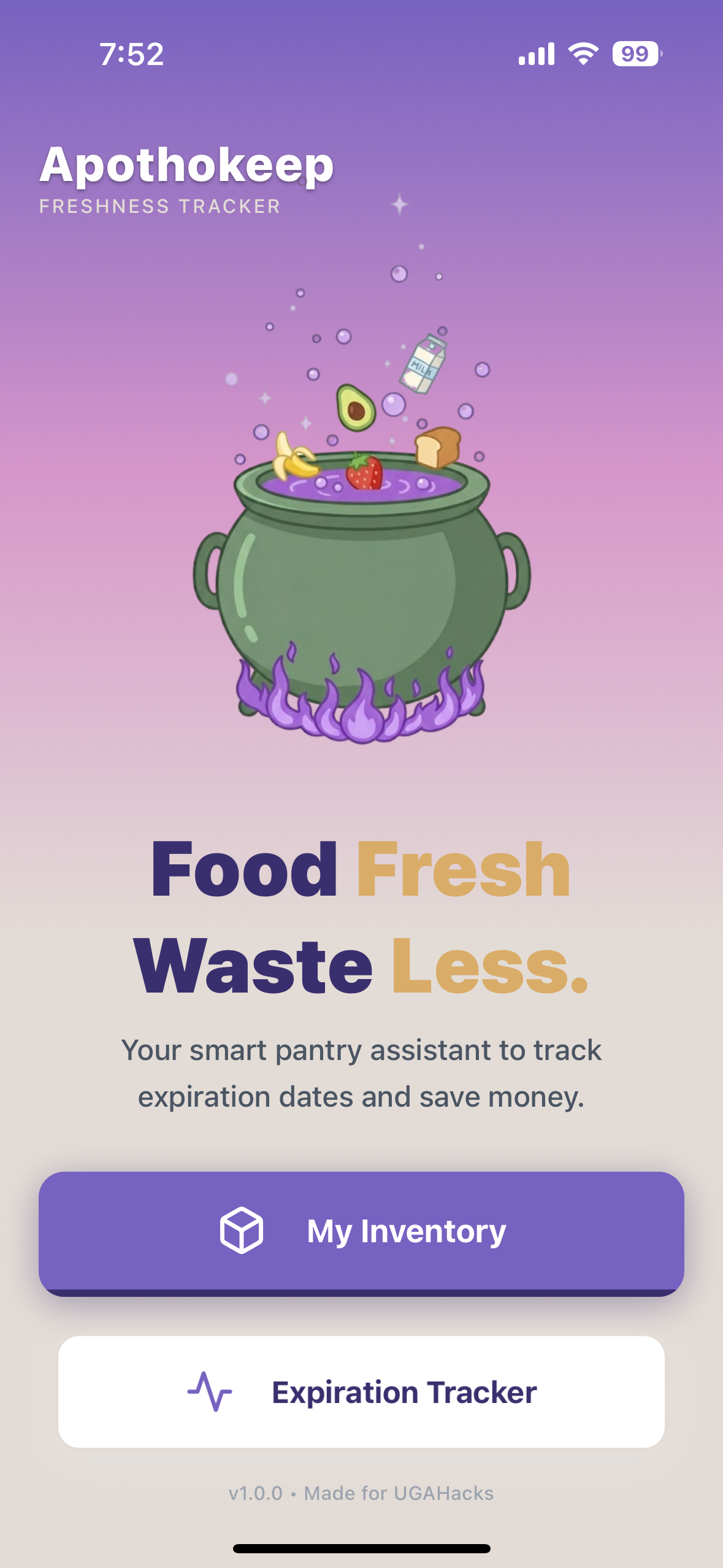
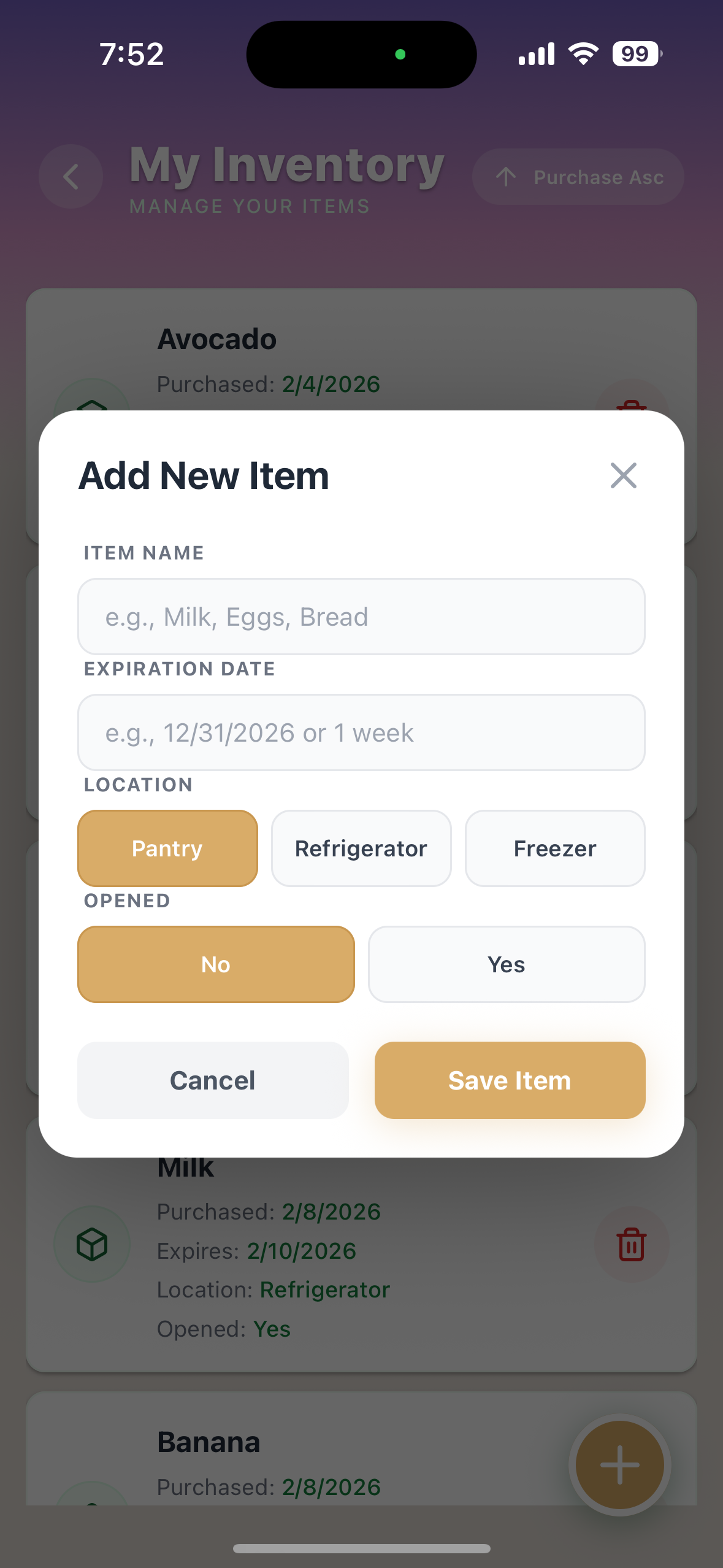
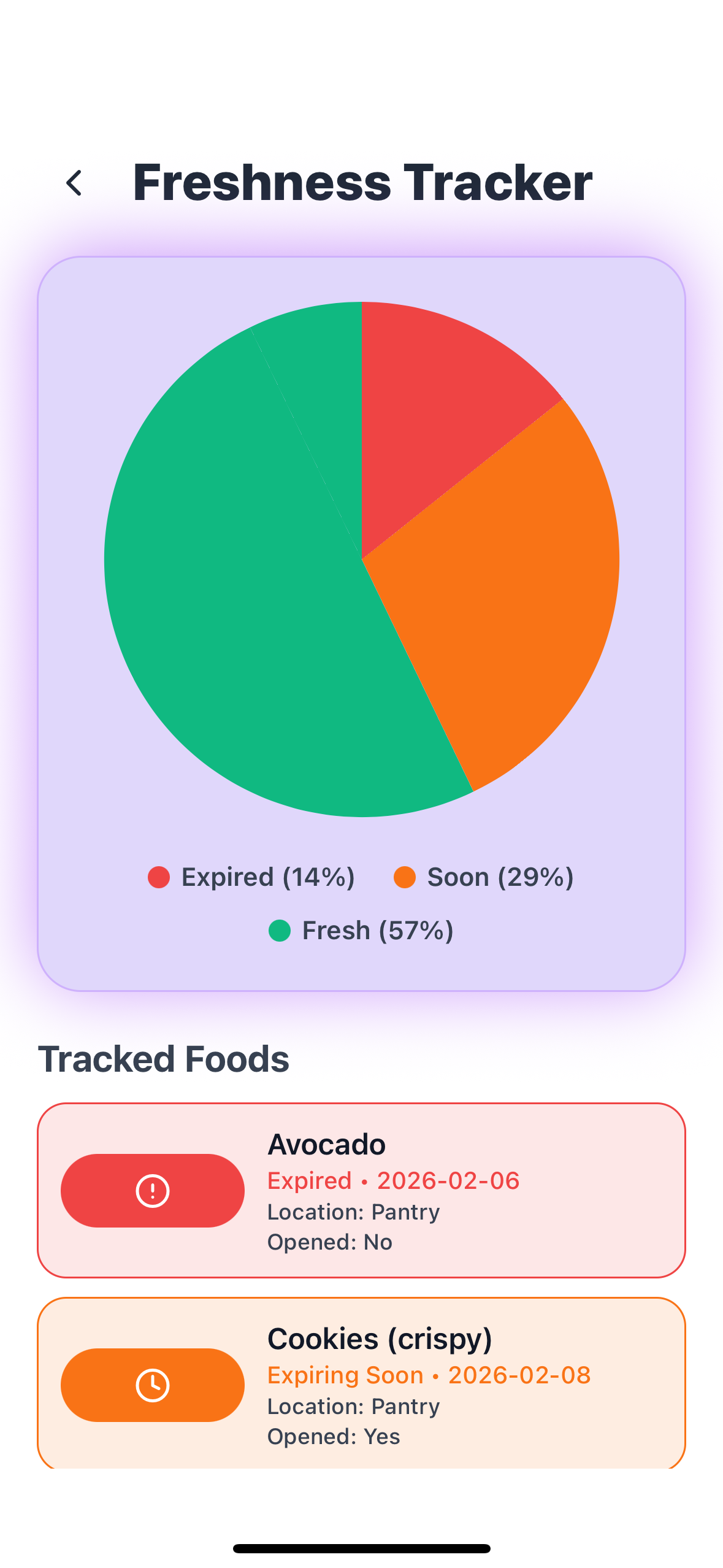
Apothokeep helps users track how close their purchased food is to spoiling through a simple and fast interface. Using data from the USDA Food Safety and Inspection Service, the app automatically determines when a food product will spoil through a simple bar code scan. Information about the product from the bar code is passed to Google Gemini, which is used to categorically fit a food to information represented by the dataset.
How we built it:
We built the frontend with React Native and Expo, focusing on mobile. The backend uses Node.js and Typescript with MongoDB as the database. We designed REST endpoints for CRUD operations and implemented several microservices to handle certain operations, like the barcode scan processing.
Challenges we ran into:
As a team our biggest struggle was the gap in experience between team members. Our team consisted of one person from each college year, so while there was a difference in exposure / familiarity to the world of full stack development, everyone managed to contribute and was eager for a learning opportunity.
Accomplishments that we're proud of:
We successfully built a full-stack app that leverages system hardware through the use of the phone camera under serious time constraint.
What we learned:
We learned how to connect React Native apps to Express APIs, structure MongoDB schemas for time-based data, debug cross-origin and local IP issues, and build custom visual components without libraries.
Built With
- express.js
- mongodb
- node.js
- phonecameras
- react-native-(expo)
- react-native-web
- visual-studio-code


Log in or sign up for Devpost to join the conversation.