-

Design of ApneAware
-
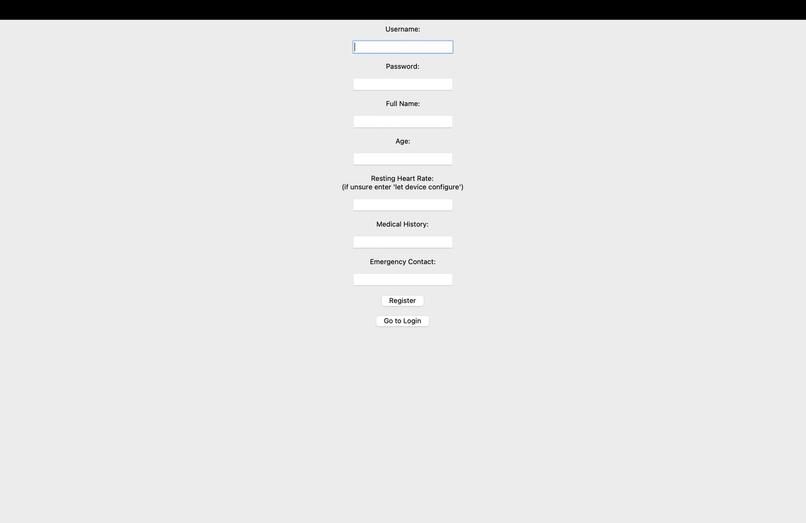
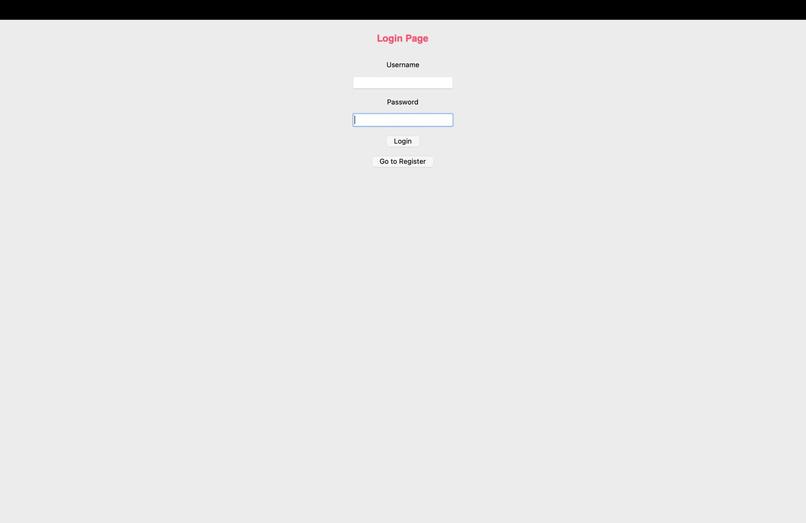
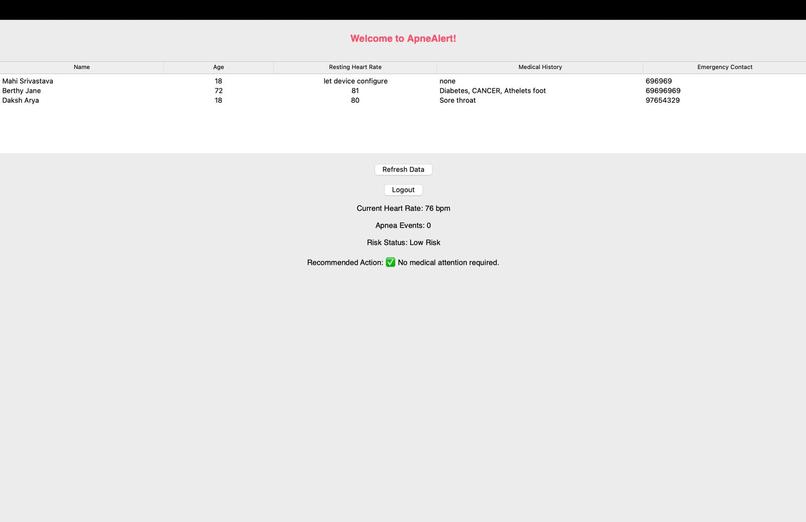
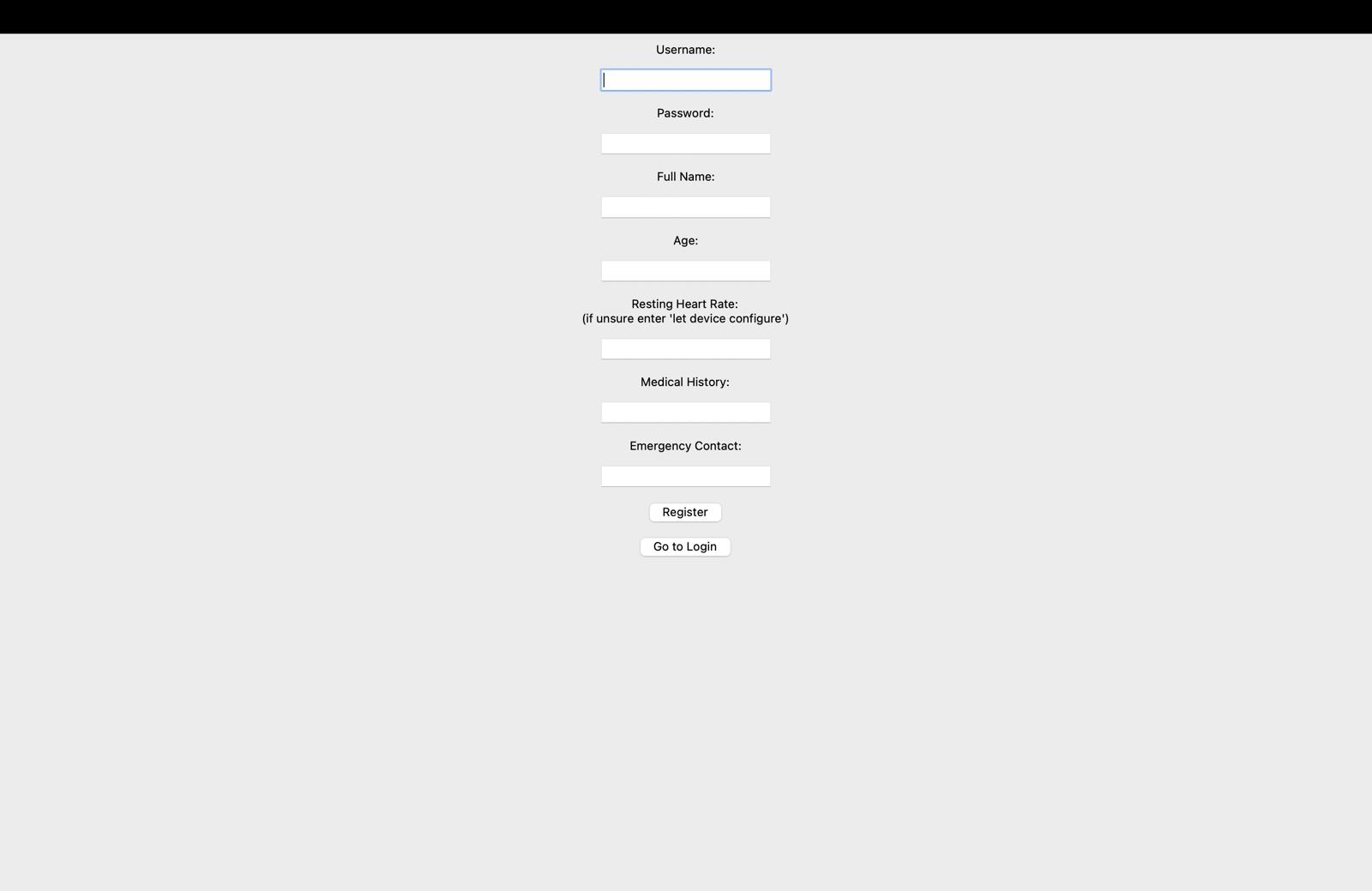
The app pages
-
-
-
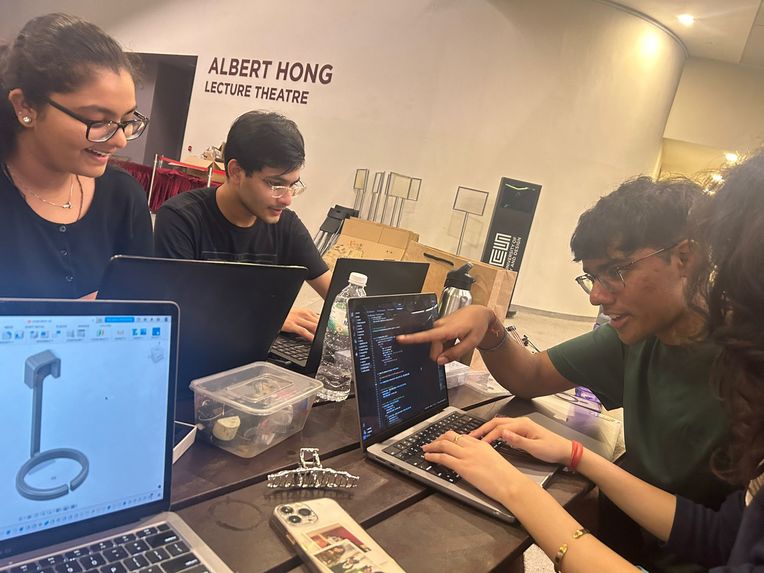
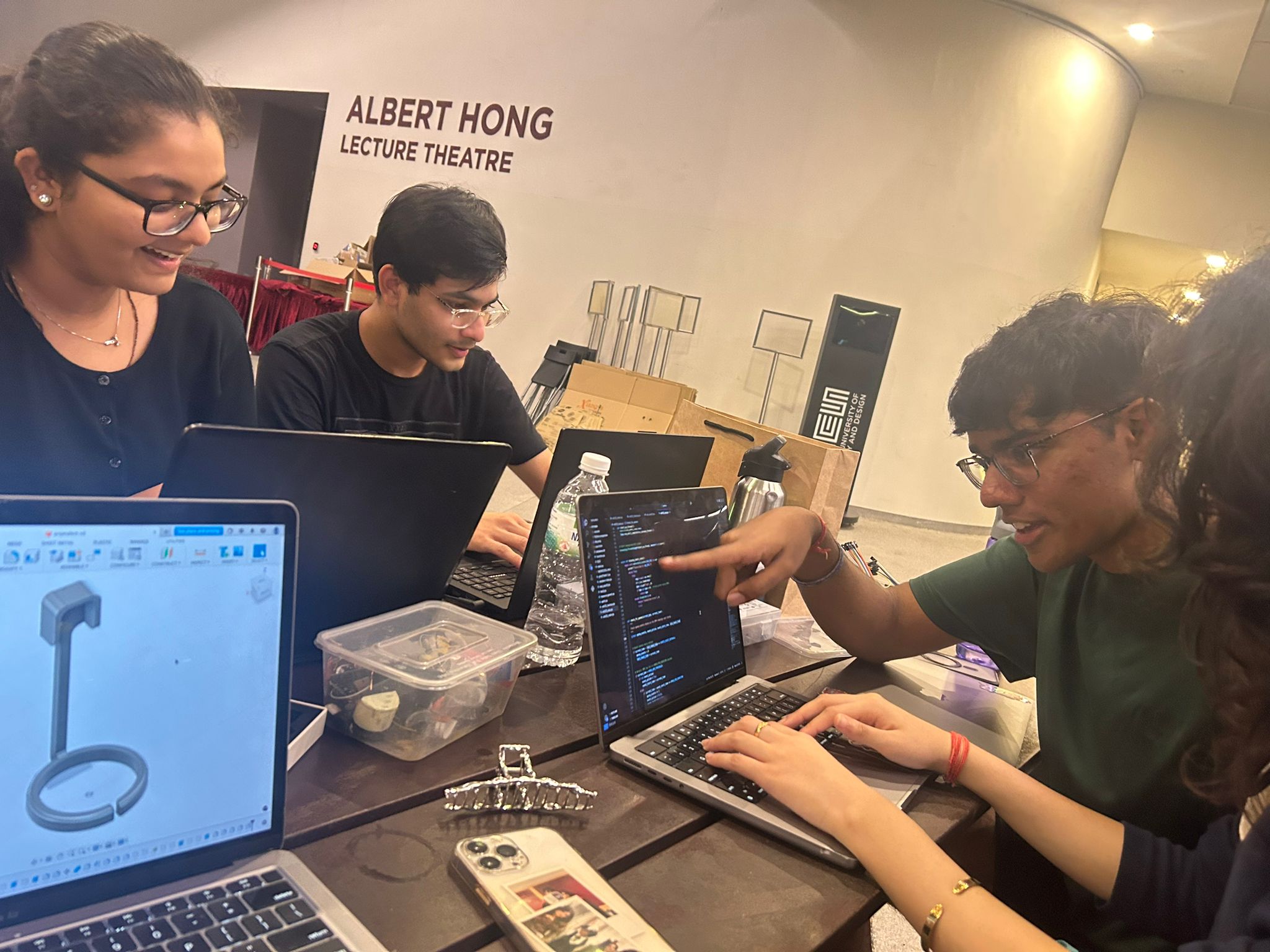
The team
-
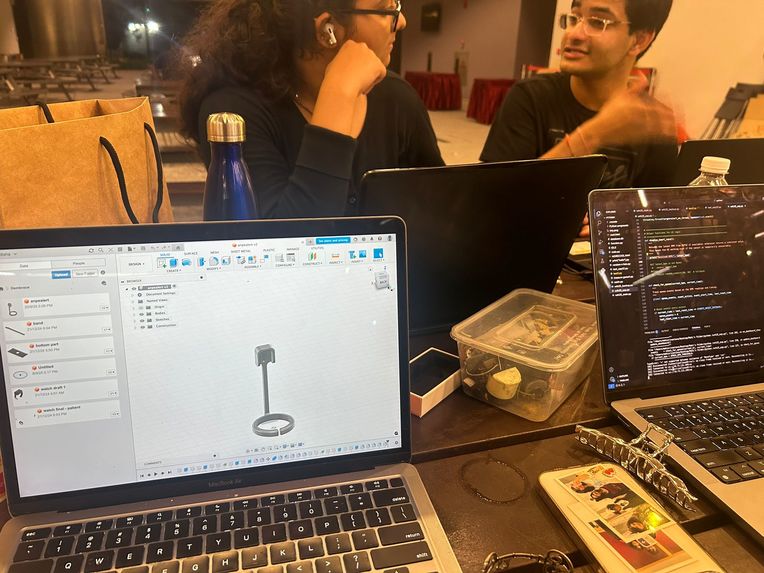
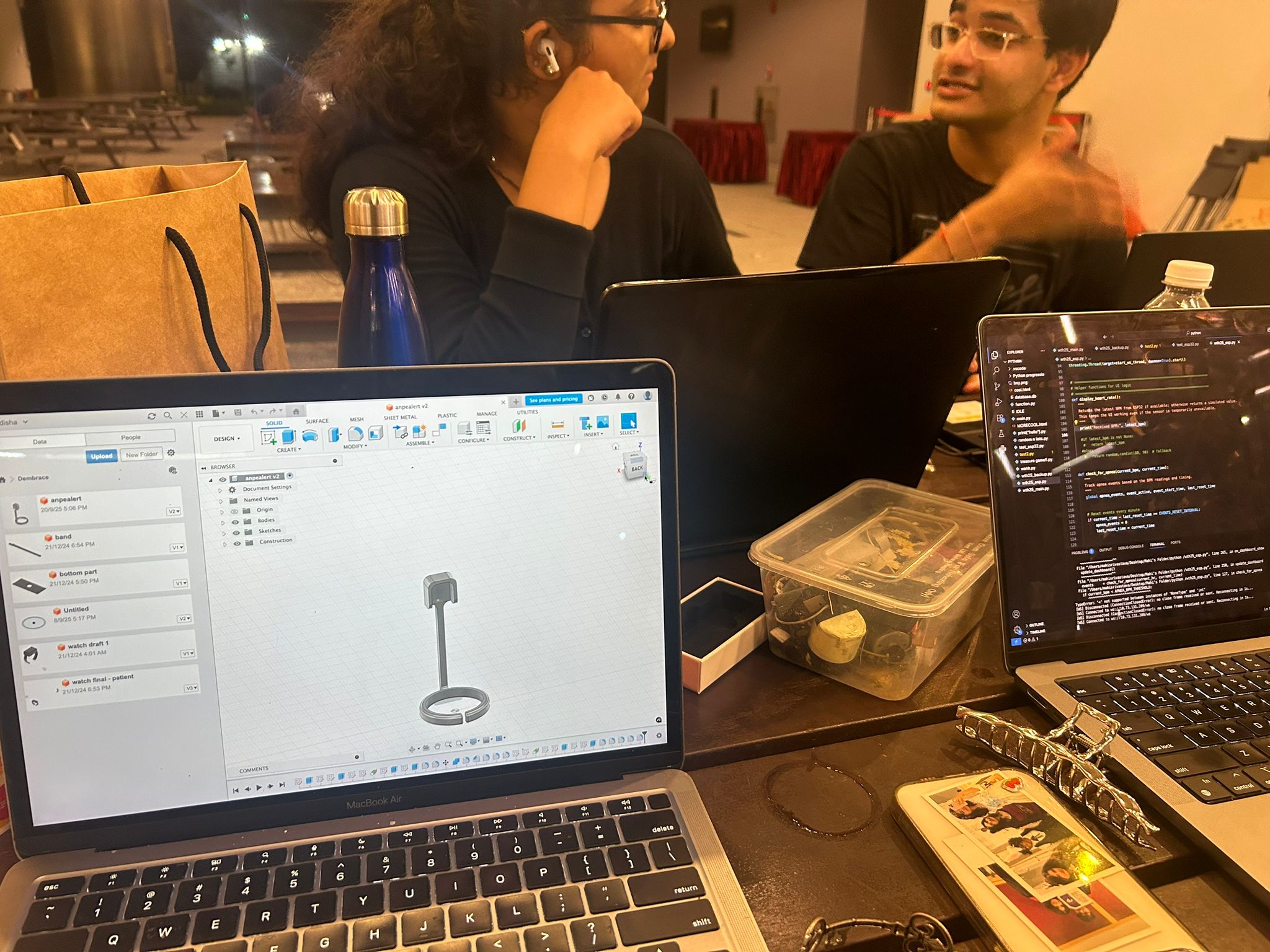
Initial cad and codes



Our Inspiration With Singapore’s rapidly aging population, we noticed how many seniors struggle with undiagnosed health conditions that affect their quality of life. Sleep apnea stood out because over 80% of cases go undiagnosed worldwide, even though it can lead to severe complications like heart disease, strokes, and memory loss. Current diagnostic methods are either invasive, inconvenient, or too complex for seniors. We wanted to create a simple, non-invasive, and accessible tool that empowers early awareness — that’s how ApneAware was born.
What it does ApneAware is a sleek, finger-worn device that monitors heart rate patterns during sleep. By detecting the characteristic slowdowns and sudden spikes in heart rate caused by apnea events, it counts the number of events per hour and calculates the user’s risk level. The linked mobile app then provides a clear risk report, advising users when to seek medical support. This way, seniors and caregivers gain actionable insights before the condition becomes severe.
How we built it
- We used an ESP32 microcontroller paired with a basic heartbeat sensor to capture heart rate data.
- A Python-based logic layer was created to detect apnea events based on BPM thresholds and duration.
- Conditional statements categorize users into low, moderate, or high risk depending on the number of events recorded in an hour.
- The device sends data to a visual chart on a connected app, allowing easy interpretation by seniors and caregivers.
- The design was intentionally kept non-invasive, compact, and senior-friendly.
Challenges we ran into-
- Defining accurate thresholds for apnea detection using only heart rate data was tricky, since clinical tools normally rely on more sensors.
- Ensuring the device remained comfortable and easy-to-use for seniors required simplifying both hardware and software.
- We had to balance technical feasibility with medical accuracy, while keeping the prototype affordable and hackathon-ready.
Accomplishments that we're proud of
- Building a working prototype that can detect and count apnea-like events using just a simple heart rate sensor.
- Designing an end-to-end solution — hardware + software + app visualization — within hackathon constraints.
- Creating something that directly addresses the needs of senior citizens, a group often overlooked in tech innovation.
- Making a device that is non-invasive, accessible, and potentially scalable.
What we learned
- How to translate complex medical concepts into simplified algorithms using basic sensors
- The importance of human-centered design — keeping seniors in mind shaped every aspect of our solution.
- How design thinking can be applied to healthcare challenges, from identifying pain points to building a prototype.
- The value of team collaboration, as hardware, coding, and research all came together to make ApneAware possible.
What's next for ApneAware
- Improve detection accuracy by integrating additional sensors (e.g., pulse oximetry for oxygen levels).
- Partner with healthcare professionals to validate our algorithm against clinical data.
- Enhance the app with personalized reports, caregiver alerts, and doctor integration.
- Explore miniaturization into a wearable ring or wristband for long-term comfort.
- Conduct pilot testing with seniors to refine usability and ensure adoption

Log in or sign up for Devpost to join the conversation.