
Apex: Your Virtual Assistant Project
Inspiration
The inspiration behind Apex stemmed from the desire to create a next-level voice assistant that seamlessly integrates cutting-edge language models and advanced voice recognition algorithms. The goal was to develop a virtual assistant that not only understands natural language but also provides modular and efficient solutions across various domains.
What it does
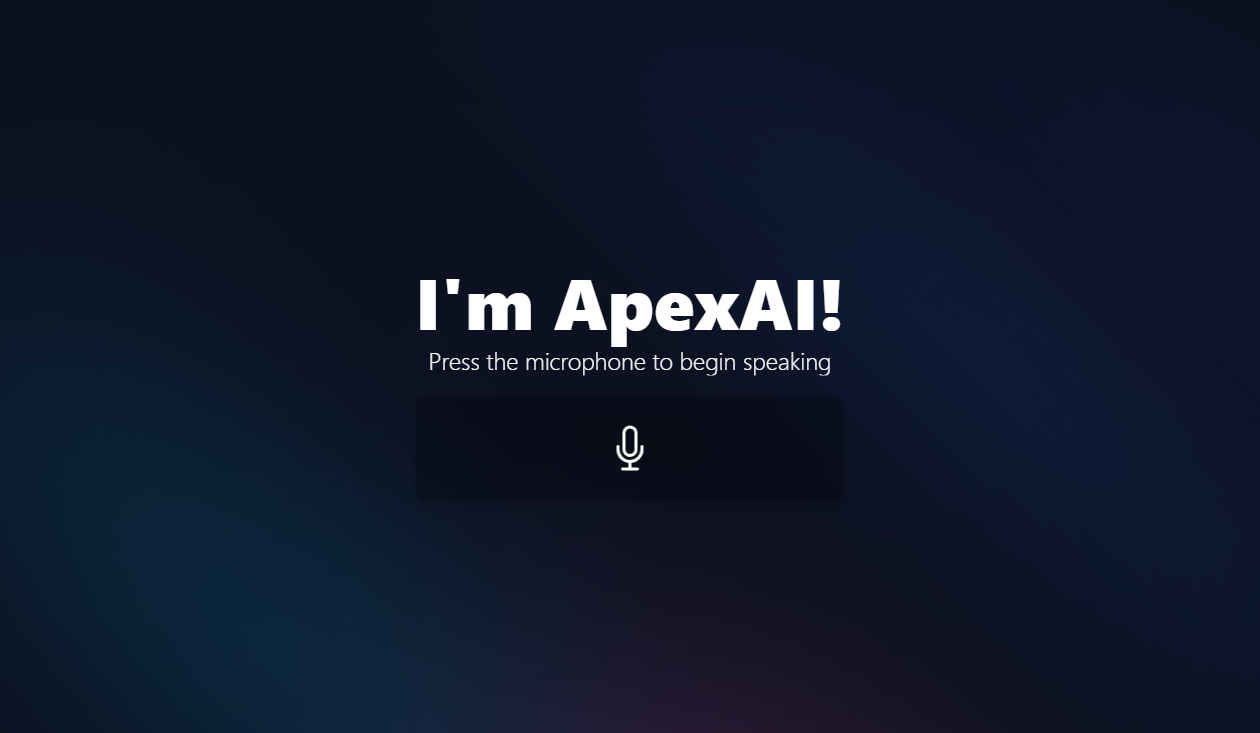
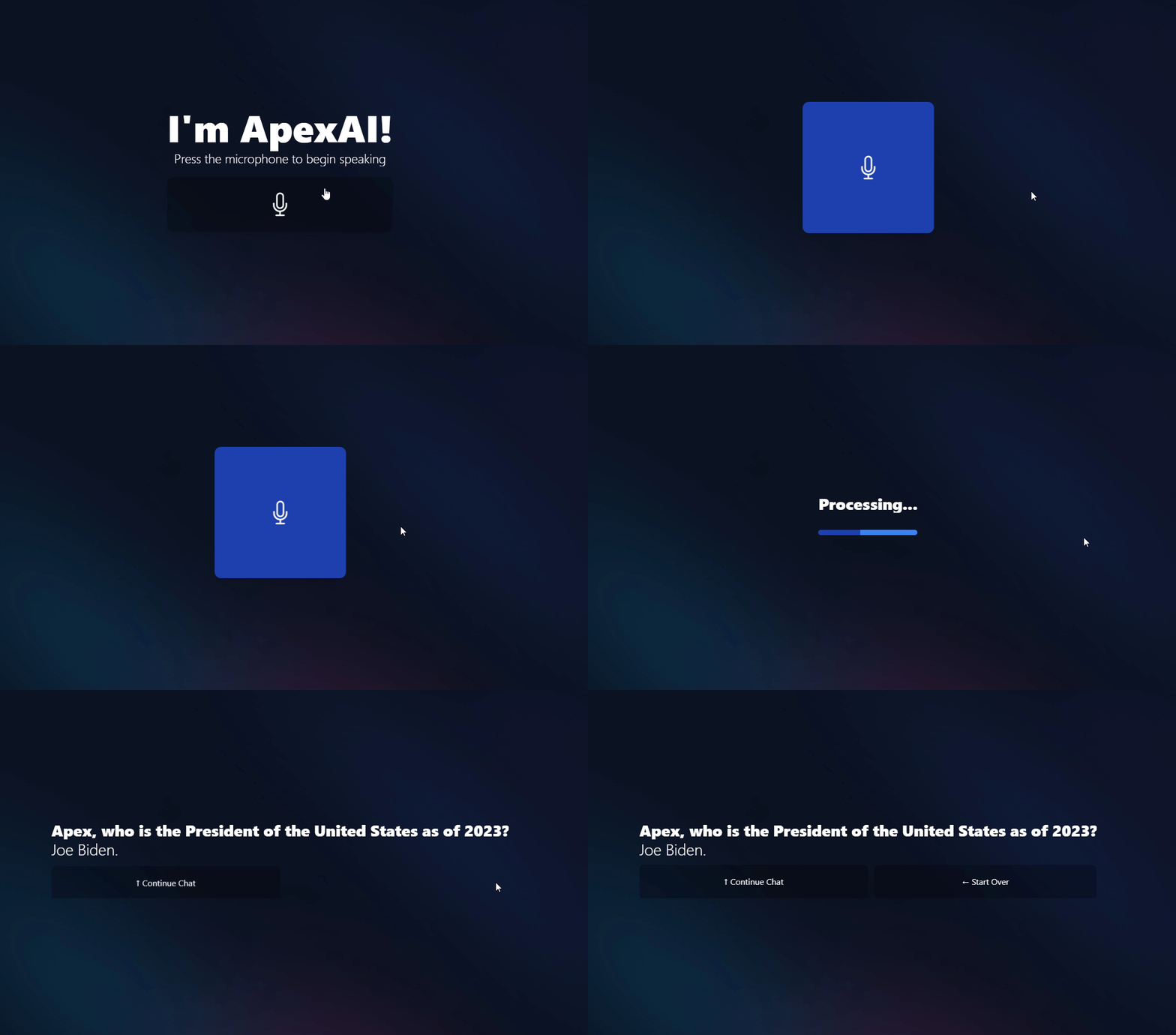
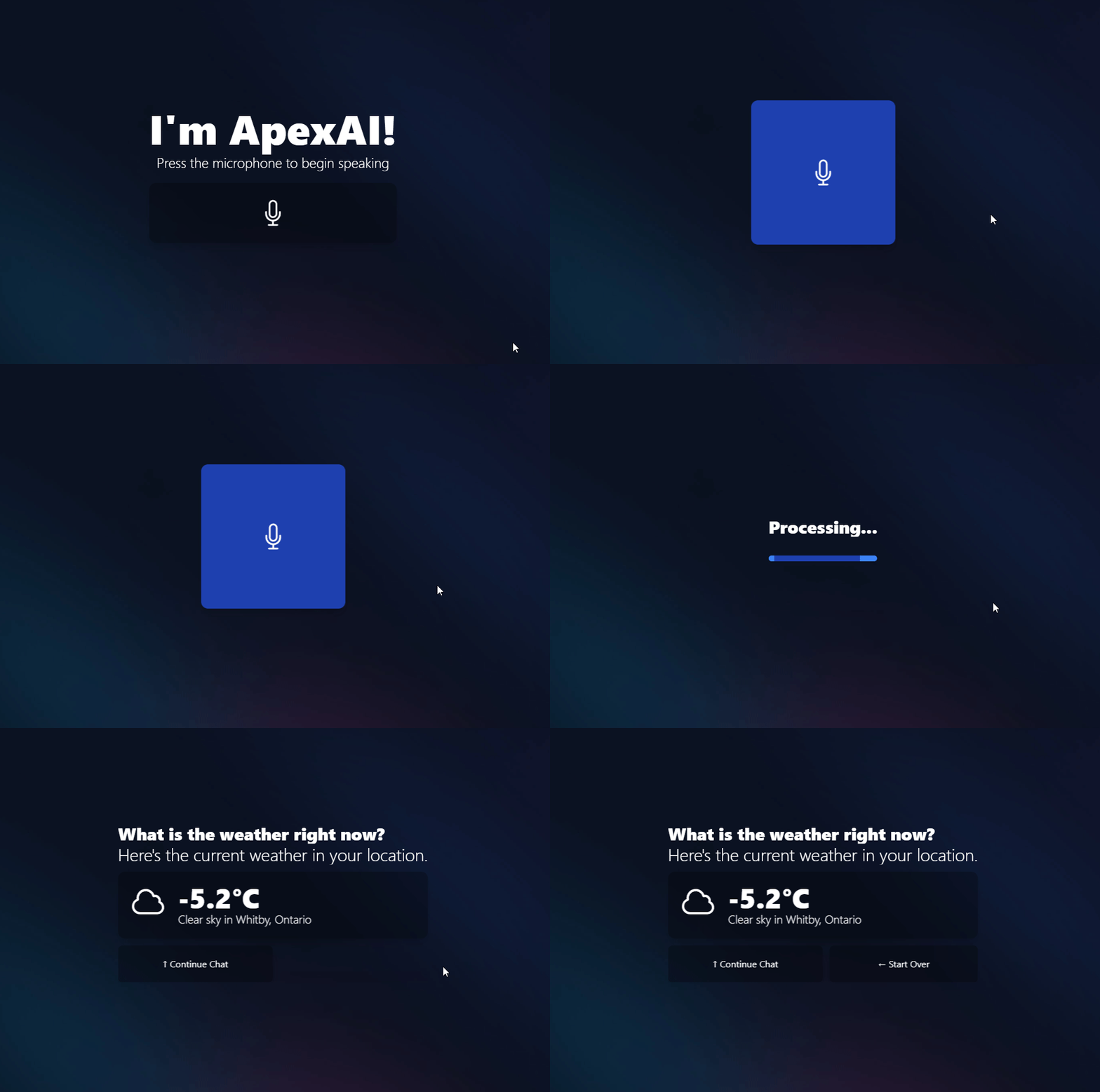
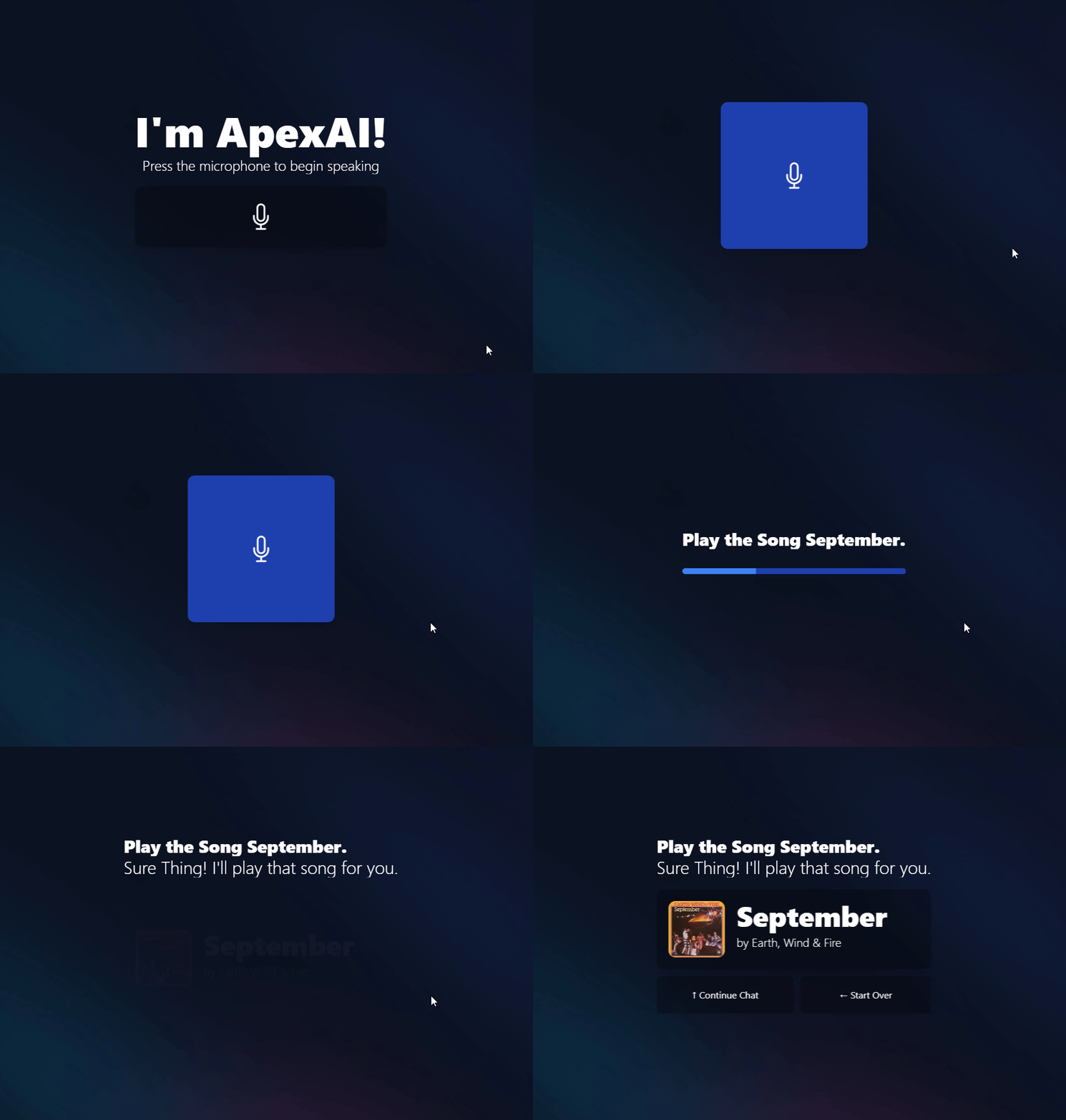
Apex is an advanced virtual assistant that leverages state-of-the-art Language Model (LLM) technology, voice algorithms, and modular tech. It goes beyond traditional virtual assistants by offering unmatched performance and efficiency. Apex is designed to perform a wide range of tasks, from answering general knowledge questions to executing complex commands across different applications.
How we built it
The project began with a comprehensive analysis of existing virtual assistants and their limitations. We decided to integrate advanced LLMs, such as GPT-3.5 and Llama 2, to enhance natural language understanding.
The development process involved a combination of machine learning techniques, natural language processing, and software engineering principles. The team collaborated on refining the user interface, optimizing performance, and ensuring the security and privacy of user data.
Challenges we ran into
The journey of building Apex was not without its challenges. Integrating and fine-tuning advanced LLMs required a deep understanding of natural language nuances. Voice recognition algorithms faced challenges in handling various accents, background noise, and different speaking styles. Ensuring the modularity of the system while maintaining seamless integration posed another set of challenges.
Additionally, optimizing the performance of the virtual assistant to meet real-time expectations and addressing potential security concerns demanded rigorous testing and refinement.
Accomplishments that we're proud of
Despite the challenges, the team successfully developed Apex, an advanced virtual assistant that stands out in terms of performance, efficiency, and versatility. The modular architecture allows for continuous updates and improvements, ensuring that Apex remains at the forefront of virtual assistant technology.
What we learned
The project provided invaluable insights into the complexities of integrating advanced language models and voice recognition algorithms. Understanding user behavior and preferences played a crucial role in refining the user experience. The importance of iterative development and continuous testing became evident in achieving a robust and reliable virtual assistant.
What's next for Apex
The journey doesn't end here. The team envisions continuous improvements to Apex by incorporating the latest advancements in LLMs, expanding its capabilities across new domains, and enhancing its adaptability to user needs. Ongoing user feedback will be a driving force in shaping the future features and functionalities of Apex, making it a truly indispensable virtual assistant for users around the world.
Built With
- azure
- cloudflare
- elevenlabs
- express.js
- ffmpeg
- meta
- node.js
- openai
- sveltekit

Log in or sign up for Devpost to join the conversation.