-
-
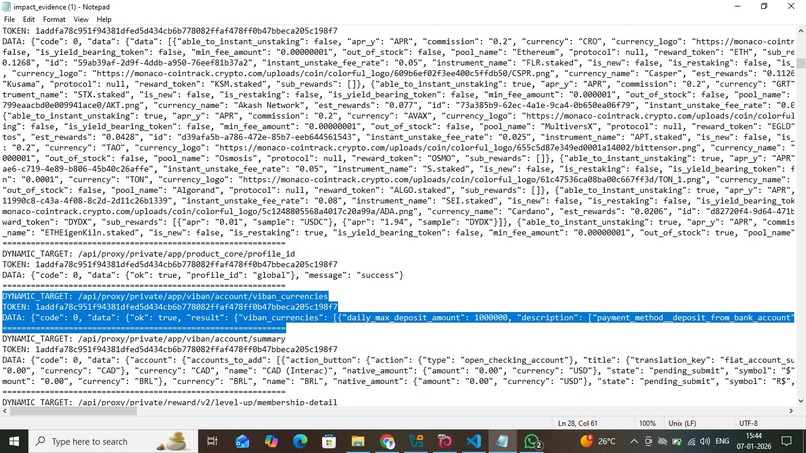
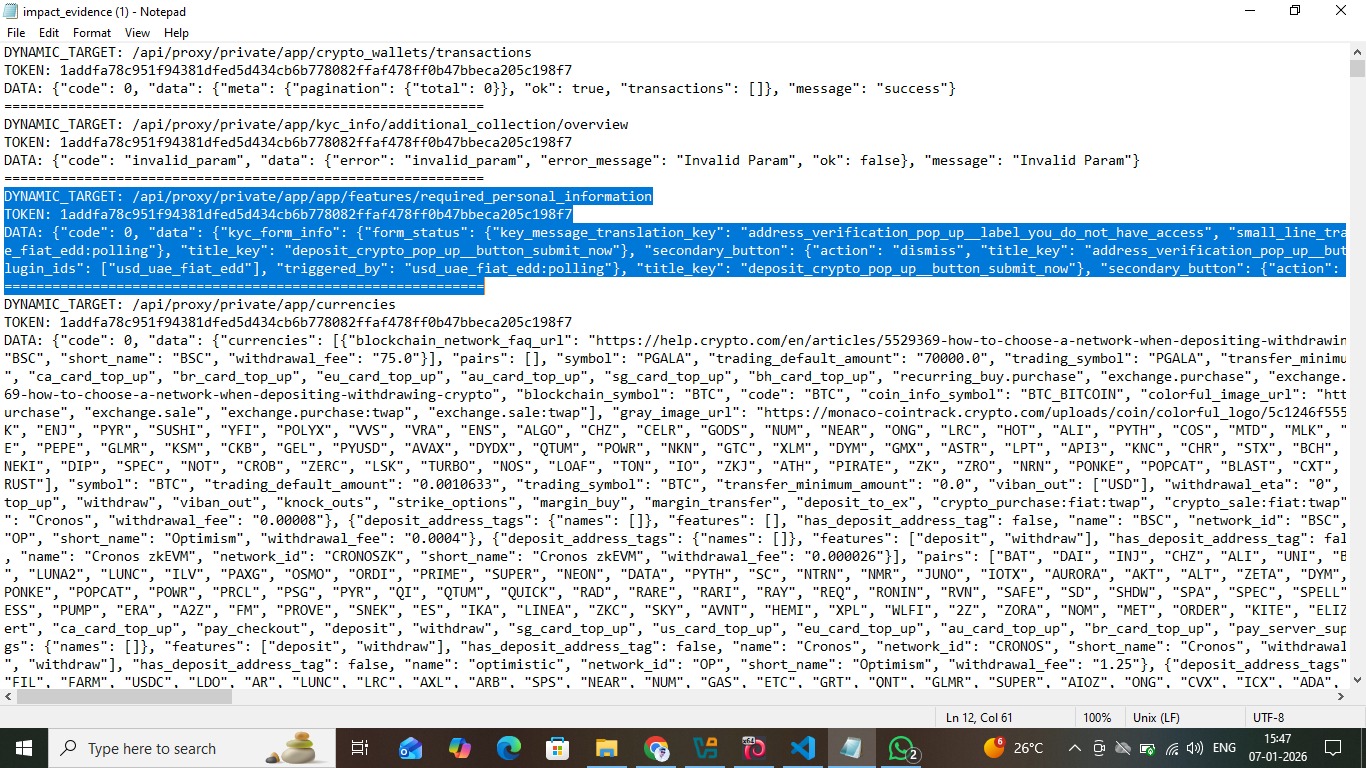
Detection of sensitive data exposure and potential security weaknesses
-
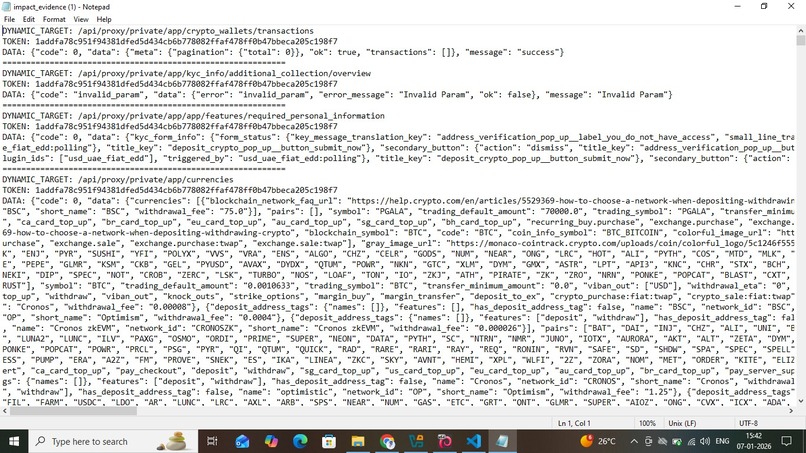
Automated fuzzing engine testing multiple API endpoints for vulnerabilities
-
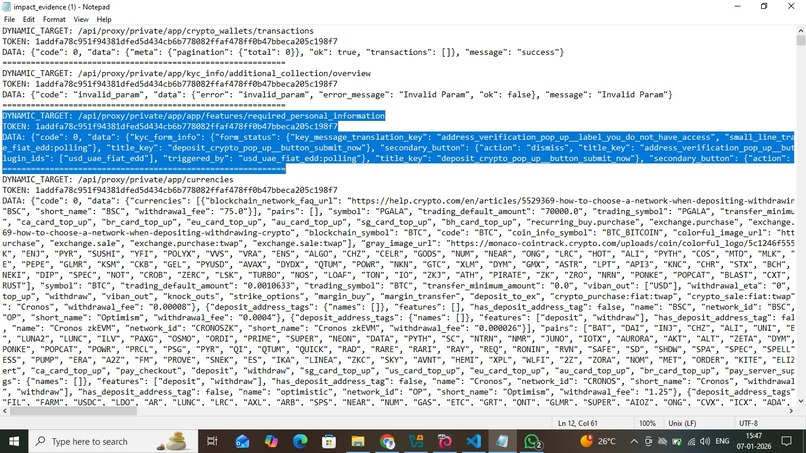
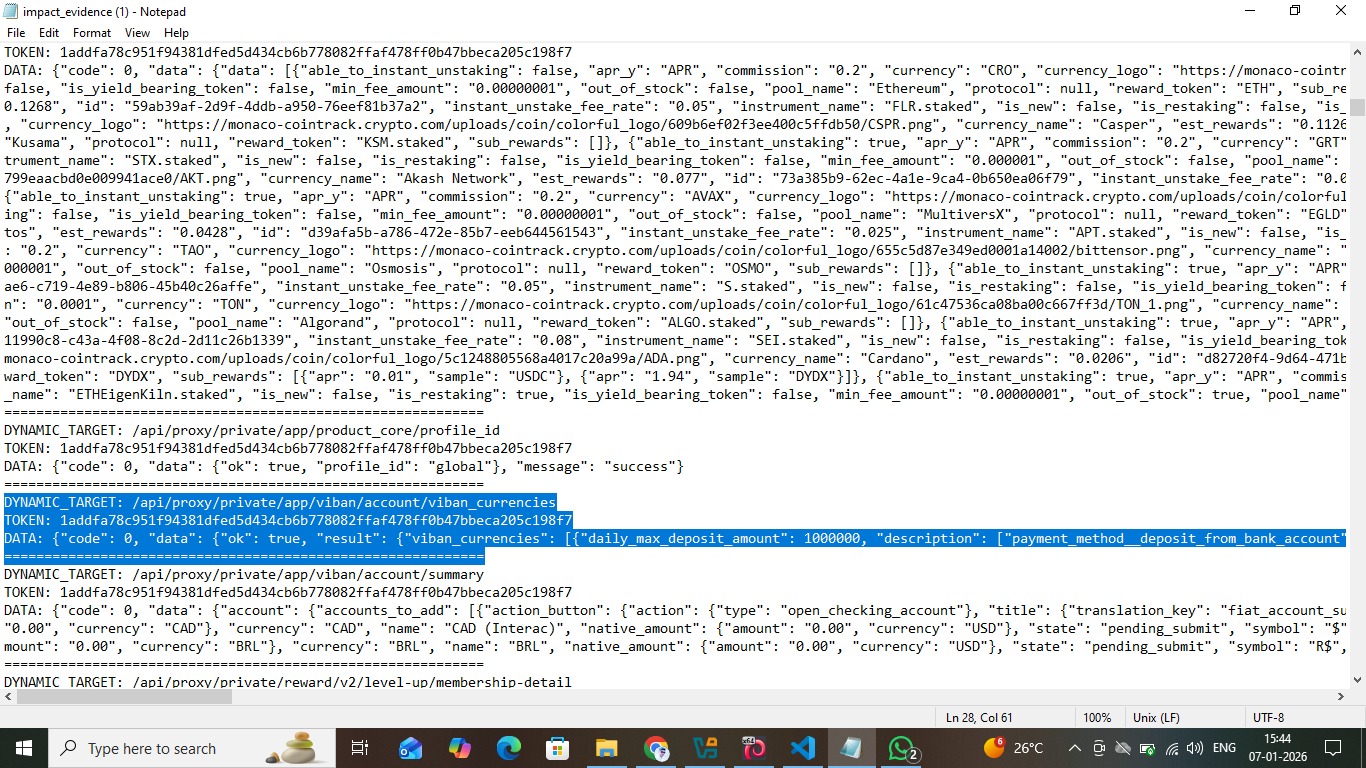
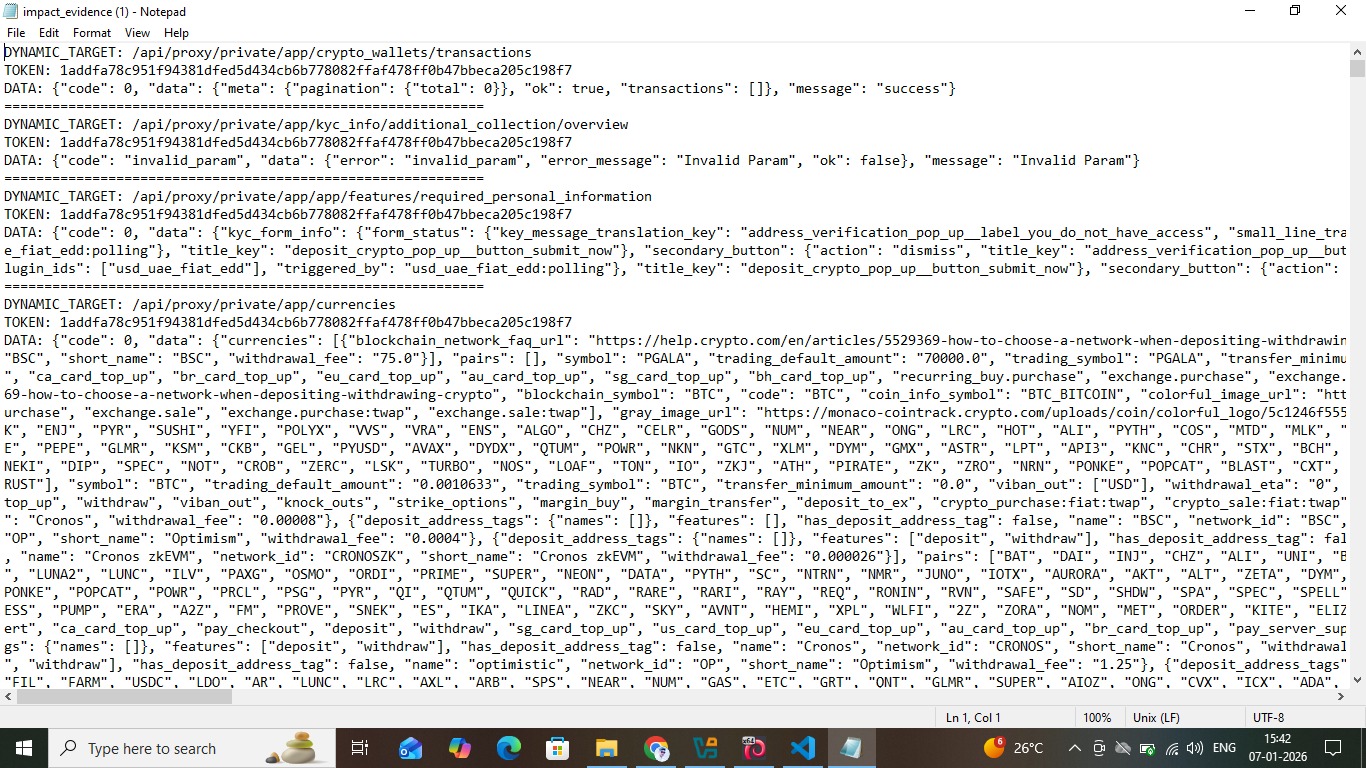
Extracted API endpoints and authentication token from live session
🚀 Inspiration
Modern applications rely heavily on APIs, but many suffer from hidden vulnerabilities like broken authorization and insecure endpoints. I wanted to build a tool that can automatically discover and test these weaknesses in real-world systems.
🛠 What it does
Apex-C is an automated API security testing engine that:
- Discovers hidden/private API endpoints
- Uses authenticated sessions to test real user flows
- Performs fuzzing to detect vulnerabilities like IDOR, privilege escalation, and KYC bypass
- Identifies sensitive data exposure in API responses
⚙️ How I built it
I built Apex-C using Python with Selenium and undetected-chromedriver to simulate real user sessions. The engine:
- Captures session tokens after login
- Crawls application endpoints dynamically
- Sends crafted payloads across multiple HTTP methods (GET, POST, PUT, PATCH, DELETE)
- Analyzes responses for sensitive data and anomalies
🧪 Challenges I ran into
- Bypassing bot detection and anti-automation systems
- Handling dynamic API endpoints and tokens
- Avoiding false positives during fuzzing
- Managing session-based authentication securely
🏆 Accomplishments that I'm proud of
- Successfully built a working automated API vulnerability scanner
- Implemented intelligent endpoint discovery
- Created a flexible fuzzing engine for multiple attack scenarios
- Generated real-time logs for security analysis
📚 What I learned
- Deep understanding of API security and backend vulnerabilities
- How authentication tokens and sessions work in modern apps
- Practical techniques for fuzzing and testing APIs
- Importance of responsible security research
🔮 What's next for Apex-C
- Add AI-based vulnerability detection
- Improve accuracy and reduce false positives
- Build a user-friendly dashboard
- Extend support for more platforms and APIs
Built With
- automation-testing
- chrome-devtools
- fuzzing
- javascript
- json
- python
- rest-apis
- selenium
- undetected-chromedriver
- web-security

Log in or sign up for Devpost to join the conversation.