-
-
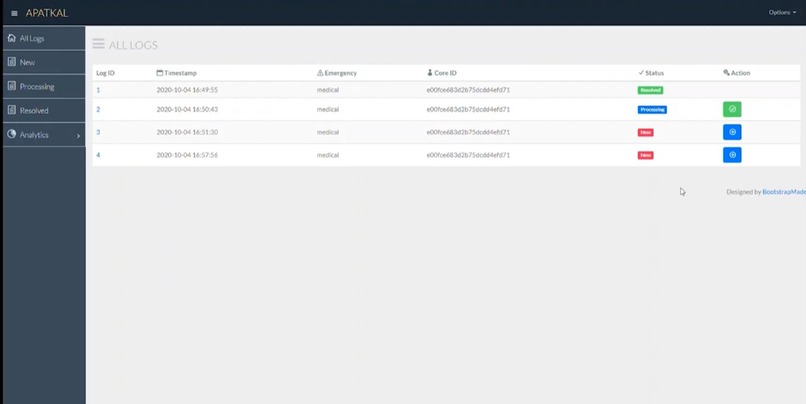
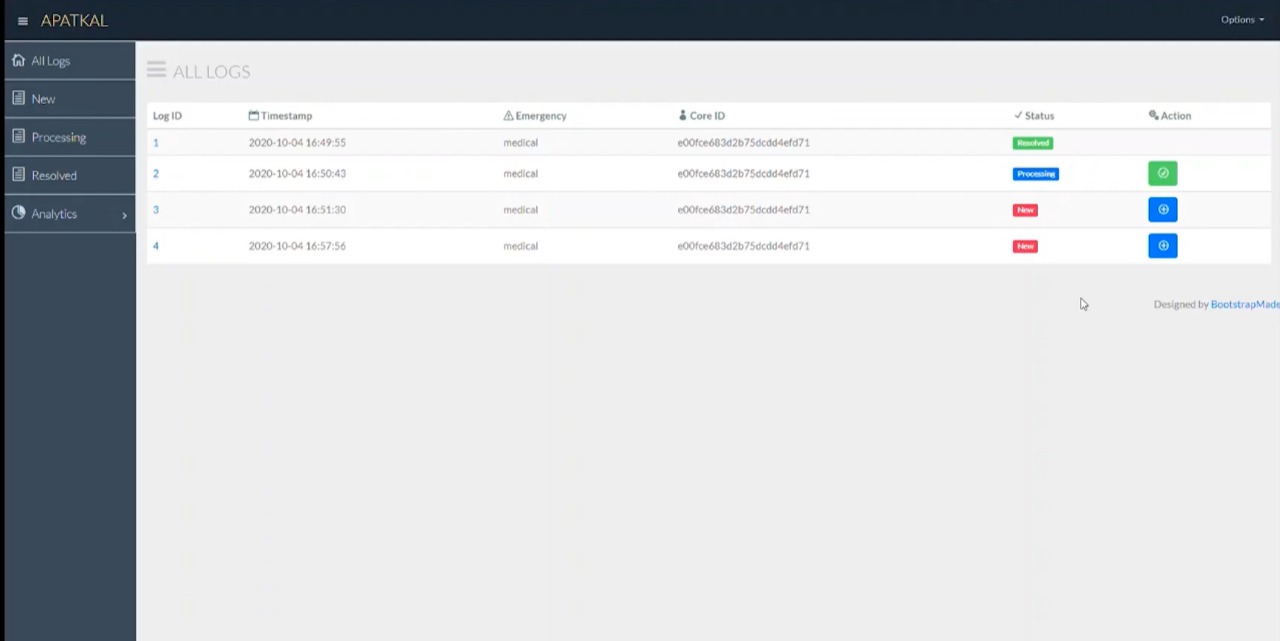
All Logs (SAHAYAK console)
-
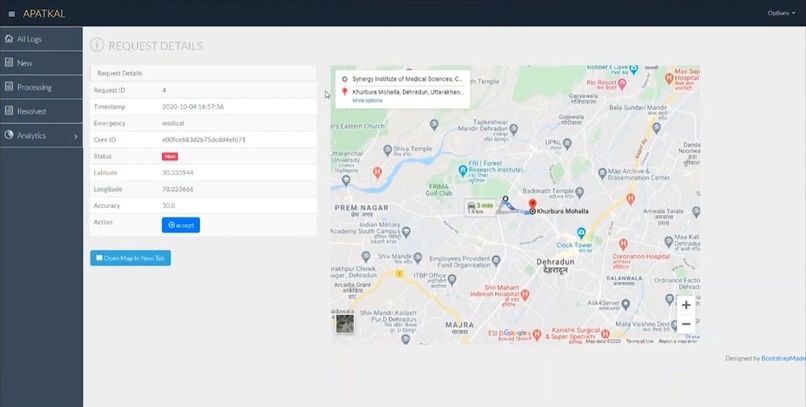
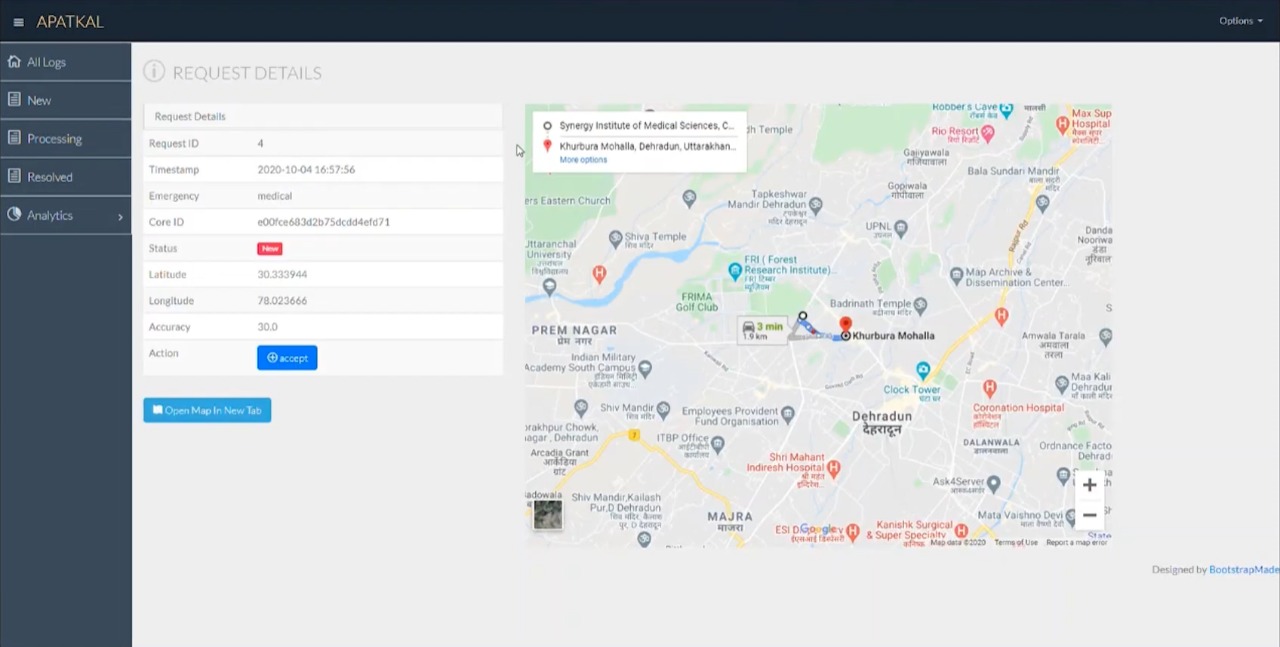
Event details and route to location (SAHAYAK console)
-
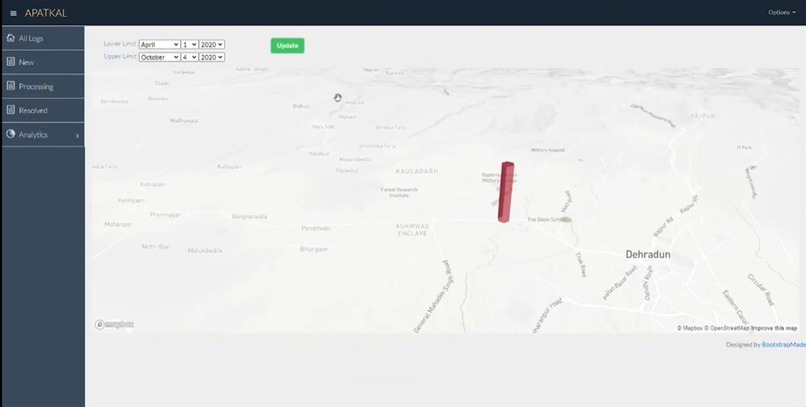
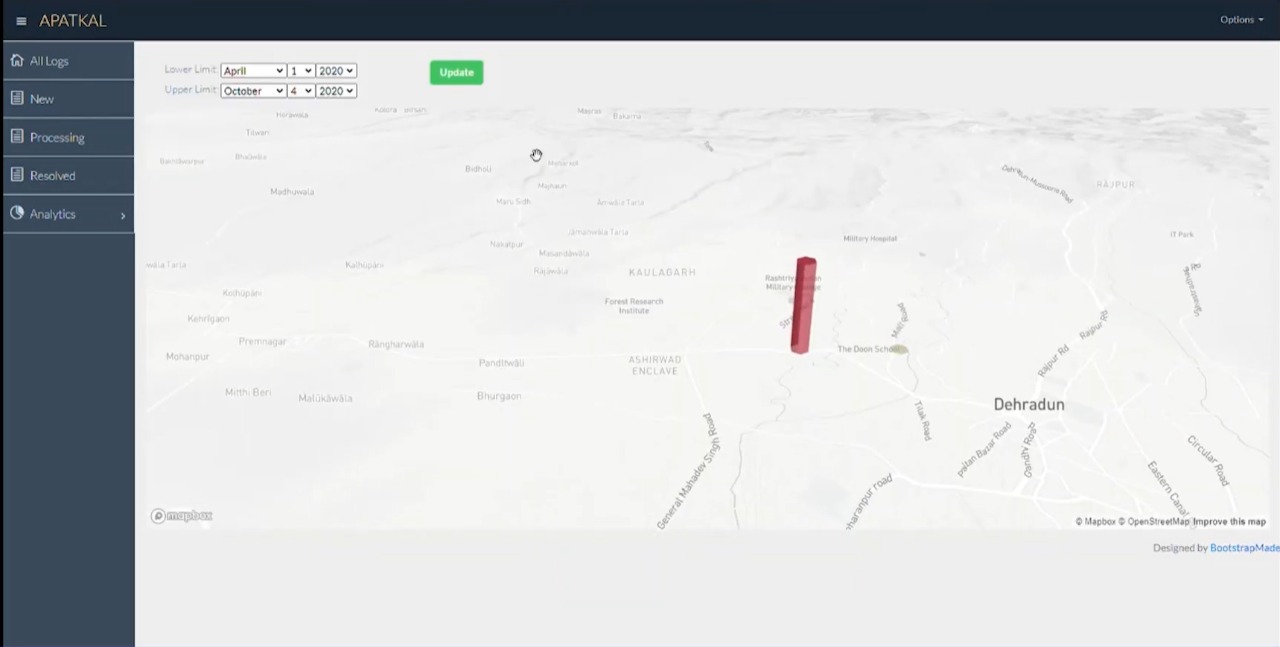
Geo-Spatial Data Visualisation (using deck.gl) (SAHAYAK console)
-
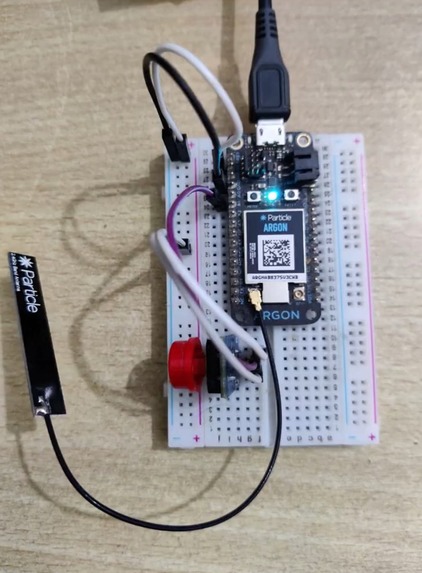
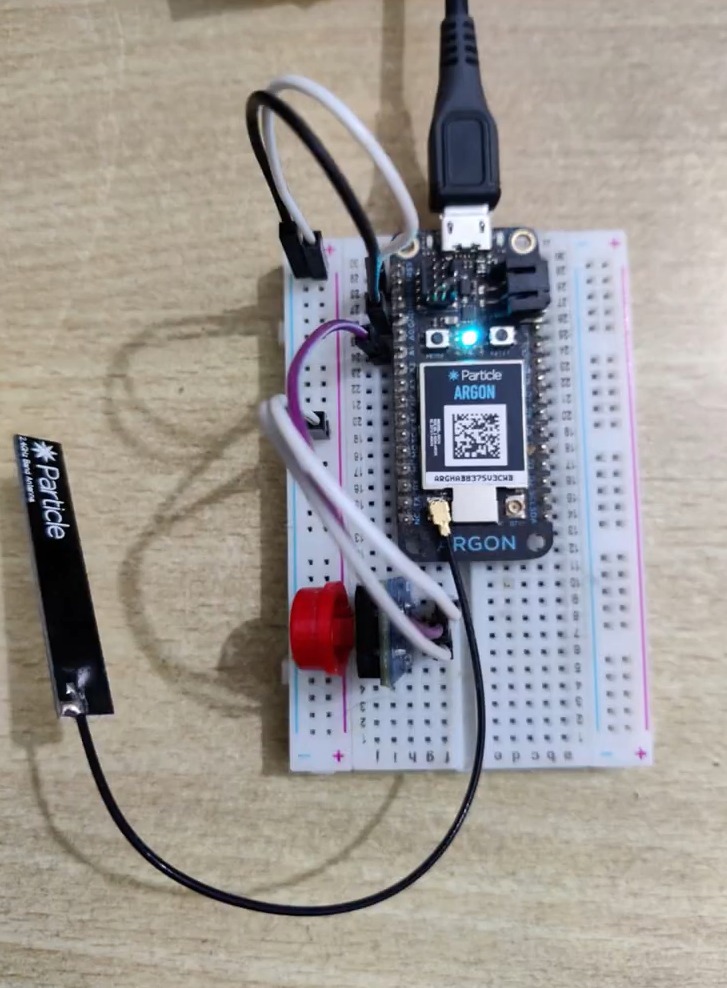
Particle boards (in mesh)
-
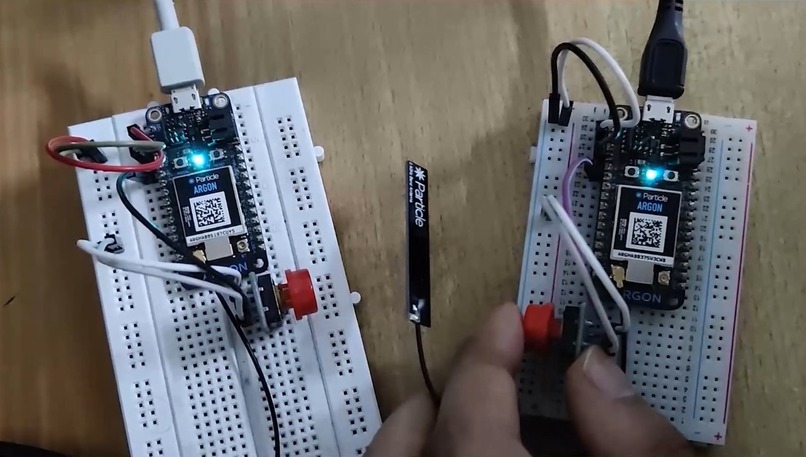
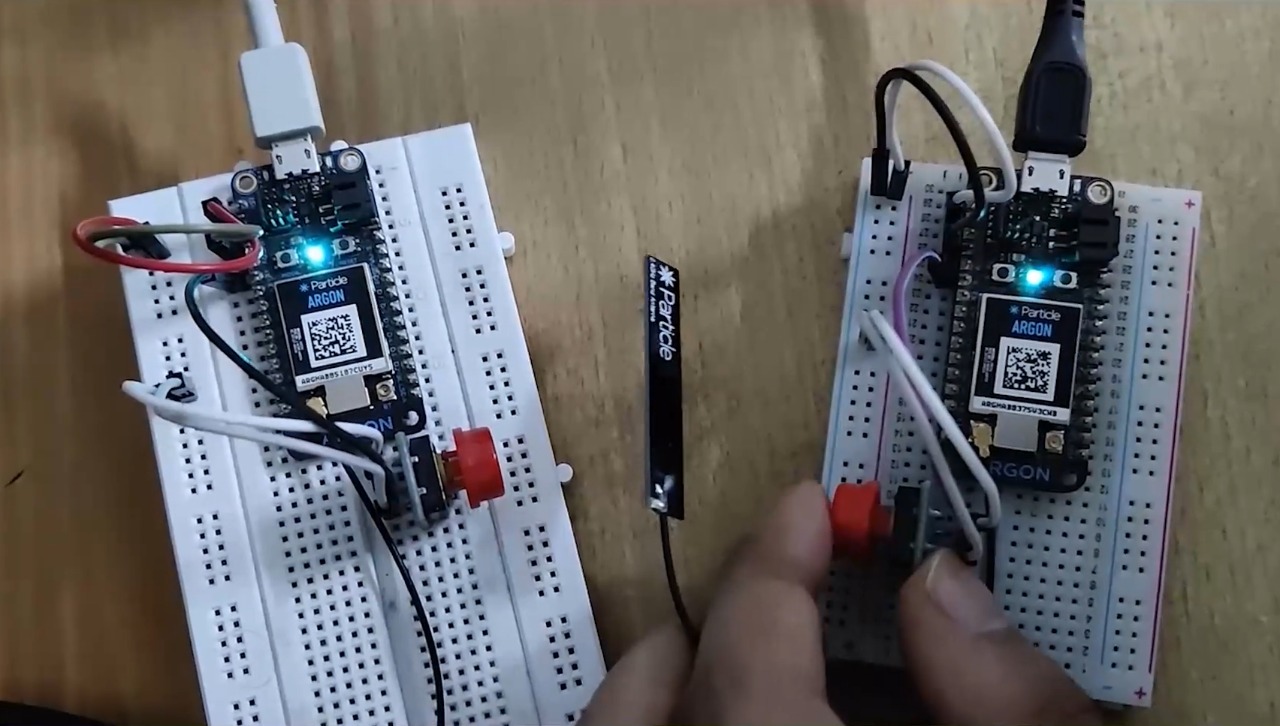
Particle boards (in mesh)
-
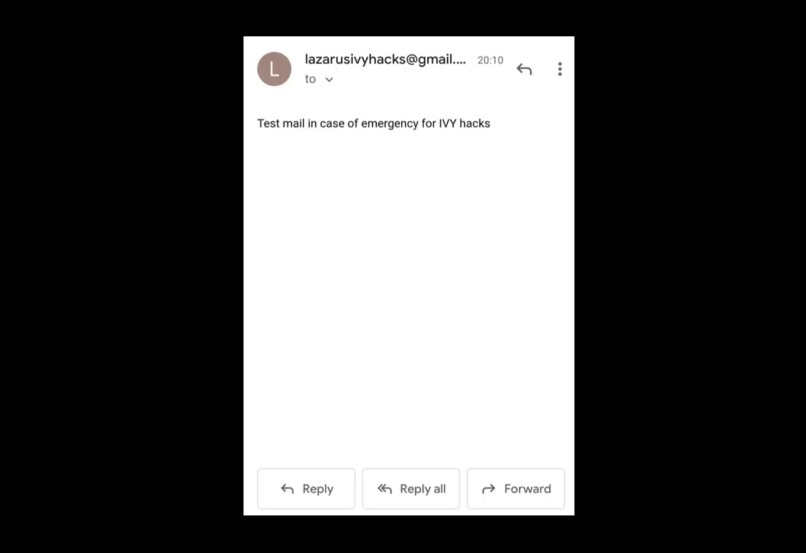
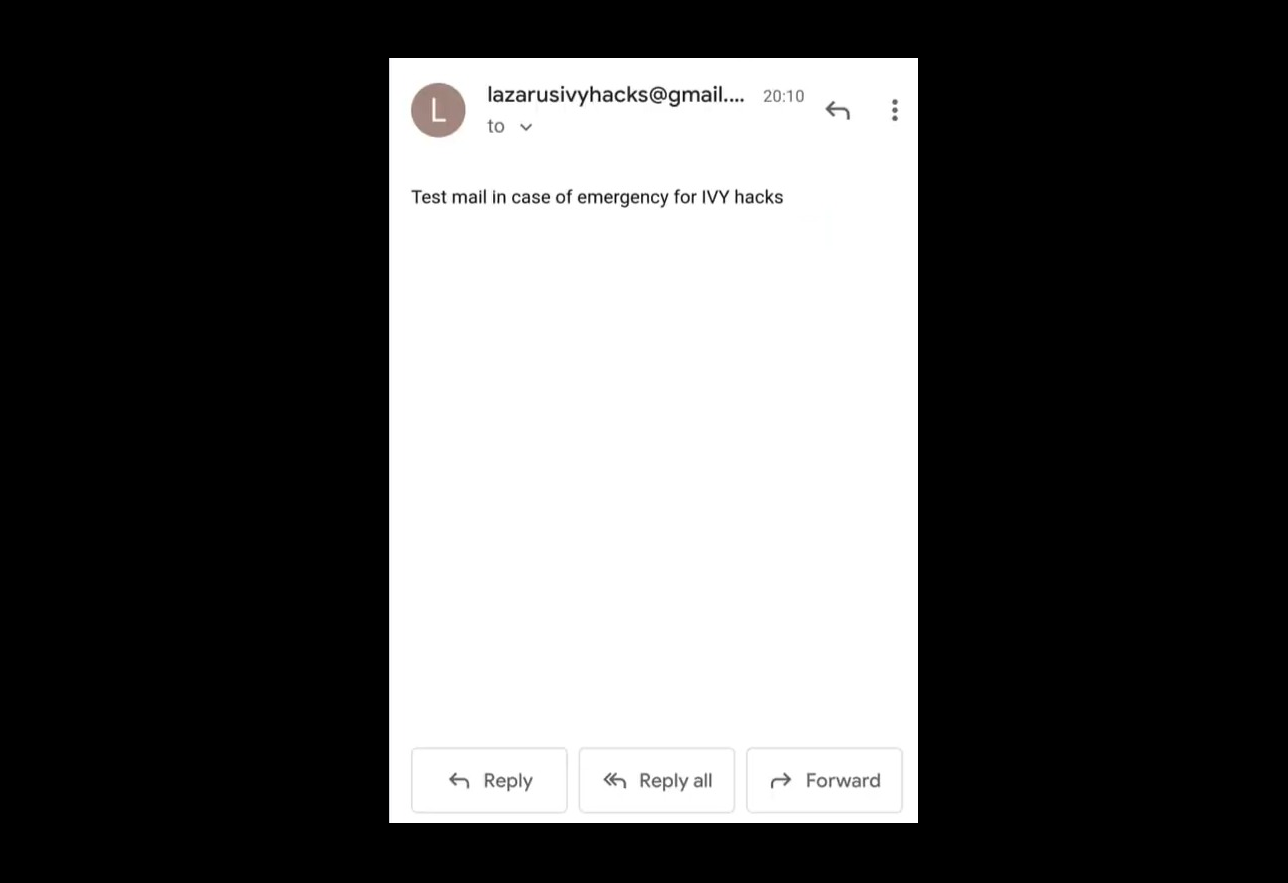
Email (if your contact reported emergency)
-
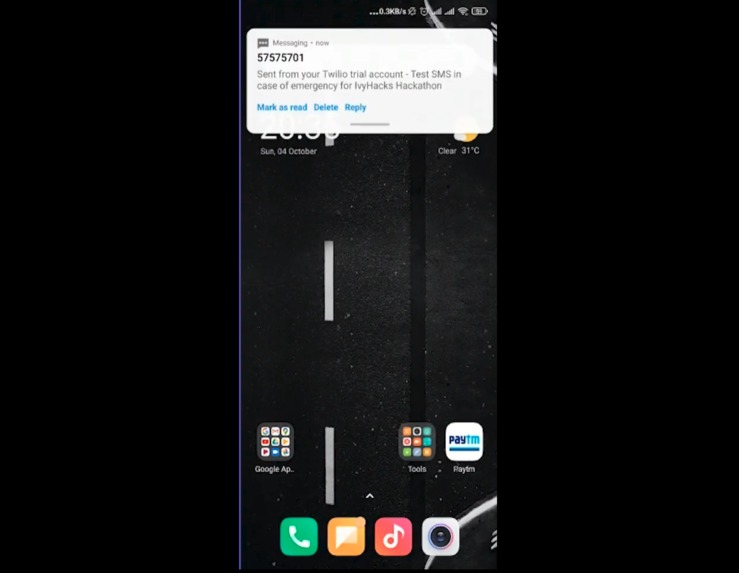
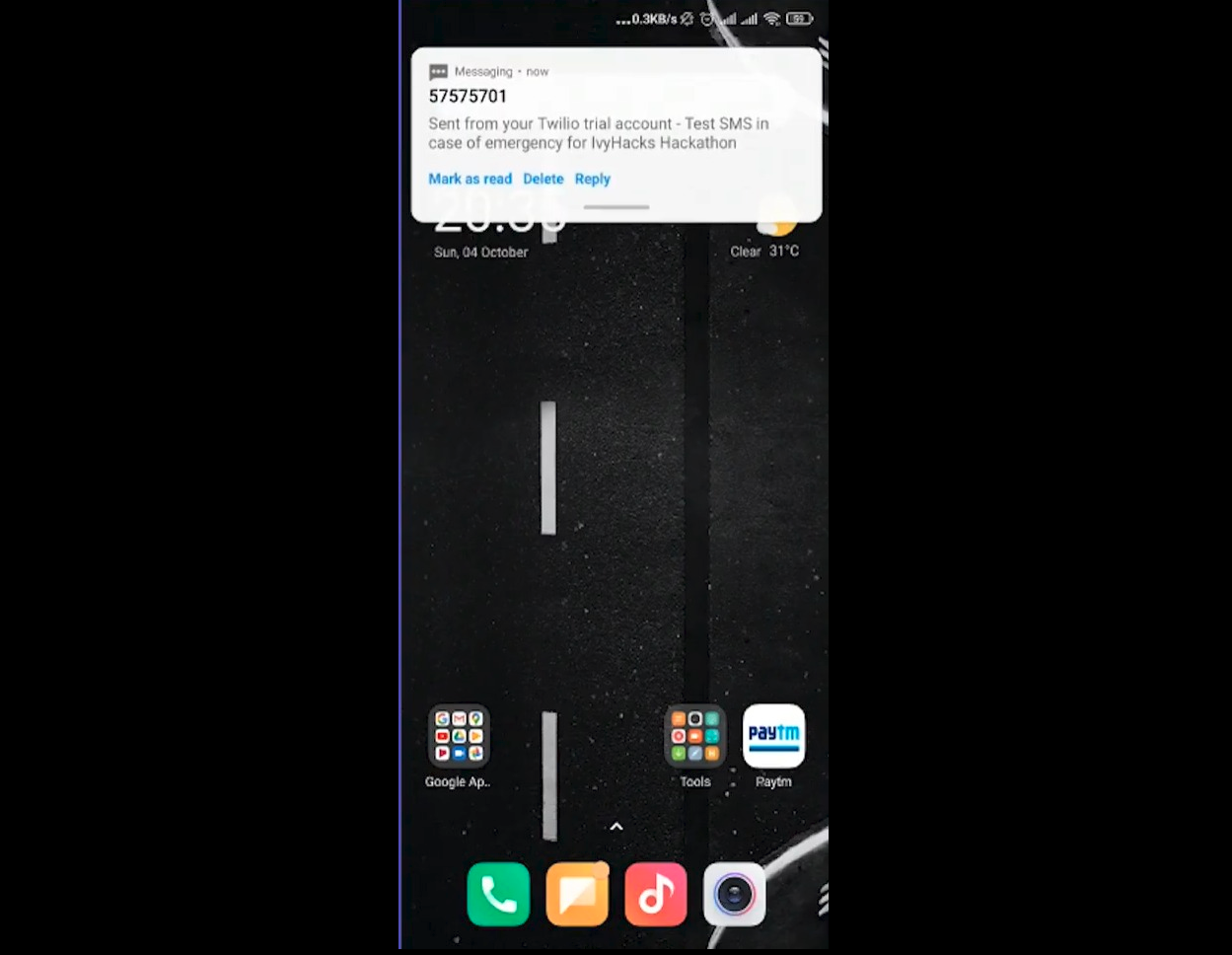
SMS (if your contact reported emergency)
Track
Social Good
Inspiration
Limited mobility and technical knowledge cause the senior and disabled citizens to face difficulties during emergencies (medical/or otherwise). Most of the systems available in the market are very complicated and provide low robustness.
We wanted to implement a robust system, keeping simplicity in mind to solve this issue.
What it does
Our system provides a mesh-network based emergency response system. Our system improves the wireless connectivity between people and emergency authorities and provides highest robustness using the mesh-networking protocols.
We ensure that every emergency message reaches the authorities either directly via WiFi or via a series of hops through our mesh network. As multiple paths can be possible, so a single connection to any of the mesh helps you get connected to the internet in general.
How we built it
We used particle boards to create mesh-network (uses open-thread protocol).
Events are published to the particle console, where a web-hook sends them to a django web-backend.
The admin-console (called SAHAYAK) allows the administration to view these events and take necessary action. They can update the status of the events and see analytics over time and area.
Challenges we ran into
This was the first time we had integrated a complete website and a server with an IoT system, which posed its unique challenges.
We had a number of integrations like google maps API, deck.gl visualizations and webhook integrations. We did not get them right in the first go and had to experiment a lot to get them working. Especially we faced trouble in embedding deck.gl map visualizations.
The IoT device we used had the default behavior of blocking all operations till the device gets internet connectivity. We had to put the device in manual mode and set up all networking ourselves for it to function the way we want. This was a significant challenge as we realized this quite late.
Designing the system for the various possible cases with absence on internet and (or) location posed a significant challenge. We had to do that without introducing a lot of redundancy in our code.
Accomplishments that we're proud of
We created a complete system with firmware for hardware , server to handle requests and website for admins.
We integrated a lot of services into one product and made them work flawlessly.
We created a system that has huge potential for growth and a potential to become a full-fledged product.
What we learnt
This was our first IoT project, and working on Particle boards was a pleasure. Though it was still challenging. Understanding its basic architechture and flow was experience.
We are created our IoT system, backend, and frontend parallely. This needed efficient collaboration between us. Also, each of us tried to work on systems which we had not in the past.
Our system required a lot of integrations, with different apis and parts of the system itself. It took our debugging skills to another level.
What's next for Apatkal
Scaling Apatkal further.
Additional features to send the location of the person sending SOS sms/email to the authorities.
Have GPS tracking enabled.
Username and Password for Testing
Link: http://sahayak.kaustubh.ml/
Username: admin
Password: admin

Log in or sign up for Devpost to join the conversation.