-
-
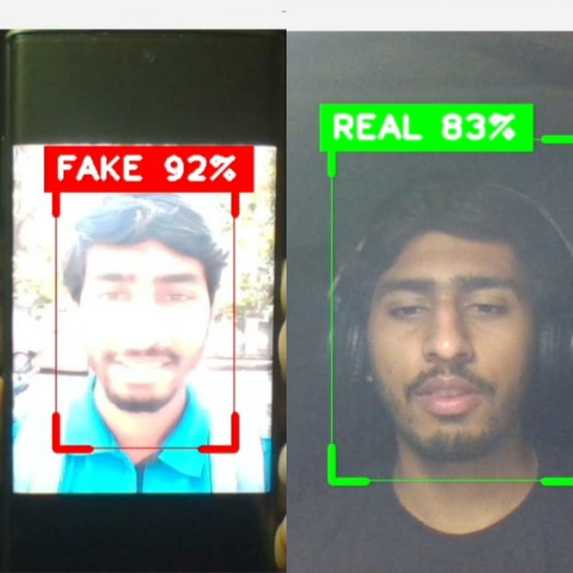
Spoofing
-
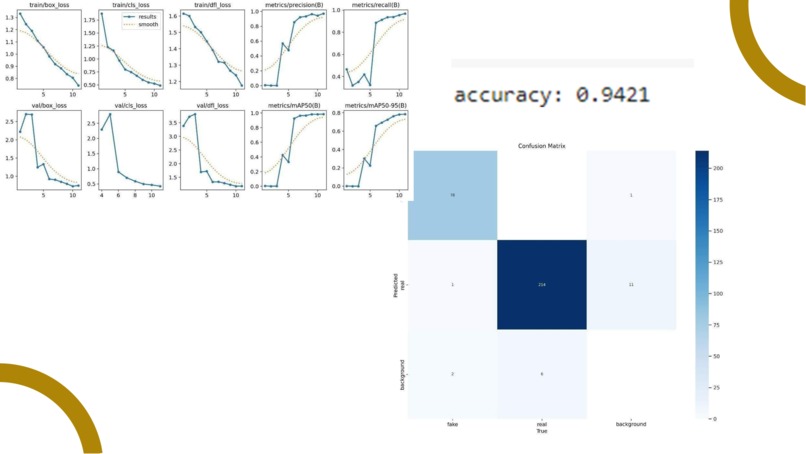
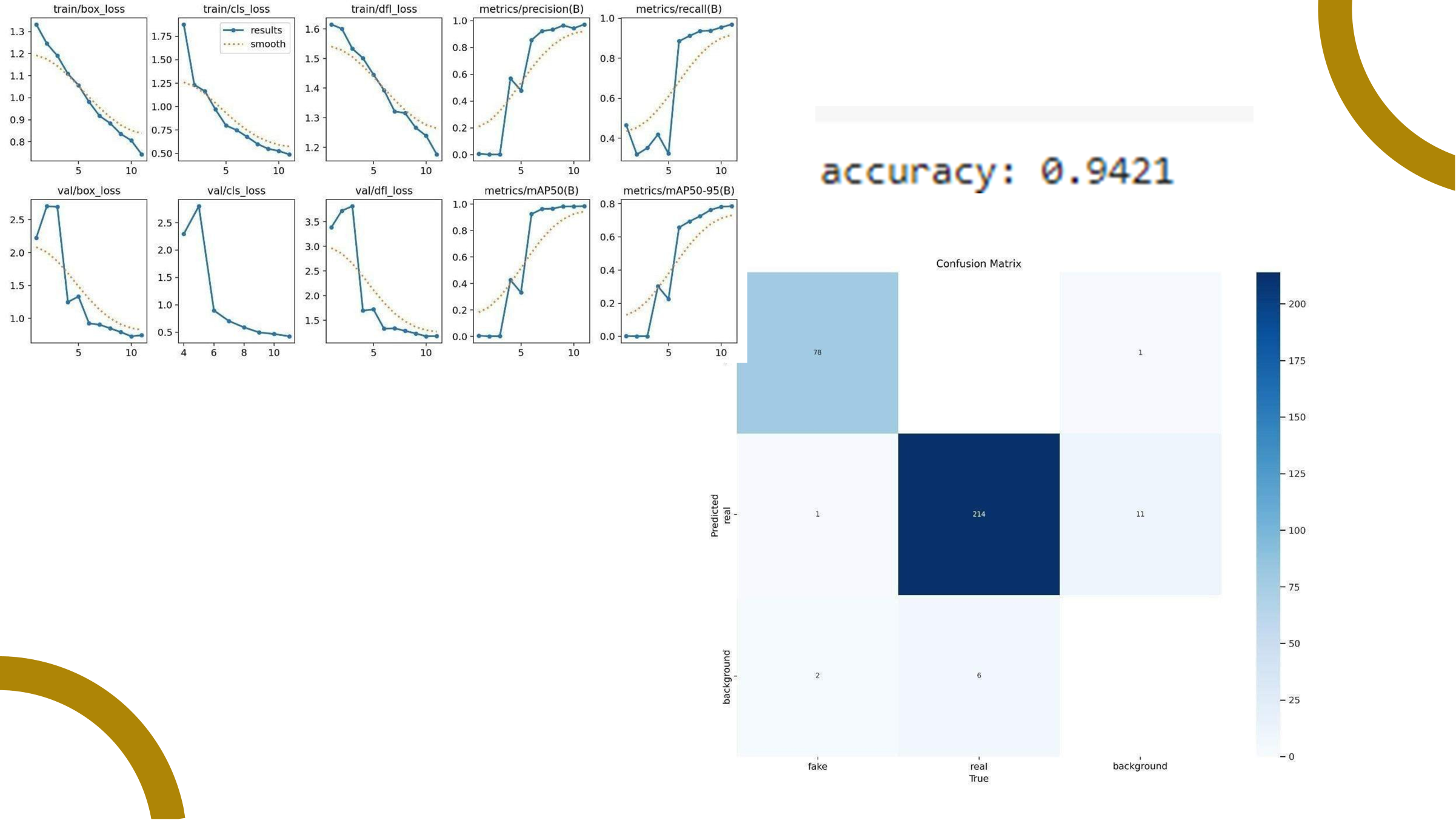
Confusion Matrix
-
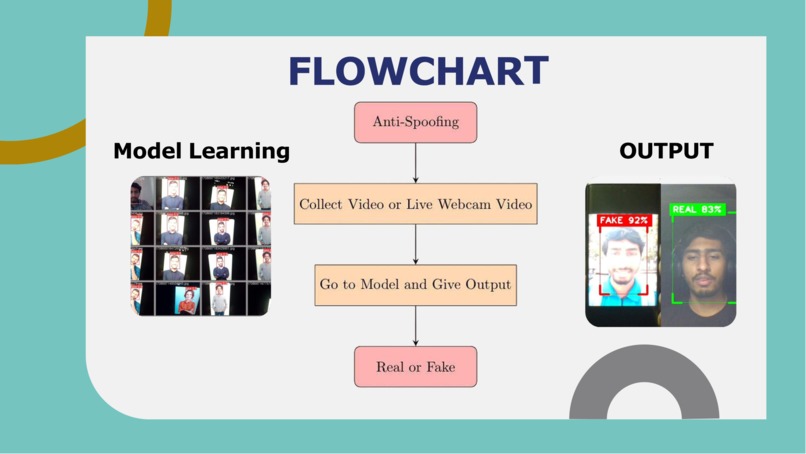
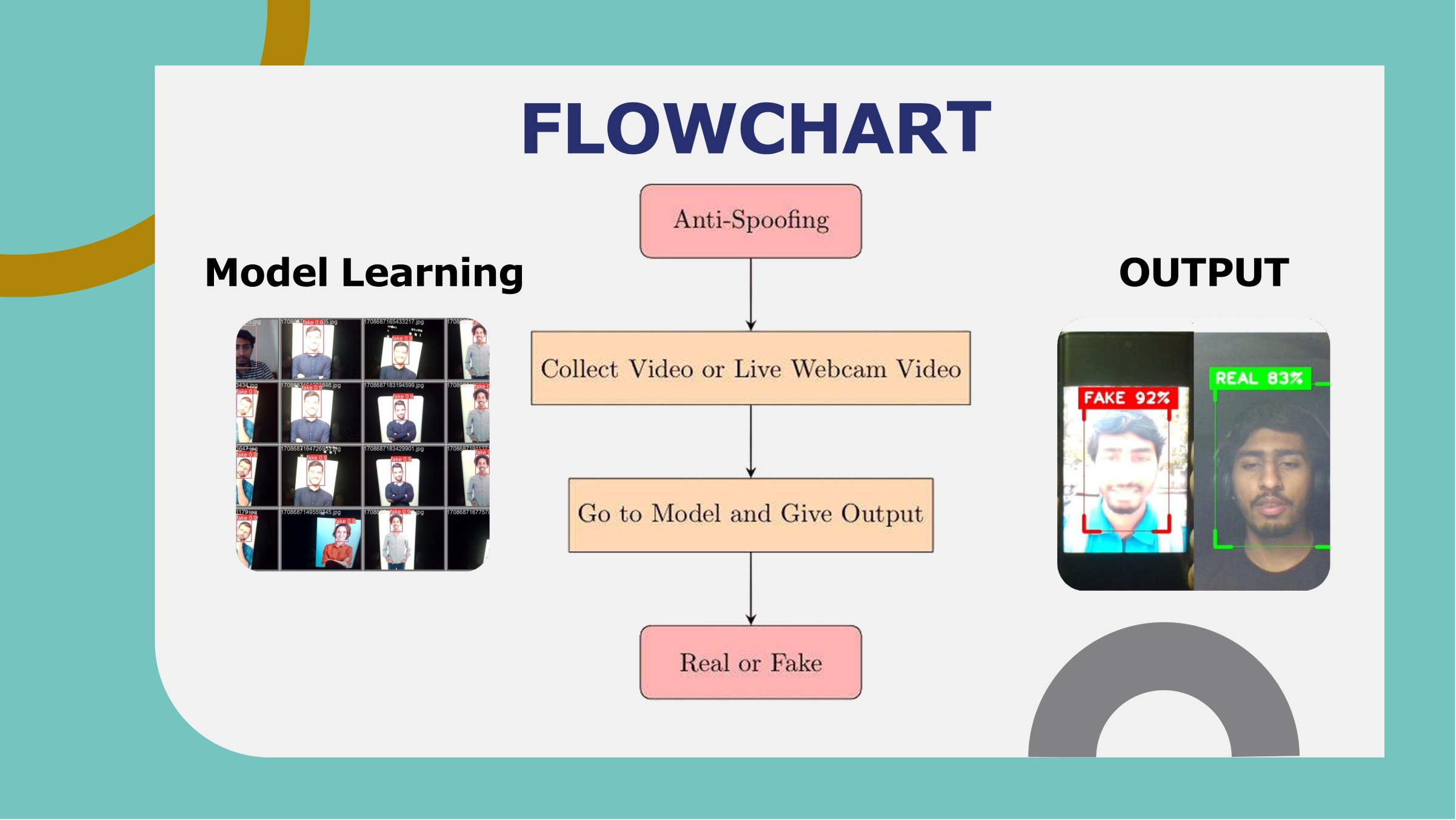
Flowchart
-
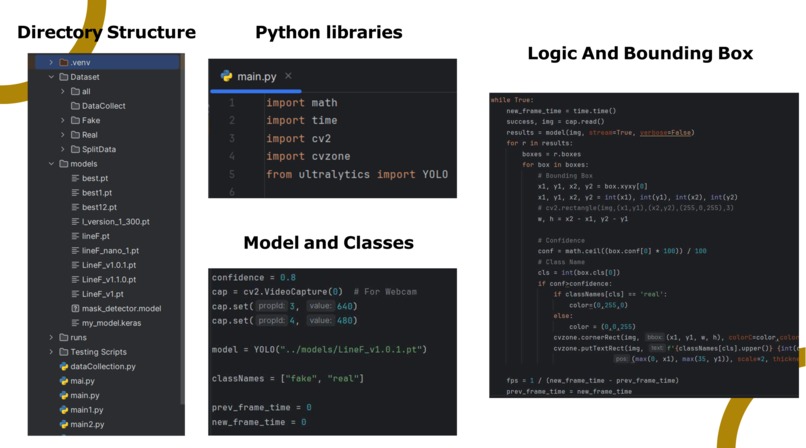
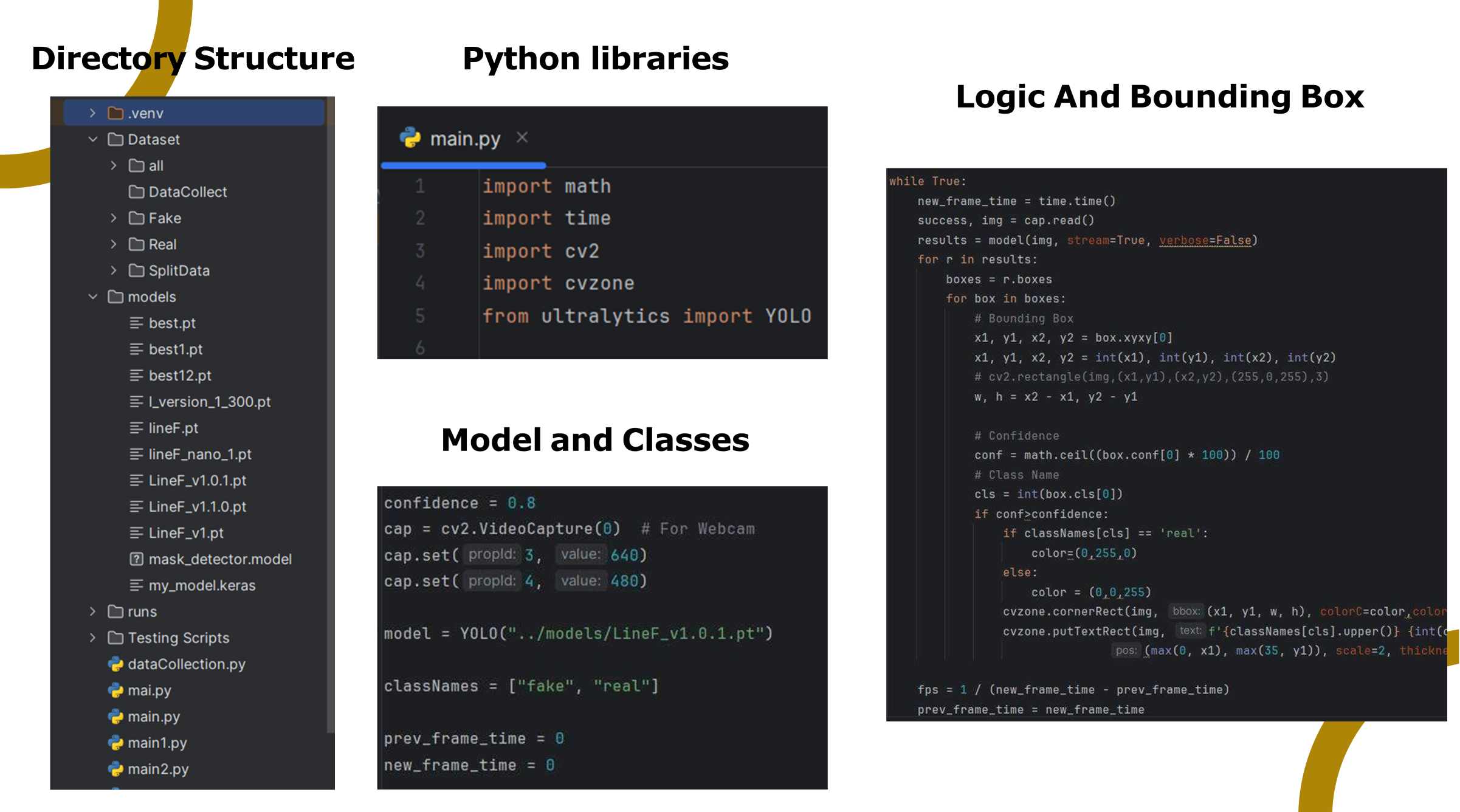
Code/Logic

Inspiration
The motive for our project was a recent incident where a finance worker at a multinational firm was duped into transferring $25 million, thanks to deepfake technology better called as under anti-spoofing techniques. This event highlighted a pressing need for more secure identity verification methods in today's digital world, where the integrity of biometric systems is important. Our project aims to address this gap, ensuring a higher level of trust and security in digital interactions.
What it does
Our project develops a biometric verification system that significantly enhances security against spoofing attacks, particularly deepfakes.
It uses state-of-the-art technology to distinguish between genuine biometric inputs and those manipulated by deepfake technology, ensuring authentic and secure identity verification across various applications.
How we built it
We built the system using YOLO version 8, renowned for its real-time object recognition capabilities. Our choice of YOLO was informed by extensive testing with various models, including different versions of ResNet, ultimately deciding on YOLO due to its superior performance and accuracy in our application.
Challenges we ran into
One of the primary challenges was selecting the correct model. The process involved developing and testing on different models, including various ResNet versions, before concluding that YOLO offered the best results.
This decision-making process required extensive research paper validation and experimentation, which was both time-consuming and technically challenging.
Accomplishments that we're proud of
We are proud to have developed a system that not only addresses a significant security concern in the digital age but also surpasses the accuracy of existing research in the field. We are also excited about the opportunity to contribute to the community through a research paper. We are grateful for the platform provided by HackSwift, which enabled us to develop and showcase our solution.
What we learned
Throughout this project, we learned about various model architectures, the importance of research paper validation for existing models. The importance aspects of working on robustness and accuracy in biometric verification systems. The project gave us deep insights into the current state of biometric security and the challenges it is facing.
What's next for Anti Spoofing
Looking forward, we plan to integrate our biometric verification system into real-world applications, including corporate office environments, educational institutions, and healthcare. We are also open to further enhancing our model with the latest advancements, such as vision transformers, to stay ahead of emerging security threats.
Built With
- machine-learning
- math
- opencv
- python
- tensorflow
- time
- ultralytics
- yolo


Log in or sign up for Devpost to join the conversation.