-
-
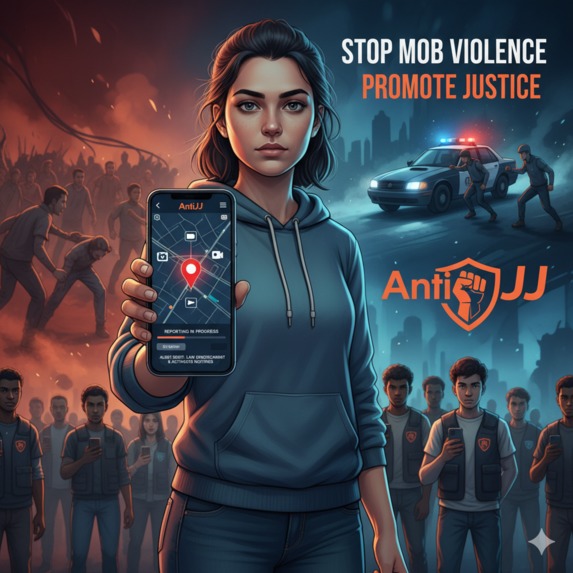
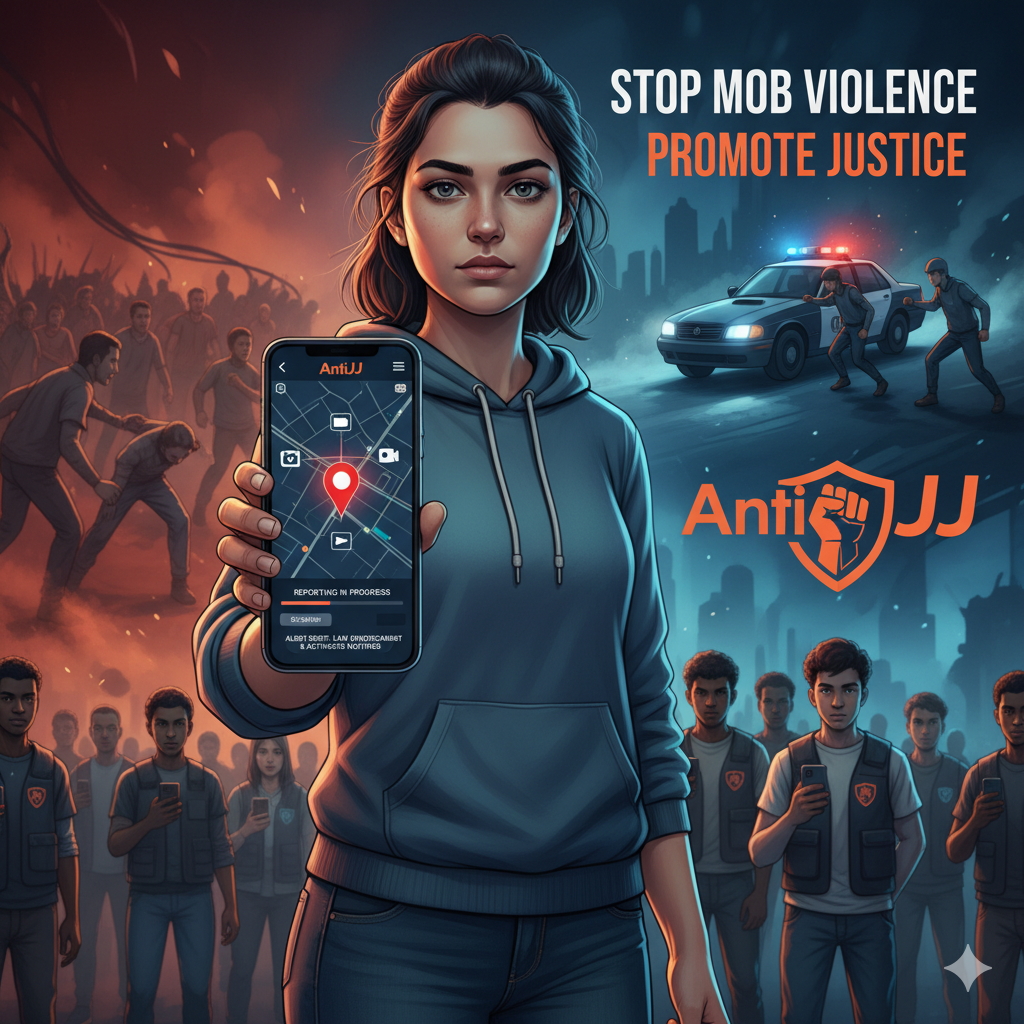
Proposed anti jungle justice mobile application (AntiJJ)
Inspiration
The inspiration behind the AntiJJ project came from witnessing repeated tragic cases of innocent people being killed through jungle justice in Nigeria. Incidents such as hunters being burned alive after being mistaken for kidnappers, and a mentally ill woman set ablaze over false child-theft accusations, revealed how misinformation and mob actions destroy lives. These heartbreaking events inspired the creation of AntiJJ — a solution that uses technology to promote justice, save lives, and encourage people to report crimes responsibly instead of taking the law into their own hands.
This practice is rapidly spreading, creating an urgent need for a digital platform that enables active youth participation and offers incentives to motivate others to get involved in the fight against it.
What it does
AntiJJ is a mobile app that helps prevent jungle justice by enabling users to report mob attacks or suspected incidents in real time using photos, videos, and location data. The app instantly alerts law enforcement, activists, and nearby AntiJJ members to take quick action and stop the violence. It also serves as a platform for education and awareness, teaching people—especially youths—the importance of justice, patience, and reporting crimes through the proper legal channels.
How I Built the Project
Although AntiJJ is currently an idea represented through a UI/UX prototype created with Visily, the next stage involves transforming the design into a functional mobile application. The development process will follow these steps:
Frontend Development: The user interface designed in Visily will be implemented using React Native or Flutter to ensure cross-platform compatibility (Android and iOS).
Backend Development: A Node.js or Firebase backend will handle user authentication, real-time reporting, media uploads (images/videos), and alert notifications.
Database & Storage: Cloud-based solutions such as Firebase Firestore or MongoDB Atlas will store reports, user data, and incident media securely.
AI Integration (Future Plan): Artificial Intelligence will be used to analyze submitted media, summarize reports, and verify authenticity before sending alerts.
Notification System: Push notifications and SMS APIs will be integrated to instantly alert law enforcement, activists, and nearby AntiJJ users when a report is submitted.
Testing & Pilot Launch: After development, the app will undergo testing in selected communities to gather feedback and improve its usability and reliability.
Challenges Faced
One major challenge was designing an interface that allows users to report incidents quickly without putting themselves in danger. Another was figuring out how to ensure trust and authenticity of reports while maintaining user privacy. I also had to think critically about how to engage users emotionally so they see AntiJJ not just as an app, but as a movement for justice and humanity.
Accomplishment We Are Proud Of
We are proud to have transformed a social problem into a technological solution by developing the AntiJJ concept — a mobile app idea that empowers citizens to report and help prevent jungle justice. Using the Visily design tool, we successfully created a realistic UI/UX prototype that visually demonstrates how technology can be used to save lives, promote justice, and drive social awareness. This accomplishment marks a major step toward turning compassion and innovation into impact.
What I Learned
Throughout this project, I learned how powerful technology can be in driving social change. I explored how mobile communication, real-time reporting, and community alerts can be combined to create quick, coordinated responses to emergencies. I also learned the importance of user-centered design—especially for apps targeting social behavior change.
What’s Next for AntiJJ
Prototype Development: Move from the current UI/UX design to a functional prototype using React Native or Flutter, integrating real-time location and media upload features.
Partnership with Authorities: Collaborate with law enforcement agencies, human rights groups, and NGOs to create a verified response network for reported incidents.
Awareness Campaigns: Launch social media and community outreach programs to educate youths on the dangers of jungle justice and promote responsible action.
AI Integration: Implement AI-driven image and video analysis to verify reports and provide summarized alerts to police and activists in real time.
User Growth & Rewards: Introduce a reward system for verified reports and participation in anti-jungle-justice campaigns to encourage community involvement.
Scaling Nationwide: Begin with pilot testing in high-risk regions, then expand the platform across Nigeria and later to other countries facing similar challenges.
Built With
- oceandoc
- powerpoint
- visily


Log in or sign up for Devpost to join the conversation.