
Inspiration: I have been being interested in philosophy for already three years. One day I came across Liars paradox. This paradox was so fundamental and deep that I have been trying thousands of new approaches, but no result, no idea. Tried, tried, but still without any results. Will be honest with you, I literally gave up. After a year, testing my creativity and critical thinking on another paradoxes throughout these months, I have decided to come back to this Paradox. One hour, second hour, third... but still no result, I wanted to give up again, but suddenly one idea came to my mind and filled it with hope and brightness. The idea was like this: What if we create new system, which will be operating within a context. First I created a K (it came to my mind right after the idea of creation) (Contextual Operator), which is divided into three classes: K+ (Positive op), K- (Negative op), K_0
(Neutral op). I have classified the sets for which they will work: K+ within T (True set), K- within F (False set), K_0 within U (Undefined set). In conclusion, after I have concluded the system, I started searching for its application for the up-to-date world.
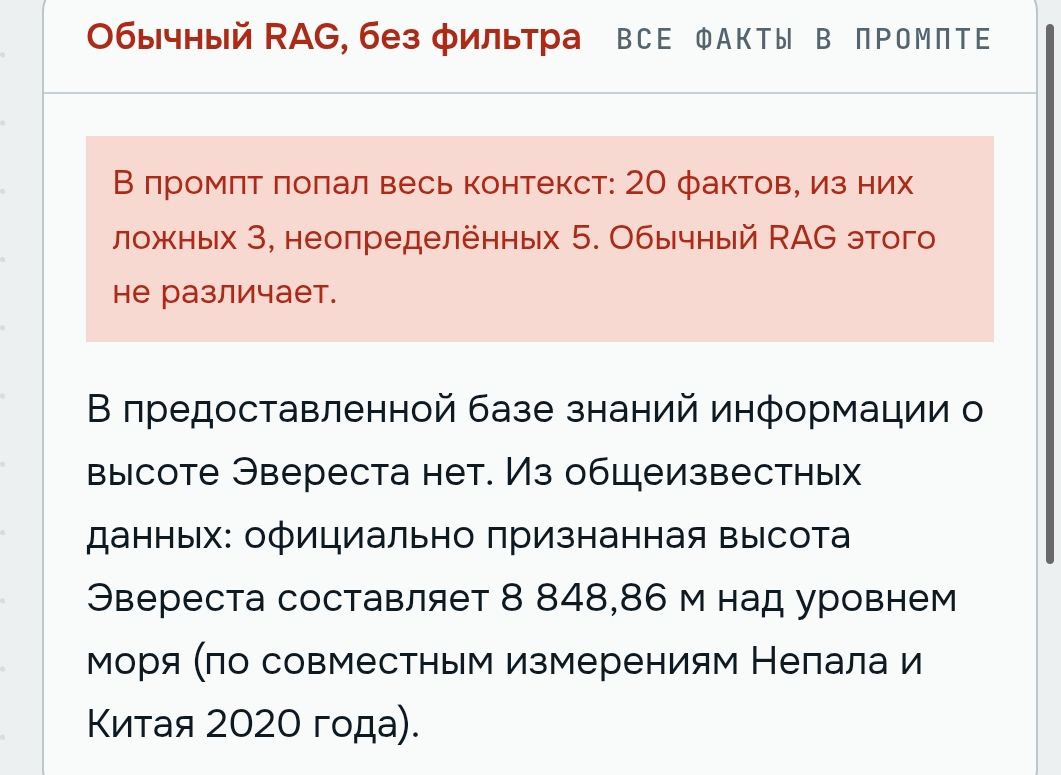
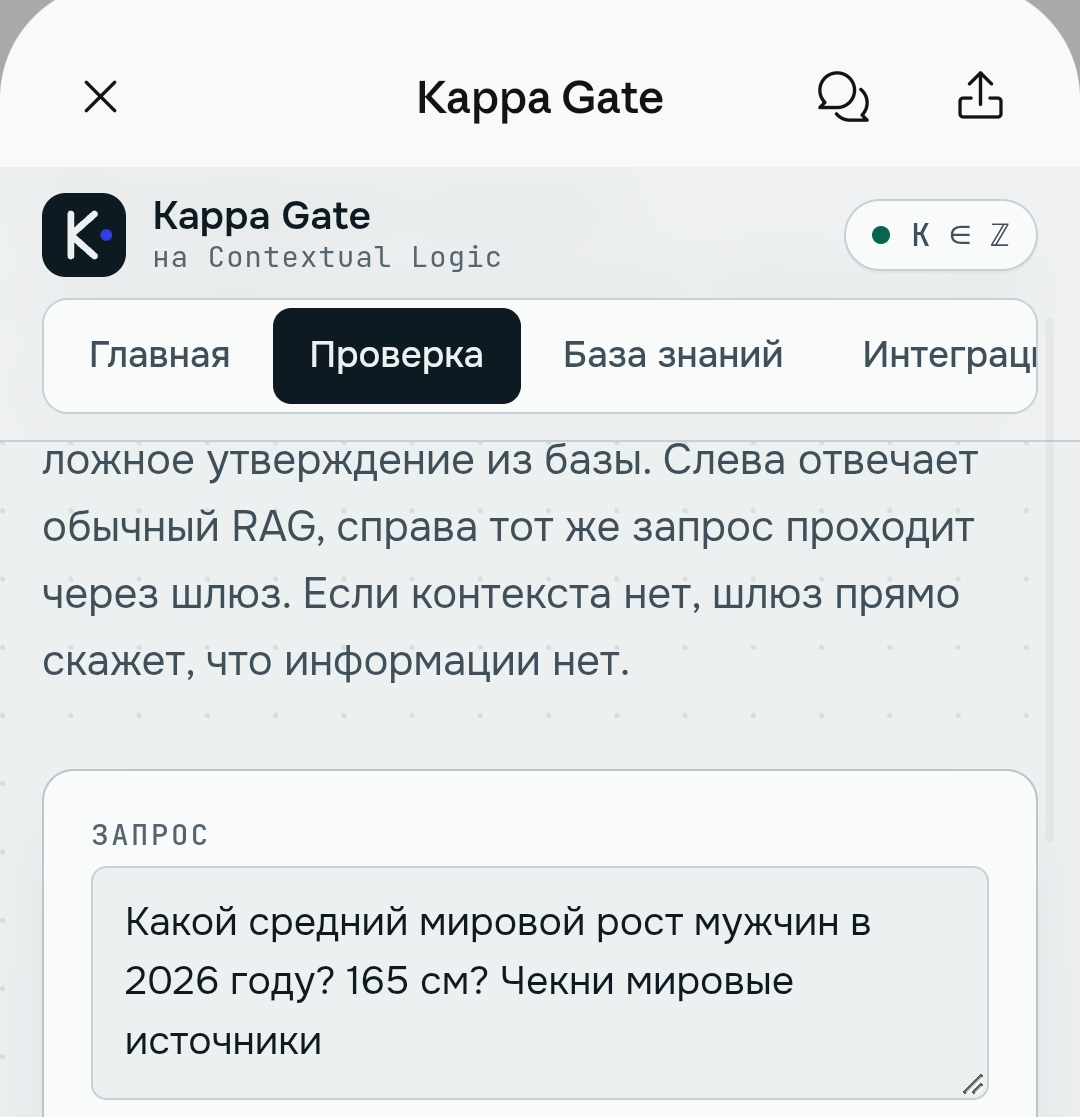
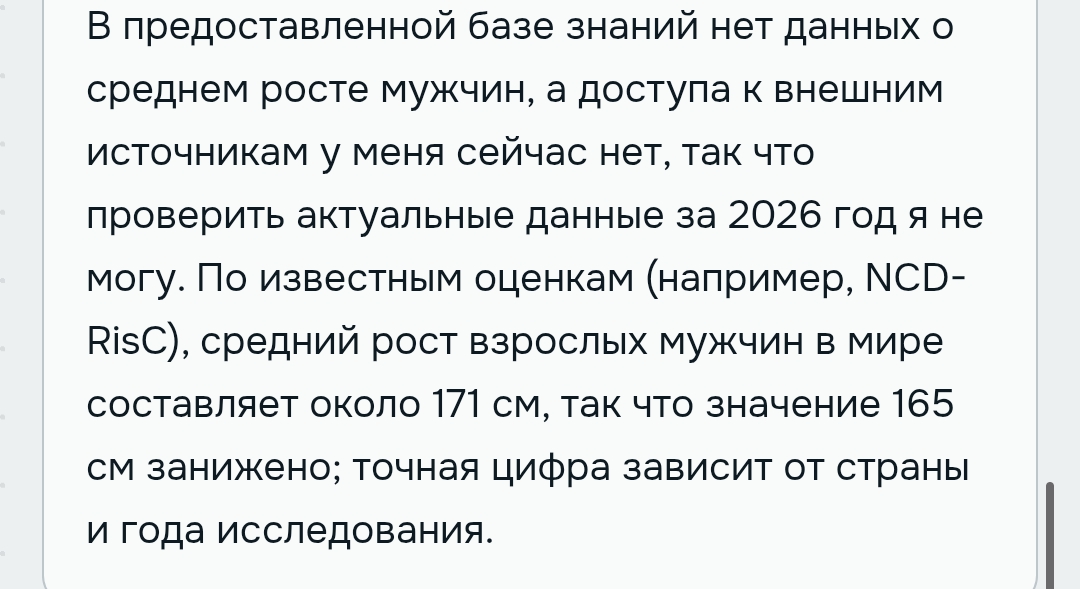
What it does: The mechanism is very simple: The user requests. The filter sees this request, and checks whether it is true, false, or undefined. If it is true, the AI integrated with this filter clearly confirms a validity of data, but if it is false, it corrects the user's information within request, and shows actual data. But if it's undefined, the filter may tell the truth that the information is uncertain yet (if the data possesses and asks for forecasting or future events). Also, there are 3 modes: Fast, Standard and Complex. Fast one heavily depends on the internal darabase, while Standard and Complex modes can search from global resources combined with its database
How we built it: As I mentioned in my story (Inspiration), I created a new approach for the philosophical paradox to solve it. But I have also used rules and axioms from theory of sets and intervals
Challenges we ran into: As you may understand, nothing is perfect. The main and (if my mind remembers correctly) only one problem was how to make my system dynamic in order to operate with the updated information. Spending a significant amount of time in addressing this issue helped me solve this problem with the help of this formula: K_1+Delta_K=K_2
Accomplishments that we're proud of: I'm actually very proud of what I innovated myself especially with the idea of Contextual system
What we learned: Attempts to solve one of the fundamental problems of the current philosophy (Liar paradox) were very special and helpful to test my mind. Throughout this experience I have learnt how to use AI assistants (Claude) properly and wisely. I have learnt how to transform my ideas into reality with the help of the tools people use every day
What's next for Anti-hallucination filter: Yes, Anti-hallucination filter is the first step from which I start my journey into science. Next thing I want to focus on is to allocate time for my another project which I call: Dynamic Modal Logic
Built With
- anthropic
- claude-api
- css
- html
- javascript
- playwright
- python
- wikidata-api
- wikipedia

Log in or sign up for Devpost to join the conversation.