-
-
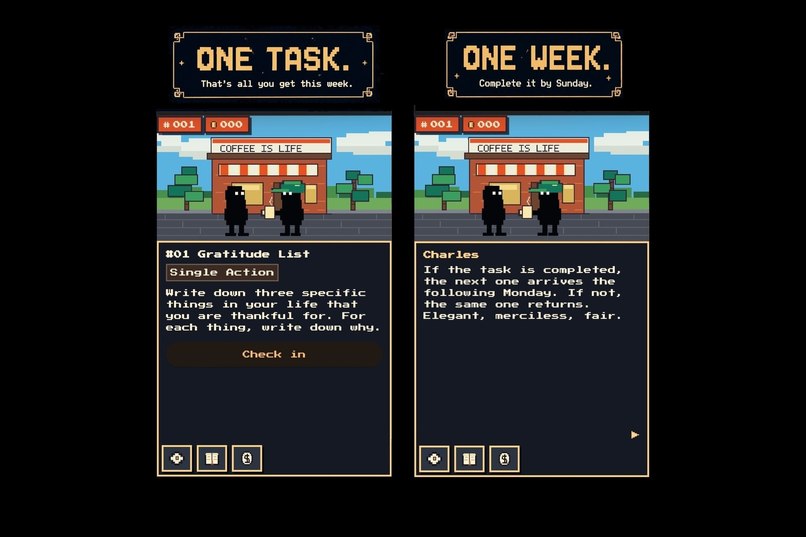
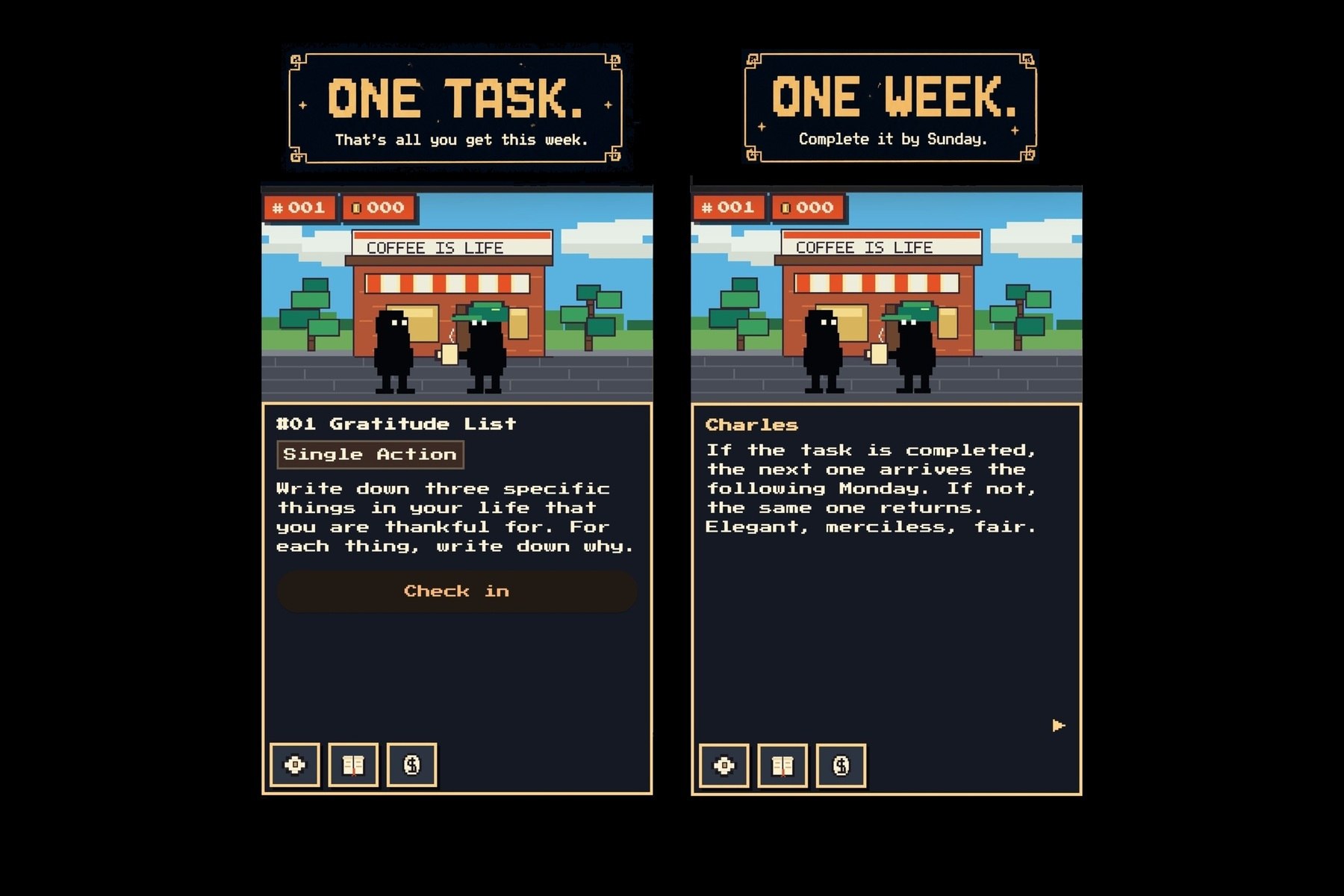
One Task. One Week.
-
Inspiration
I'm a psychotherapist, and I noticed that many mental-health apps are packed with features that can overwhelm the very people they're trying to help.
I wanted to create something simpler. Instead of asking users to choose between trackers, journals, and exercises, Another Stupid Monday gives them one clear, manageable place to start.
I was also motivated by accessibility. Mental-health support shouldn't depend on speaking one of a handful of widely supported languages, so making the app available in many languages became an important goal.
What it does
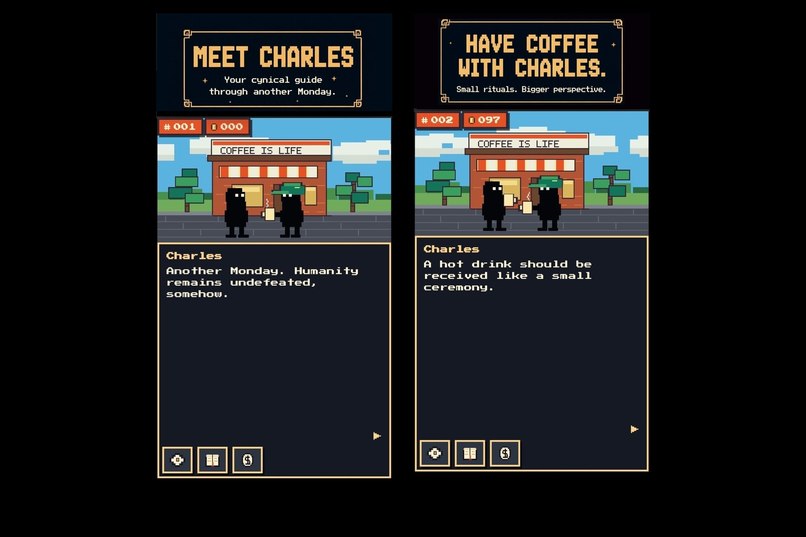
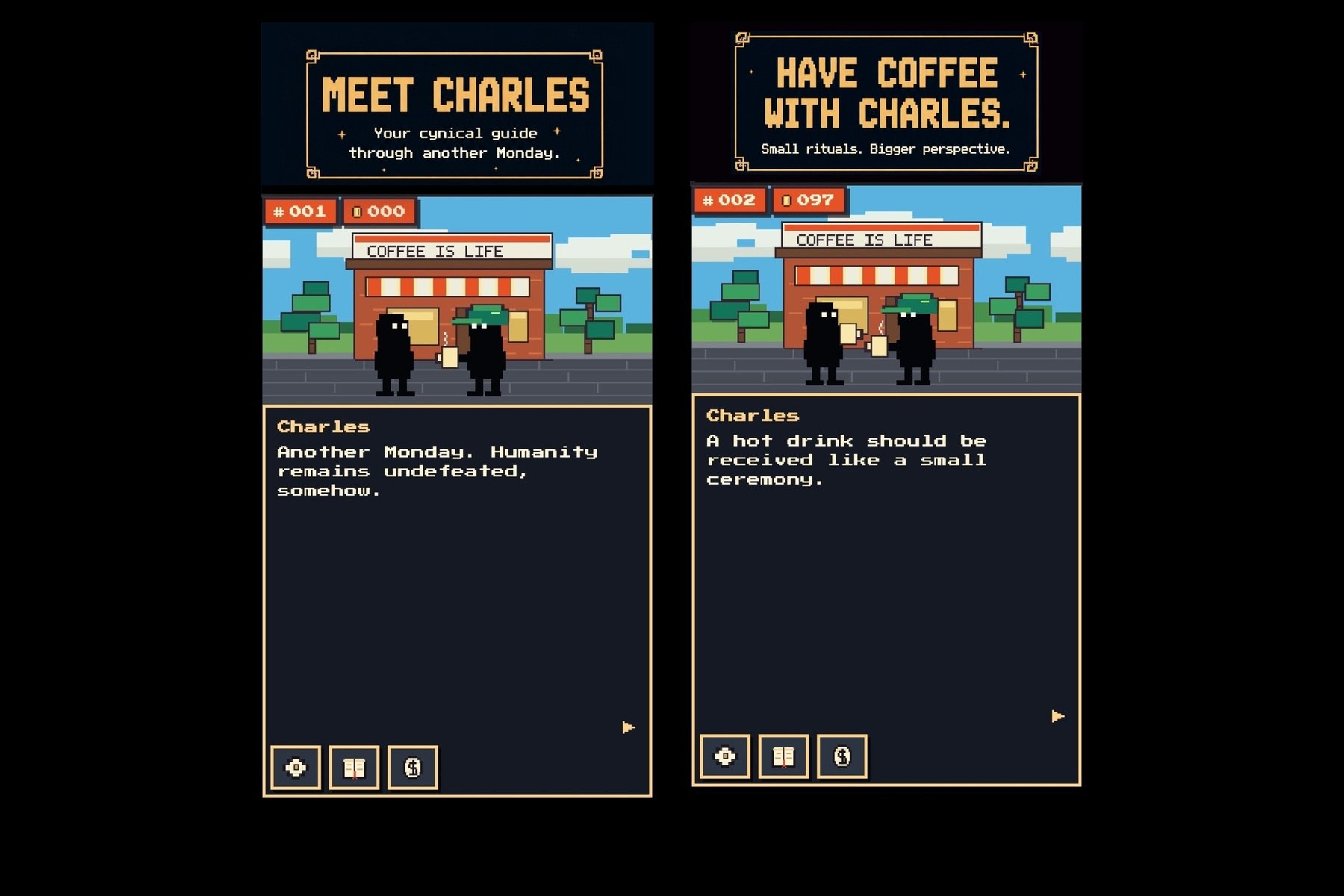
Another Stupid Monday (ASM) introduces one self-care task each week, starting every Monday. Most tasks are completed once, while others encourage users to repeat an activity during the week.
If a user doesn't finish a task, there's no penalty or pressure. The task simply stays available until it's completed, and users can always look back at previous tasks.
ASM contains 100 tasks designed to be completed slowly over time. Notifications provide gentle reminders, and a small in-app shop exists without distracting from the main idea: one task, one week.
How I built it
I started building ASM with no prior coding experience.
I used Hermes Agent and Codex throughout development. Hermes ran locally on an older laptop and became the environment where I planned, built, tested, and refined the app. I started with Codex 5.5 and later moved to 5.6.
While Codex generated and revised code, I remained responsible for the product itself. I defined the behavior, tested every change, identified bugs, refined prompts, and decided whether each solution was actually an improvement.
I set up Hermes and Codex to build the Android app, launch it in an emulator, and help reproduce bugs. I also created a dedicated debug version that let me quickly test different app states without waiting for the normal weekly schedule.
By connecting Hermes through Telegram and Cloudflare, I could even request new debug builds and test them remotely on the go.
Although I started the development of ASM already on June 4, I used Build Week to improve the existing app. I focused on making notifications more reliable, improving localization across more than 65 languages, and fixing issues such as the payment flow.
Challenges I ran into
The biggest challenge was keeping the app simple. Adding features is easy; deciding not to add them is much harder.
Notification logic also turned out to be more complex than expected because reminders depend on timing, task state, and user actions. Supporting more than 65 languages brought its own challenges, since translations had to work naturally within the interface instead of simply being technically correct.
Using AI tools also meant constantly reviewing and testing the generated code. A convincing solution wasn't always the right one.
What I learned
Before this project, I had never written software.
Working with Hermes and Codex showed me that AI can make software development accessible to people without a traditional programming background. At the same time, I learned that building software is much more than generating code.
I still had to define the expected behavior, investigate bugs, test every change, and make the final decisions. I also learned that creating something simple and reliable often requires much more work than it appears.
What's next
The iOS version of ASM is already available on the Apple App Store. The next step is releasing it on Google Play.
I'll continue improving localization, fixing the remaining edge cases, and keeping the app focused instead of continually adding new features.
I also hope to build on what I've learned about AI-assisted software development while keeping product and clinical decisions under human direction.

Log in or sign up for Devpost to join the conversation.