-
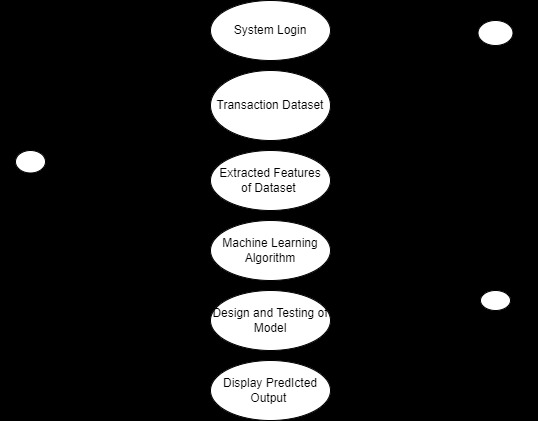
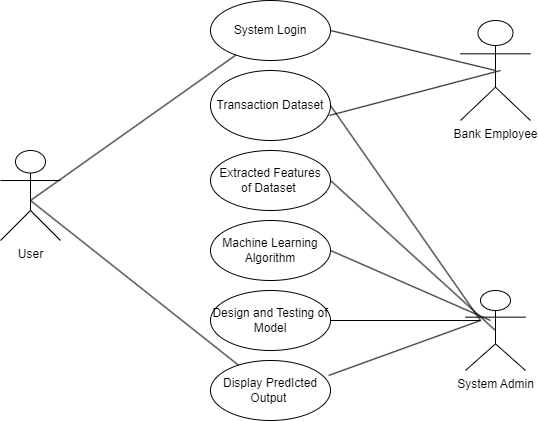
Use Case Diagram
-
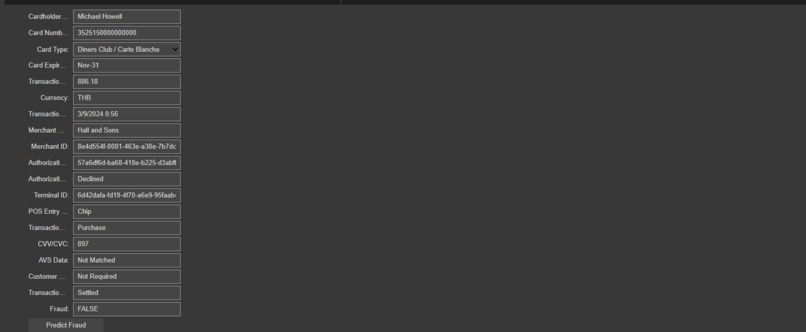
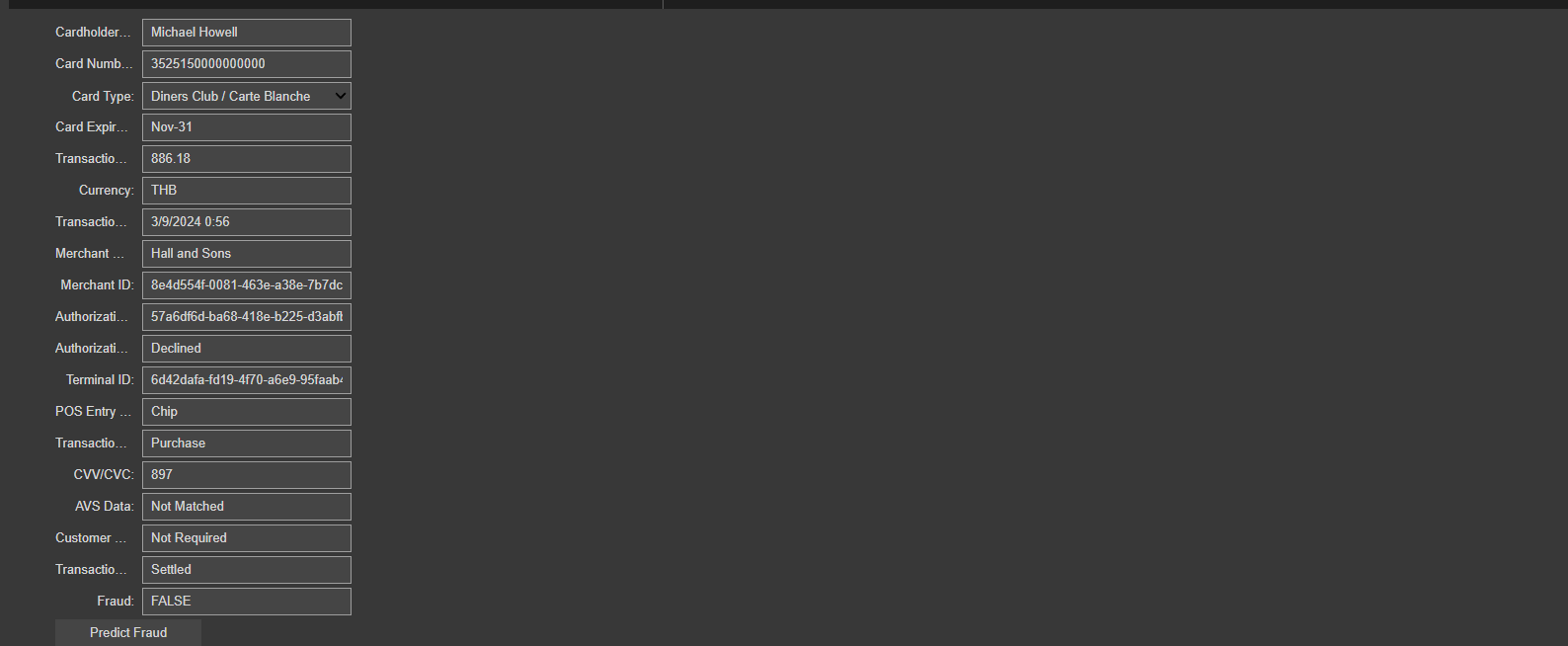
Colab UI
-
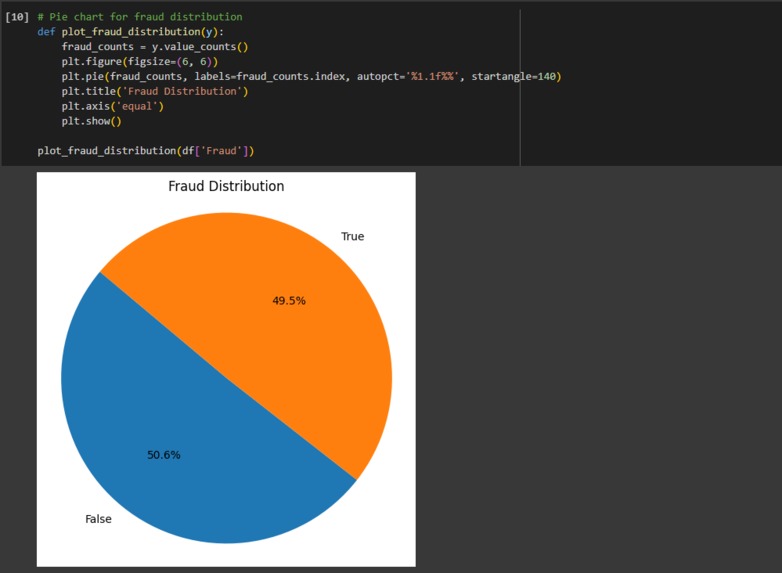
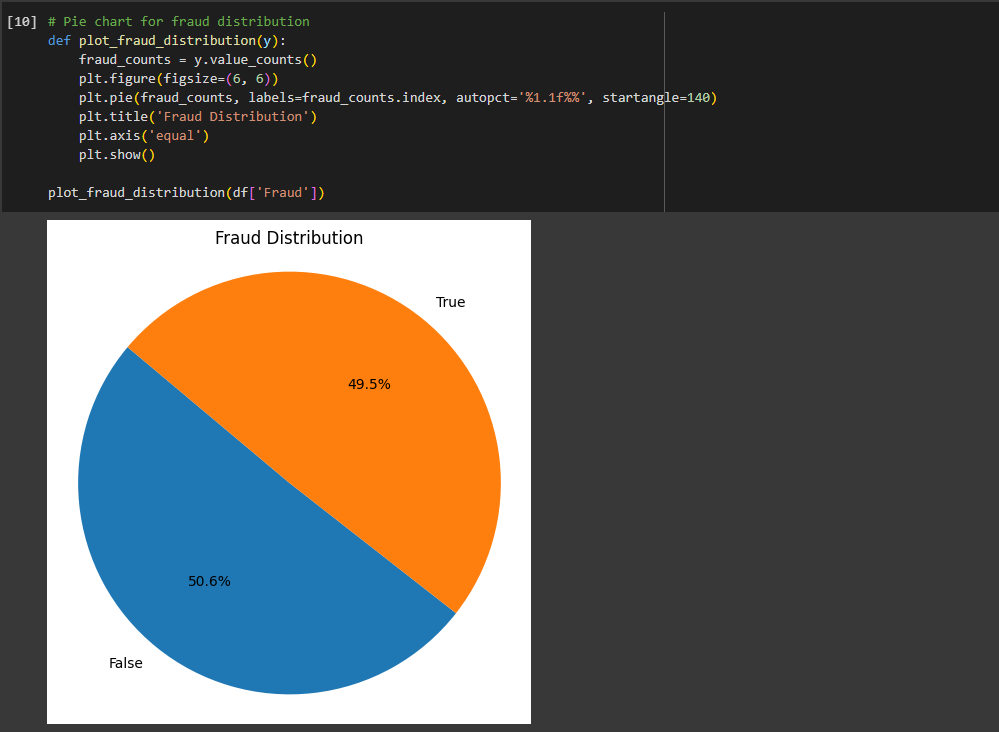
PieChart
-
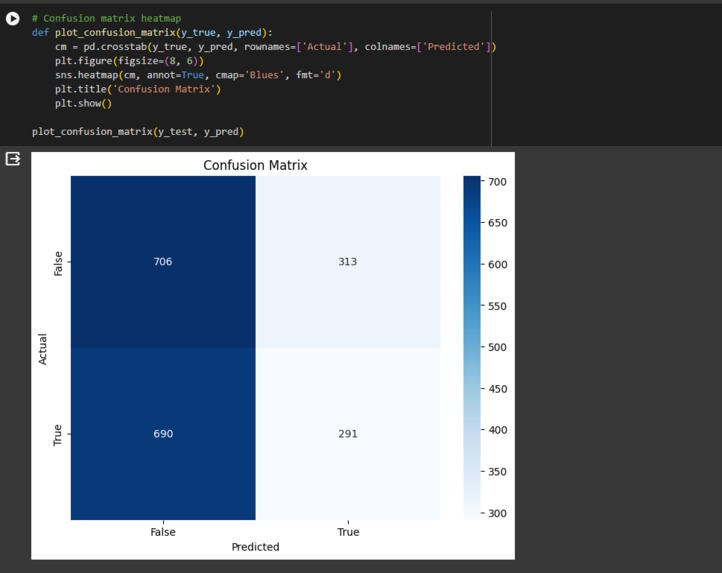
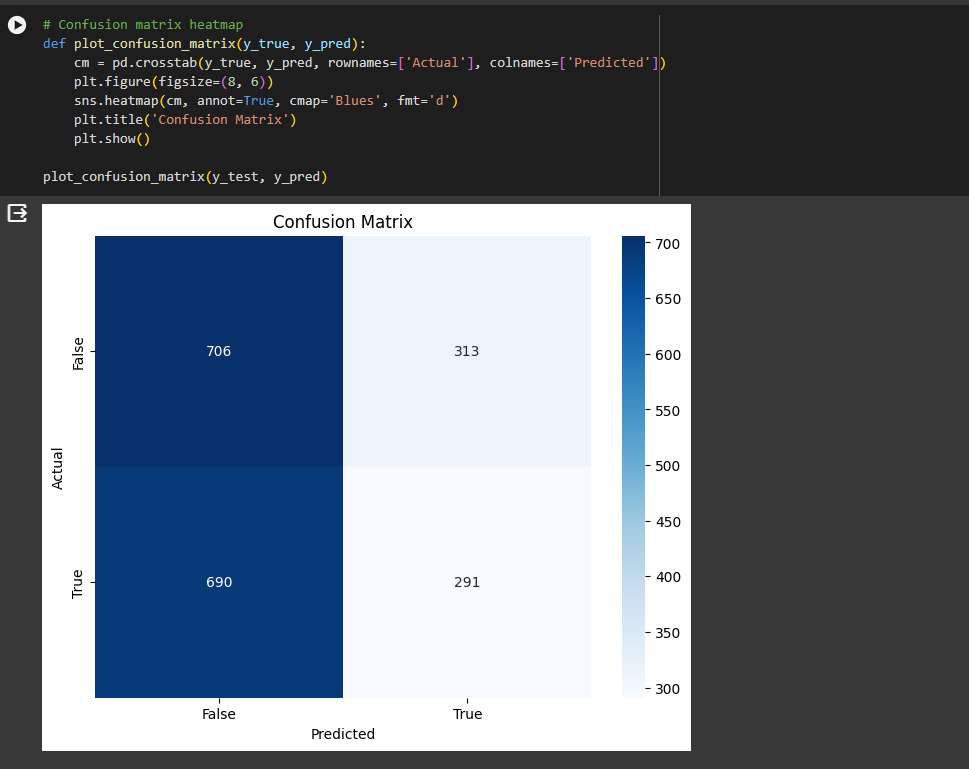
Confusion Matrix
-
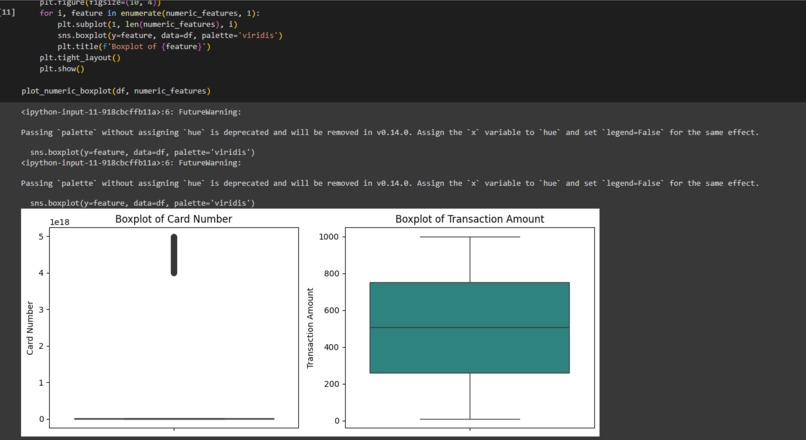
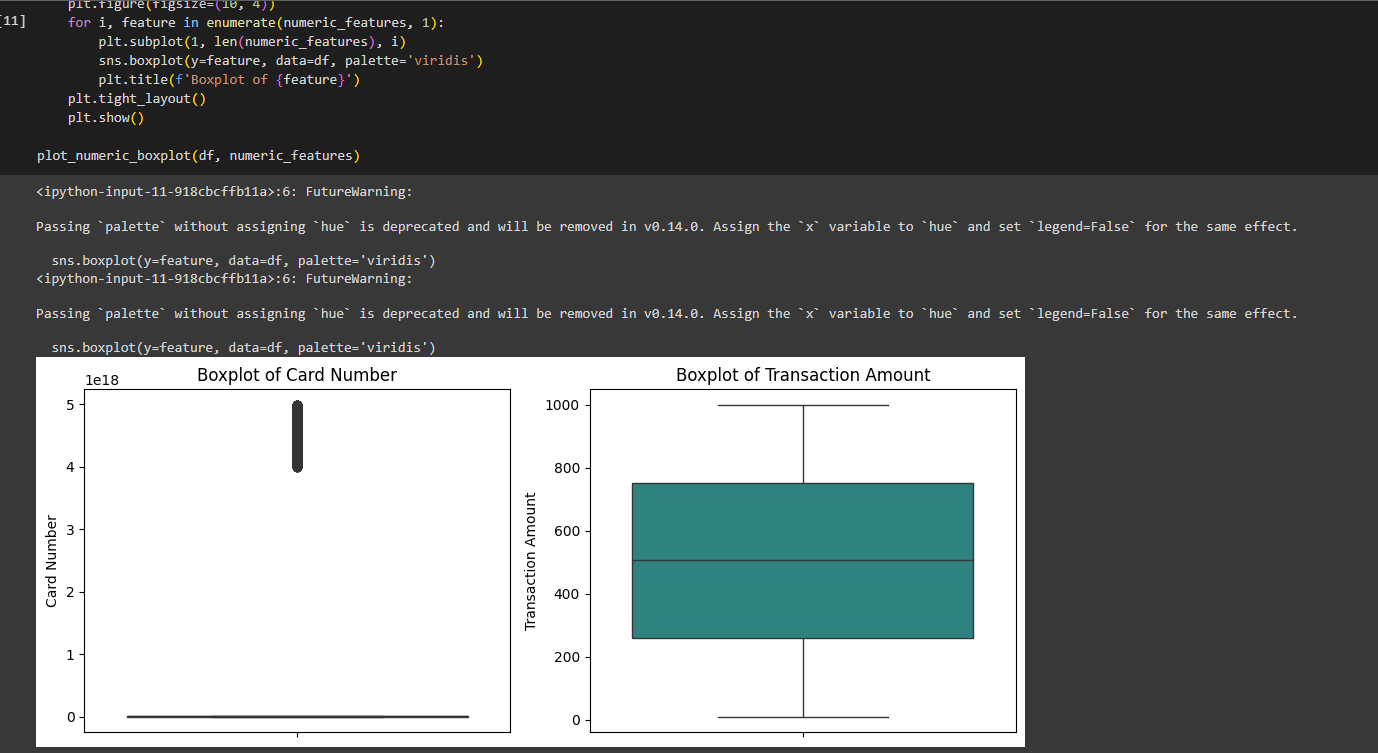
Box Plot
-
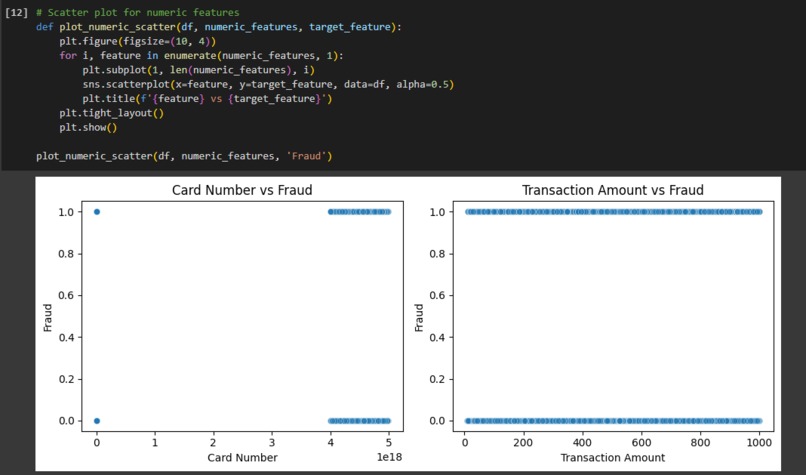
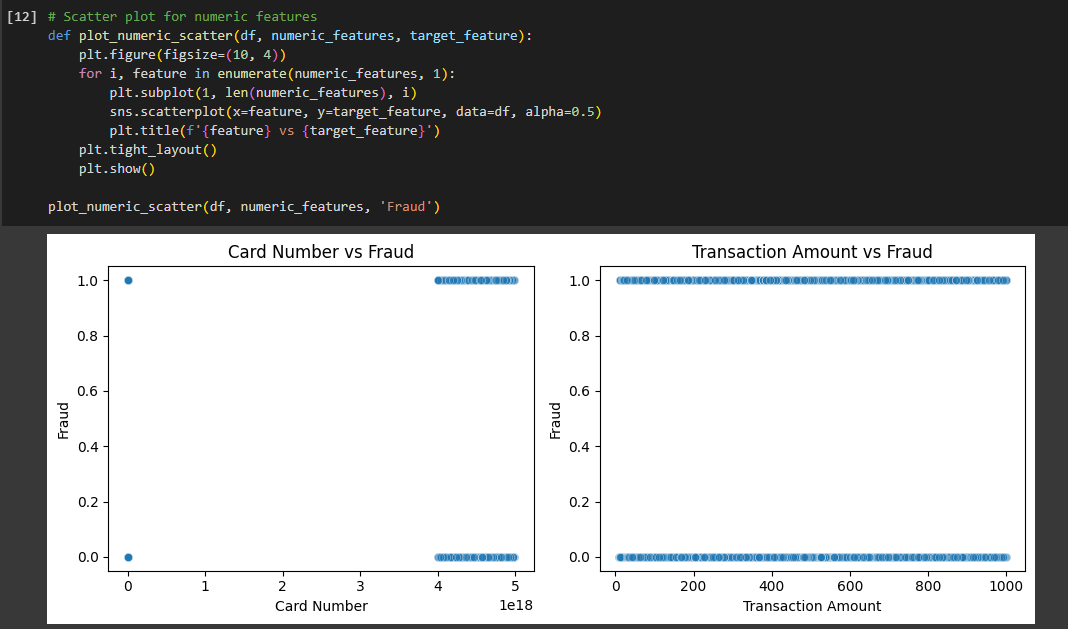
Scatter Plot
-
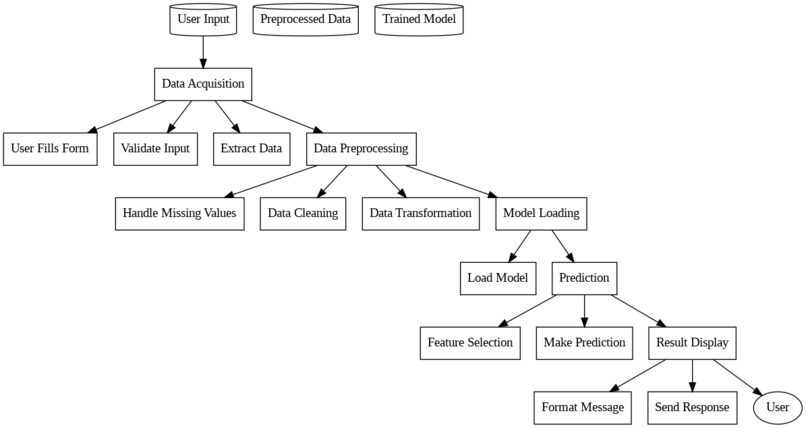
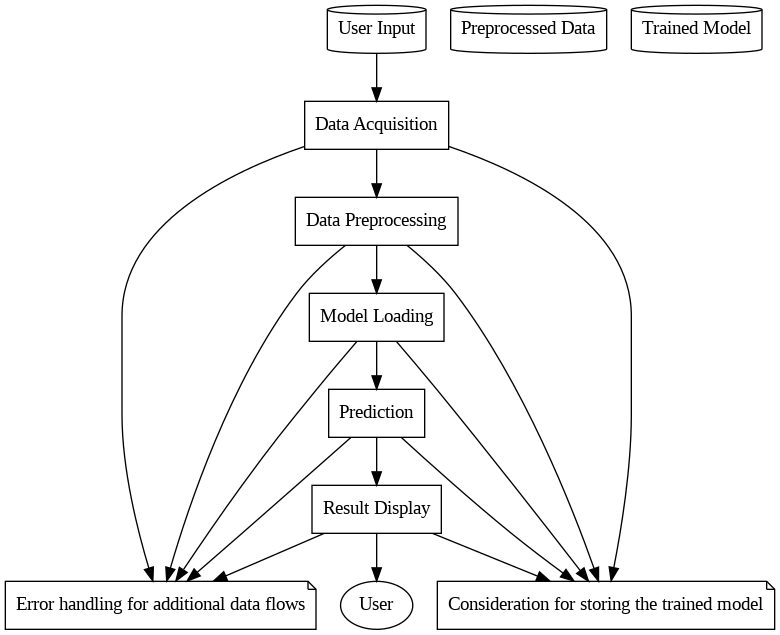
Level-2 DFD
-
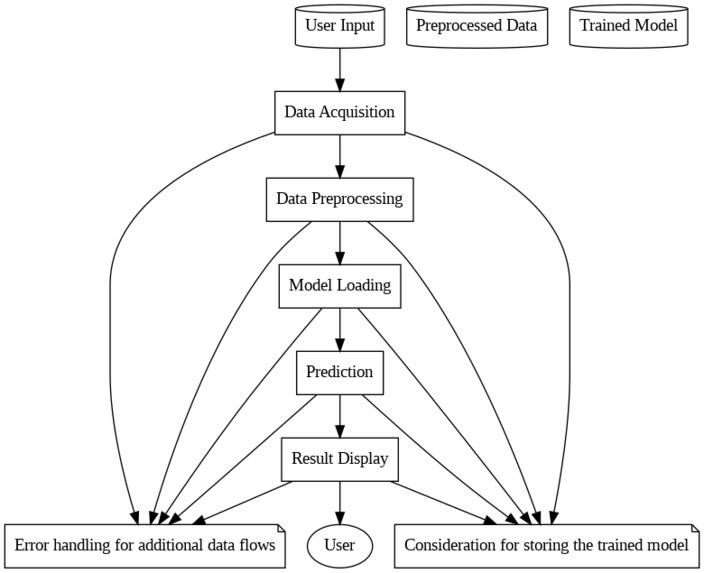
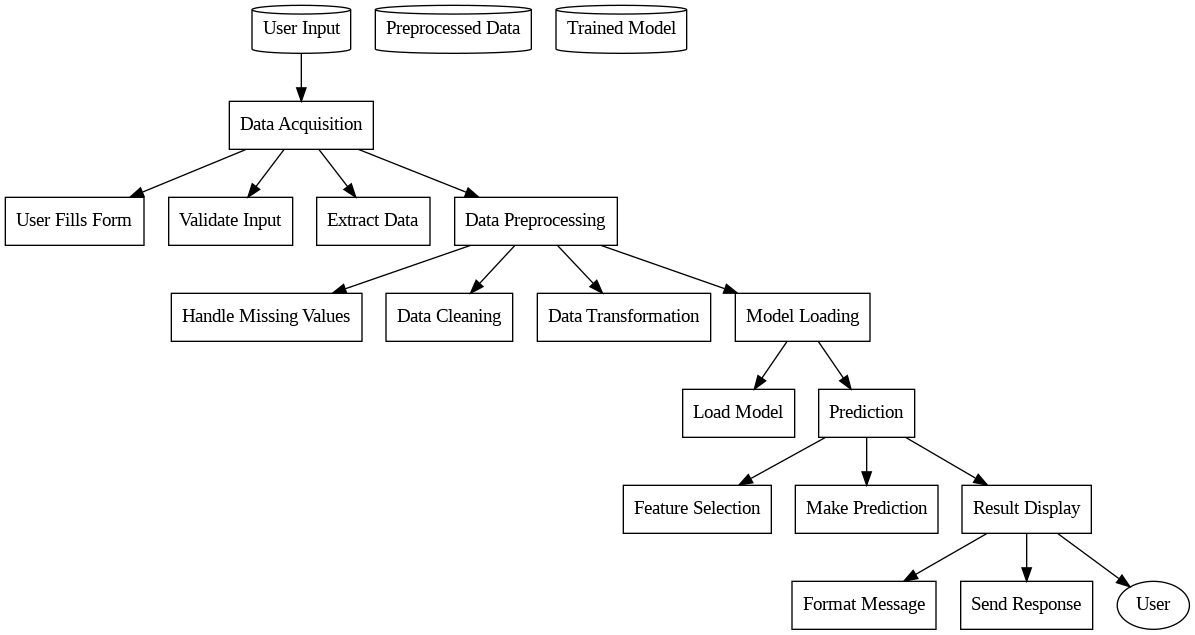
Level-1 DFD
-
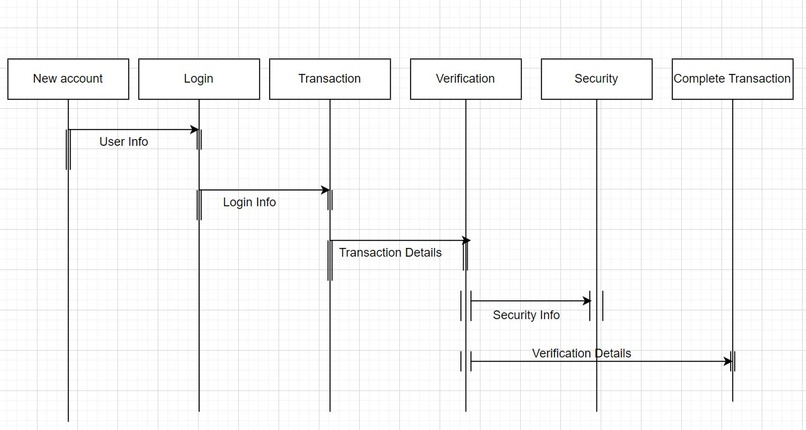
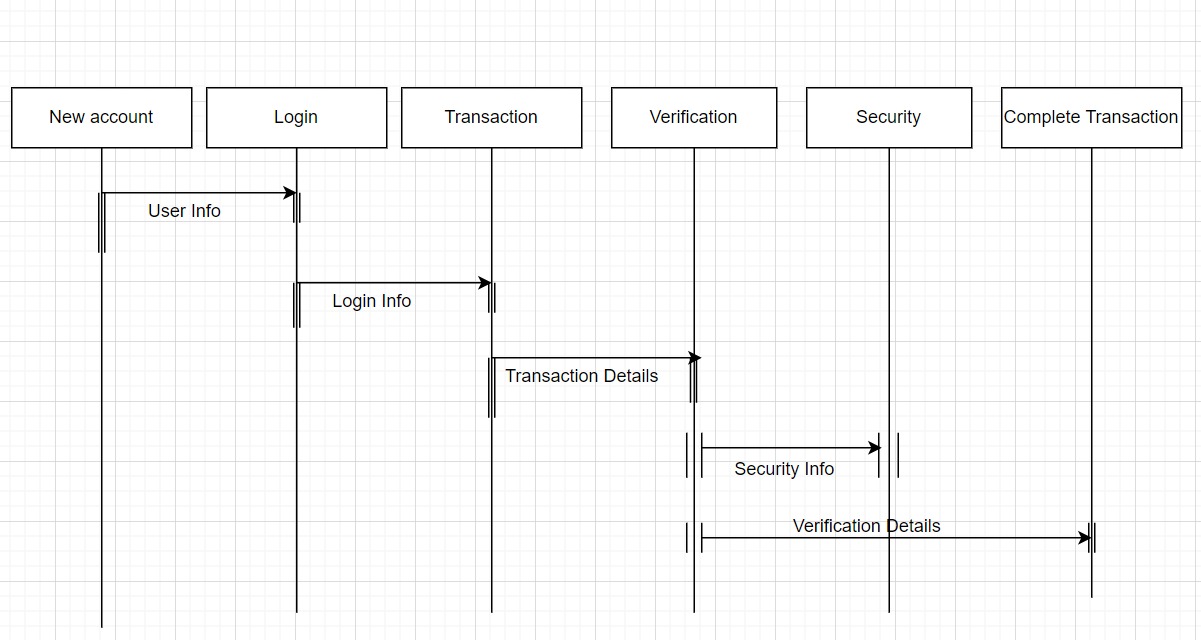
Sequence Diagram
-
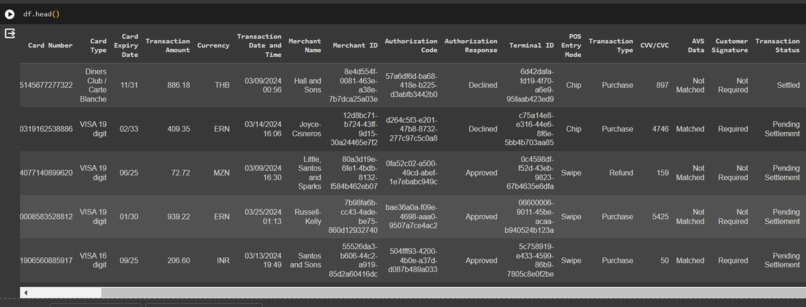
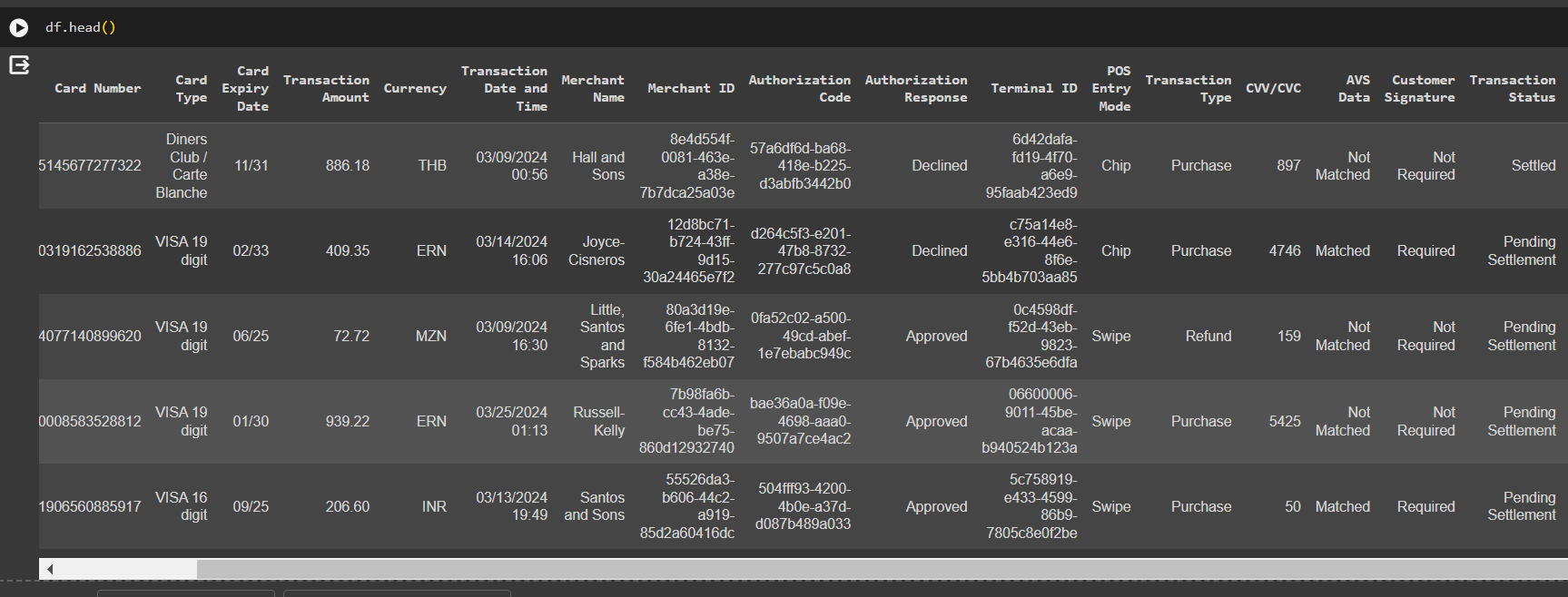
Dataset
-
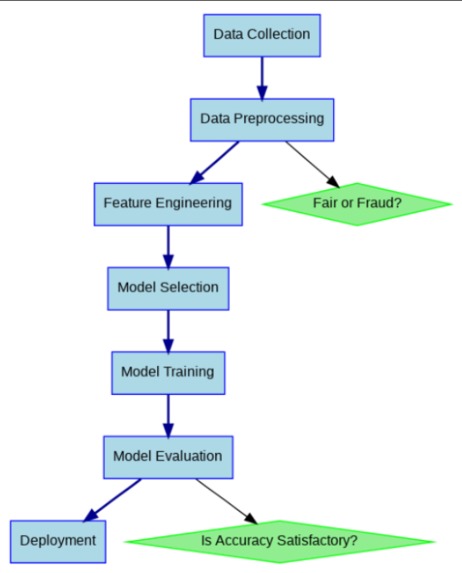
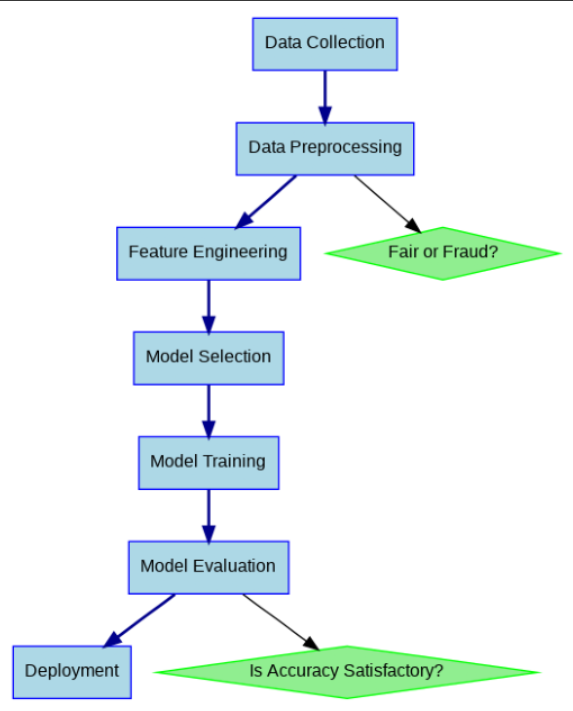
Flowchart
Project Report: Anomaly Detection Using Random Forest
Inspiration
The inspiration for our project, "Anomaly Detection Using Random Forest," stemmed from the pervasive issue of financial fraud. Observing the detrimental impact fraudulent activities can have on individuals and businesses, we were motivated to develop a solution that could identify suspicious transactions in real-time. The idea was to leverage machine learning, specifically the Random Forest algorithm, to create a robust system that not only detects fraud but also helps in mitigating financial losses and protecting user data.
Learning Outcomes
Throughout the course of this project, we gained extensive knowledge in multiple areas:
- Machine Learning Algorithms: We delved deep into the workings of the Random Forest algorithm, understanding its ensemble nature and how it can be applied to classification problems like anomaly detection.
- Data Preprocessing: We learned the importance of data cleaning and normalization. Preparing the dataset sourced from Kaggle involved dealing with missing values, outliers, and ensuring the data was in a format suitable for analysis.
- Web Development: Developing an intuitive interface using HTML, CSS, and JavaScript allowed us to enhance our front-end development skills. This interface was crucial for users to input transaction attributes seamlessly.
- Backend Integration: Implementing the Flask framework helped us in connecting the user interface with our machine learning model. We learned to handle form submissions, route data, and provide real-time feedback to users.
Project Development
The development of our project can be divided into several key stages:
- Data Collection and Preparation: We began by sourcing a comprehensive dataset from Kaggle, containing both legitimate and fraudulent transaction records. This was followed by rigorous data cleaning and normalization to ensure the dataset was primed for analysis.
- Model Training: Using the Random Forest algorithm, we trained our model to distinguish between legitimate and fraudulent transactions. The training phase involved splitting the data into training and test sets, tuning hyperparameters, and evaluating model performance.
- Interface Design: An intuitive web form was created using HTML, CSS, and JavaScript. This form acted as the gateway for users to input transaction details.
- Backend Implementation: The Flask framework was employed to handle data submitted through the form. Flask routes were set up to process the data, pass it to the trained model, and return the prediction results.
- Testing and Validation: Extensive testing was conducted to ensure the accuracy and reliability of the model. This included cross-validation, testing on unseen data, and refining the model based on performance metrics.
Challenges Faced
- Data Imbalance: One of the significant challenges was dealing with the imbalance in the dataset, where legitimate transactions vastly outnumbered fraudulent ones. We addressed this by employing techniques such as oversampling and undersampling to balance the classes.
- Feature Engineering: Identifying the most relevant features that contribute to detecting fraud was another challenge. We used feature importance scores from the Random Forest model to select the most impactful features.
- Real-time Processing: Ensuring that our model could process transactions and provide feedback in real-time required optimizing both the model and the backend infrastructure.
- Integration: Seamlessly integrating the front-end interface with the backend model to ensure smooth data flow and user interaction was a complex task that required meticulous debugging and validation.
Built With
- css
- html
- javascript
- learning)
- machine
- pandas
- programming-languages:-python-frameworks:-flask-platforms:-google-colab-visual-studio-code-(vscode)-pycharm-cloud-services:-google-colab-(for-cloud-based-machine-learning-development)-databases:-no-specific-databases-mentioned
- scikit-learn

Log in or sign up for Devpost to join the conversation.