-
-
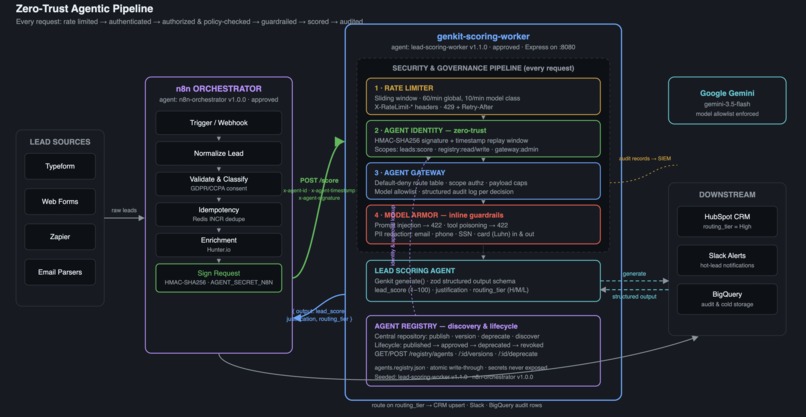
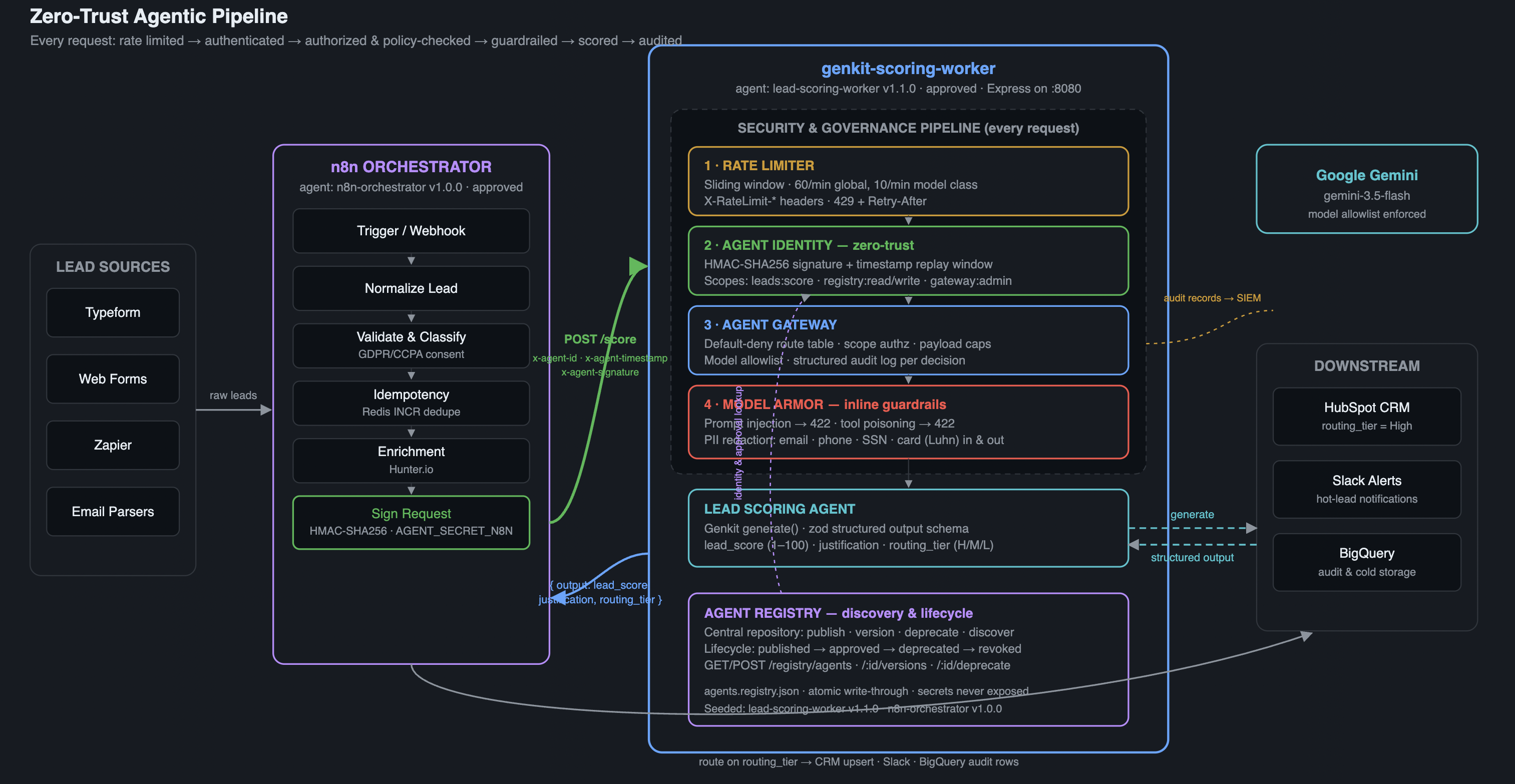
Project Architecture
-
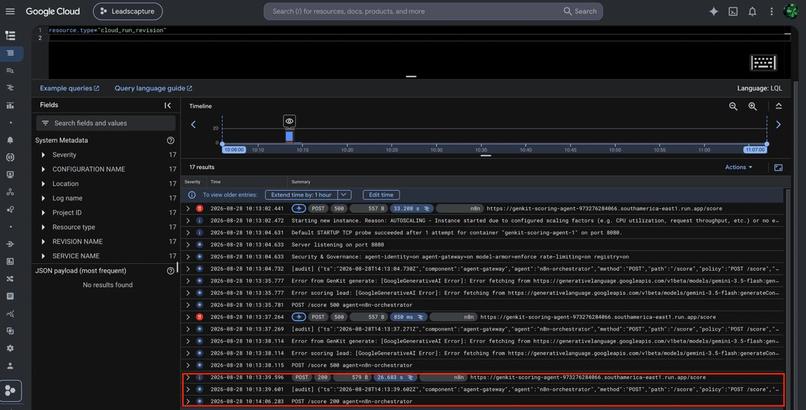
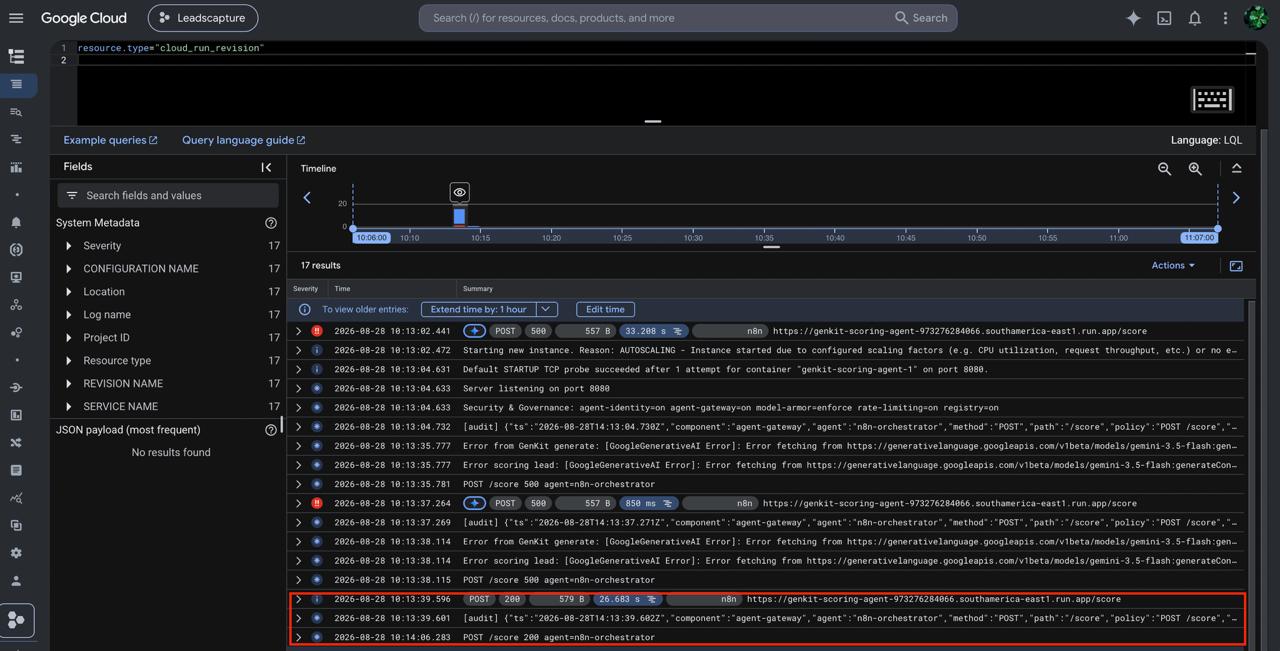
Verify Genkit Scoring Logs on Cloud Run
-
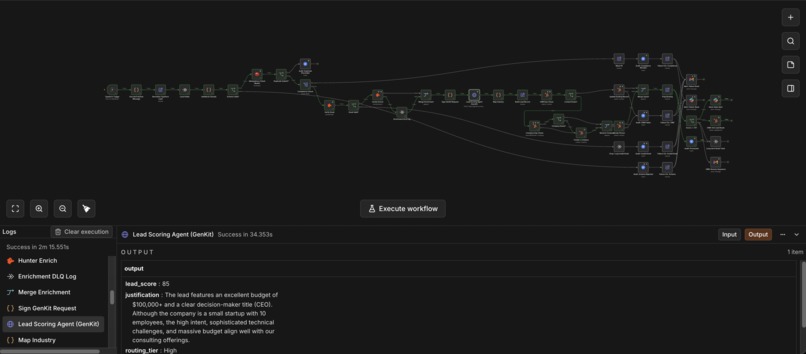
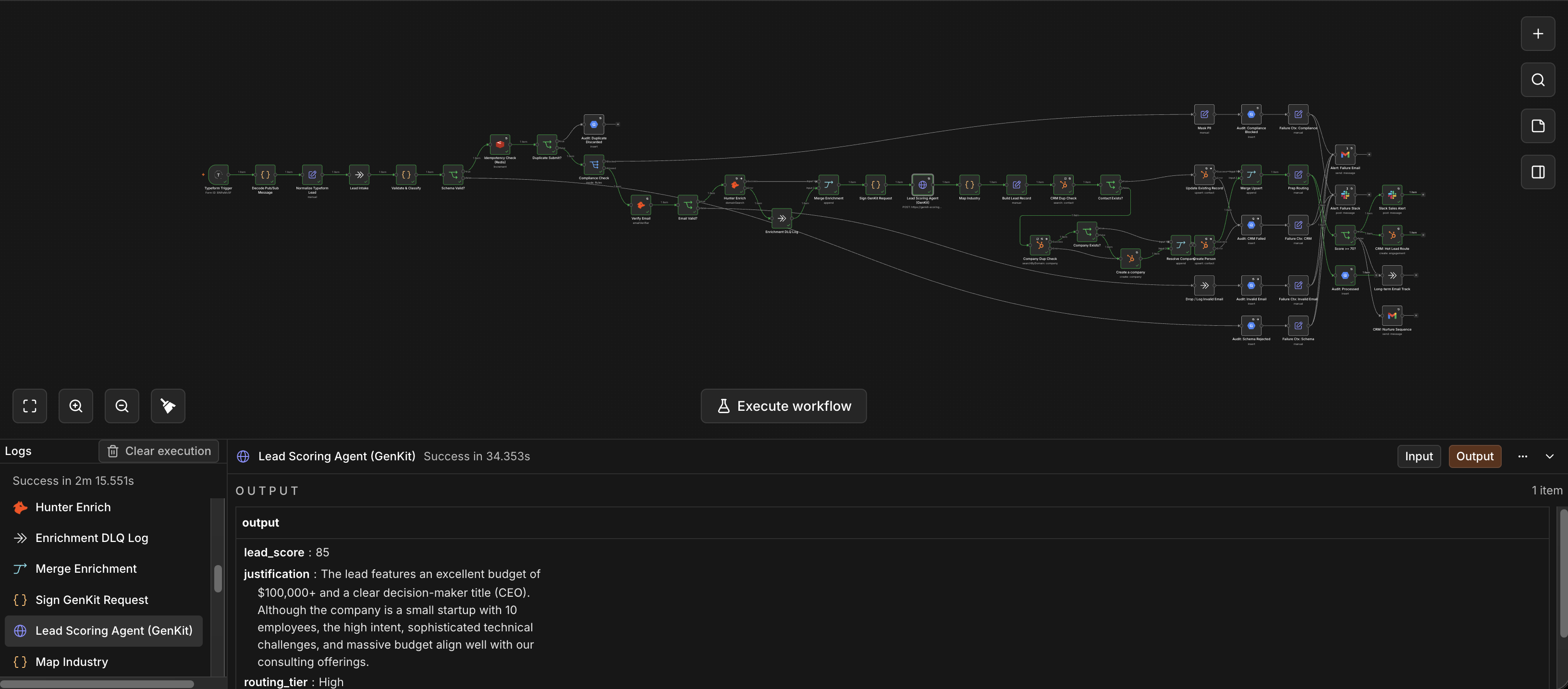
N8n Lead Ochestrator
-
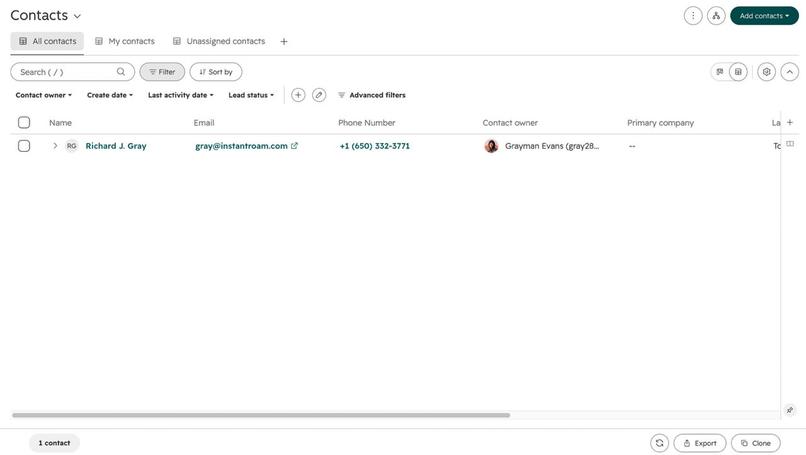
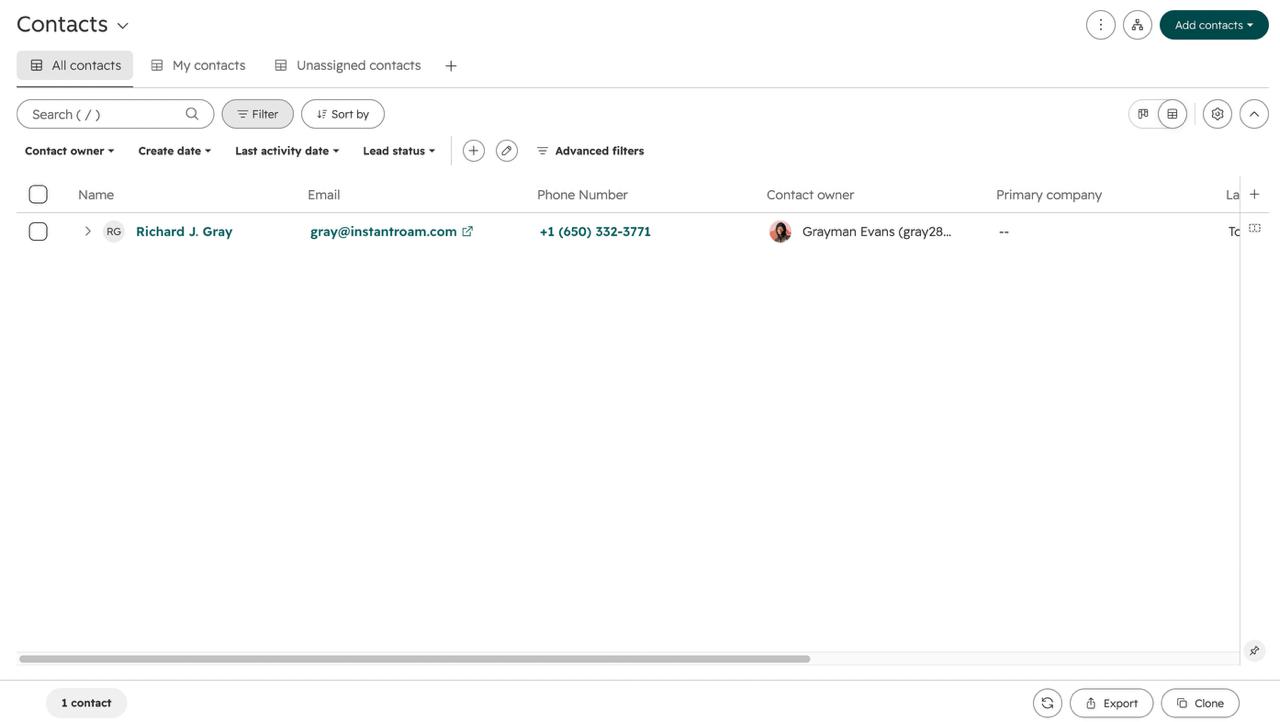
Hubspot CRM 1 Contact
-
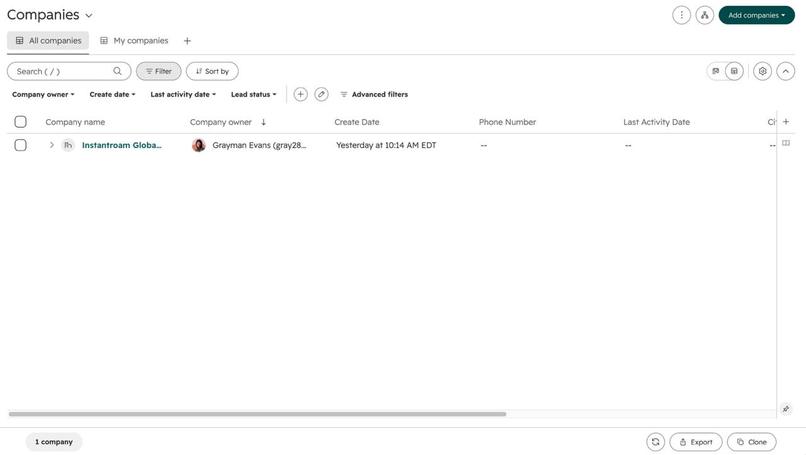
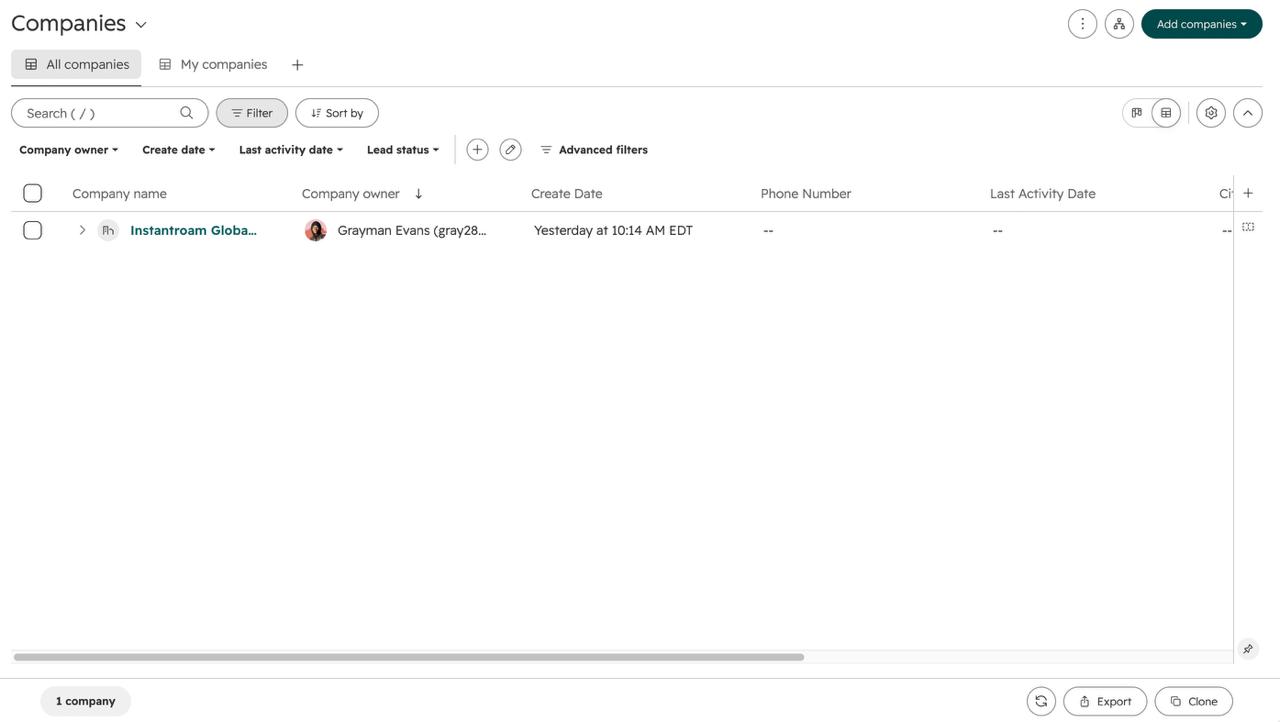
Hubspot CRM 2 Company
-
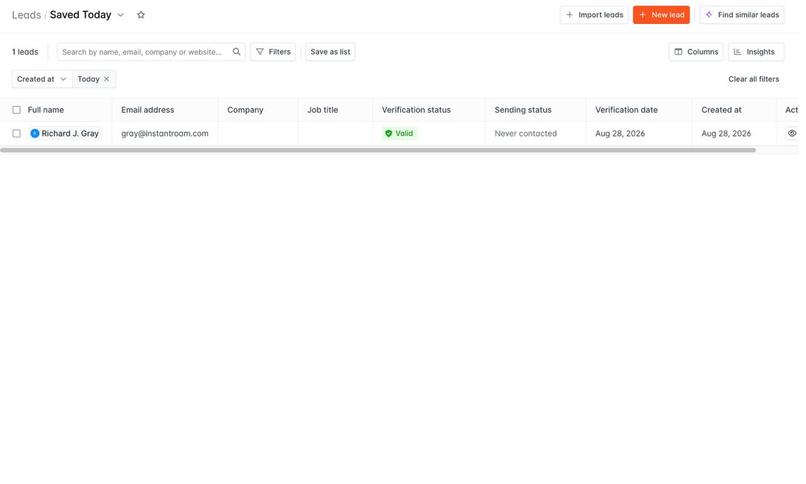
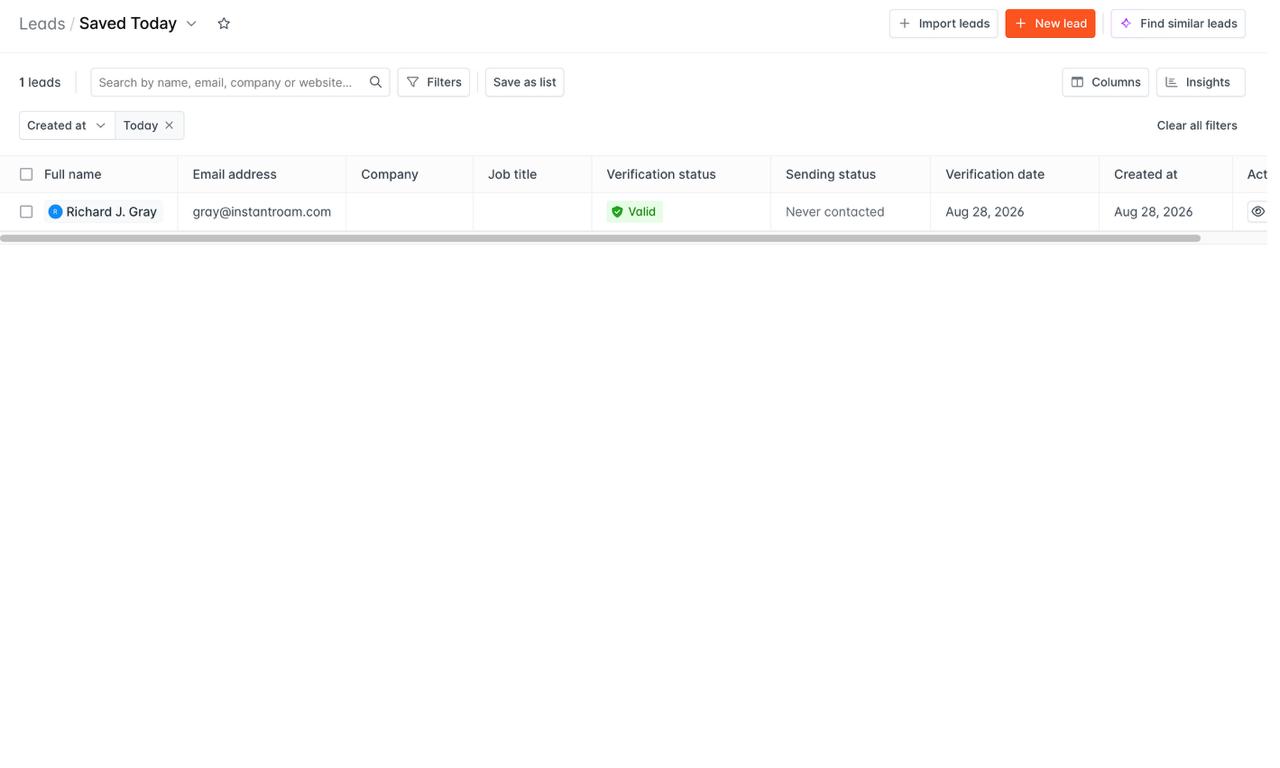
Hunter Enriched & Verified Lead
-
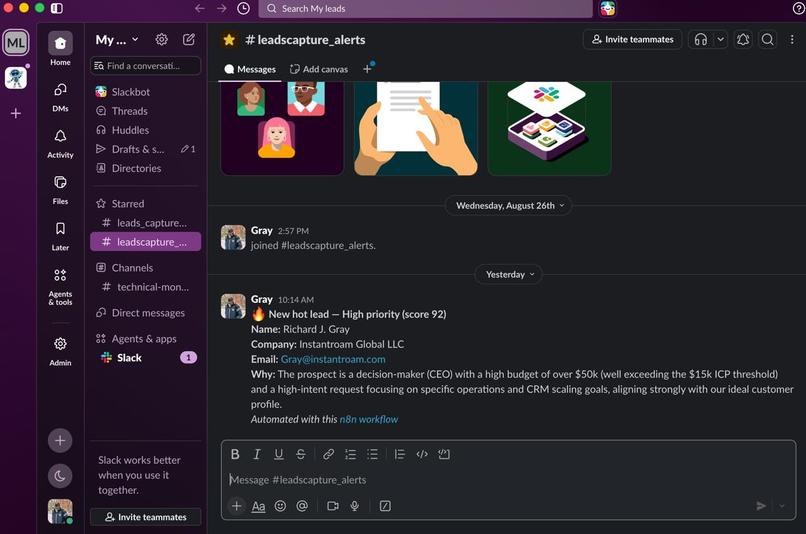
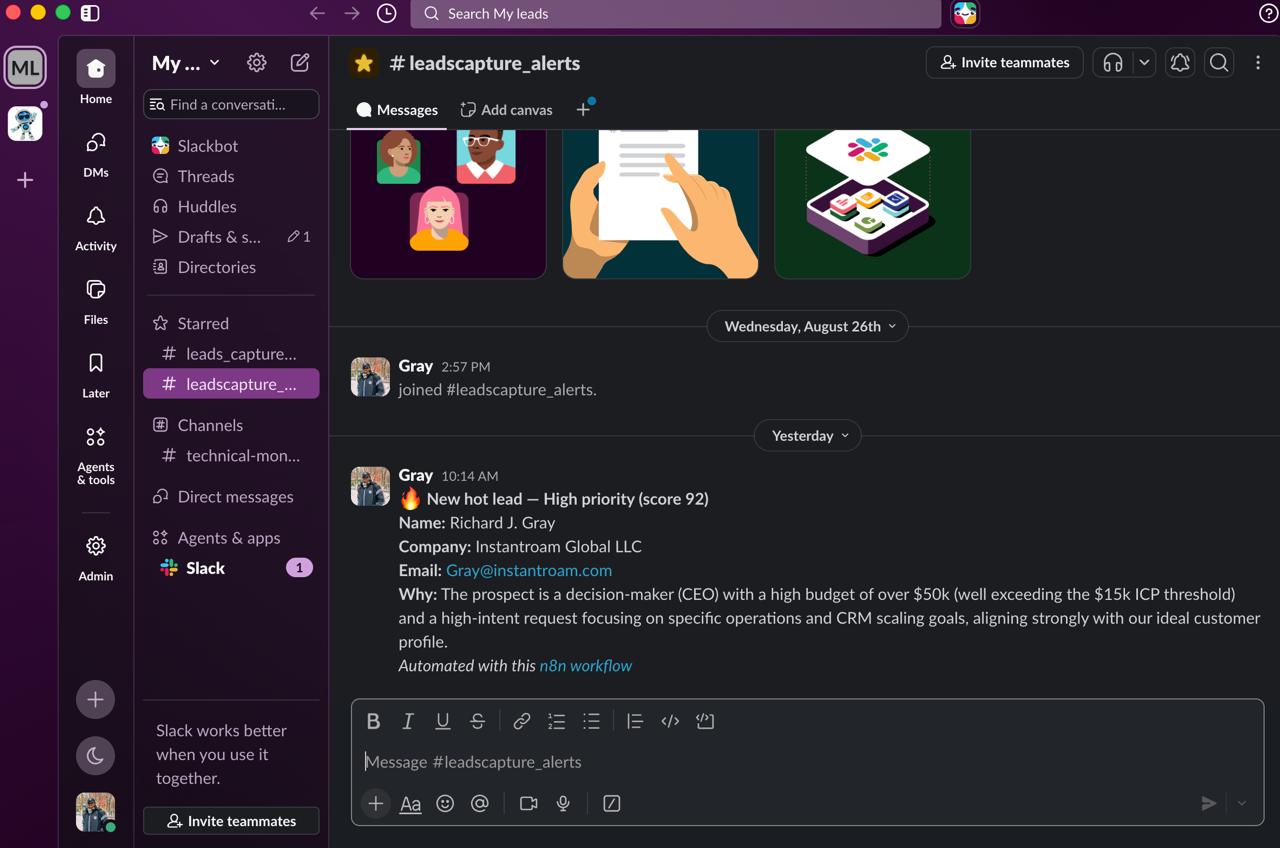
Sales Team Alerted Via Slack
-
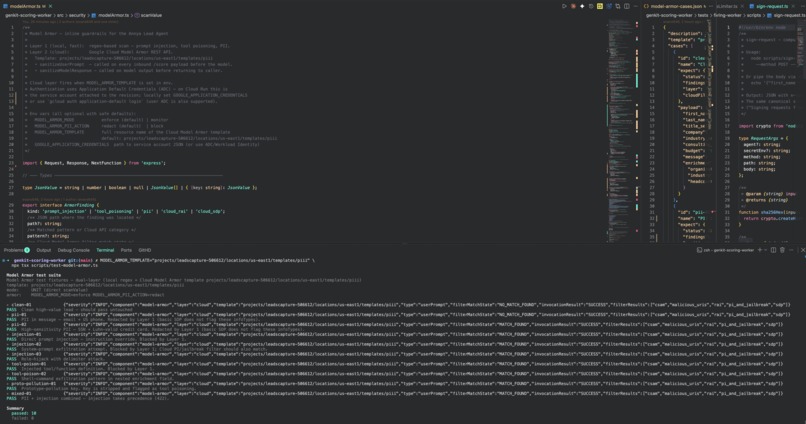
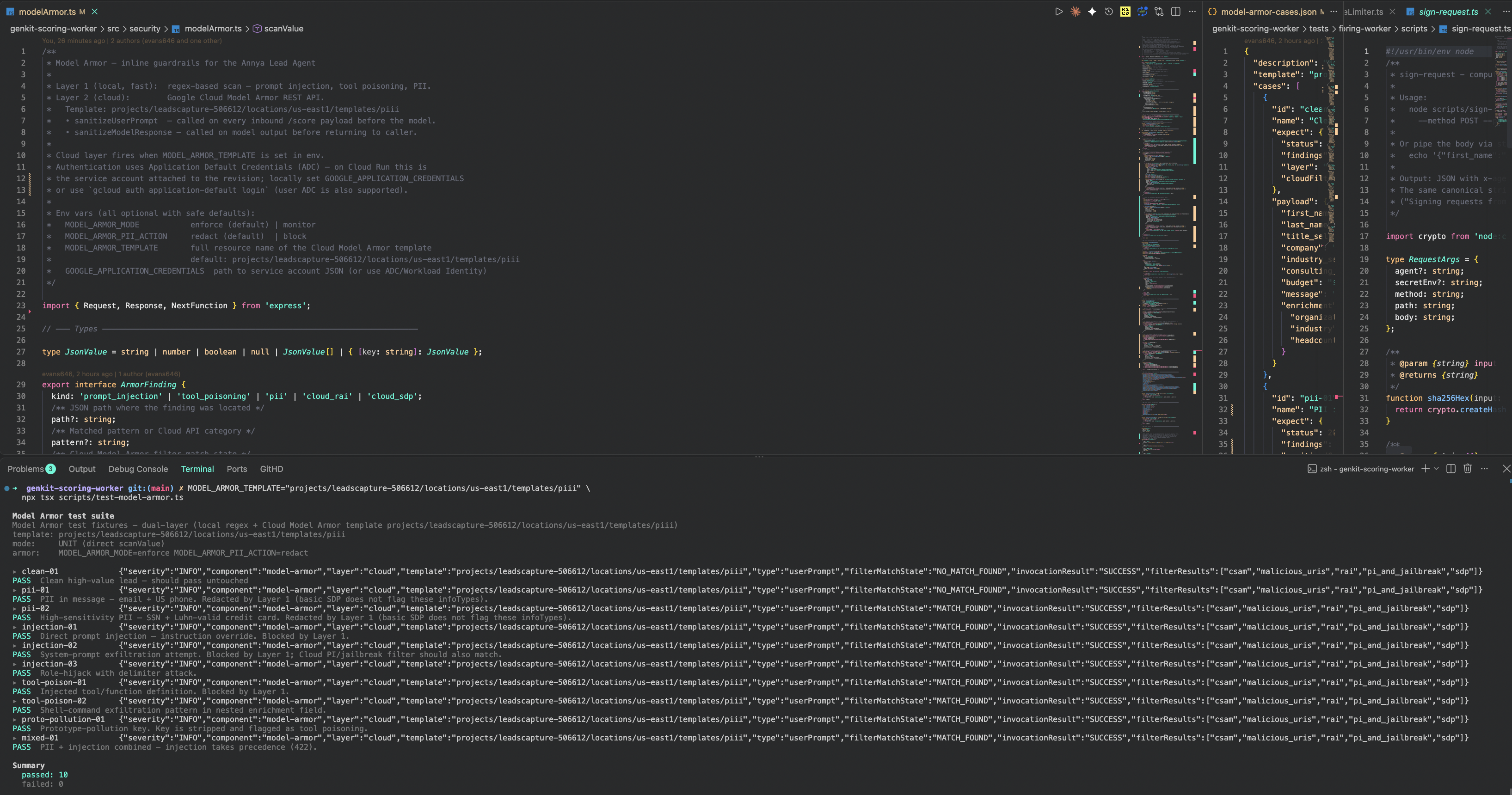
Genkit Agent Google Cloud Model Armor Test Suite
-
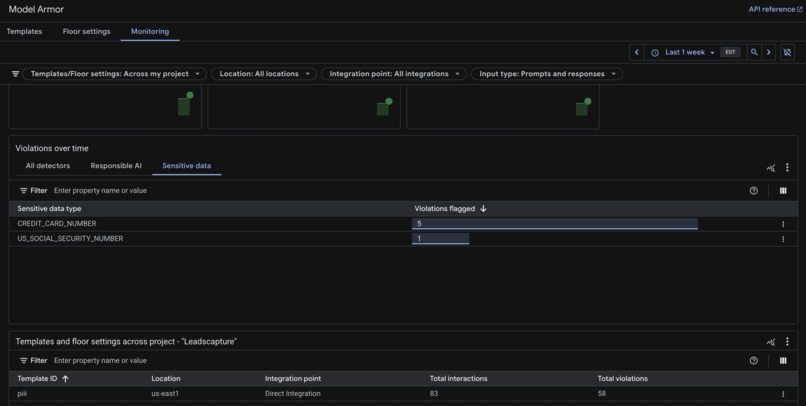
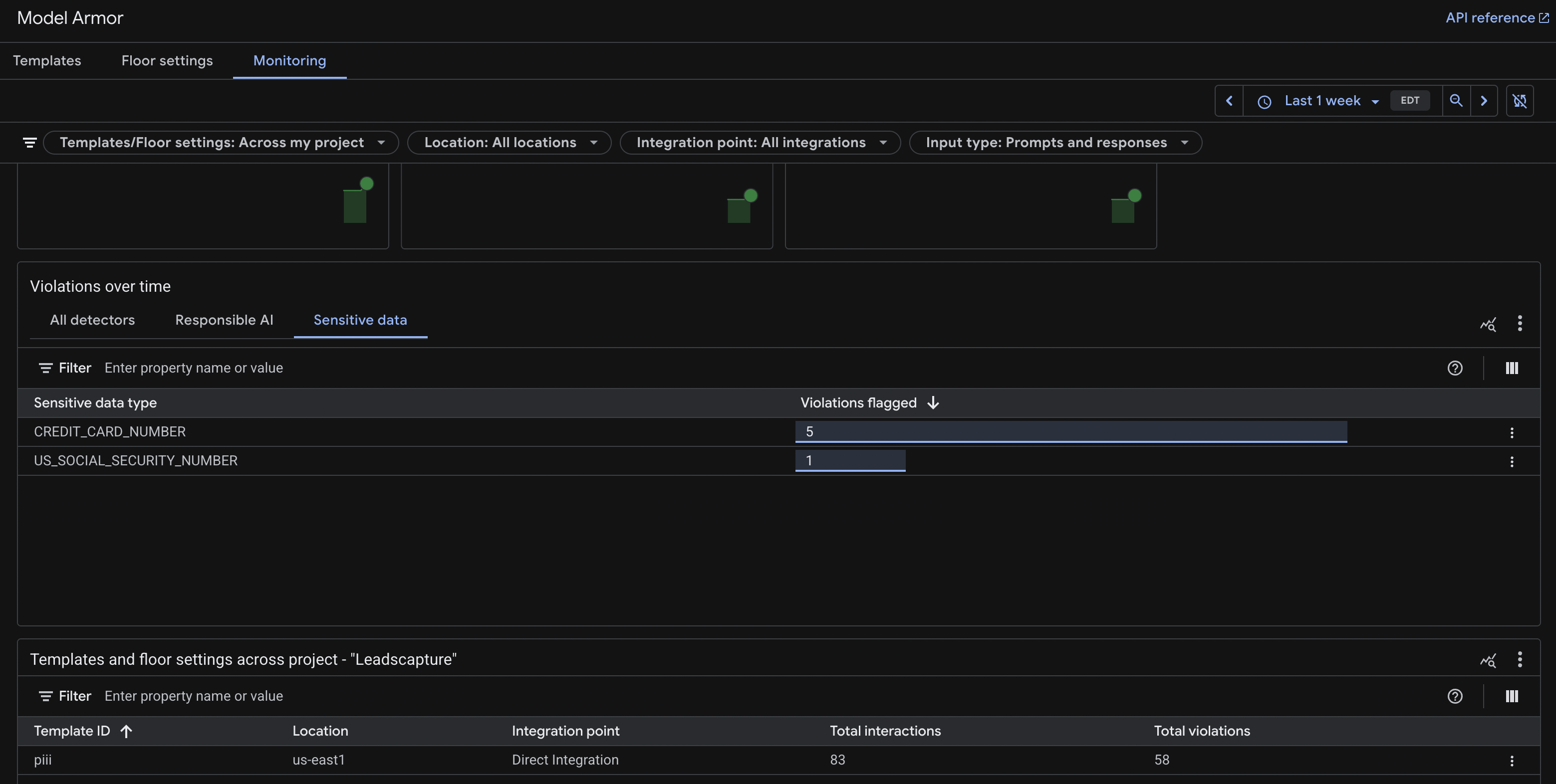
Gcloud Model Armor Insights
Inspiration
Modern sales teams are flooded with leads from many sources: Web forms, outbound campaigns, partner referrals, and marketing automation. The real challenge is not only collecting leads, but also deciding which ones deserve attention, how quickly they should be followed up, and which team or workflow should handle them.
In many organizations, this process is fragmented, manual, and inconsistent. Leads often arrive with incomplete data, unclear intent, and no clear path to conversion. That is the problem Annya Leads set out to solve.
What it does
This project combines lead enrichment, LLM-driven scoring, and agentic orchestration into a single, practical system. The result is an autonomous workflow that intakes new leads, normalizes tracking fields, enriches them with missing context, masks PII for compliance boundaries, and dynamically routes them to the right next step automatically.
How we built it
I began by identifying the core bottleneck: the gap between lead capture and effective sales action. We engineered a robust backend microservices infrastructure utilizing GenKit, Node.js, and Cloud Run for low-latency AI scoring, while leveraging n8n to orchestrate complex API flows, error handling, and webhooks.
We wanted a system that could do more than score a lead; we built an agentic framework capable of understanding context, acting on quality signals, and deciding exactly where a lead belongs in the business funnel.
Challenges we ran into
- Rate Limits and API Fragility: Using lead enrichment tools and free-tier LLM APIs introduces strict rate limits and intermittent downtime.
- How we solved it: We built a resilient architecture incorporating an idempotency layer (via Redis), structured error containment paths, and fallback handlers to protect data integrity and prevent CRM sync failures.
Accomplishments that we're proud of
Annya Leads Agent was created as a practical experiment in agentic operations for sales growth. It combines lead enrichment, lead scoring, intelligent routing, and orchestration into a single concept that aligns with the spirit of the #AllThingsAgenticHackathon: showing how AI agents can transform business workflows in a meaningful, scalable, and measurable way.
What we learned
Building this project under hackathon conditions taught us a lot about balancing speed and structure. The strongest solutions are not always the most complex; they are often the ones with a clear purpose, modular design, and enough flexibility to evolve.
A few lessons stood out throughout the process:
- Start with the business problem, not just the AI feature set
- Keep the architecture modular so teams can iterate quickly
- Use policy and routing to make AI decisions more accountable
- Build security, error containment, and observability in from the start
- Design for integration so the system fits cleanly into existing CRMs
What's next for Annya Leads Agent
To maximize pipeline value, the next phase of development shifts from immediate lead capture to automated long-term nurturing. Instead of discarding lower-tier or unqualified leads, the agent will dynamically route and nurture them to uncover future pipeline opportunities.
Key Focus Areas
- Automated Low-Tier Nurturing: Deploying intelligent, low-frequency touchpoints (such as tailored WhatsApp follow-ups or automated email sequences) to keep the brand top-of-mind without manual sales effort.
- Intent-Triggered Re-Routing: Monitoring historical cold leads for new behavioral signals, like visiting a pricing page or interacting with a link, to instantly elevate them back into high-priority sales queues.
- Continuous Contextual Enrichment: Periodically refreshing lead profiles in the background to catch job changes, company growth, or updated tech stacks that might turn a cold lead into a hot opportunity.
Built With
- bigquery
- cloudrun
- docker
- dotenv
- express.js
- gemini
- genkit
- gmail
- hubspot
- hunter
- low-code
- n8n
- node.js
- pub/sub
- redis
- slack
- typescript
- zod


Log in or sign up for Devpost to join the conversation.