💔 The Real-World Impact: A Grandfather's Lost Harvest
Hack the Pulse asks us to solve real-world problems. I chose to solve one I witnessed firsthand. Growing up, I watched my grandfather, a farmer in rural India, throw away crates of rotting vegetables because transport trucks broke down or refrigeration failed on the highway.
Today, India loses $18 billion USD every single year to post-harvest food waste. Globally, food waste accounts for 8–10% of all greenhouse gas emissions. The technology exists to track trucks, but tracking isn't enough to save the food. I built Annapurna because technology must move from observation to intervention.
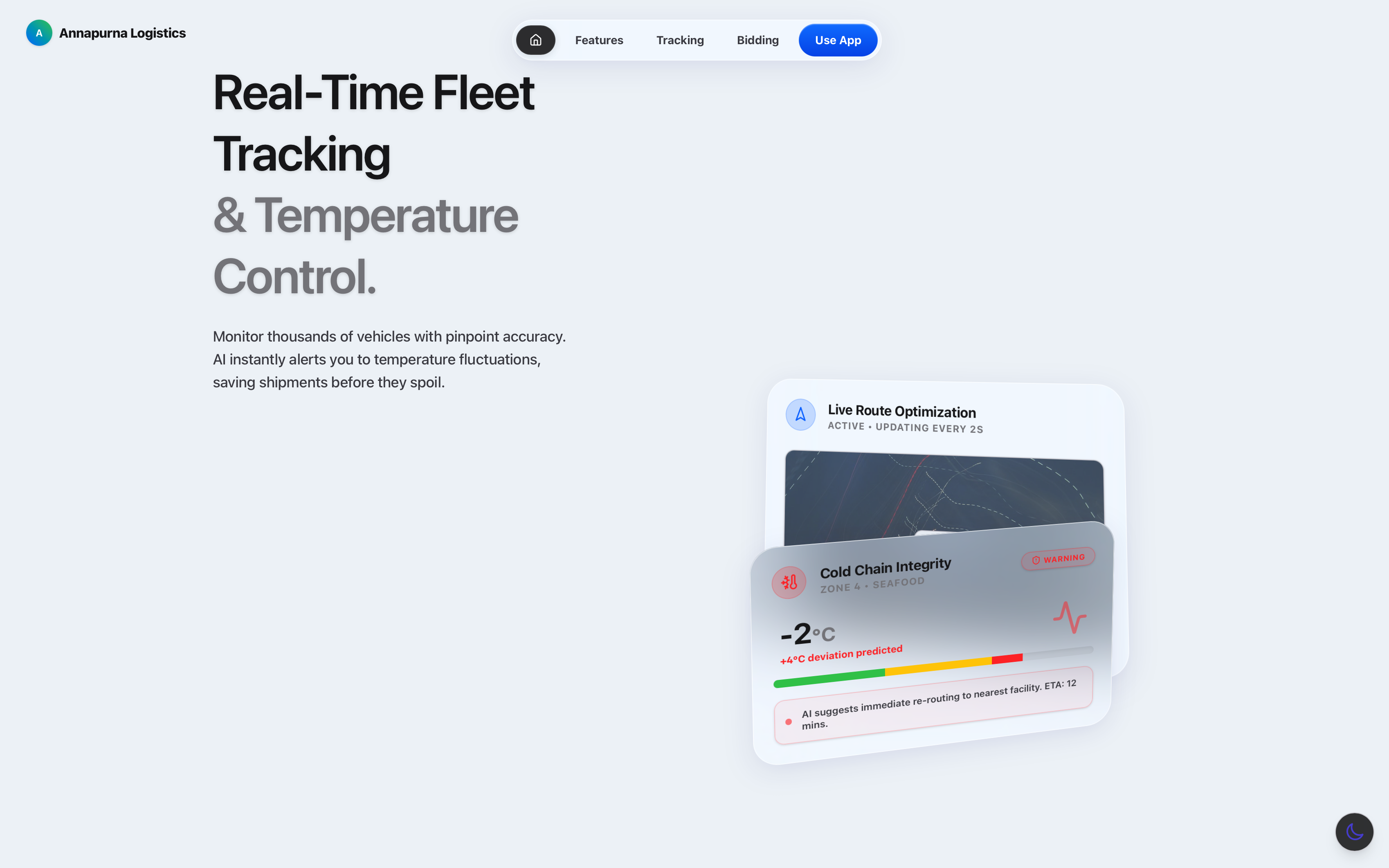
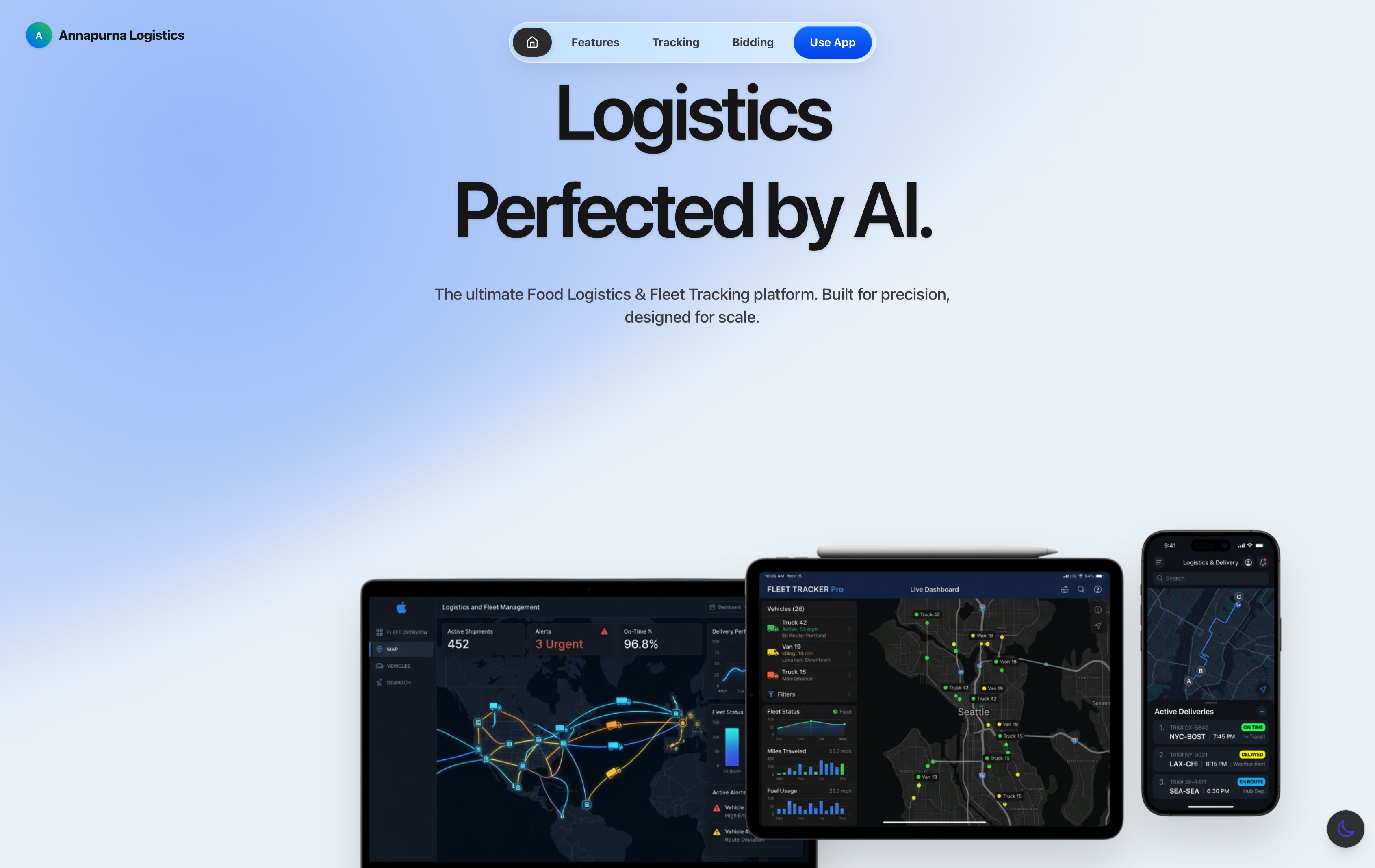
💡 Multi-Domain Innovation: What Annapurna Does
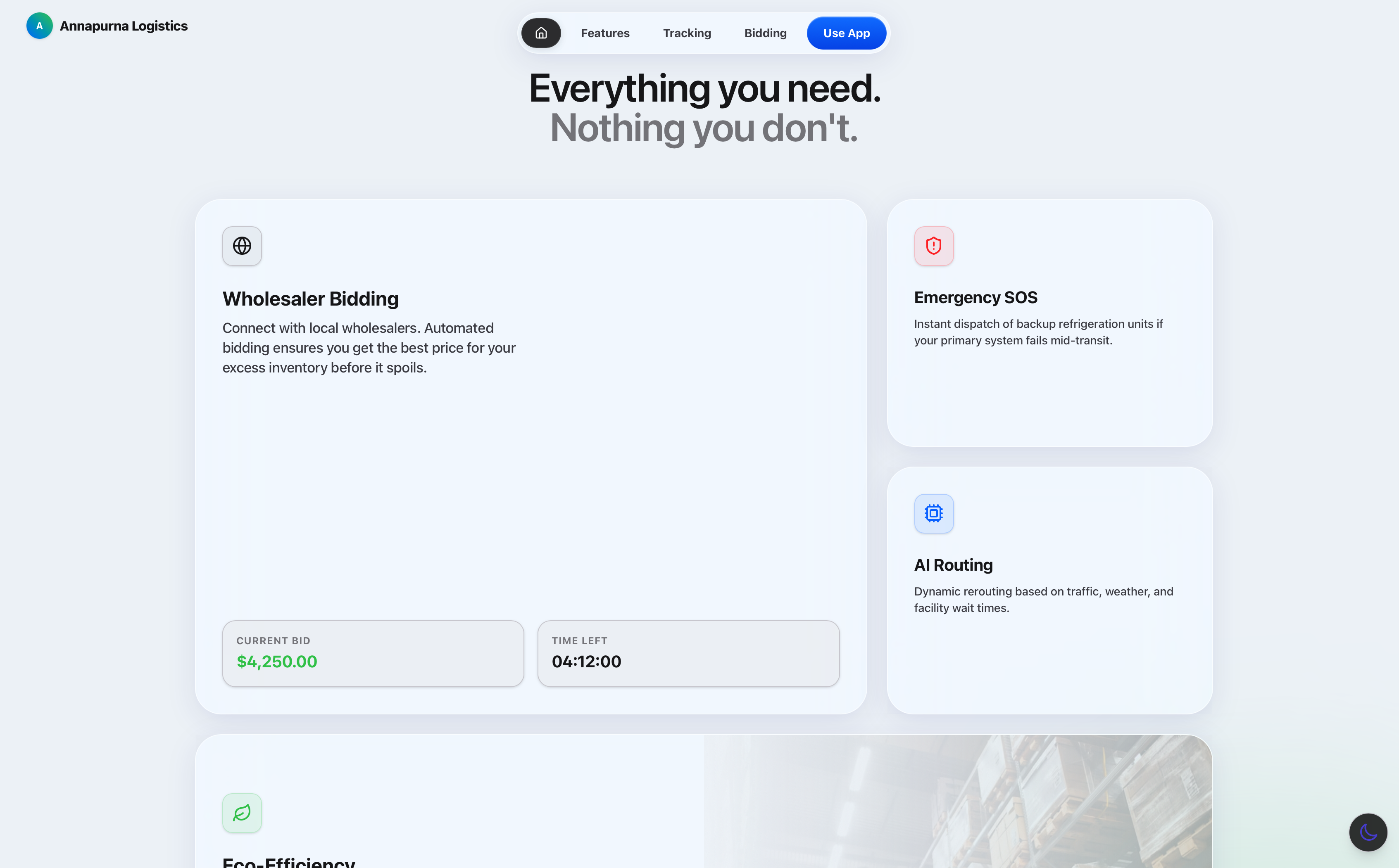
Annapurna was built specifically for Hack the Pulse because it sits at the intersection of Artificial Intelligence, SaaS Infrastructure, and Climate Tech. It is a fully autonomous AI emergency response ecosystem.
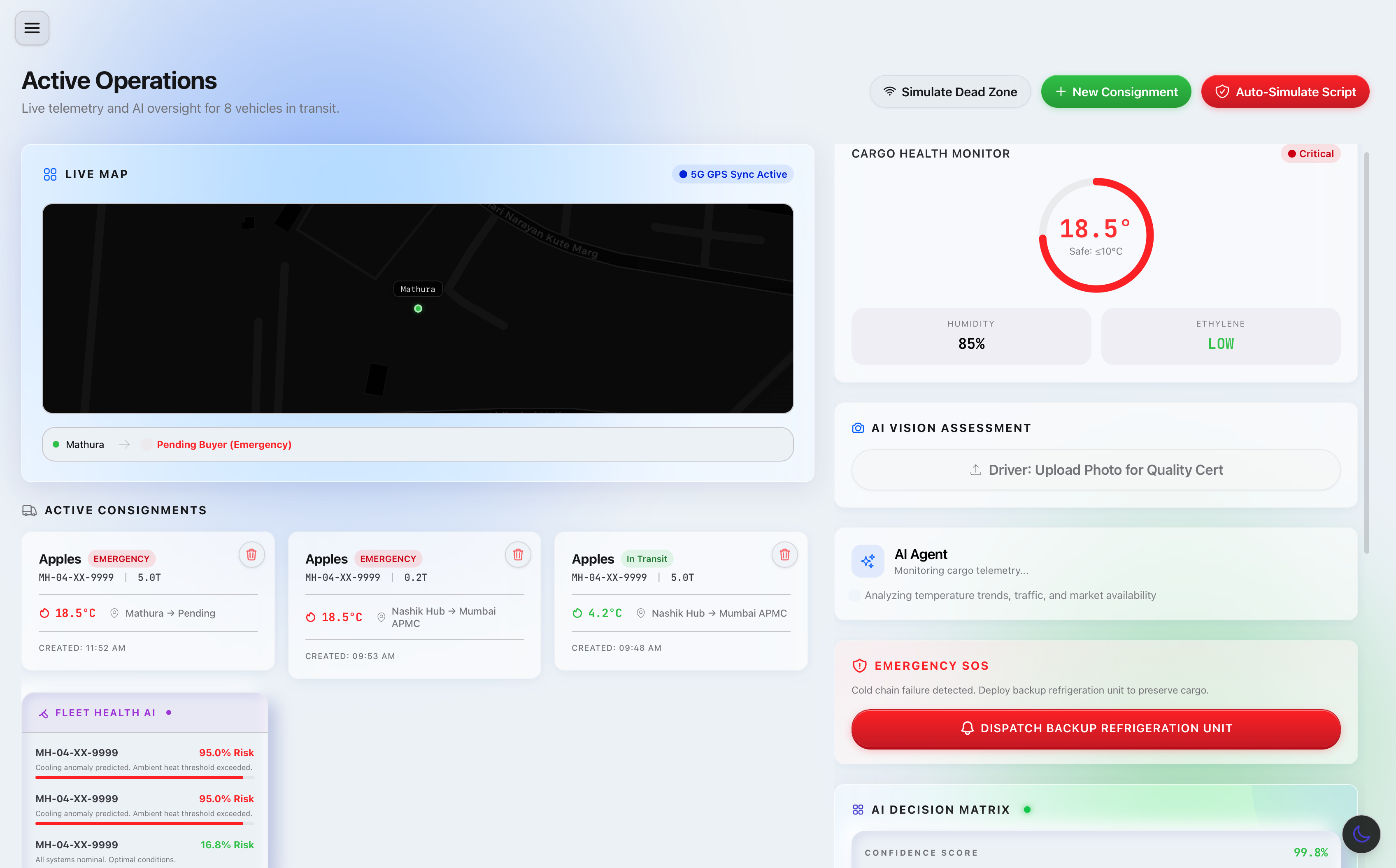
🧠 1. The AI Fleet Command Center
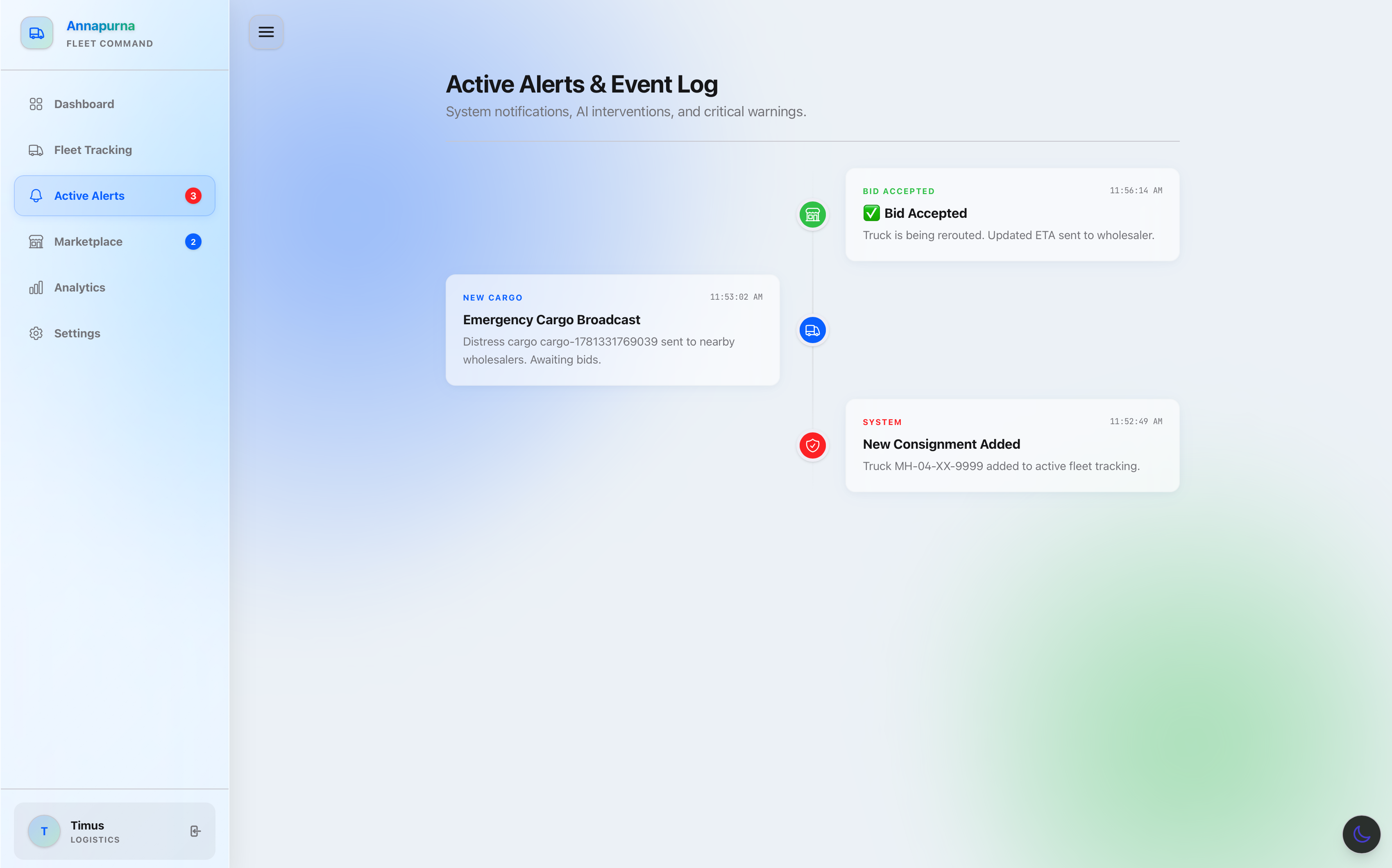
Using cutting-edge Agentic LLMs powered by Groq (Llama 3), Annapurna acts as an autonomous digital dispatcher. It continuously monitors real-time truck telemetry (temperature, humidity, compressor health). If the AI detects a temperature spike above the safe threshold, it doesn't just send an email. It calculates a live spoilage prediction model based on ethylene gas levels and instantly triggers an autonomous Emergency SOS.
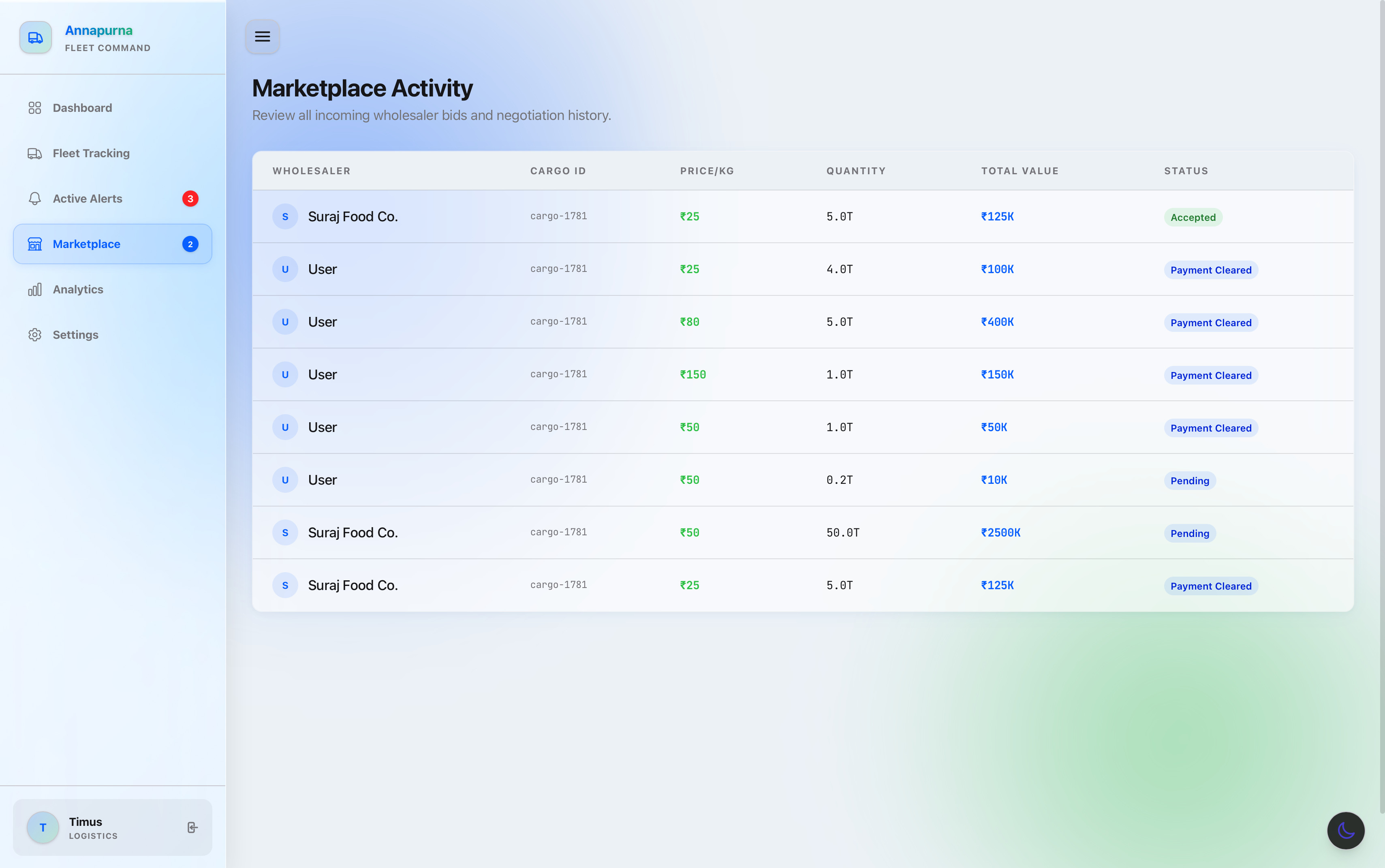
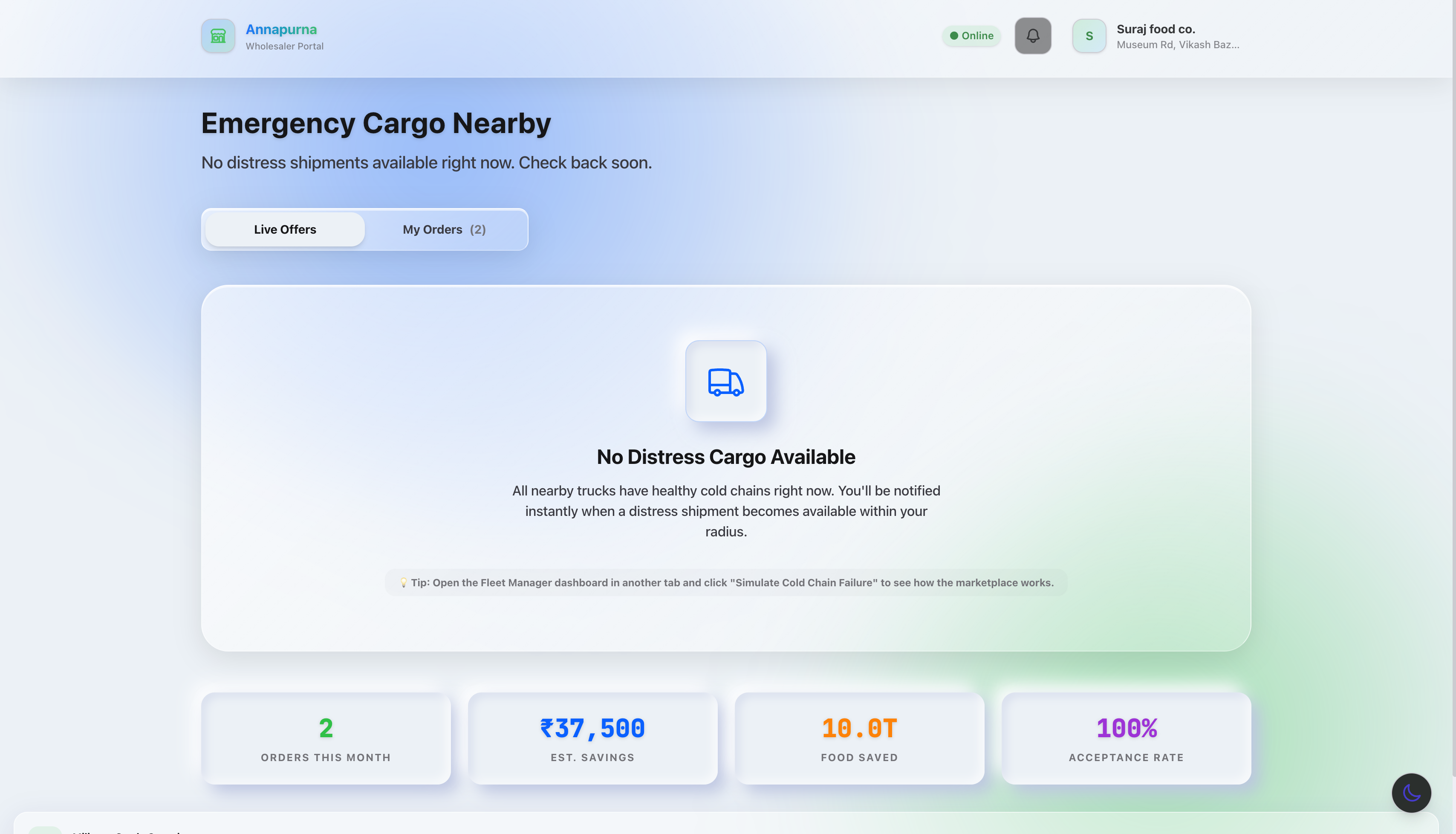
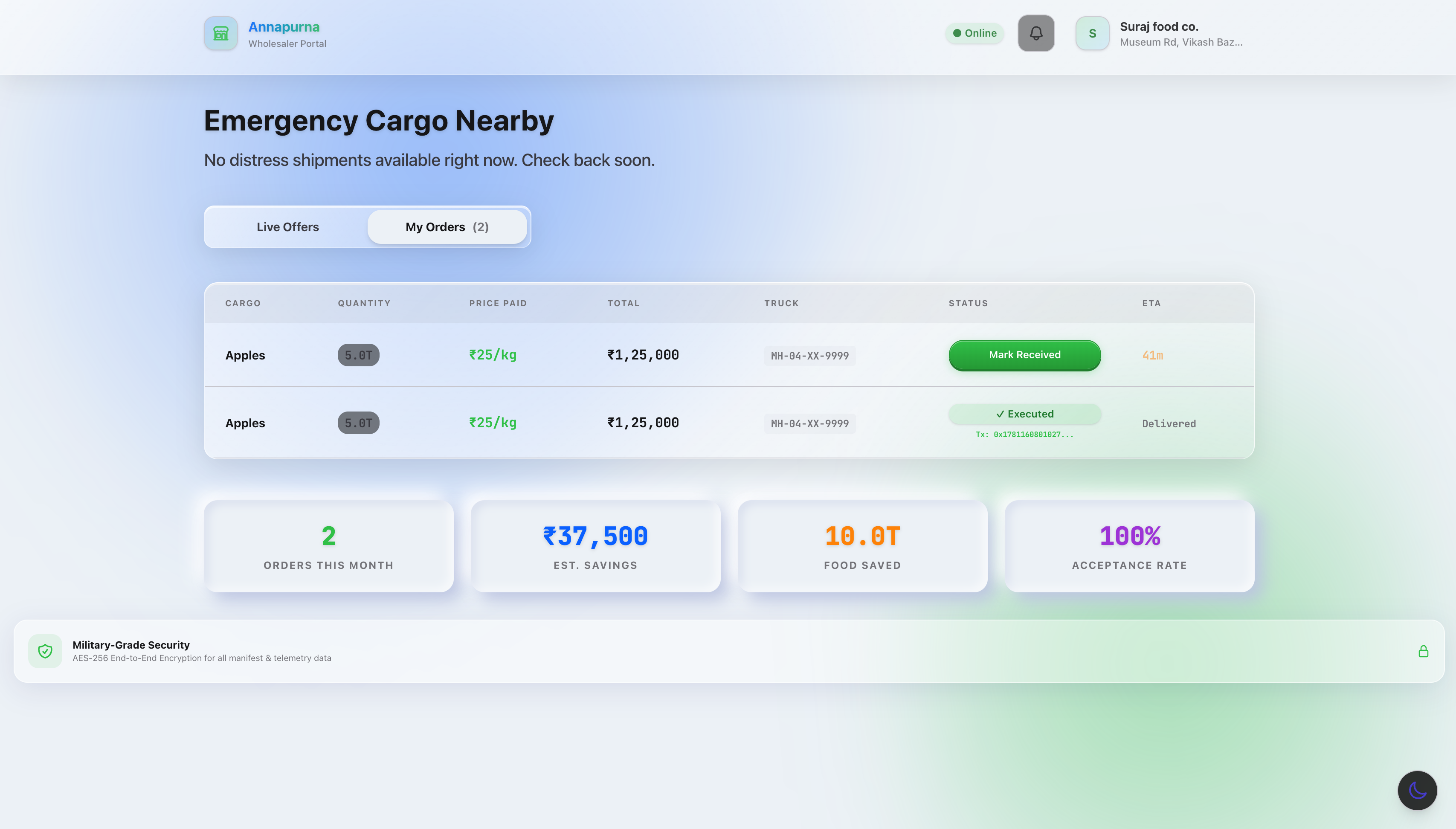
🏪 2. The Emergency Wholesaler Marketplace
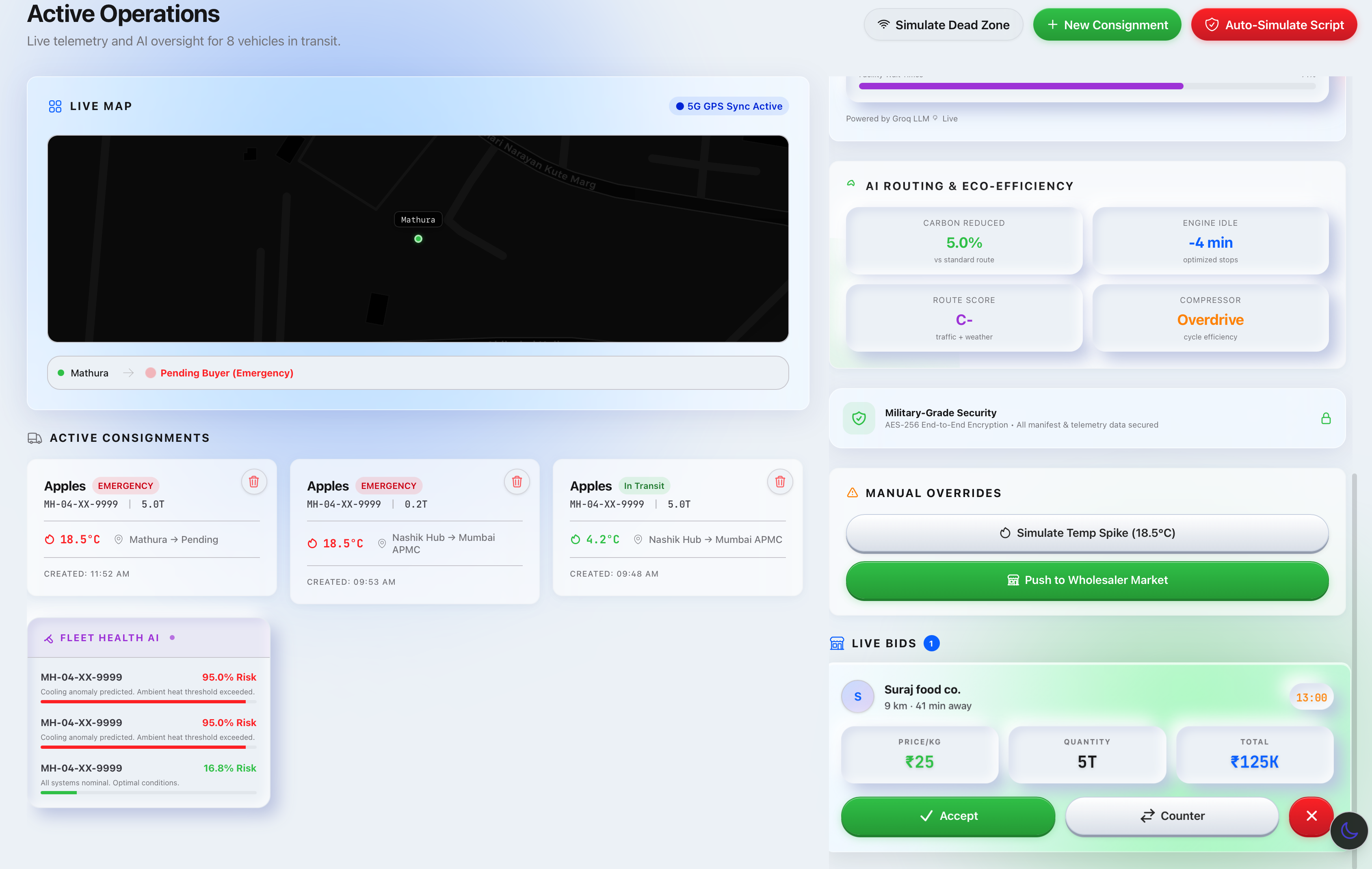
When a cold-chain failure is irreversible, Annapurna instantly activates a live, geo-fenced emergency marketplace. Powered by Supabase WebSockets, the screens of nearby wholesalers update instantly. They are immediately notified of the distressed cargo available at a discount.
Wholesalers can:
- Place real-time bids on the distressed cargo
- Buy partial quantities (e.g., 2 tons out of a 5-ton shipment)
- Get turn-by-turn GPS navigation routing them directly to the stranded truck
Instead of 5 tonnes of tomatoes emitting massive amounts of methane in a landfill, a local wholesaler 12 km away picks them up within 30 minutes. The farmer gets paid. The wholesaler gets fresh produce. Zero food goes to the landfill.
⚙️ How We Built It
- Frontend: Next.js with a premium, adaptive Light/Dark Mode UI
- Backend & Realtime: Supabase (PostgreSQL) with WebSocket-powered real-time streaming
- AI Engine: Groq-powered LLMs for predictive anomaly detection
- Deployment: Vercel for instant global edge delivery
🚧 Challenges We Faced
Building a live bidirectional marketplace was the hardest engineering challenge. Synchronizing a truck breakdown event across multiple dashboards in real-time — Fleet Manager, Driver, and Wholesaler — required highly optimized Supabase Realtime subscriptions to ensure food could be rescued before it crossed the point of no return.
🌱 What We Learned at Hack the Pulse
The biggest lesson was that technology alone doesn't solve food waste — speed does. My grandfather couldn't save his harvest. But with Annapurna, the next generation of farmers won't have to lose theirs.
Built With
- groq
- next.js
- postgresql
- supabase
- tailwindcss

Log in or sign up for Devpost to join the conversation.