-
-
Project logo
-

QR image for mobile app link
-
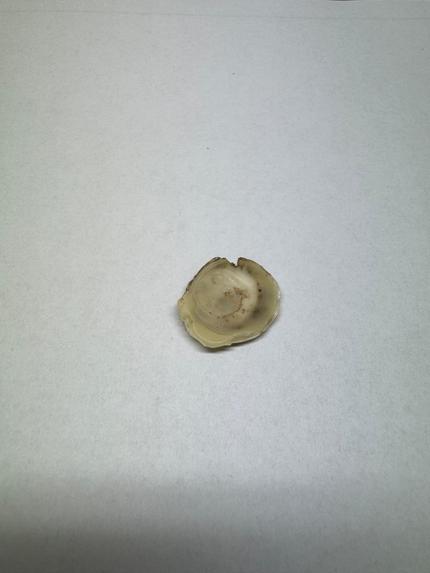
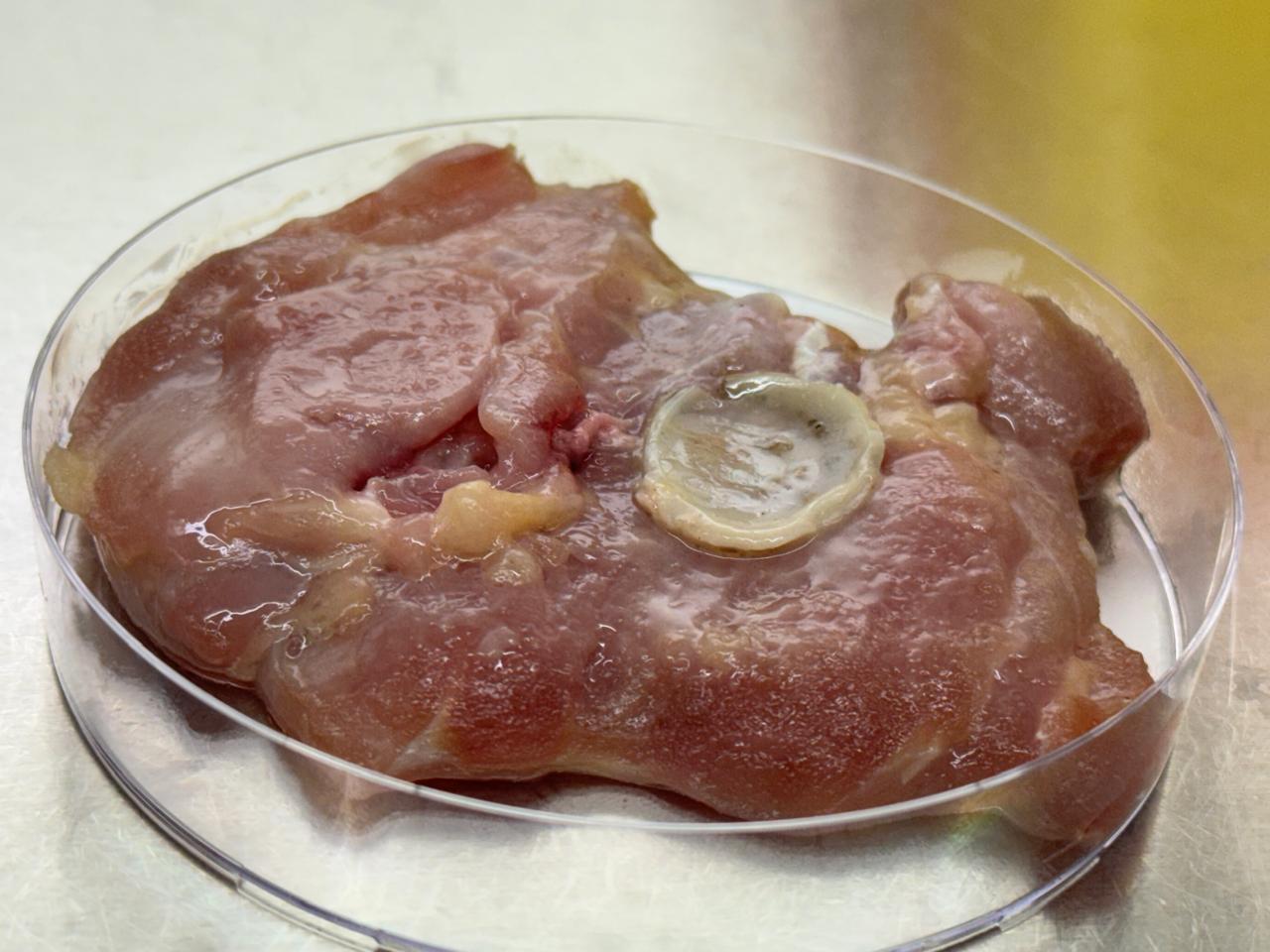
Calibration image 1 - to calibrate app for the Baseline
-
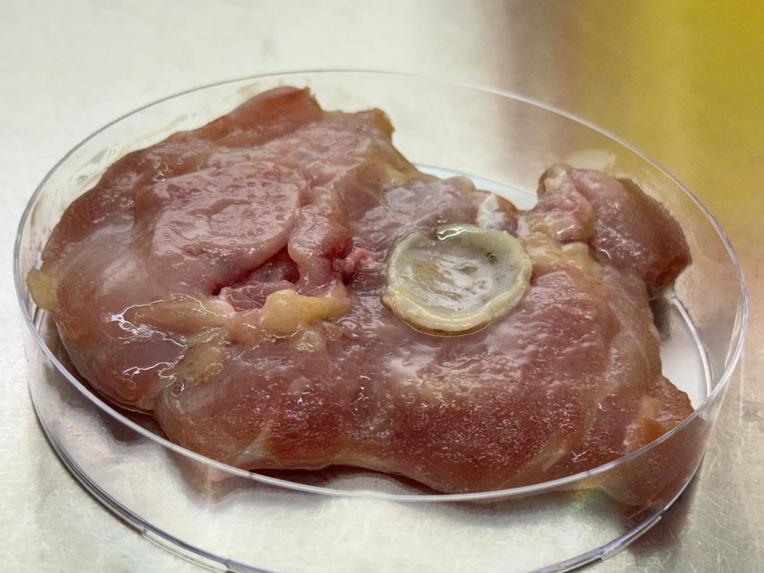
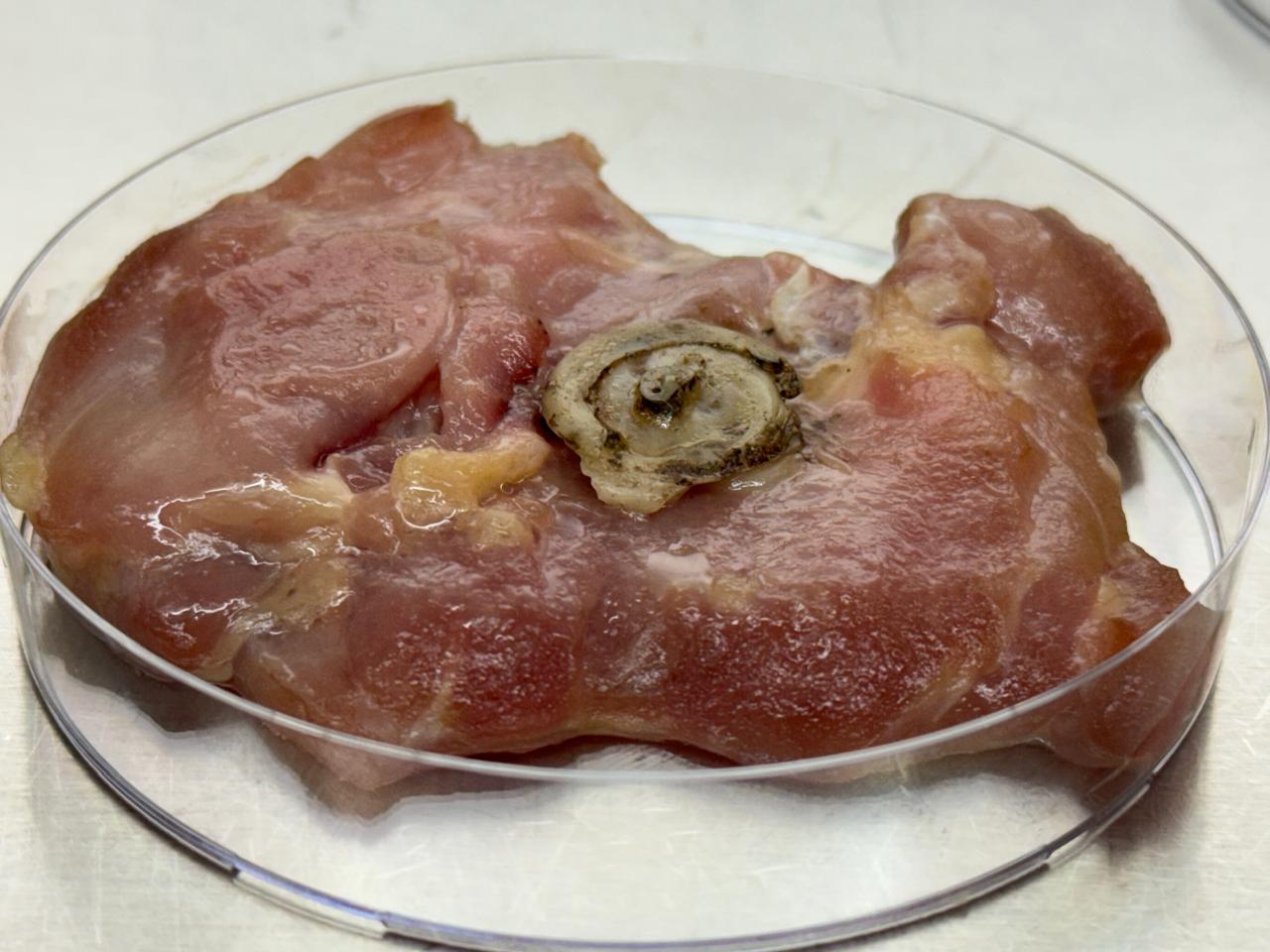
Calibration image 2 - to calibrate app for the Initial Strip
-
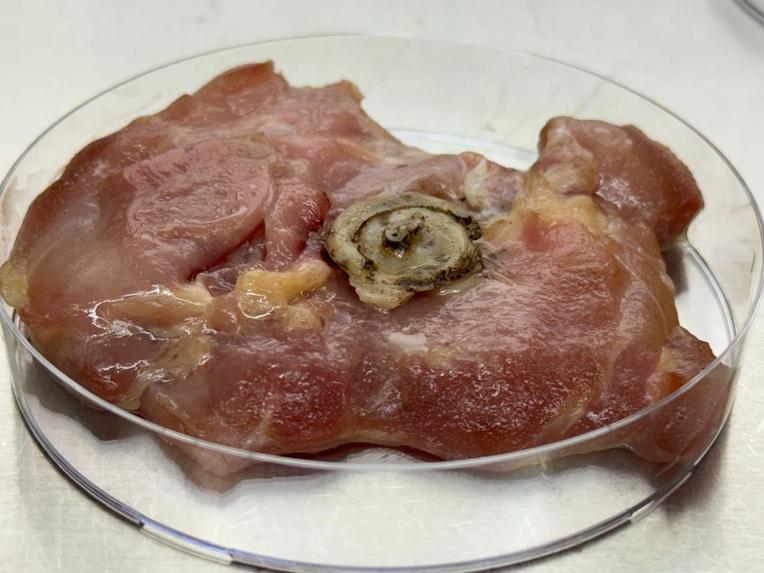
Calibration image 3 - upload it to calibrate app for the Danger Ref
-
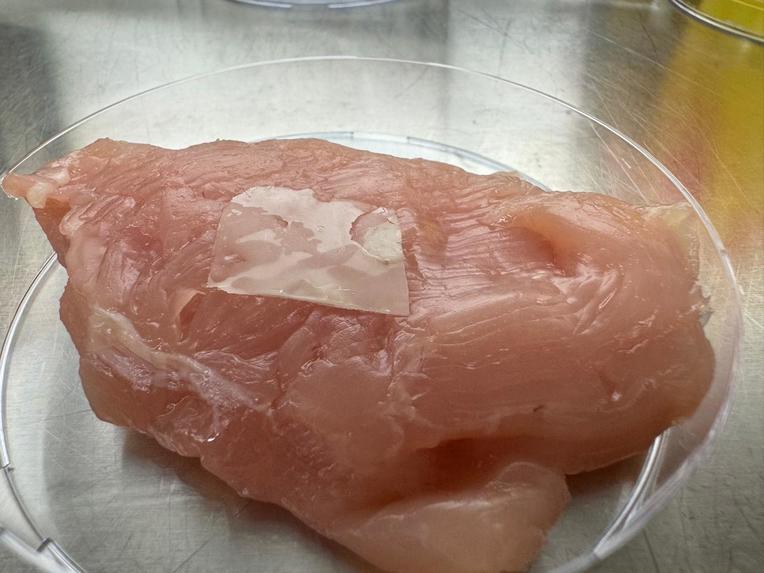
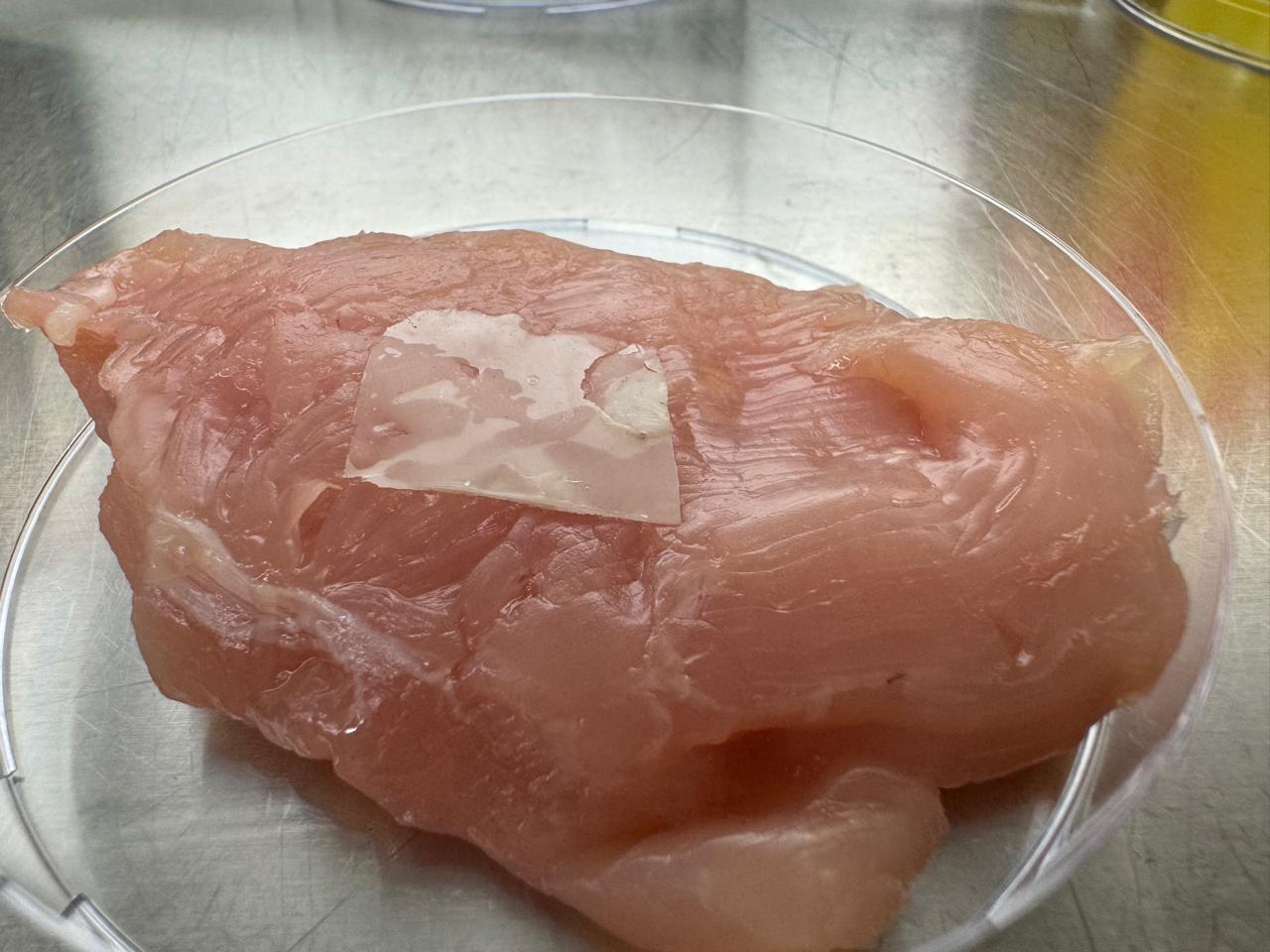
User Test Strip - upload it to test the app and analyze food contamination
-
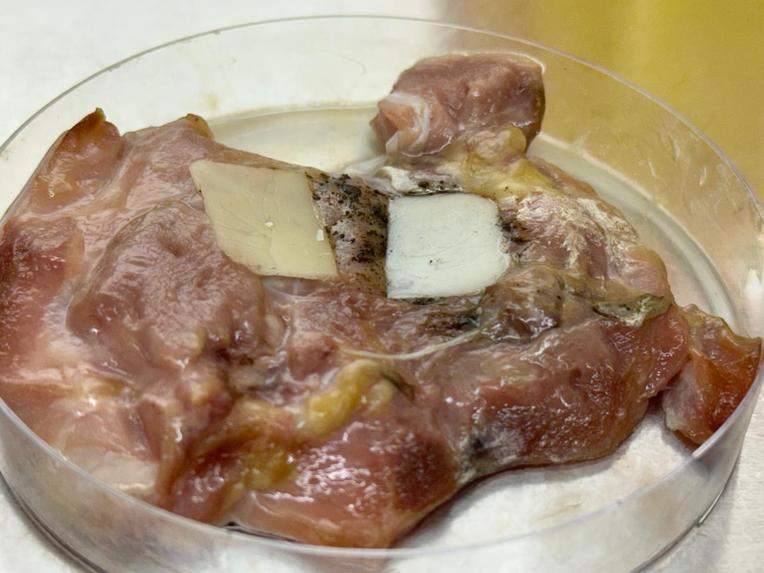
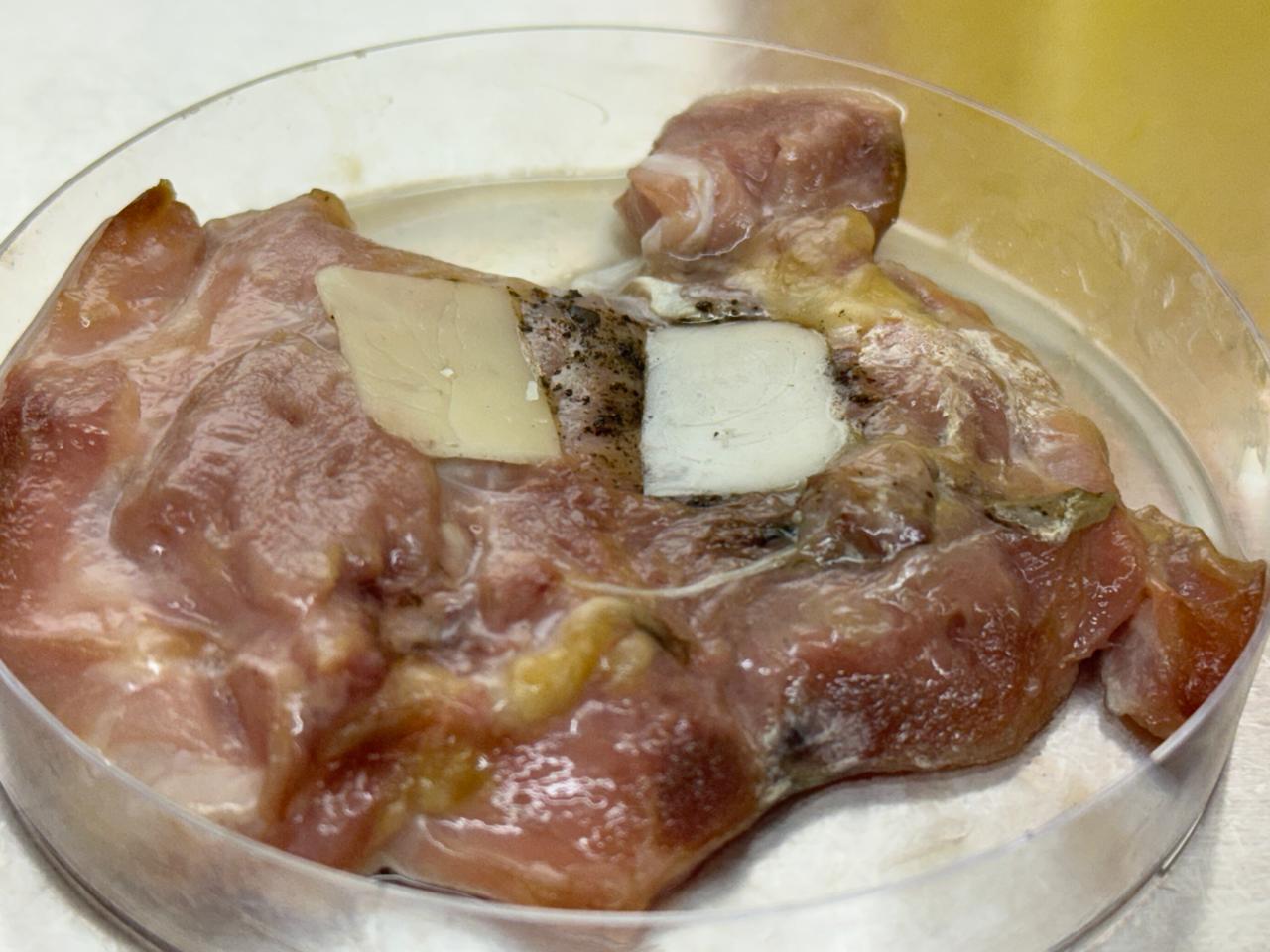
Lab validation image, confirming the strip’s ability to indicate contamination in real time.

Inspiration
Each year, millions fall ill—or even die—because of invisible bacterial contamination in food, especially in vulnerable communities with limited access to food safety tools. Our journey began with one urgent question:
What if a simple, edible strip could detect contamination—and save lives before the first bite?
That question gave birth to Anisium Guard, a fusion of nature, nanotechnology, and AI technology. By combining green-synthesized silver nanoparticles and anise-infused strip with AI-powered image analysis, we created a low-cost, scalable, and life-saving solution that brings food safety to everyone—not just the privileged.
What it does
Anisium Guard is a food-safe, biodegradable nano-sensor strip that visibly changes color from yellow to brown when placed on contaminated food—providing an immediate visual warning. Through a cross-platform app (desktop & mobile), users can scan or upload a photo of the strip. The app uses AI-powered image analysis to detect contamination levels with high accuracy and deliver real-time alerts.
Key features include:
- Visual bacterial detection via color shift (yellow → brown).
- Detailed analysis reports with contamination level, color data, and health recommendations.
- Secure user accounts with saved history.
- Real-time notifications and sharing options for friends, authorities, or emergency contacts.
- Triple calibration system for lighting and device accuracy.
How we built it
The development of Anisium Guard was structured around three main pillars: safe fabrication, lab validation, and intelligent software integration.
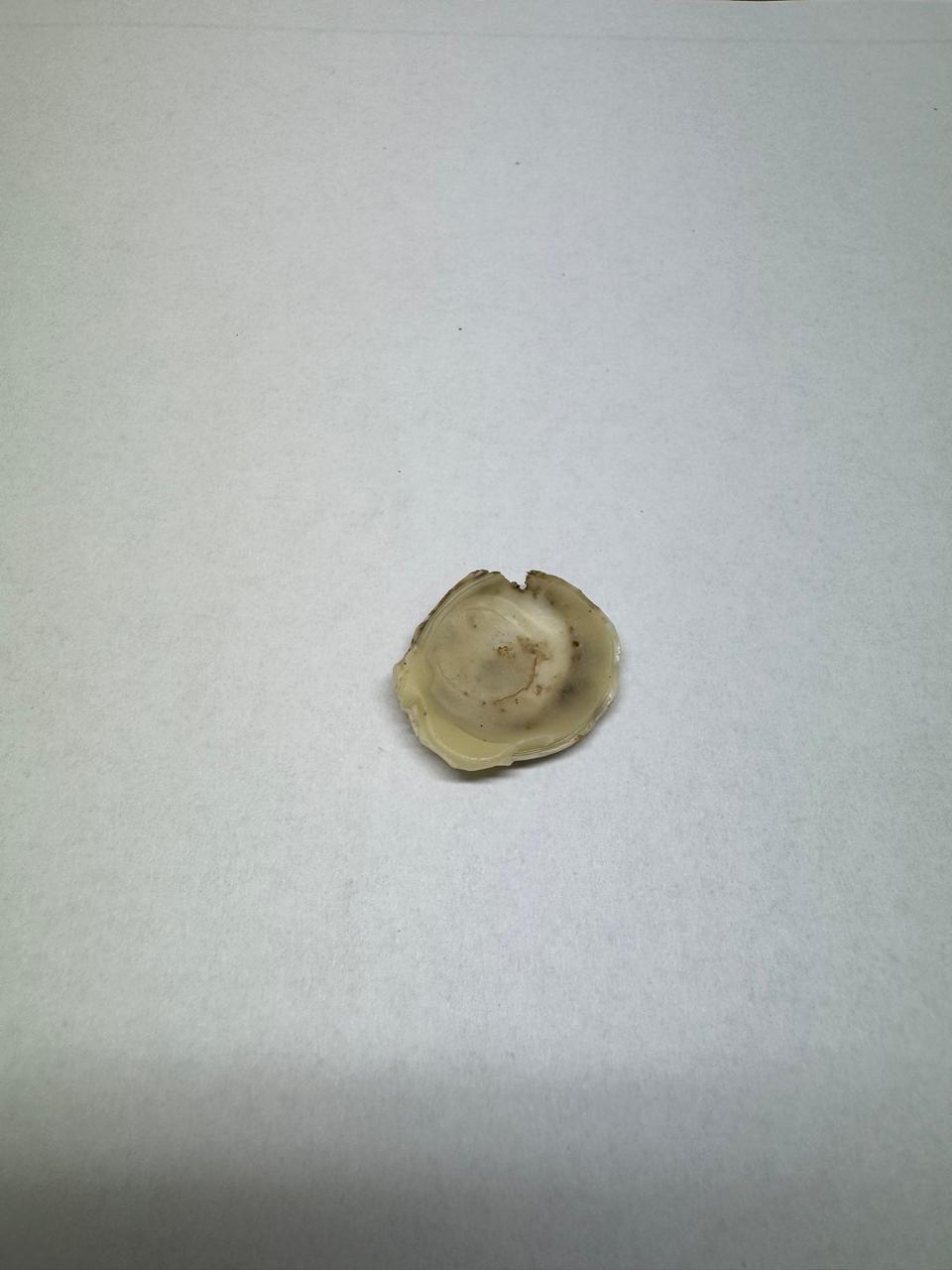
Fabrication of Anise-nano Strip We synthesized silver nanoparticles from Pimpinella Anisum (anise seed extract) using a green chemistry method inspired by published patent of IJN-11-4439, yielding ~8 nm particles optimized for antimicrobial activity. These were blended with beeswax at a 1:100 ratio and cast into 2×2 cm silicone molds. The resulting strip is edible, flexible, and compliant with WHO/FAO food safety standards.
Laboratory Testing & Validation To validate functionality, we exposed the strip to a safe bacterial strain (Bacillus subtilis). A visible color shift from yellow to brown was observed within 20 minutes, confirming the strip’s ability to indicate contamination in real time.
Cross-platform Application Development Using Bolt.new and supporting libraries like ColorThief.js and OpenCV, we developed a responsive web app that works on both desktop and mobile. The app allows users to scan or upload photos of the strip, analyzes contamination levels, and issues real-time alerts, along with history tracking and built-in sharing features.
Challenges we ran into
Building Anisium Guard involved navigating both scientific precision and user-centered design. Some of the key challenges we faced included:
- Detecting accurate color changes under inconsistent lighting.
- Balancing silver nanoparticle concentration for safety and sensitivity.
- Ensuring WHO/FAO compliance for food-grade materials.
- Adapting the app interface to both desktop and mobile views.
- Handling image input from both file uploads and live camera.
- Understanding and debugging programming errors with limited coding experience.
- Deploying the app properly on Netlify and linking with GitHub.
- Managing file paths, hosting settings, and environment variables.
- Structuring front-end and back-end logic in a no-code/low-code environment.
- Building trust through a clear and intuitive user interface.
- Preparing for localization, accessibility, and offline usage in future versions.
Accomplishments that we're proud of
- Successfully fabricated and validated a functional prototype of edible nano-sensor strip within just 7 days.
- Built a working cross-platform prototype of the app from scratch in 3 days, despite having zero prior experience in programming.
- Developed and integrated a triple calibration system to improve color detection accuracy across different lighting conditions and devices.
- Integrated real-time AI-based image analysis and notification features into a user-friendly interface. Achieved full responsiveness across both desktop and mobile platforms.
- Maintained scientific accuracy while ensuring accessibility for non-technical users.
- Designed a solution with a unit cost <$0.01 — making it accessible to low-income communities worldwide.
What we learned
- Nature is powerful — anise offers an eco-friendly, effective alternative to synthetic nanomaterials.
- Simplicity scales — smart sensing with basic tools can deliver high-impact innovation.
- Structure counts — clear file systems and relative paths are essential for smooth deployment.
- Innovation is integration — blending low-tech materials with AI creates scalable, meaningful solutions.
- Food safety should be human-centered — accessible, smart tools can save lives without being expensive.
What's next for Anisium Guard
-Field testing with real food products (meat, dairy, vegetables) in uncontrolled environments.
- Partnerships with food packaging companies and health organizations to scale adoption.
- Integration of live camera analysis for instant scanning without uploading images.
- Localization and offline access to serve remote or low-connectivity communities.
- Use-case expansion for school meals, street food vendors, refugee camps, and emergency aid.
- Regulatory preparation for WHO/FAO compliance and food-grade product certification.
- Open-source release of the image detection algorithm to support global food safety efforts.
We believe food safety is a human right. Anisium Guard is our step toward making it a reality — one strip at a meal.
Built With
- beeswax
- biomaterial
- colorthief.js
- css
- firebase
- greenchemistry(silvernanoparticalesfromanise)
- html
- javascript
- node.js
- opencv.js
- siliconecastingtools


Log in or sign up for Devpost to join the conversation.