-
AI Manga Translator 01
-
AI Manga Translator 02
-
AI Manga Translator 03
-

AI Manga Translator 04
-
AI Manga Translator 05


Inspiration
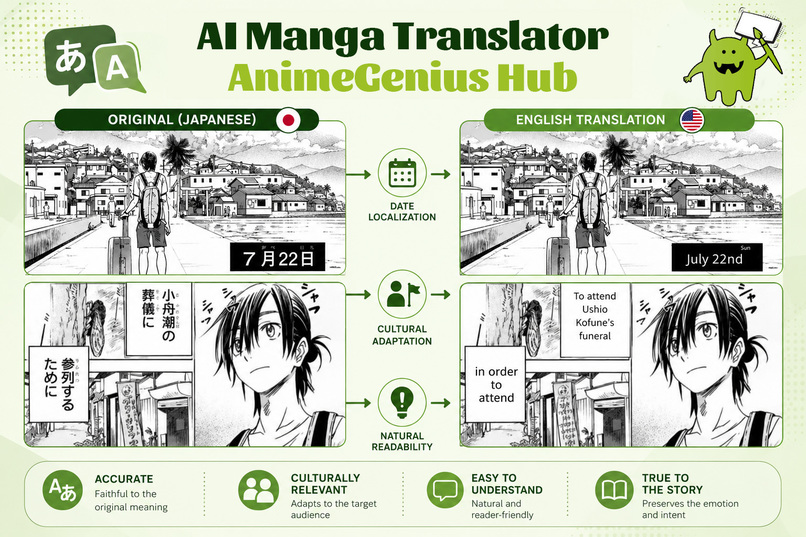
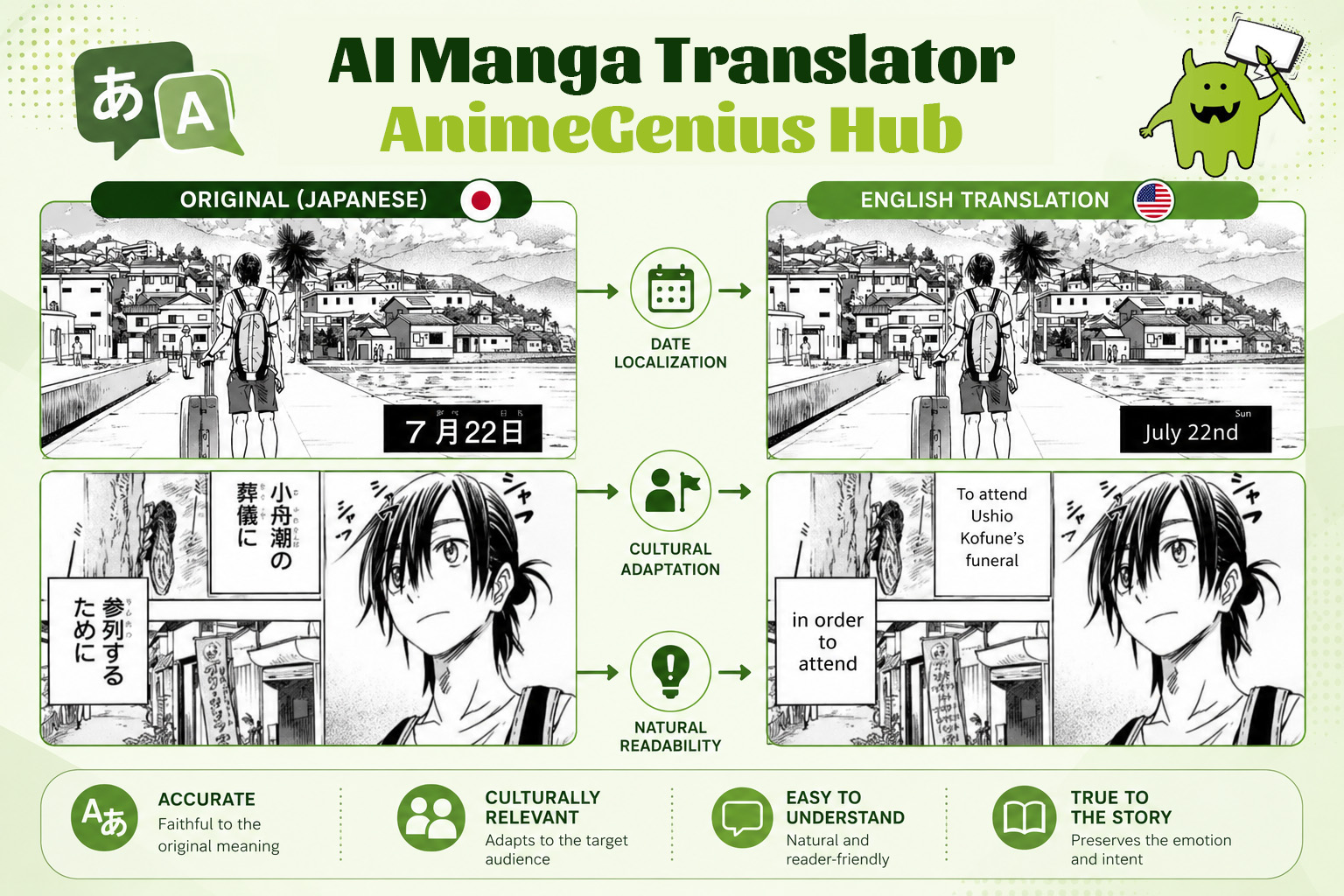
We were inspired by a simple problem: manga has become a global form of entertainment, but language barriers still prevent millions of readers from enjoying stories from different countries. As manga fans ourselves, we often discovered amazing Japanese manga, Korean webtoons, Chinese manhua, and indie comics that were inaccessible because we couldn't read the original language. Existing translation tools were designed for documents or websites, not visual storytelling. We wanted to build a solution that allows readers to instantly understand manga while preserving the original reading experience.
What it does
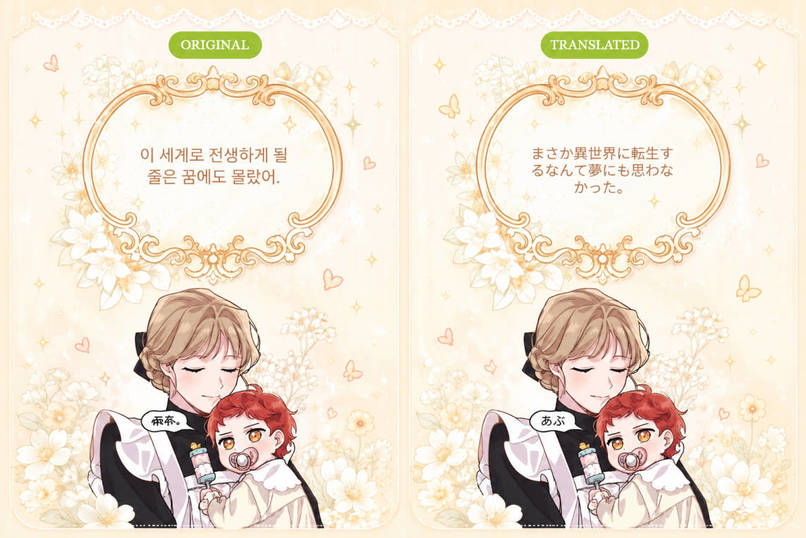
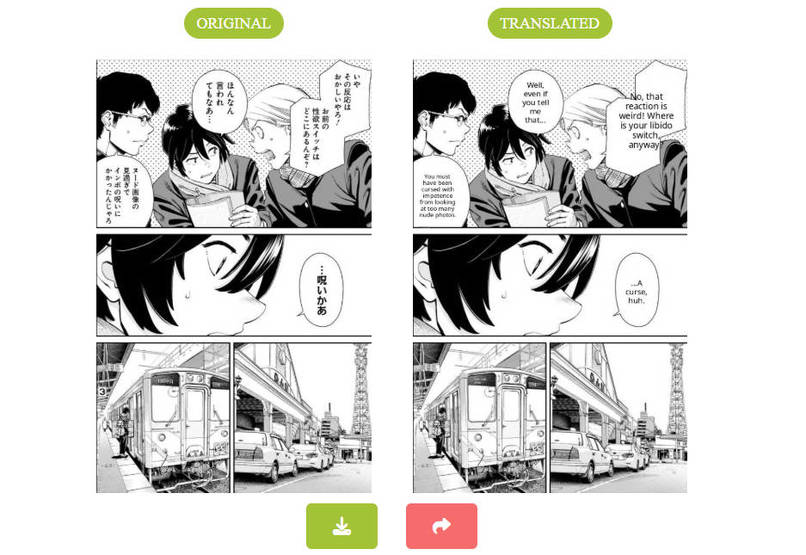
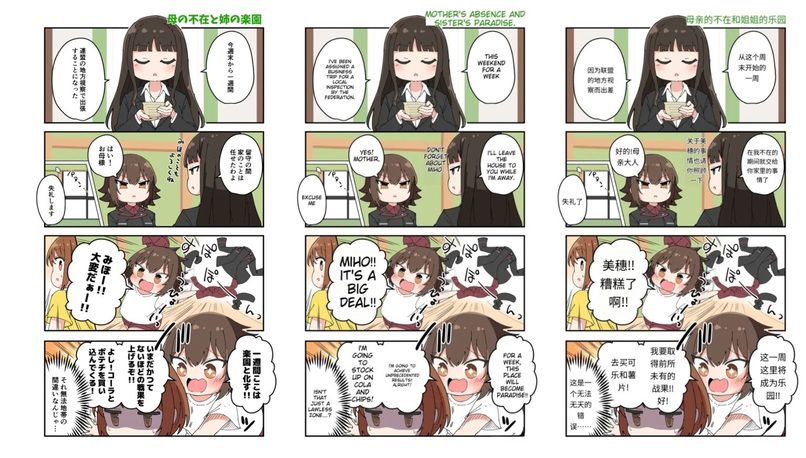
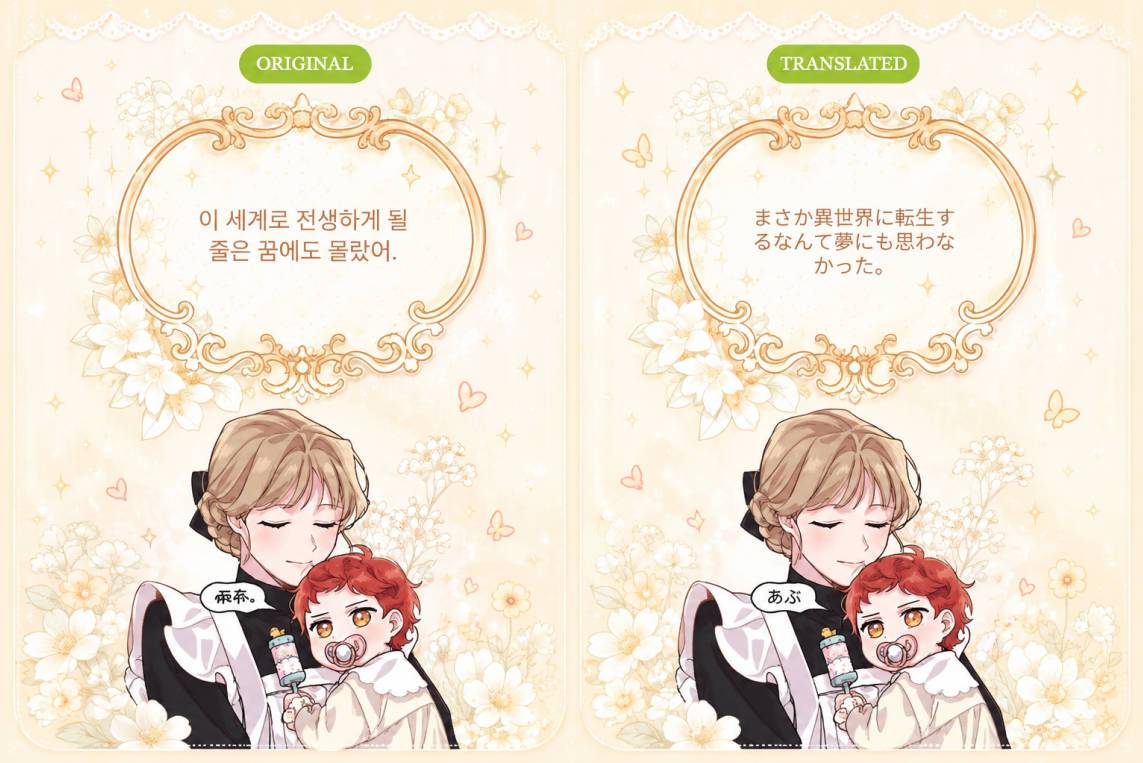
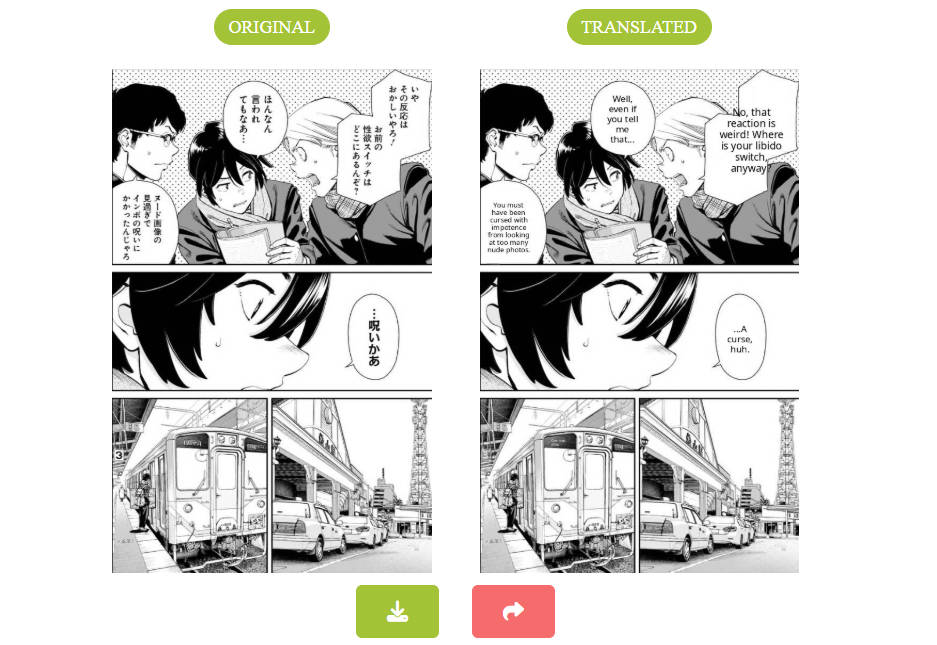
AnimeGenius Hub's AI Manga Translator allows users to translate manga pages into their preferred language within seconds. Users simply upload a manga page, choose a target language, and receive a translated version while preserving the original artwork, speech bubbles, and page layout. The tool supports multiple languages and is designed specifically for comics, manga, webtoons, and graphic storytelling content.
How I built it
We built the platform using Next.js, React, TypeScript, and Tailwind CSS for the frontend, creating a fast and intuitive user experience. The backend is powered by Python and FastAPI, which handle OCR processing, translation workflows, and image reconstruction. We combined advanced OCR technology with AI translation models and image processing pipelines to detect text, understand context, remove original text, and seamlessly place translated content back into the artwork while maintaining visual consistency. The infrastructure is deployed on cloud services to ensure scalability and fast processing times.
Challenges I ran into
One of the biggest challenges was preserving the reading experience. Translating text is relatively straightforward compared to maintaining manga layouts. Speech bubbles come in different shapes and sizes, text can overlap artwork, and many manga pages contain handwritten notes or sound effects. Another challenge was maintaining natural dialogue. Direct translation often loses character personality, humor, or emotional tone. We spent significant time optimizing translation quality and improving how translated text fits within existing page designs.
Accomplishments that I'm proud of
We're proud of creating a tool that feels like it was designed specifically for manga readers rather than adapted from a generic translator. The ability to preserve layouts while generating readable translations is something users consistently appreciate. We're also proud that people are using the product for much more than Japanese manga, including webtoons, manhua, indie comics, and fan-created content from around the world. Seeing readers access stories they previously couldn't understand has been incredibly rewarding.
What I learned
We learned that manga translation is not just a language problem—it's a storytelling problem. Readers care about artwork, pacing, character voices, and the overall reading experience. We also learned that AI works best when it augments human creativity rather than replacing it. Building for a passionate global community taught us the importance of listening closely to user feedback and continuously improving based on real reading habits.
What's next for AnimeGenius Hub
Our next goal is to make global comics truly borderless. We plan to improve translation accuracy, support more languages, enhance layout preservation, and introduce batch translation for entire chapters. We're also exploring tools that help creators and publishers reach international audiences more easily. Long term, we envision AnimeGenius Hub becoming a platform that connects readers and creators worldwide through seamless AI-powered comic translation.
Built With
- amazon-web-services
- cloudflare
- english
- image-processing-pipelines
- japanese
- korean
- multilingual
- ocr-technologies
- postgresql
- redis

Log in or sign up for Devpost to join the conversation.