Inspiration
The goal with this project was simple: can creating an animated story feel as easy as playing with toys? Using this as a north star, we focusly intently on making users focus on the story they wanted to tell instead of being tied down by drawing individual animated frames. Animatic explores a bold new concept where your hands and voice are the creative tools to power animated stories.
What it does
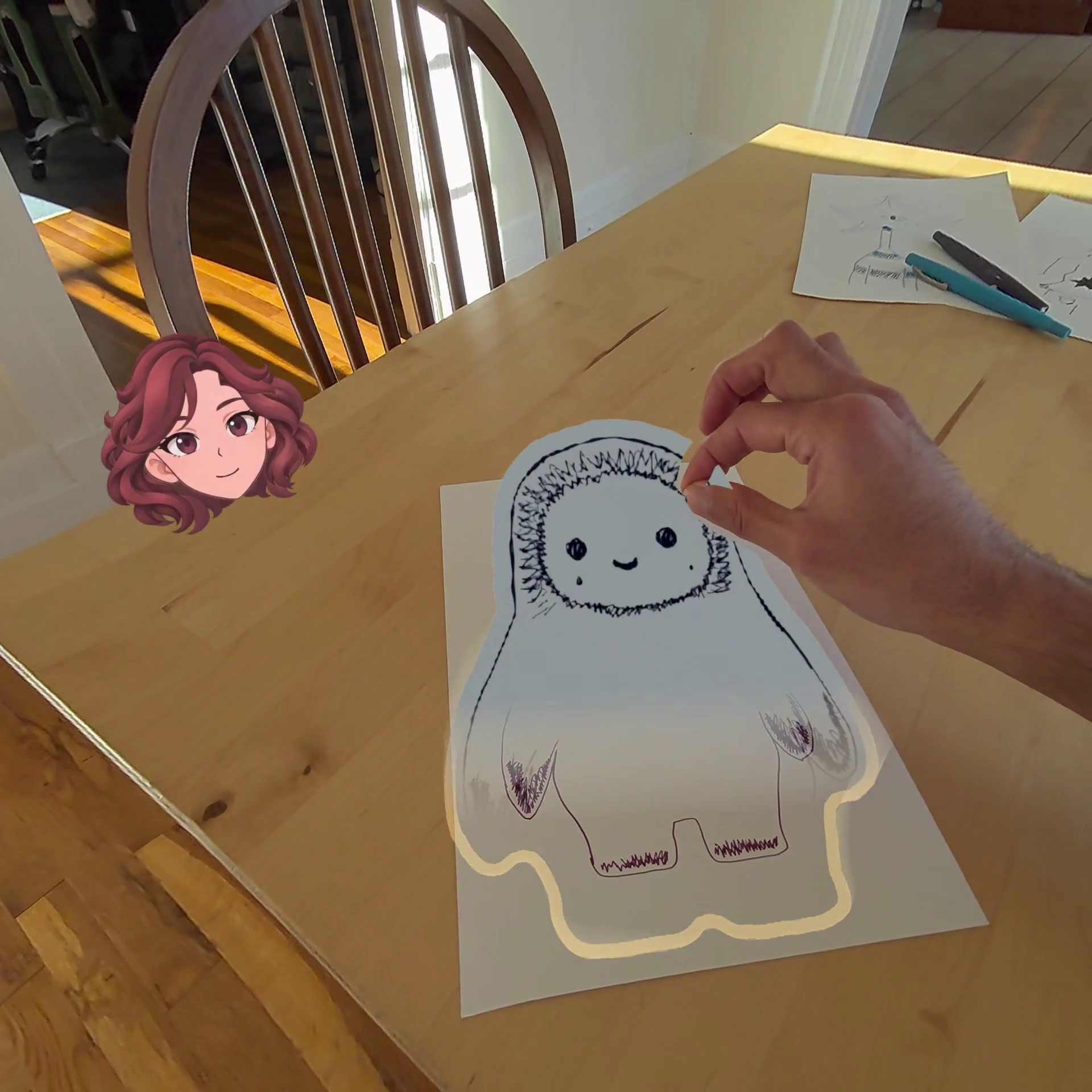
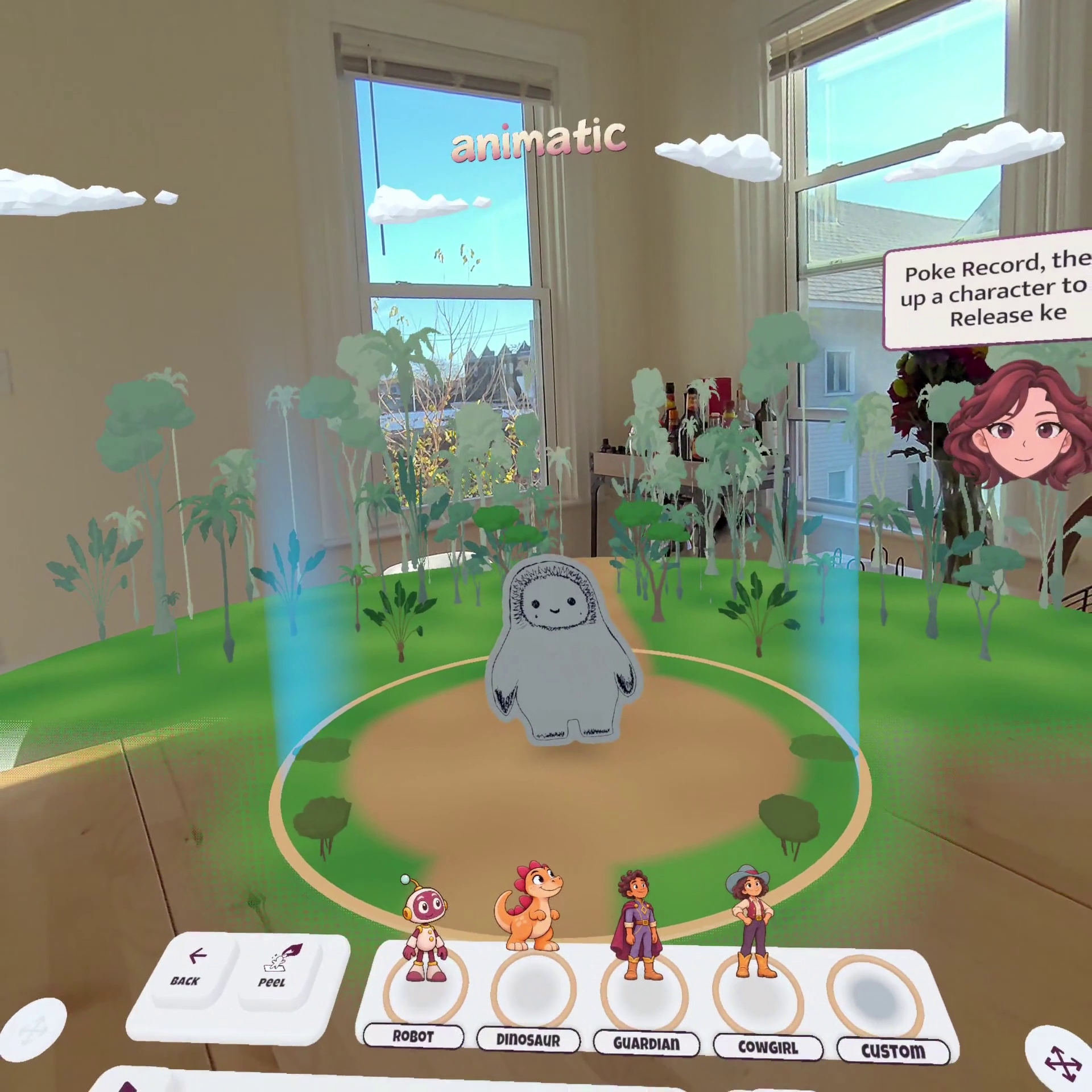
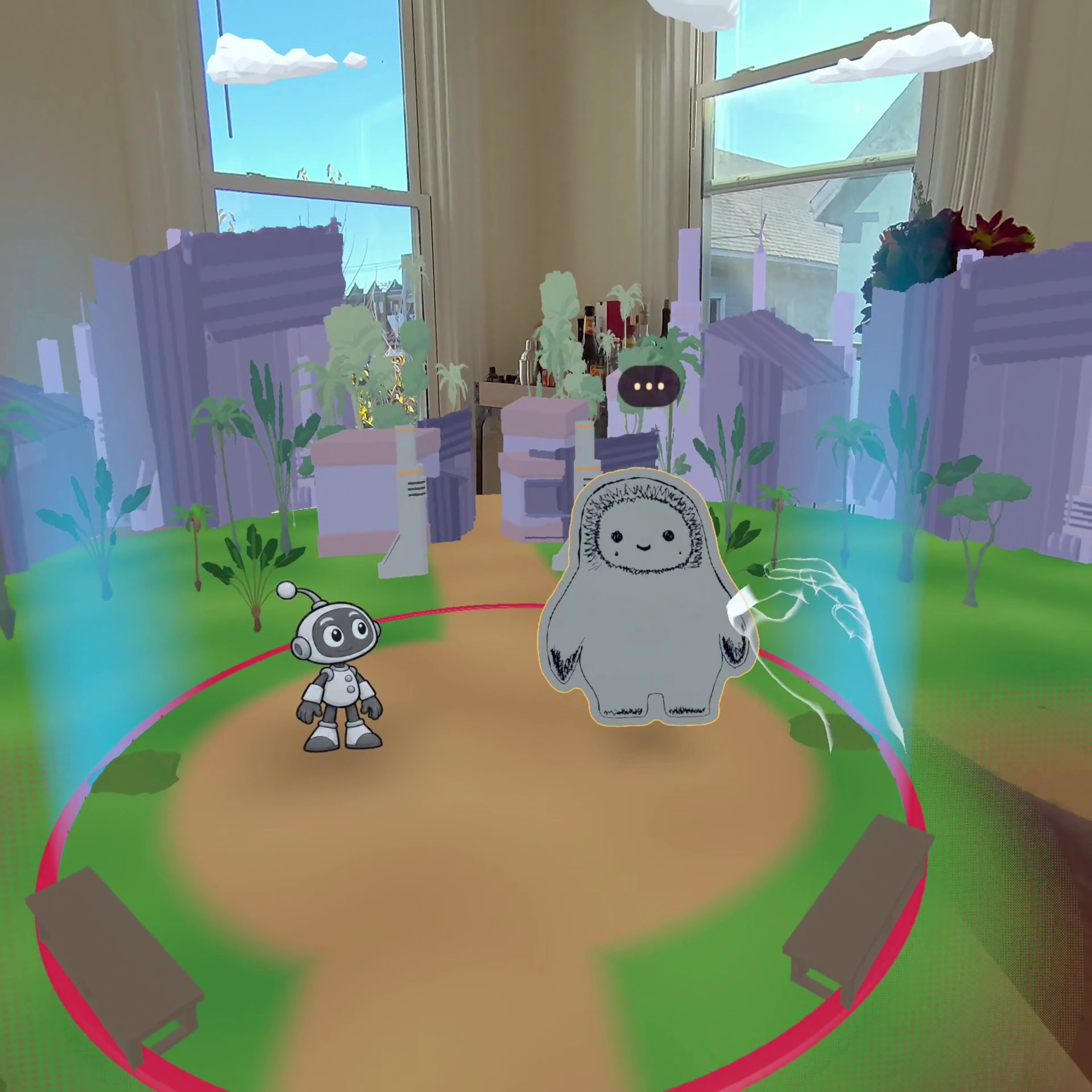
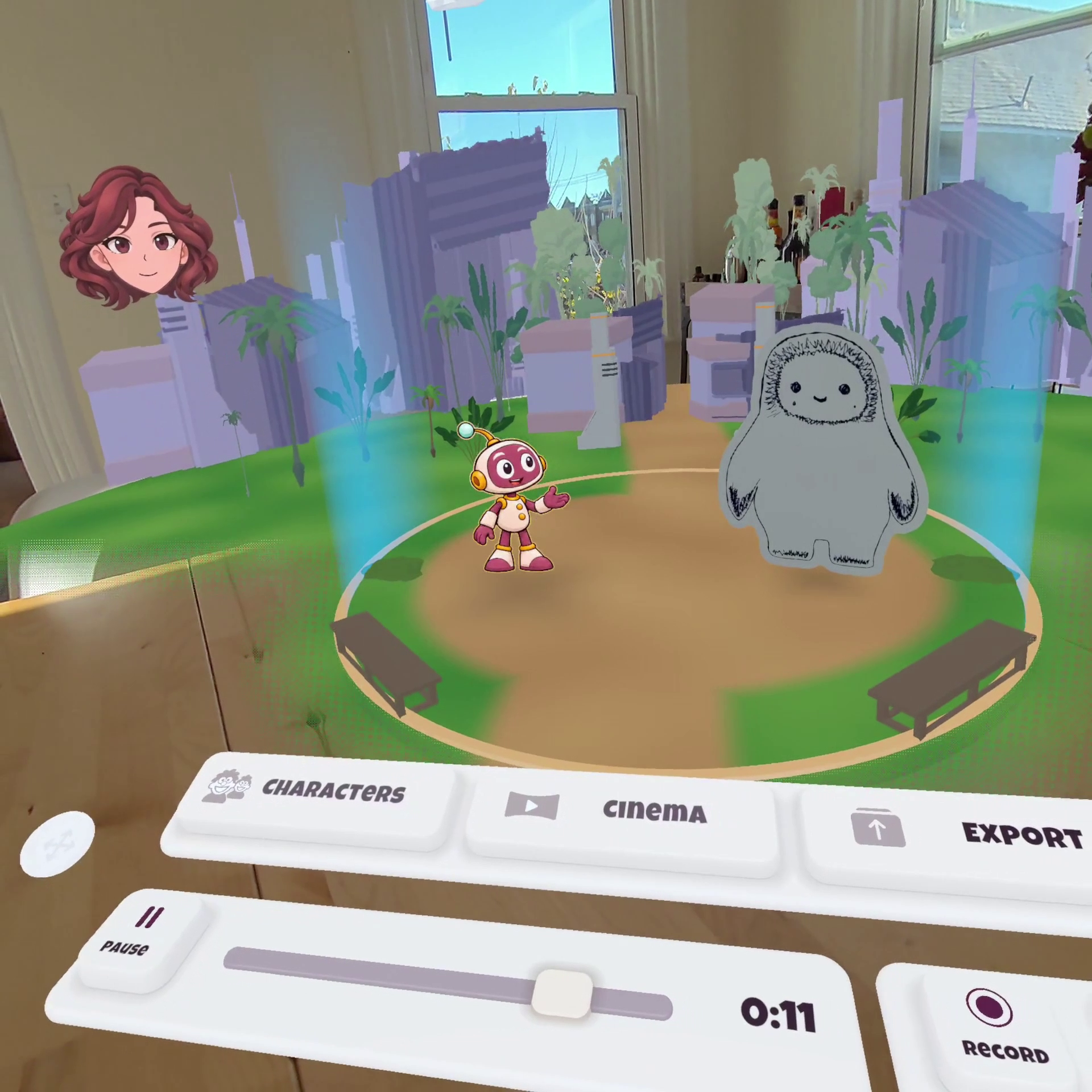
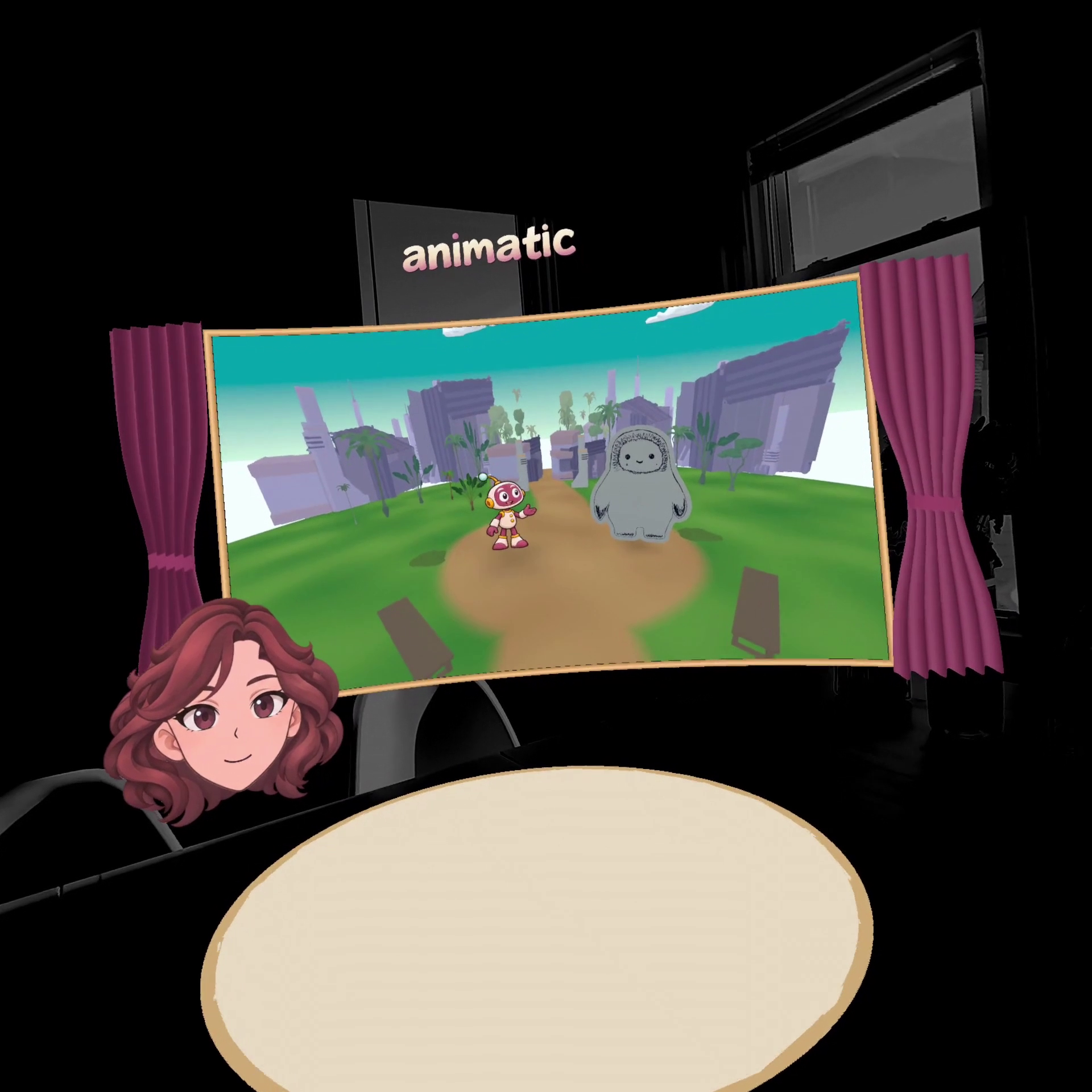
Animatic allows you to place and puppet animated characters on a miniature stage. You can choose from a selection of pre-made characters, or peel a character that you've drawn in real life. Act out a short scene by moving these characters with your hands and use your microphone to speak their lines. Record a take, replay it, and watch it in Cinema mode to view your masterpiece.
With the added help of Mara, your AI assistant, which provides guidance and responds to questions, you can make edits or changes using nothing but your voice.
How I built it
I built the application in Unity and C#, using Meta SDK tools for hand interaction and mixed reality. A custom performance system records character movement and voice for playback, and a Python service connects the application to SAM, Gemini, Muse, and ElevenLabs models for contextual vision assistance and interpretation, with separate image and audio processing paths.
The artistic direction reflects a physical stage where actors excite and engage the audience, while using playfully illustrated undertones to keep the application approachable for general audiences.
Challenges and what I learned
Directly manipulated characters became more demanding when every movement can become part of a performance. Grabbing, stage placement, recording, and playback systems all needed to agree about what the user is doing, which is extremely difficult when we are simply guessing at what the user is intending to do. We ended up using asynchronous AI calls, which respected the user's latest choices rather than interrupting them.
Although the systems at work were very complex, the strongest lesson was to keep the creative loop small. A compact stage, a small cast with a maximum of 2 characters, and a short, 30-second recording limit provided a clearer starting point than a large collection of editing tools.
What's next
My next priorities are making the animation experience more play-like while offering more advanced tools for enthusiasts who enjoy the creative process but are looking for more control in how characters act, sound, and move.
Beyond that, I want richer character performances and more expressive worlds while always looking back at our defined north star: an story platform where creating stories feels like playing with toys.


