-
-
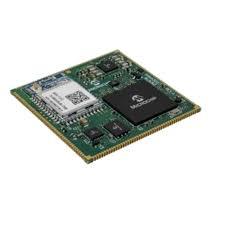
A radio module that communicates using mobile phone networks. Function: Enables long-range data transmission.
-
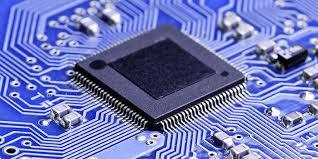
The "brain" of the device (e.g., Arduino, ESP32). Function: Receives raw data from all sensors, processes it stores it temporarily.
-
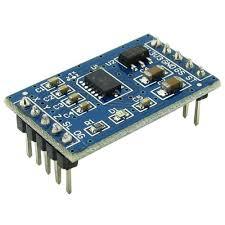
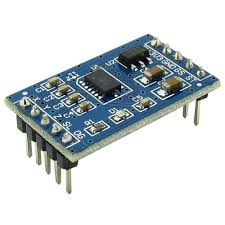
Accelerometer sensor that measures non-gravitational acceleration, typically in three axes . Function: To detect movement,.
-

Logo for our Device
-
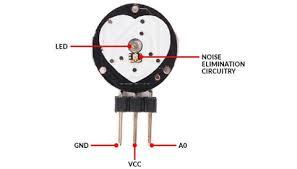
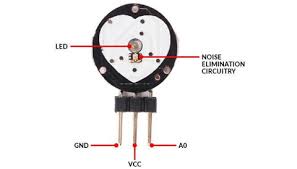
Heart rate sensor for measuring the heart rate of the animal
-
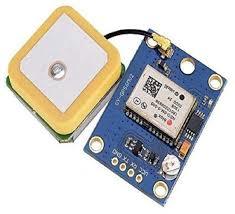
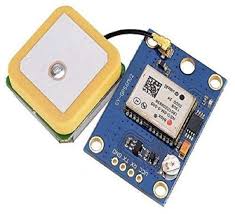
Receives signals from satellites to determine the device location Function: To track animal's move patterns , provide Realtime location.



Inspiration
Animals and Plants are the heart of the Wild and they must be protected to maintain a balanced and sustainable environment. So, we have many wild mammals in which some are linked to the survival of many other species and we have the system to track animals but we don’t have any way to monitor the health of the animals we only come to know about the health condition of the particular animal when it dies and this made me to think of an idea of a health monitoring system in the tracking devices.
What it does
Tracking and Health monitoring Device the health of the animals can be detected and will be immediately transmitted to the wildlife department and the animal gets an emergency medical care within a couple of minutes. By this the animal is protected and gets medical assistance when it needs or when the health condition gets worsened. And to find the external health condition a thermal detector and wound detector can be installed so that the animal if gets any external injury it will be noted by the scanner and then transmitted to the wild life department. So, by this Idea the wild life can be protected and saved from health issues and can get proper medical assistance.
How we built it
This unit handles location, data storage, and transmission.
GPS/GNSS Module: Provides precise location data.
Low-Power Communication: Uses technologies like LoRaWAN (Long Range Wide Area Network) or Satellite Transmitters (for very remote areas) to send small packets of critical health data efficiently and conserve battery life.
Microcontroller/Processor: A low-power chip (e.g., an ARM Cortex-M series) to process sensor readings, filter data, and trigger alert transmissions when health parameters exceed predefined thresholds.
Internal Health Monitoring Sensors These sensors detect physiological distress, often through subtle, measurable changes. Body Temperature: Non-Invasive Thermistor/Thermocouple Tracks core body temperature to detect fever, hypothermia, or signs of infection. Heart Rate/Activity: Accelerometer (Motion) & Bio-Impedance Sensors Tracks heart rate variability and general activity levels (sleep, running, resting) to assess stress and cardiac health. Respiration Rate: Acoustic/Vibration Sensor or Accelerometer Tracks breathing patterns; sudden changes can indicate respiratory distress or pain. Hydration/Stress: Bio-Impedance Sensor (via skin contact) Measures electrical resistance changes in the tissue, which can correlate with dehydration or high stress hormones (less reliable, but a promising area of research). Posture/Behavior: 3-Axis Accelerometer & Gyroscope Identifies abnormal behavior (e.g., prolonged immobility, staggering) that suggests injury, illness, or poisoning.
External Health Monitoring Sensors These are crucial for the "Wound Detector" functionality you proposed. • Thermal Detector (FLIR Camera): A miniature, low-resolution infrared (IR) sensor array. o Function: Detects localized hot spots on the animal's body, which are strong indicators of inflammation, infection, or a fresh wound not visible to tracking cameras. • Wound/Laceration Detector (Optical Sensor Array): A series of tiny, protected optical sensors or specialized pressure/contact sensors. o Function: While complex, these could detect the sudden presence of wetness (blood) or an abrupt change in surface texture (a tear in the fur/skin) within the sensor's field.
- Power Management and Durability The device must be built to survive the wild. • Battery: High-density, long-life Lithium-Ion or Lithium-Polymer cells, often supplemented with solar charging panels built into the collar's surface for perpetual recharging. • Casing: Encased in highly durable, non-toxic, and corrosion-resistant materials (e.g., aerospace-grade polymer or titanium shell). • Fail-Safe: Inclusion of a mortality sensor (accelerometer measuring zero movement for a prolonged period) that triggers a final, high-priority transmission of the last known location.
Challenges we ran into
The main challenge is that we ran is to make it fix to the animal body, And fixing it to all wild life animals.Issues involve interpreting complex data, managing device maintenance, and overcoming animal resistance to wearing the devices.
Accomplishments that we're proud of
Our plan of building this device can successfully measure the animals health internally and externally.
What we learned
The method to protect animal health and monitor it in a technological way.
What's next for Animal Tracking and Health Monitoring Device
Our next plan is to create a prototype with the mentioned parts which has a greater cost. And to develop a app to get the details transmitted by the device. And to act immediately.


Log in or sign up for Devpost to join the conversation.