-
-
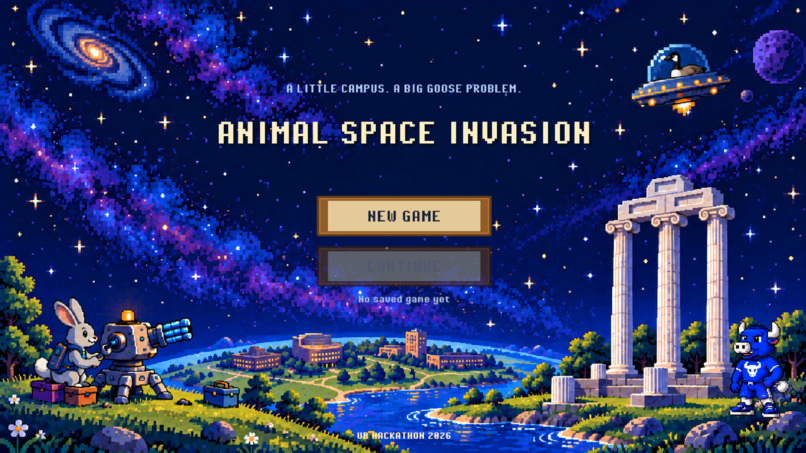
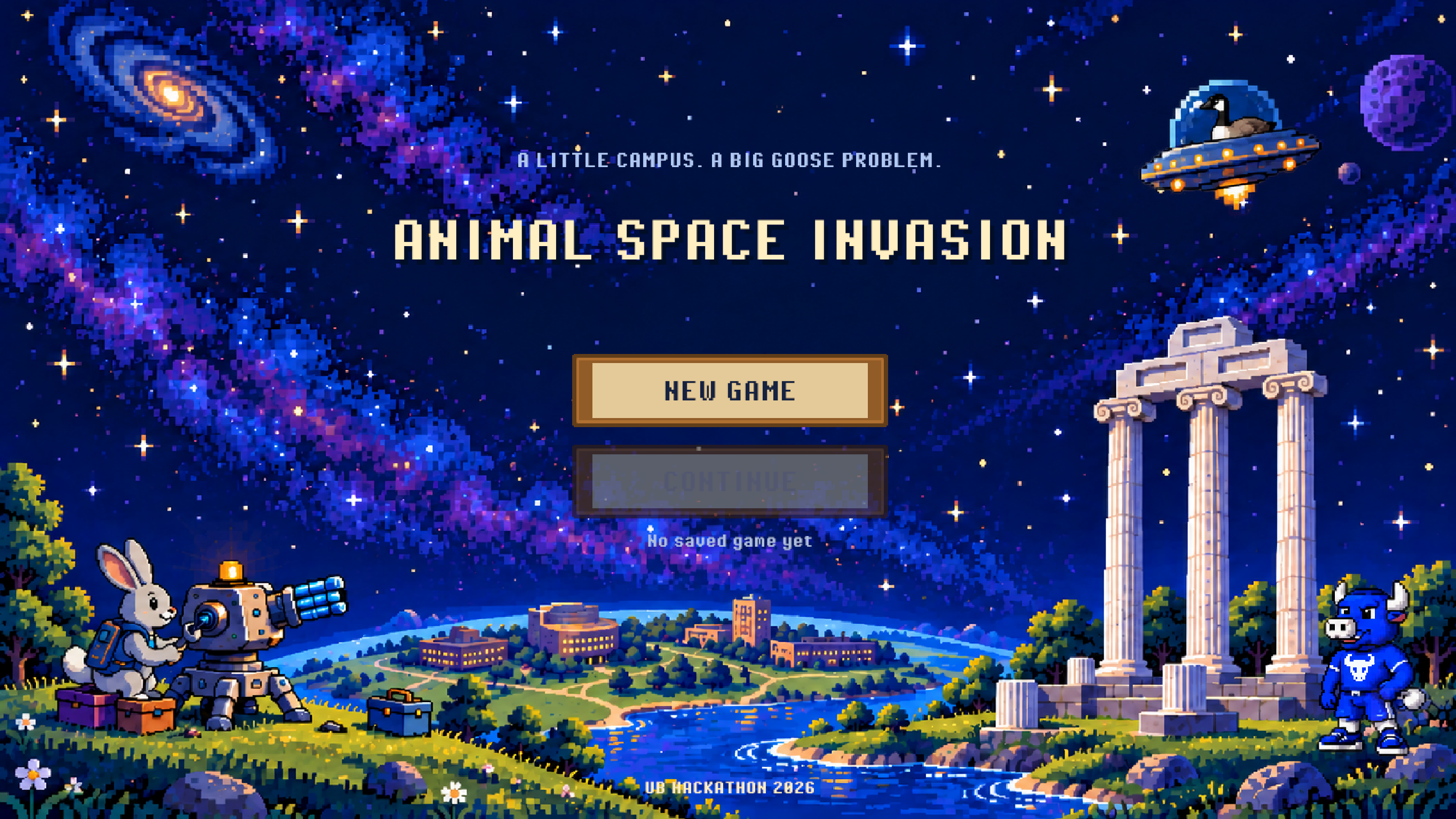
Main Menu
-
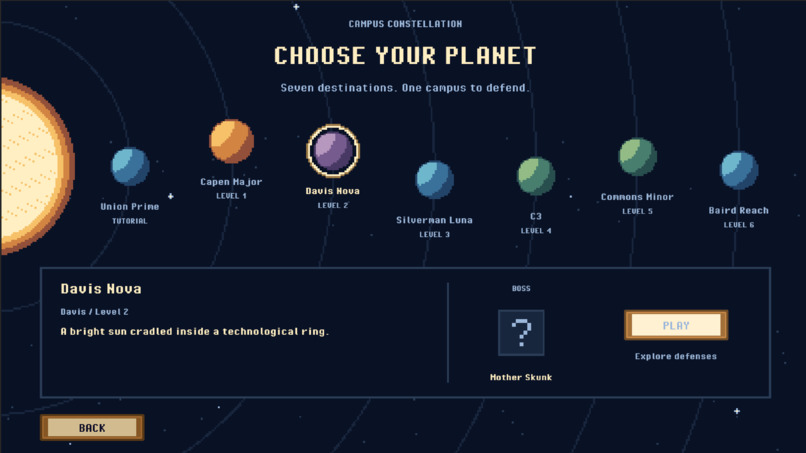
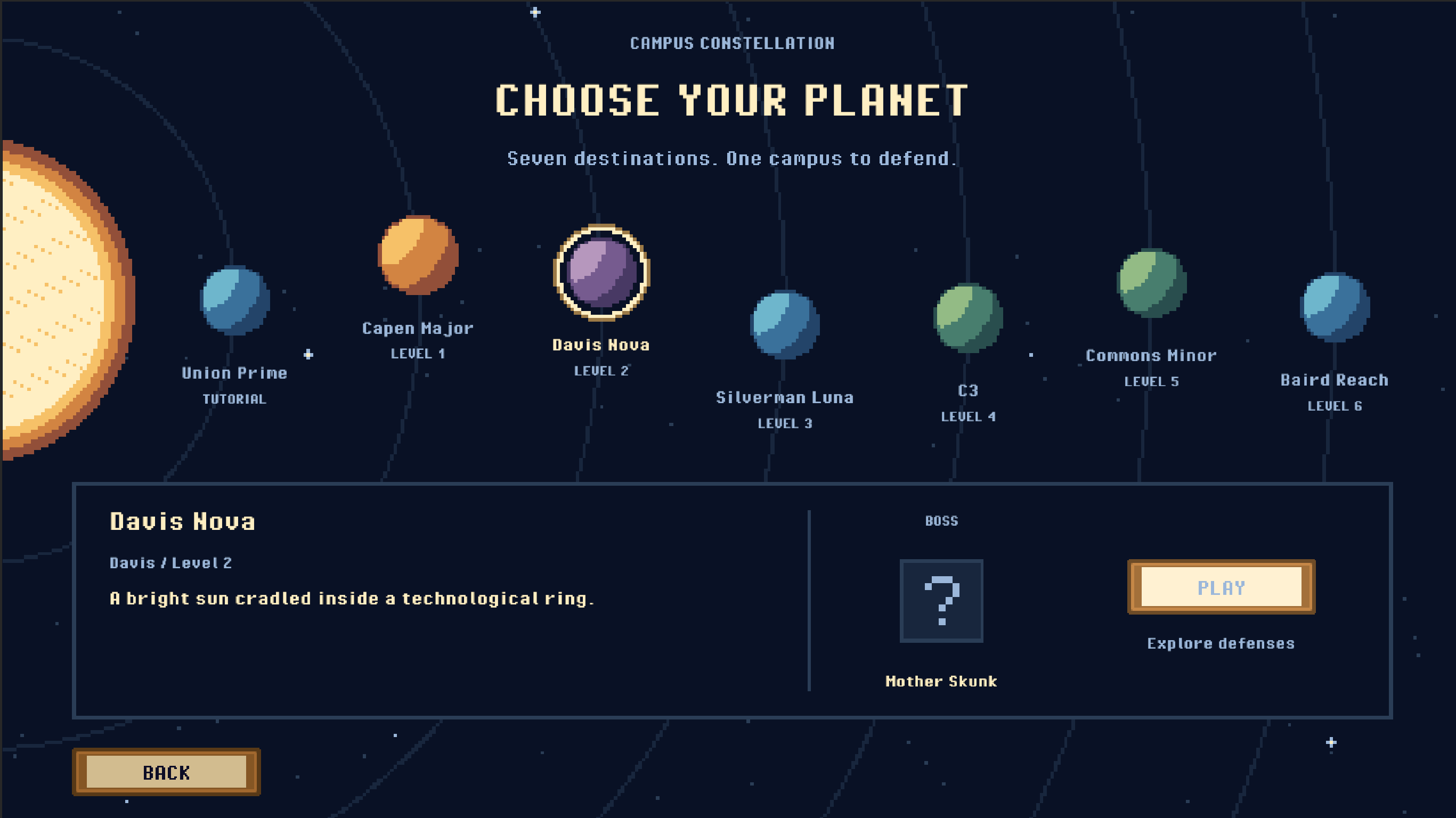
Levels select page for our planets. Designed after the solar system
-
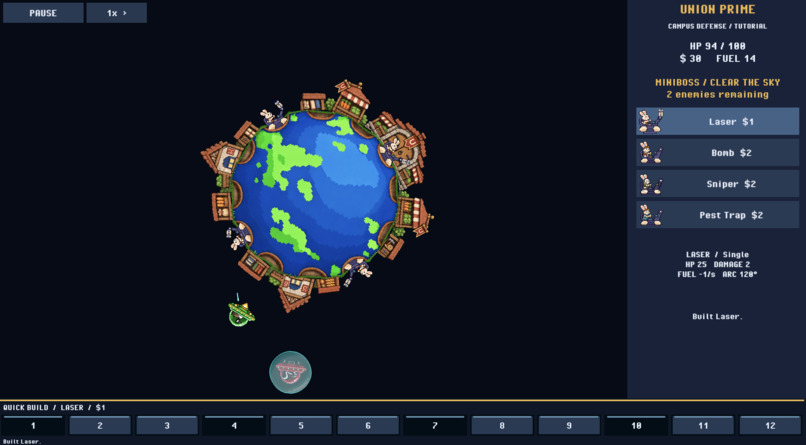
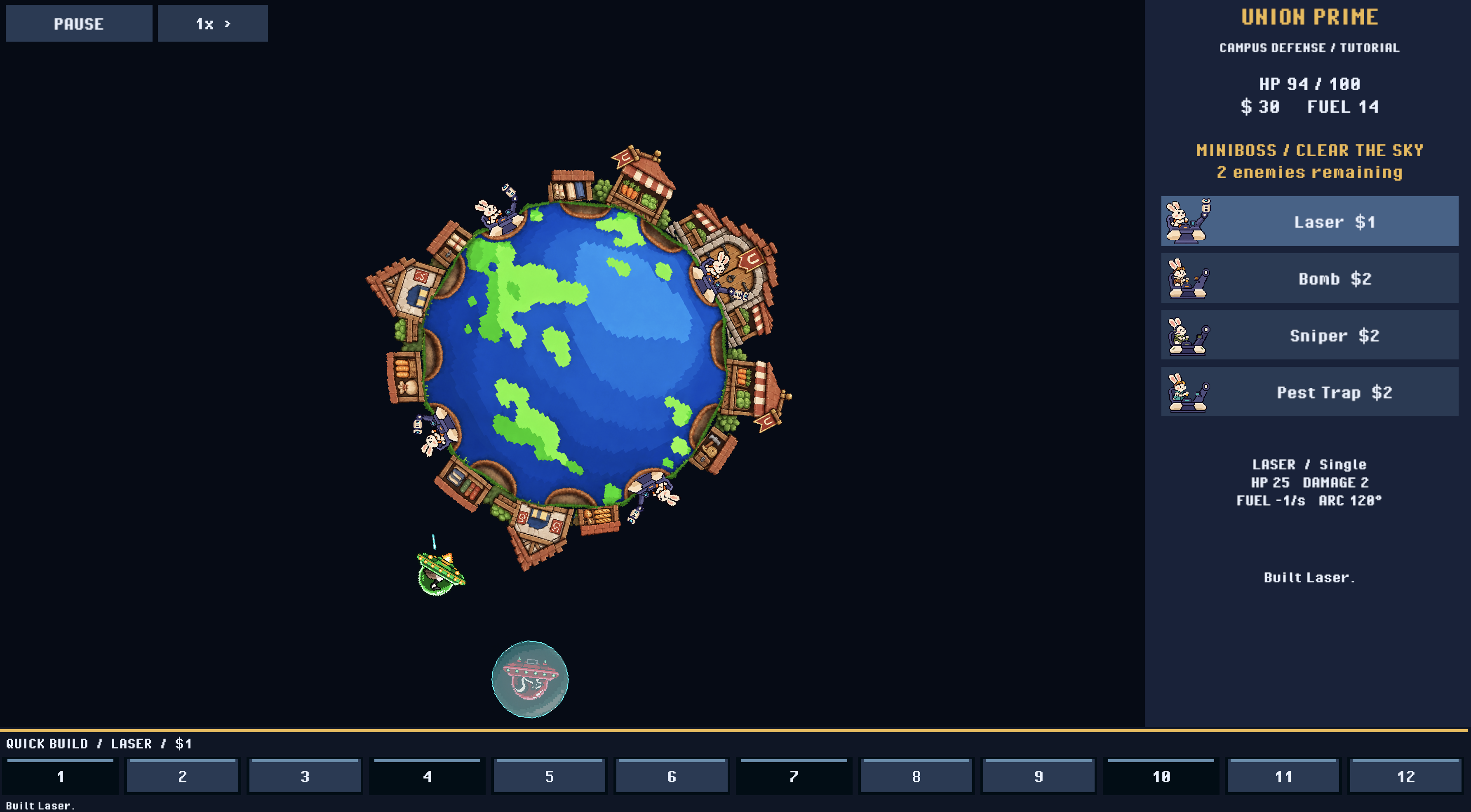
Union Prime, tutorial level. Based on Student Union at UB
-
-
-
-
-
-
Inspiration
We were inspired by NinjaKiwi's Bloons Tower Defense series and PopCap Games' Plants Vs. Zombies.
What it does
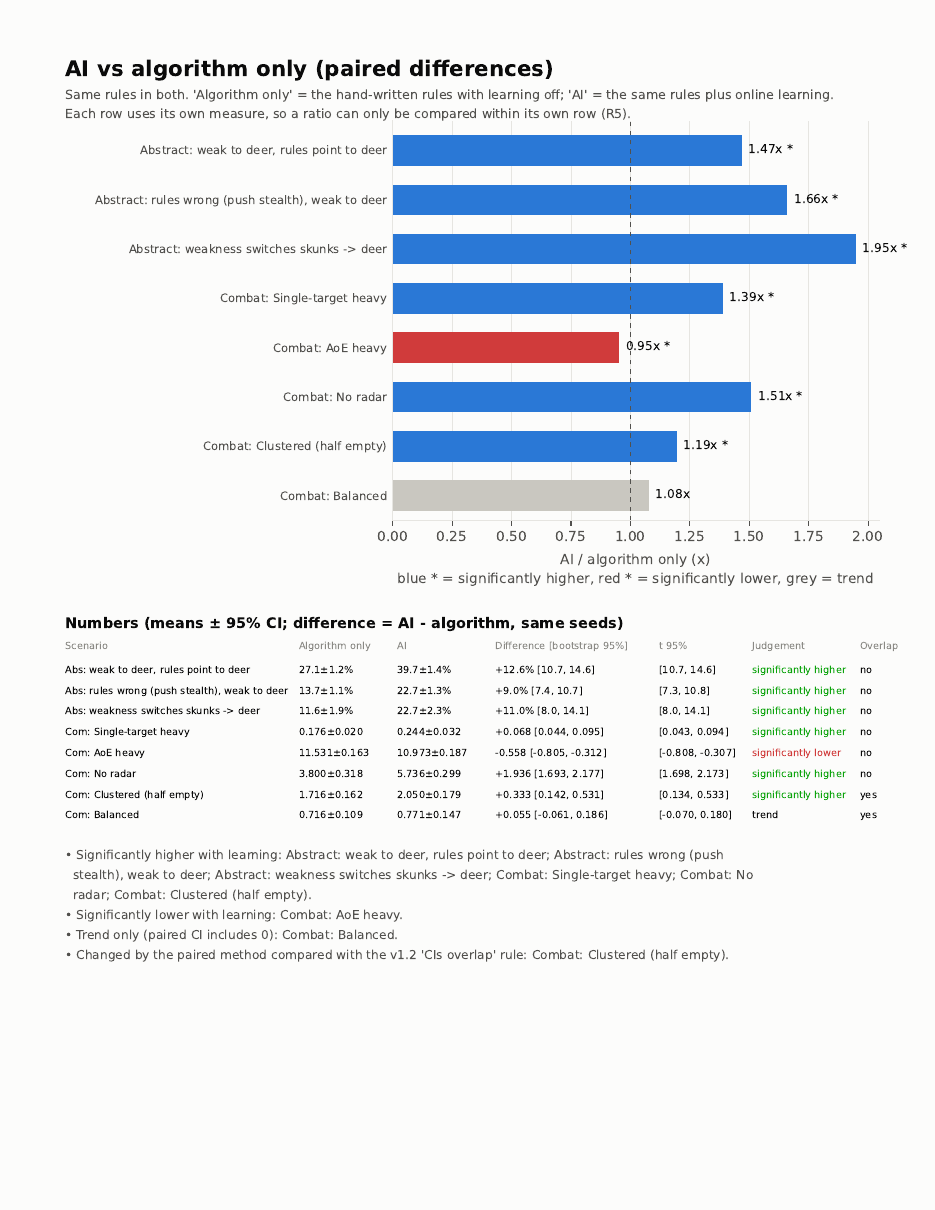
Animal Space Invasion is a space-themed tower defense game where you defend a small, rotating planet from waves of invading enemies. Towers are built on slots ringed around the planet’s surface, and you manage your starting money and fuel to decide what to build and where. Every level features a different planet, and larger planets have more tower slots, so each one calls for a different strategy. The waves are run by an adaptive enemy AI. It learns which enemy types are getting through your defense and sends more of them, and it aims at the side of the planet your towers cover least. Leave out a Radar and you’ll start seeing stealth geese. It always stays within the level’s budget, so the difficulty curve the designers set is kept.
Enemies arrive in waves that grow stronger as the level’s clock runs down. A budget-based spawning system sets the mix of enemies, so the difficulty ramps up smoothly and each run plays out a little differently. Halfway through every level, a boss attacks to test your defenses. Your goal is to keep your planet’s health above zero until the timer ends.
How we built it
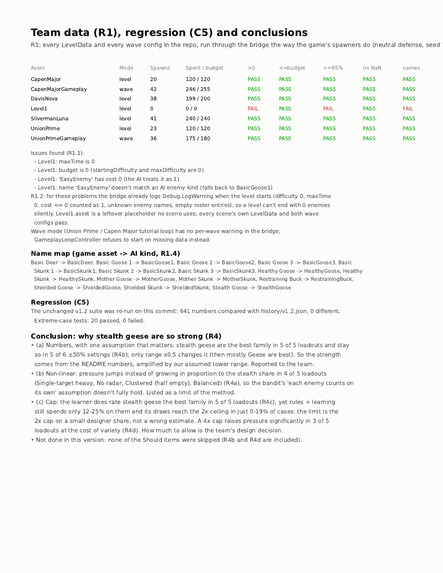
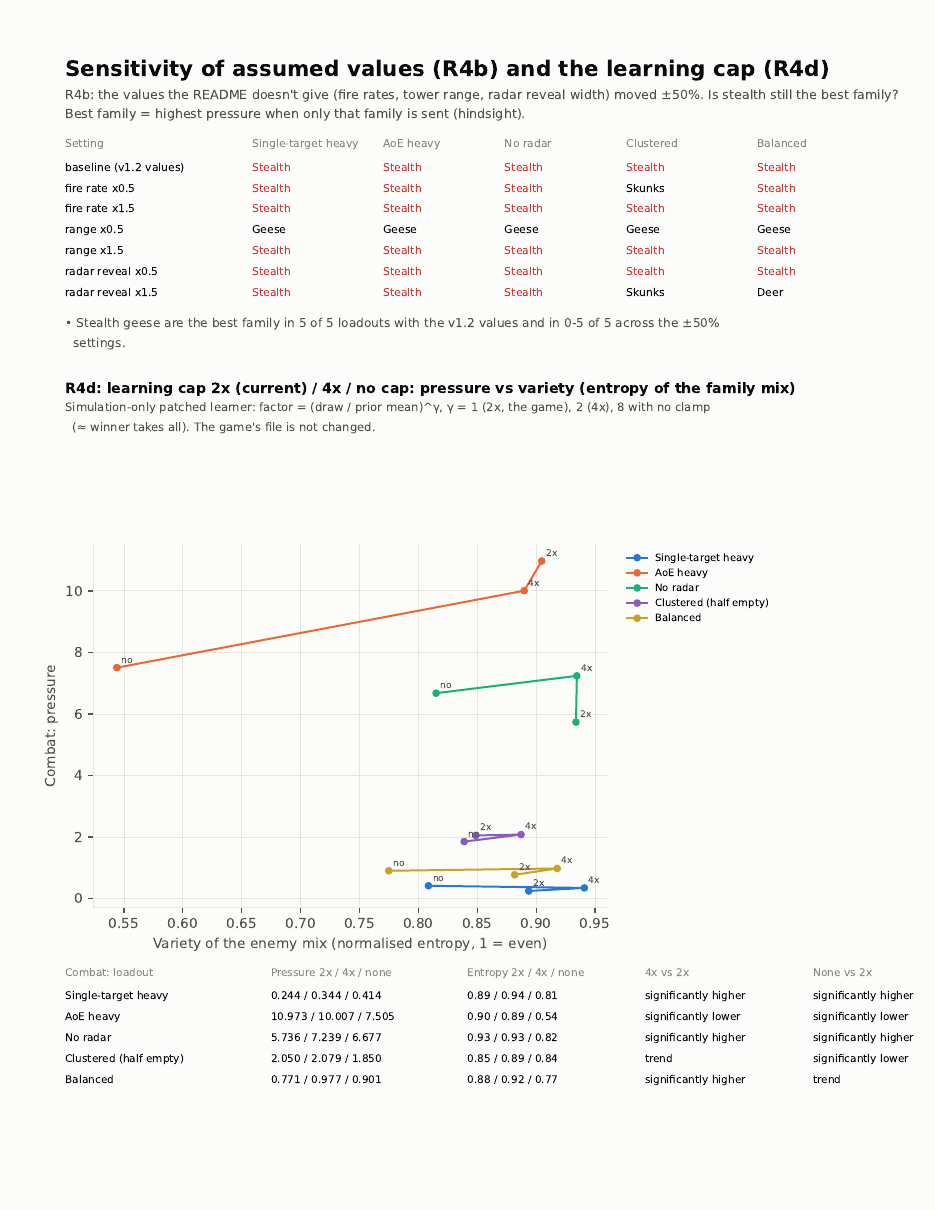
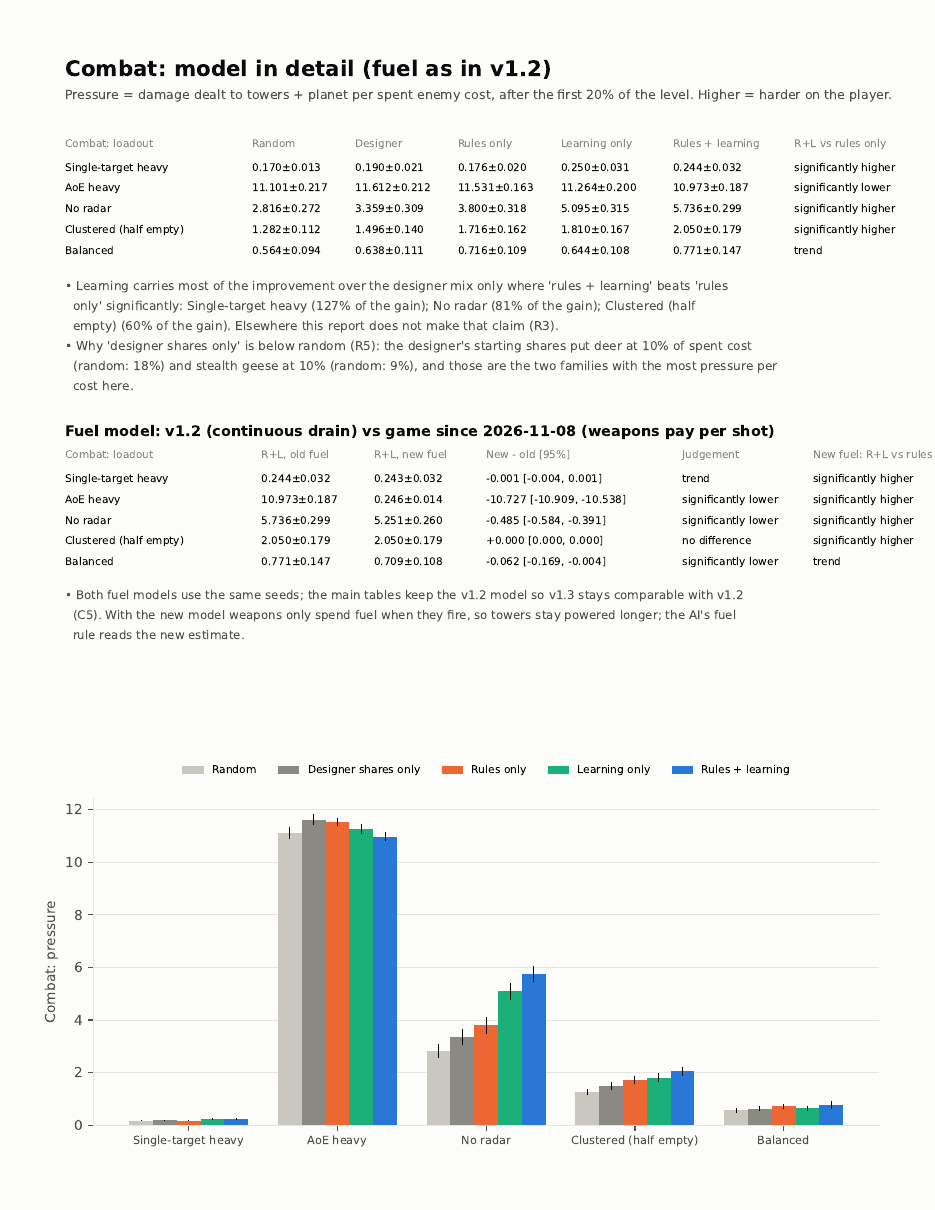
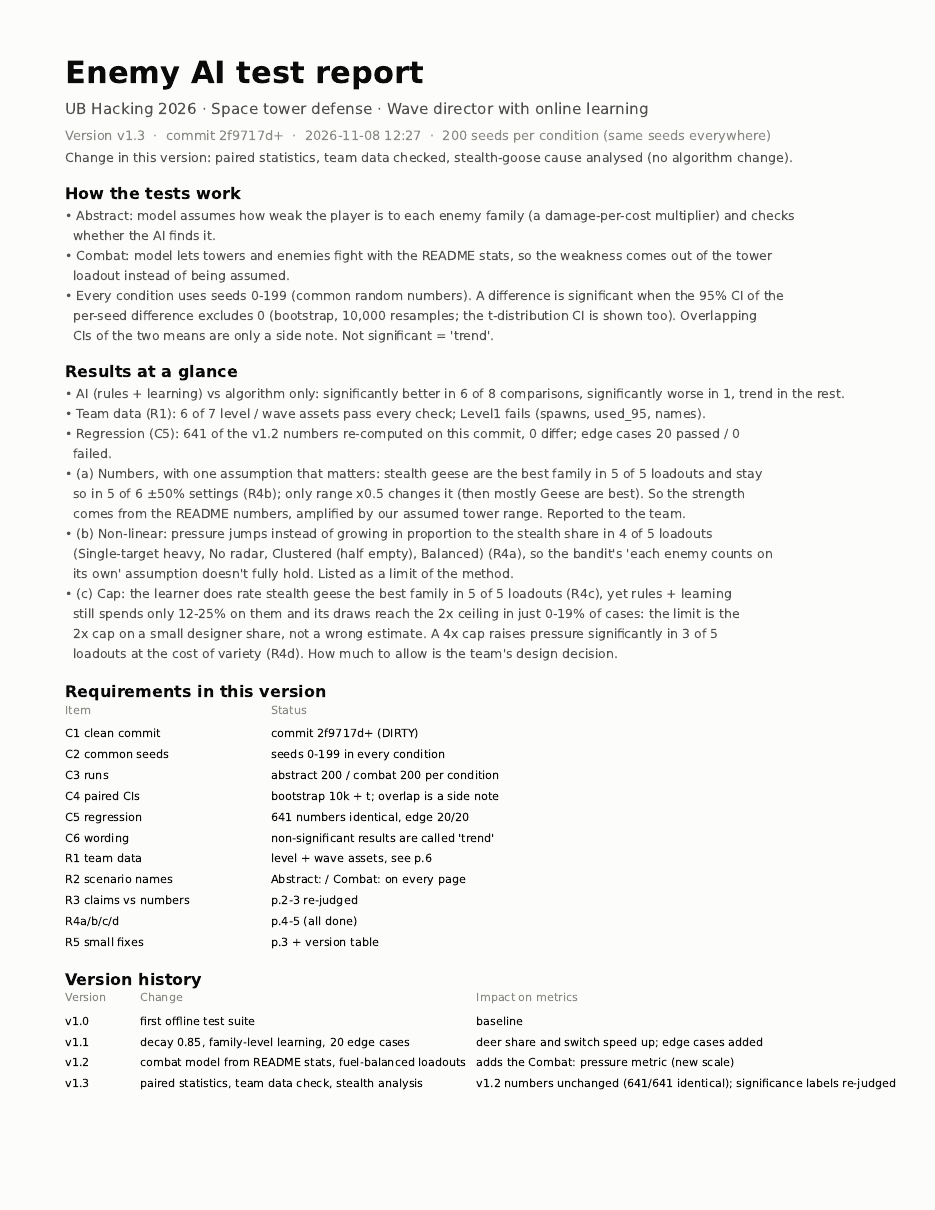
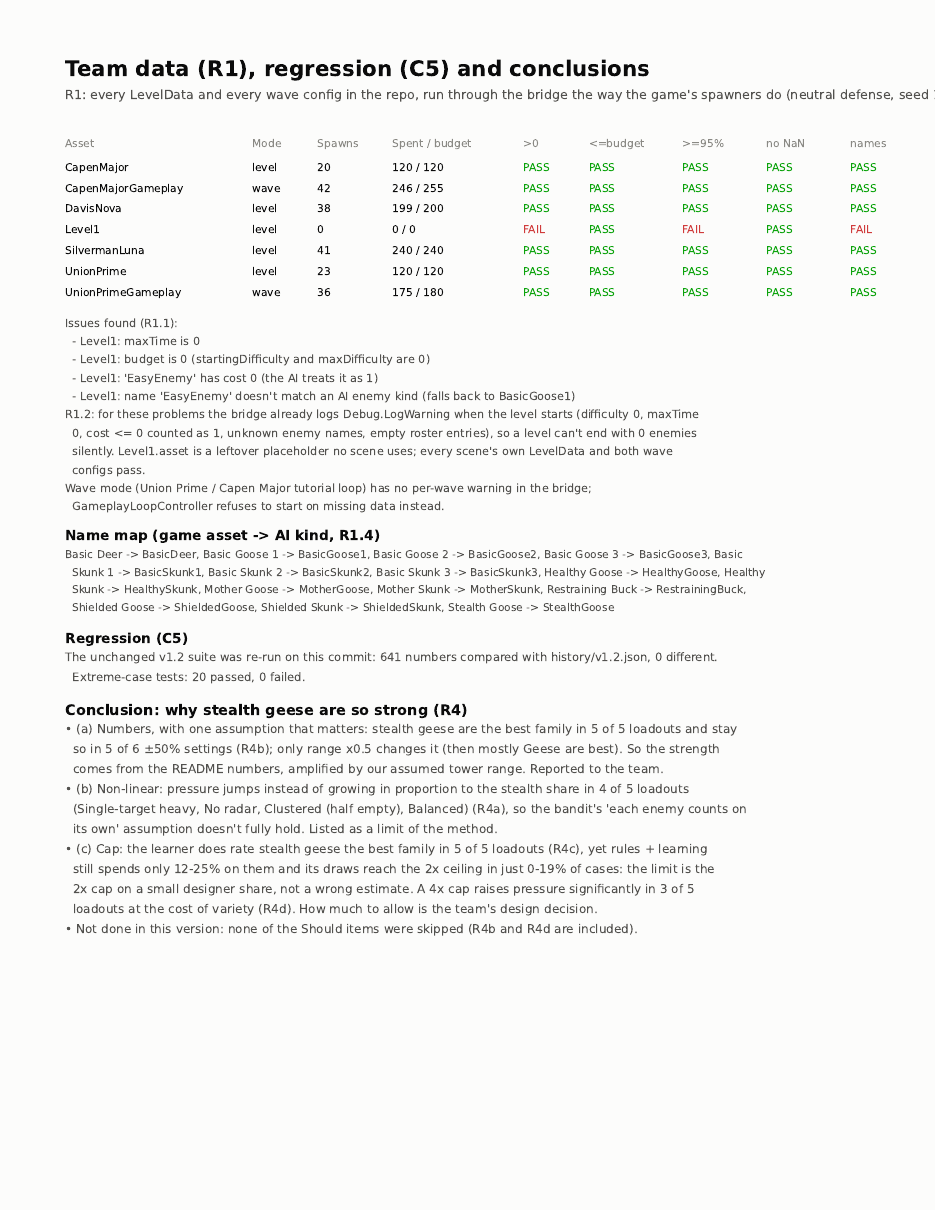
We used Unity and C# for developing the game. Our sprites for enemies, towers, and Planets were created using ChatGPT6 Astra/Sol The enemy AI uses Thompson sampling, a multi-armed bandit. It keeps one score per enemy family, rewards damage dealt against cost, and gradually forgets old results so it keeps up when you rebuild. Simple rules and caps keep it fair: it stays off for the first part of each level, can only shift the enemy mix within limits, and never spends past the budget. Enemies, towers and projectiles share one object pool per level and move as kinematic Rigidbody2D bodies. We also tested the game logic without opening Unity, by stubbing the Unity API and running our C# under Mono frame by frame. That covered enemy behaviour, tower combat, the economy and full levels with the AI.
Challenges we ran into
We spent some time deciding on how to deal with enemy spawning and tower targeting. Since Animal Space Invasion uses randomized enemy spawns, creating an algorithm to determine what kinds of enemies spawn was a challenge, especially finding a balance point between level difficulties was an obstacle Our first spawning AI kept sending cheap enemies and never saved up for expensive ones, so we made it commit to its next pick and wait for the budget. Combining four people’s code near the end also turned up bugs, like building a tower adding money instead of spending it, which our offline tests helped us catch.
Accomplishments that we're proud of
We're happy to say that many of our designs for towers and enemies were very consistent, since we don't have much artistic skills and relied on generative AI models for that.
What we learned
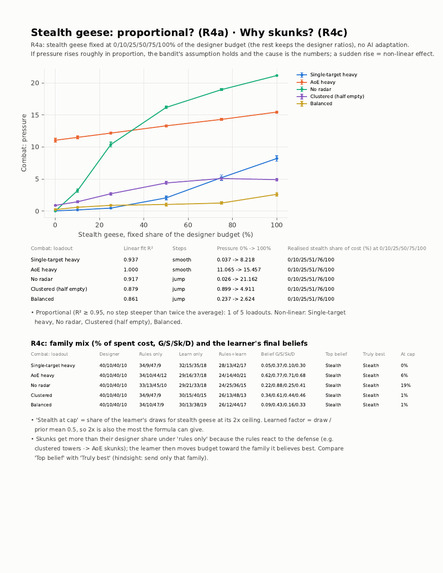
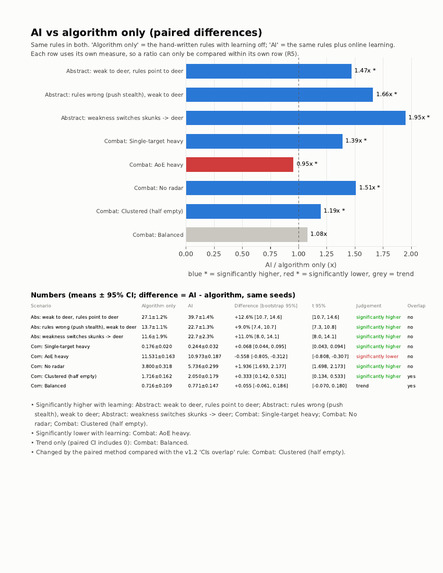
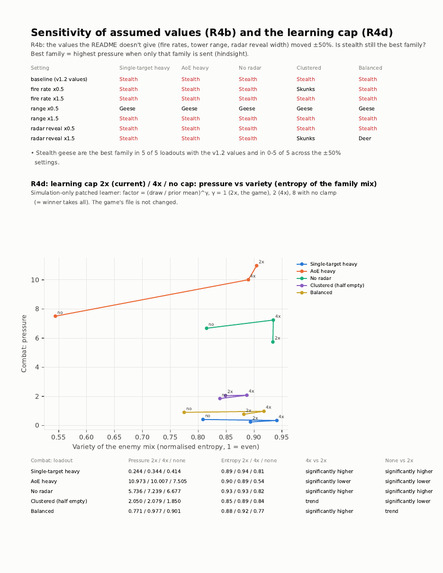
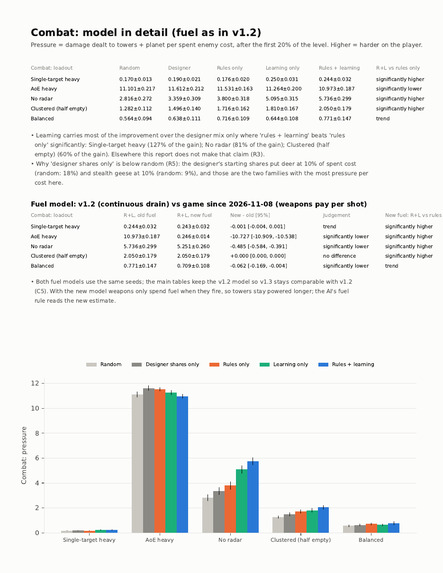
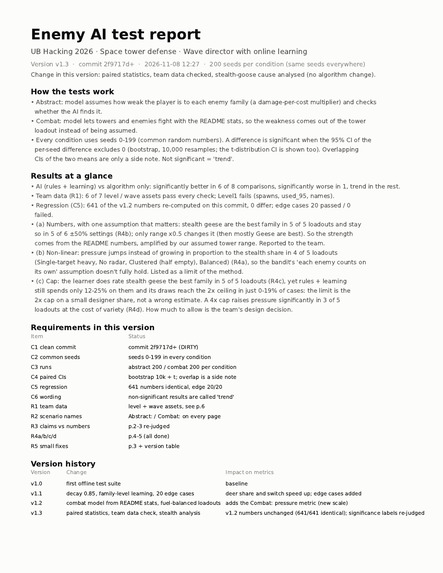
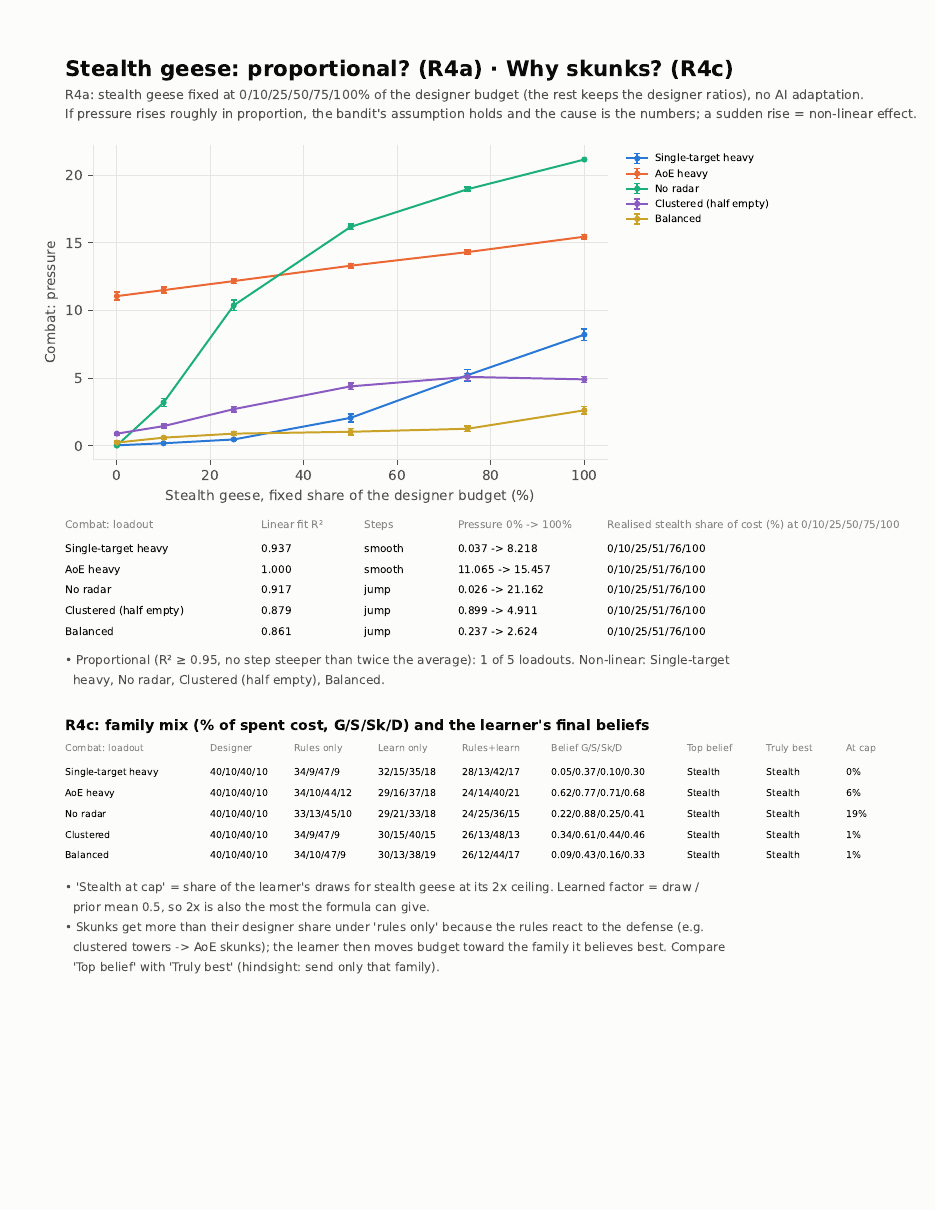
For most of us who have never created a game from scratch. We learned how to use Git, Unity, and C# to create something fun within 24 hours We also learned that a small, explainable learning method can make a game feel reactive without taking control away from the designers. Our simulations even pointed out a balance problem for us: stealth geese were much stronger than we intended.
What's next for Animal Space Invasion
In the future, Animal Space Invasion may see itself on Steam's Store catalog


