-
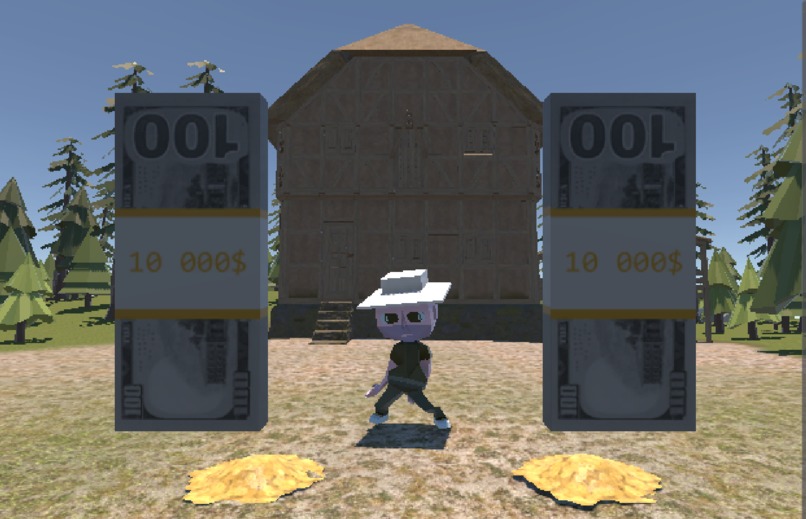
The capitalist win ending scene
-
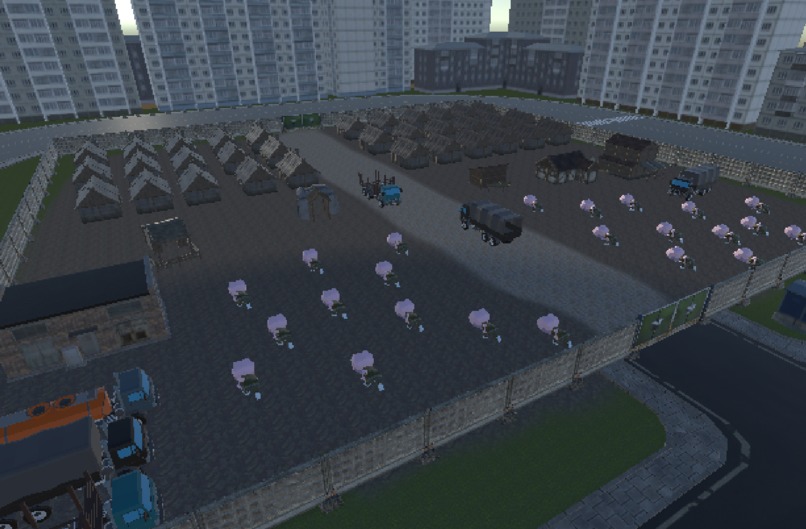
The communist win ending scene
-
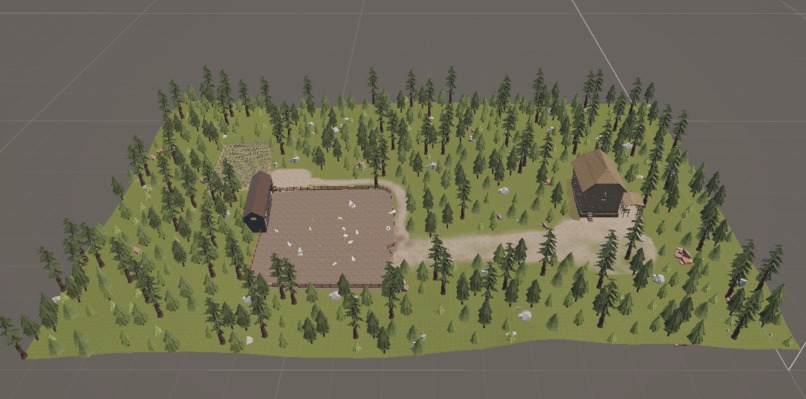
The main game map
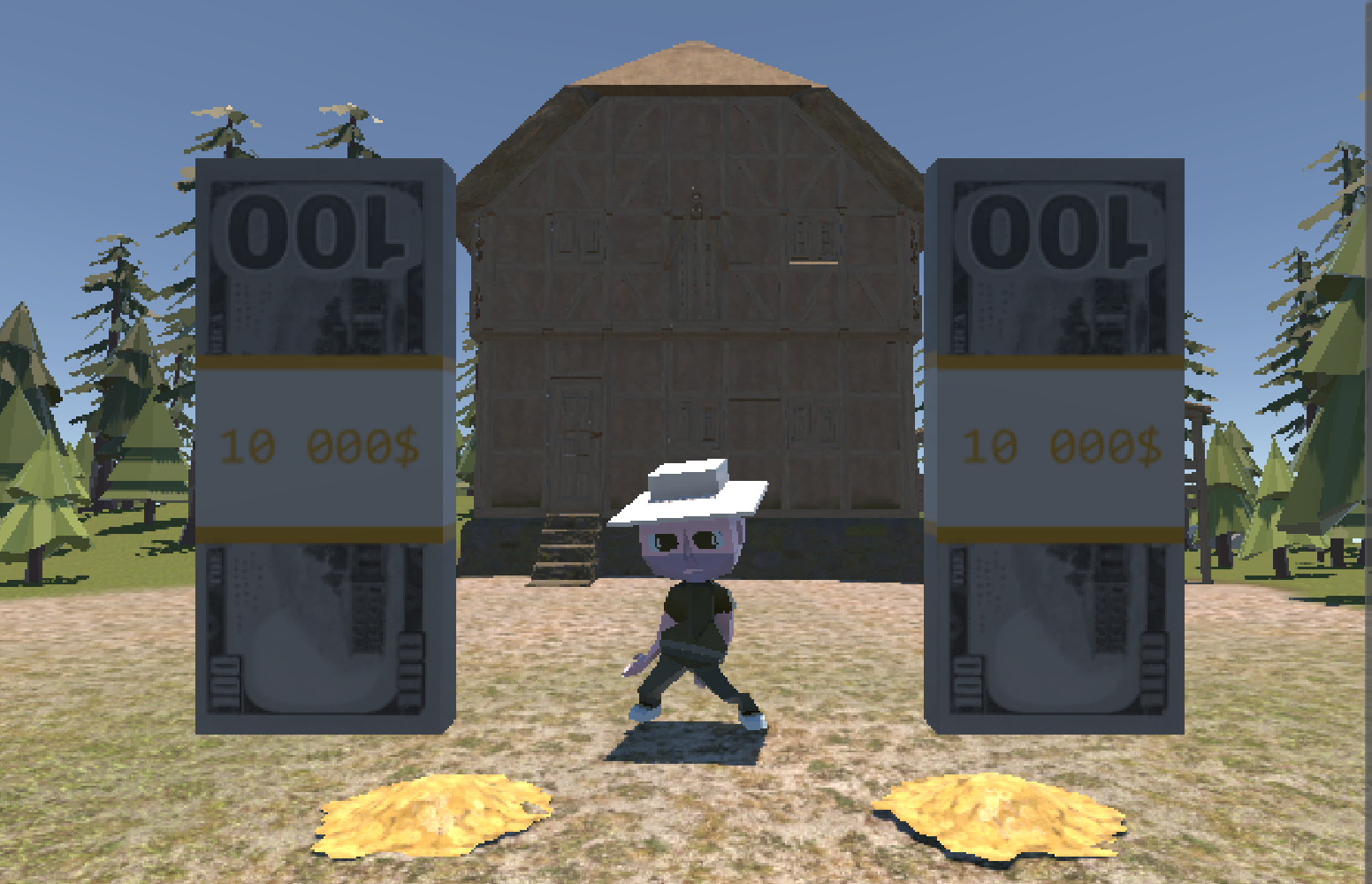
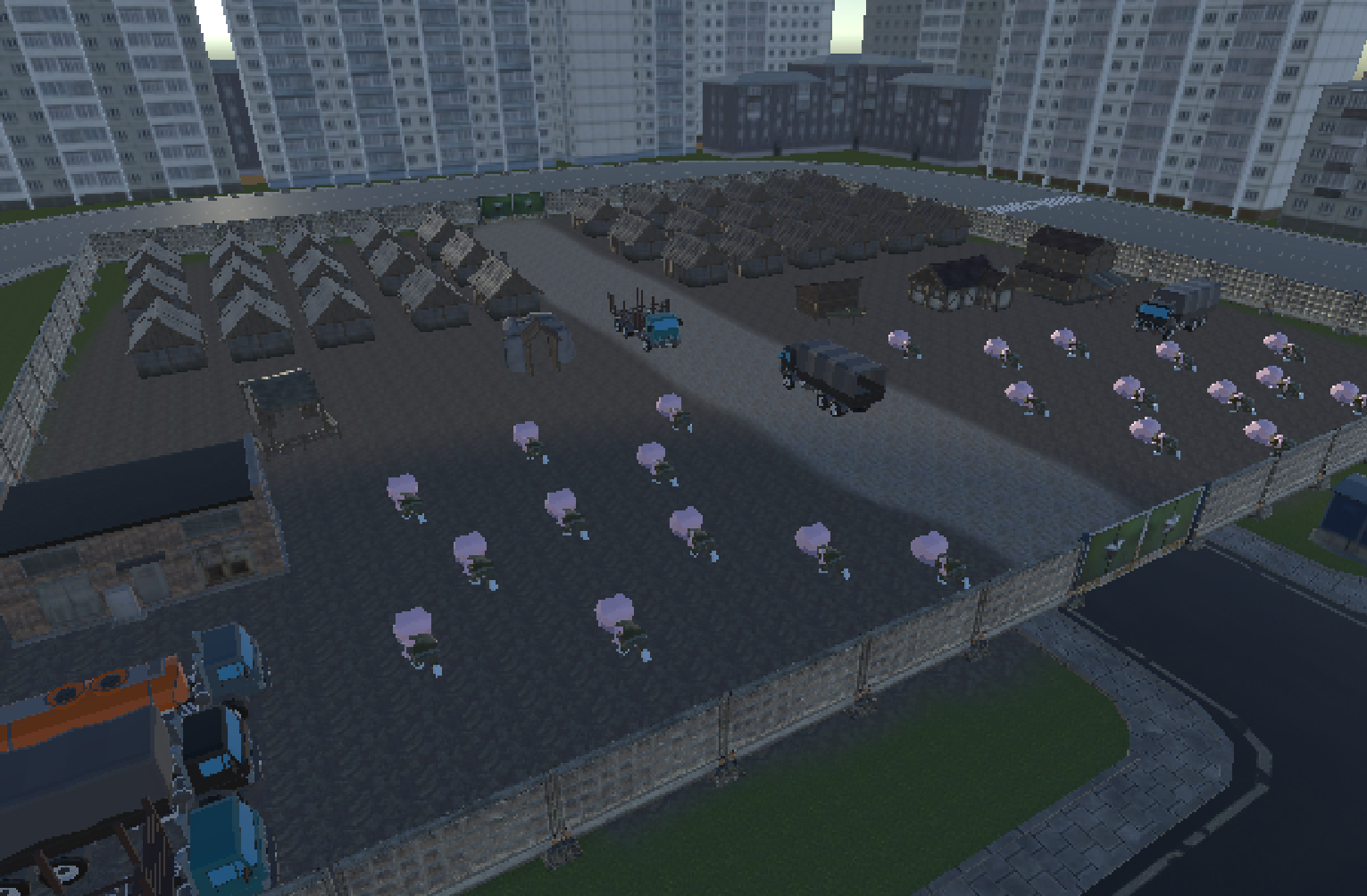
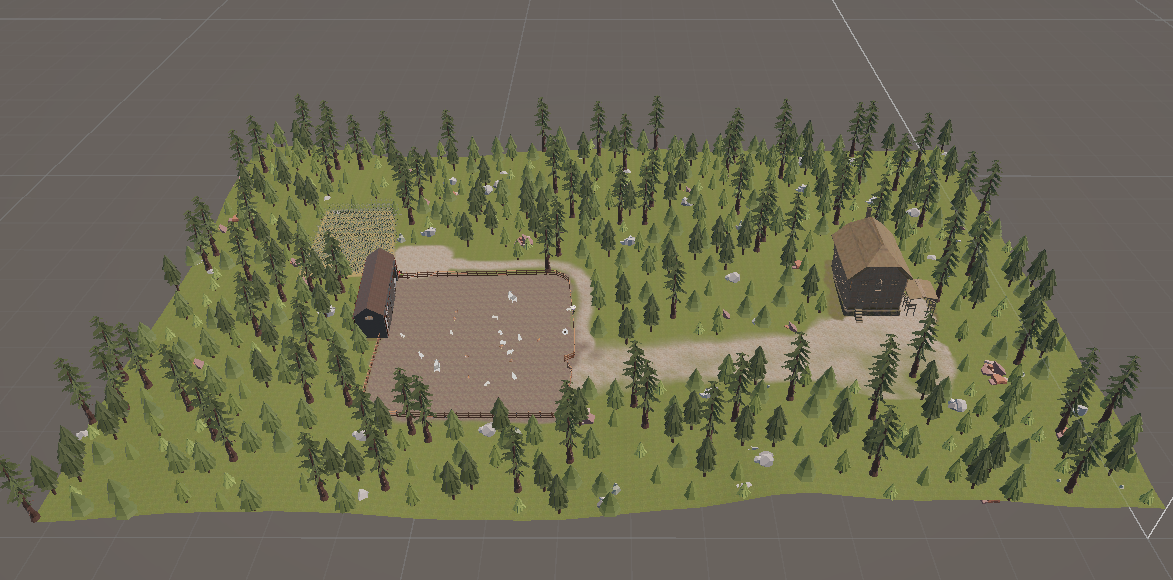
How to run
Click the google drive link and then download the entire build folder. After extracting, run TigerHacks.exe.
Inspiration
Animal Farm takes inspiration from party games such as, Among Us, Lethal Company, and Oh Deer, among others. We wanted to develop a game that was just as fun, but also pushed the genre further.
What it does
Animal Farm is a four-player game where one player plays as a capitalist farmer and the others play as communist animals. The communist animals are trying to run up the Uprising Meter by planting traps, taunting the farmer, and spreading propaganda, all while keeping their cover in the sea of regular animals. The capitalist farmer is trying to keep the Uprising Meter down to prevent the communist revolution by completing tasks like feeding the animals and finding the communist animals. The communist animals can win by maxing out the Uprising Meter and then killing the capitalist farmer, and the capitalist farmer can win by keeping the Uprising Meter down and killing all of the communist animals.
How we built it
We built "Animal Farm" in Unity using C#, combining Unity’s prebuilt assets to construct an immersive world with custom scripts to control gameplay mechanics. This approach allowed us to quickly establish the game’s environment while tailoring the player experience to align with our unique concept.
Challenges we ran into
Our team faced challenges during the development of the game "Animal Farm" when having multiple members editing the same scene in Unity. Scenes in Unity will change values differently across implementations, leading to inconsistency across commits. This made it difficult to maintain multiple versions of the project, resulting in us planning out the work for each scene and completing it one at a time so it didn't conflict.
Accomplishments that we're proud of
Jacob: Setting up the player and NPC controllers as well as developing Raycast gun mechanics.
Daniel: Getting the final ending scenes for when either the capitalist farmer wins or the communist animals win.
Henry: We planned on having different sun mechanics based on the progress of the revolution. There were implementations where the sun would get bigger if the farmer was loosing to the animals, where it would follow the farmer around no matter where they looked on the screen, and where the day-night cycle would increase causing the sun to orbit fast around the world.
Kendra: Setting up how interactions would happen with the players and different objects. This required working with Raycast from the player's camera and maintaining scripts related to the player looking at different objects and determining if they were interactable.
What we learned
This project was the first time our entire team worked with Unity. Two of us, as computer science majors, had minimal prior experience in game development, and the other two team members, from non-CS backgrounds, were also new to Unity.
Through our work in Unity, we gained hands-on experience in scene management, asset integration, and scripting with C# to manage complex interactions. We also learned how to collaborate effectively in a shared development environment, troubleshoot game logic, and utilize Unity’s physics engine and animation tools. This project greatly strengthened our technical skills and teamwork in game development.
What's next for Animal Farm
The next steps for Animal Farm involve implementing full multiplayer functionality, allowing players to connect seamlessly and engage in real-time competition. We'll focus on integrating networking solutions in Unity to ensure smooth gameplay across different devices, refining game mechanics to balance online interactions, and enhancing player communication. This update will expand the game’s reach and immerse players in an interactive, multiplayer farm takeover.


Log in or sign up for Devpost to join the conversation.