-
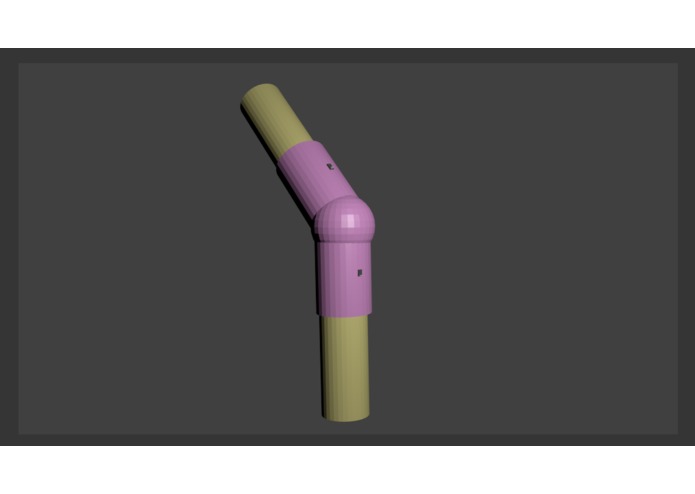
Model 1
-
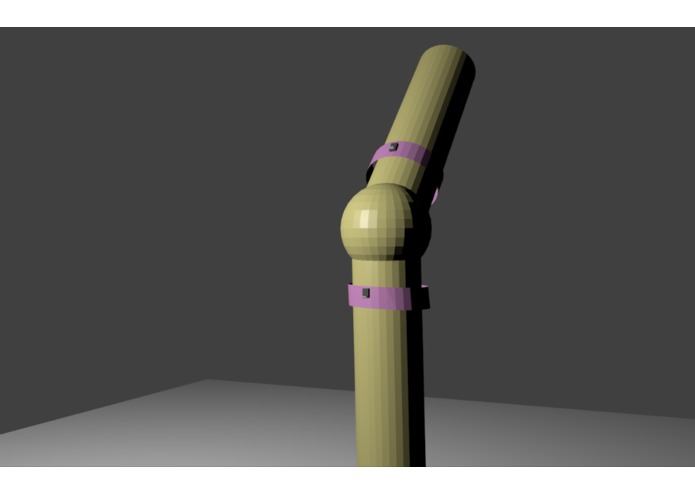
Model 2
Inspiration
At the moment it is quite difficult to measure the rehabilitation progress of those who have undergone some sort of joint surgery. We thought it might be useful to be able to track daily progress of joint flexibility with accessible tool rather than having to go to the hospital. So we wanted to take advantage of accelerometers and Arduino to make that possible. Also this seemed to be the idea we had where all of our teammates had something to contribute.
What it does
The project was originally meant to have a wearable component with 2 accelerometers that connect to an Arduino, which sends data to an android app. The accelerometers are used to measure the maximum angle a joint can stretch, and the rotation of one relative to the other. But we could not achieve that, as the vast majority of the time was spent figuring out how to connect 2 accelerometers to one Arduino.
How we built it / Challenges
The biggest challenge was clearly connecting 2 accelerometers with the Arduino. Our idea was to use transistors to acts as switches between accelerometers, which was quite a bit more difficult than we originally thought. At points we doubted if this was even feasible. We were able to accomplish that but after that we did not make much progress. We wanted to make the Arduino communicate with a java application instead of a phone but we could not finish. So what our Arduino sketch does now is calculate the maximum angle a joint can bend in one trial.
Accomplishments that we're proud of
We think this idea tries to solve a problem for which there is no easy widespread fix available. It solves a common problem in a way that's not too invasive to the wearer nor too costly to distribute on a large scale. Also we are proud of that fact that the entire team kept working on it till the end. We also learned more about how to effectively divide labor, and work with others who are having problems.
What we learned
- Transistors are magic.
- You often need to redistribute work on the fly when others have issues. Even if you don't necessarily have the skills, there are many things you can do to make teammates' lives easier.
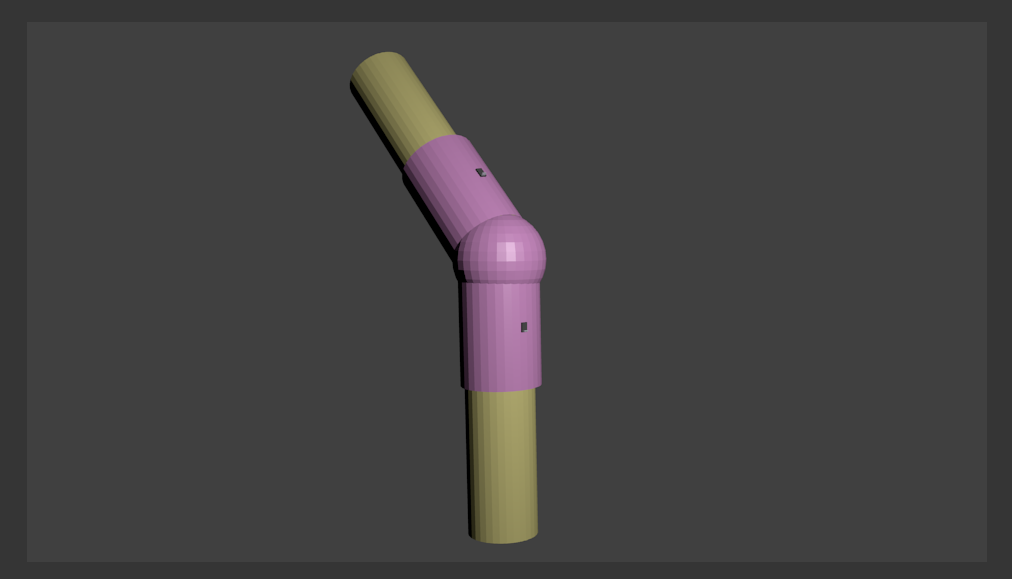
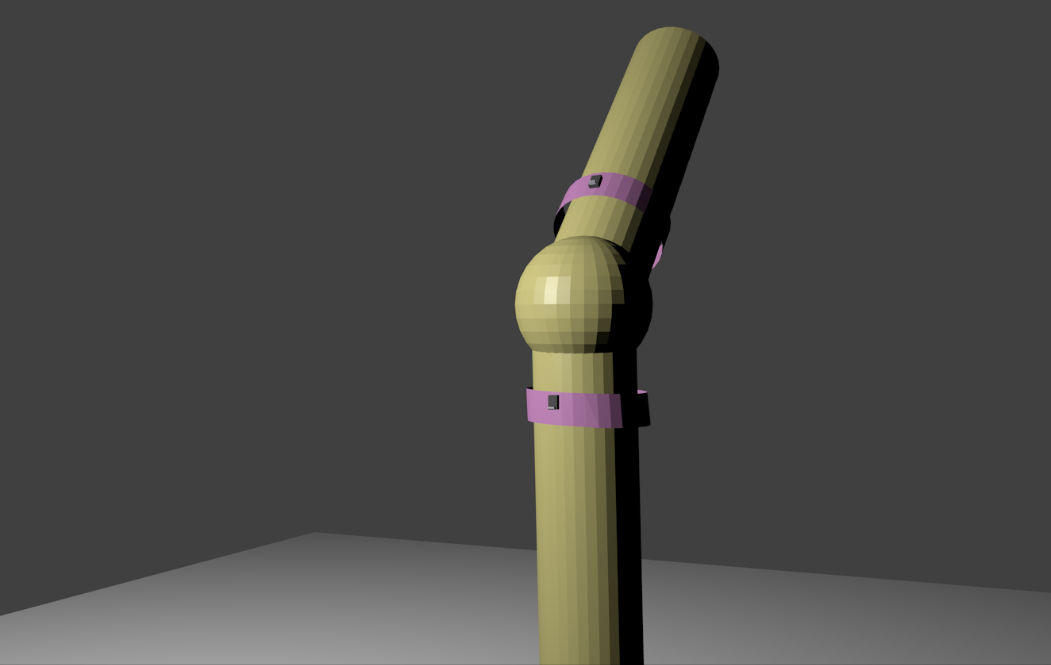
- Building a 3D model is a great way to explain a concept to those new to it.
What's next for Angular Mobility Tracking with Arduino
Rather than just working with appendage joints, such as knees, elbows, etc., this technology could be adapted to work with hip mobility or more complex movements. This technology can be scaled up from one joint to the whole upper body for those who need it.

Log in or sign up for Devpost to join the conversation.