Inspiration
I've been fishing twice, but both times were with a friend who's spent his whole life fishing. The reason I haven't gone since isn't because I don't enjoy fishing, it's because the laws and regulations around fishing seem daunting as a beginner.
What it does
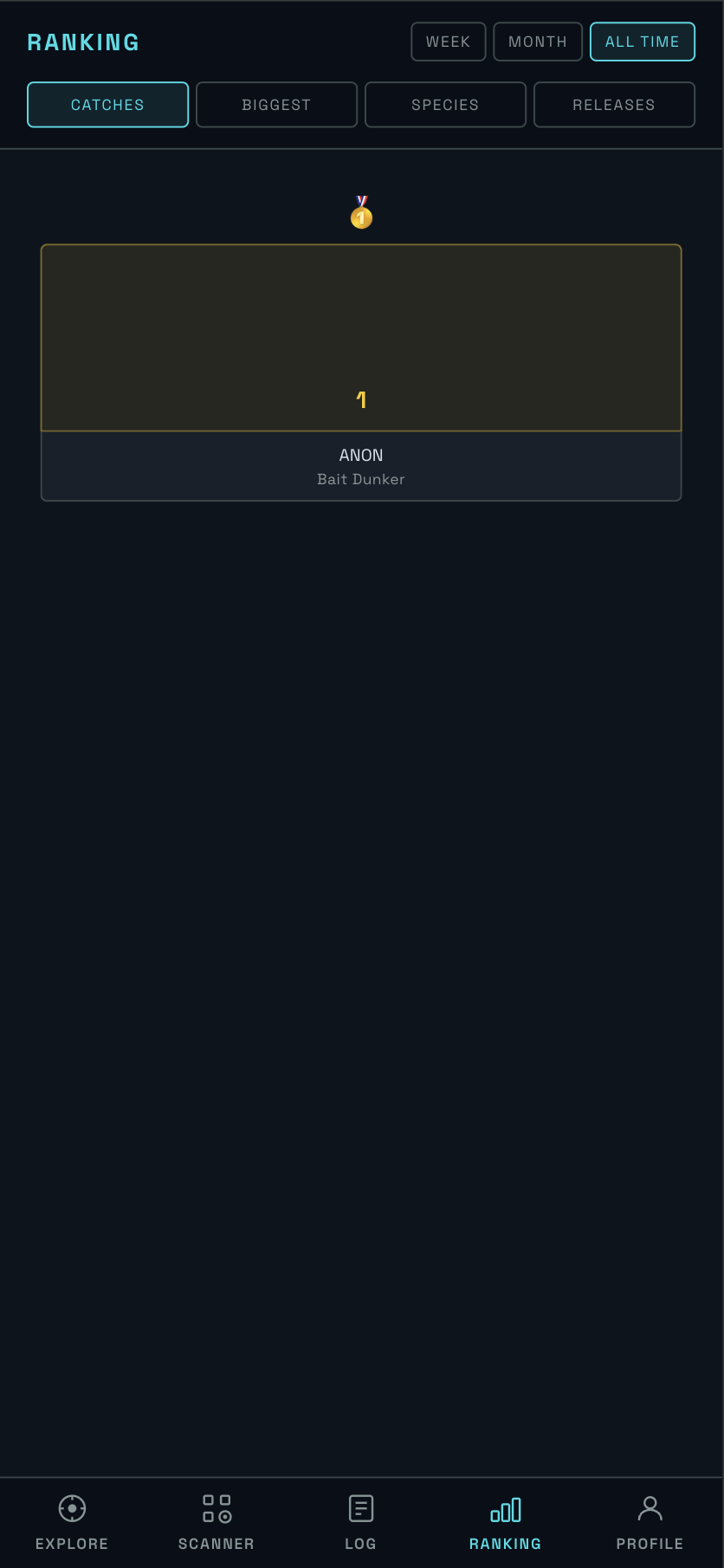
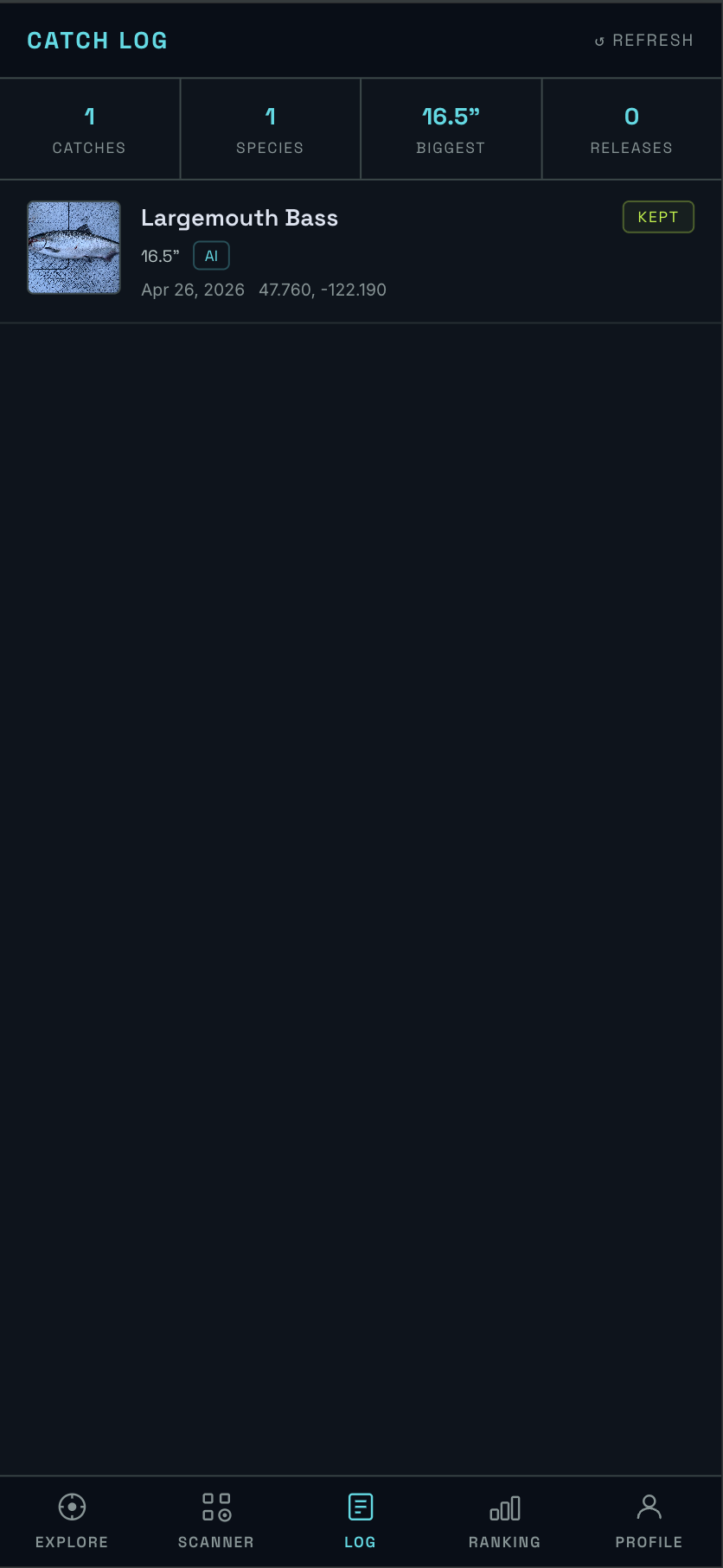
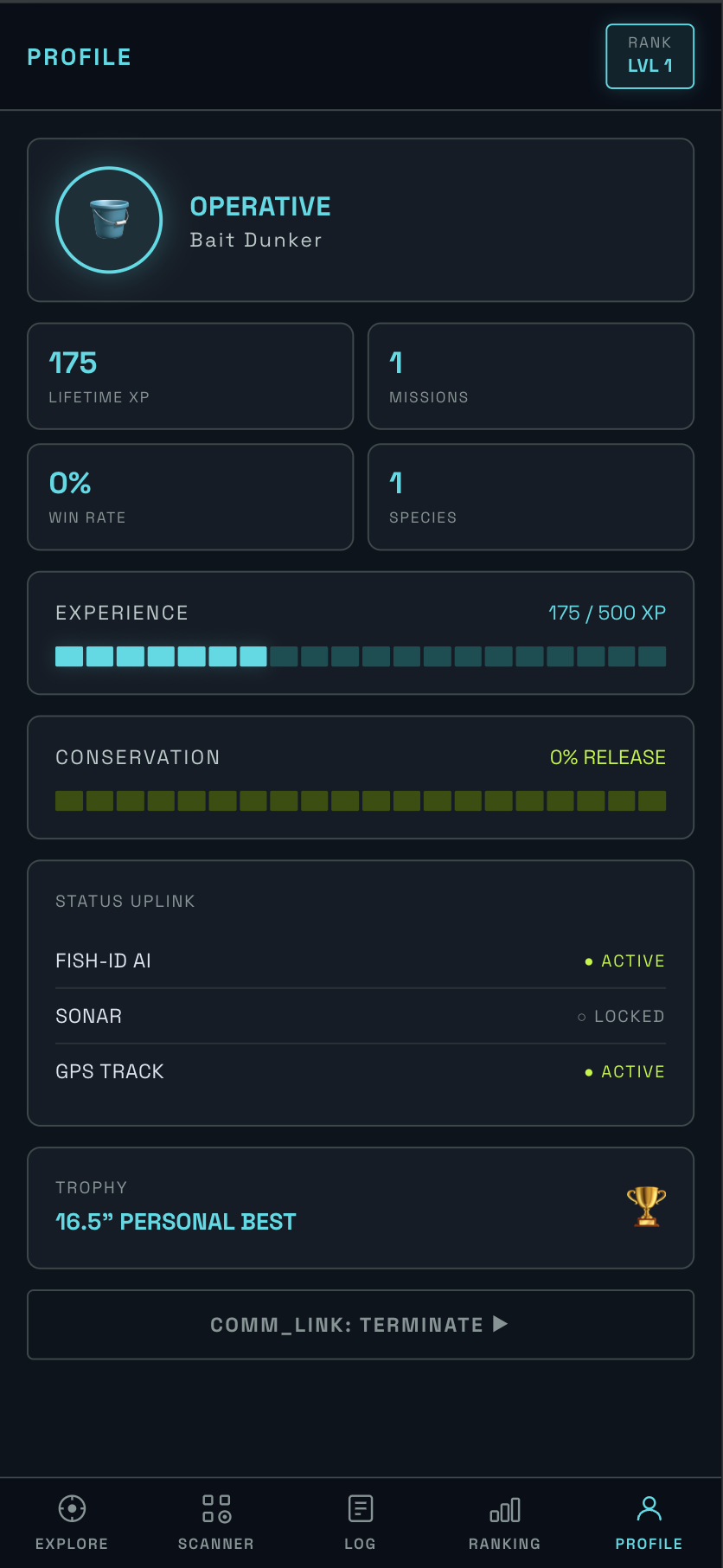
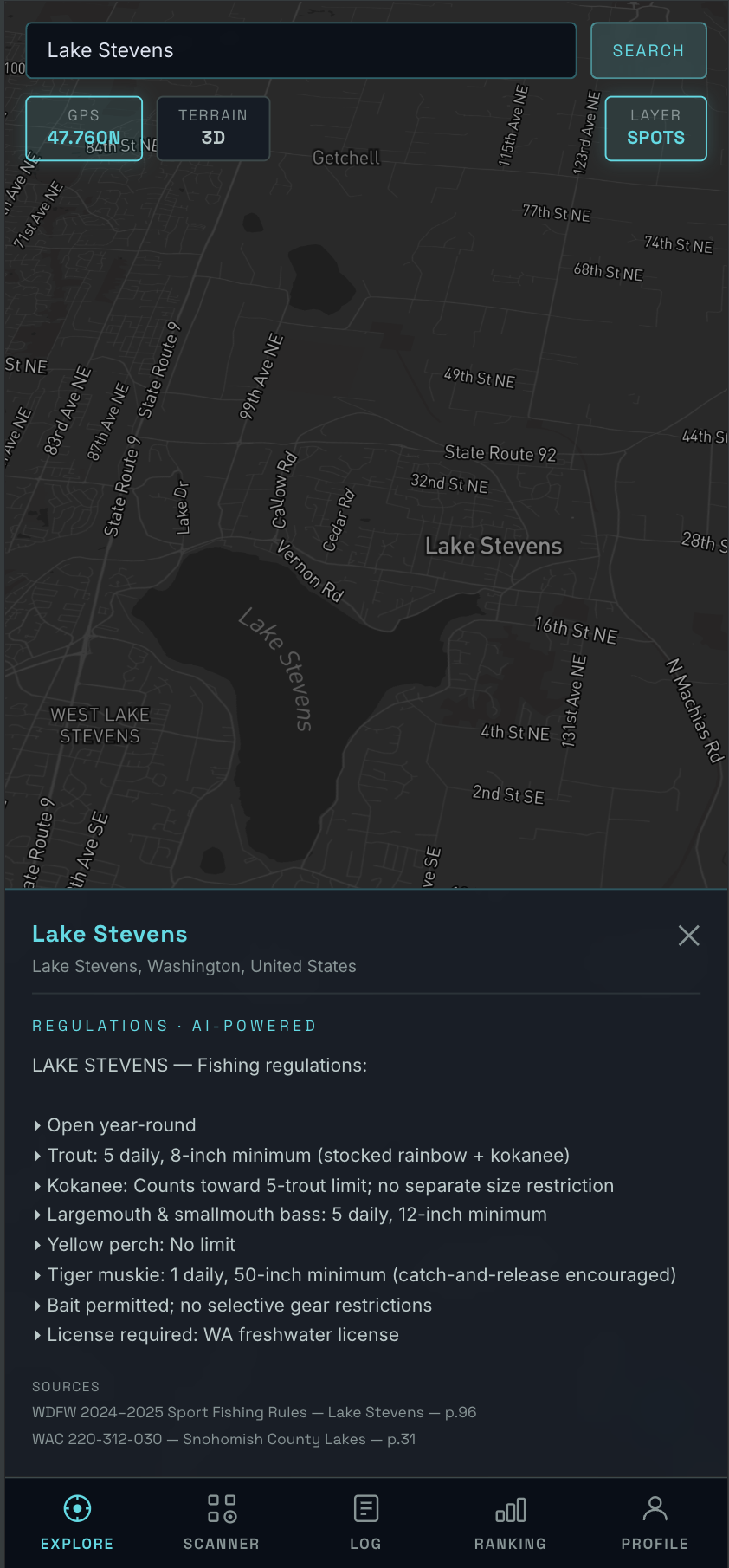
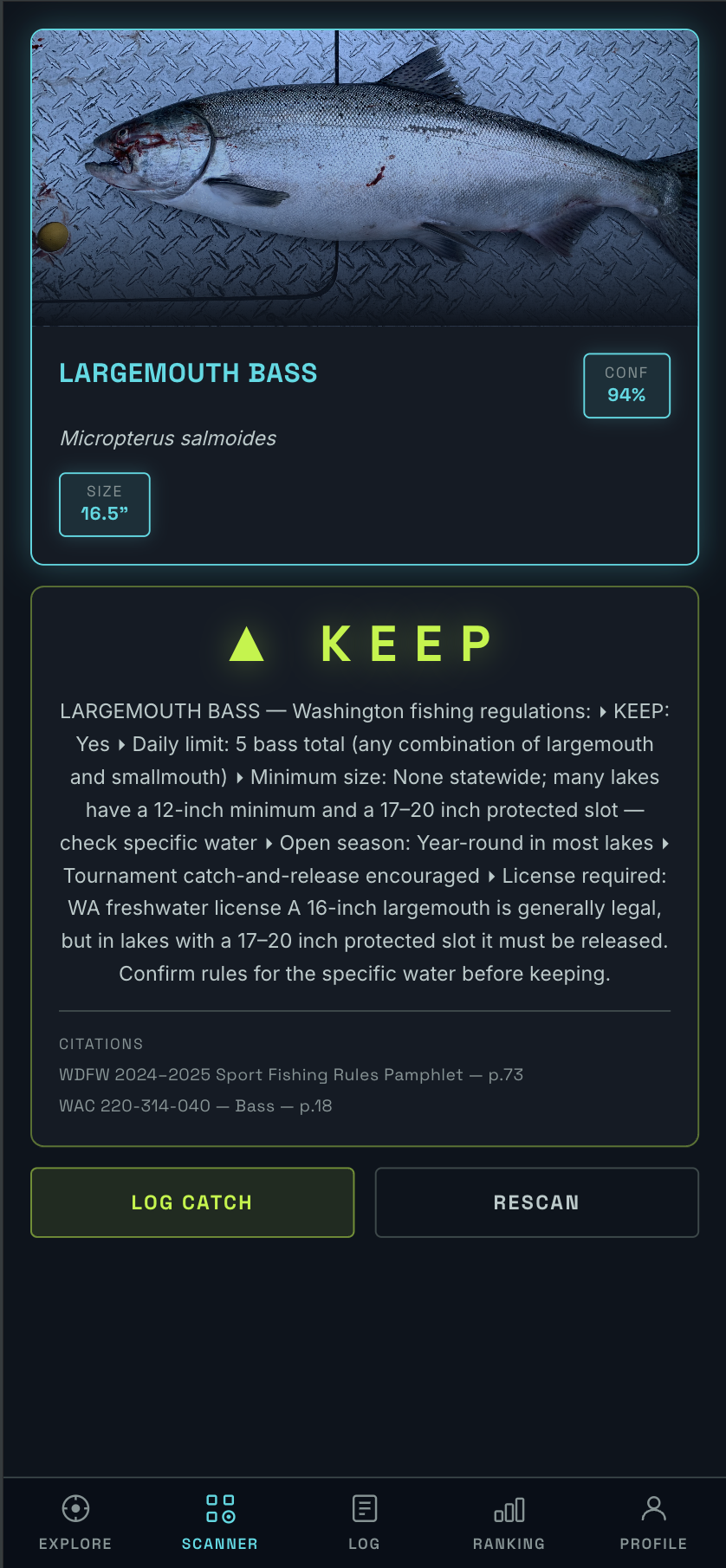
Angler is an AI-powered fishing companion that removes the biggest barrier for beginner fishermen — not knowing the rules. Snap a photo of your catch and Angler instantly identifies the species, checks it against live WDFW fishing regulations for your location, and gives you a plain-English keep or release verdict with the exact legal citation. It also shows a 3D interactive map of nearby fishing spots, logs your catches, and lets you compete on a community leaderboard with an XP-based ranking system.
How we built it
We built a multi-agent pipeline using LangGraph and LangChain. One agent handles fish identification using Claude Vision, a second agent RAGs over WDFW fishing regulation PDFs using Gemini 2.0 Flash to answer legality questions, and a third populates the map with fishing spots from public stocking data. The backend runs on FastAPI hosted on DigitalOcean with a PostgreSQL database. Authentication is handled by Auth0 and the frontend is a React PWA with Mapbox GL JS for the 3D map.
Challenges we ran into
Getting the multi-agent pipeline to return accurate, cited regulation answers was harder than expected — fishing laws vary by river, season, and species in ways that require careful RAG chunking. We also navigated React Native to PWA mid-hackathon when native build cycles were slowing us down, and solved several dependency conflicts between RNMapbox and React Native's New Architecture.
Accomplishments that we're proud of
The keep/release verdict pipeline works end to end — a real fish photo produces a real legal answer with a citation to the source regulation. The tactical HUD design aesthetic makes the app feel like a serious tool rather than a generic hackathon project.
What we learned
LangGraph is powerful but requires careful state management across agents. Expo's EAS build pipeline has a steep learning curve for native modules. RAG quality depends heavily on how you chunk and embed source documents — regulation PDFs required custom chunking logic to preserve context across sections.
What's next for Angler
Expanding regulations coverage to all 50 states, adding tide and water temperature data to the map, and building a community catch verification system where experienced anglers help train the fish ID model.
Built With
- alembic
- anthropic
- auth0
- chromadb
- claude
- digitalocean
- digitalocean-spaces
- docker
- docker-compose
- fastapi
- gemma
- langchain
- langgraph
- mapbox
- postgresql
- pwa
- pydantic
- python
- react
- sqlalchemy
- tailwindcss
- typescript
- usgs
- vertex-ai
- vite
- wdfw


Log in or sign up for Devpost to join the conversation.