-
-
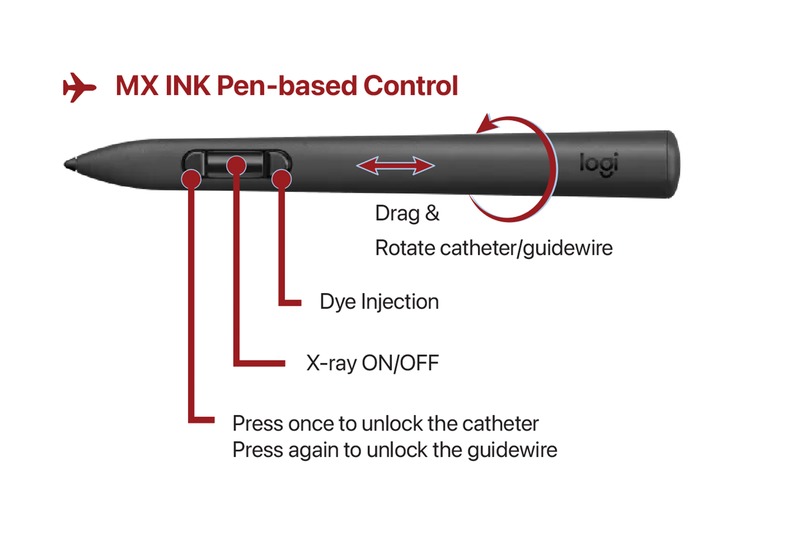
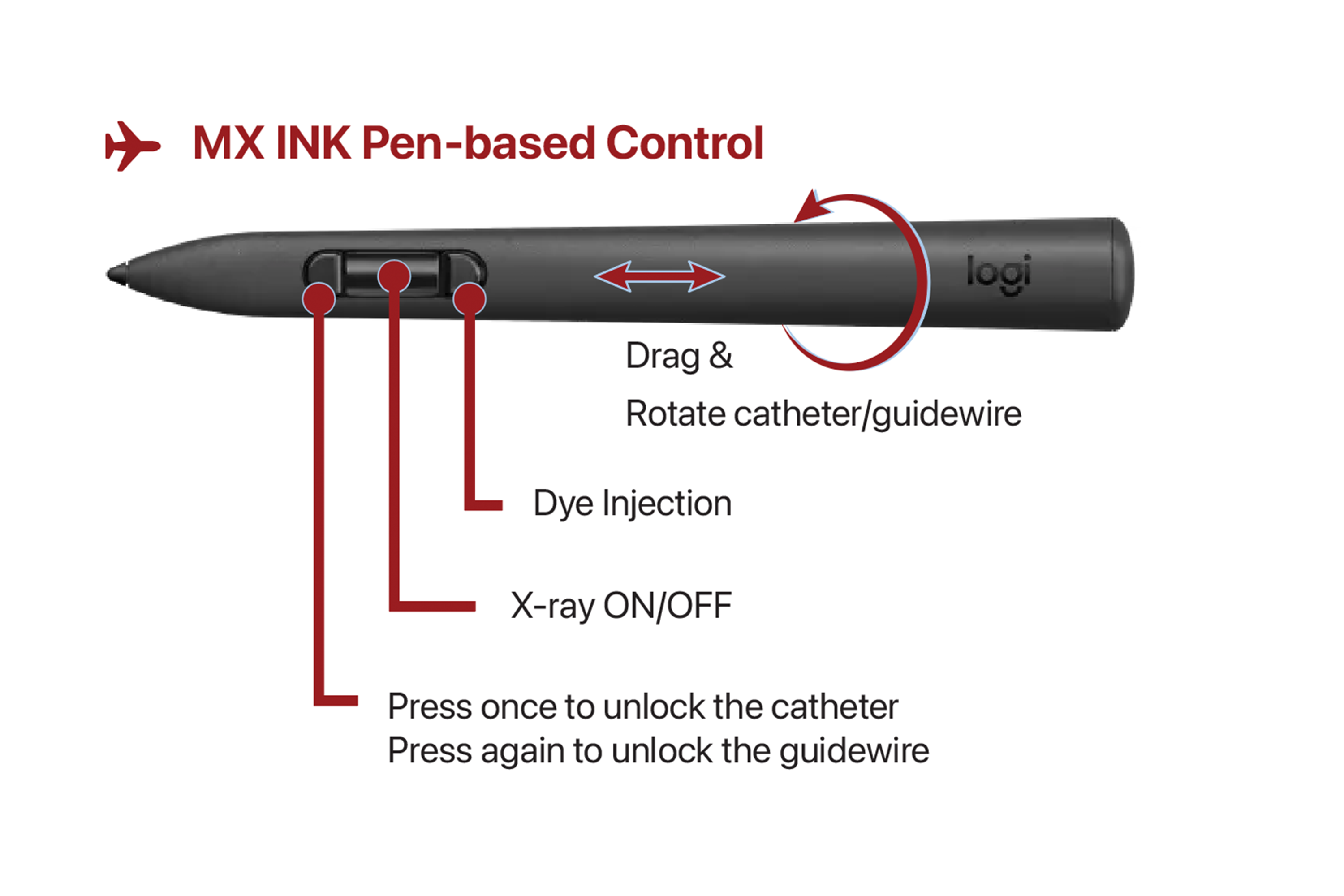
MX ink pen based control guide
-
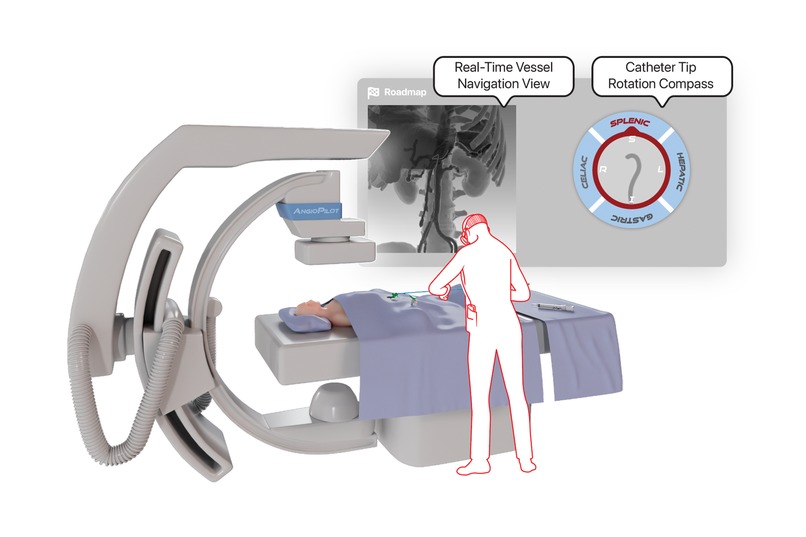
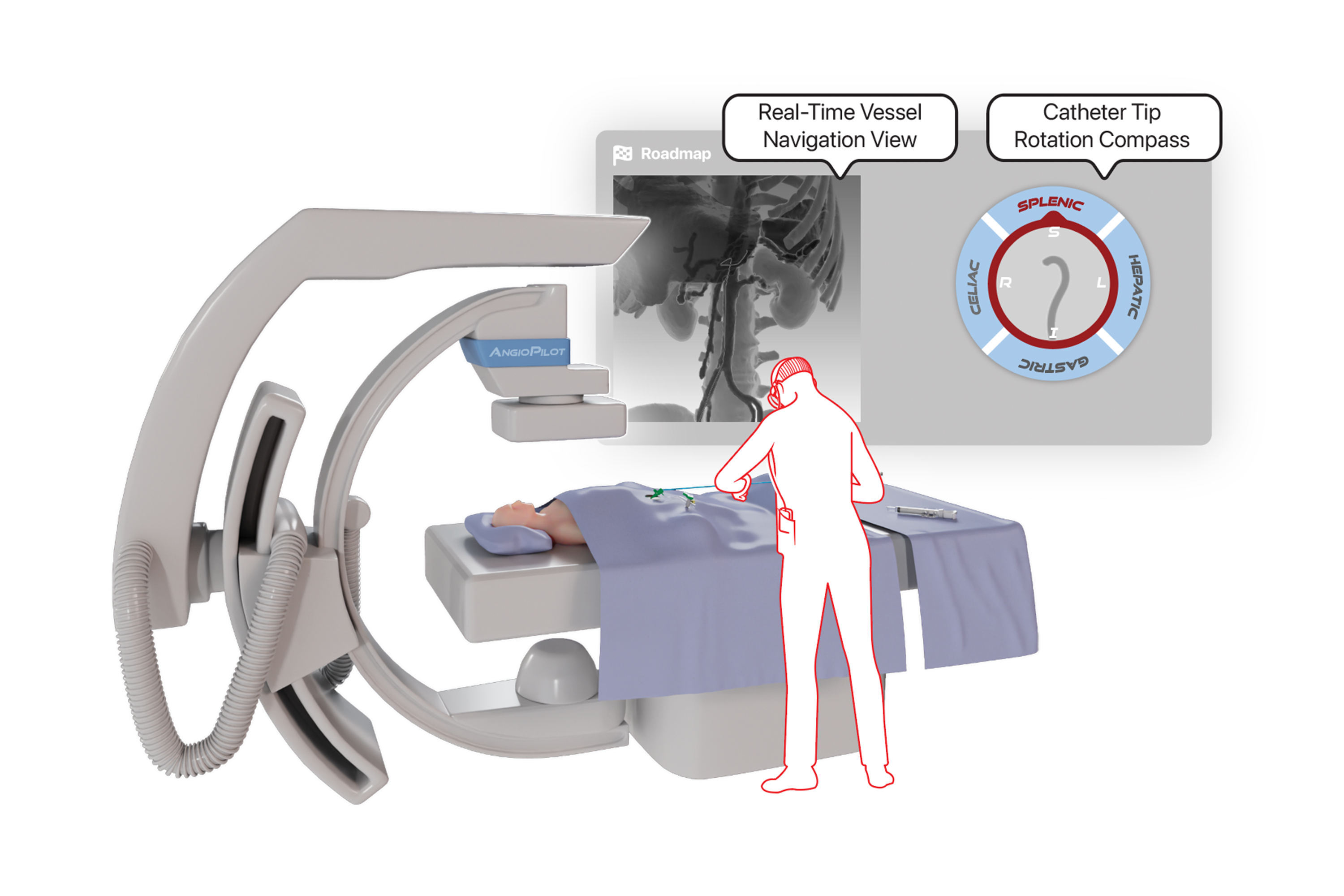
Concept sketch
-
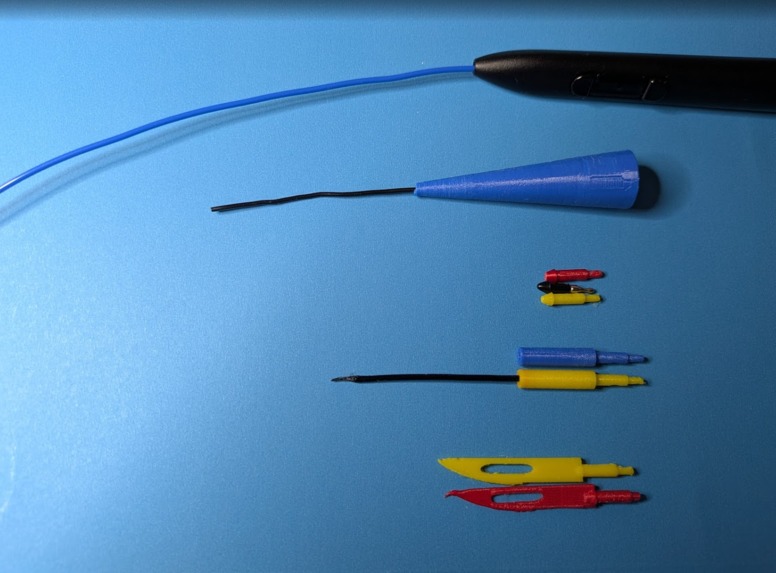
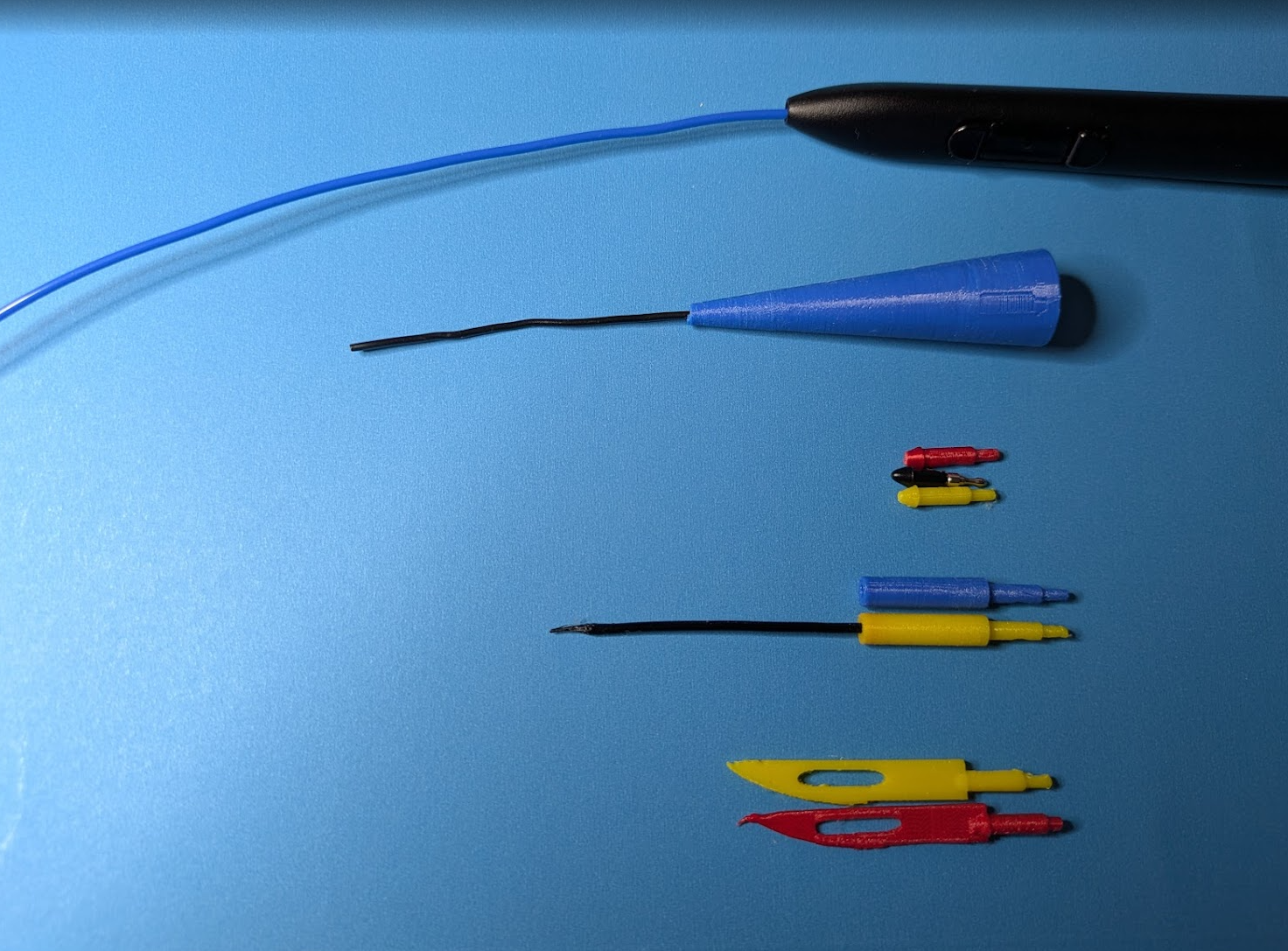
3D-printed attachments for enhanced immersive simulation
-
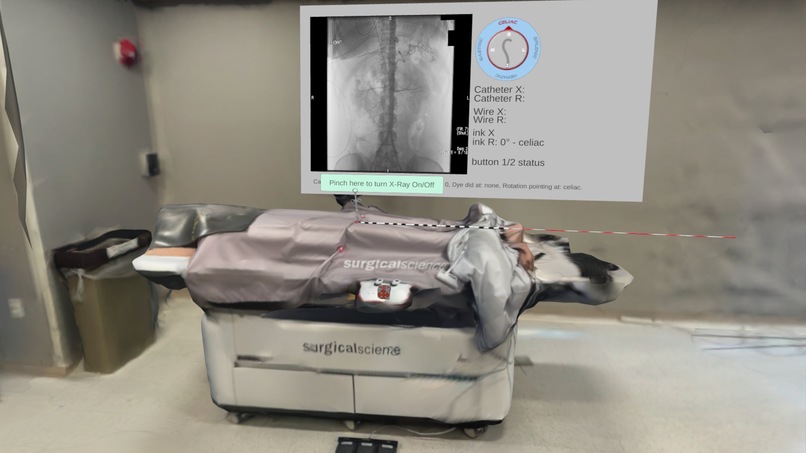
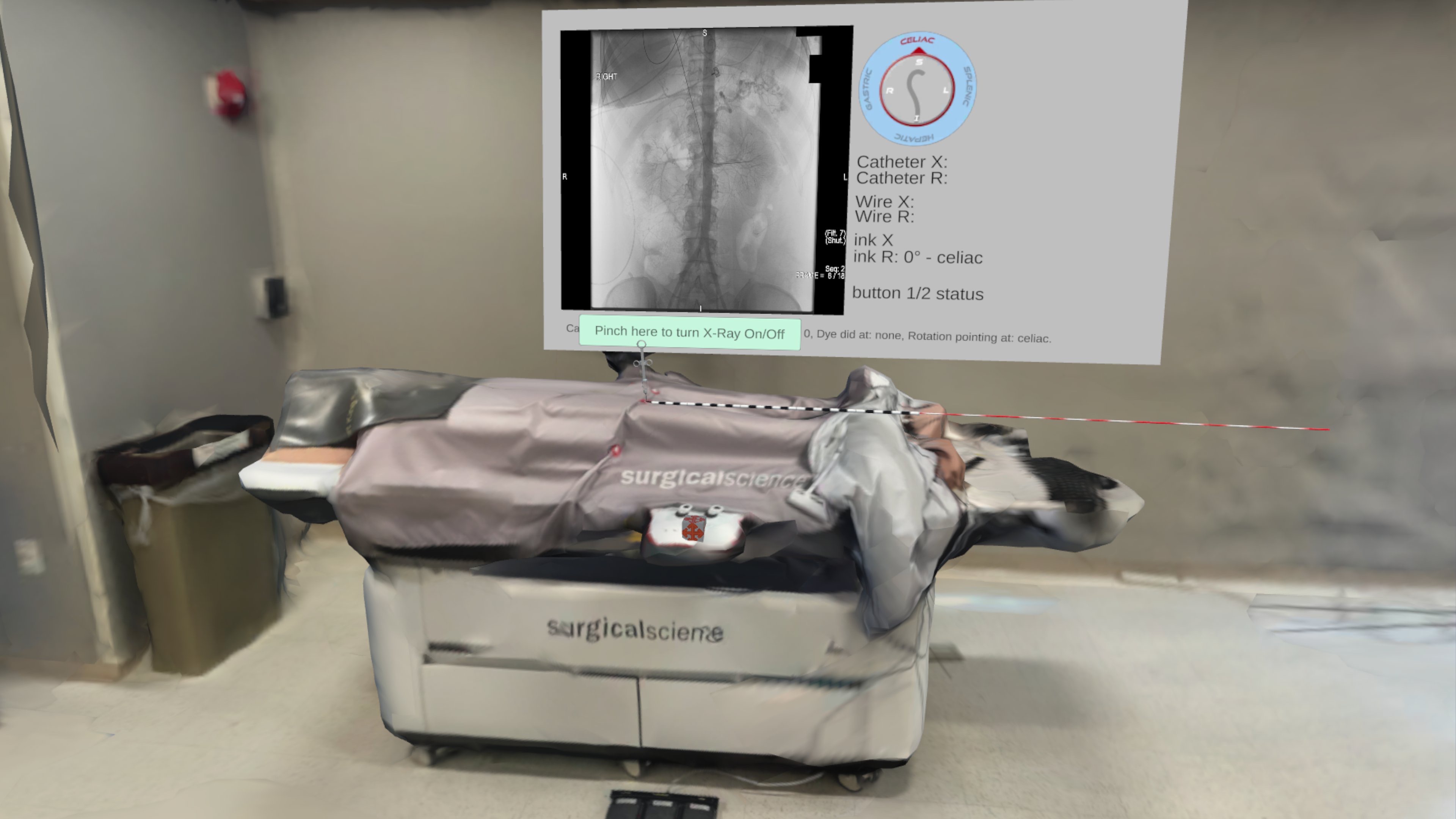
Virtual Training Space
Inspiration
Our team works closely with clinicians, designing and developing interactive media to enhance simulation, training, and education. Through these collaborations, one critical need became clear. Vascular catheterization is a foundational yet technically demanding procedure that requires:
- Precise wire and catheter manipulation
- Deep spatial understanding of vascular anatomy
- Real-time imaging interpretation
- Rapid clinical decision-making
These skills are not intuitive, and they are built through repetition. Despite its importance:
- Simulation lab access is limited
- Practice opportunities depend on clinical case availability
- Residents often have minimal time for repeated hands-on rehearsal
- Existing digital simulations lack realistic spatial interaction and tactile feedback
This clear gap between the complexity of vascular procedures and the availability of realistic, repeatable training inspired AngioPilot.
What it does
AngioPilot is a XR-based training application that enables:
- Self-directed learning anytime, anywhere
- Real-time clinical decision-making practice
- Risk-free repetition without reliance on simulation labs
AngioPilot simulates the complete vascular catheterization workflow, including:
- Femoral artery access through selective catheterization to embolic deployment
- Navigation within complex vascular anatomy
- Critical decision-making guided by real-time angiographic feedback
Through Angiopilot, learners develop:
- X-ray image interpretation skills
- Fine control of wires and catheters
- Procedural confidence and technical readiness
How we built it
- The virtual environment was reconstructed using 360° photographs of an actual radiology training room to ensure spatial realism and familiarity.
- We track the horizontal position and rotational movement of the wire and catheter in real time. Travel distance and rotational degree are visualized through a 3D procedural model, numerical performance values, and dynamic updates within the X-ray interface. As the user manipulates the 3D wire or catheter through hand or stylus, all visual and numerical indicators update instantly.
- A pre-rendered image sequence of wire and catheter movement is synchronized with the user’s push, pull, and rotational actions, creating realistic procedural feedback.
- Contrast injection enhances vessel visibility within the X-ray view, replicating real-world angiographic workflow.
- X-ray activation time is recorded to reflect radiation exposure duration. Every user interaction is captured and can be translated into measurable performance metrics.
Challenges we ran into
We are actively evolving AngioPilot from an interactive simulation experience into a structured performance-based training platform. The current version responds dynamically to user interaction, but to maximize its educational value:
- A structured grading and scoring system must be implemented
- Learning objectives need formal validation by clinicians
- Assessment criteria should align with real-world procedural competencies
- Scenario scope must be narrowed to focused clinical cases to deepen skill mastery
Accomplishments that we're proud of
- A balance between realistic real-time angiographic views and intuitive navigation UI, including catheter tip rotation visualization
- Logitech MX Ink functions as a precision catheter controller, delivering tactile feedback and replacing abstract hand tracking with purposeful instrument control
- Custom 3D-printed extensions replicate real catheter and wire handling, enhancing immersive training
- A reusable, scalable, and zero-risk procedural training platform
What we learned
- Tactile augmentation increases perceived realism
- XR can lower psychological barriers to repeated procedural rehearsal
- Measurable metrics are essential for educational credibility
What's next for Angiopilot
- Implement a validated scoring system aligned with clinical competencies
- Expand the case library to include multiple trauma variations and greater anatomical diversity
- Launch a subscription-based licensing model structured per procedure
- Establish partnerships with hospitals and academic training programs

Log in or sign up for Devpost to join the conversation.