Inspiration
Anedolia was born from a desire to challenge myself creatively and explore themes that are deeply human but often left unspoken. The open nature of the hackathon encouraged experimentation and personal expression.
The game draws inspiration from mental health, introspection, and the emotional weight of everyday adult life. It explores the quiet melancholy that can emerge from routine, while ultimately aiming to deliver a hopeful message: even small moments of awareness can restore meaning and color to our lives.
What it does
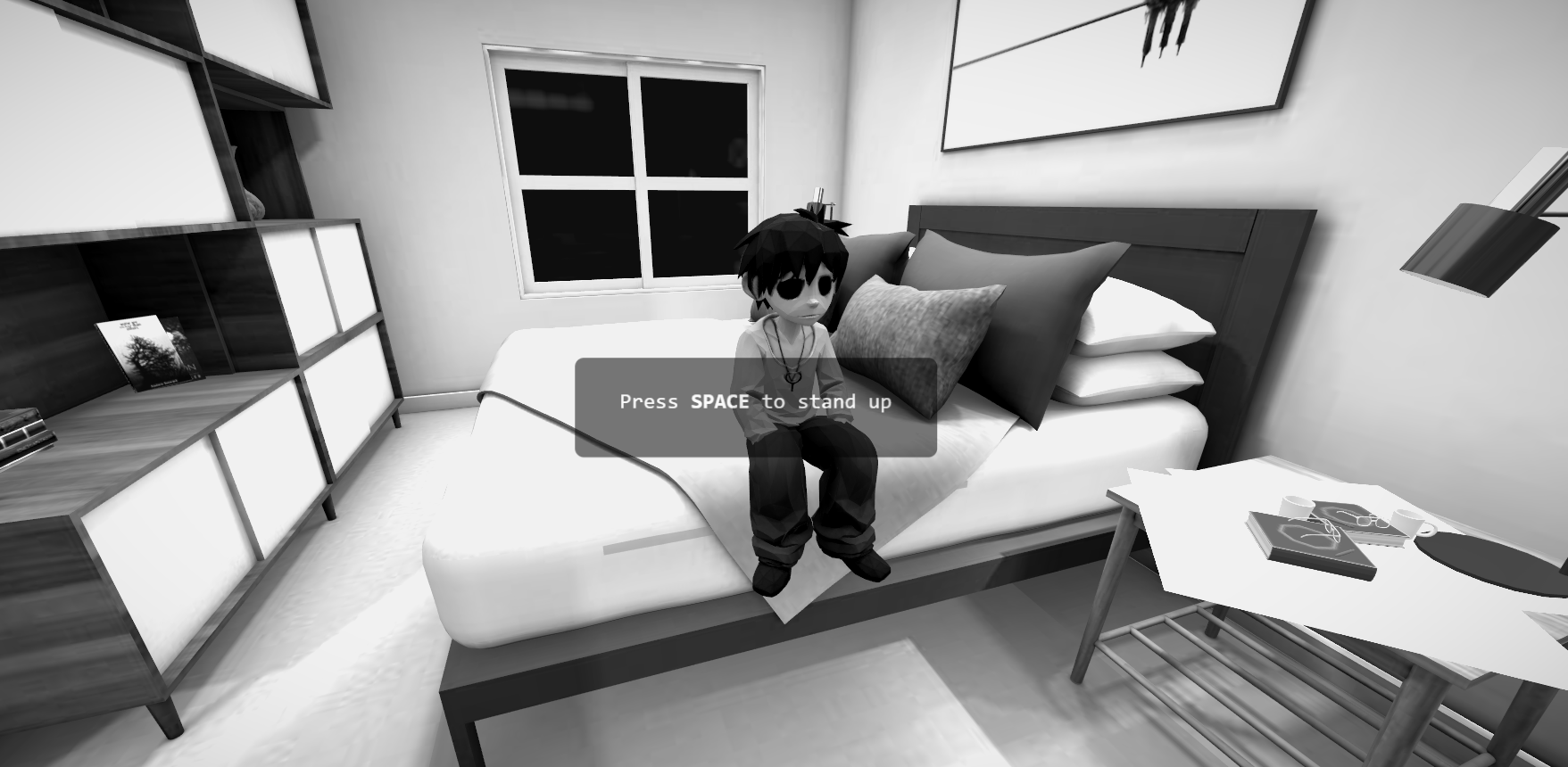
Anedolia is a web-based narrative experience that invites players to reflect on their relationship with routine, emotional numbness, and personal awareness.
Through interaction and atmosphere, the game symbolizes the feeling of living on "autopilot" — when days blur together and life begins to feel gray. It encourages players to recognize how small, intentional actions can restore presence, meaning, and emotional connection.
How we built it
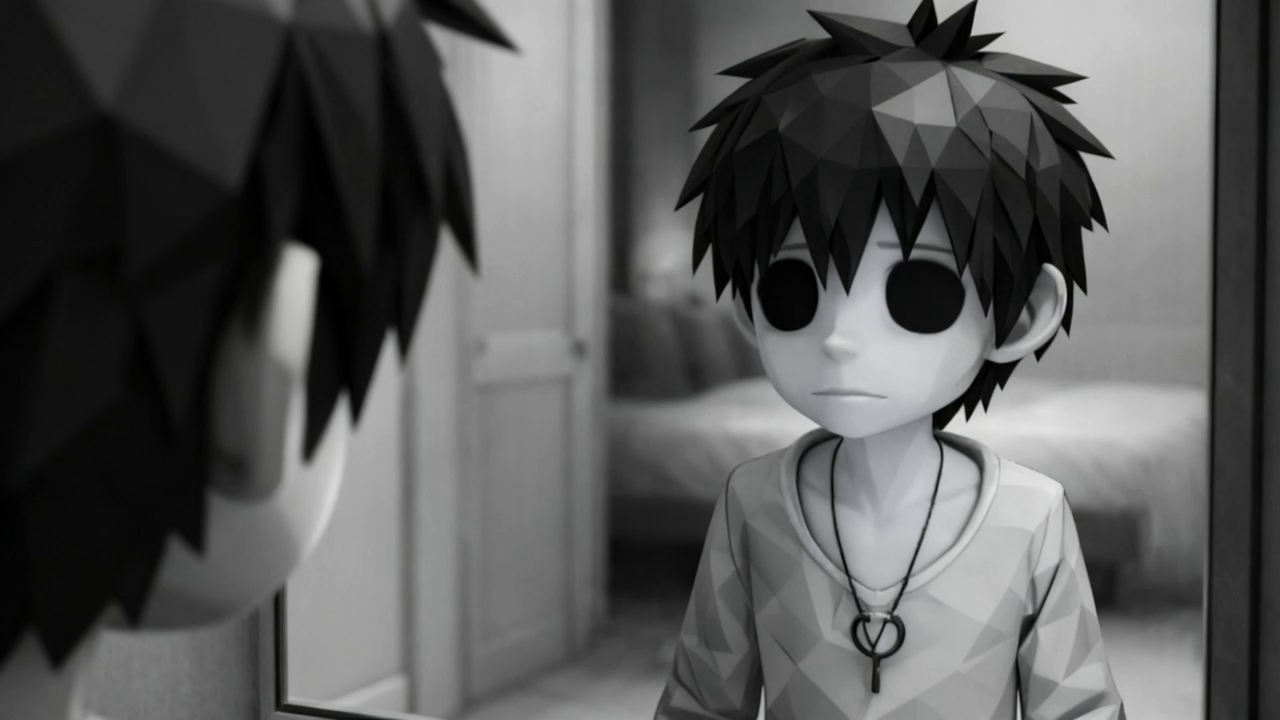
Due to the short timeframe, development required fast iteration and decisive choices. The process began with visual prototyping in Blender, where I designed and modeled the main character. The character’s empty eyes were a deliberate artistic choice, representing overthinking, emotional detachment, and internal silence.
The game was implemented as a web application using Next.js and WebGL-based rendering techniques, inspired by interactive web experiences such as this website. This allowed the project to remain accessible while preserving an immersive atmosphere.
Physics and collisions are handled by @react-three/rapier, with a capsule collider for the player and trimesh colliders for the environment. The third-person camera combines mouse-controlled rotation with smooth lerp-based following, dynamically switching between player tracking and object focus during interactions.
A key feature is the integration with Google Gemini API, which generates unique poetic descriptions for interactive objects. The system sends structured prompts requesting introspective texts that align with the game's themes. Responses are parsed from CSV format and displayed alongside images, with pre-written fallbacks ensuring continuity if the API is unavailable.
AI-Generated Narrative with Google Gemini: A core feature of Anedolia is its integration with the Google Gemini API (gemini-3-pro-preview, gemini-3-flash-preview and gemini-2.5-flashl) for dynamic narrative generation. Here's how it works:
API Configuration: The game uses a server-side Next.js API route (/api/gemini-route) to securely handle Gemini API calls, keeping the API key protected.
Structured Prompt: On game load, the system sends a carefully crafted prompt to Gemini requesting poetic, introspective descriptions for five interactive objects (books, coffee machine, mirror, plant, painting). The prompt instructs the model to:
- Generate melancholic yet hopeful reflections
- Return responses in CSV format (object, text)
- Align with themes of routine, emotional numbness, and rediscovery
- Keep descriptions between 15-25 words
Response Processing: The API returns a CSV string that is parsed and mapped to each object.
This integration transforms static environmental storytelling into a personalized narrative experience, with Gemini acting as a co-creator of the game's emotional atmosphere.
Visual Progression:
The color restoration system uses custom post-processing effects that transition the world from grayscale to color as players interact with meaningful objects, creating a powerful visual metaphor for emotional awakening.
The game flows through three stages: narrative intro → wake-up sequence → exploration gameplay, with state management handled through React hooks and Zustand. All systems were optimized for 60fps performance across modern browsers.
Challenges we ran into
As this was my first complete game project, every stage presented new challenges — from character design and visual identity to implementing physics logic, collision systems, and camera behavior.
The limited timeframe added additional pressure, requiring constant problem-solving and prioritization to deliver a complete experience.
Accomplishments that we're proud of
One of the accomplishments I am most proud of is bringing the character to life — from initial concept to full 3D model and implementation. Translating an emotional concept into a visual form was both technically and artistically demanding.
I also successfully implemented core gameplay systems, including physics interactions and camera control, overcoming numerous technical obstacles along the way.
What we learned
This project deepened my understanding of game development fundamentals, especially matrix transformations, spatial reasoning, and interactive system design.
More importantly, I learned how to translate emotional and abstract ideas into interactive experiences, balancing technical execution with artistic intent.
What's next for Anedolia
Anedolia will continue to evolve beyond the hackathon. Future plans include refining the narrative, improving visual polish, expanding interactions, and strengthening the emotional journey.
The goal is to transform Anedolia into a more complete and meaningful interactive experience.
Built With
- gemini3
- next.js
- three.js
- vercel

Log in or sign up for Devpost to join the conversation.