-
-
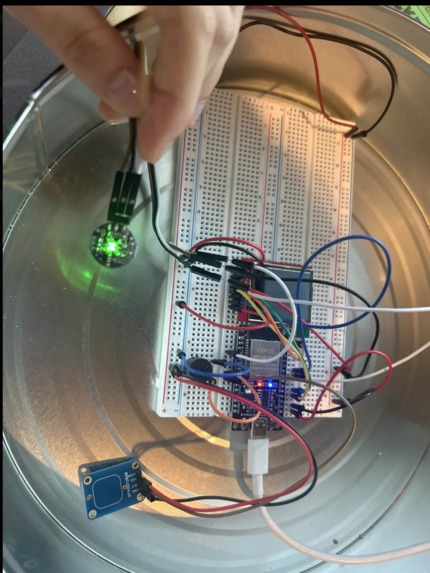
hardware (arduino)
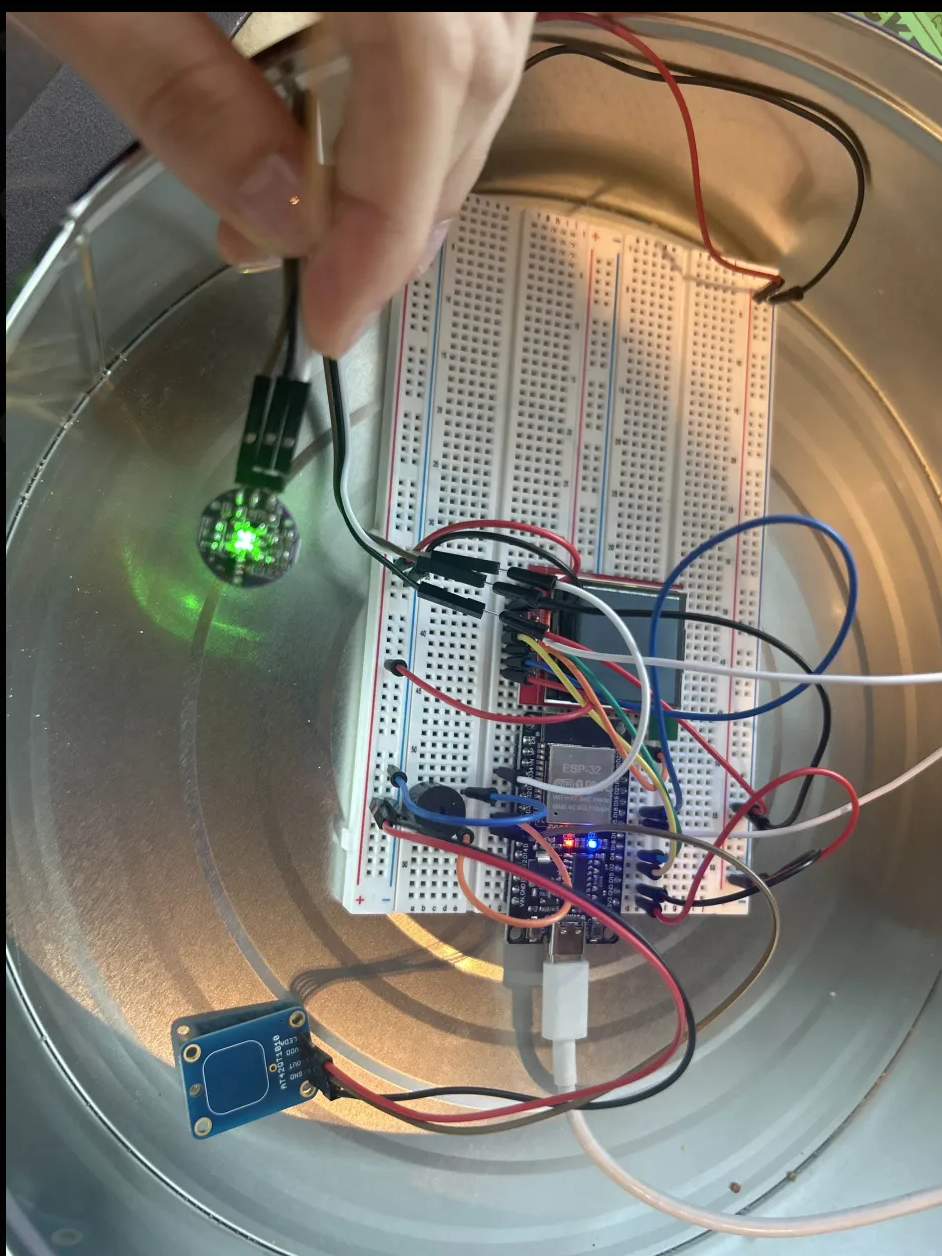
Inspiration
Panic attacks are sudden episodes of intense fear or discomfort that can peak within minutes, often accompanied by physical symptoms such as a racing heart, dizziness, and shortness of breath. Although they can feel life-threatening and are frequently mistaken for heart attacks, panic attacks are not physically dangerous. They affect roughly 1 in 10 adults each year and are commonly associated with anxiety disorders, PTSD, OCD, phobias, and other mental health conditions.
As college students, stress and anxiety are part of our daily reality. Many of us have experienced moments where panic feels overwhelming and isolating. We wanted to create something that could gently intervene during those moments — something that doesn’t overwhelm, but instead helps ground the user. This question led us to Anchor: a customizable support device designed to help people feel safe and supported during panic attacks.
What It Does
Anchor is a wearable support bracelet paired with a mobile app that helps users manage panic attacks in real time.
The bracelet detects physiological signals such as rapid heart rate and responds by activating personalized calming features. Users can choose how Anchor supports them, whether that’s through gentle vibrations, calming sounds or music, guided grounding exercises, or automatically contacting a trusted person for help.
To reduce cognitive overload during moments of distress, the app can temporarily disable phone notifications and prevent doomscrolling. Users can log and reflect on their panic attack symptoms within the app, helping them better understand their patterns over time. Anchor also includes a disabled mode that can automatically switch back to panic mode if heightened heart activity is detected, ensuring support is never fully turned off when it’s needed most.
How We Built It
We built Anchor using a combination of hardware and software tools. The bracelet prototype was developed using Arduino and ESP32 microcontrollers, while the mobile app was created using React Native. We designed the user interface and experience in Figma and implemented supporting features using HTML, CSS, and JavaScript.
Challenges We Ran Into
One of the biggest challenges we faced was team communication. At times, responsibilities were unclear, and the lack of a designated leader led to confusion about task ownership. This caused delays and moments where work was unevenly distributed.
Accomplishments We’re Proud Of
We’re proud that we tackled an issue that is deeply personal and meaningful to us. Creating Anchor allowed us to turn shared experiences of stress and anxiety into a tangible solution. As students who understand these struggles firsthand, building something that could genuinely help others made this project especially rewarding.
What We Learned
This project reinforced the importance of clear communication, collaboration, and shared responsibility within a team. We learned the value of dividing work evenly, asking for help when needed, and listening to one another rather than taking on everything individually.
What’s Next for Anchor
Moving forward, we hope to test Anchor with more users and collect data to better understand panic attack patterns and symptoms. This would allow us to refine and personalize our support methods even further. In the future, Anchor has the potential to expand beyond panic attacks and support individuals with other anxiety-related disorders. We see this as a project that can grow alongside our community and continue to evolve to meet real mental health needs.

Log in or sign up for Devpost to join the conversation.