-
-

ANCHOR logo
-
Hardware Implementation
-
ANCHOR dashboard

Inspiration
We were inspired by the challenges vulnerable communities face during large-scale disasters, especially elderly and disabled individuals who may have a harder time recovering on their own. During Winter Storm Uri in Texas in February 2021, widespread power outages left millions of Texans without electricity, heat, or reliable access to essential services. Older adults were particularly vulnerable to the extreme cold and its consequences, making up the majority of confirmed storm-related deaths. While the outages affected people across the state, elderly and disabled individuals often faced greater challenges during the disaster and throughout recovery. We started thinking about what happens after a disaster, when someone's home is damaged, but they may not have the ability or resources to easily document it and navigate the insurance claims process. At the same time, State Farm agents can become overwhelmed by thousands of claims coming in at once, making it difficult to identify which situations need attention first. We wanted to create a way to make that process easier by capturing damage as it happens, with the homeowner's consent, and giving agents a clearer starting point to understand each situation. Ultimately, we asked ourselves: How do we make sure the people who need help most aren't overlooked?
What it does
ANCHOR connects a device in the customer’s home to a claims dashboard that State Farm agents can see.
- On the customer's side, ANCHOR receives raw data values for light and temperature. This prompts an automated voice connected to a laptop screen, which asks two questions: “We've detected a potential issue in your home. Would you like to report this issue to State Farm and begin preparing an insurance claim?” and “Would you consent to us taking a photograph of the affected area to include with your claim report?” With the customer’s consent, the photos are transferred to the dashboard.
- On the agent's side, if the customer chooses to file, our AI combines their information with the evidence photos and fills out the claim automatically. The AI then ranks each claim by severity, so the agents are able to see a prioritized queue.
How we built it
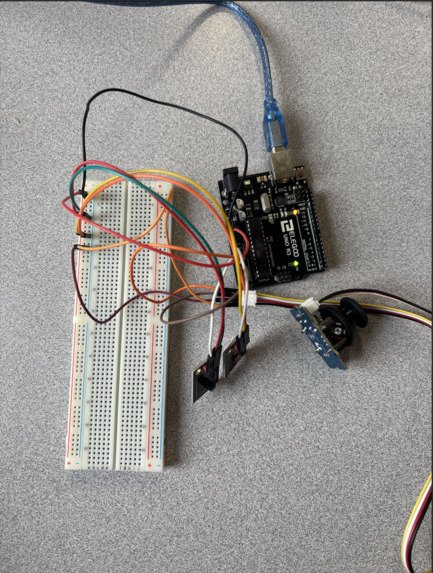
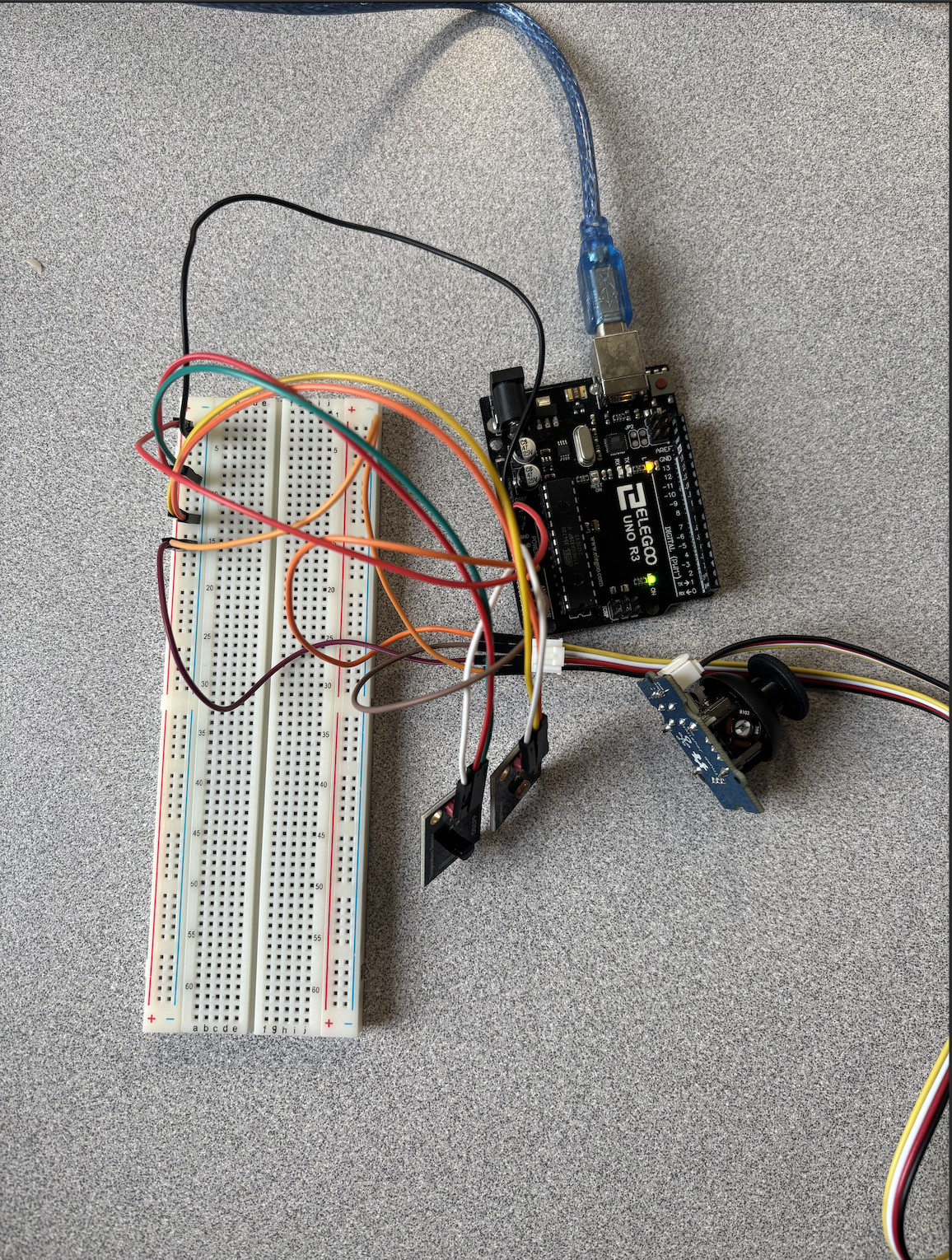
We built our project through three main components: a hardware device, an interface, and a website for insurance agents. On the hardware side, we used Arduino IDE to connect temperature and light sensors, a joystick, and a Logitech 1080p camera, then used Python in VS Code to recreate the experience on a laptop, where homeowners respond to prompts and give consent before any image is captured to simulate the physical home device. We designed the website in Canva, built it with React, and hosted it through GoDaddy so agents can view household data, uploaded images, and case information, with the Gemini API helping them understand the severity of damage for each situation. For our data infrastructure, we used Tiger Data to store every device reading in hypertables, and time_bucket let us calculate how long each household was without power and how many hours its temperature stayed below 55°F. Since Tiger Data is built on PostgreSQL, we also kept household information, call lists, claim drafts, and photos in the same database, along with a hash chain so agents can verify that records haven’t been altered. We hosted our FastAPI backend on Vultr so devices can securely send signed readings over HTTPS, and we used Vultr Serverless Inference to generate household summaries and initial claim drafts. Importantly, our call-list prioritization is rule-based rather than AI-generated, so the AI explains the ranking instead of deciding who gets priority.
Challenges we ran into
One of our biggest challenges was narrowing down how our solution could provide value to both State Farm and its customers. After speaking with State Farm representatives, we had to rethink our initial approach and better understand State Farm's role during a major disaster. We realized that State Farm is not a first responder, but instead plays a larger role in helping customers recover and navigate the claims process after a disaster. On the technical side, we faced several challenges, including spending nearly two hours troubleshooting an LCD that ultimately would not work. We pivoted and used our laptop for user input. We also challenged ourselves to connect the Logitech camera to our system and get that working with the joystick we had implemented. We also had to consider what information would actually be useful to a State Farm claims representative and how to present that information through our dashboard. Finally, bringing everything together required us to work through the integration of our hardware and software components.
Accomplishments that we're proud of
One of the things we are proud of is getting the camera up and running, transferring live data and damage photos with AI-generated descriptions to our website, and creating a more efficient experience for insurance agents by using AI to help sort through claims. Most importantly, we're proud of designing the system with people in mind, keeping AI as seamless as possible so that homeowners feel comfortable, supported, and reassured during a crisis. This also allows insurance agents to reach out to homeowners with the essential information already available, giving them more time to focus on the critical details of the claim.
Hardware
The Arduino reads the light sensor, temperature sensor, and joystick. It sends the values over USB to a Python bridge on a laptop. The bridge turns each reading into a signed message using a secret key that only that box has. Every reading also has a counter and a hash of the reading before it, which links them into a chain. The bridge sends the readings to our backend every few seconds. If the internet drops, it saves them and sends them later.
Backend
We built the backend with FastAPI and hosted it on a Vultr server at anchor4.us with HTTPS. Before saving anything, the backend checks the signature and makes sure the box is one we know and rejects any reading that was already sent. Rejected messages are logged so agents can see if someone tried to fake data.
Database
All readings are stored in Tiger Data. We use time_bucket queries to work out how long each home was without power and how many hours it stayed below 55 degrees. Households, contact status, claim drafts, and photos are stored in the same database. Agents can verify a household’s hash chain to check that its record was never changed.
Prioritizing households
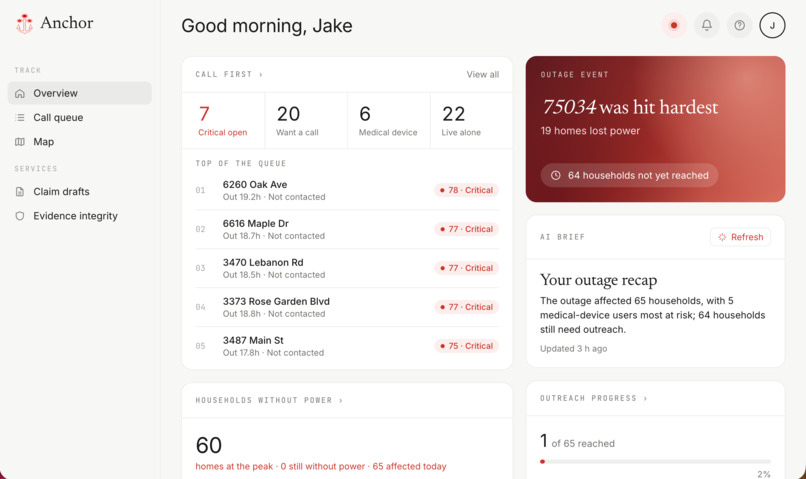
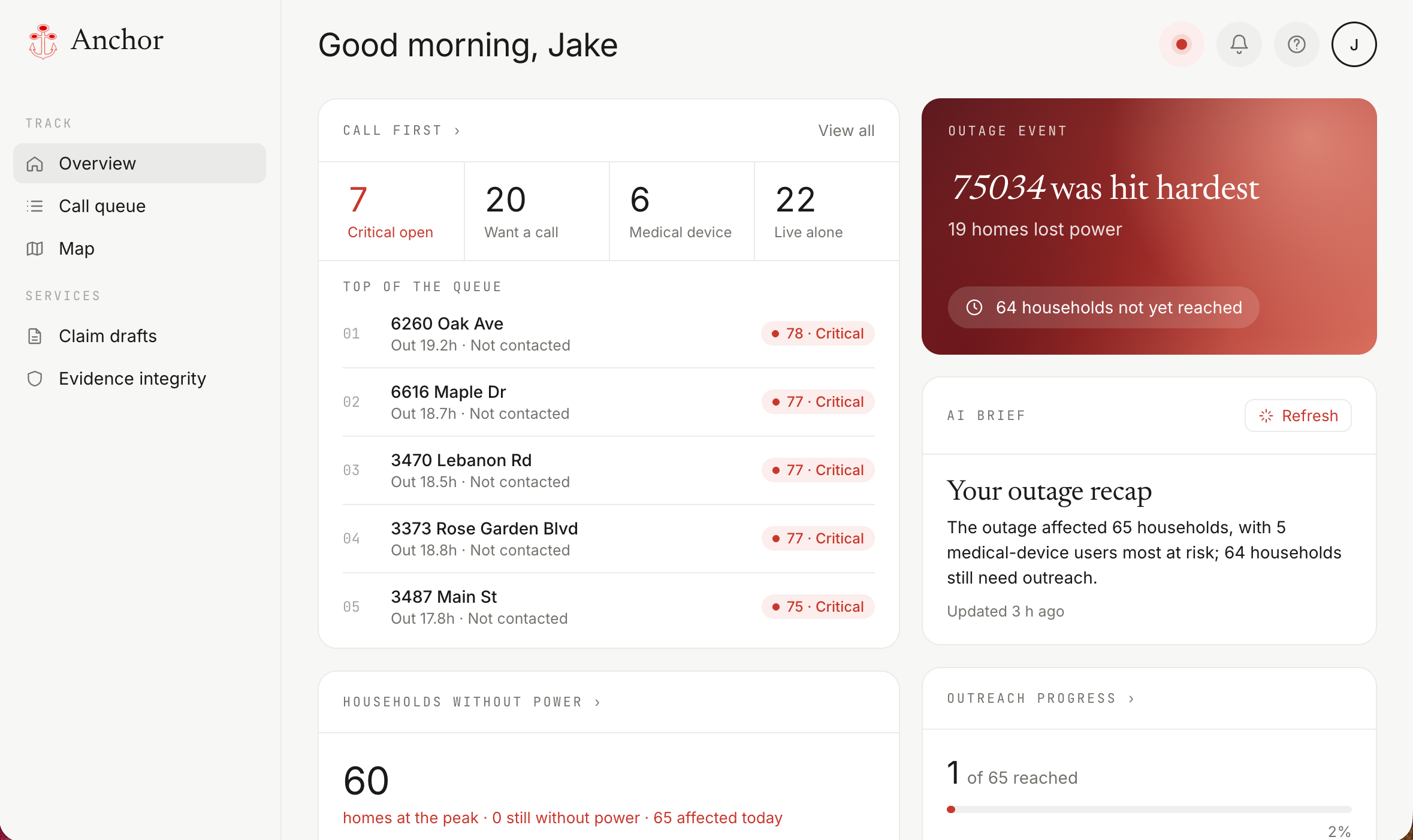
We decided not to let AI rank our scoring of which households to prioritize. Our score is rule-based, and every point has a reason the agent can see, like how long the power was out, how cold the home got, whether the person lives alone or uses a medical device, and whether the power is still out right now. AI only writes a short explanation of the score.
AI
We used Vultr Serverless Inference to write the daily brief for agents and the first draft of each claim. The measured facts, like outage hours and temperature, come straight from the database, and AI only writes the summary and the questions an agent should ask. We used Gemini to describe the damage in each consented photo. Every draft has to be approved by an agent before it goes anywhere.
Dashboard
We built the dashboard in React with an agent login. It has an overview with an outage chart, a call list ranked by need, and a page for each household with its timeline, photos, verification badge, and claim draft. Simulated households and our actual hardware data are labeled separately.
What we learned
We learned how to make hardware data trustworthy enough to use as evidence, using signatures and a hash chain instead of just trusting whatever gets sent. We also learned how to deploy a full app on our own server with a domain, and how much time networking issues can take at a hackathon. The most important thing we learned was to be careful about where AI belongs. It is good at explaining and drafting, whether in the design process of a product or in the final product itself, but a decision about who gets help first should be something a person can understand and check.
What's next for ANCHOR
Categorizing values into thresholds for sensors, finding a screen such as a Raspberry Pi Pico for user input/speech recognition, and utilizing networking to create a hub for each State Farm agency to connect directly to the device in a person’s home.


