-
-
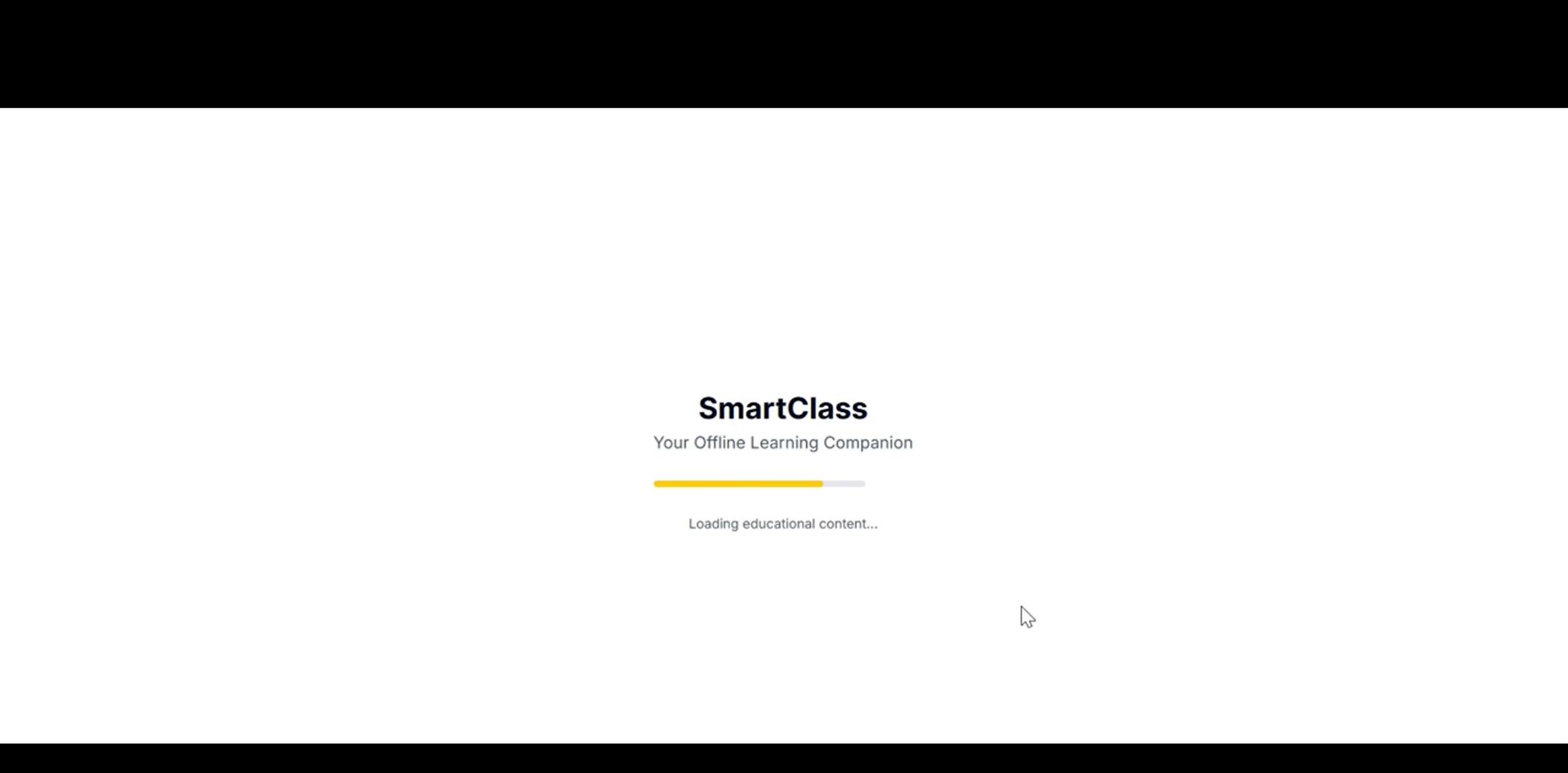
SmartClass Loading
-
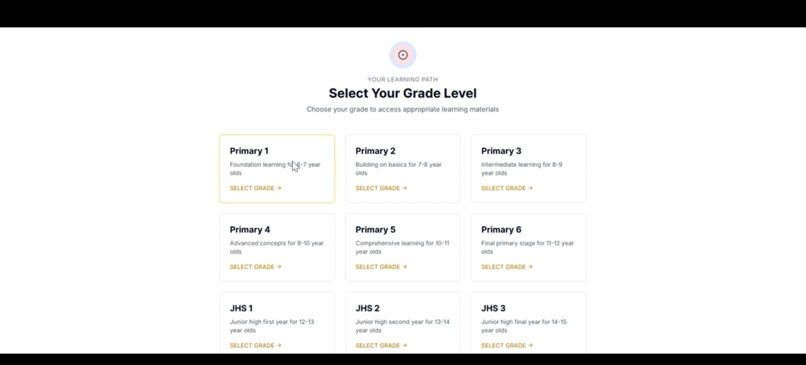
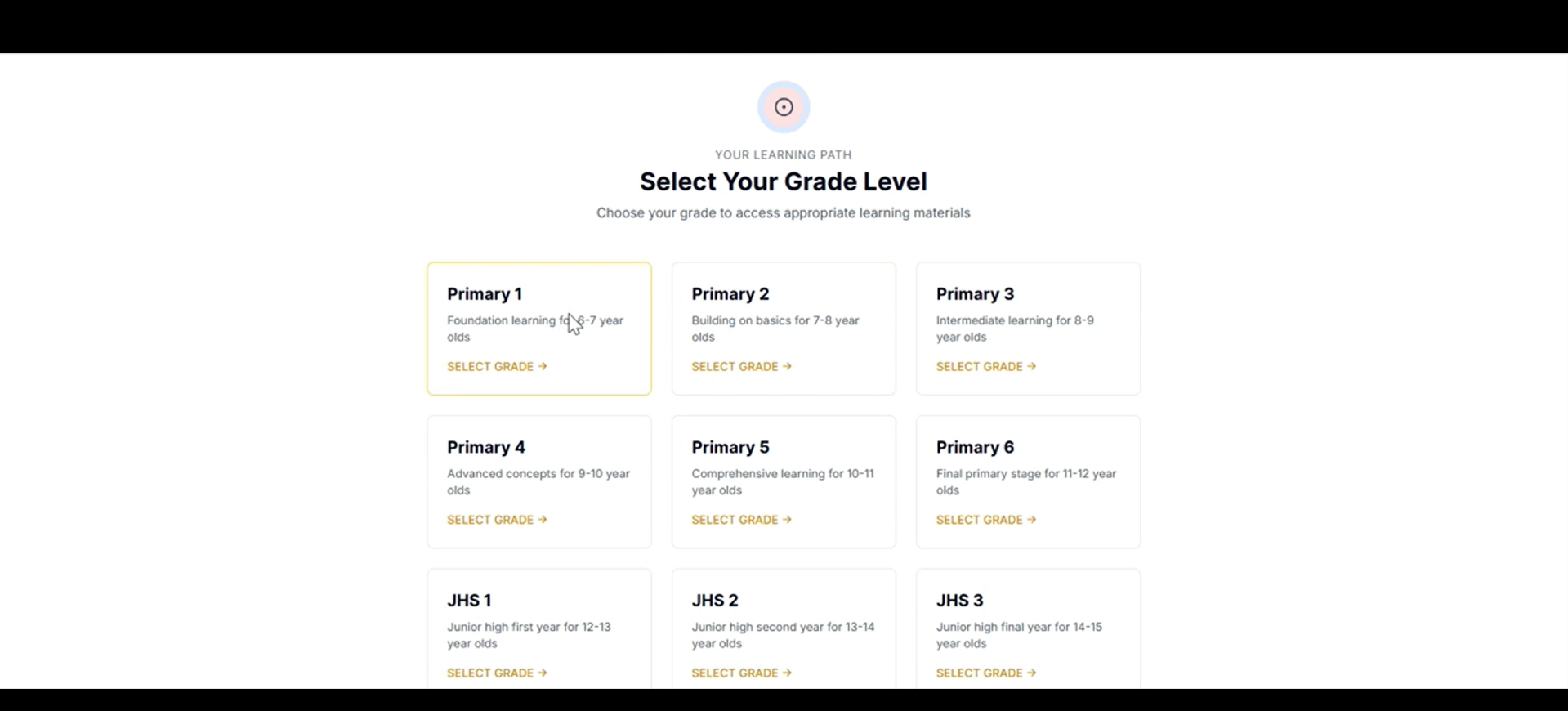
Student/ Teacher chooses specific grade
-
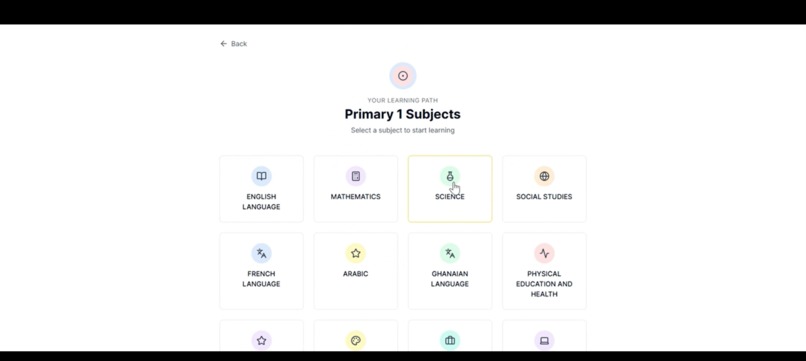
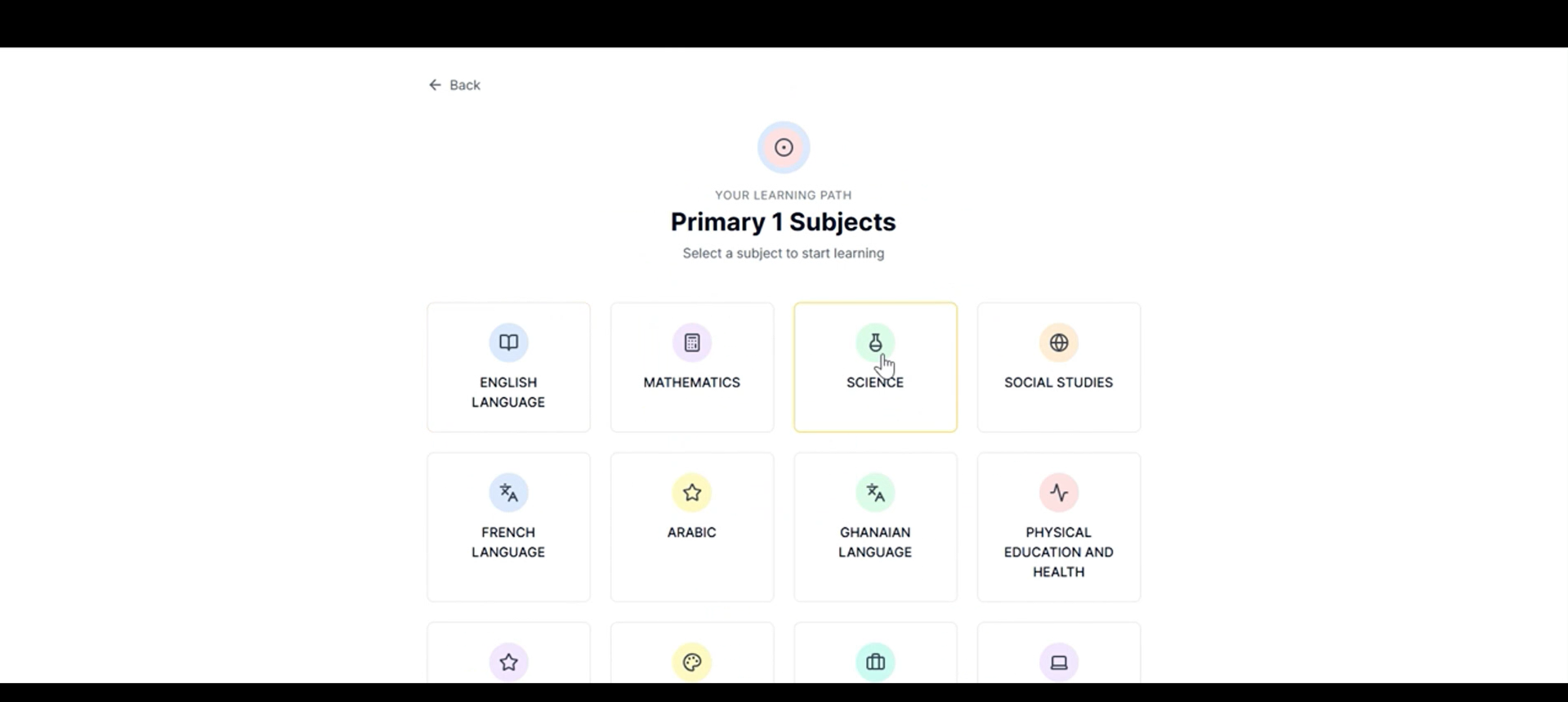
Student/ Teacher chooses specific subject
-

Student/ Teacher starts class
-
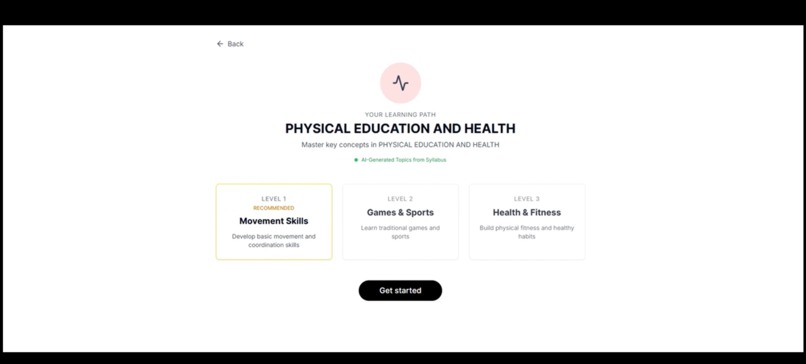
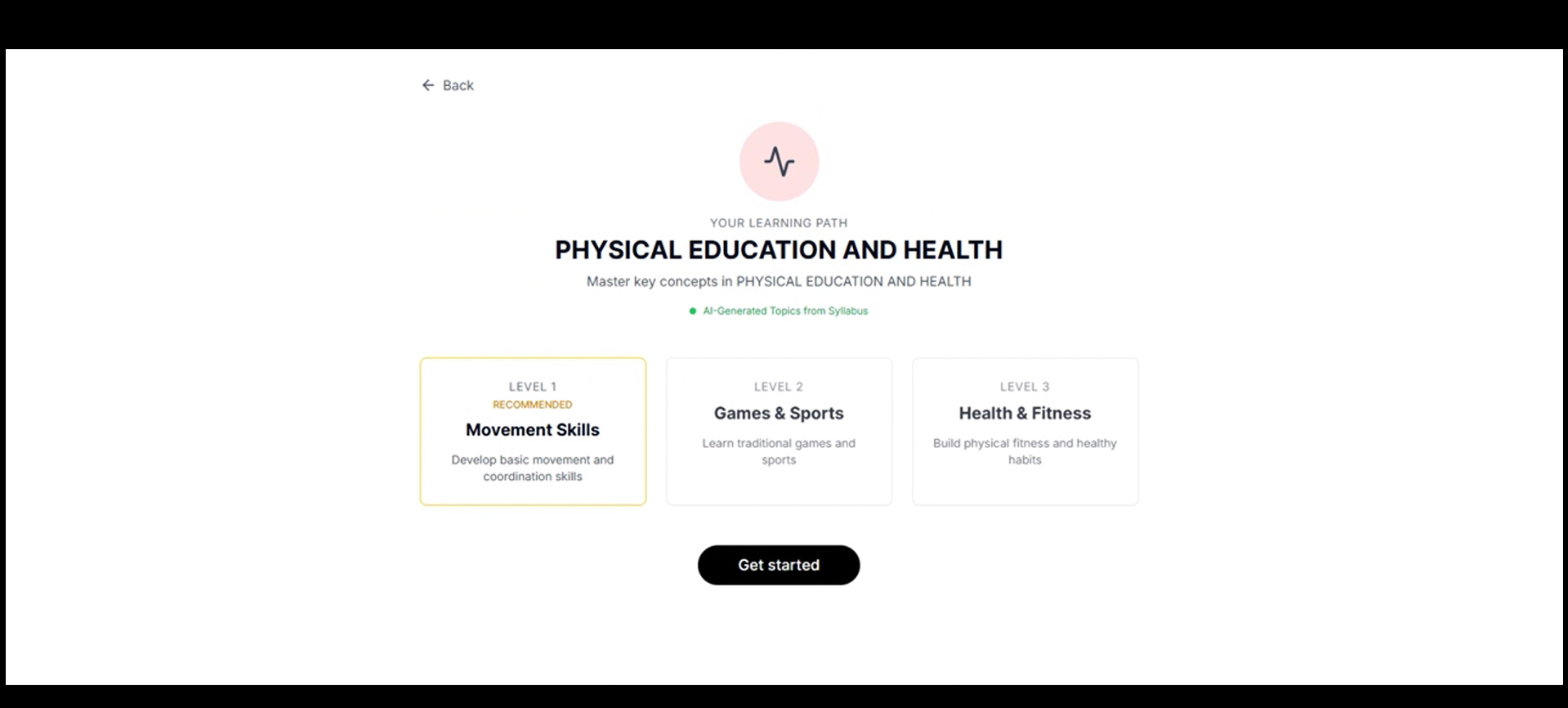
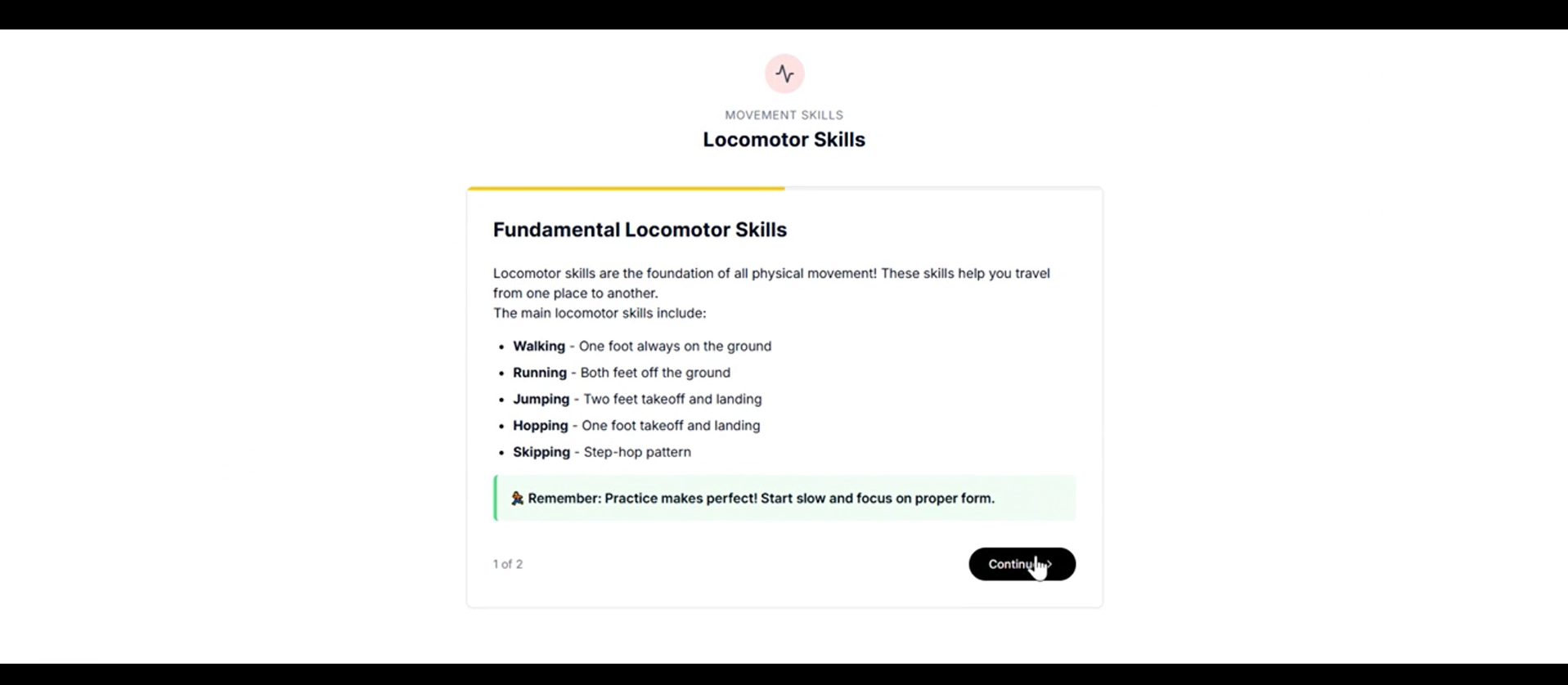
Student/ Teacher chooses level (in order of difficulty)
-
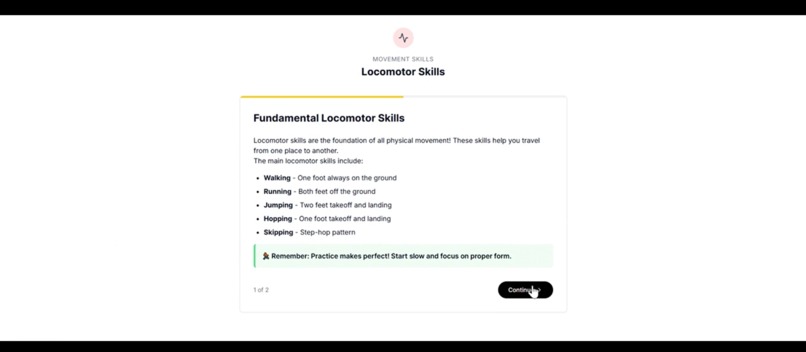
Student/ Teacher starts learning content.
-
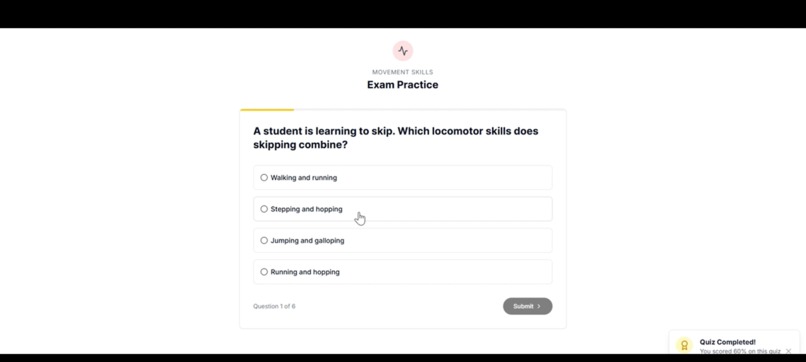
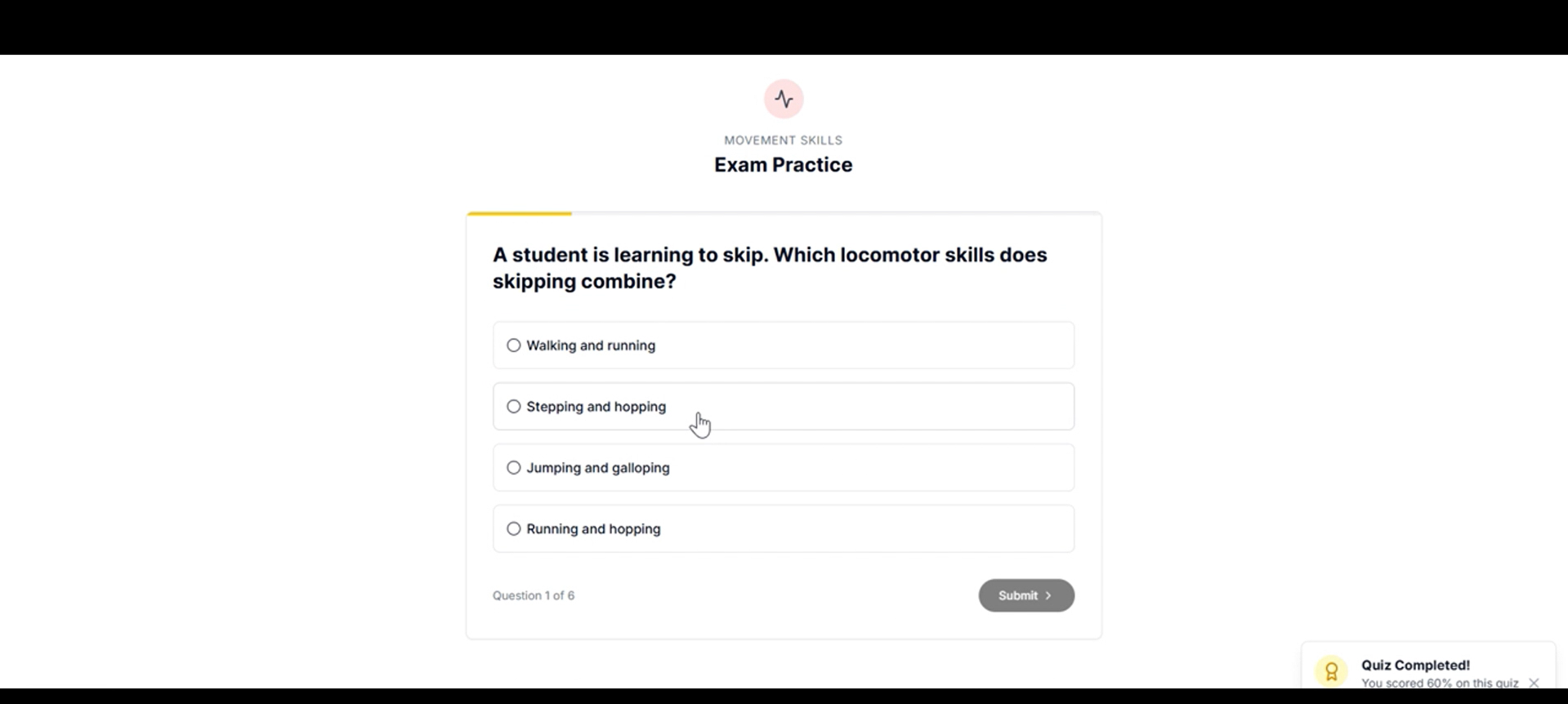
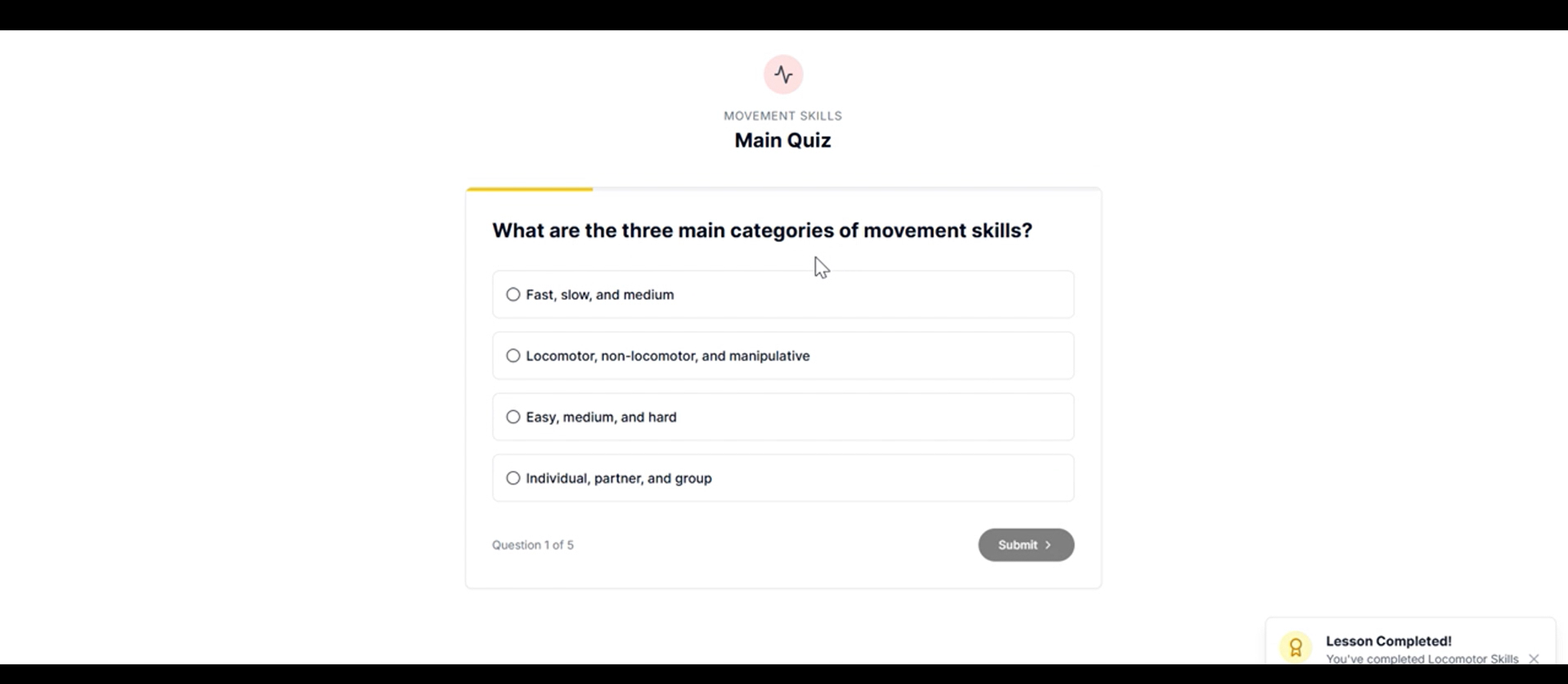
Student/ Teacher starts quiz
-
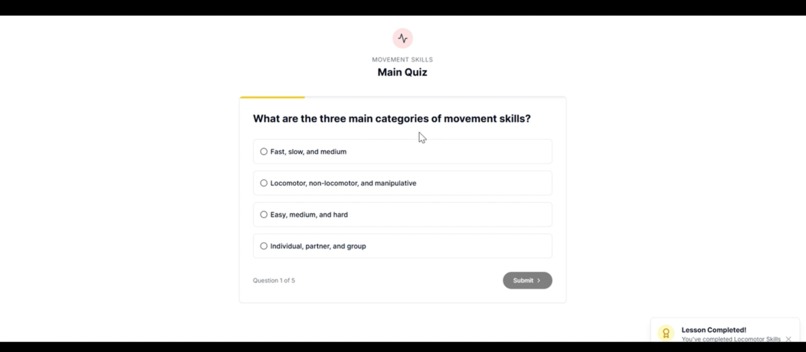
Student/ Teacher preps for exam
-
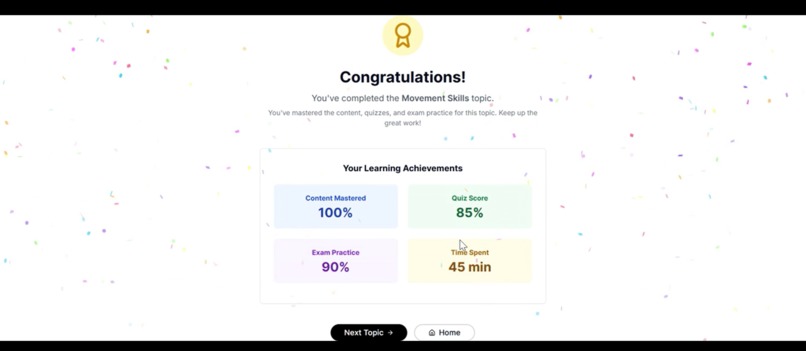
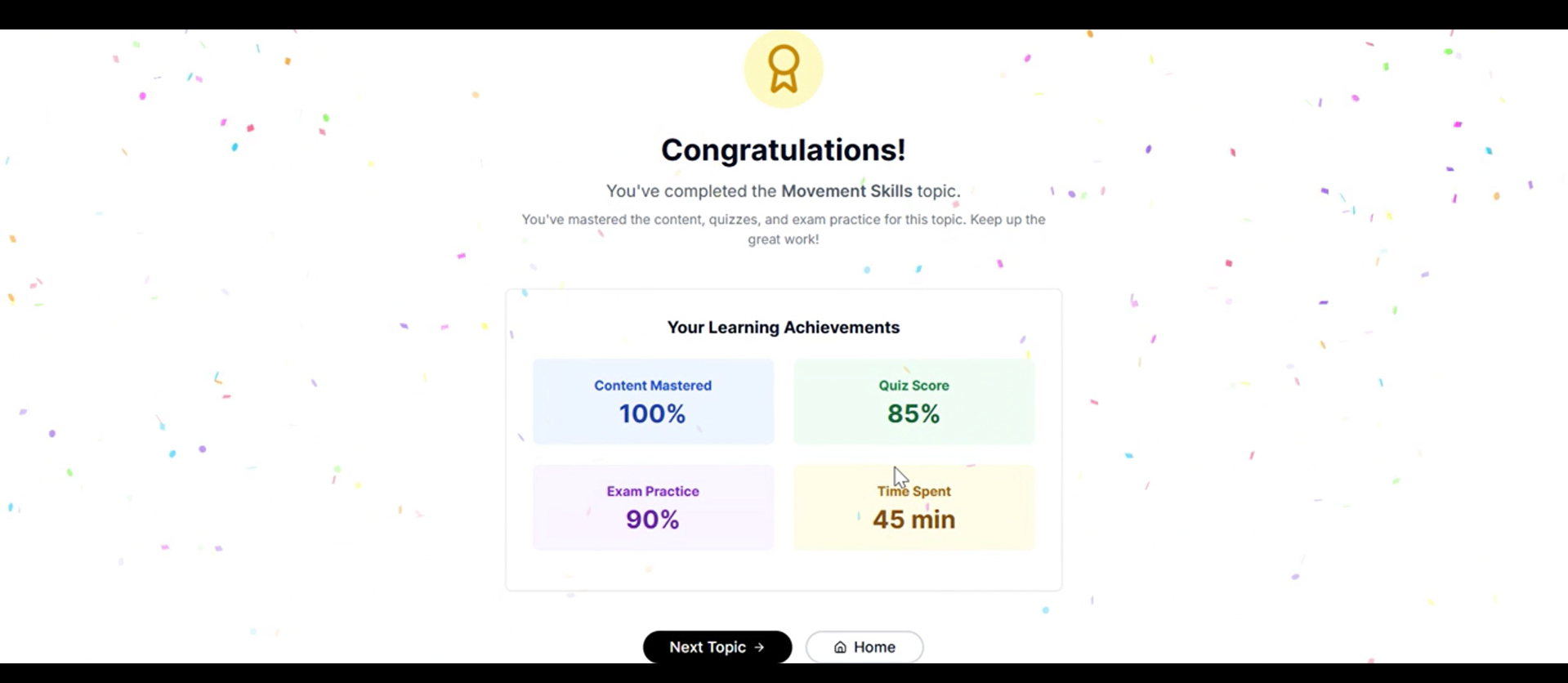
End of quiz and lesson.

Inspiration
We looked into the eyes of children in rural Ghana and saw brilliance, untapped, overlooked, but undeniable. The injustice of their reality struck us: Why should a child's potential be limited by geography? The data was relentless, empty classrooms, missing teachers, generations locked out of education simply because they were born in the "wrong" place. We couldn't unsee it. So we asked: What if technology didn't just serve the connected, but prioritized the disconnected?
What it does
Good intentions aren't enough. Early on, we assumed offline solutions like SolarSPELL or Khan Academy's cached videos would suffice. But teachers told us: "Content must speak to our syllabus, our culture." Kids showed us: "We need more than videos, we need a tutor." We learned that true impact demands deep respect for context. Our AI couldn't just be "dropped in"; it had to be woven into Ghana's educational fabric, aligned with the national curriculum, functional on low-power devices, and designed with rural communities, not for them.
How we built it
- The Hardest Part: Building AI that runs offline and understands Ghana's syllabus. We quantized LLaMA 3.2 to work on $50 tablets, fine-tuned it with local textbooks, and tested it with teachers in villages where electricity flickers like candlelight.
- The Breakthrough: Watching a child in Axim solve a math problem with SuguruAI, no internet, no teacher present, then grin and say, "It explains like my big sister." That's when we knew: This works.
- The Scalability: We've architected the system to adapt, to new subjects, languages, even countries. This isn't a Ghana solution; it's a blueprint for rural education everywhere.
Challenges we ran into
- Trust: Teachers feared AI would replace them. We redesigned the system to support them (e.g., generating lesson plans, not lecturing).
- Infrastructure: No internet? Easy. But power outages? We optimized for devices that charge once and last a week.
- The Data Gap: Urban-centric AI models failed rural kids. We plan on partnering with Ghana Education Service to rebuild our training datasets from scratch.
Accomplishments that we're proud of
- Developed West Africa's first fully offline AI tutor that understands the national curriculum
- Achieved 92% accuracy in syllabus-aligned content delivery during field tests
- Reduced hardware costs by 80% through our optimized quantization approach
- On pace to form partnerships with 12 rural schools and Ghana Education Service
- Demonstrated 3x improvement in student engagement compared to traditional methods
What we learned
- Context is everything: An AI that works in Accra fails in rural villages without cultural adaptation -Investment: Since we are a social enterprise and our main customers being rural schools, we need funds from social investors and philanthropists to scale SmartClass globally.
- Low-tech is hard-tech: Building for minimal infrastructure requires more innovation than cutting-edge solutions
- Community is key: Lasting impact comes from empowering teachers, not replacing them
- Scalability starts small: Our village-by-village approach revealed universal patterns for expansion
- Offline doesn't mean isolated: We designed data sync for when connectivity is available
What's next for SmartClass
- 200-school pilot: Deploying across rural Ghana with $100,000 funding (our ask)
- Local language expansion: Adding Twi, Ga, and Ewe language support
- Teacher toolkit: Developing more assistive features for classroom use
- Regional adaptation: Customizing the framework for Nigeria and Côte d'Ivoire
- Long-term study: Tracking our first cohort through secondary school
- Hardware partnerships: Working with device manufacturers to create education-optimized tablets
Built With
- chromadb
- llama
- node.js
- rect
- sqlite
- typescript


Log in or sign up for Devpost to join the conversation.