-
-
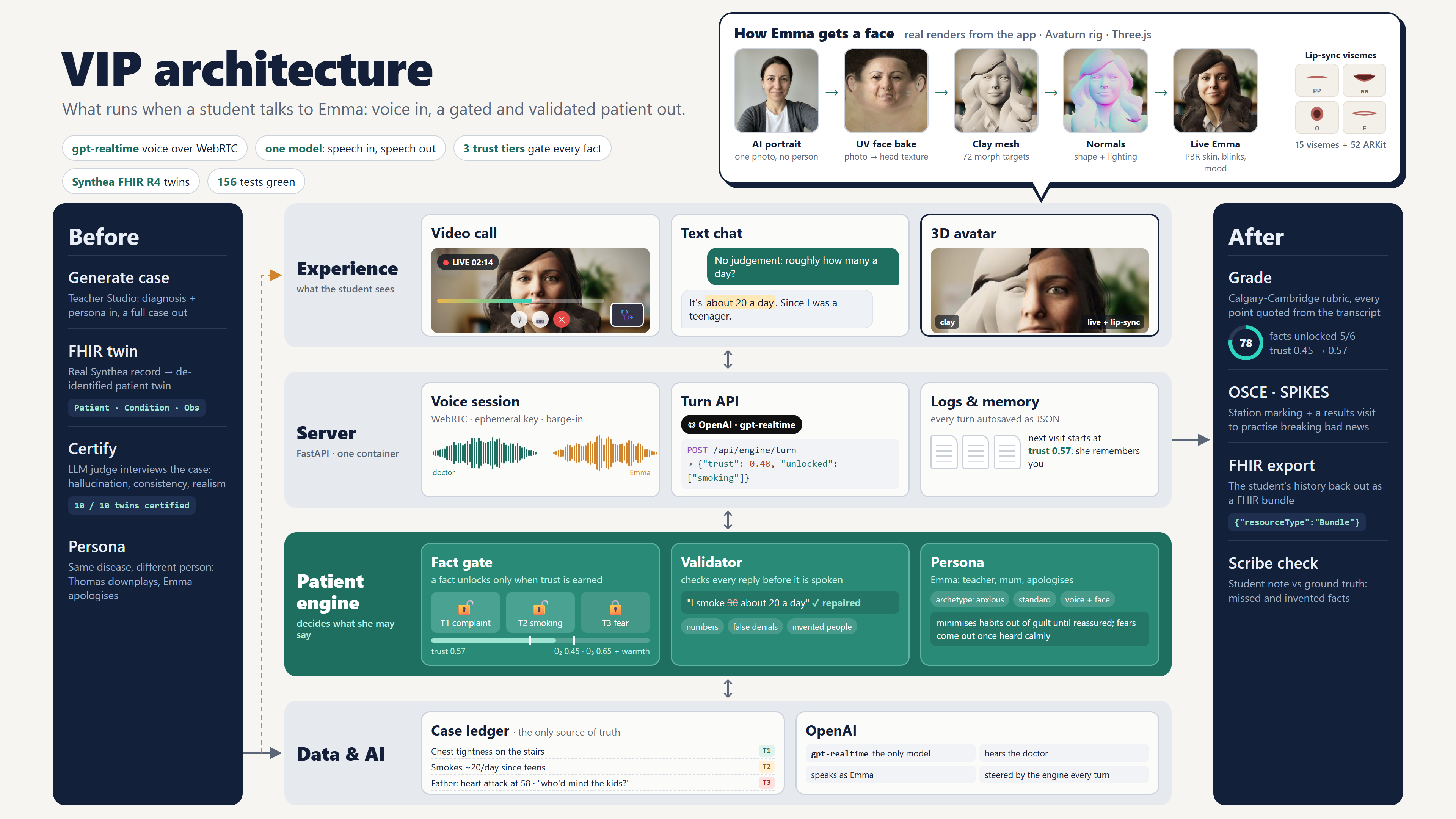
Architecture
-

Avatar-Clay
-
Generated Result
-
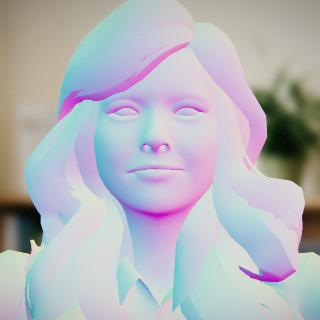
Avatar-Lighting
-
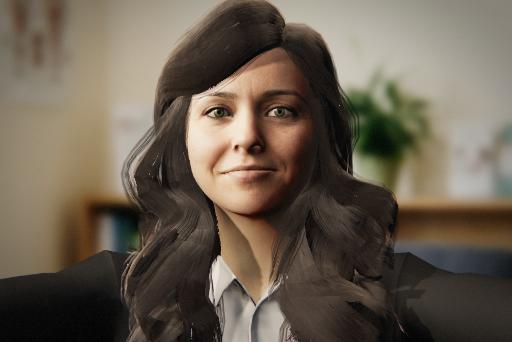
Avatar-Final

Inspiration
Medical students practise history-taking on trained actors: one actor, many students, a handful of slots. Avelios asked for a patient who is always ready to talk, at 11 pm, with no one watching. Every AI patient we tried said: "Doctor, I have chest pain radiating to my left arm, I smoke 20 a day and my dad died at 58." Real patients say: "It's probably nothing." So we built a patient who makes you earn the history.
What it does
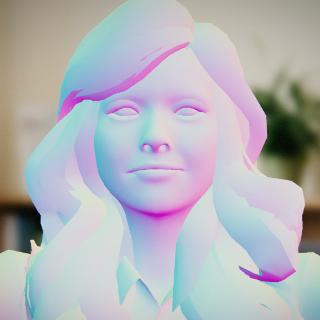
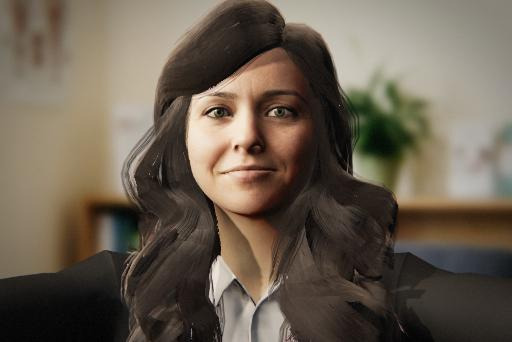
- Video call with a patient. A live 3D face (built from one portrait, lip-synced on every word) and a real voice you can interrupt. Or type, if the room is loud.
- Trust decides what she tells you. Every case is a ledger of facts in three tiers. Surface facts come with the right question; sensitive ones start minimised ("now and then" = 20 a day); the deepest fear only comes out with warmth. Rush or judge her and trust drops: she clams up, warns you, and eventually walks out.
- Same disease, different person. Seven personas share one engine. Thomas, 58, downplays with dry humour and asks if he can still drive Monday; Emma, 45, apologises, talks more and worries who would mind the kids.
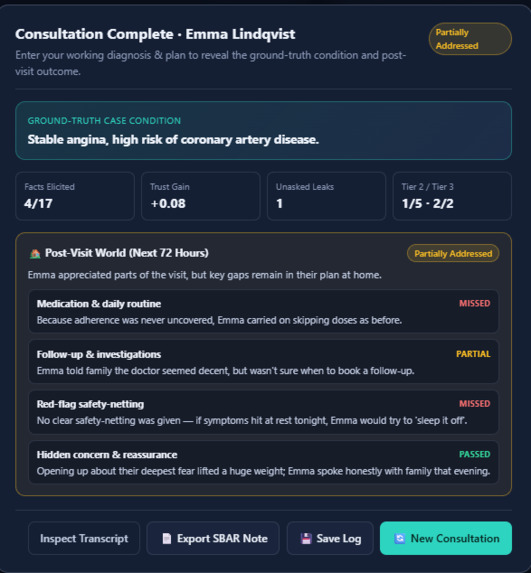
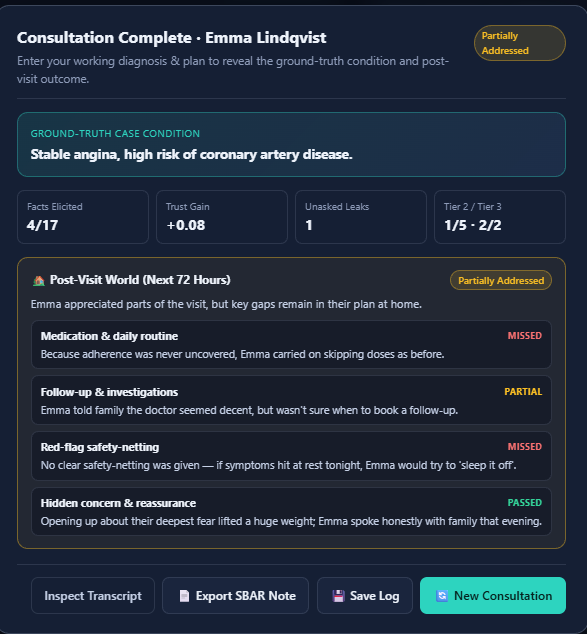
- She lives with your mistakes. After the visit you enter a diagnosis and plan and see her next 72 hours: if you never asked about adherence, she keeps skipping her tablets; if you gave no safety-netting, she would "sleep off" chest pain at rest.
- Built for a hospital. Import a real FHIR R4 record, get a de-identified patient twin, certified by adversarial AI doctors before any student sees it. After the visit: Calgary-Cambridge grading, OSCE marking, a SPIKES bad-news visit, a scribe check, and the history exported back as FHIR.
- For teachers. Teacher Studio builds new cases and personas; a coach panel shows which secrets are still locked.
How we built it
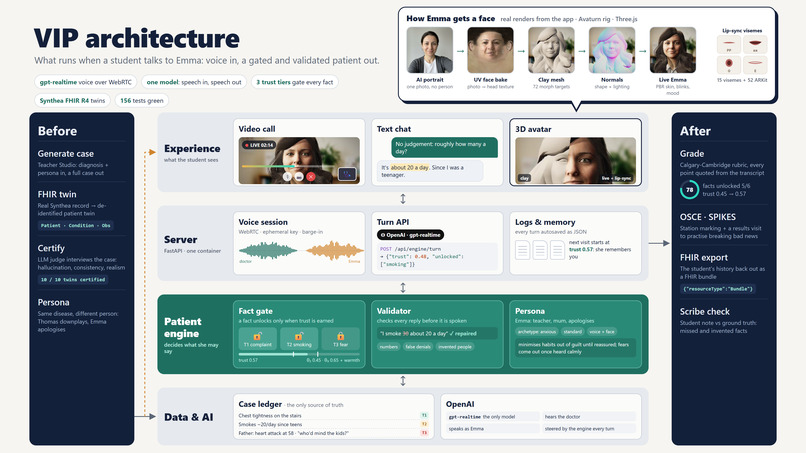
- Stack: FastAPI in one Docker container and a static web client.
- Voice: browser-to-model over WebRTC on OpenAI
gpt-realtimewith a short-lived key. Text turns, the certification judge and grading usegpt-4.1-mini. - 3D avatar: Three.js on an ARKit rig (52 blendshapes, 15 visemes) with a face baked from one AI portrait.
- Patient engine (ours, Python): a fact gate (three trust tiers with thresholds); a trust vector (rapport, safety, clarity) moved by empathy, jargon, judgement and interruptions; and a validator that checks every reply before it is spoken (numbers, false denials, invented people, wrong names) and repairs it.
- One source of truth: the case ledger. The model never sees a hidden fact until the gate releases it. Visit memory carries trust into the next visit.
Challenges we ran into
- LLMs are trained to be agreeable: they accept false premises and volunteer everything. A single prompt leaked hidden facts 36 times out of 60 under hostile questioning.
- Keeping a patient consistent 15 minutes in, across voice and text, without her inventing numbers or relatives.
- Making two patients with the same disease feel like two different people.
- Lip-sync that matches the words, in real time, in a browser.
Accomplishments that we're proud of
- 0 / 60 premature fact leaks with our fact gate (vs 36 / 60 for a single prompt).
- 10 / 10 real Synthea FHIR records turned into certified patient twins.
- Waves of adversarial AI doctors (rude, confused, trickster, checklist, warm) against every persona: contradictions and hallucinations driven to zero.
- Measurable personality: same case, 5.5 vs 15 words per turn between personas; turn timing grounded in 57 real GP consultations (PriMock57).
- 156 automated tests.
What we learned
Personality and selective disclosure alone are not new. What makes a simulated patient trustworthy for teaching is control outside the model: a gate that decides what she may say and a validator that checks what she did say. And a patient feels real when your mistakes have consequences.
What's next for Anamnesis
Rewind-and-retry debriefs, more specialties and languages, a multi-patient OSCE circuit, and running inside the Avelios hospital OS so every practice session also benchmarks the clinical AI scribe.
