-
-
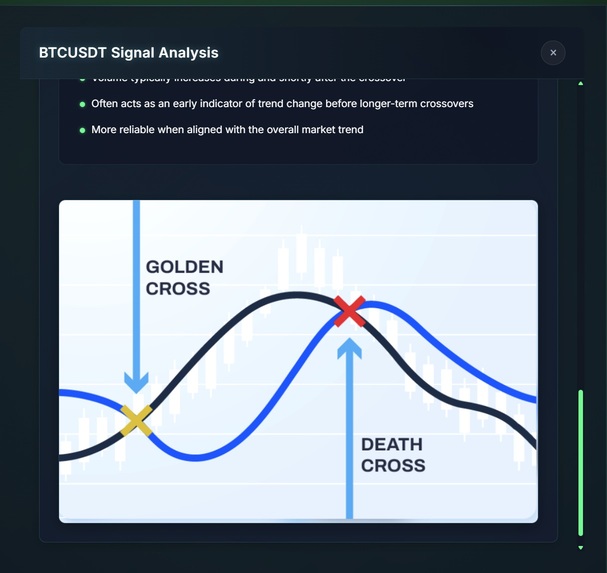
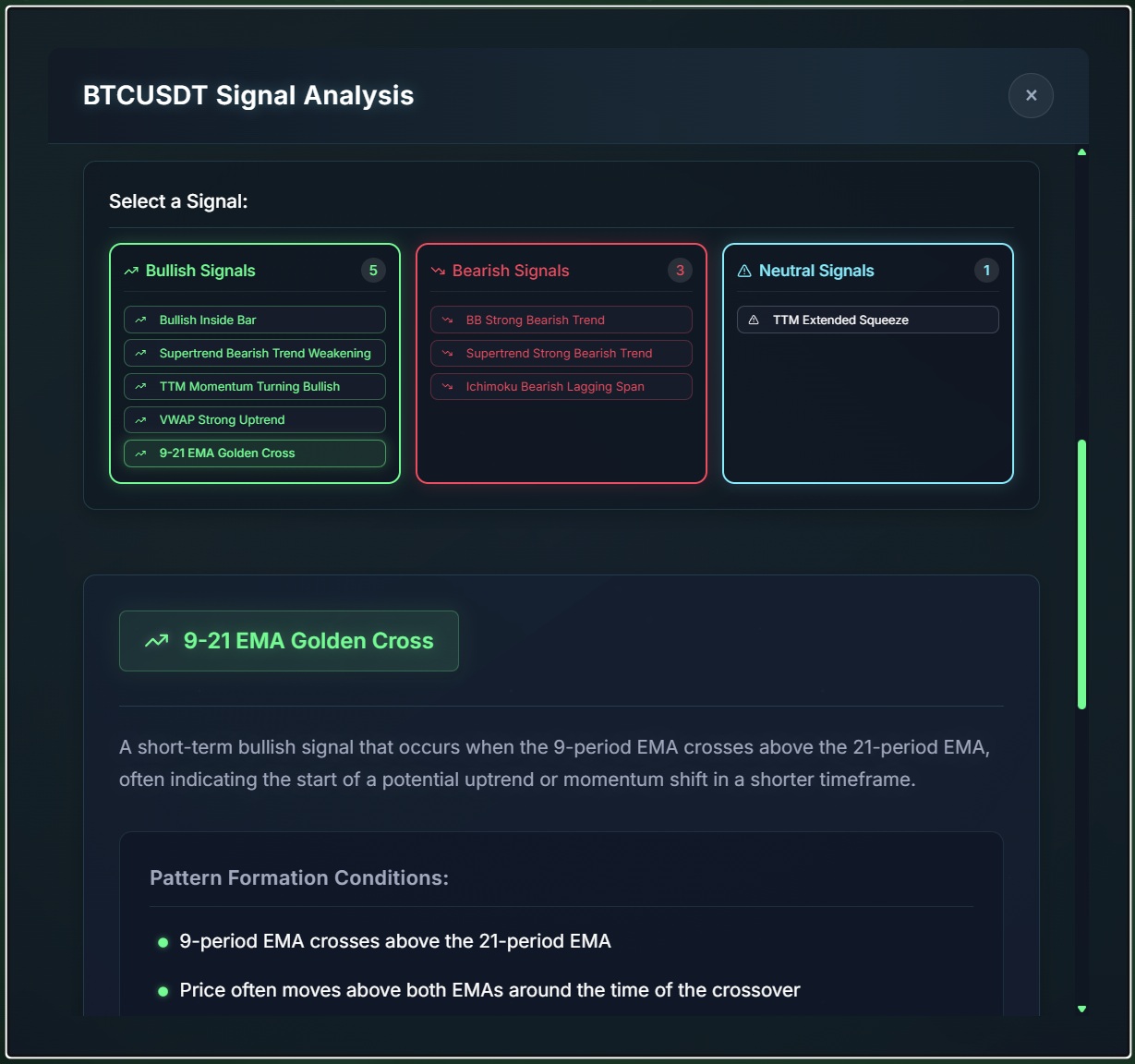
Signals Explanations 3
-
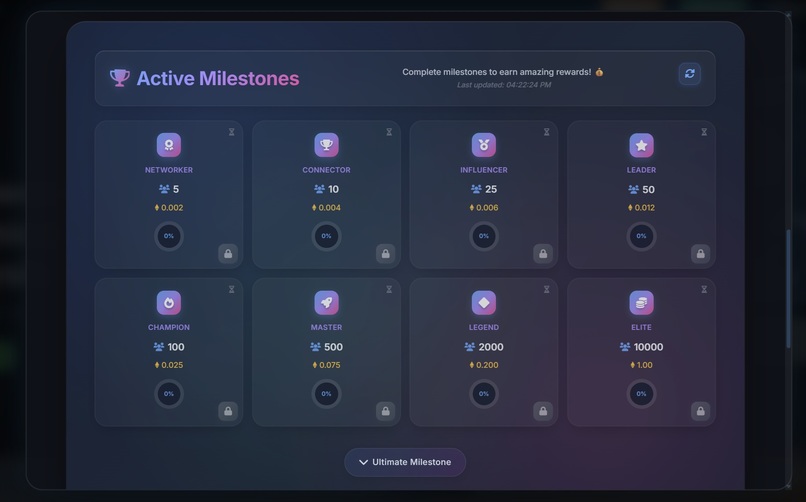
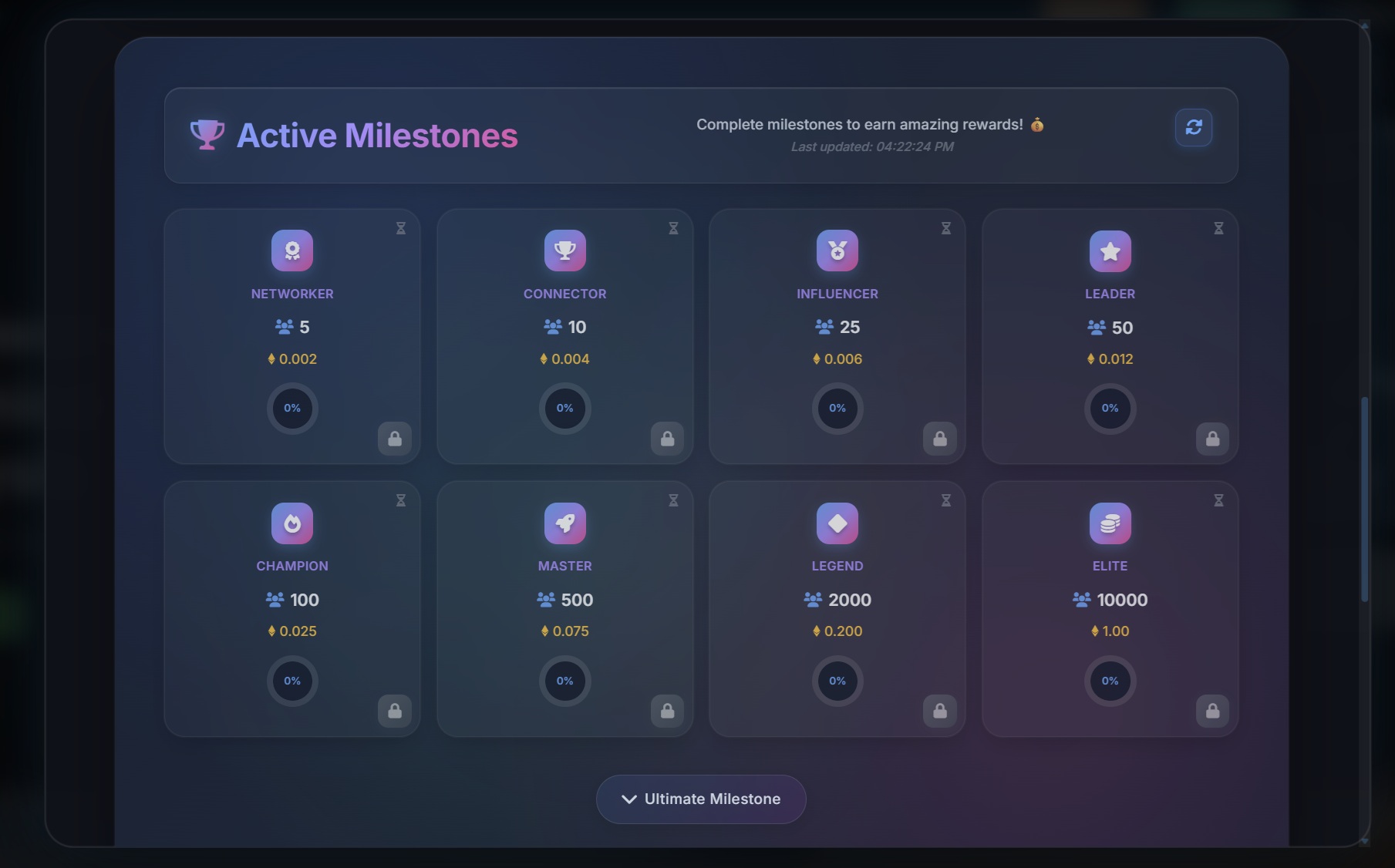
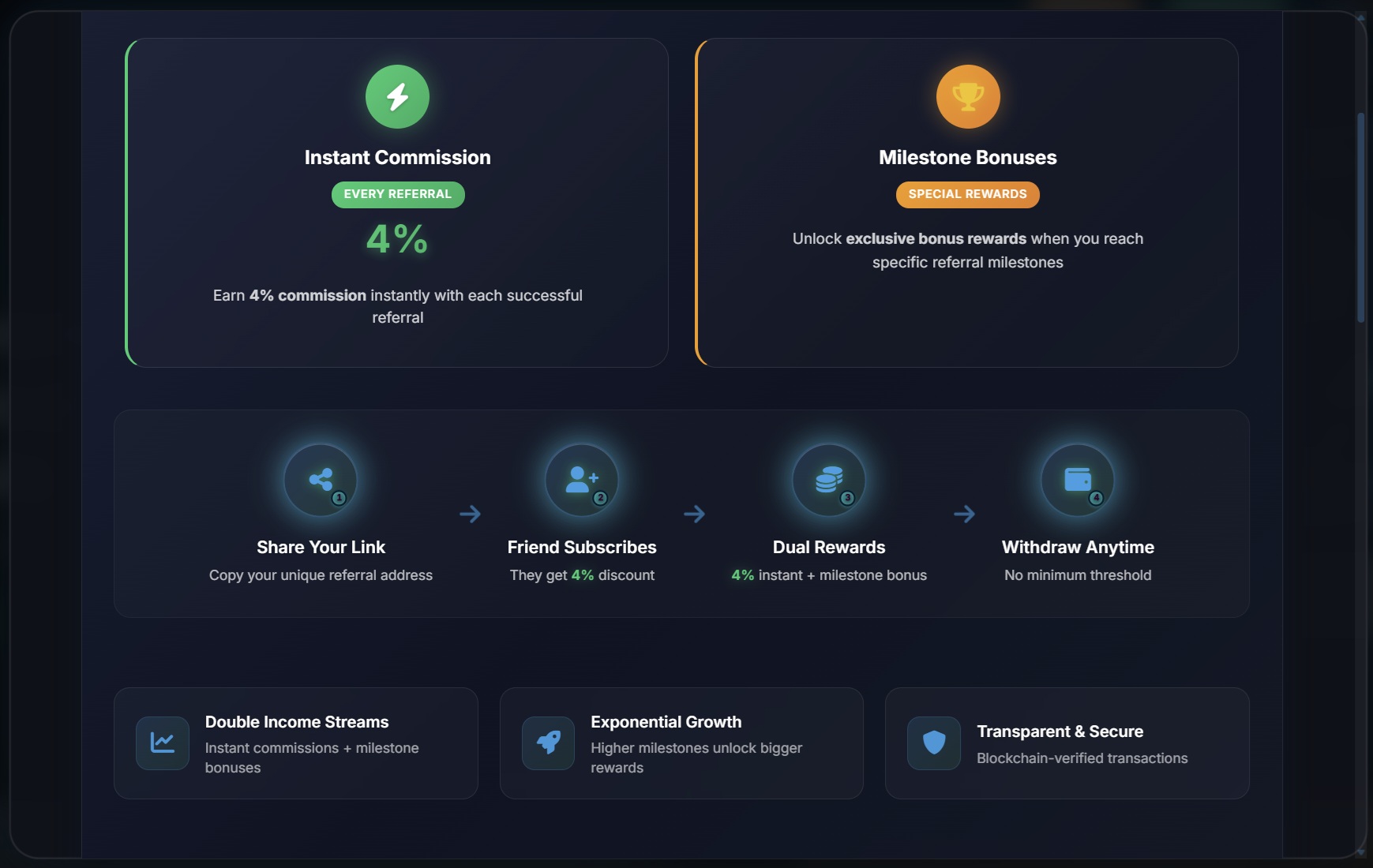
Refdrop ( Reward System Milestones )
-
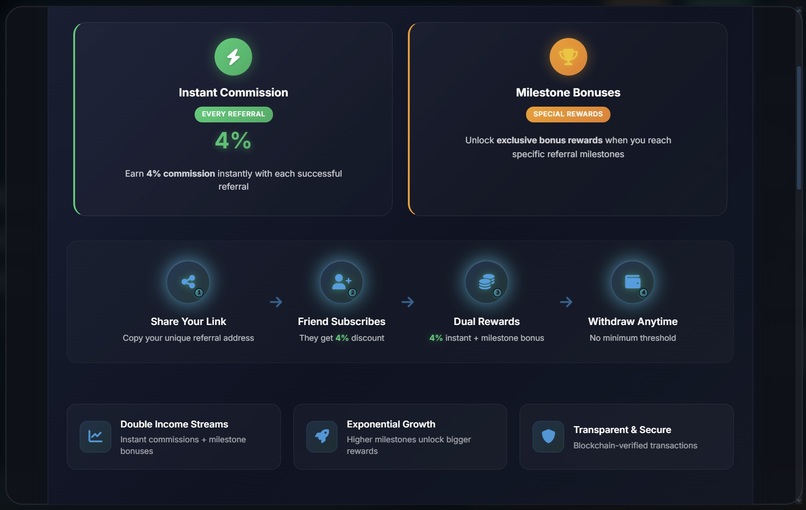
Refdrop ( Reward System Percentages )
-
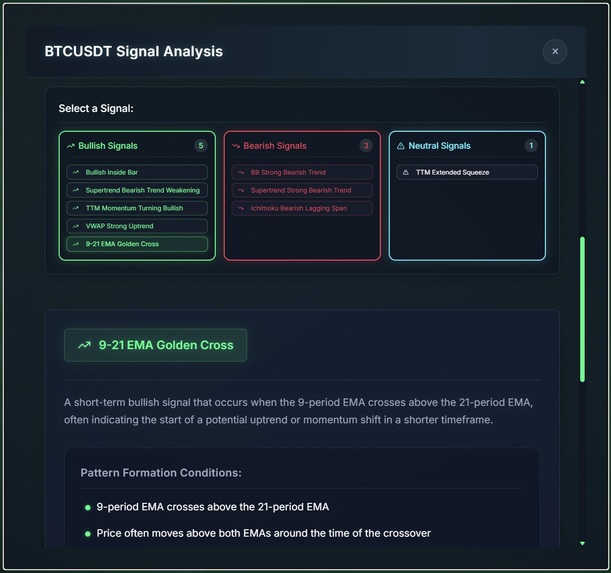
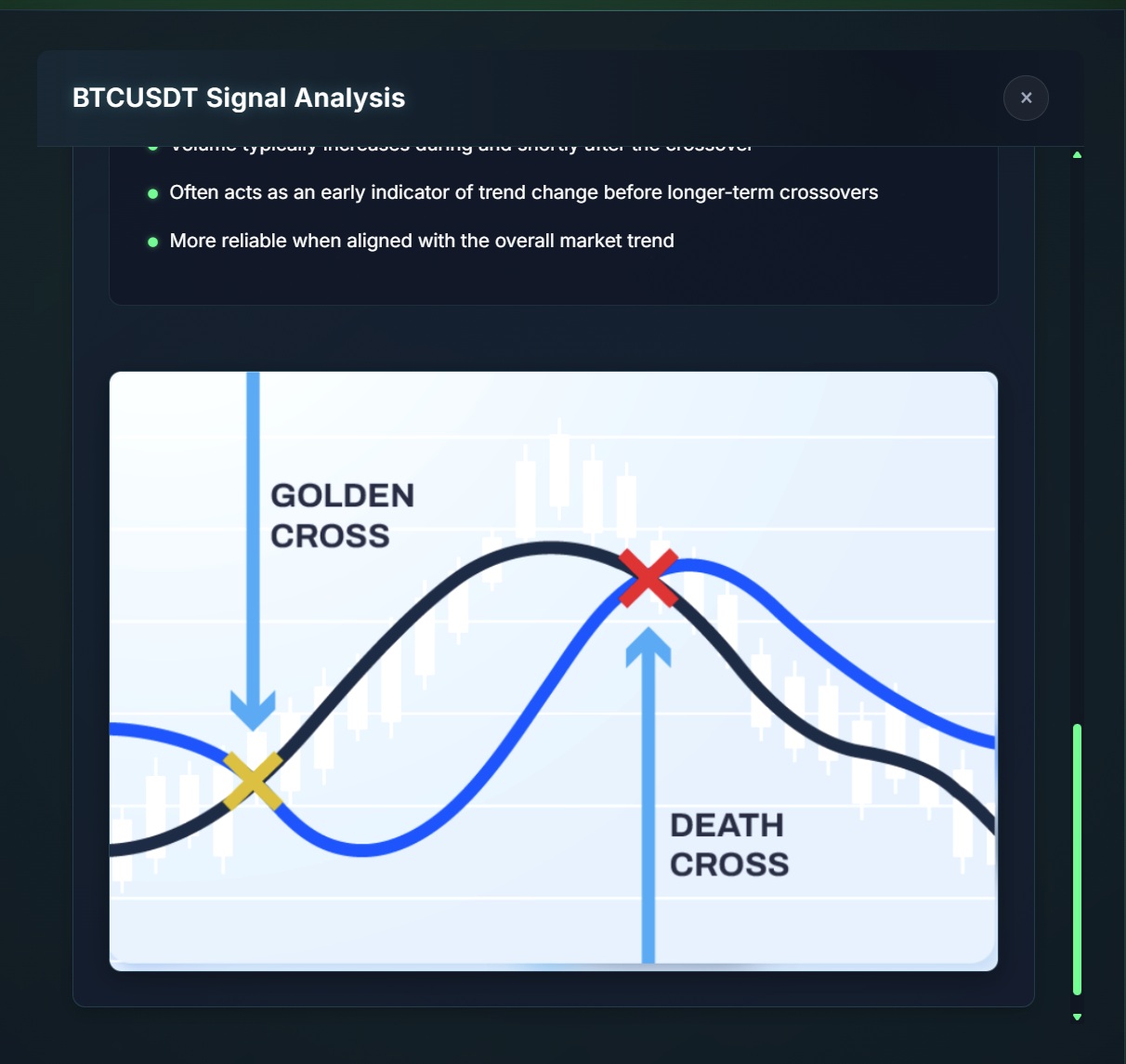
Signals Explanations 2
-
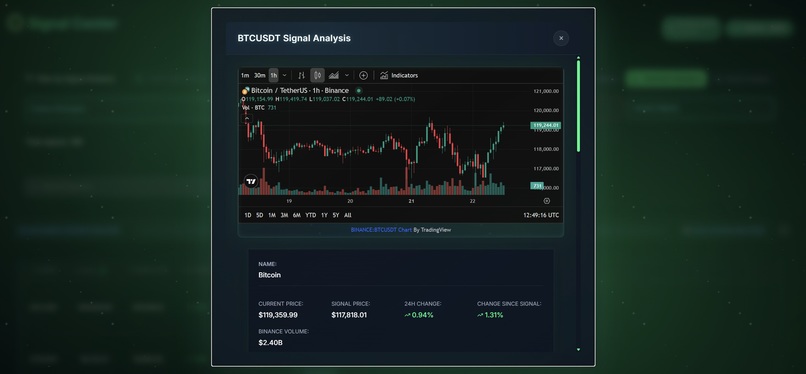
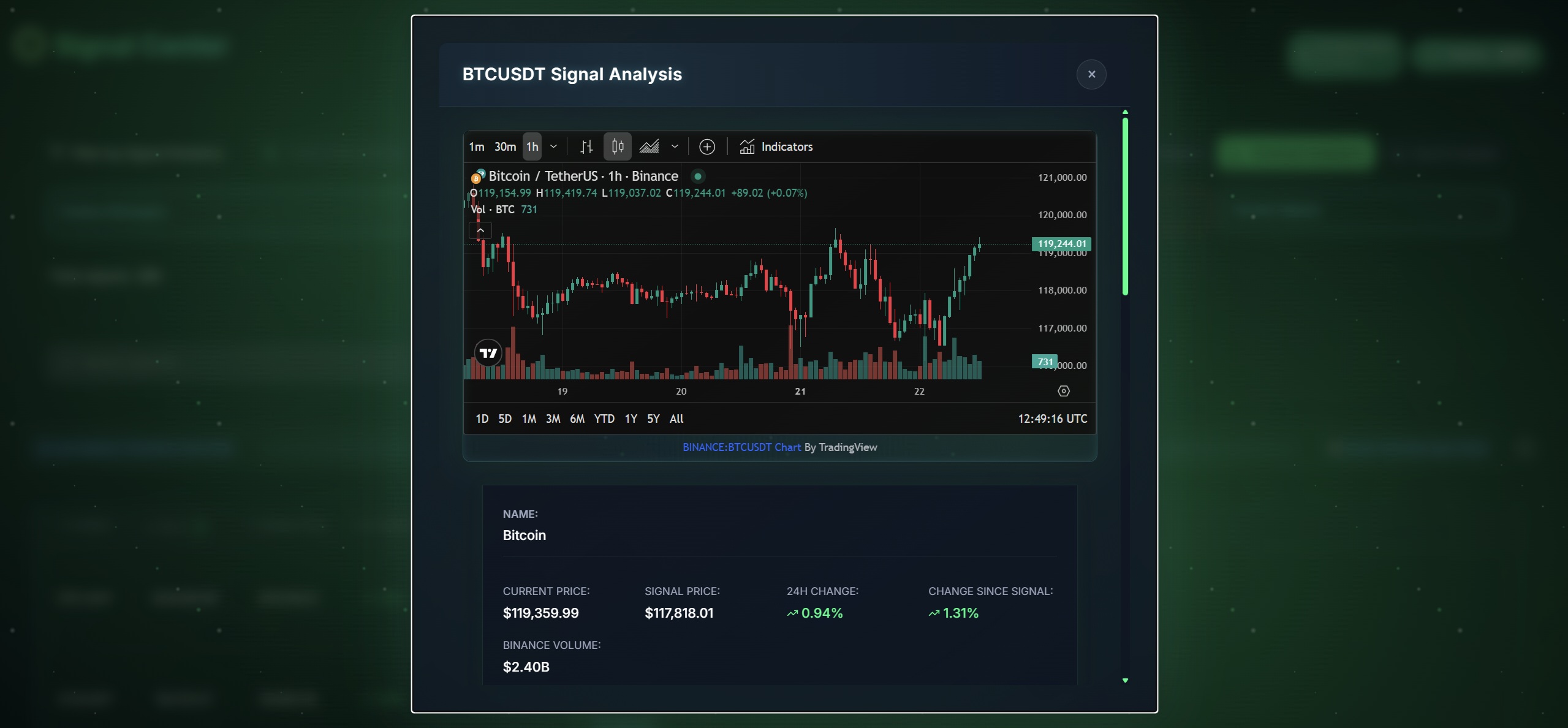
Signals Explanations 1
-
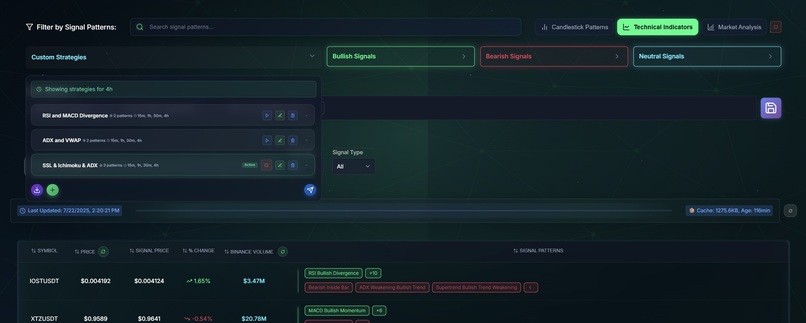
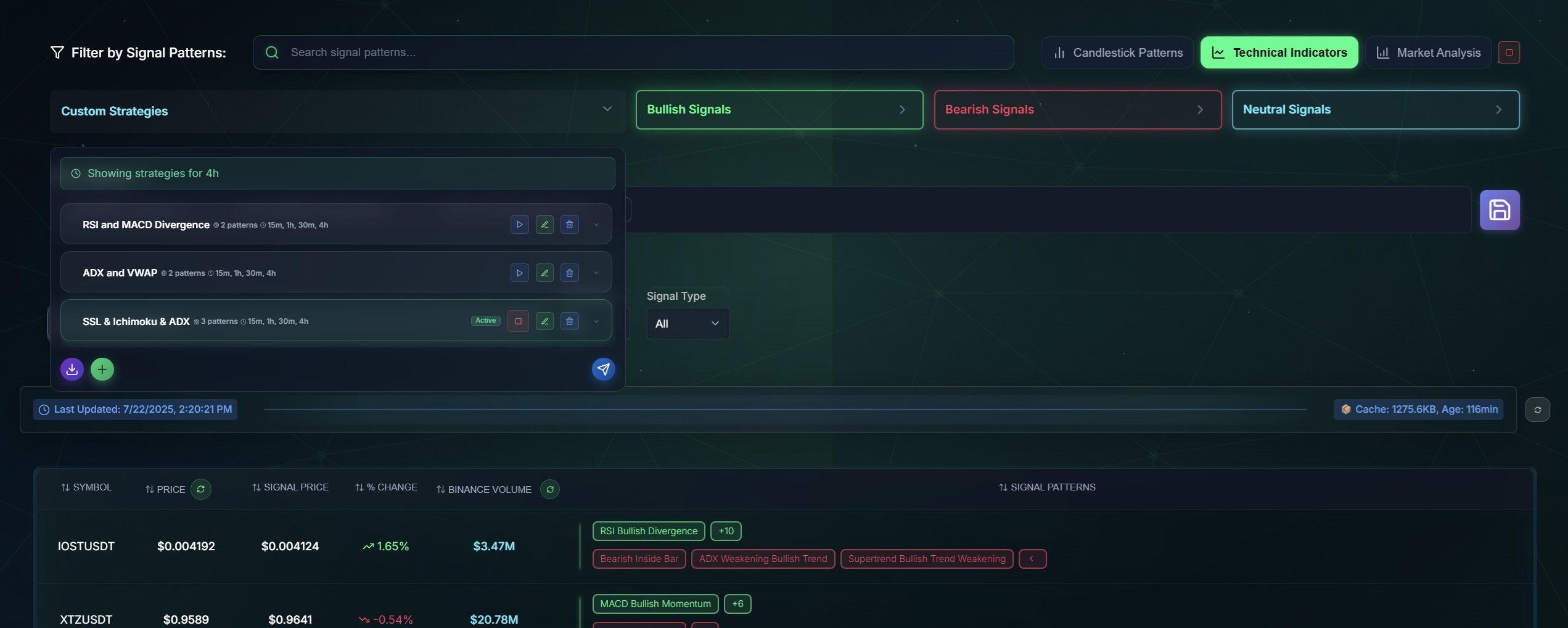
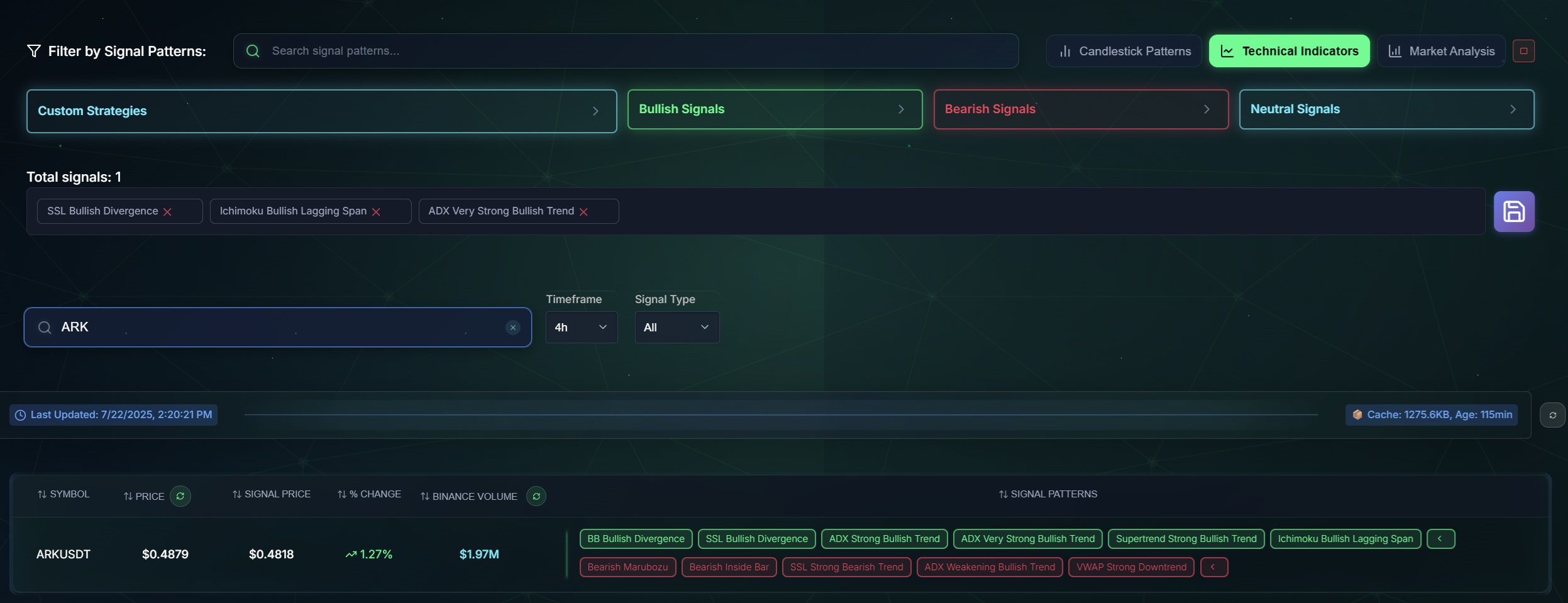
Signal Center ( Signals of activated Strategy )
-
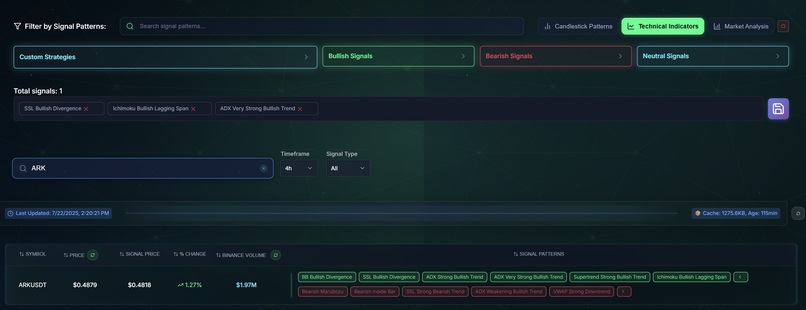
Signal Center ( Filtered By Token Name )
-
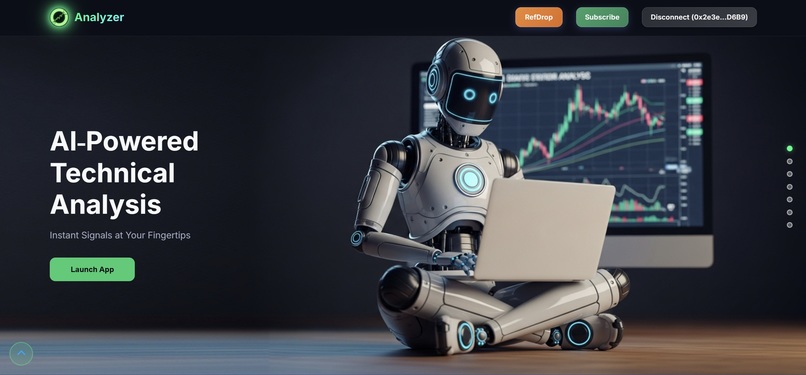
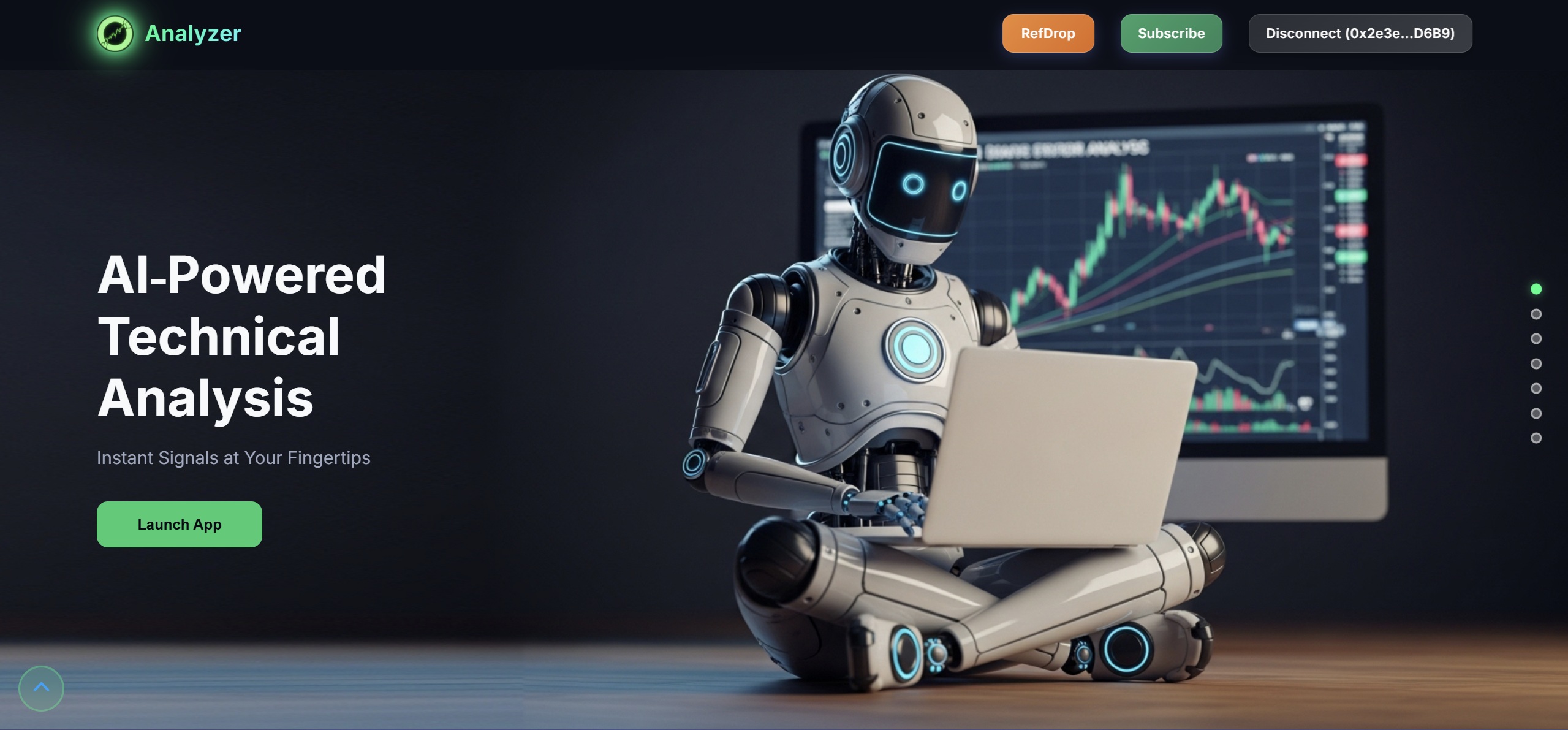
Landing Page
-
Logo
-
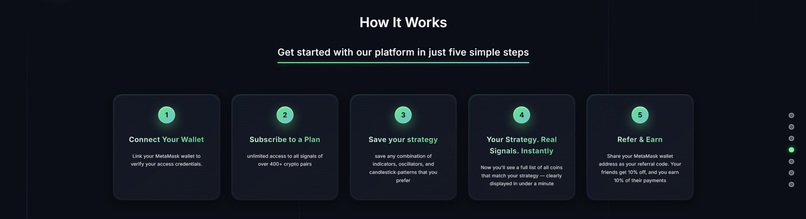
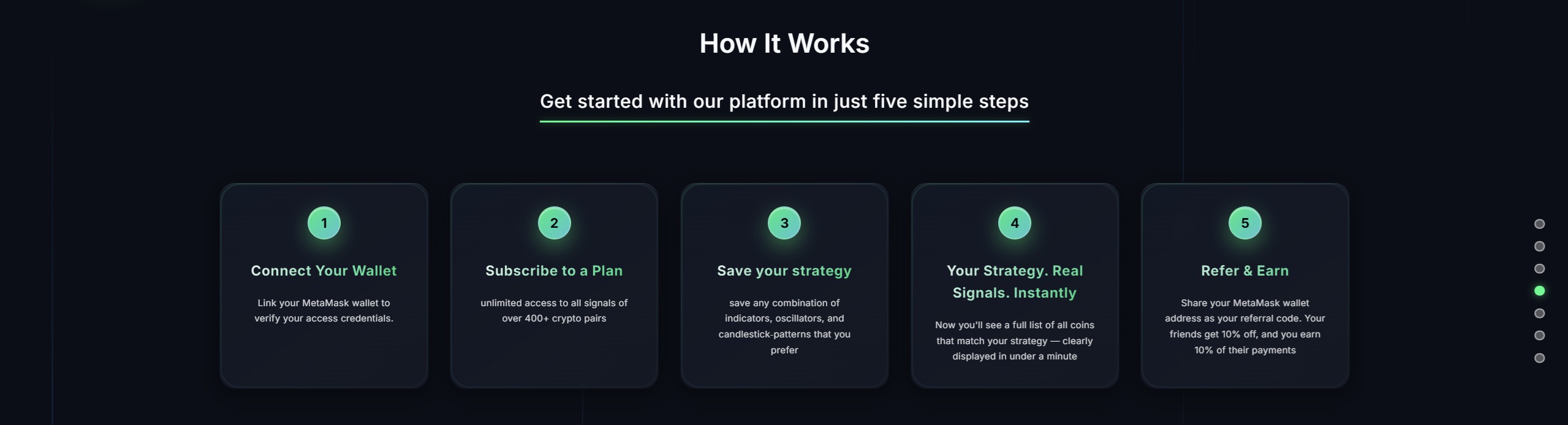
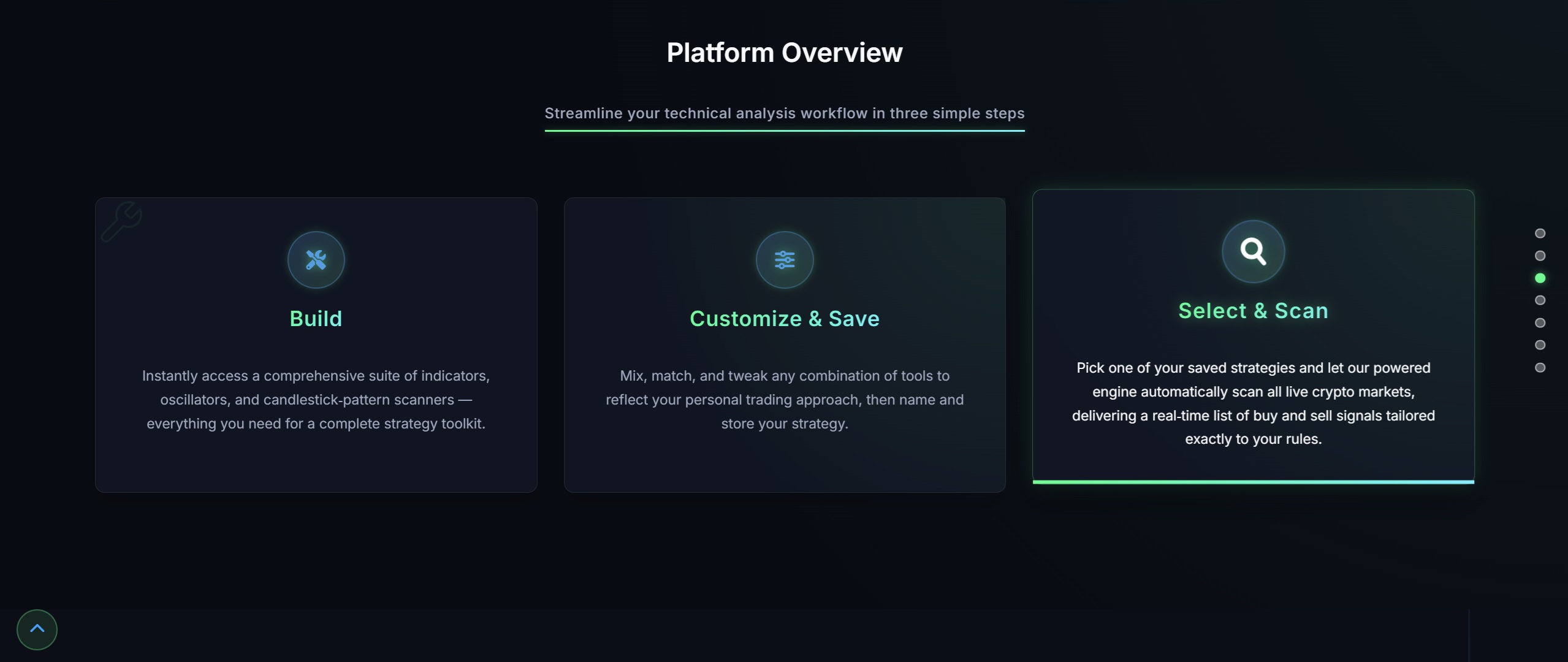
How it Works
-
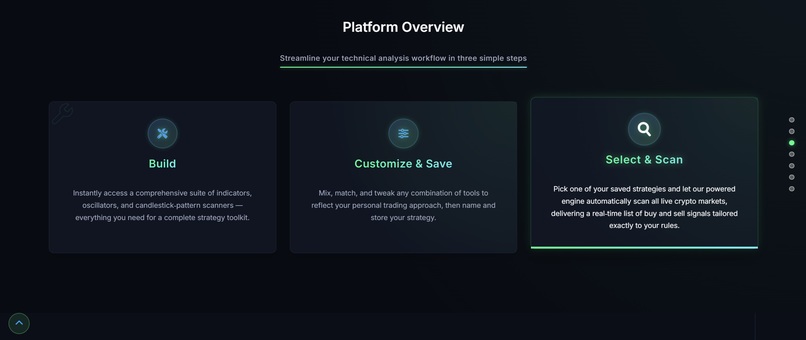
Over View
-
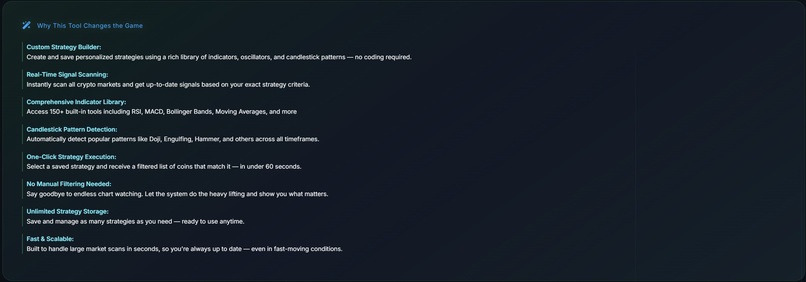
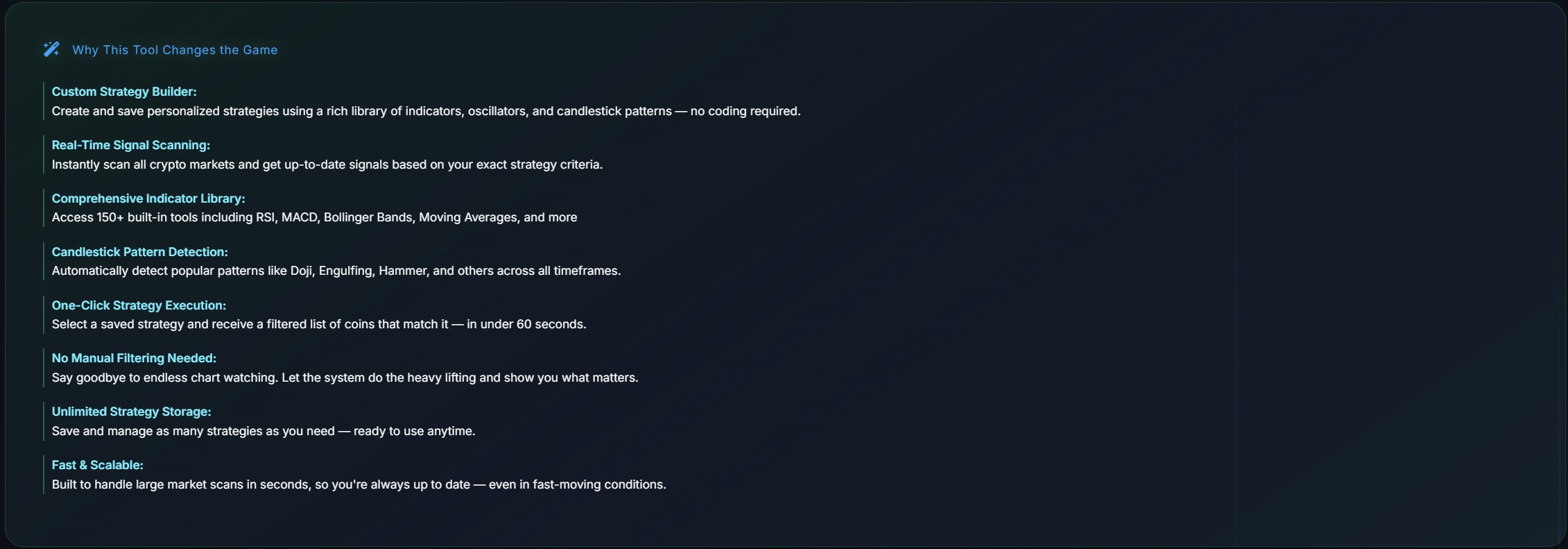
Game Changer
-

-

High Earning Potential for Influencers
-
600+ pre-built strategies
-



Inspiration
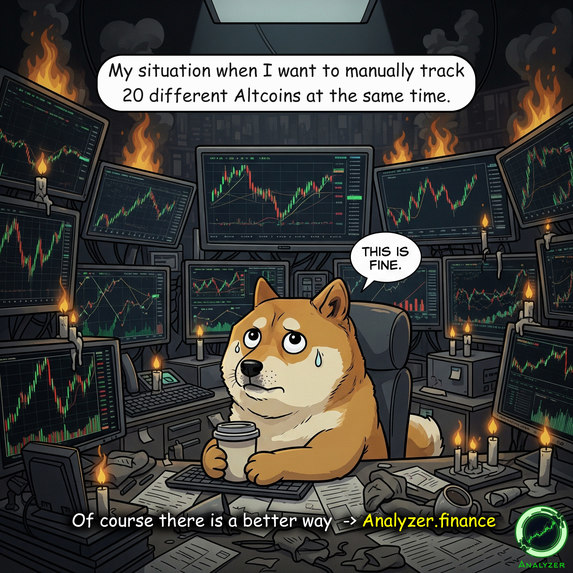
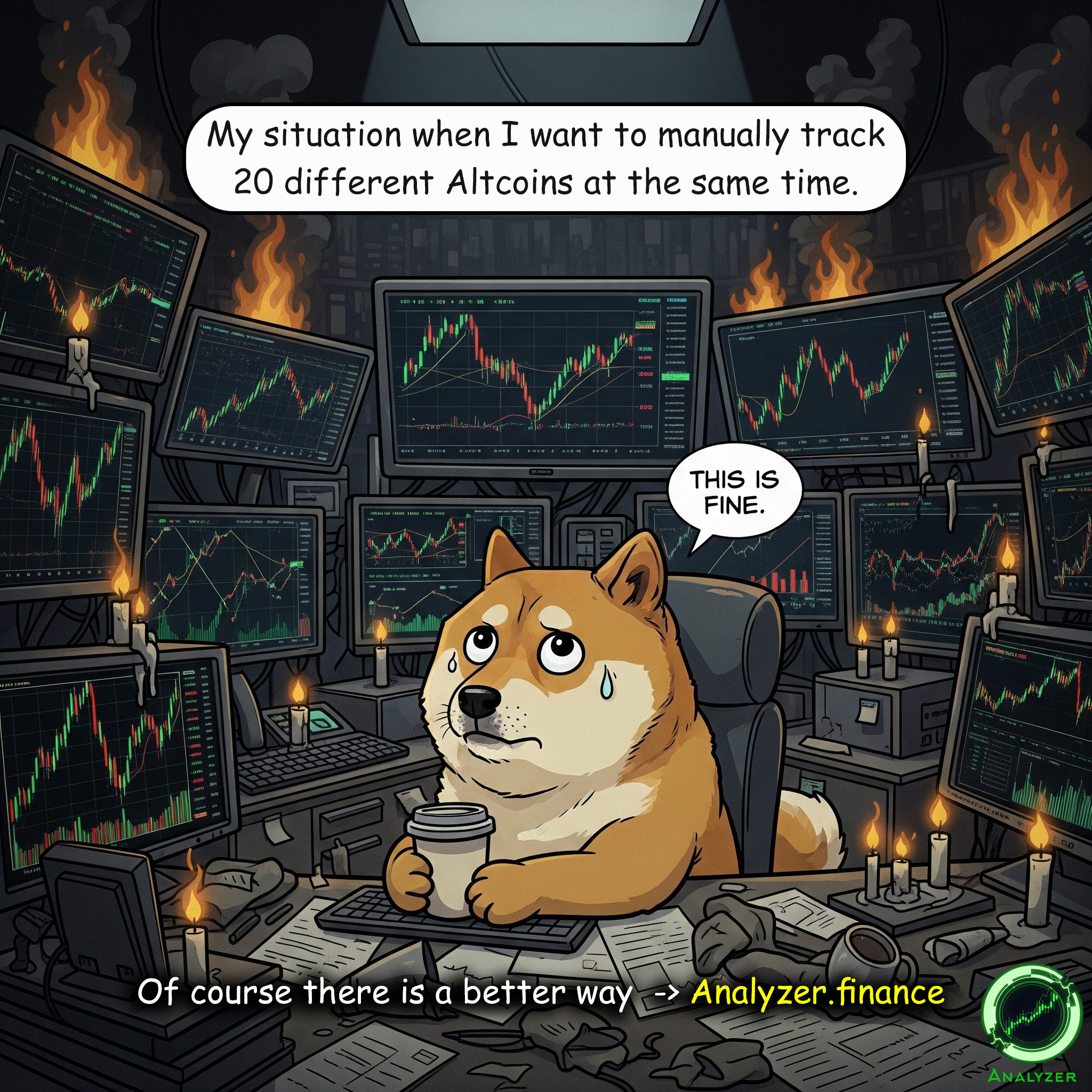
As active participants in the cryptocurrency market, we were constantly faced with a frustrating reality: opportunity is buried under a mountain of data. Traders, including ourselves, spend countless hours manually scanning hundreds of charts, looking for that perfect setup. It's a repetitive, exhausting, and inefficient process. The fear of missing out (FOMO) is constant because it's humanly impossible to watch every asset, every minute of the day.
This personal pain point sparked our core idea: Analyzer.finance. We asked ourselves, "What if we could build an intelligent, automated assistant that does the heavy lifting for us? A platform that watches the market 24/7 and alerts us only when an opportunity matches our specific strategy?" We envisioned a tool that would democratize high-level analysis, making it accessible not just to elite traders, but to everyone.
What it does
Analyzer.finance is an intelligent, fully automated technical analysis platform for the cryptocurrency market. It continuously scans over 500+ crypto assets 24/7, testing them against 600+ pre-built or user-created trading strategies. When a coin's chart matches a user's strategy, the platform instantly alerts them, effectively eliminating the need for manual chart analysis. Additionally, it features a unique Web3 referral system called RefDrop built on the Linea blockchain, which rewards users for growing the community.
How we built it
Building Analyzer.finance was a perfect test case for your AI editor, and it became the cornerstone of our development workflow.
Our process was iterative. We started by scaffolding the core analysis engine in Python. Your AI editor was instrumental here, generating the boilerplate code for API connections and data normalization. When it came to implementing the trading indicators, we would write the logic in plain English as comments, and the AI would help translate it into optimized Python code.
For the frontend, we used React. The AI editor accelerated our component creation process significantly. But the real "magic moment" came when we built the RefDrop system. We needed to connect our web app to the Linea network to handle referral rewards. Your editor's ability to provide accurate ethers.js snippets for interacting with our smart contract saved us days of searching through documentation and debugging. It felt like having a senior Web3 developer looking over our shoulder.
Challenges we ran into
No ambitious project is without its challenges, and we faced two major ones:
The Scalability Puzzle: Our initial prototype worked well with 10-20 cryptocurrencies, but it crumbled when we tried to scale it to over 500. The system would freeze under the sheer volume of real-time data.
How We Solved It: This is where your AI editor truly shined. We described our bottleneck issue, and the editor suggested refactoring our code to use an asyncio event loop in Python and a message queue system to manage data streams. It helped us architect a solution that was far more robust and scalable than our original design.
The "Plausible but Wrong" AI Suggestions: The biggest challenge in working with any AI is learning to manage its "creative" side. Occasionally, the editor would suggest a function that looked perfectly correct but was from a deprecated library version or subtly wrong for our specific context.
How We Overcame It: This didn't slow us down; it made us better developers. It forced us to treat the AI as a co-pilot, not an auto-pilot. We learned to critically review every suggestion, understand why it was being recommended, and debug effectively.
Accomplishments that we're proud of
Building a Truly Scalable Engine: We successfully engineered a system that can process high-frequency data for over 500 assets in real-time without performance degradation. Solving this scalability challenge was a major technical victory.
Bridging Web2 and Web3: We are incredibly proud of the RefDrop system. It's not just a referral program; it's a fully functional DApp that seamlessly connects a traditional web app to the Linea blockchain for transparent, on-chain reward distribution.
Achieving Simplicity from Complexity: Taking hundreds of complex indicators and building an interface where a novice can create a powerful strategy with a few clicks is our biggest product accomplishment. We successfully hid the complexity without sacrificing power.
Launching a Working MVP: Within the tight timeframe of a hackathon, we went from an idea to a deployed, functional Minimum Viable Product that solves a real-world problem for traders.
What we learned
This project was a deep dive into multiple complex domains. We learned an immense amount about:
Real-Time Data Streaming: Handling high-frequency data from multiple crypto exchange APIs taught us how to master asynchronous programming to avoid bottlenecks.
Web3 Integration: Building the RefDrop system gave us hands-on experience in writing and interacting with smart contracts on a layer-2 network.
Human-AI Collaboration: Most importantly, we learned how to effectively partner with an AI code editor. It wasn't just about getting code; it was about learning to ask the right questions and using AI suggestions as a launchpad for more complex logic.
What's next for Analyzer
The journey for Analyzer.finance has just begun. Our vision extends far beyond its current state:
Machine Learning-Powered Strategy Suggestions: We plan to implement an ML model that analyzes the historical performance of different strategies to suggest optimizations or even new strategies based on market conditions.
Direct Exchange Integration (API Trading): The ultimate goal is to allow users to connect their exchange accounts via API and have Analyzer execute trades automatically, turning it into a fully autonomous trading bot.
Expansion to Other Markets: We plan to expand the same powerful analysis engine to other financial markets, such as Stocks and Forex.
Community Hub & Strategy Marketplace: We envision a hub where users can share, rate, and even sell their most successful trading strategies, creating a vibrant ecosystem of shared knowledge.


Log in or sign up for Devpost to join the conversation.