-
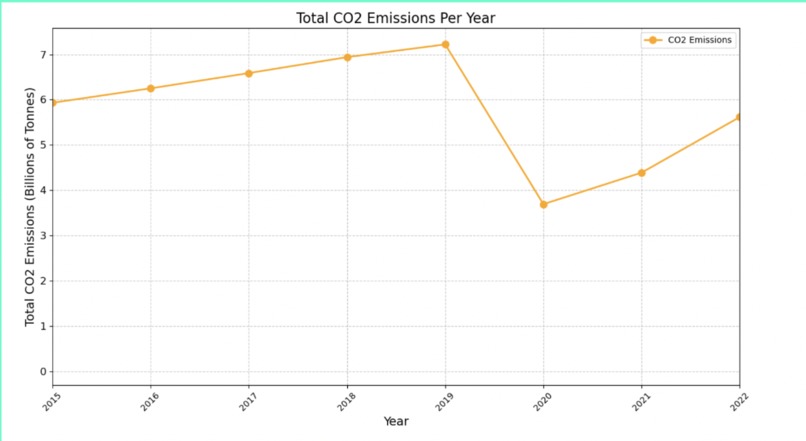
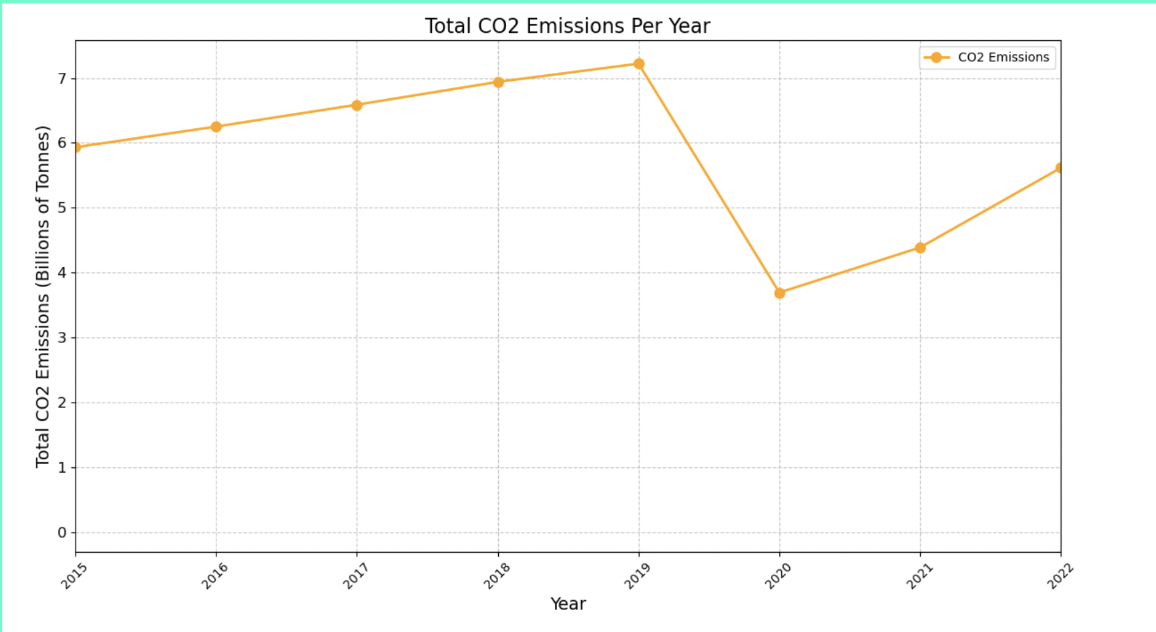
Total Carbon Emissions Up Until 2022
-
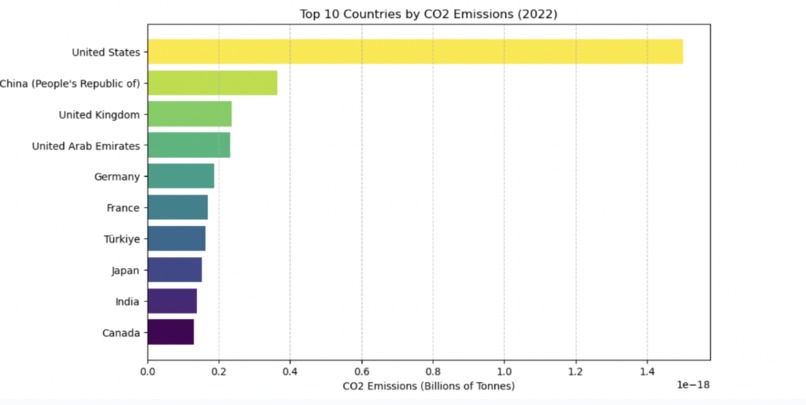
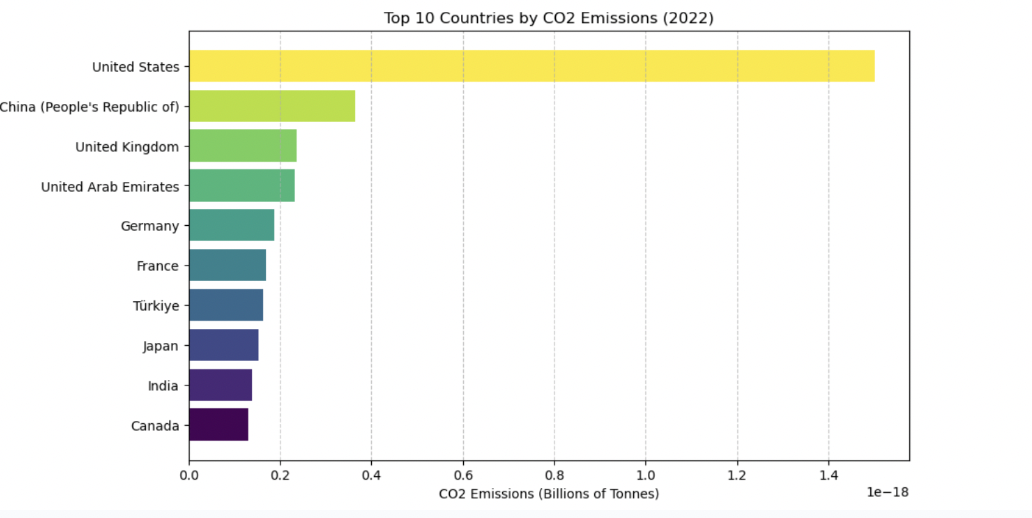
Top 10 Carbon (from Airplanes) Producing Countries in 2022
-
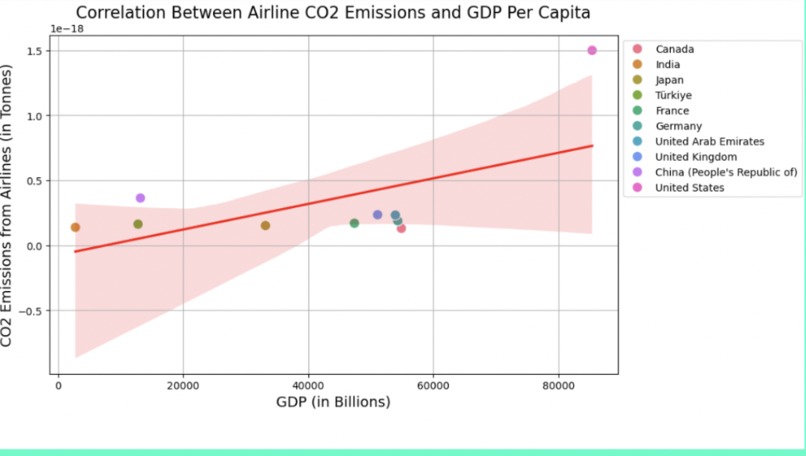
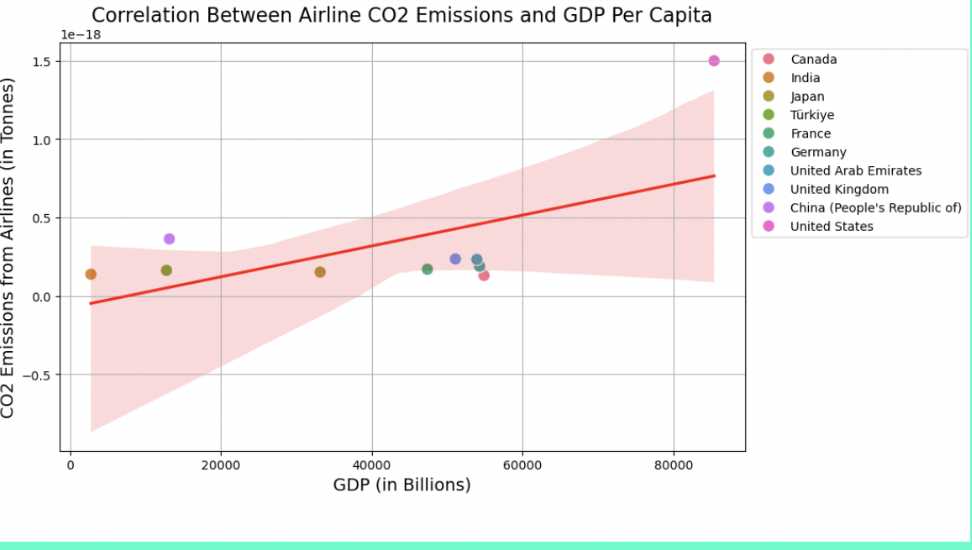
Correlation Between GDP Per Capita and Carbon Emissions From Planes
-
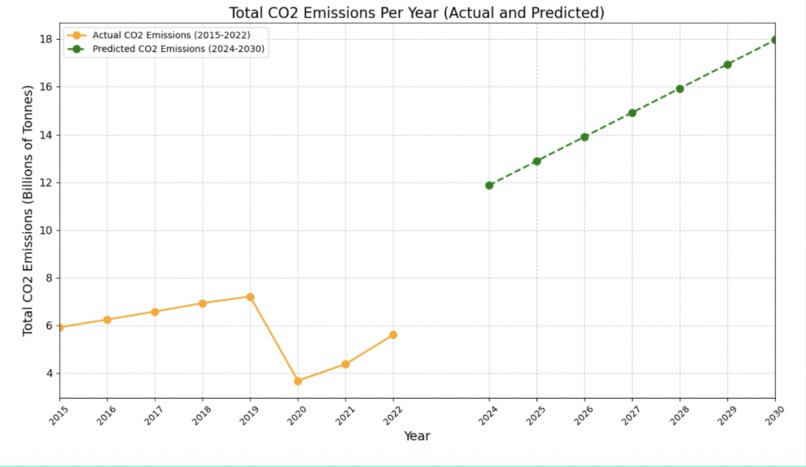
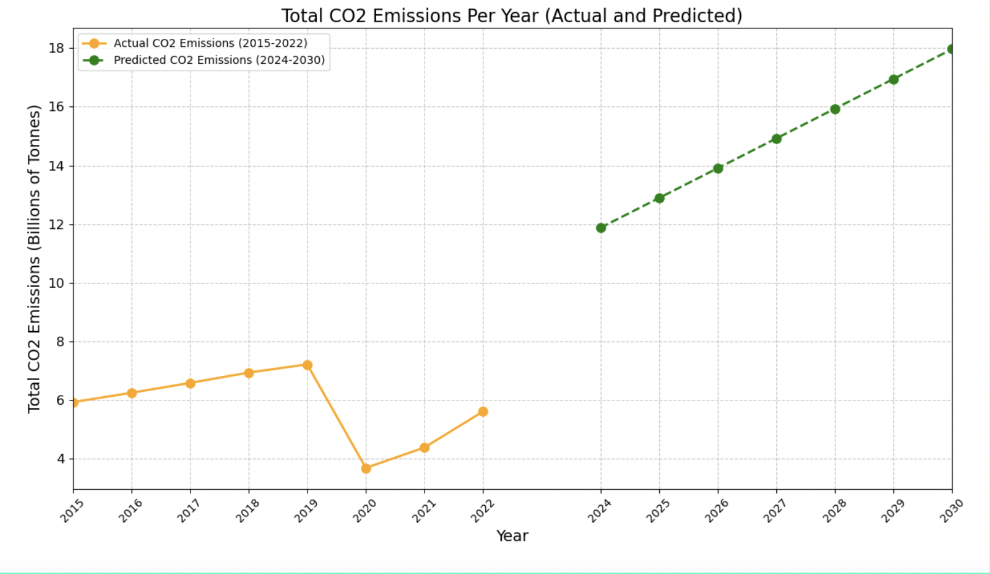
Carbon Emissions Predicted Until 2030
-
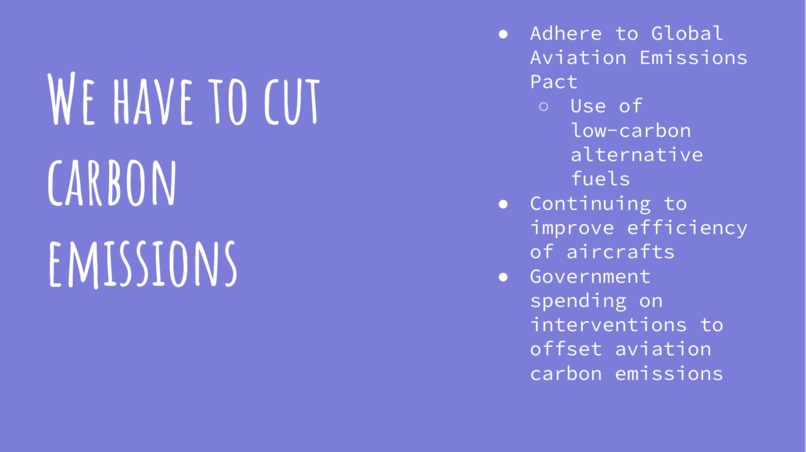
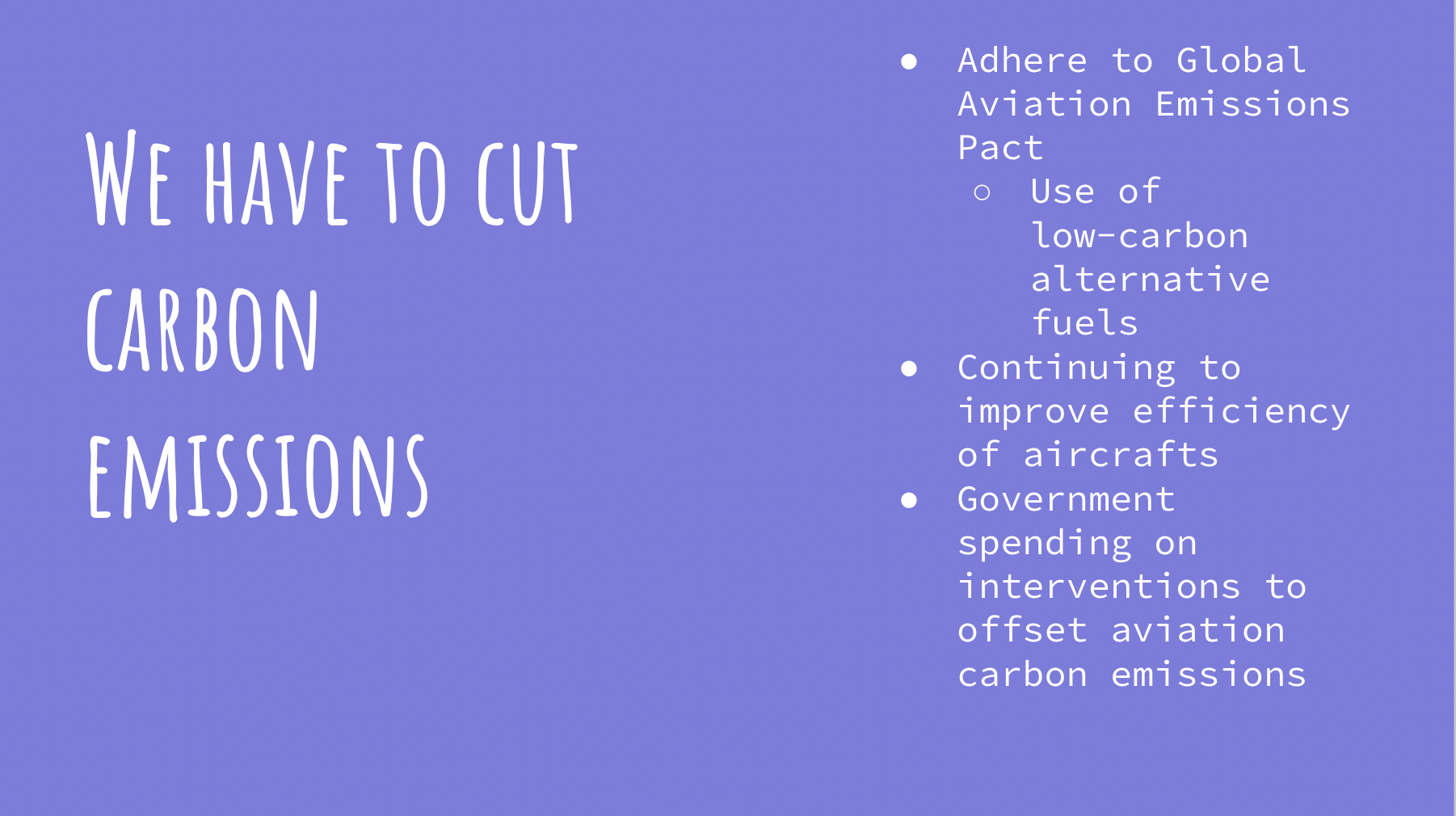
Steps To Reduce Carbon Emissions from Airplanes
Inspiration
The rapid growth of air travel has significantly increased CO2 emissions, but it often escapes the level of scrutiny that other industries face. I was driven to explore this topic to better understand the aviation industry’s environmental impact and discover potential solutions. By combining data science and predictive modeling, I aimed to provide insights that could help shape future policy and promote sustainability in air travel.
What it does
This project analyzes historical CO2 emissions from the top 10 aviation-emitting countries and uses machine learning to forecast future emissions from 2024 to 2030. The model predicts future trends in aviation-related emissions and explores correlations with each country's economic strength (GDP). Visualizations help showcase both the past and future of CO2 emissions in a clear and engaging format.
How I built it
The project was built using Python, leveraging Pandas for data manipulation, Matplotlib for visualization, and time series forecasting for prediction. I started by cleaning and preparing the dataset, which contained historical emissions data and GDP statistics for the top-emitting countries. After merging the datasets, I applied a machine learning model to predict emissions through 2030 and generated visualizations that highlight both historical and predicted data. Key steps: Data Preprocessing: Cleaned and filtered the historical emissions data, and merged it with GDP information. Machine Learning: Implemented a time series model to predict future CO2 emissions. Visualization: Used Matplotlib to plot both historical and predicted emission values, distinguishing them with different colors for clarity.
Challenges we ran into
Handling incomplete and inconsistent data was one of the toughest challenges. The dataset included emissions data in various formats, including quarters and months, which made it tricky to extract meaningful insights for year-over-year analysis. Another major challenge was designing a robust machine learning model that could provide reliable predictions, given the variability in historical data.
Accomplishments that I'm proud of
We’re proud of the successful integration of multiple datasets and building a machine learning model that can reliably forecast future emissions trends. Additionally, creating clean, visually appealing graphs that make these trends easy to understand was a major achievement. Being able to show a clear relationship between aviation emissions and GDP is another accomplishment that will provide valuable insight for stakeholders.
What I learned
We learned a great deal about data wrangling and cleaning, particularly when working with large and sometimes messy datasets. This project also deepened our understanding of how predictive modeling can be applied to real-world problems, and how visualization can enhance data interpretation. The complex relationship between economic growth and emissions was an eye-opener, highlighting how critical policy intervention is for sustainability.
What's next for Analytical Dive into Carbon Emissions from Airplanes
The next step is to expand the model to include more variables, such as technological advancements in aviation or country-specific environmental policies, to further improve the accuracy of the predictions. Additionally, integrating other data sources like fuel consumption or airline-specific emissions could add more depth to the analysis. We also aim to explore further potential policy recommendations for reducing emissions based on the insights gained from the model.

Log in or sign up for Devpost to join the conversation.