Inspiration
The constant influx of 311 service requests in NYC sparked our curiosity. With millions of calls, complaints, and reports, we wondered: What patterns can we discover? We aimed to analyze this public dataset to uncover insights about quality of life, community needs, and city operations.
What it does
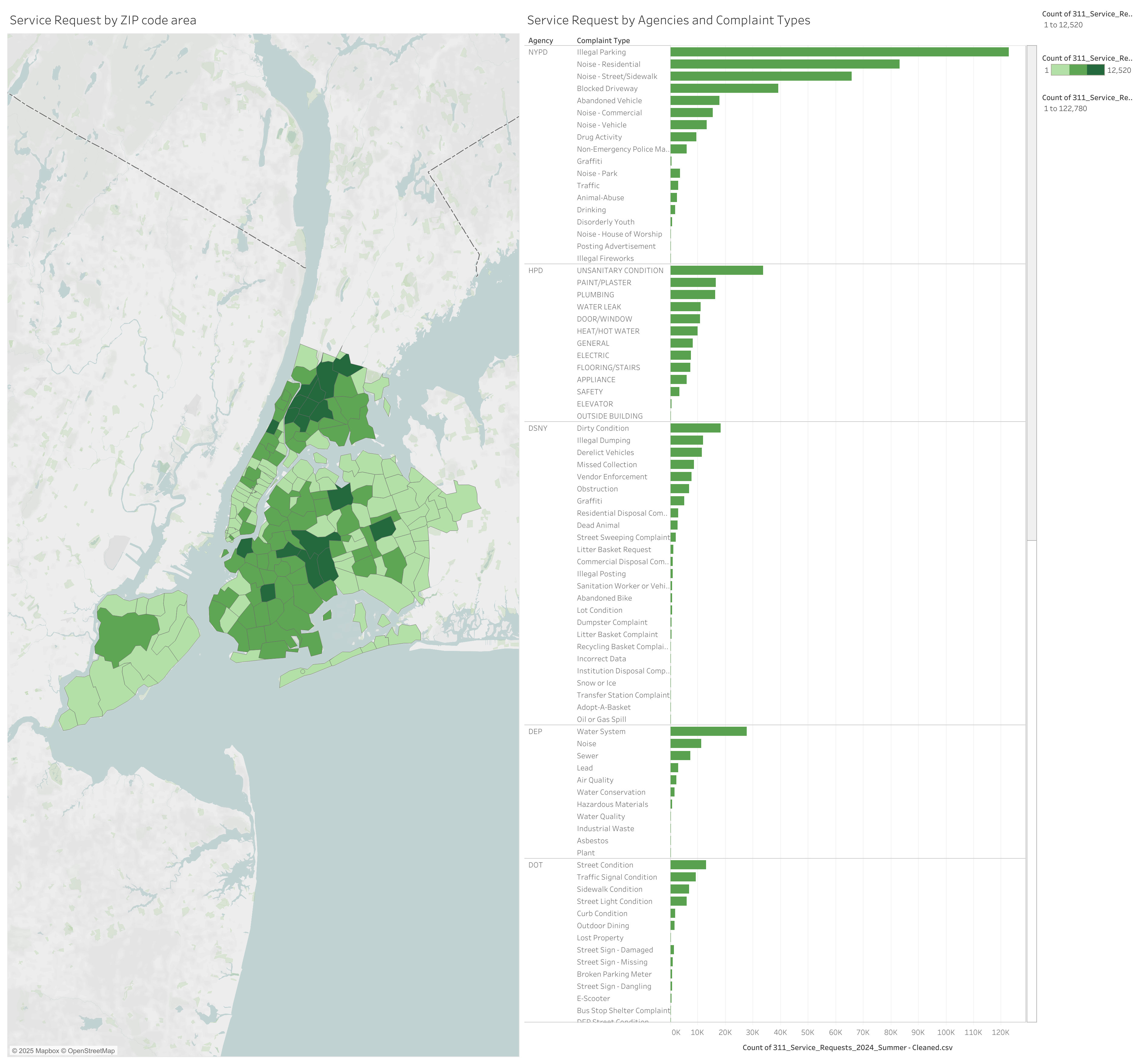
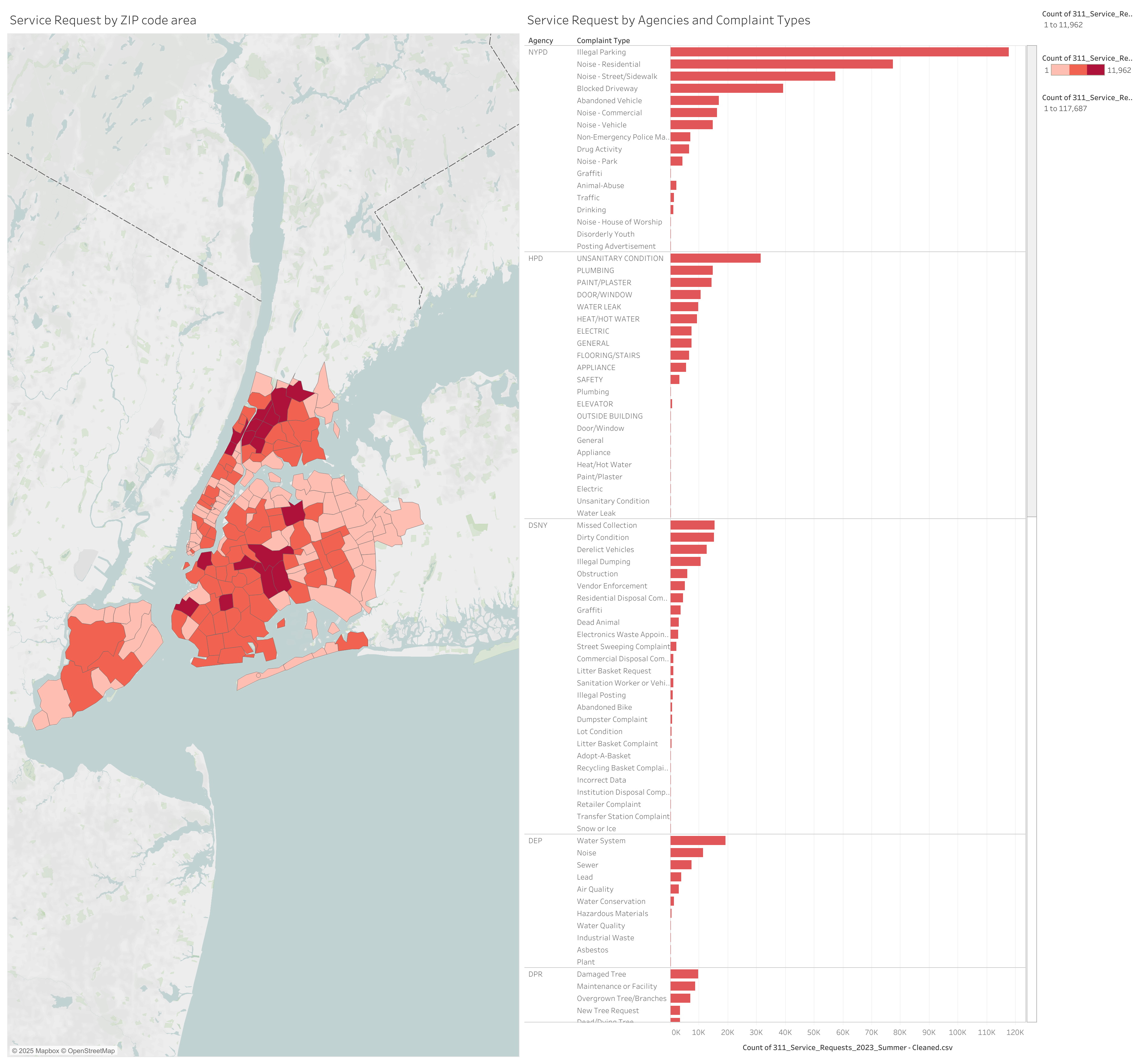
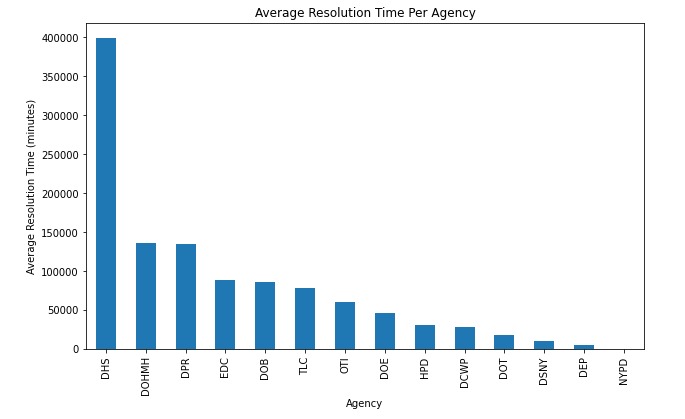
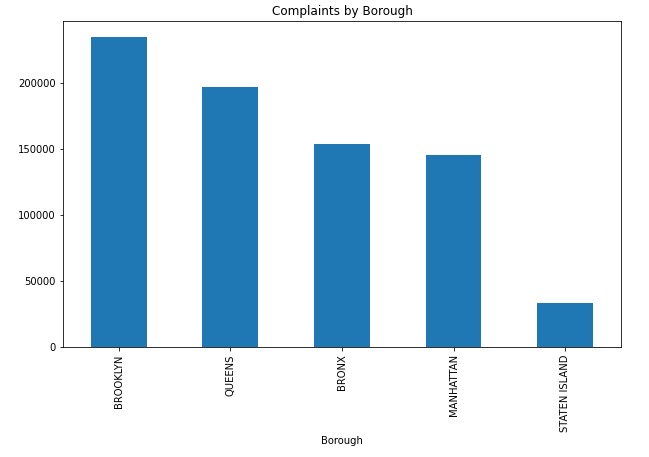
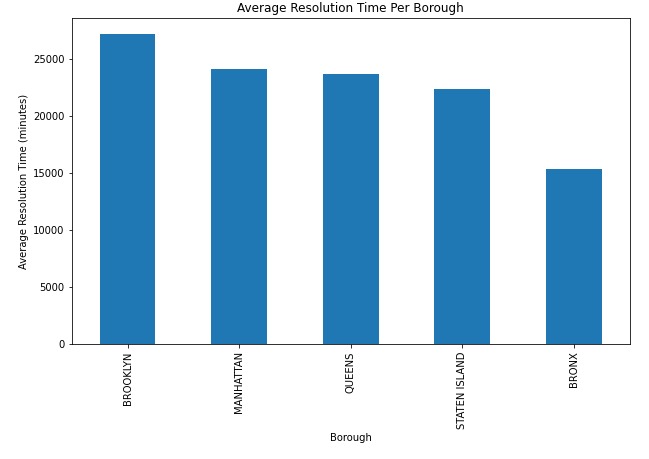
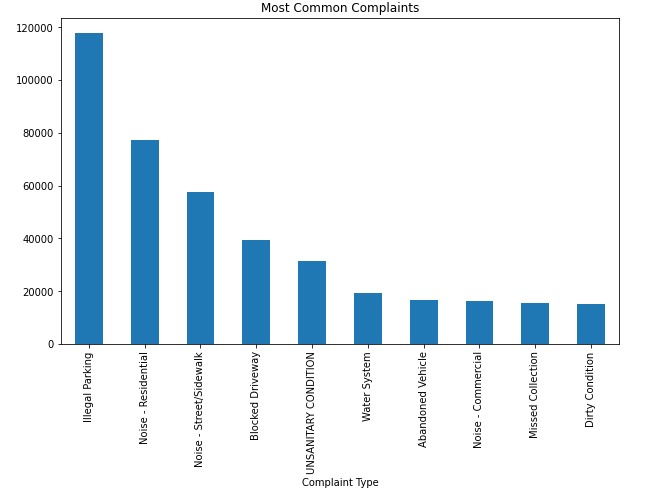
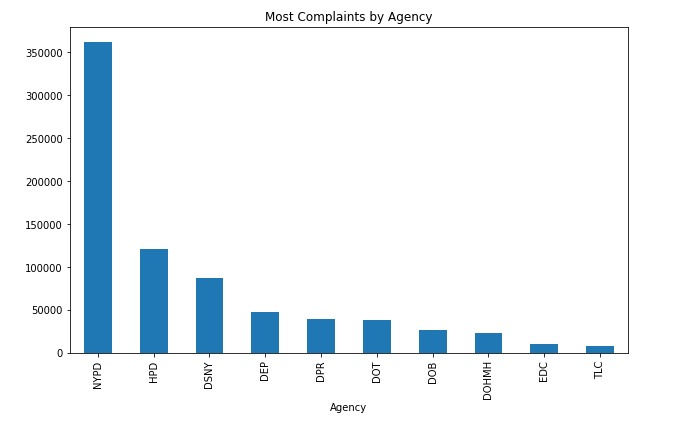
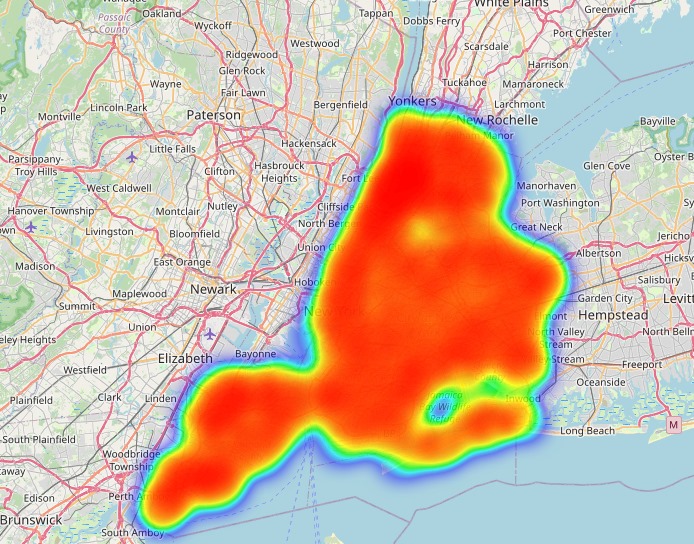
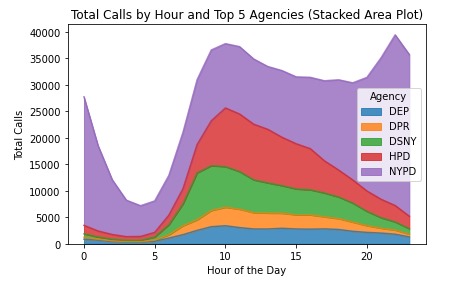
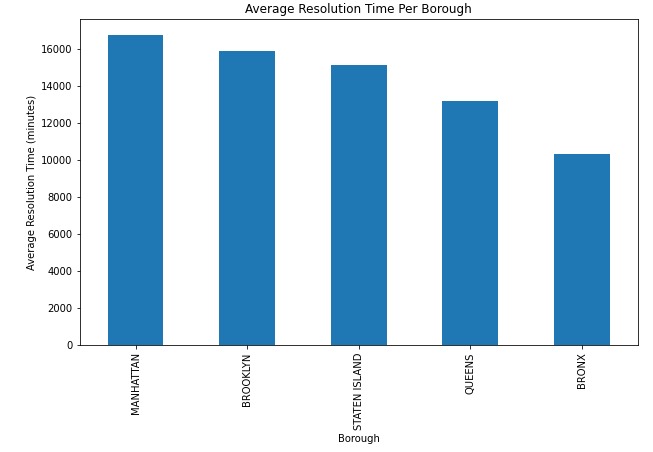
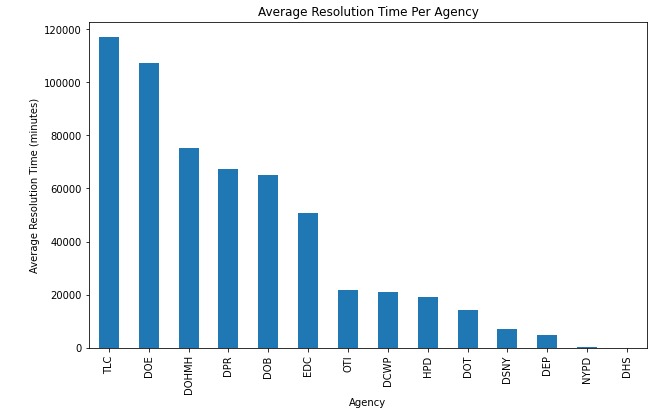
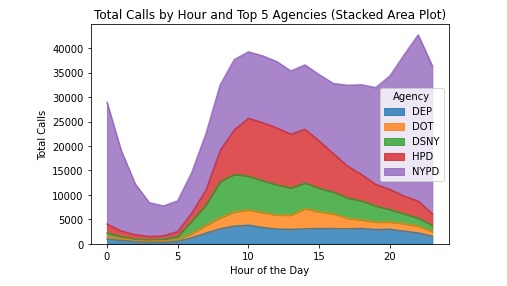
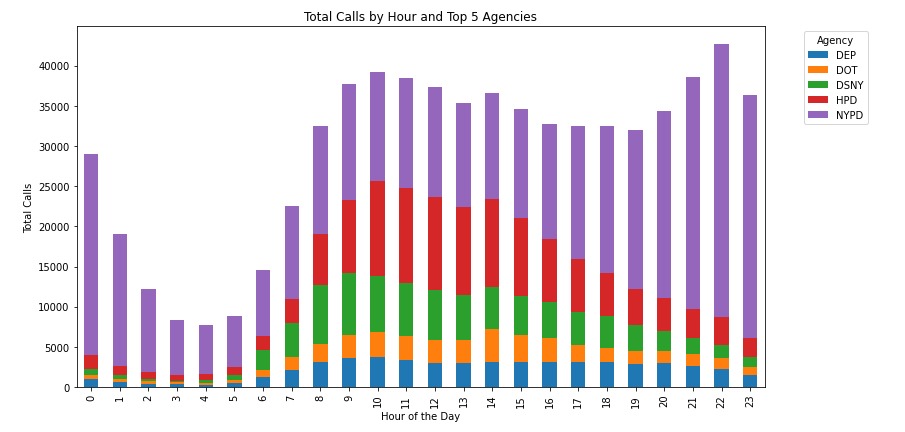
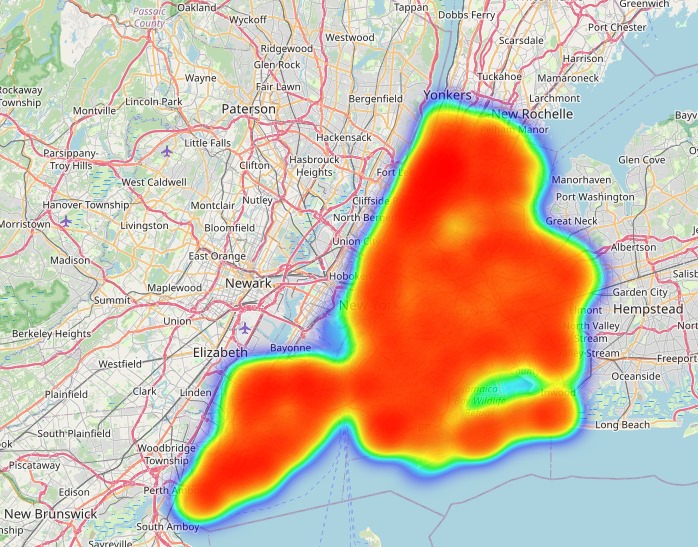
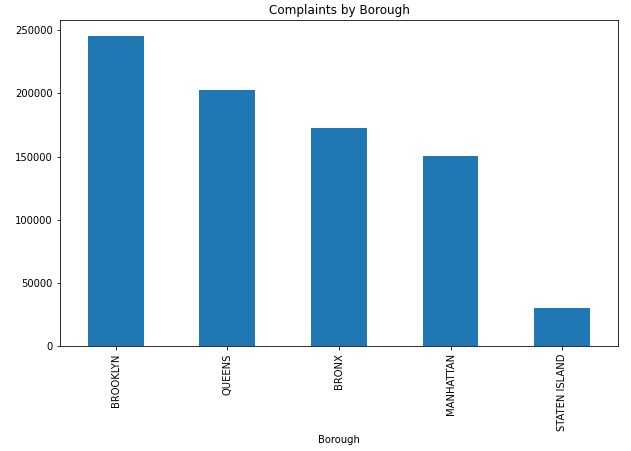
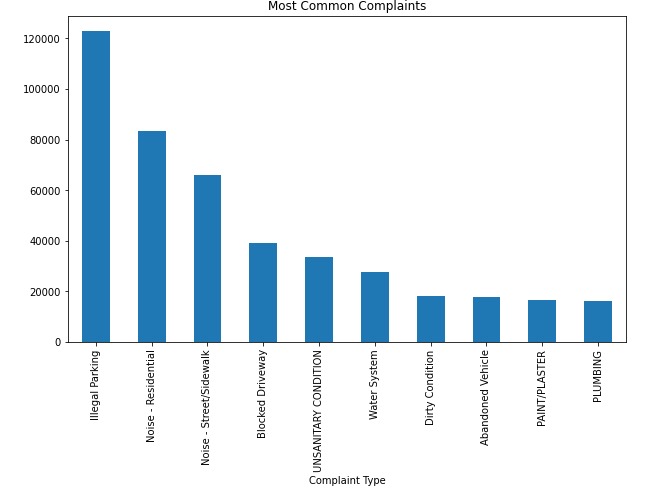
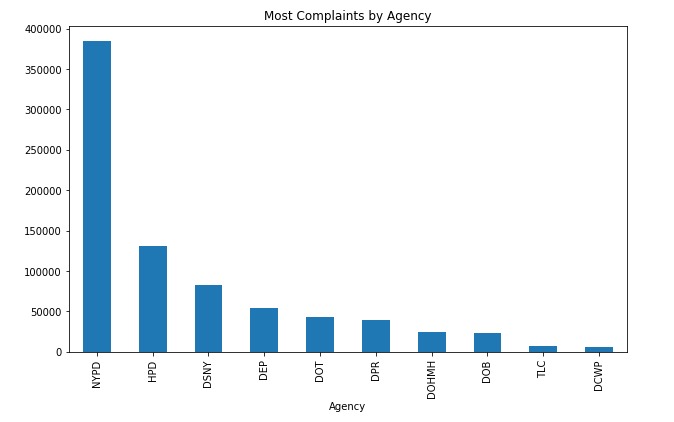
Our project analyzes NYC’s 311 Service Request Data from 2023–2024, identifying trends, complaint hotspots, seasonal patterns, and service response times. We created visualizations and summary statistics to make the data digestible for both city officials and residents.
How we built it
- Python for data analysis (Pandas, NumPy)
- Matplotlib and Plotly for interactive visualizations
- Jupyter Notebook for exploration and prototyping
- GitHub for collaboration and version control
- NYC Open Data as the data source
Challenges we ran into
- Dealing with missing or incomplete data entries
- Cleaning and filtering large datasets (millions of records)
- Making visualizations meaningful without overwhelming the viewer
- Handling slow computations due to dataset size
Accomplishments that we're proud of
- Successfully processed and visualized a massive real-world dataset
- Discovered clear patterns in complaint types and response times
- Built an organized and reusable Jupyter Notebook workflow
- Provided actionable insights that could help policymakers or researchers
What we learned
- Practical data cleaning and preprocessing techniques
- How to create impactful visualizations
- GitHub workflows for data science projects
- The importance of asking the right questions when working with real-world data
What's next for Analysis of NYC-311 Service Request Data (2023–2024 Focus)
Integrating machine learning for complaint-type prediction or response time estimation
- Developing an interactive web dashboard (maybe with Dash or Streamlit)
- Expanding the project to include earlier years (2010–2024) for long-term trend analysis
- Collaborating with community organizations or city planners

Log in or sign up for Devpost to join the conversation.