-
-
-
-
-
-
fancy filter!
-
-




Inspiration
Several members of our team took modern physics in high school. Each of our biggest struggle was conceptualizing and working with relativity. Although it governs everything, there currently is no easy way demonstrate one of the most fundamental laws.
What it does
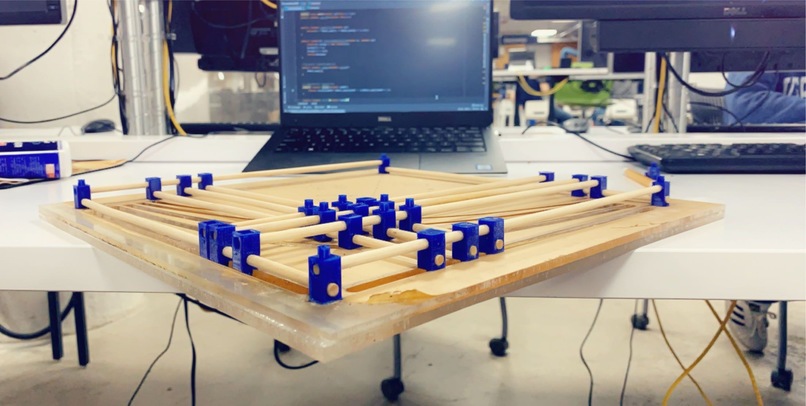
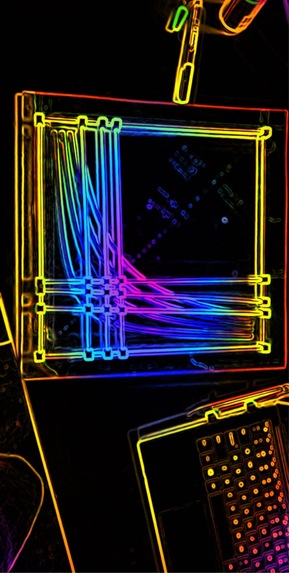
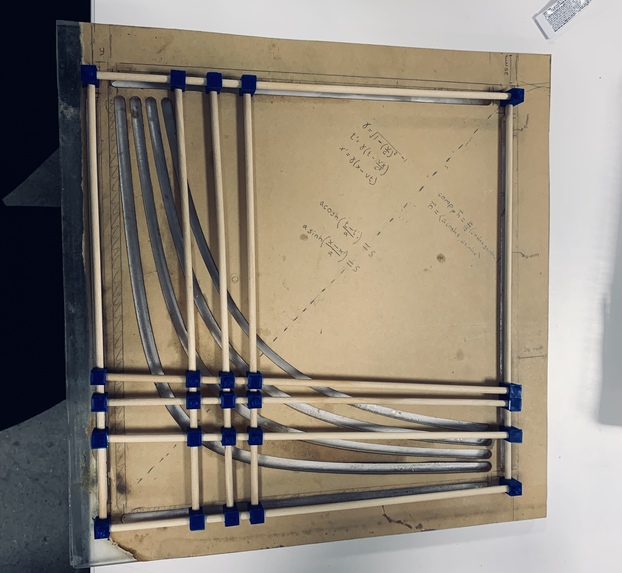
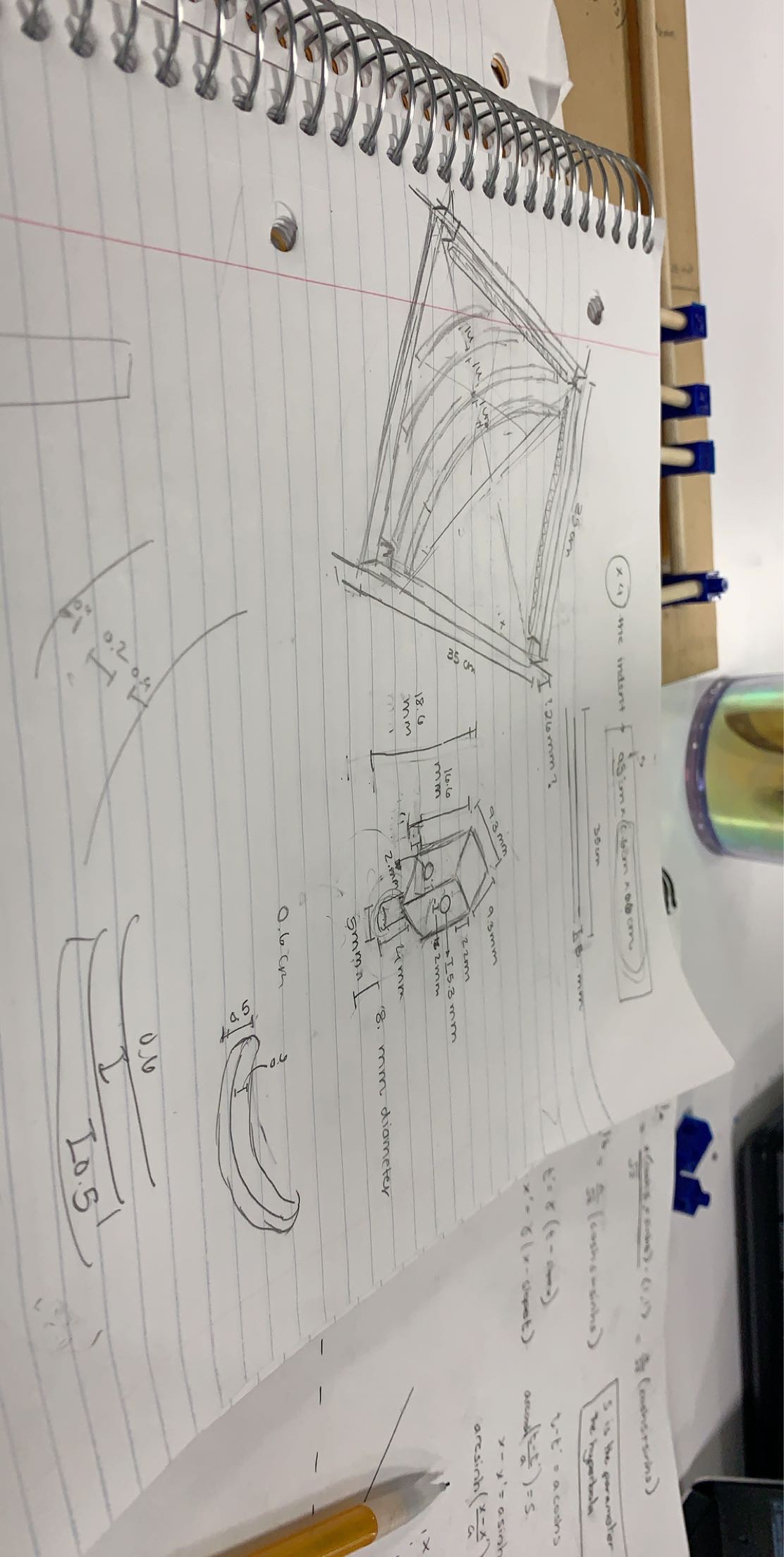
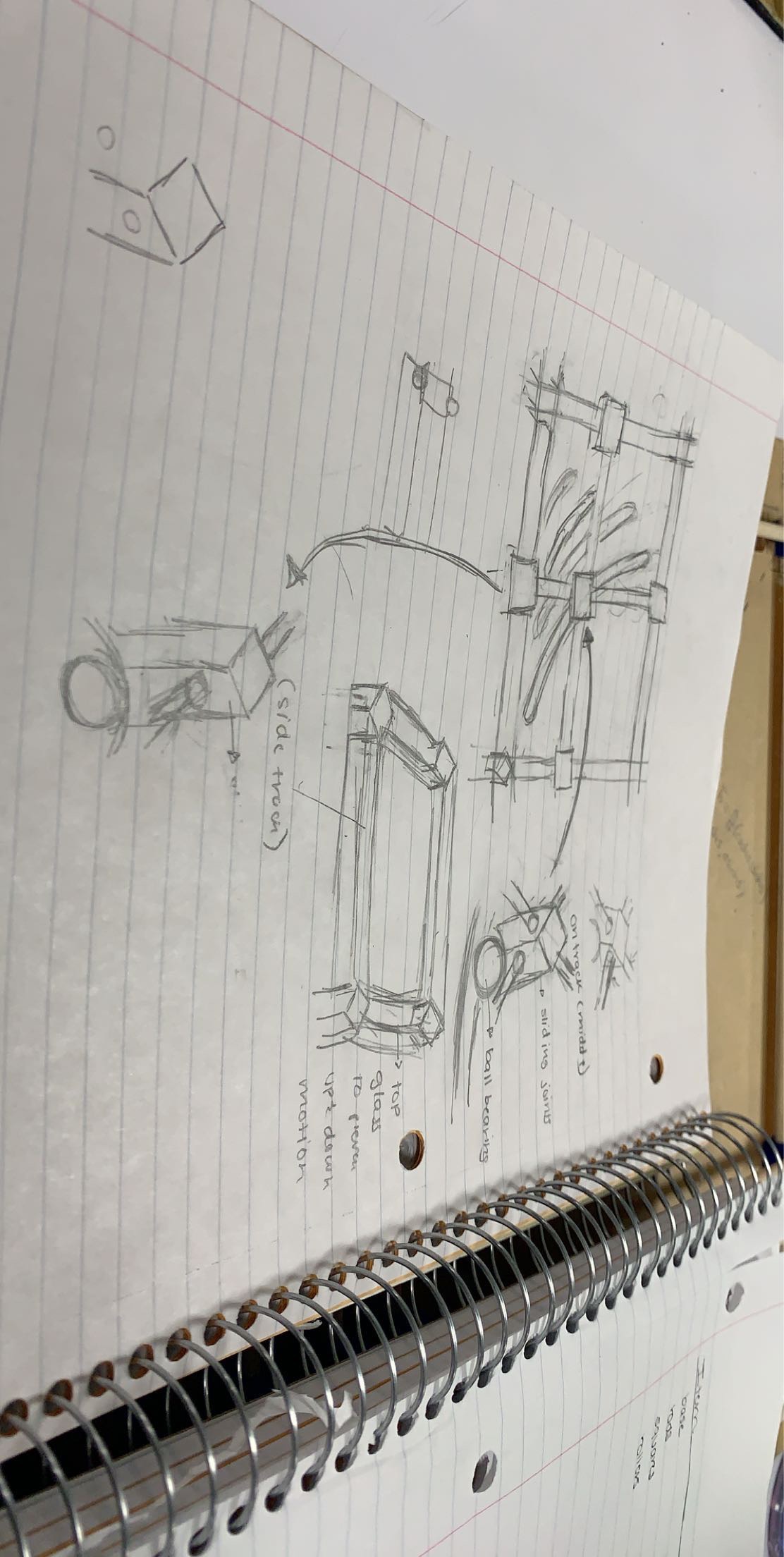
The interconnected system moves the joints through the track to outline the scaling of special relativity. By tracking the diagonal pieces, one can track how special relativity affects the paths of objects relative to other objects.
How I built it
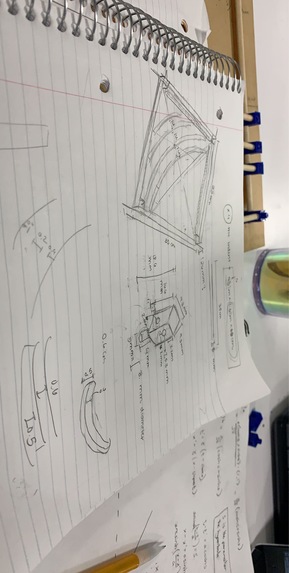
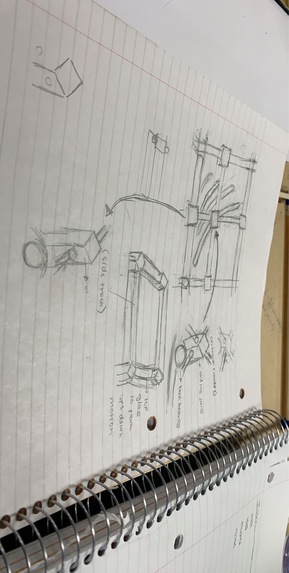
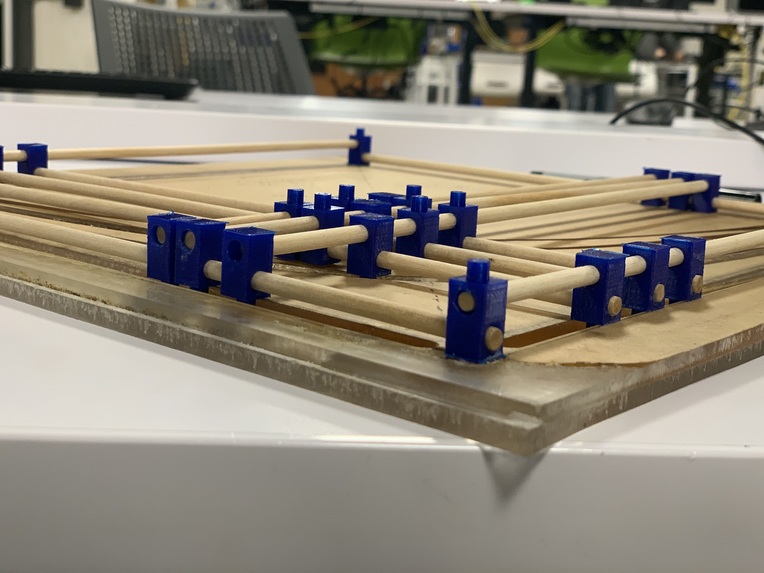
First, we spent several hours designing each part of the project. We measured out pieces and set our specifications. Then, we designed joints in a cad software that would connect each piece together. After the joints were finalized, we used the laser cutter to cut tracks into the acrylic glass. After all the pieces were cut and printed, we assembled the board and gluing the final pieces to the board.
Challenges I ran into
The first major challenge was figuring out how the track should guide the joins. The first model was using ball bearings that would slide in the track connected to the joins. The main issue is the stability was compromised and had a high probability of popping out. We then decided to have a knob on the bottom that would follow the track. The main issue that arose from this is that it added more torque on the sides (from not having perfectly fitting connectors) and more friction making it difficult to slide the apparatus.
Accomplishments that I'm proud of
In total, the project looked fairly daunting from the start both mathematically and physically. We are proud of the discoveries we made about special relativity (discussed in 'What I learned') and the designing of the project. Since all of us are freshman, none of us have had the opportunity to use a lot of the equipment, so the design process was eye-opening
What I learned
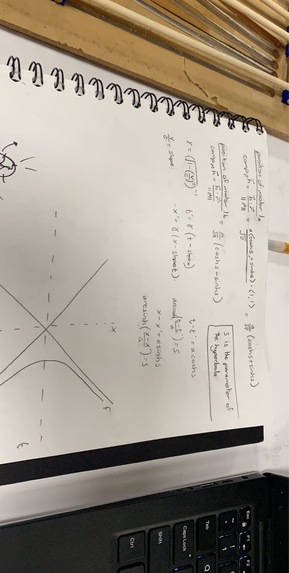
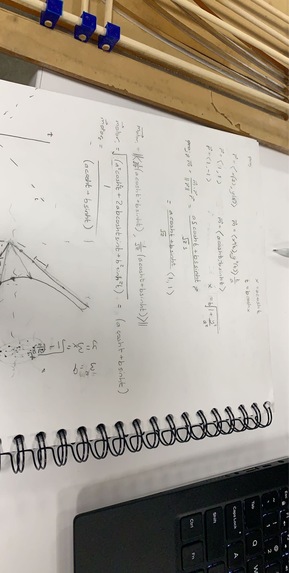
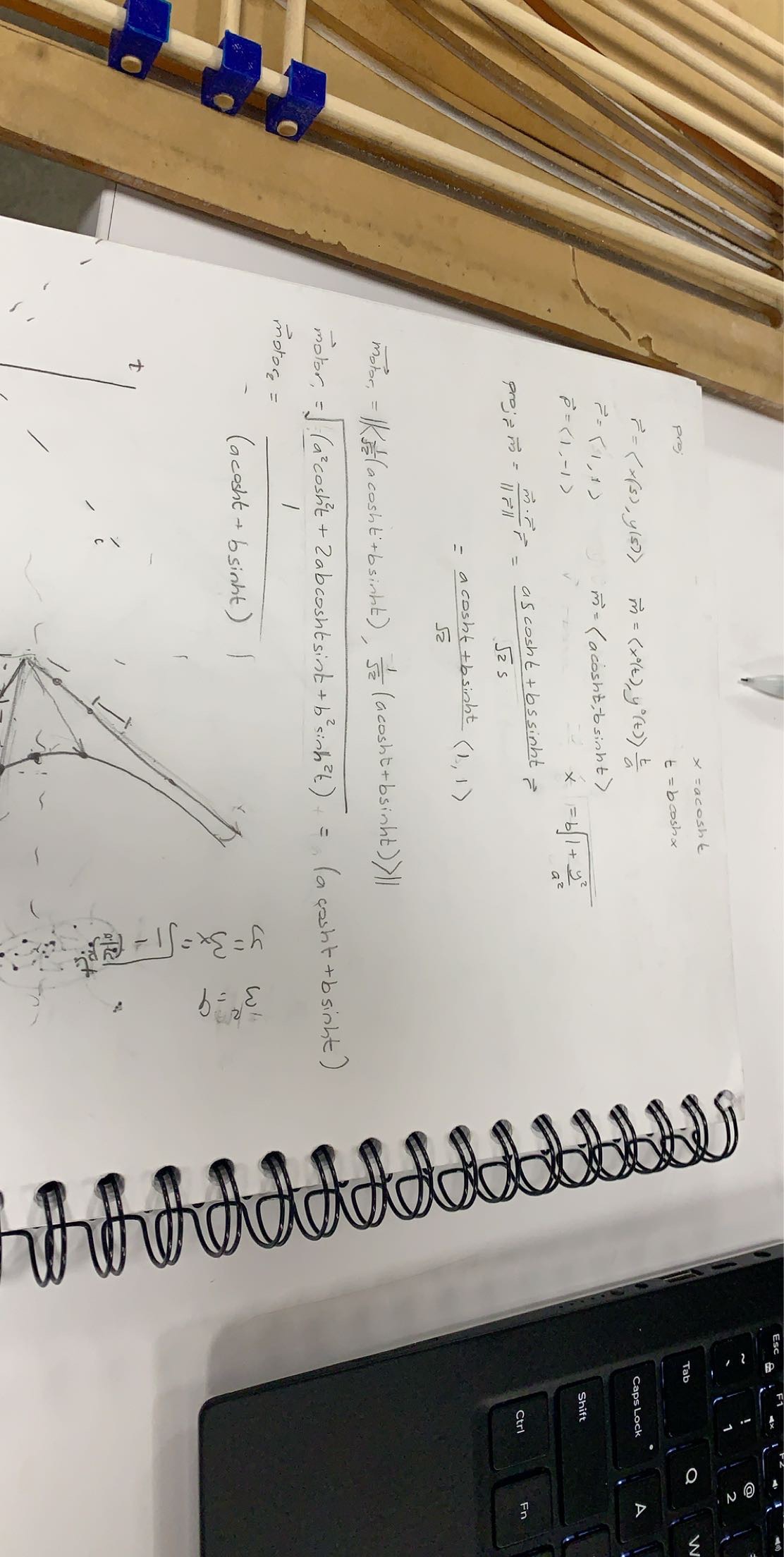
The process of constructing a mechanical spacetime diagram provided a surprising amount of insight on the inner workings of special relativity, particularly Lorentz transformations. Among our efforts to motorize the spacetime setup, it became increasingly clear that the equations developed by Lorentz and used by Einstein were deeply intertwined with hyperbolic geometry.
What's next for Analog Space-Time Calculator
Next, we really hope to redesign a lot of the parts to be much tighter fitting with less friction. By replacing a lot of the wooden components with metal, we believe that we can really make the system flow easier. Furthermore, we want to add motors alongside the code to make usage more accurate and seamless. By adding motors, we could also have much more fine control over the system moving which could also be used to reduce friction.
Built With
- 3dprinting
- acrylic
- c
- glue
- java
- jigsaw
- laser
- wood

Log in or sign up for Devpost to join the conversation.