-
-
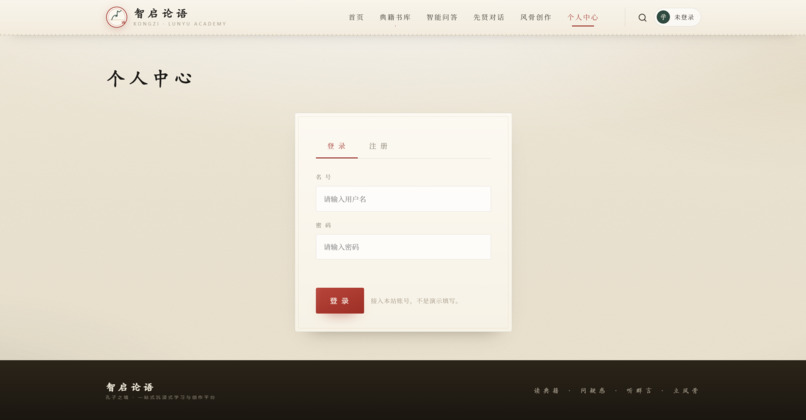
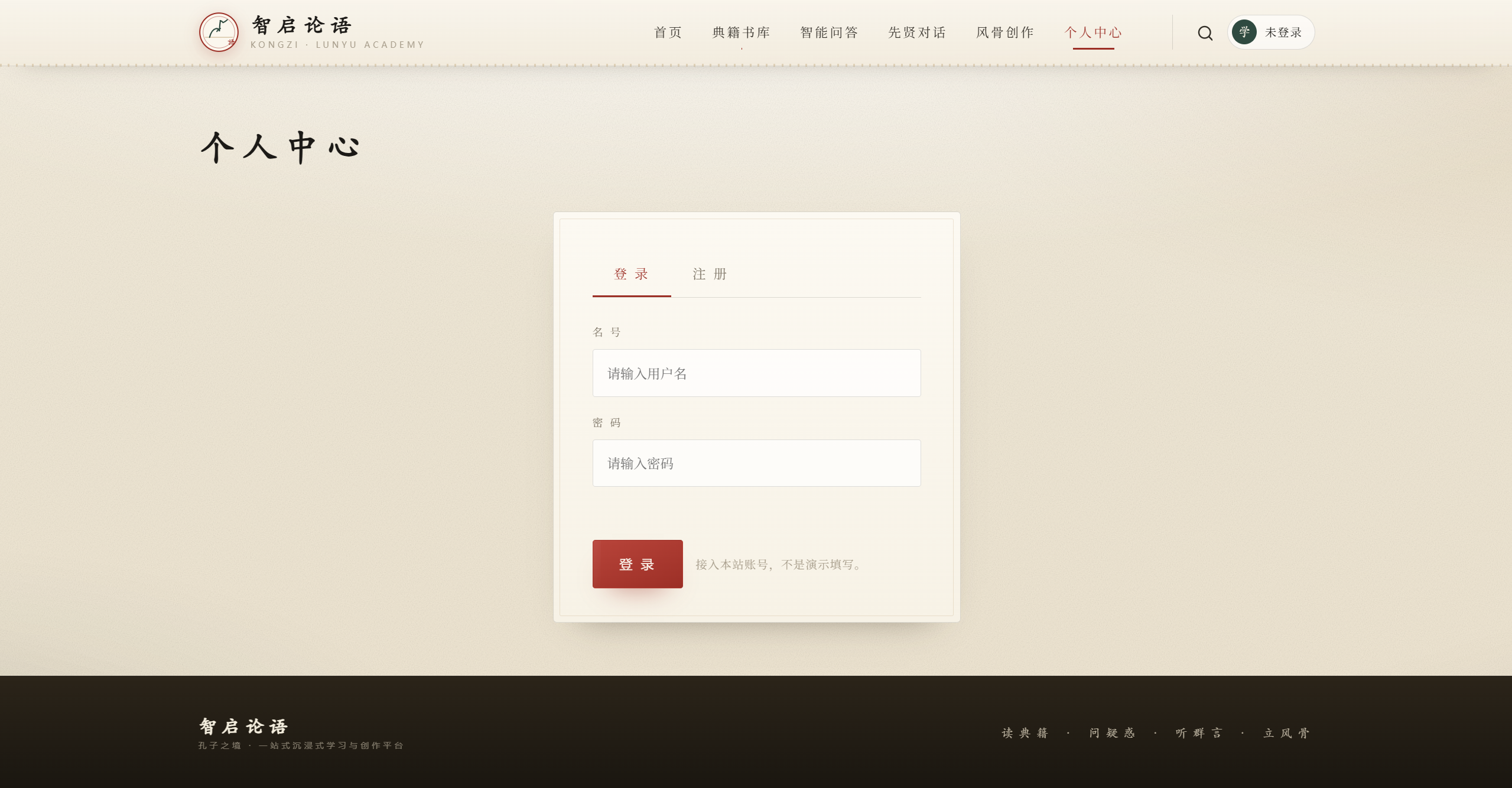
account-sign-in
-
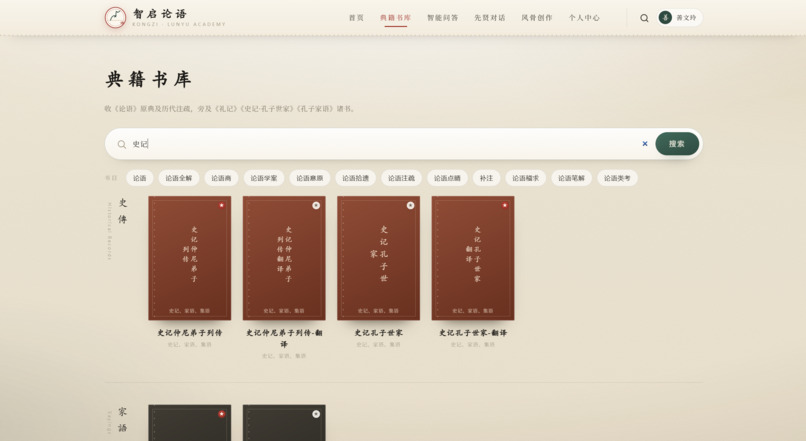
classics-library
-
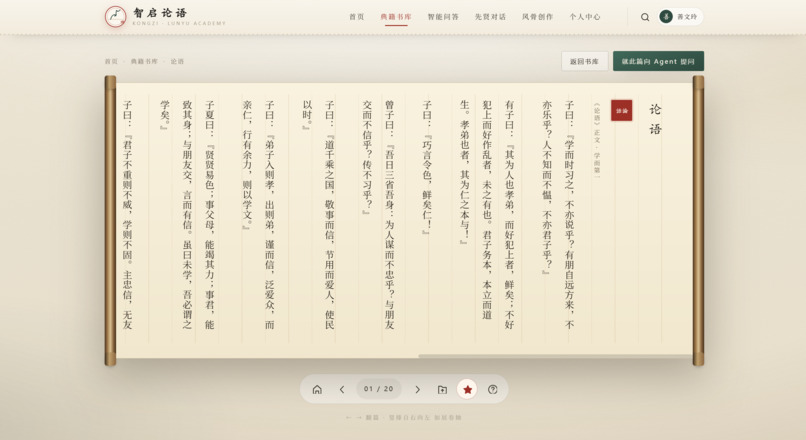
analects-scroll-reader
-
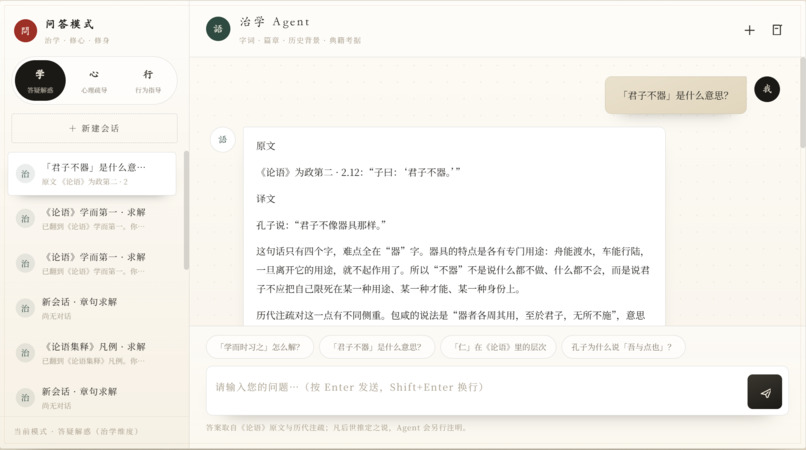
qa-learning-agent
-
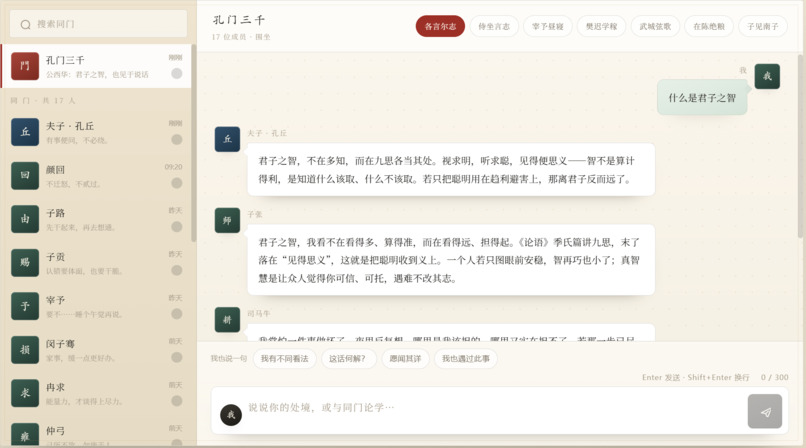
sage-chat-gentleman-wisdom
-
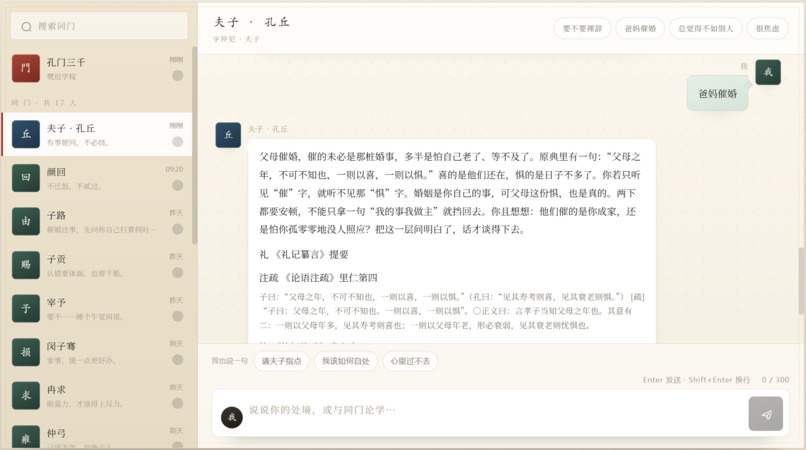
private-chat-confucius
-
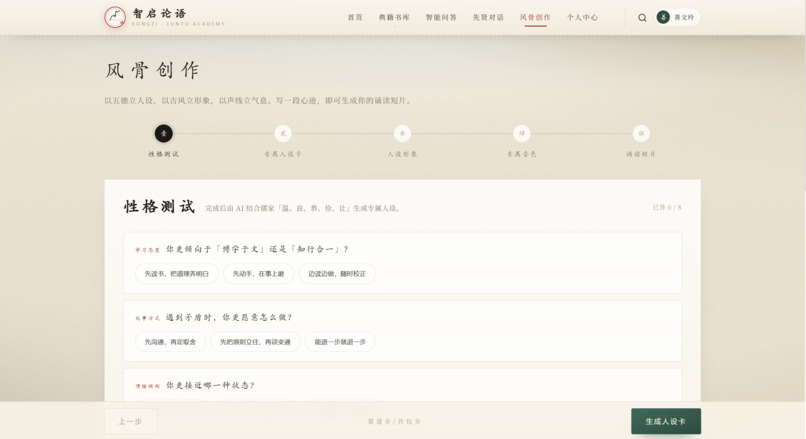
personality-assessment
-
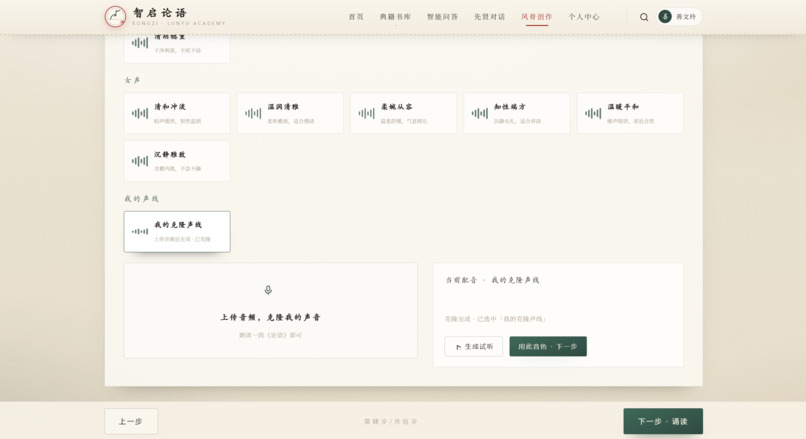
voice-selection
-
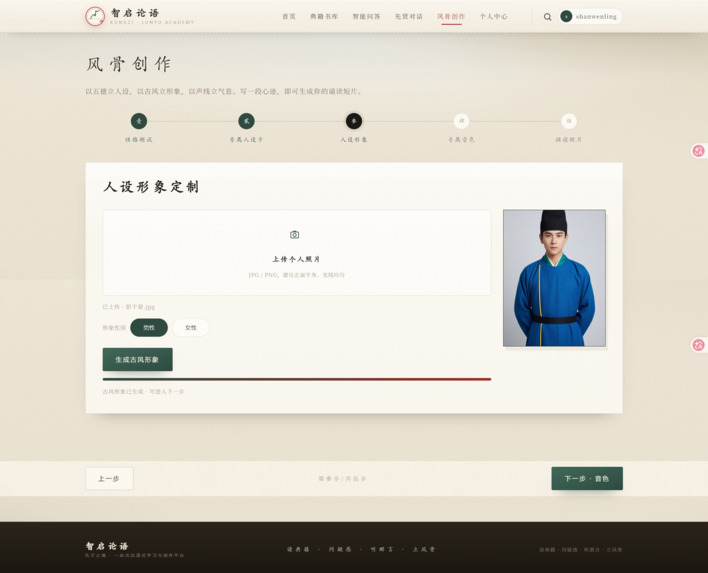
portrait-generation
-
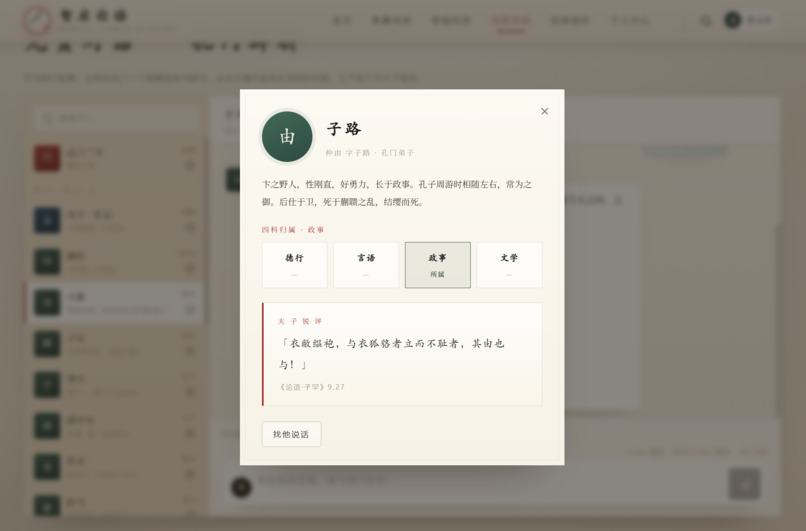
disciple-profile-zilu
-
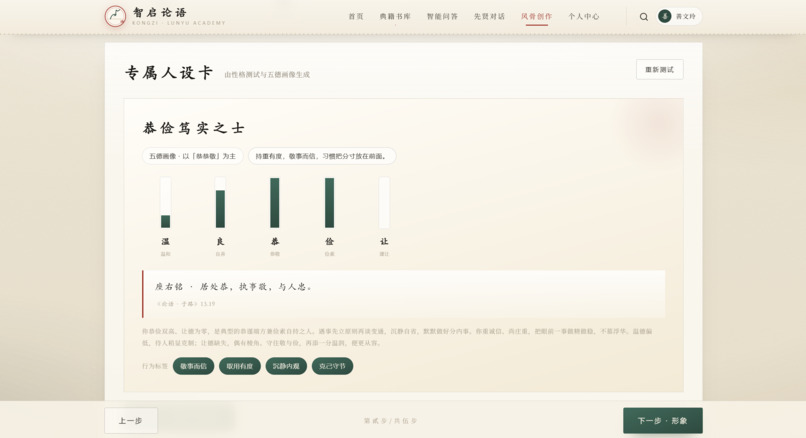
persona-card-five-virtues
Inspiration
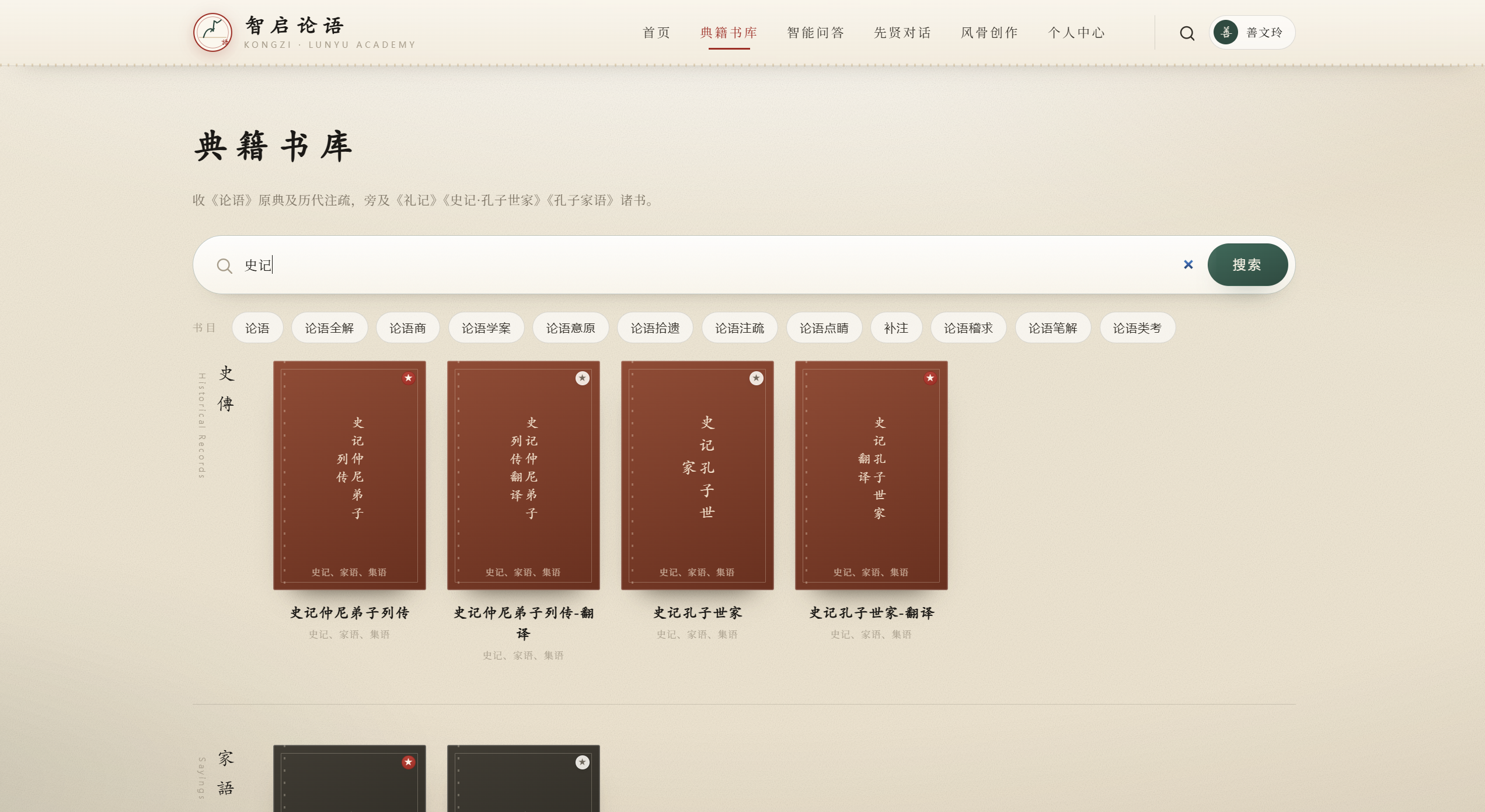
Classical texts can offer useful perspectives on everyday concerns, but unfamiliar language and historical context can make them difficult to approach. Analects Realm connects reading, questioning, discussion, and personal reflection in one learning experience.
What it does
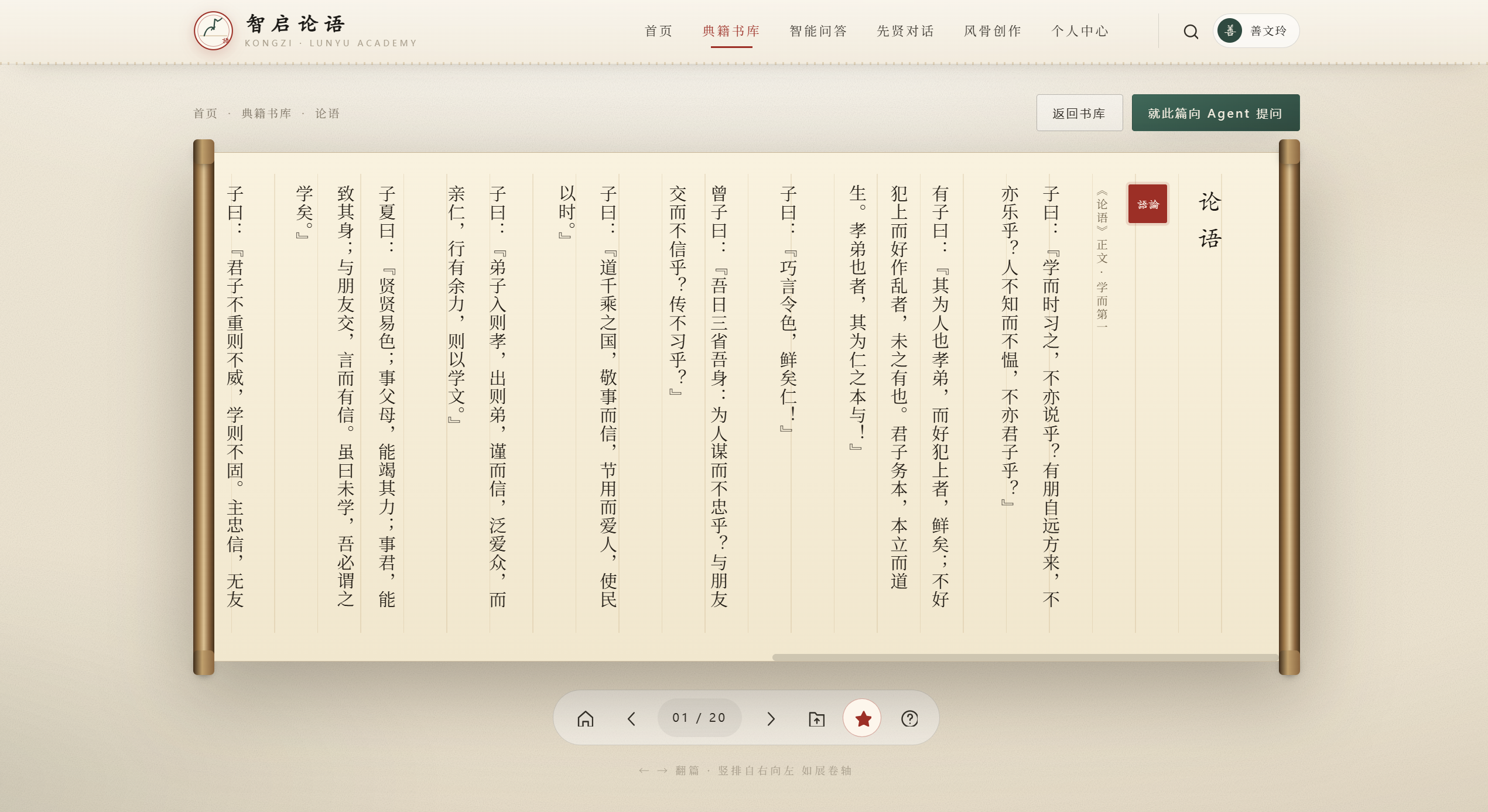
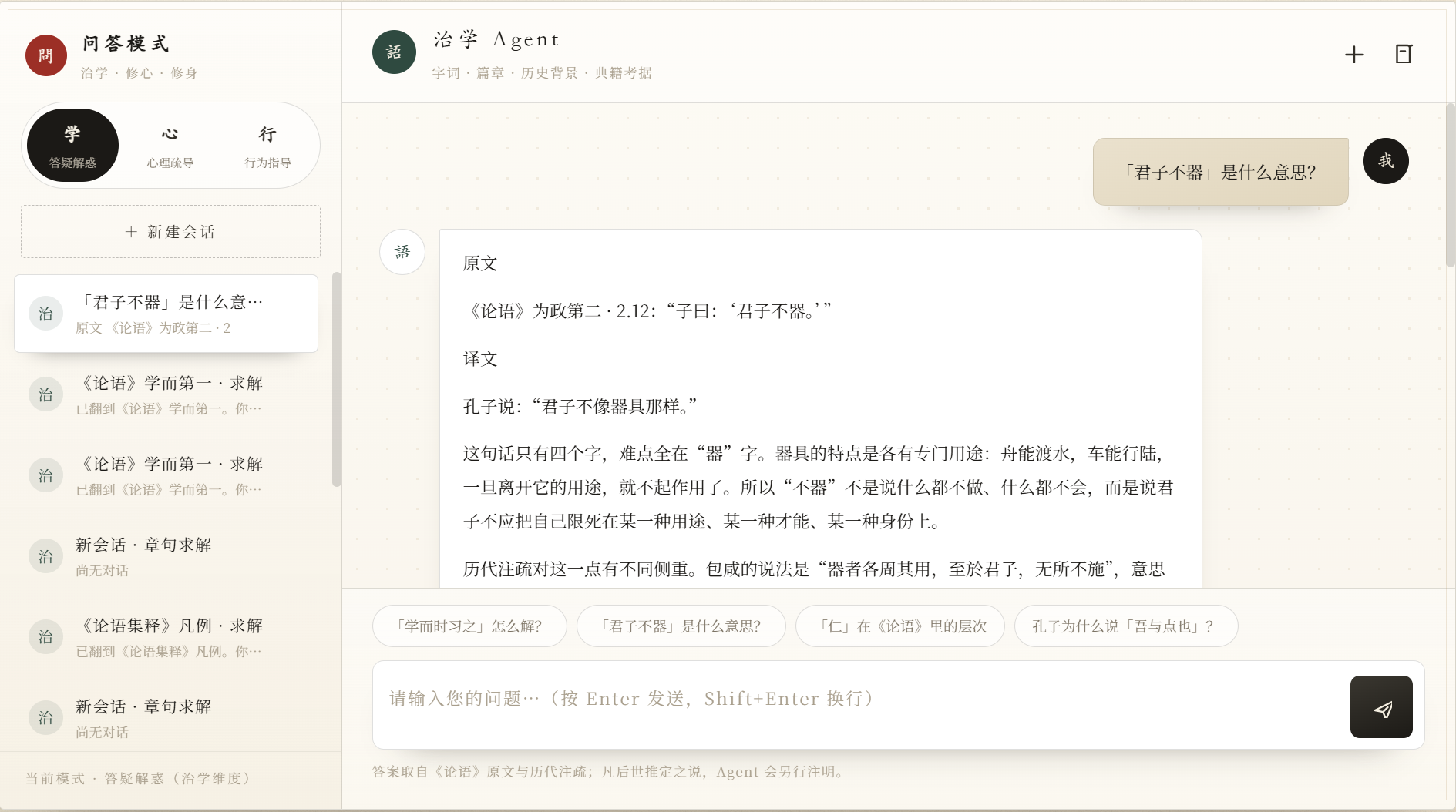
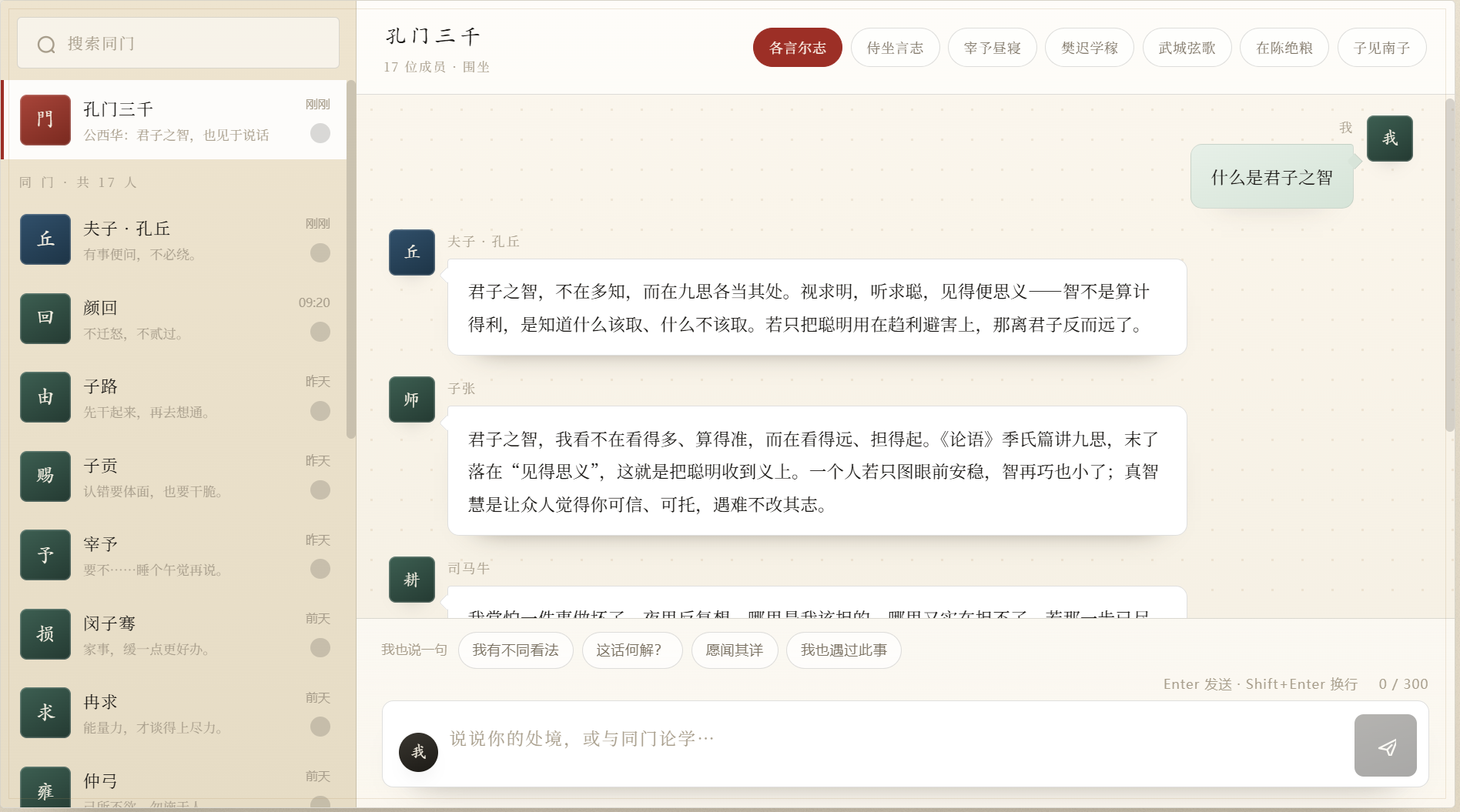
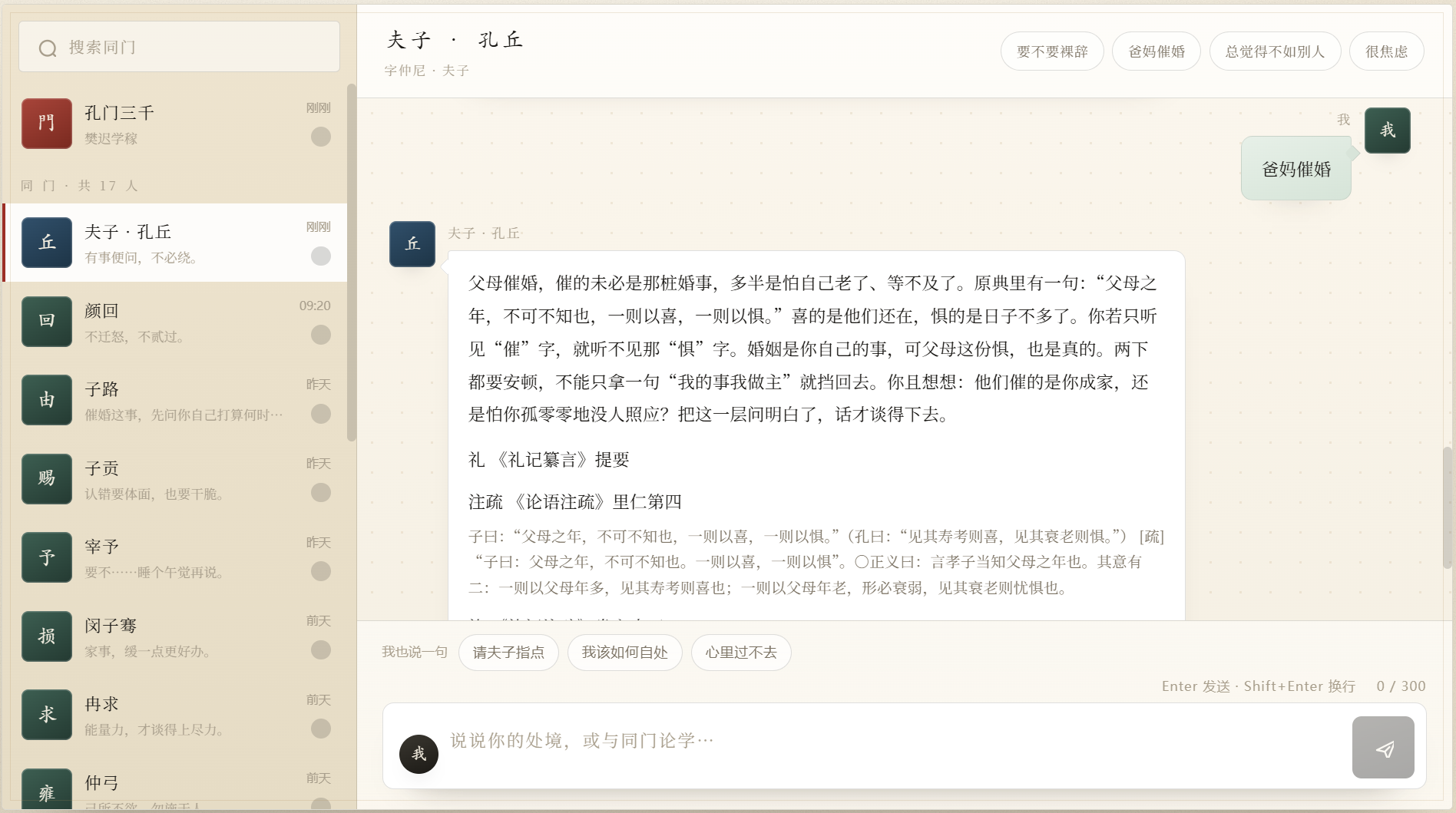
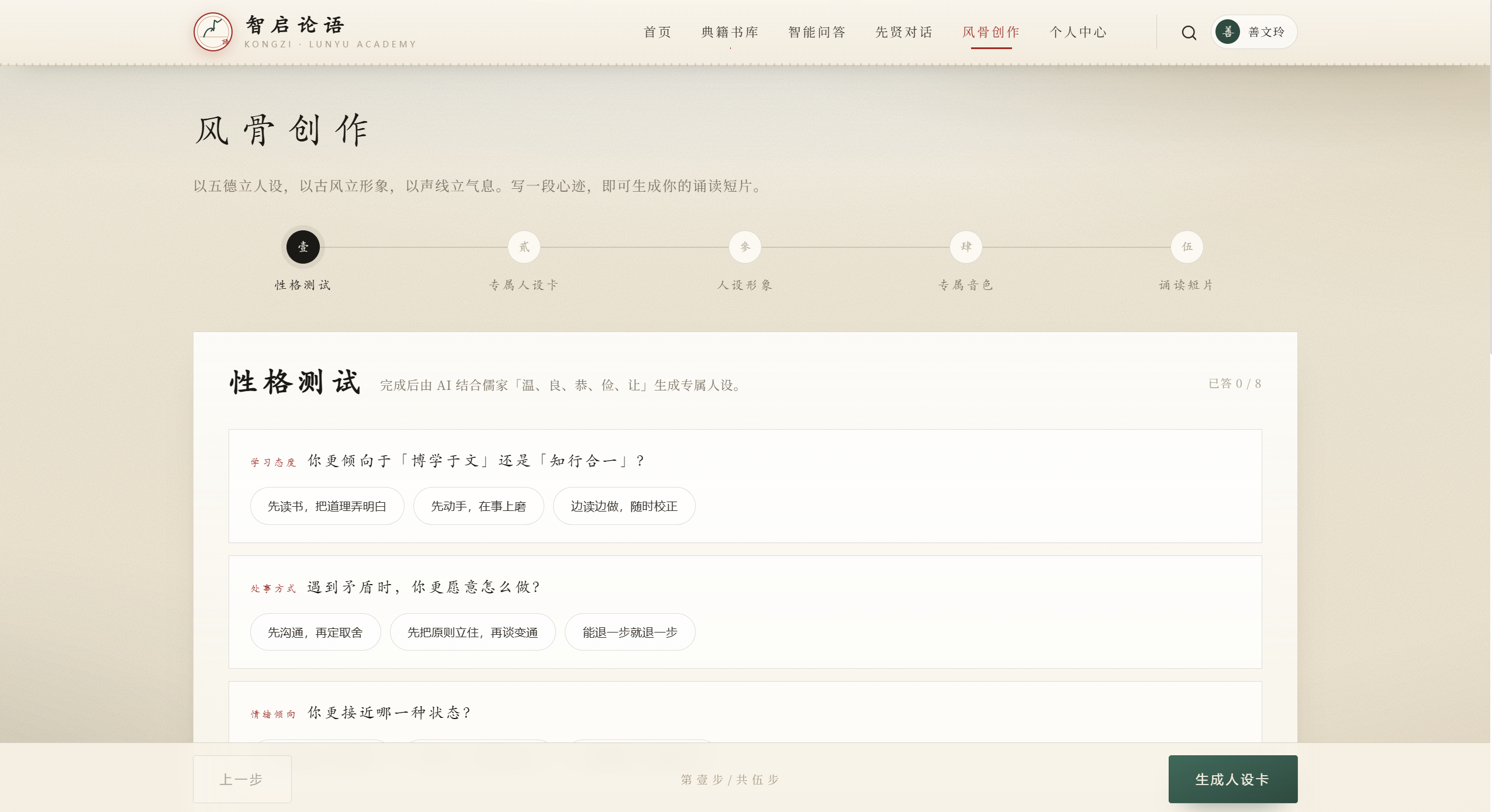
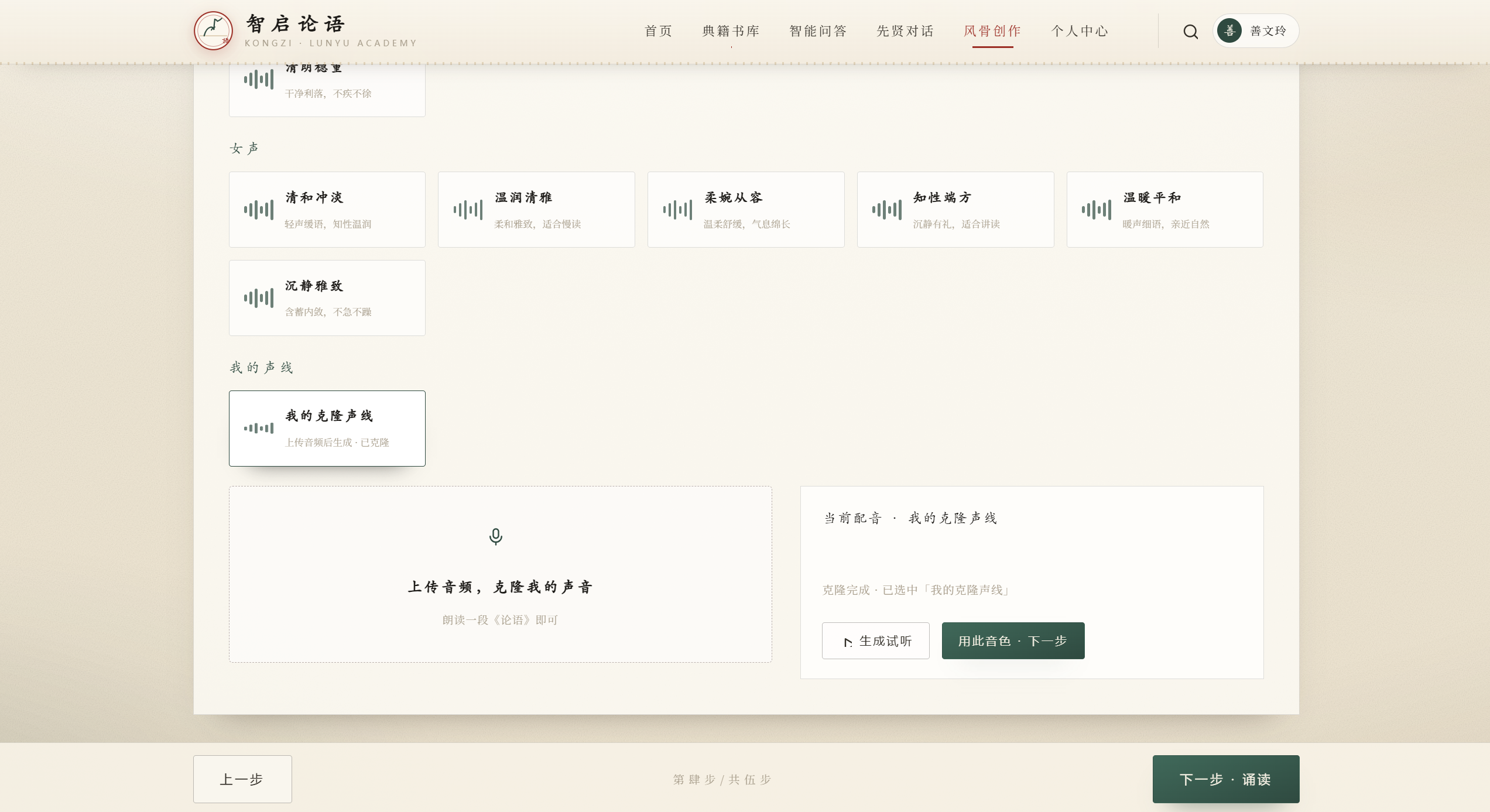
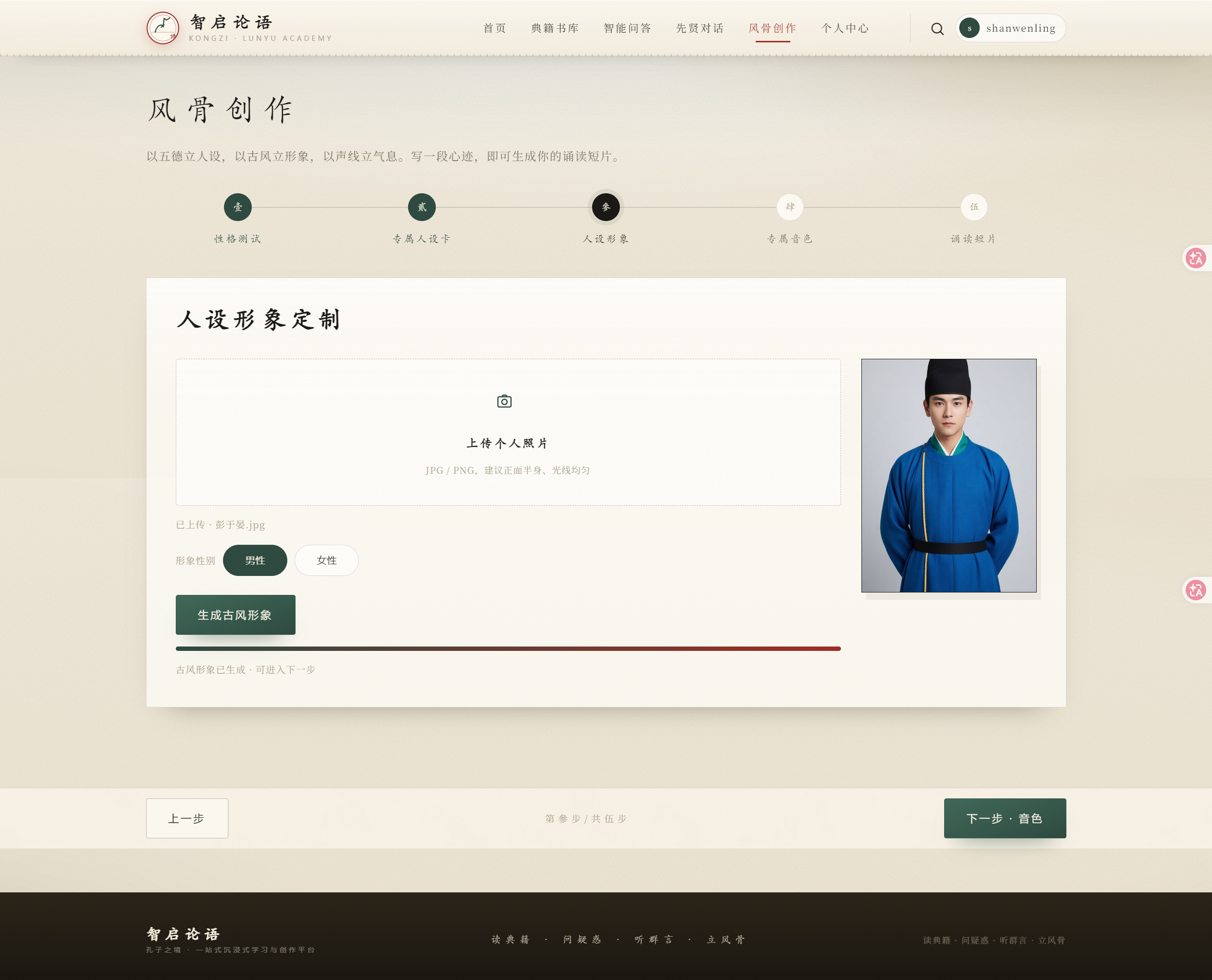
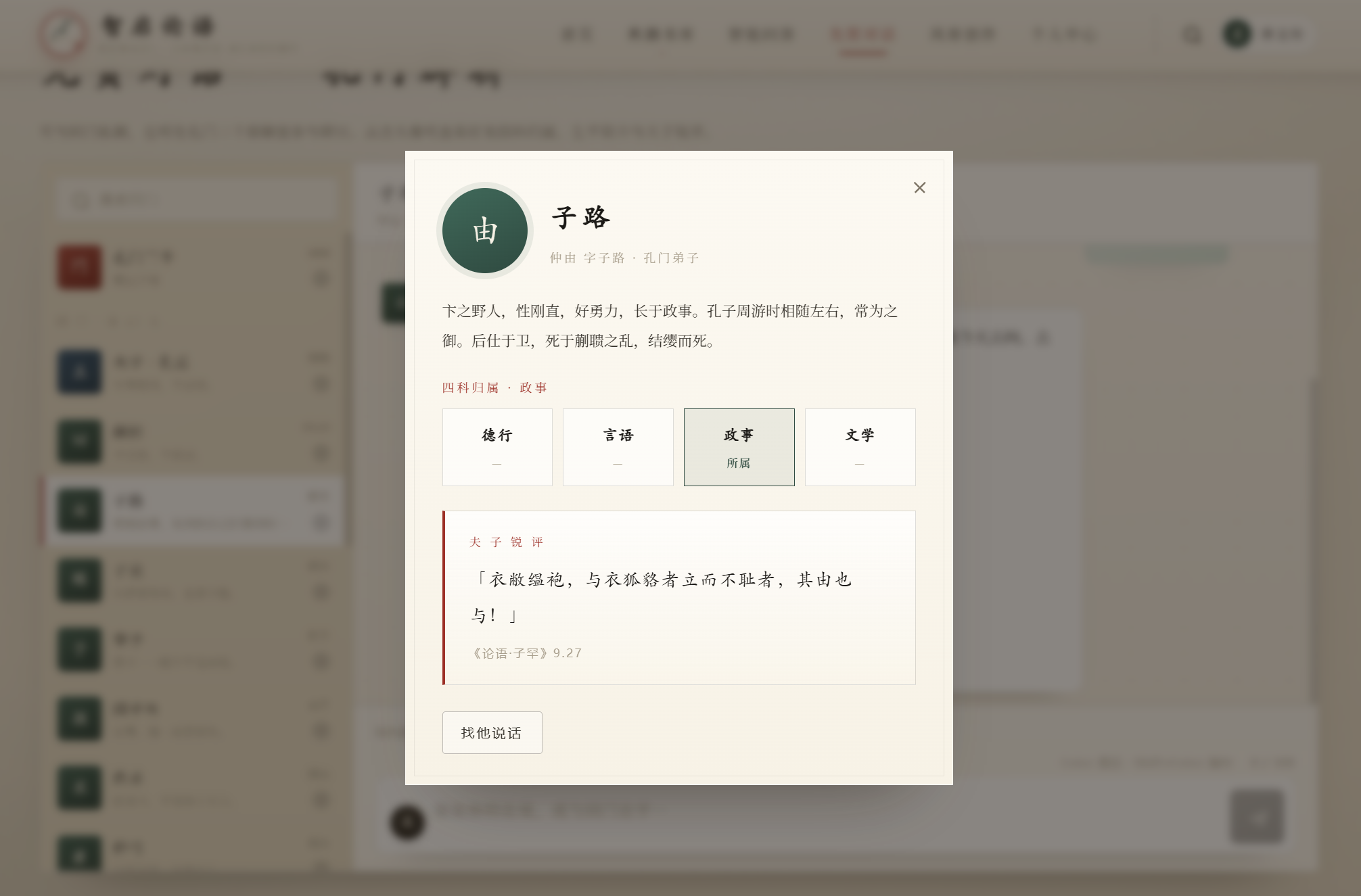
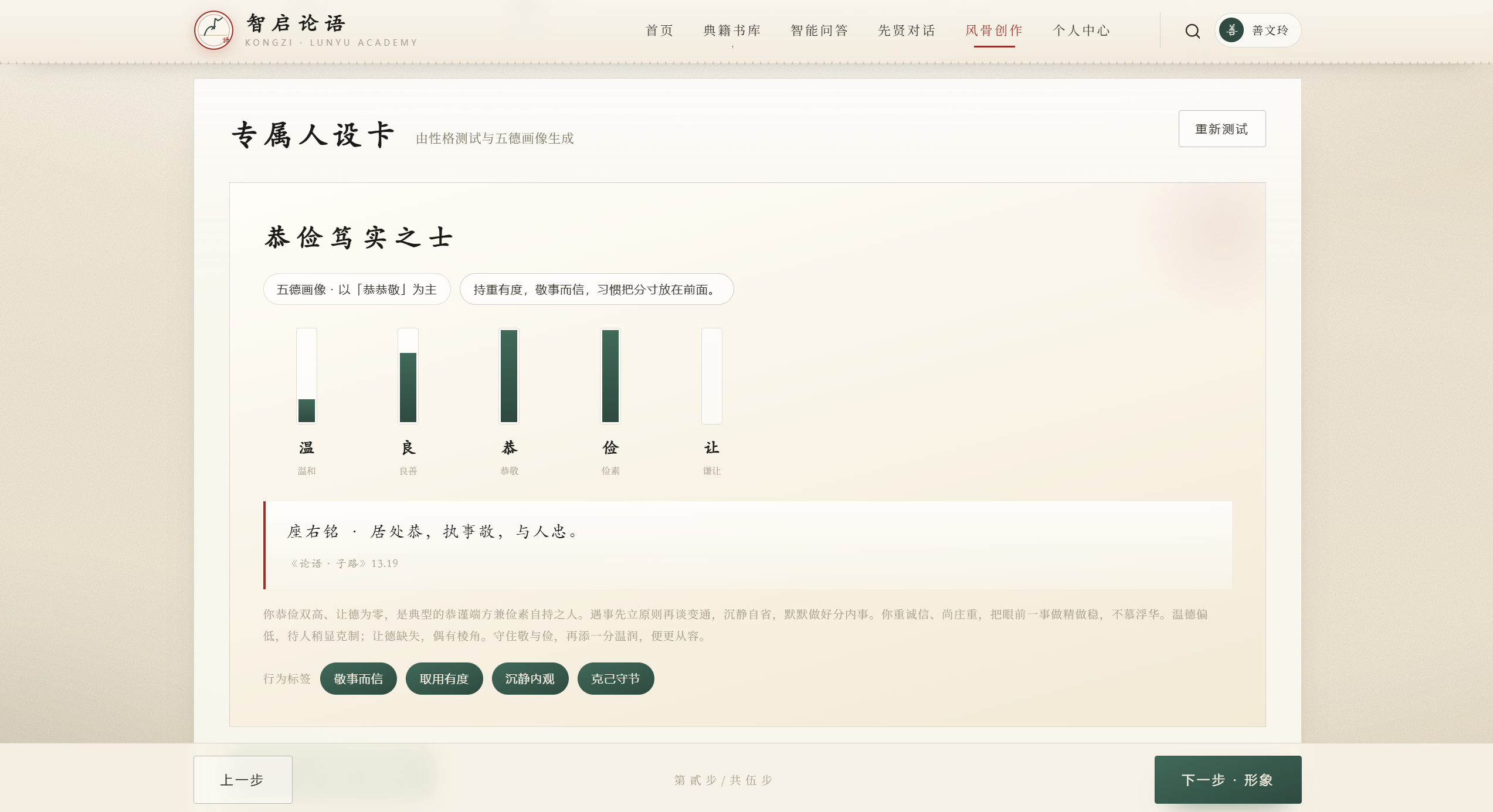
Users can browse the Analects and related classics, ask questions in Textual Study, Inner Growth, or Practical Guidance modes, and explore ideas with AI interpretations of Confucius and his disciples. Retrieved passages provide context for answers. A creative studio turns reflections into character profiles, portraits, voice, and recitation videos. English-language responses retain quoted classical Chinese with an English translation.
How we built it
The application uses Python and FastAPI with an HTML, JavaScript, and CSS frontend. Retrieval combines local Ollama bge-m3 embeddings with PostgreSQL and pgvector.
For this hackathon, we migrated dialogue to Nebius Token Factory. Full answers, sage conversations, and studio copy use nvidia/nemotron-3-super-120b-a12b. Routing and short greetings use nvidia/NVIDIA-Nemotron-3-Nano-30B-A3B. Requests go through the Token Factory chat completions endpoint, including streaming responses.
Portrait, voice, and video generation remain on Alibaba DashScope and are separate from the Token Factory dialogue pipeline.
Challenges and design decisions
A central challenge is keeping classical source material distinct from modern interpretation. The retrieval context supplies book and passage information, while the interaction modes shape the explanation. Separating lightweight routing from longer responses lets the application use different models for different responsibilities.
Built for this hackathon
Analects Realm is a new project created after August 26, 2026. During development for this hackathon, we moved the dialogue pipeline to Nebius Token Factory and NVIDIA Nemotron, with Super for substantive generation and Nano for routing and short greetings. The public repository includes the shared model client, configuration examples, and setup instructions.
What we learned and what comes next
The design highlights the importance of separating retrieval, conversational guidance, and media generation. Next steps are to evaluate citation accuracy and response quality across the three learning modes, test bilingual interactions with learners, and simplify installation.
Try it out
Demo / test build (v1.0.0): https://github.com/wwj666666spec/analects-realm/releases/tag/v1.0.0
Source code and setup instructions: https://github.com/wwj666666spec/analects-realm
The project is open source under the MIT license. Our selected track is Best Apps and Agents.
Built With
- fastapi
- python
