-
-
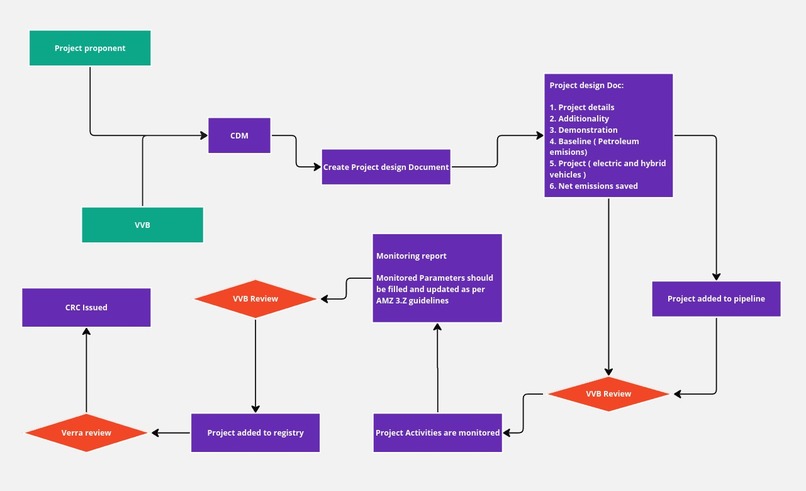
workflow
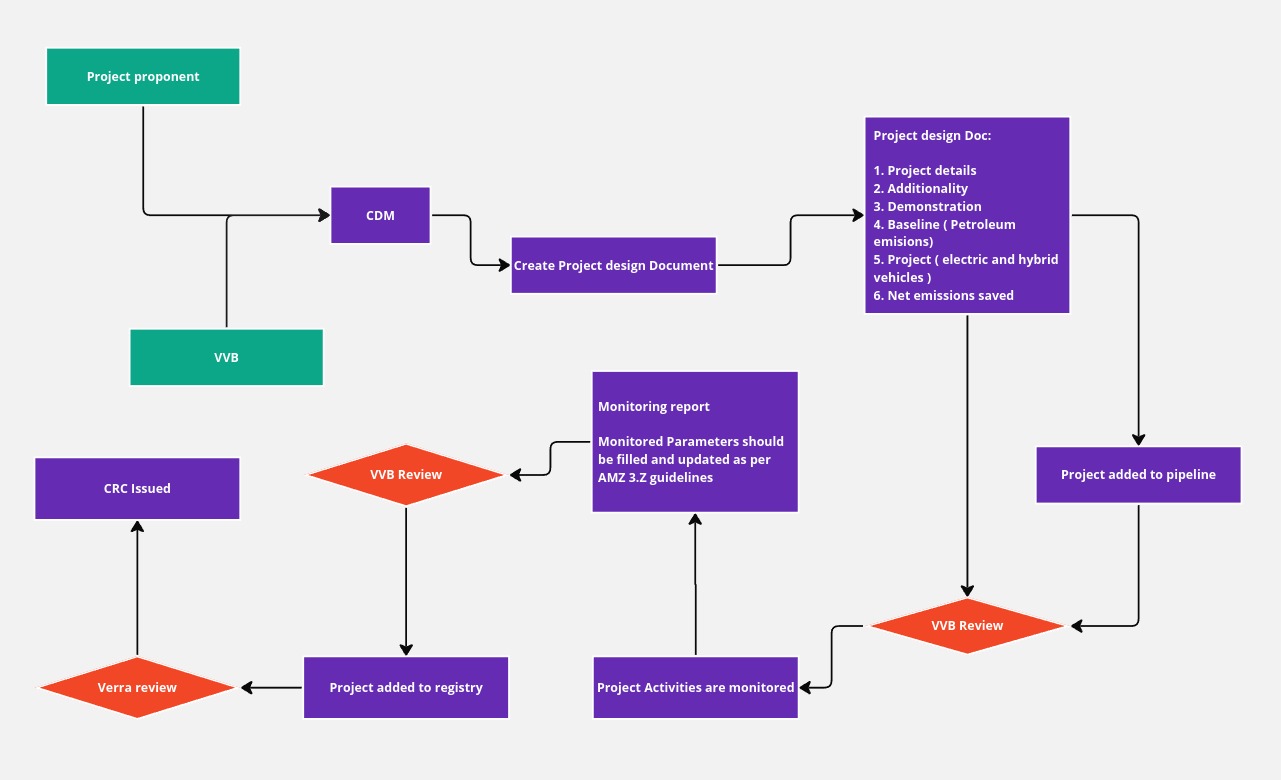
Policy Description:
The AMS-III.C methodology serves as a vital tool in addressing environmental challenges by facilitating the adoption of electric and hybrid vehicles in passenger and freight transportation. Its structured approach offers clear guidelines for project implementation, ensuring transparency and accountability in emission reduction efforts. By promoting the displacement of fossil fuel vehicles with cleaner alternatives, AMS-III.C contributes to reducing greenhouse gas emissions and advancing sustainability goals. Additionally, its provisions for battery performance specifications and measures to prevent double counting of emission reductions enhance project integrity. AMS-III.C encourages compliance with regulations and supports the use of renewable energy sources for vehicle charging, further promoting environmental stewardship. With a focus on comparability between project and baseline vehicles and a defined limit on emission reductions, AMS-III.C provides a reliable framework for achieving substantial emission reductions while fostering sustainable transportation practices.
Workflow:
The workflow begins with the Project Proponent creating a Project Design Document following the Clean Development Mechanism (CDM) guidelines, including project details, additionality, baseline scenario (petroleum emissions), project intervention (electric and hybrid vehicles), and estimated emission reductions. The Validation and Verification Body (CDM) reviews this document.
Upon approval from the CDM and CDM's review, Carbon Reduction Credits (CRC) are issued. The project is then added to the registry, and the Project Proponent starts implementing activities like deploying electric vehicles.
These activities are monitored as per the AMZ.3-C guidelines, with data compiled in a Monitoring Report reviewed by the CDM. After verification, the project is added to the pipeline for potential issuance of additional CRCs based on the verified emission reductions.
Comparative analysis :
- AM0034 - Switching fossil fuel-powered vehicles to electric vehicles:
Difference:AM0034 specifically targets the transportation sector and the switch to electric vehicles (EVs) to reduce emissions. In contrast, the described workflow may encompass a broader range of interventions beyond vehicle switching.
Comparative Analysis: Both methodologies follow CDM guidelines for project development, including creating a Project Design Document (PDD), validation, verification, and issuance of carbon credits. However, while AM0034 focuses solely on emissions reductions from vehicle deployment, the described workflow may involve diverse emissions reduction strategies beyond vehicle switching.
- AM0113 - Energy efficiency measures in buildings:
Difference: AM0113 targets energy efficiency measures in buildings, such as insulation and lighting upgrades, whereas the described workflow focuses on emissions reductions from deploying electric and hybrid vehicles.
Comparative Analysis: Both methodologies adhere to CDM guidelines for project development, including creating a PDD, validation, verification, and issuance of carbon credits. However, they differ in their focus areas, with AM0113 addressing energy efficiency in buildings and the described workflow focusing on emissions reductions from vehicle deployment. This difference highlights the versatility of the CDM in accommodating emissions reduction strategies across various sectors.
Demo video - https://vimeo.com/932207501?share=copy

Log in or sign up for Devpost to join the conversation.