-
-
-

The first prize I got for Amka at AloysianFest2025
-
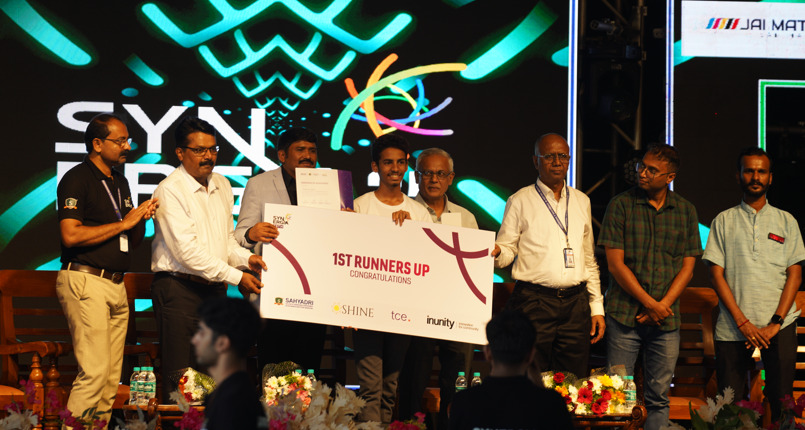
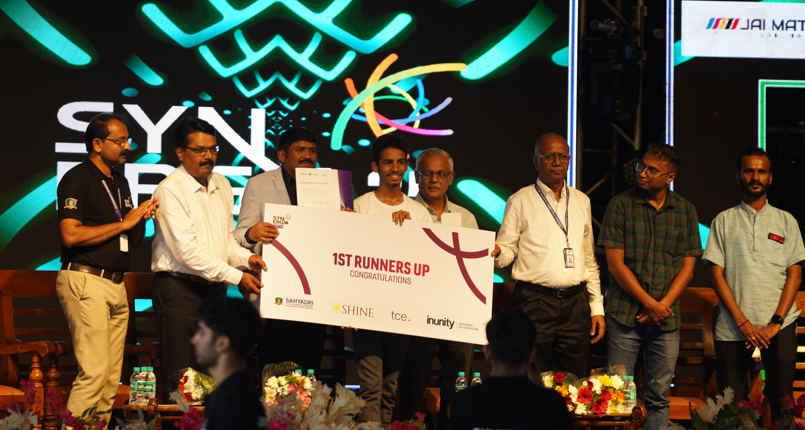
The second prize I won for Amka at SSTH2025

Inspiration
Walking past campus corridors every day, I watched students crowd around paper notice boards, squinting through overlapping sheets, torn circulars, and outdated announcements. Urgent notifications—exam schedules, room changes, emergency alerts—frequently reached students hours after they mattered, or were lost entirely in WhatsApp group chats.
I realized that while classrooms and coursework had moved digital, foundational campus administrative communication remained stuck in the physical world. I set out to build Amka (amkaboard.in): a real-time, cloud-backed digital notice infrastructure designed to eliminate campus paper clutter and make official announcements instantly accessible from anywhere.
What it does
Amka is an institutional communication platform that replaces physical bulletin boards with an instant, structured digital workspace:
- Real-Time Distribution: Official circulars, schedules, and alerts propagate instantly across connected devices with sub-second latency.
- Role-Based Workspaces: Verified faculty and administrators access a secure publishing panel to draft, categorize, and schedule notices, while students get a clutter-free, searchable feed.
- Smart Filtering & Archiving: Circulars are automatically organized by department, priority, and date, eliminating information noise and enabling instant historical search. ## How we built it I engineered Amka from scratch as an end-to-end cloud-native web application:
- Frontend: Built with Next.js and Tailwind CSS, prioritizing a lightweight, mobile-first interface optimized for varied screen sizes and low-bandwidth campus networks.
- Backend & Authentication: Utilized Firebase Authentication configured with custom user claims to implement multi-tier Role-Based Access Control (RBAC).
- Database & Synchronization: Used Cloud Firestore with denormalized document schemas to optimize read throughput. Instead of periodic REST polling, I implemented real-time Firestore snapshot listeners to push state updates instantly to client views.
- Deployment & CI/CD: Deployed via Vercel with GitHub version control, configuring production DNS routing and SSL termination for
amkaboard.in. ## Challenges we ran into - State Synchronization vs. Read Quotas: Building a platform meant for concurrent student traffic meant avoiding runaway read operations. I had to carefully structure Firestore query indexing and detach unmounted snapshot listeners so client devices wouldn't trigger redundant reads or drain battery.
- Enforcing Strict Authorization: Restricting administrative access purely at the frontend route level was insufficient. I had to deeply learn and write granular Firestore Security Rules to validate authentication tokens directly at the database layer, ensuring no client SDK could bypass publication permissions.
- Responsive Mobile Ergonomics: Designing an interface that worked equally well for a college administrator drafting notices on a desktop and a student quickly checking bus schedules on a 2G/3G phone screen required aggressive UI pruning and performance optimization. ## Accomplishments that we're proud of
- Designed, engineered, and shipped the full platform solo from idea to production deployment on a custom domain.
- Tested and demonstrated Amka live in front of technical juries, winning 1st Prize at the Aloysian Fest IT Expo 2025 and securing 1st Runner-Up at Synergia '25 (SSTH).
- Proved that administrative software doesn't have to be clunky—it can be reactive, accessible, and fast. ## What we learned Building Amka took me far beyond writing isolated frontend components:
- System-level thinking: I learned how to balance client-side reactivity with cloud database constraints, cost trade-offs, and latency.
- Security-first engineering: Implementing true RBAC taught me why authorization logic must reside at the data layer, not just behind UI visibility flags.
- User empathy: Iterating based on real feedback from students and staff proved that reducing friction in core daily workflows is the single most important metric for any tool. ## What's next for Amka
- Integrating automated notification channels (PWA push notifications and offline caching).
- Introducing institutional analytics to give administrators insight into circular engagement and read rates.
- Expanding edge-device support so campus physical displays and TVs can run Amka natively as dedicated digital notice kiosks.


Log in or sign up for Devpost to join the conversation.