-
-
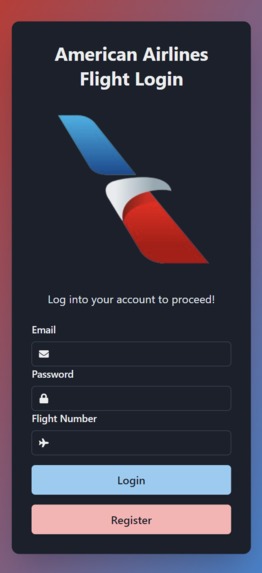
Login screen
-
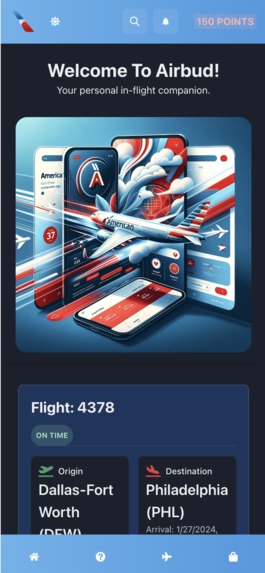
Home
-
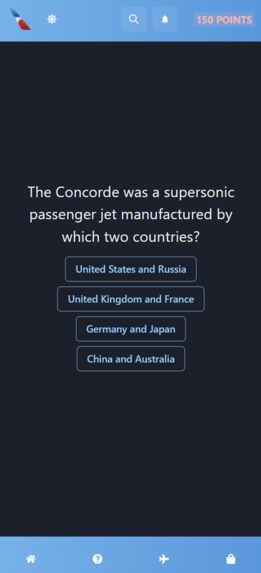
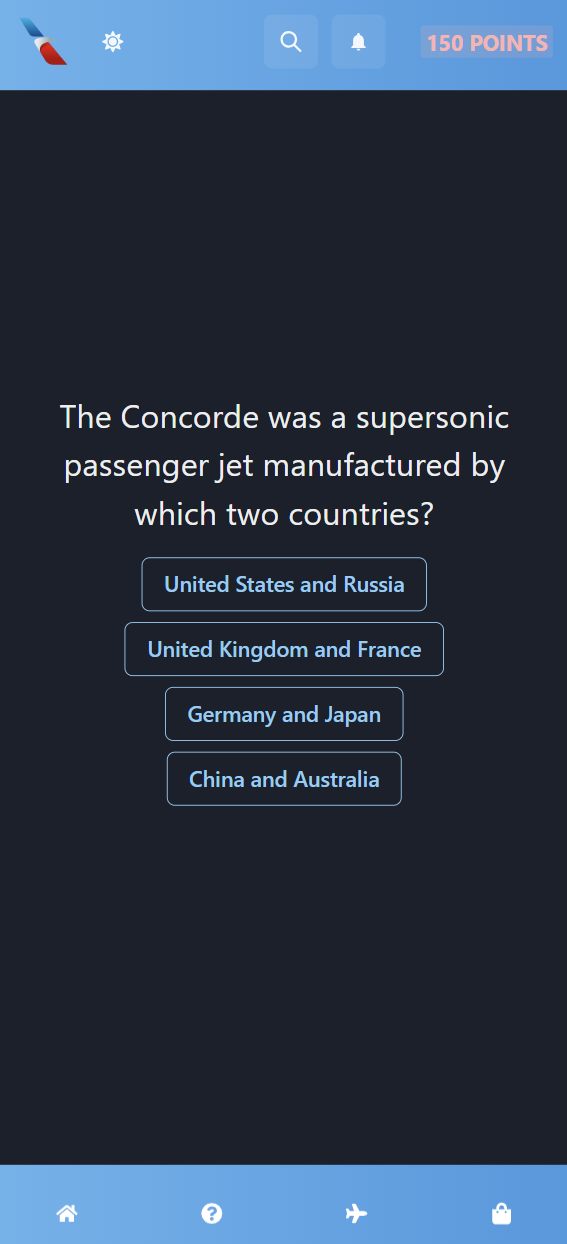
Sample trivia question
-

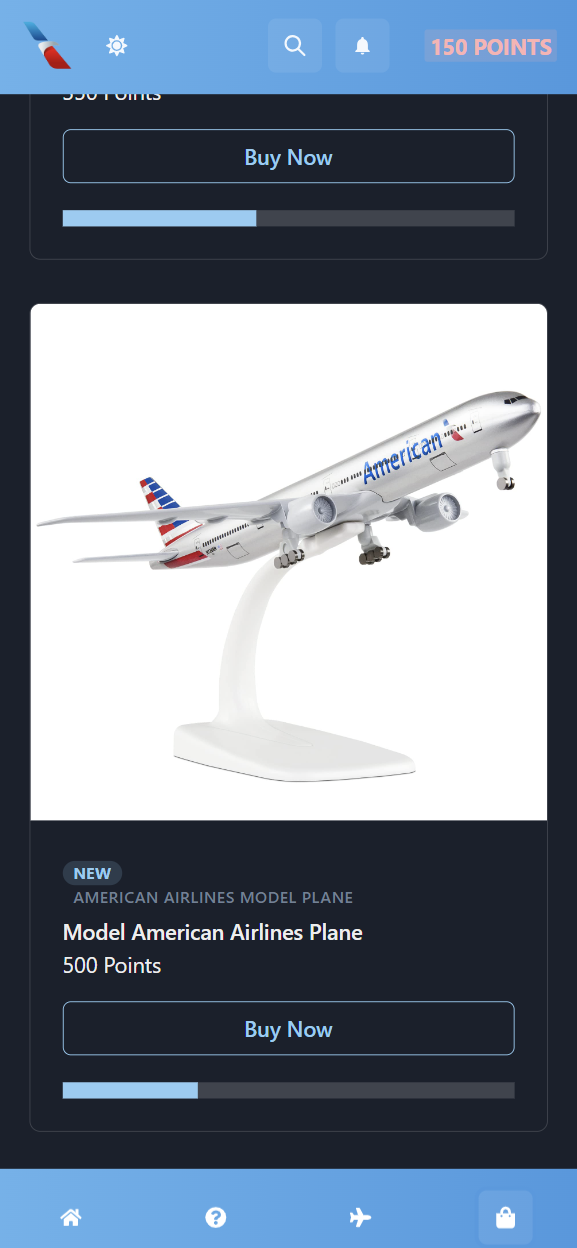
Shop

Inspiration
Our project, the Air Bud, was born from a common experience shared by many air travelers: the sound of children crying during flights. After much deliberation, we had an idea. What if we could make an app that would keep kids engaged in a fun and educational way? Not only would this be good for the kid, it would also allow neighboring passengers to sleep soundly. Thus, Air Bud was born and it’s been tailored to captivate the minds of kids (and adults!) with interactive quizzes, fun facts, and flight-wide competition, ultimately diverting their attention from the discomfort of the cabin to the fun of flying.
Learning Process
We delved into the realms of educational psychology, user interface design, and software development. We learned that the key to engaging young minds is through stimulating visuals and interactive content that both challenges and rewards. This understanding shaped our approach to crafting quiz topics and designing the user experience. Integrating elements of gamification, we focused on creating a platform that is not only intuitive for children but also enjoyable for all age groups.
Building the Project and Learning Along the Way
When we started on our development journey, we knew we had a huge task before us. Although we all have experience coding before, we’ve never used React, ChakraUI, Node, and APIs to this extent before. After making a full flowchart outline, we immediately set out to start adding functionality. Another aspect of our learning came from building a clean, engaging UI that can keep kids interested while still appealing to adults. As we built pages and connected them, we learned more about the ins and outs of React and were able to use our knowledge to speed up our development. Also, we had the opportunity to improve our github and collaboration skills because of the interconnected nature of our project. Over all, building Air Bud was a tremendous opportunity for us because it allowed us all to learn from each others strengths while tackling challenges in a language that was unfamiliar to us.
Challenges Faced: Integrating Diverse APIs
One of the most significant challenges in bringing Air Bud to life was the integration of several APIs. Our flight path chart alone required integration of an external flight tracking, Google Maps, and American Airline’s Flight Engine API The trivia section was powered by OpenAI API and partially reliant on the flight tracking API. Navigating these complex dependencies proved cumbersome. Each API came with its own set of complexities. Different data formats, access protocols, and rate limits required careful navigation. Ensuring the reliability and speed of these data sources was crucial, as any latency or downtime would directly impact the user engagement and experience, especially in an environment like an aircraft where connectivity can be a challenge.
We tackled these challenges head-on with a multi-faceted approach. First, we established a robust backend architecture capable of efficiently handling multiple API calls. We implemented data normalization processes to ensure that regardless of the source, the information presented to the user maintained a consistent format. Additionally, we developed fallback mechanisms to maintain functionality even when an API was temporarily unavailable.
Another challenge is that React sequential API calls are not entirely straightforward. API calls run in parallel and one must code carefully to cover all the possible errors that can occur. This barrier held us back for quite a bit, but through research and brainstorming we were able to come up with ceffective solutions.
Through these efforts, we were able to seamlessly integrate a range of APIs into Air Bud, enriching our content and offering a diverse and engaging educational experience to young flyers. Despite the challenges, the end result was a robust, dynamic platform that turned the daunting task of keeping children occupied on flights into an opportunity for discovery and learning.
Built With
- aa-flight-engine-api
- flight-tracking-api
- google-maps
- openai-api
- react
- typescript


Log in or sign up for Devpost to join the conversation.