-
-
-
-
-
-
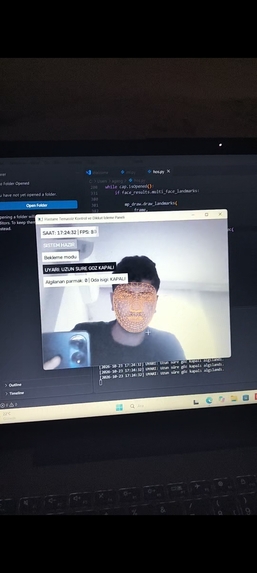
Göz sensörü
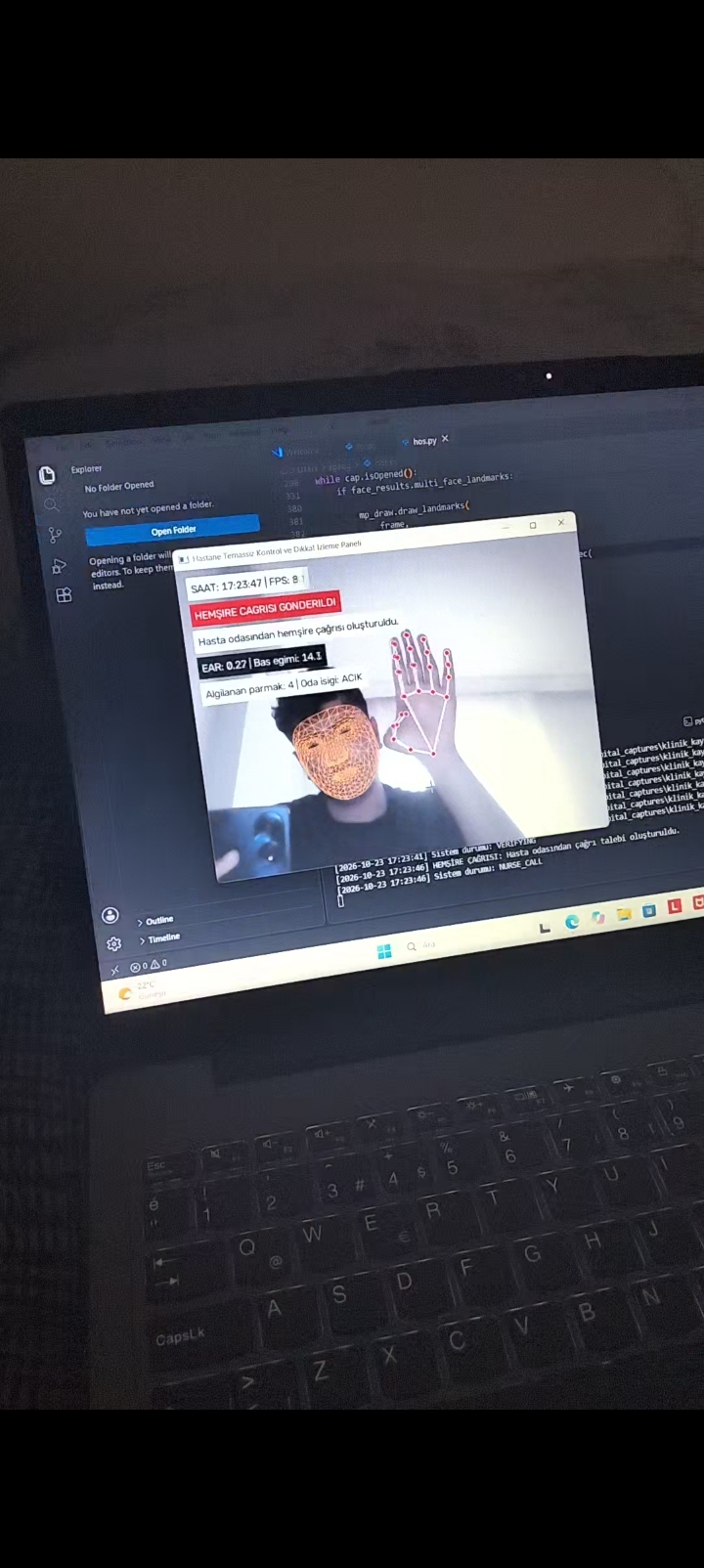
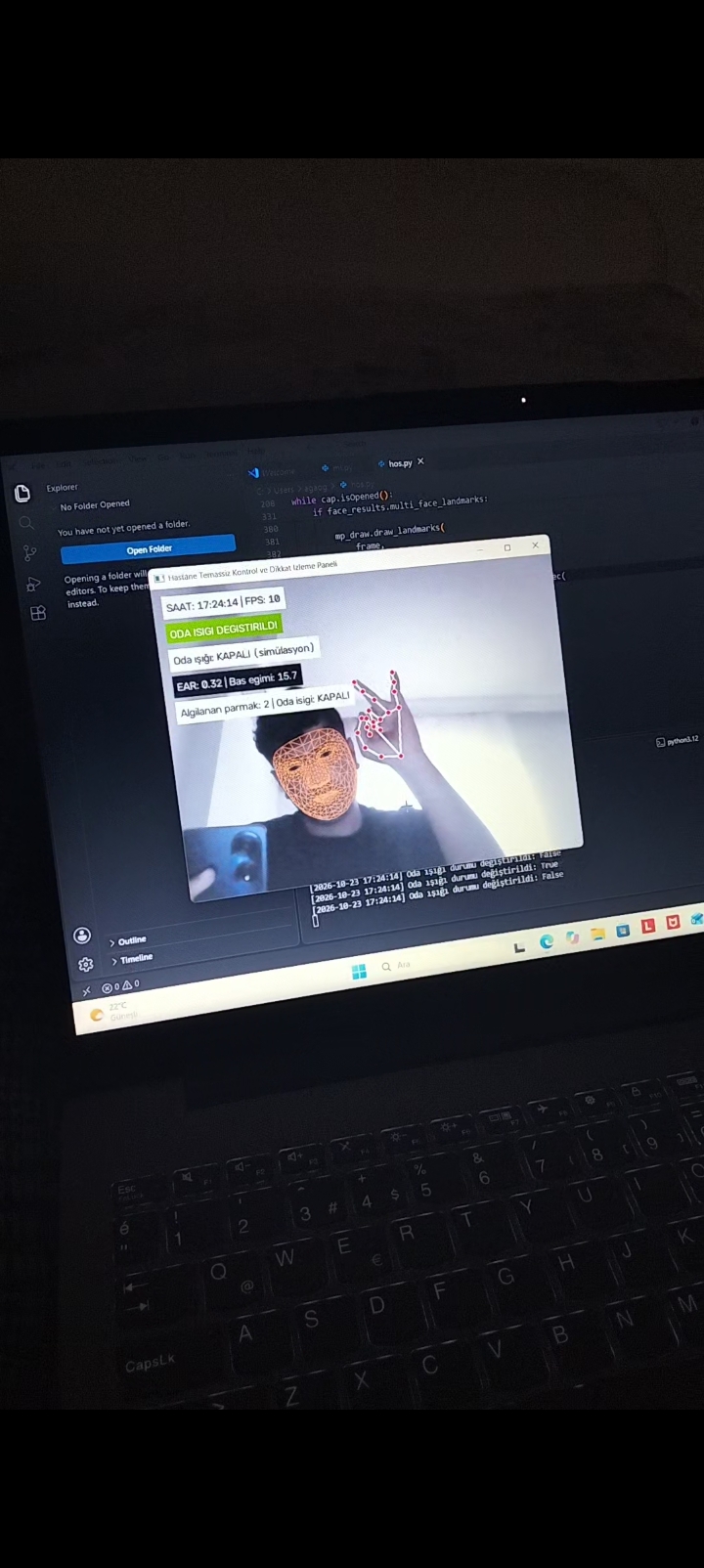
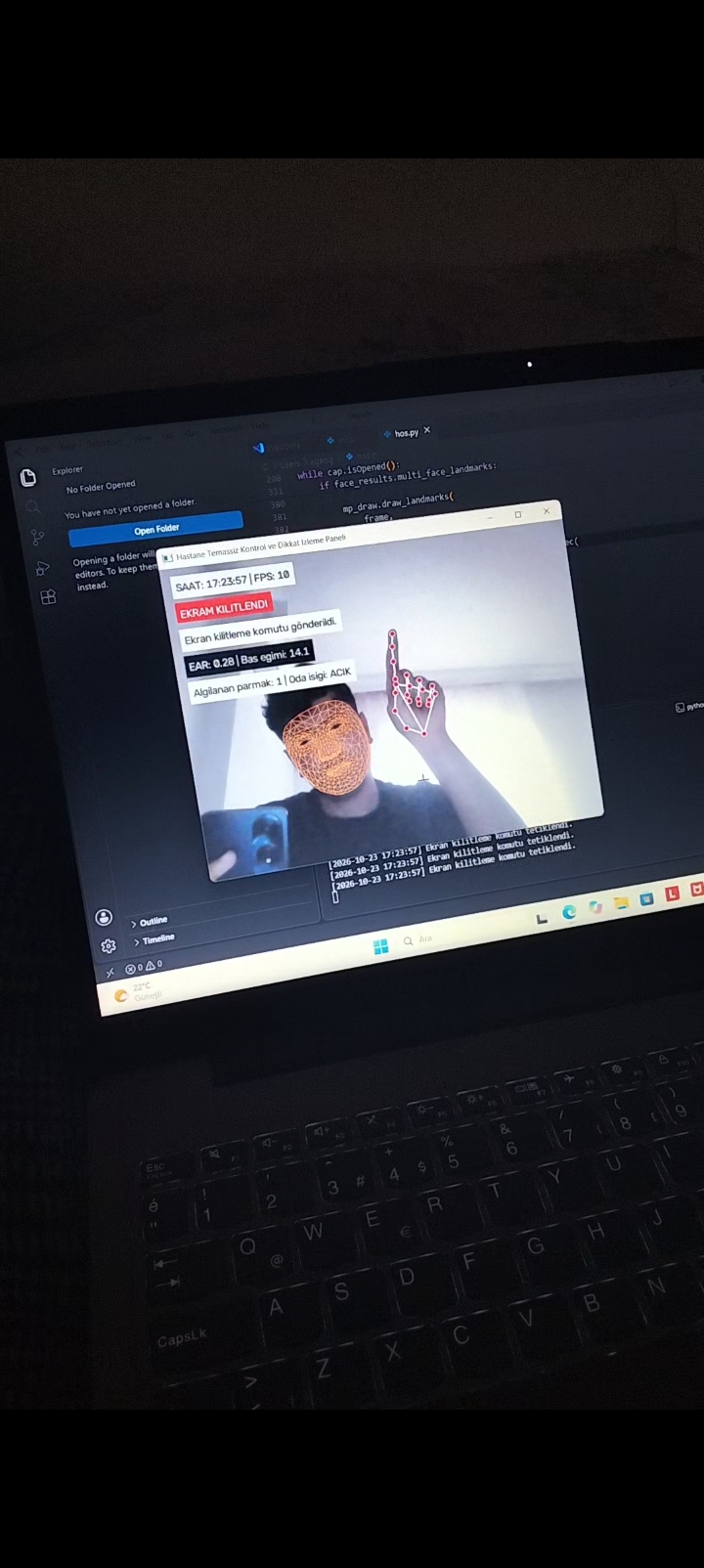
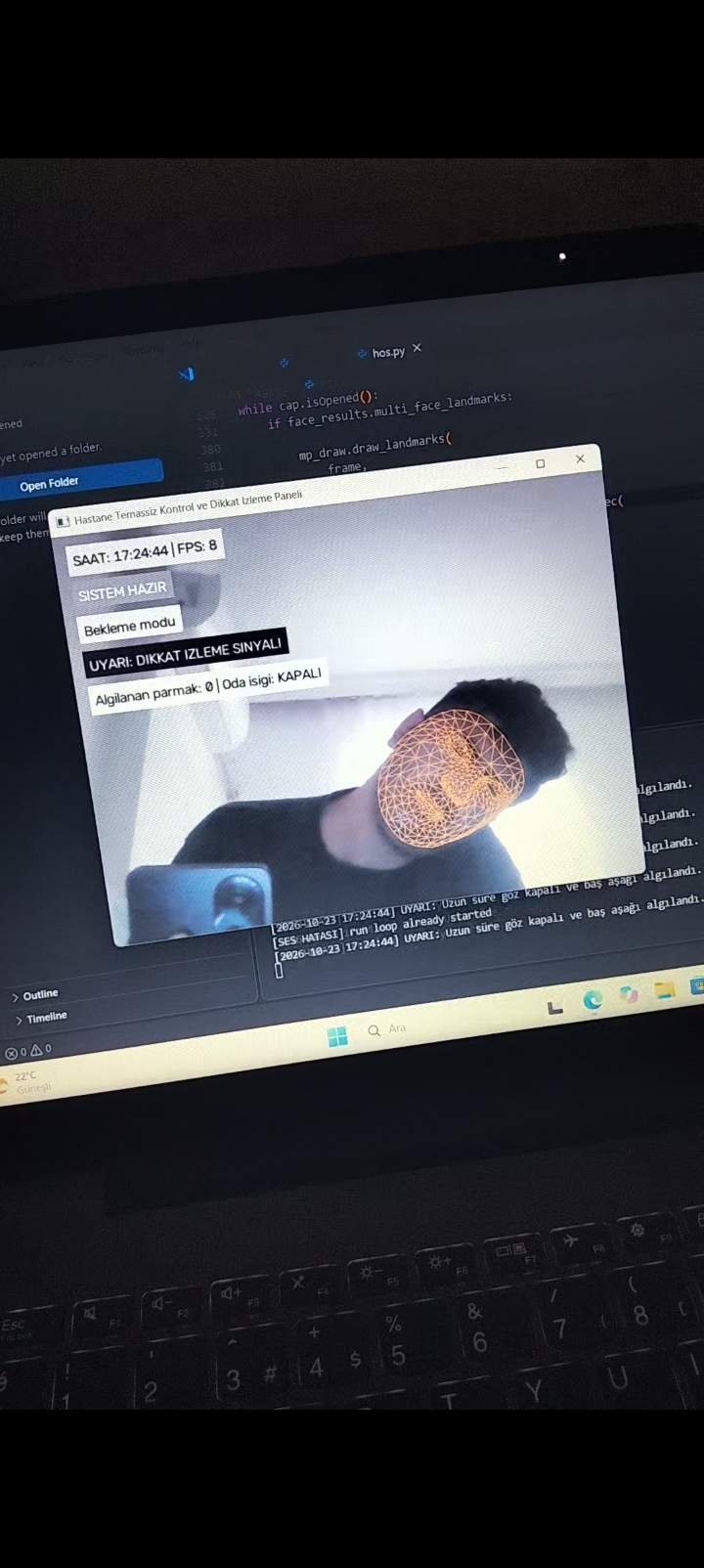
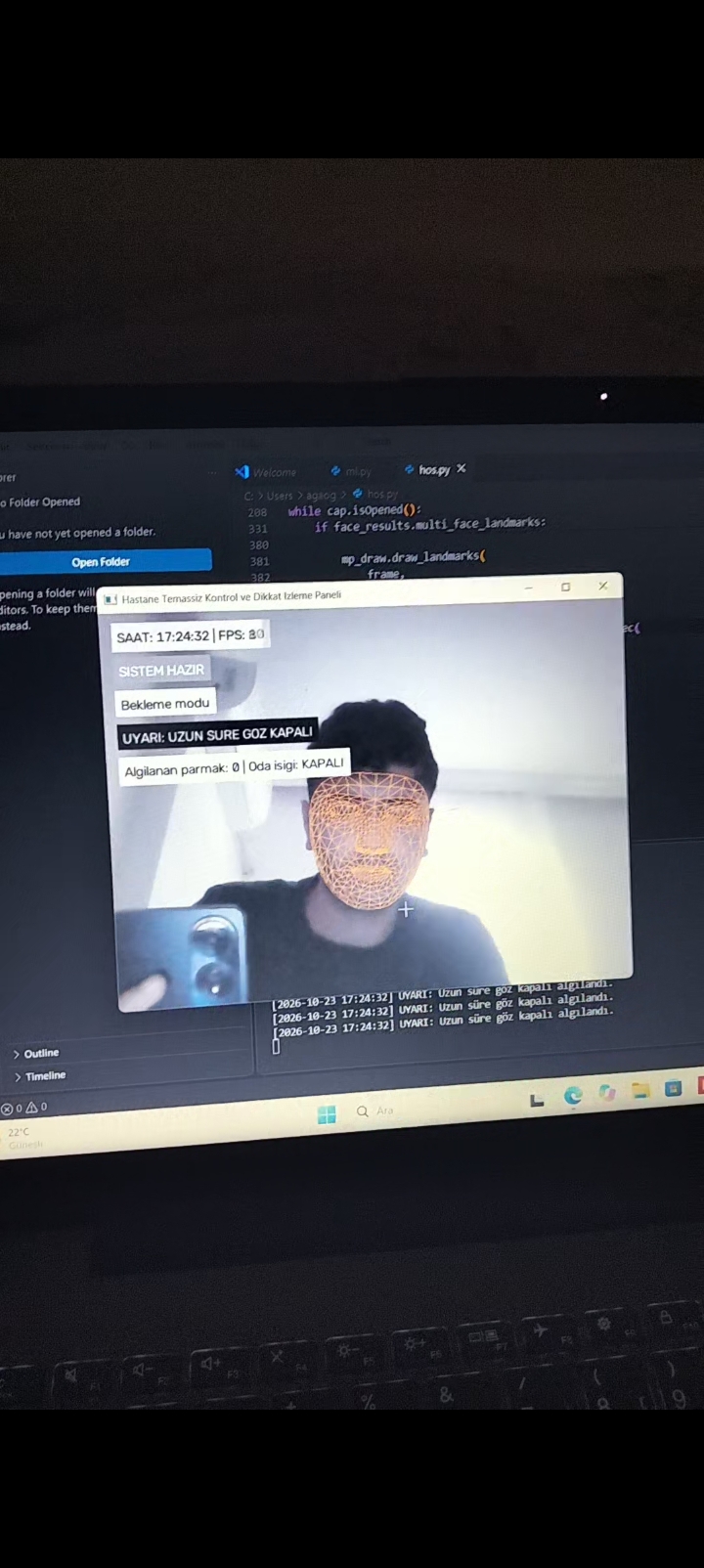
Inspiration It is our doctors' duty to treat illnesses, but it is our responsibility as software developers to make their jobs easier, reduce their workload, and make them feel safer in the operating room. I view healthcare professionals and the technology world as a unified whole, and I built this project with that vision in mind.
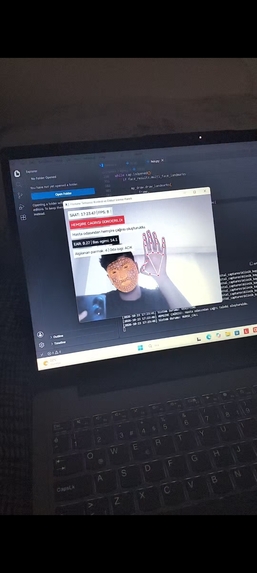
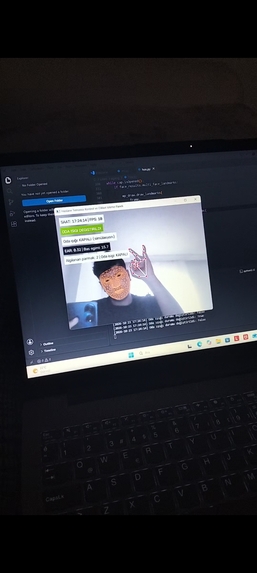
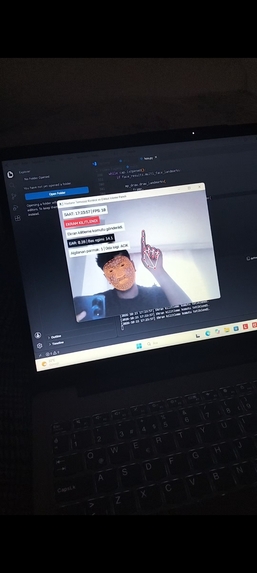
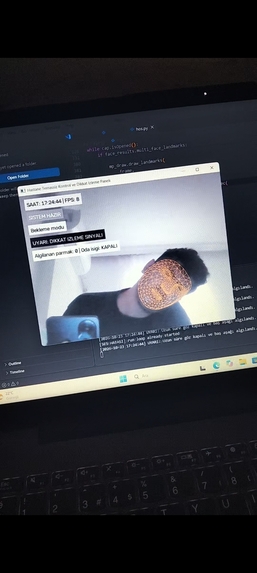
What it does To minimize communication gaps, contact-based sterilization breaches, and distractions during long surgeries, I developed a touchless control and monitoring software. The system integrates face tracking, eye status (fatigue/alert) detection, and hand gesture recognition to trigger commands or nurse calls.
How we built it After designing the architecture and logic of the project, I leveraged modern AI tools to assist with coding and debugging. Using Python and computer vision libraries, I continuously optimized the algorithms and resolved logical and technical issues step by step to achieve a stable, reliable system.
Challenges we ran into Since I do not have direct access to an operating room environment, I analyzed real-world needs through doctor posts on platforms like Twitter and Instagram. Although spending hours in front of the screen was physically demanding, my strong belief in my goal and my vision helped me overcome all these challenges.
Accomplishments that we're proud of
Coming from a modest background, being able to build projects in both healthcare and defense at just 17 years old—completely on my own—fills me with incredible pride. My true achievement here isn't just a completed piece of code, but the immense knowledge and experience I gained throughout the journey.

Log in or sign up for Devpost to join the conversation.