-
-
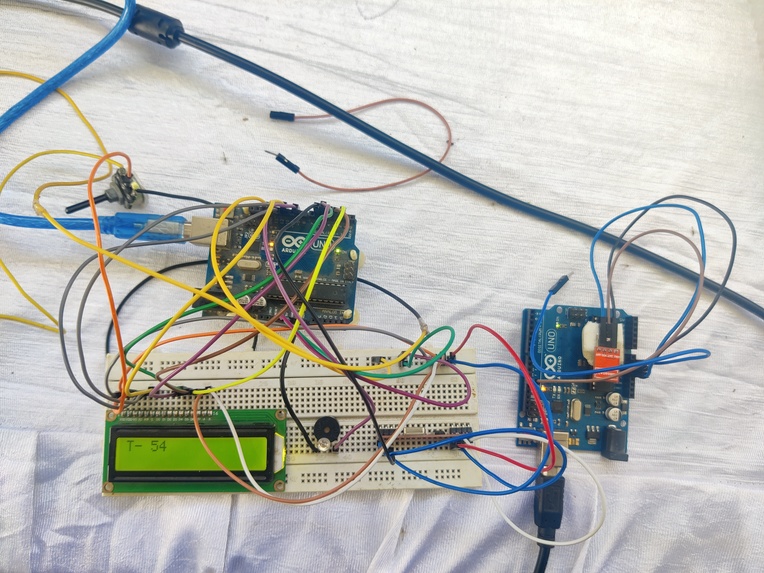
Prototype of Ambulance Alert System

Inspiration
The inspiration for the Ambulance Alert System (AAS) came from the alarming statistics of road accidents and delayed ambulance responses in India. We were deeply moved by the fact that many lives could be saved if ambulances could reach their destinations more quickly. This drove us to explore innovative solutions to address this critical issue.
What it does
AAS is a revolutionary system designed to minimize ambulance response times during emergencies. It operates on the principle of Radio Frequency (RF) communication and employs advanced path determination and optimization algorithms. The system comprises two key components: a transmitter installed in ambulances and a receiver integrated into traffic signals.
When an ambulance is dispatched, the transmitter connects to the nearest traffic signal. The receiver, placed in traffic signals at key intersections, communicates with the ambulance's transmitter. It initiates a sequence of actions to manage traffic and alert other drivers about the approaching ambulance. This includes visual and audible alerts on traffic signals, creating a green corridor for the ambulance to navigate through.
How we built it
Building AAS was a complex but rewarding endeavor. We developed a fully functional prototype that included the transmitter, receiver, and the necessary RF communication components. We integrated solar power for charging the system, ensuring its sustainability. Path determination and optimization algorithms were carefully implemented to guide ambulances through traffic efficiently. The system was designed to seamlessly integrate with existing traffic signals.
Challenges we ran into
While developing AAS, we encountered several challenges:
- Technical complexities: Implementing RF communication and path optimization algorithms required extensive technical expertise.
- Reliability: Ensuring the system's reliability in real-world conditions was a significant challenge.
- Patent filing: Navigating the patent filing process was a learning curve but essential to protect our intellectual property.
Accomplishments that we're proud of
We are proud to have created a fully functional prototype of the Ambulance Alert System. This accomplishment represents a significant step toward addressing the critical issue of delayed ambulance responses and potentially saving lives. Additionally, the readiness to file for a patent showcases our commitment to protecting our innovative solution.
What we learned
Through the development of AAS, we learned about the complexities of RF communication, the importance of reliable hardware, and the significance of patent protection. We also gained valuable insights into the challenges and opportunities in the field of emergency services and traffic management.
What's next for Ambulance Alert System
Our journey with AAS is far from over. The next steps include:
- Enhancing feasibility: We will continue to work on improving the system's feasibility and reliability, making it even more robust for real-world use.
- Miniaturization: We aim to miniaturize the system's components for convenience and ease of installation.
- Advanced development: Pushing the project to TRL 7-8 and conducting a dry run on more ambulances to refine and validate performance.
- Market adoption: We plan to collaborate with key stakeholders, including ambulance providers, hospitals, and government authorities, to ensure widespread adoption of AAS and make it a standard feature in ambulances.
Our vision is to see AAS become a vital tool in saving lives during emergencies and transforming the way ambulance services operate in India and beyond. Together, we can make our roads safer and ensure that critical medical attention reaches those in need promptly and efficiently.

Log in or sign up for Devpost to join the conversation.