-
-
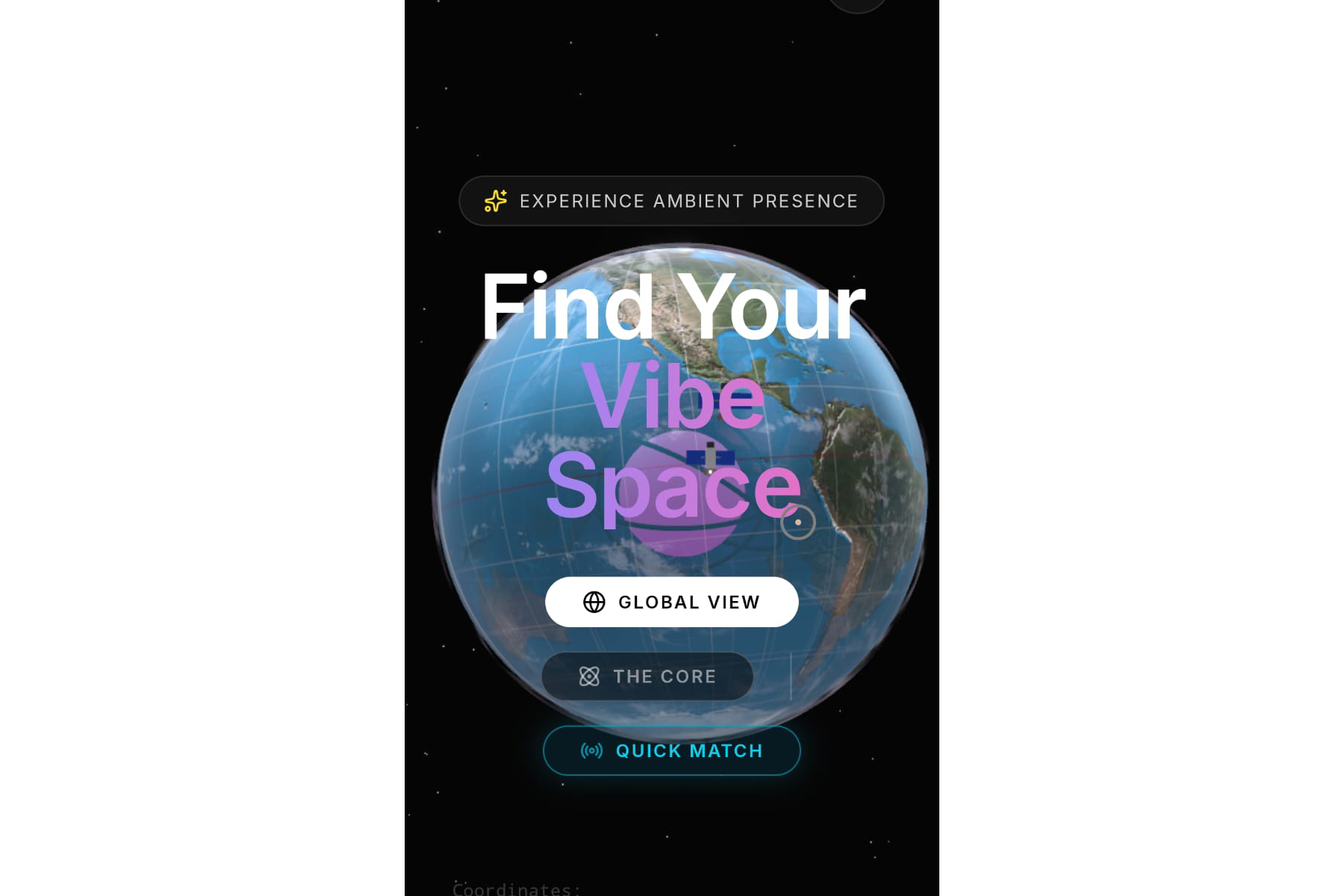
08-mobile-view.png
-
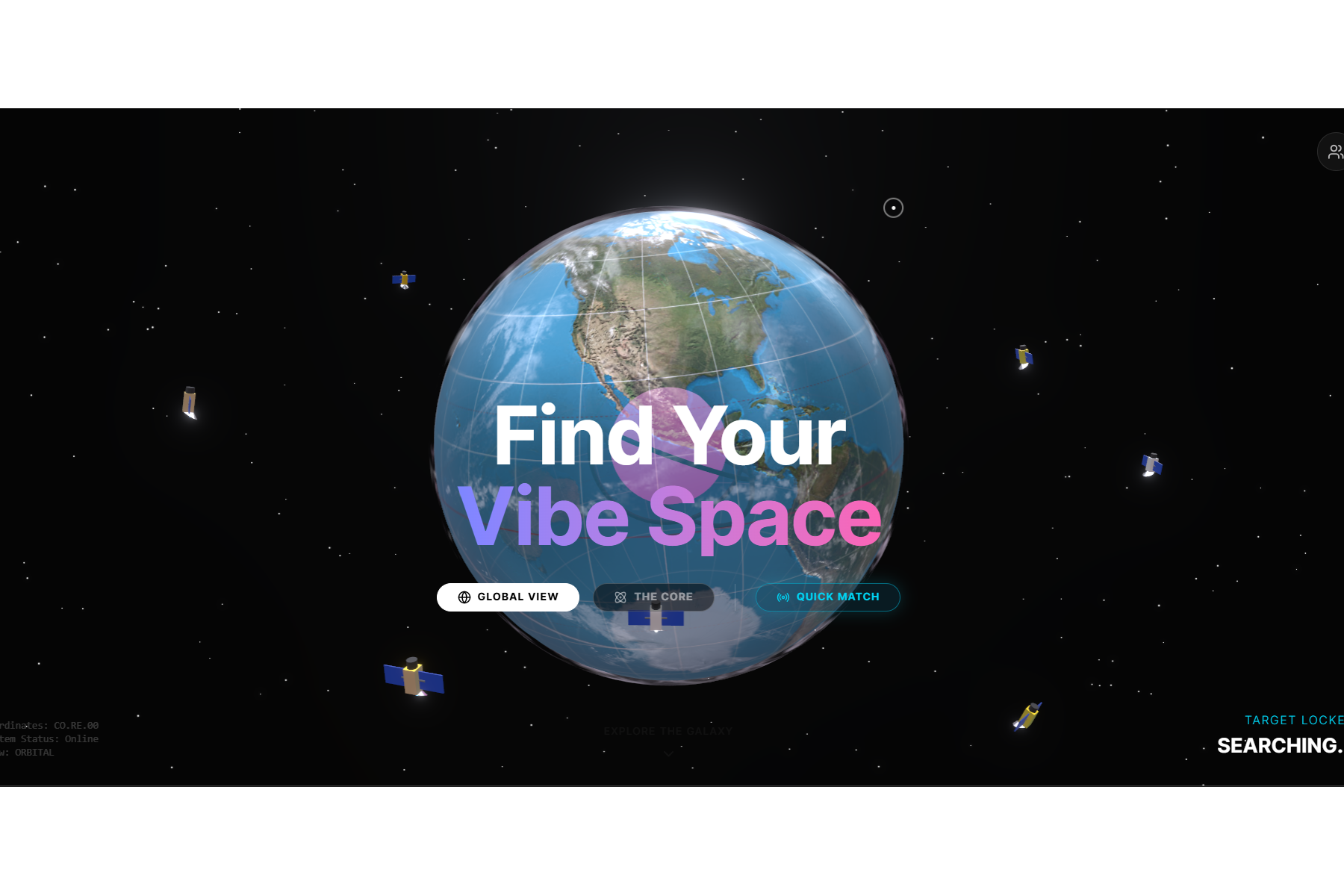
01-landing-page.png
-
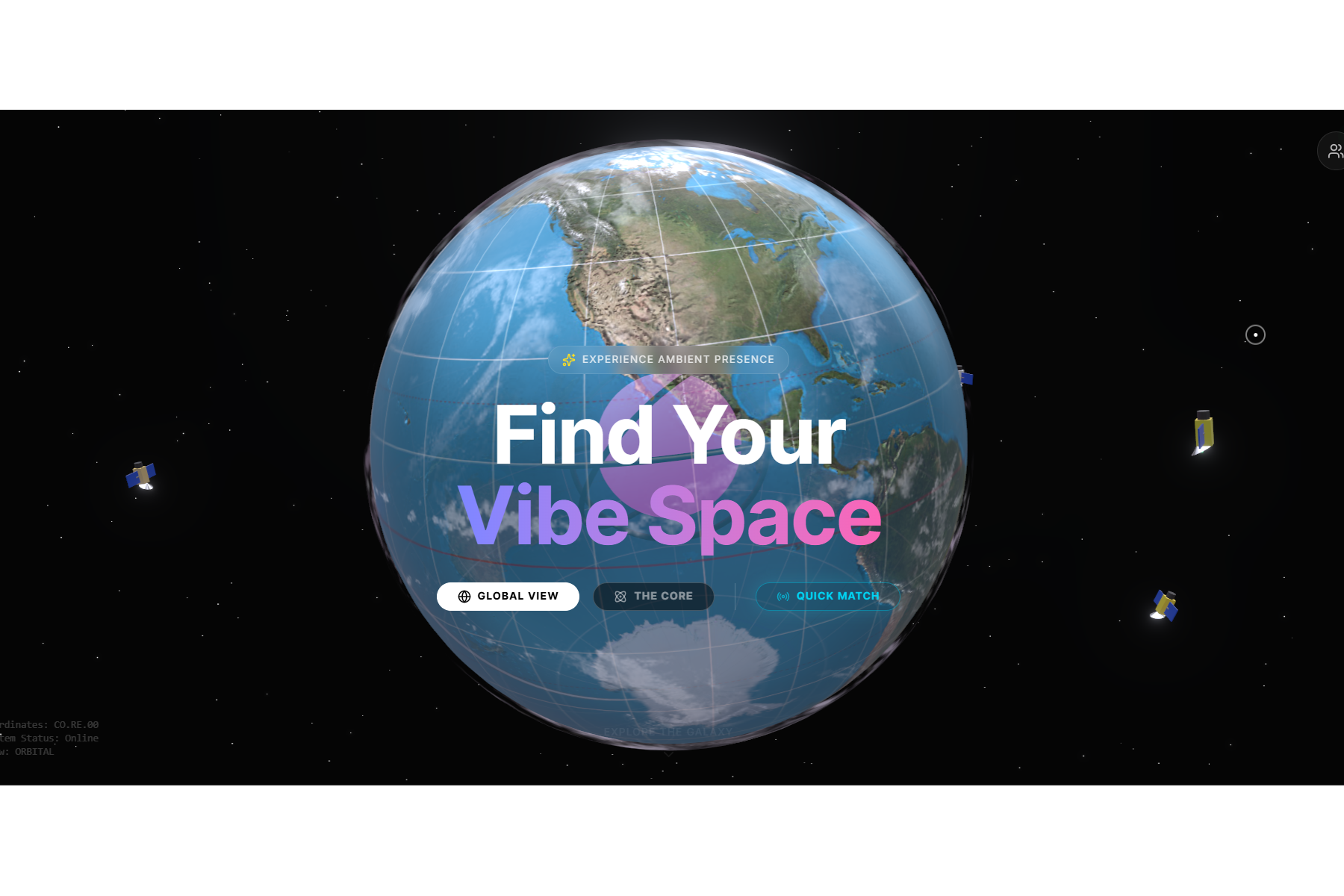
02-globe-closeup.png
-
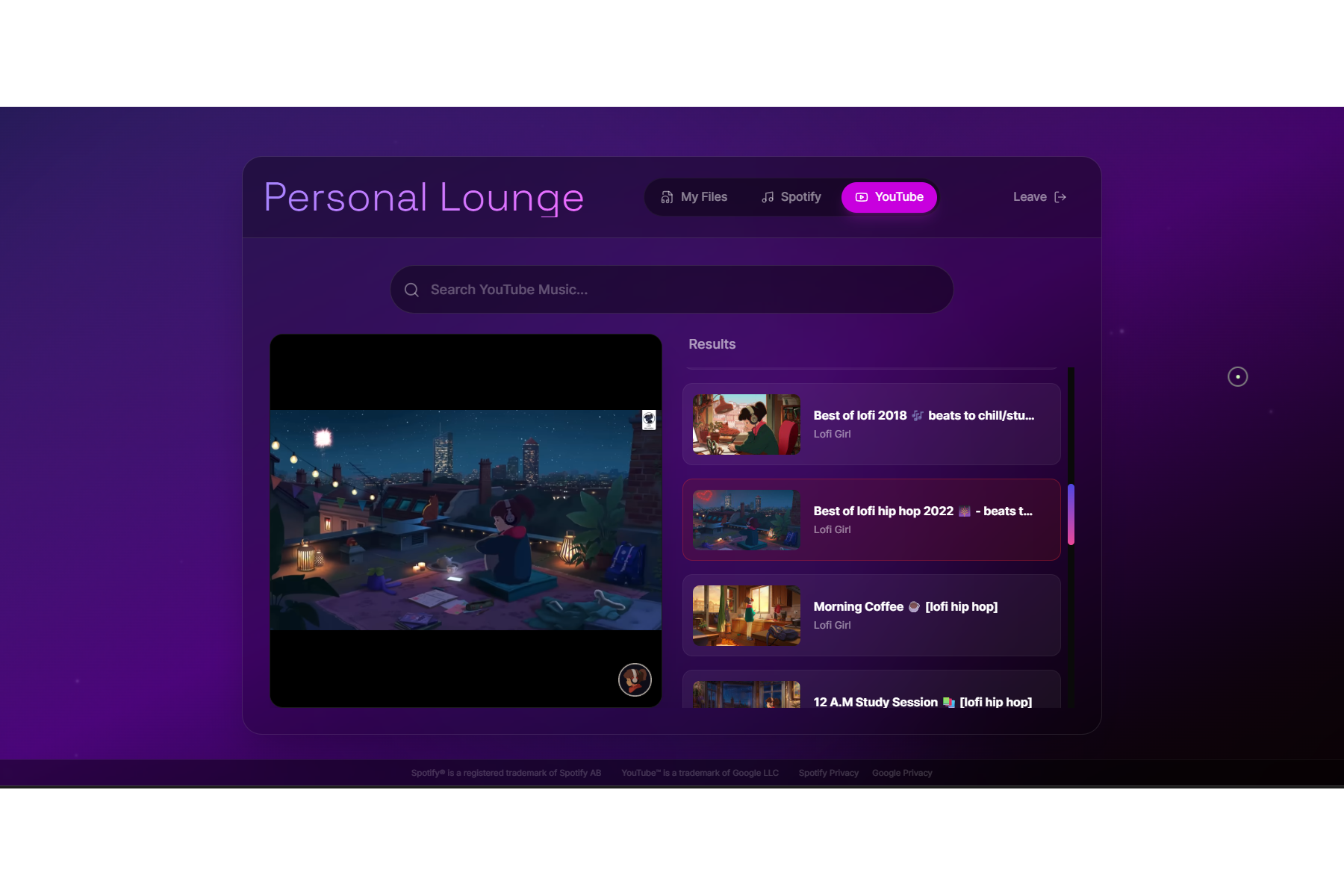
07-personal-lounge.png
-
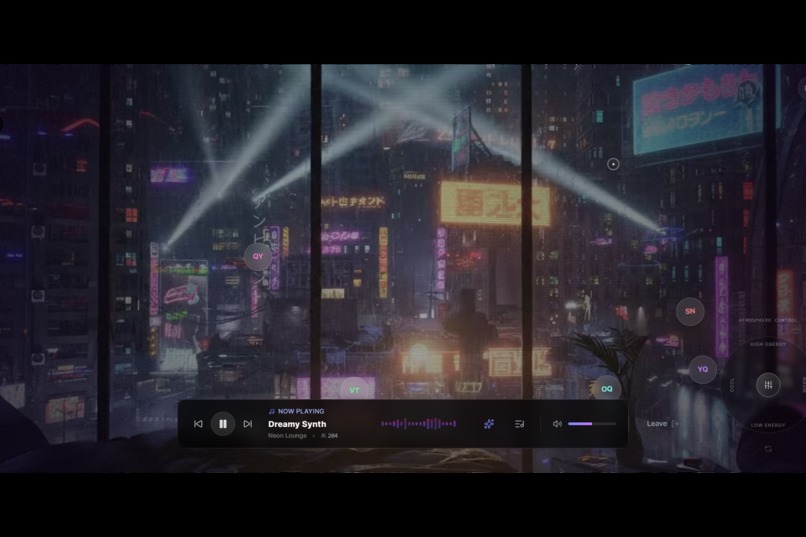
05-neon-lounge.png
-
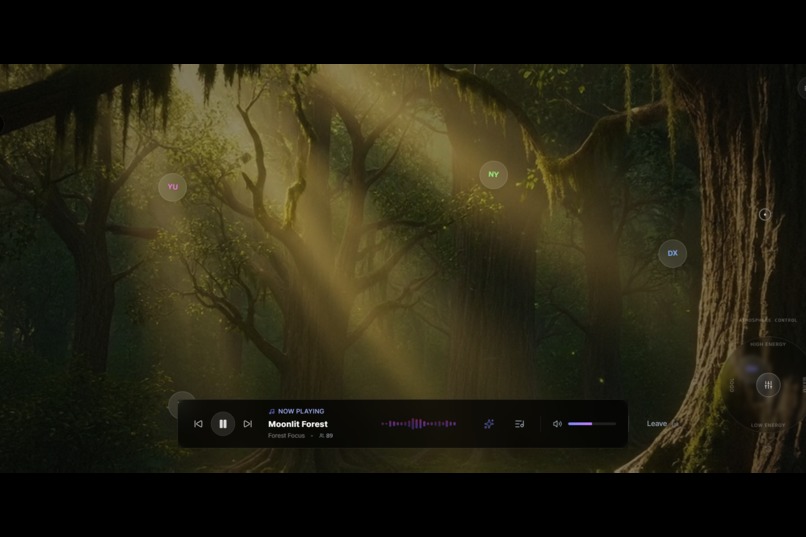
04-forest-focus.png
-
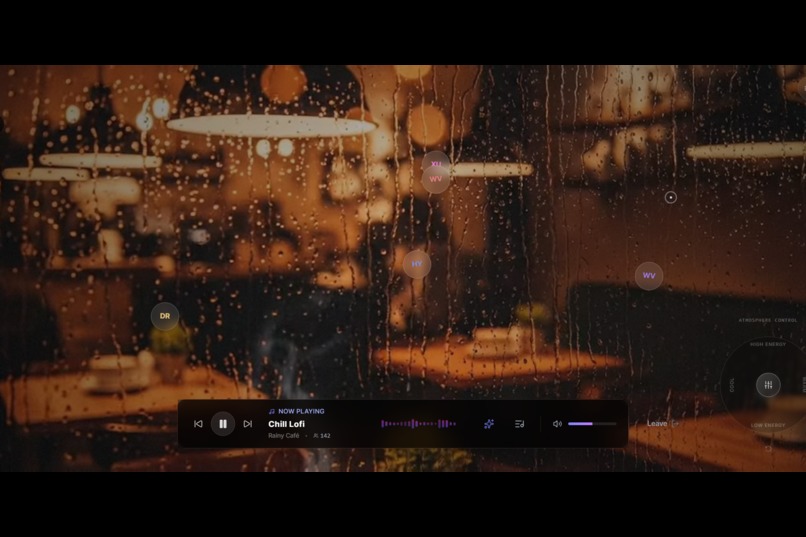
03-rain-cafe.png
-
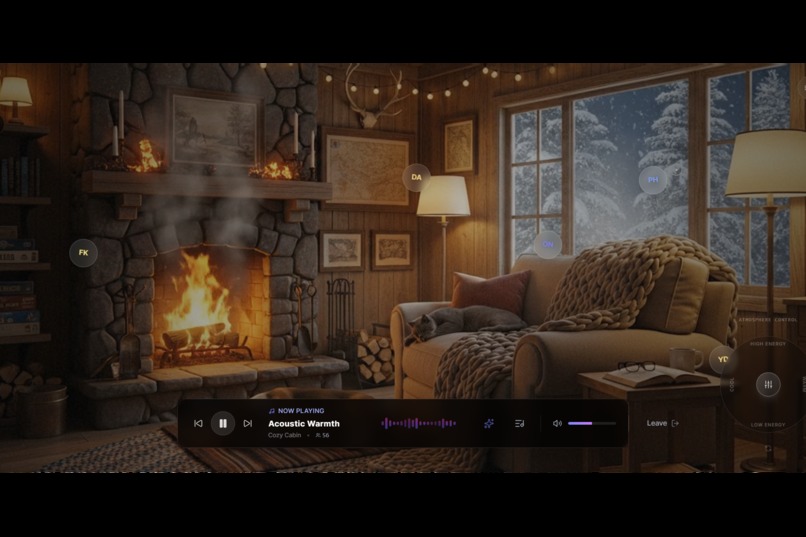
06-cozy-cabin.png
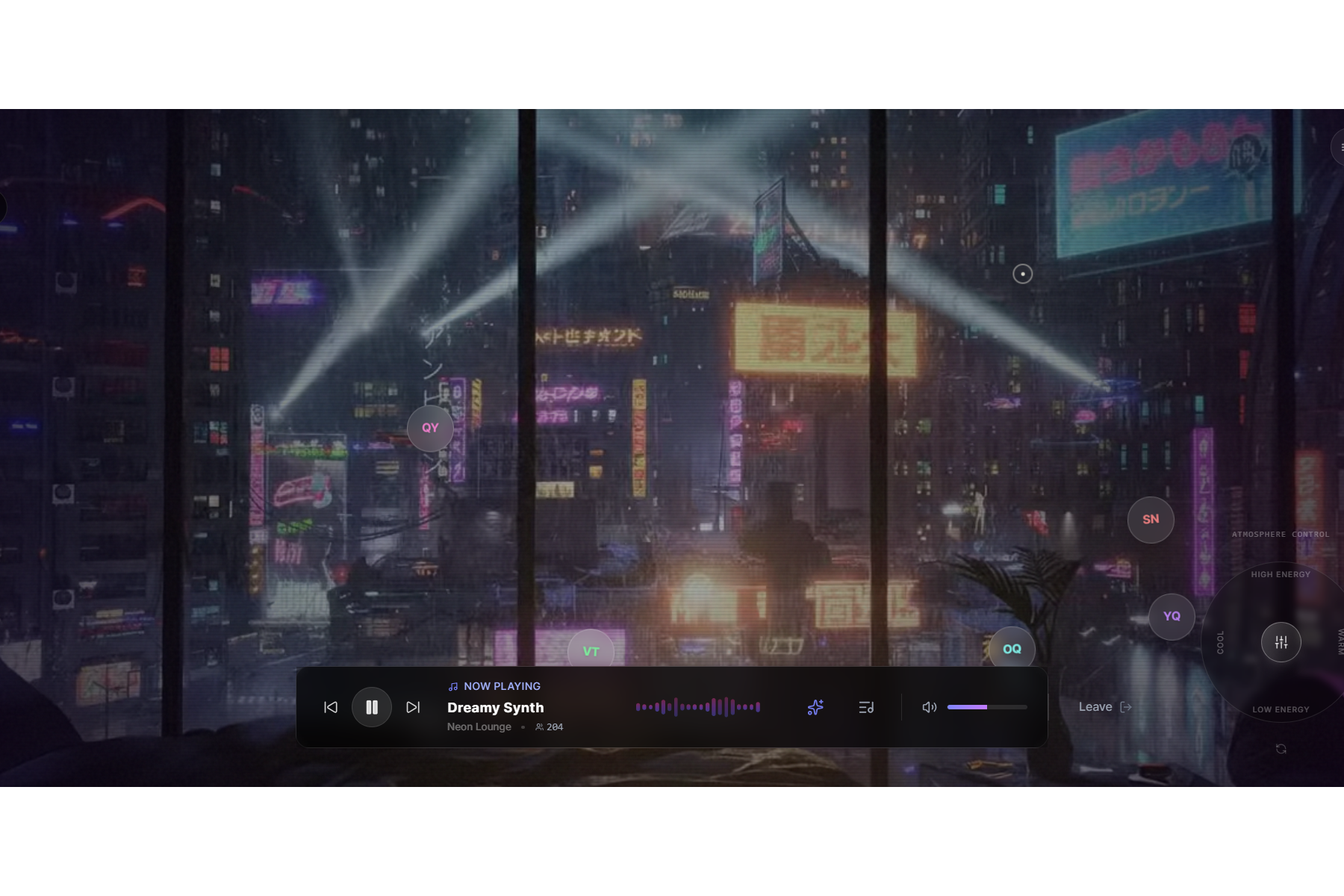
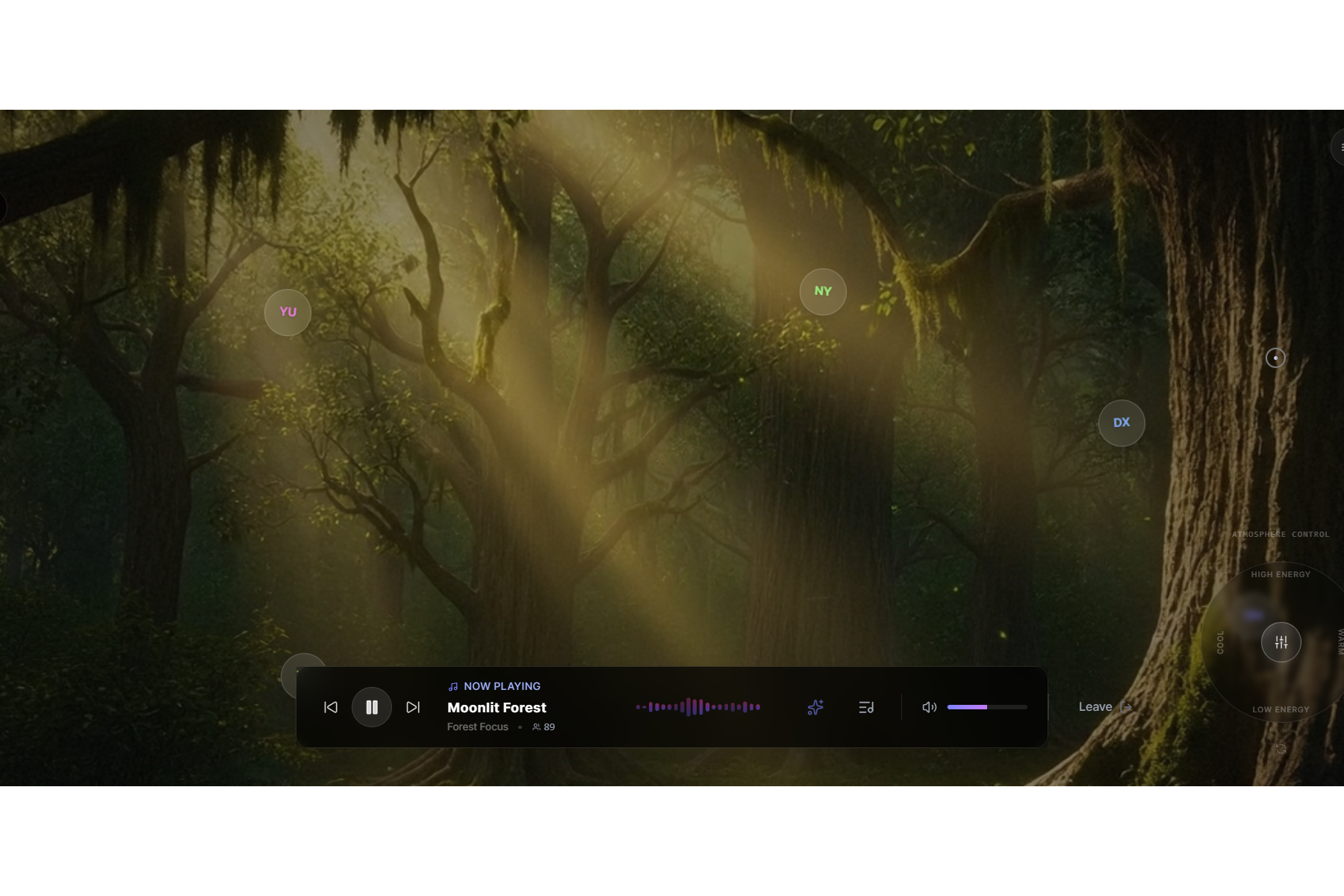
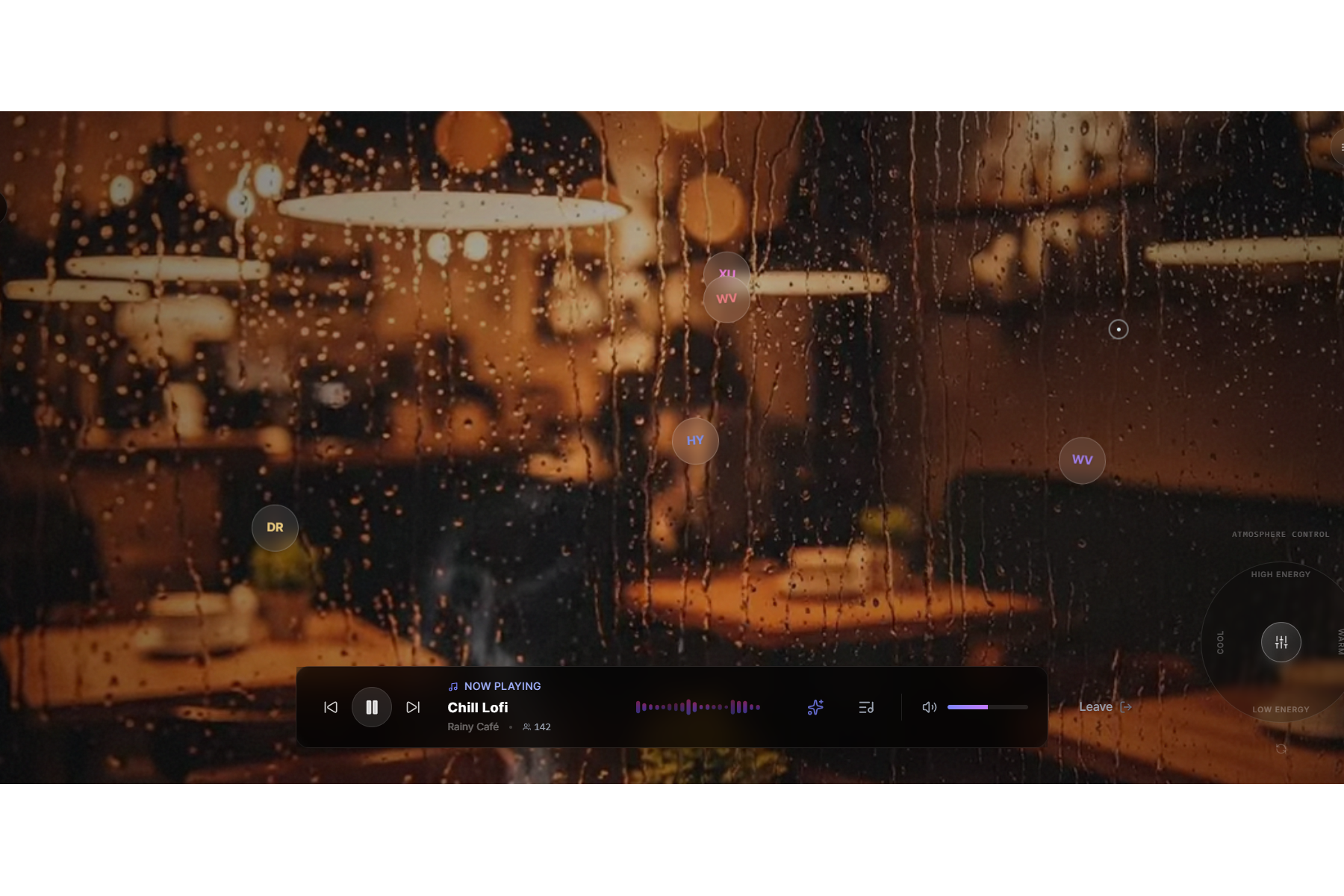
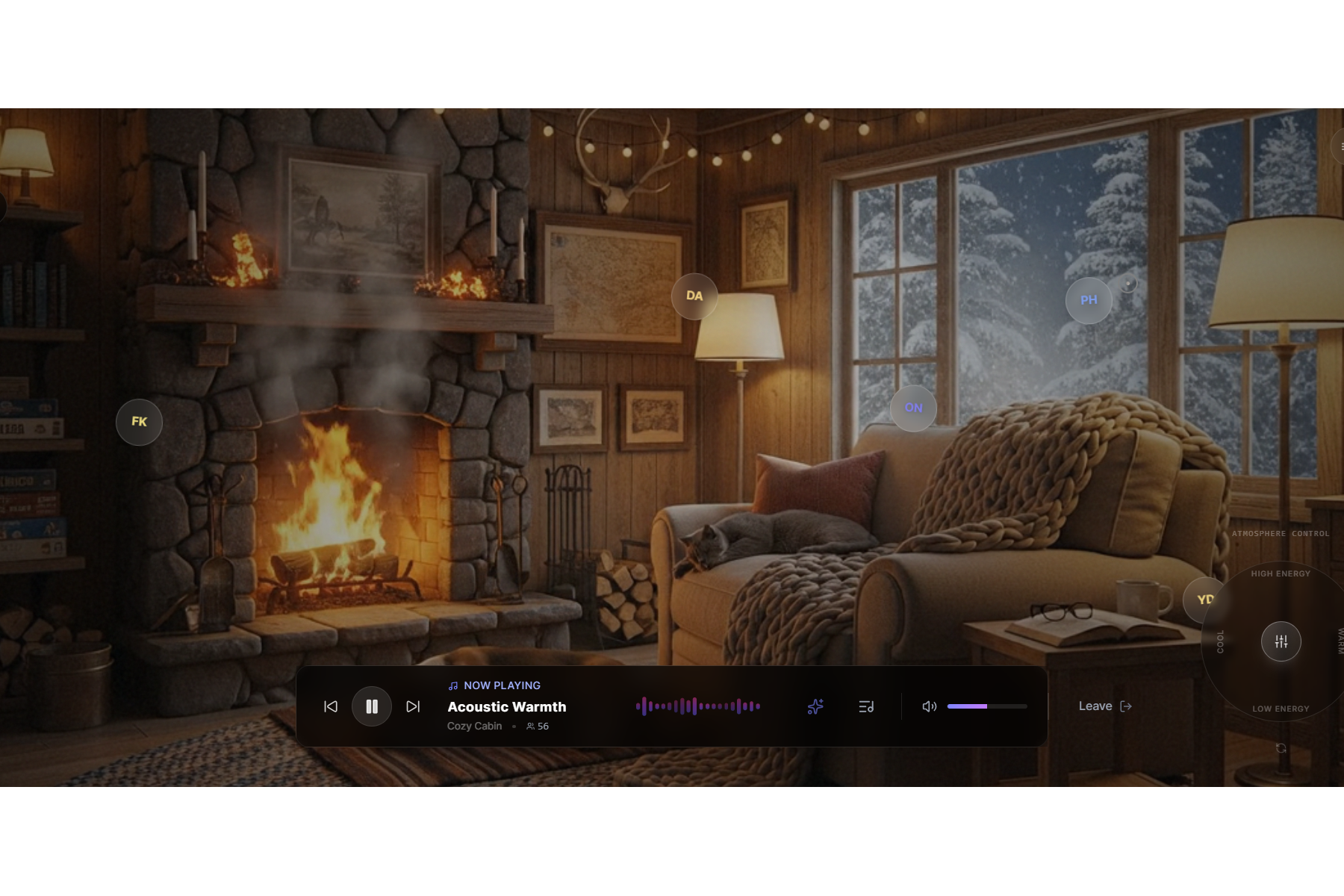
Inspiration In an era of "Zoom fatigue" and sterile digital interactions, we felt a deep disconnect. Online spaces are either hyper-productive (Slack/Teams) or chaotic (Discord/Gaming). We missed the "Third Place"—that feeling of simply existing with friends in a coffee shop, a library, or a late-night drive, without the pressure to talk or perform.
AMBR was born from the desire to bring "Ambient Presence" to the web. We wanted to create a digital sanctuary where users could drift between worlds, find their focus, or simply vibe with others in a space that feels magical, grounded, and alive.
What it does AMBR is an immersive 3D social platform that reimagines how we gather online.
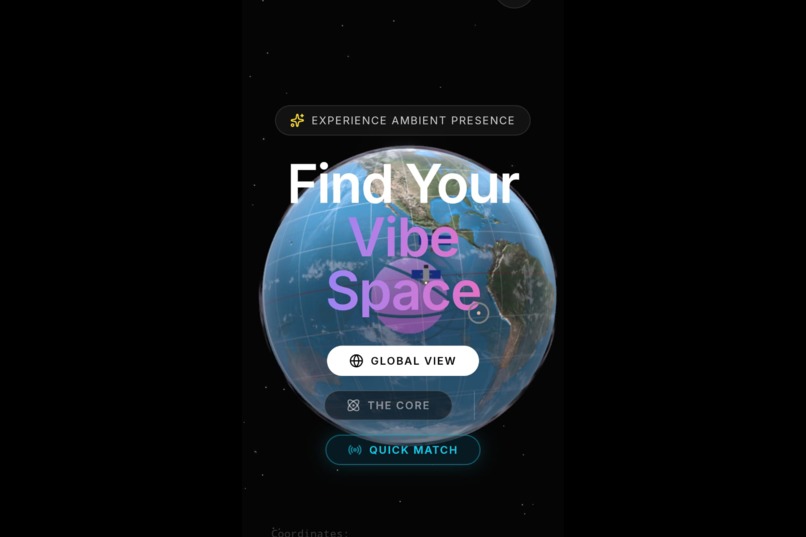
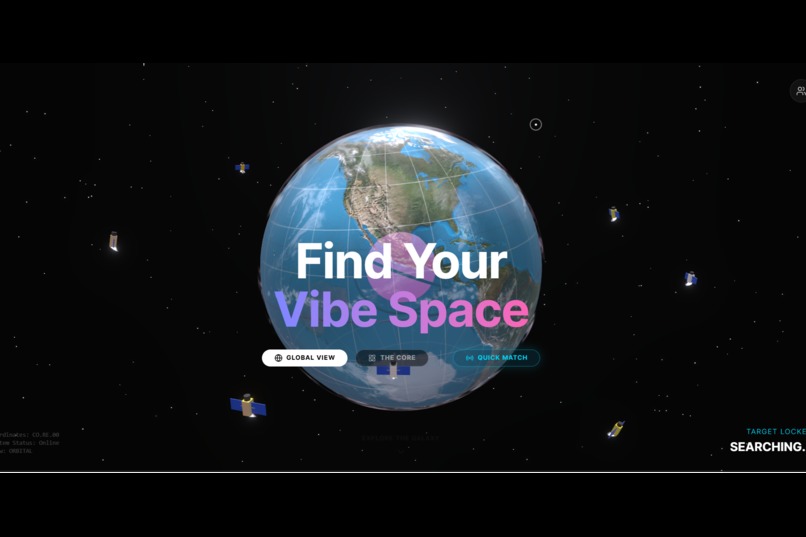
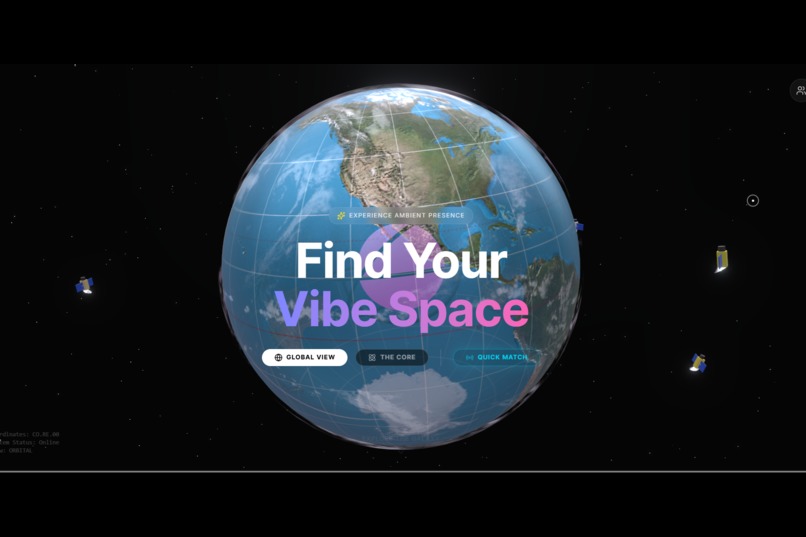
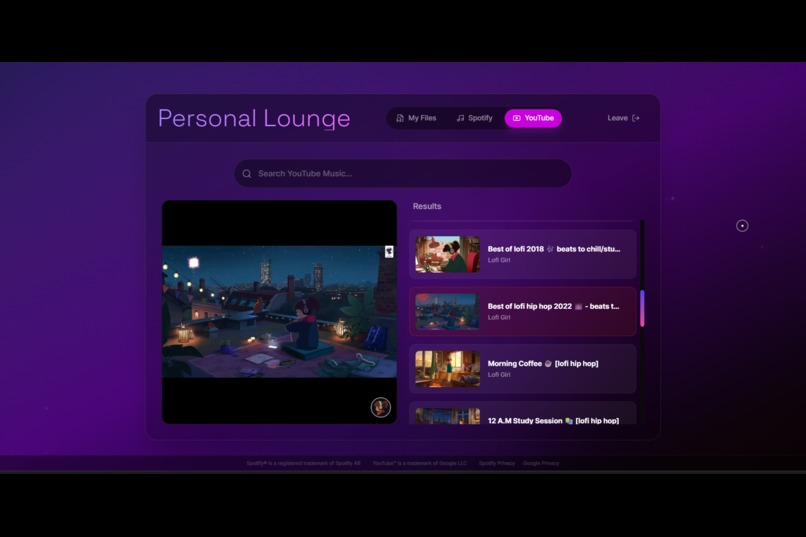
The Atmosphere: A stunning 3D interactive globe serving as the central hub, where users can see active "Vibe Rooms" orbiting as satellites. Vibe Rooms: Distinct immersive environments (Rainy Café, Neon Lounge, Forest Focus, Zen Garden) connecting users via shared ambiance. Magical Realism: A visual style that blends high-tech UI with ethereal, organic beauty—featuring warp-speed transitions, glowing starfields, and holographic interfaces. Shared Experience: Real-time synchronized audio (Spotify/YouTube integration) and "presence indicators" that let you feel the crowd without the noise. Personal Lounge: A private, customizable core for deep focus or relaxation. Adaptive AI Soundscapes: A "Smart Mix" engine that analyzes the room's atmosphere (Rain, Neon, Zen) and procedurally generates a unique audio track to match the vibe in real-time. How we built it We pushed the boundaries of modern web technologies to create a "app-like" cinematic experience in the browser.
The Core Stack Frontend: Built with React 19 and Vite for blazing fast performance. 3D Engine: We used Three.js via React Three Fiber (R3F). The globe isn't a video—it's a real-time rendered 3D object with custom shaders for the atmosphere and satellite orbits. Styling: Tailwind CSS v4 (Early Access) allowed us to build a complex, glassmorphic design system involving extensive backdrop blurs and gradients. Animations: Framer Motion handles the silky smooth UI transitions, while GSAP (GreenSock) powers the complex sequenced events. Key Technical Features Post-Processing Bloom: We implemented a custom EffectComposer pipeline to give the neon lights and stars that "dreamy" glow. Instanced Mesh Warp Effect: To simulate hyperspace travel between rooms without killing the CPU, we used instanced meshes to render thousands of stars in a single draw call. Optimized Materials: We balanced visual fidelity with performance by switching between MeshPhysicalMaterial (for glass refraction) and MeshStandardMaterial dynamically based on the device's load. Smart Audio Engine: Use of the Howler.js Web Audio API to create a dynamic mixing system. It performs real-time cross-fading and pitch-shifting to simulate an AI DJ that adapts the tempo and track selection to the user's current "Energy" settings. Challenges we faced "The Lag Monster": Our biggest challenge was performance. Rendering a high-poly globe, thousands of stars, bloom effects, and HTML UI simultaneously caused massive frame drops on laptops.
Solution: We implemented a dynamic quality system. We reduced the pixel ratio on high-DPI screens, switched to "Holographic" shaders (fake glass) instead of real refraction, and optimized the Bloom passes. This brought us from 20 FPS back up to a buttery smooth 60 FPS. UI collision: Designing a 3D interface that doesn't fight with the 2D DOM is hard. We struggled with click events passing through buttons to the 3D globe behind them.
Solution: We built a custom "Blocker" layer and distinct event bubbling controls to ensure that when you click a UI element, you don't accidentally spin the planet. Accomplishments that we're proud of The "Vibe": We successfully nailed the "Magical Realism" aesthetic. The transition from the starry void to the "Core" feels genuinely transportive. The Satellite System: Seeing the rooms orbit the planet in real-time makes the platform feel alive and connected. Seamless Audio: Integrating a global audio manager that cross-fades between room ambiences without jarring cuts. What's next for AMBR Multiplayer Avatars: Moving beyond simple counters to seeing your friends' actual floating cursors/orbs in the space. VR Support: Porting the React Three Fiber scene to WebXR for a fully immersive VR experience. AI Soundscapes 2.0: Moving from our current "Smart Mix" engine to full real-time generative music using WebAssembly synthesizers for infinite, never-repeating lo-fi tracks.
Built With
- framer-motion
- javascript
- lucide-react
- react
- react-three-fiber
- tailwindcss
- three.js
- vite
- webgl

Log in or sign up for Devpost to join the conversation.