-
-
AMARA
-
Inspiration
Mental health is a deeply personal and universal challenge — yet access to support remains difficult for many, especially students, young adults, and people in underserved communities. I’ve personally seen how hard it is to find someone to talk to, especially late at night, without fear of judgment or cost barriers.
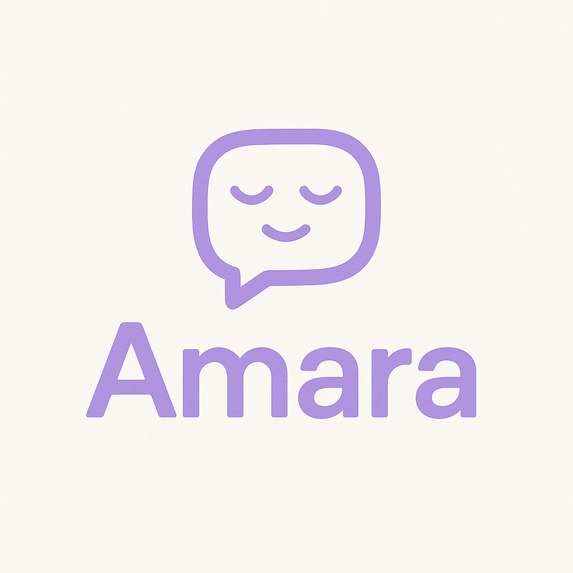
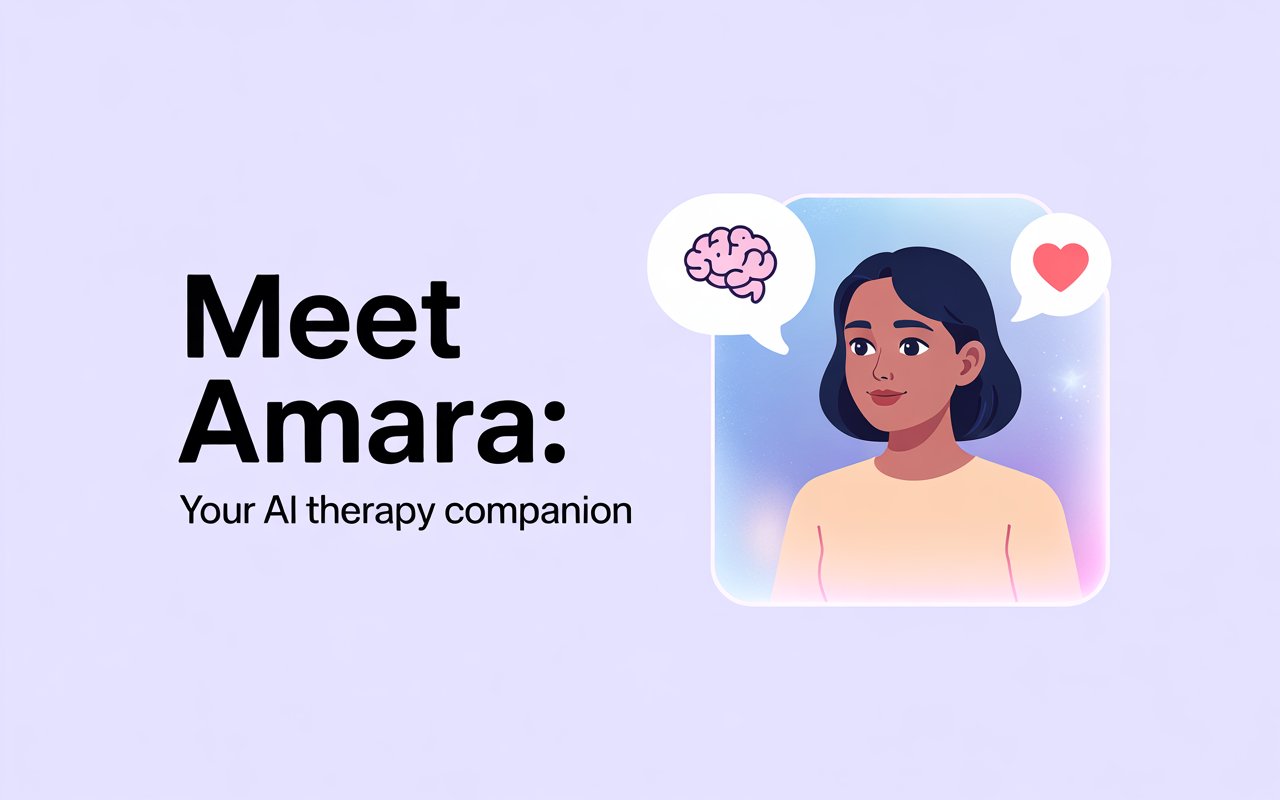
That’s why I built Amara — a calm, empathetic AI wellness companion that listens without judgment, helps users reflect, and offers tools for emotional clarity. Not as a replacement for therapy, but as a bridge — for anyone, anywhere, at any time.
What it does
Amara serves as a personal AI Mental Wellness Assistant, providing a safe, confidential, and non-judgmental space for users to explore their thoughts and feelings. It facilitates empathetic conversations through both text and seamless voice interactions. Users can articulate their concerns, receive reflective responses, and engage in guided self-exploration.
Beyond conversations, Amara offers a comprehensive dashboard where users can track their journey. Key features include:
Quick Journal Entry: A space for logging daily reflections.
Session History: A log of past conversations for review and reflection.
Insights: Provides weekly progress on mood improvement.
Amara operates on a freemium model, offering a free trial with a generous message limit (e.g., 1000 messages) to give users a full taste of the premium experience. Crucially, for anyone in need of immediate help, the platform provides a dedicated crisis resource page with direct links to essential helplines and support organizations.
How we built it
I built Amara solo from the ground up using a modern, low-code and API-driven tech stack:
Frontend: Bolt.new for page layout, routing, and animations
Auth & Database: Supabase for secure user management and RLS-controlled journaling/mood data
AI Model: Groq Api (meta-llama/llama-4-scout-17b-16e-instruct), with a tightly engineered system prompt for emotional tone
Voice: ElevenLabs for realistic, soothing text-to-speech responses
Payments: Paystack for Nigerian-friendly subscription handling
Monitoring: Sentry for error tracking and performance insights
I implemented:
Anonymous access logic with usage limits
A 7-day trial tracked via Supabase trial_ends_at
Plan-based feature gating (freemium vs premium)
Full demo login for judges via pre-made credentials
Challenges we ran into
Designing an LLM persona that sounds emotionally intelligent, not robotic
Managing trial → freemium → premium transitions in a seamless way
Building tone-aware UI that feels soothing, not clinical
Integrating Paystack billing with Supabase metadata updates
Making sure judges can test everything without friction
Accomplishments that we're proud of
Designed and launched a full-stack mental wellness app in under 3 weeks with Bolt.new
Created a calming user experience and emotionally intelligent AI system prompt
Integrated real monetization logic while keeping access inclusive
Built an onboarding-to-journaling-to-reflection flow that actually feels human
Deployed a judge-access version that works instantly with full access
What we learned
AI can only feel human if you deeply design for empathy
Monetization and user trust must go hand-in-hand, especially in wellness
No-code tools like Bolt.new can move incredibly fast — with the right plan
When building for vulnerable users, every detail matters: wording, animation, tone, fallback messages
What's next for AMARA
- Launch global public beta
- Add AI-generated journal summaries and trend reflections
- Expand multilingual support via Lingo
- Release as a mobile-first PWA
- Partner with communities and wellness orgs to expand reach
- Refine the Amara LLM persona using user feedback, emotional benchmarks, and ethical tuning
Amara is for the world — because everyone deserves to feel heard.
Built With
- bolt.new
- elevenlabs
- groq
- javascript
- netlify
- sentry
- supabase
- typescript

Log in or sign up for Devpost to join the conversation.