Inspiration
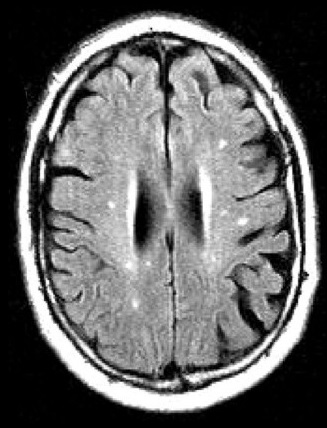
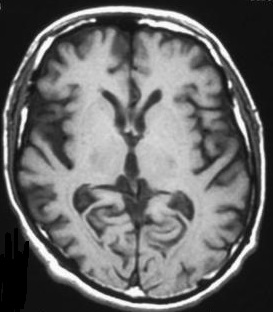
As students very interested in CNN (Convolusional Neural Networks) and Machine Learning, we wanted to investigate how we could use a CNN to assess a real world problem. One of the problems that we found the most interesting was detecting the presence of Alzheimer's and Dementia from MRI scans. Not only does it serve as a good intro to Machine Learning, but it also has major uses in assessing serious conditions.
What it does
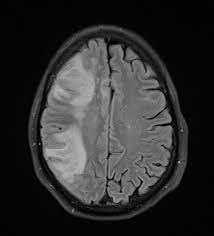
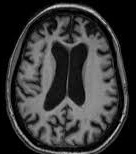
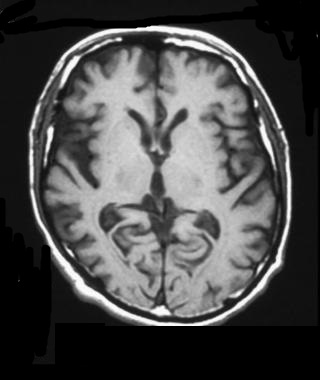
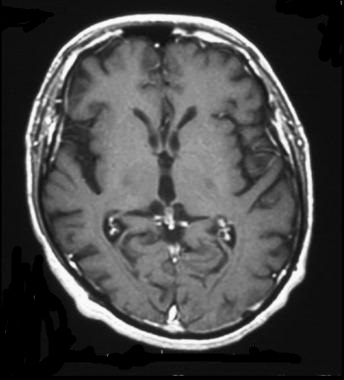
When given a longitudinal MRI scan of a brain, it uses a neural network to determine if there are any signs of Dementia or Alzheimer's present.
How we built it
We used TensorFlow to create a neural network that could be used to classify brain scans into patients who have Alzheimer's and those who don't. To train the neural network, so that it could differentiate between healthy and Alzheimer's patients, we gave it MRI scans of both healthy patients and patients affected by Alzheimer's, so that it could differentiate the two between for any given MRI scan.
Challenges we ran into
The database we were going to use for MRI scans was temporarily unavailable, so we had to manually download images of MRIs of both healthy and affected brains.
As we were somewhat unfamiliar with TensorFlow at the beginning of the hackathon, we ran into several errors that took a while to resolve and caused setbacks.
Accomplishments that we're proud of
We managed to build a highly functional neural network in less than 24 hours.
What we learned
We learned how to create a functioning neural network that could differentiate between different criteria.
What's next for AlzheimerAnalyzer
We plan to use a software such as DialogFlow, which can be integrated with social media services, so that the program is easily accessible from any location.
Built With
- numpy
- python
- scikit-learn
- tensorflow

Log in or sign up for Devpost to join the conversation.