-
-
NeuroLens - Alzheimer's detection system
-
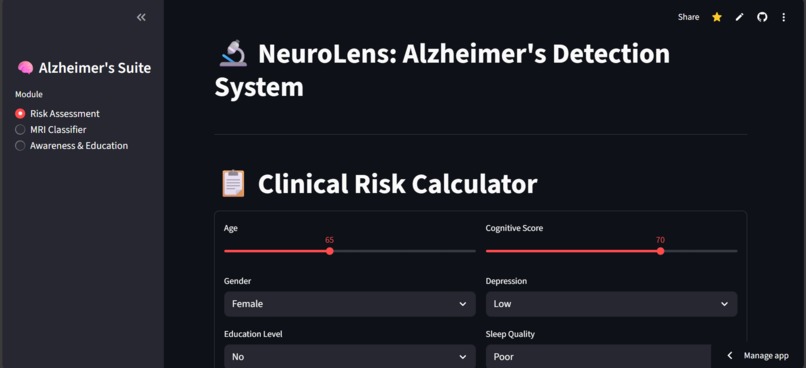
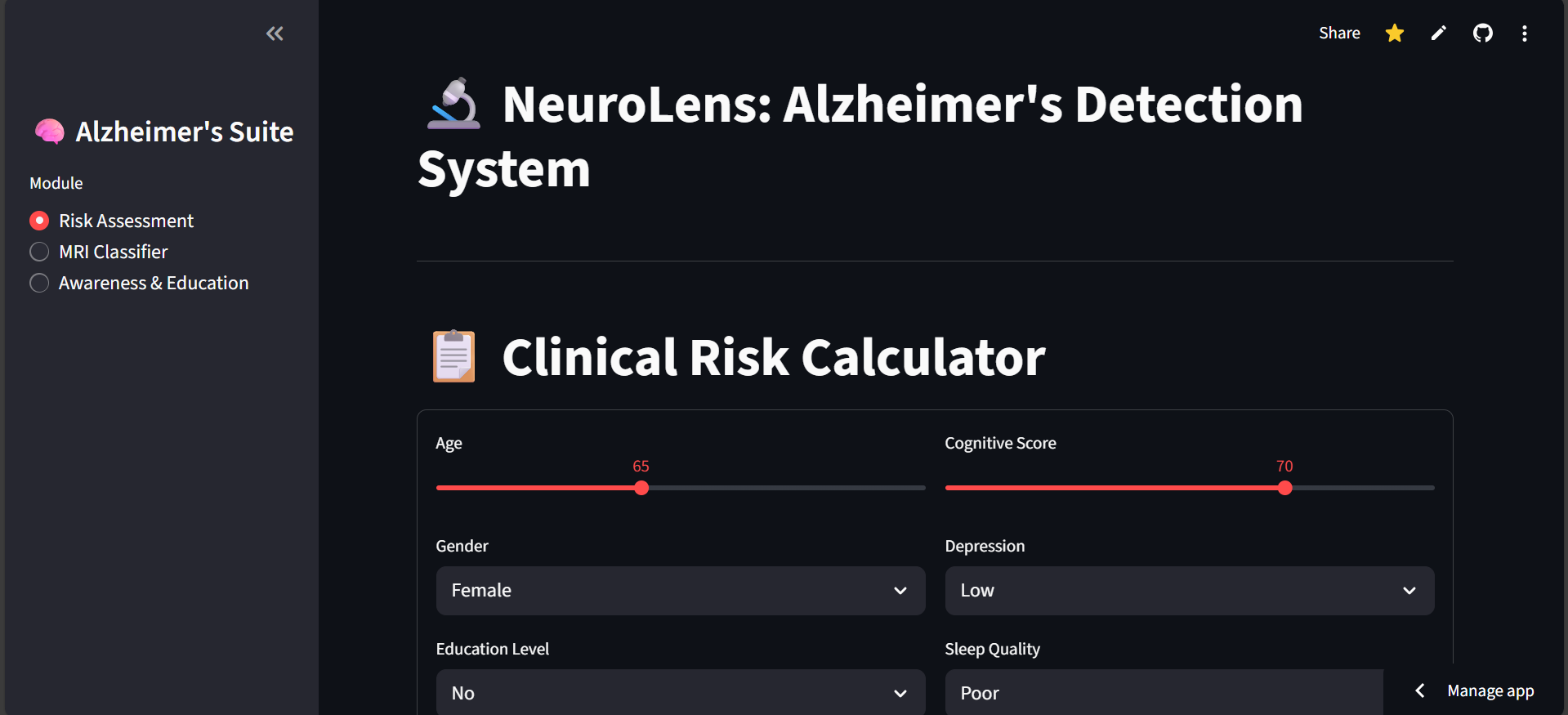
clinical data risk
-
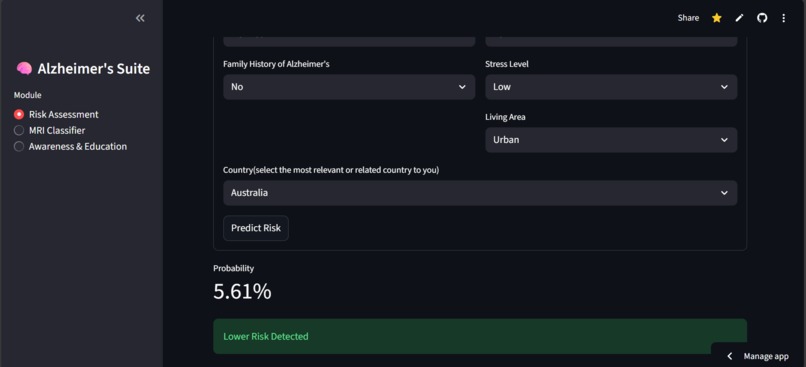
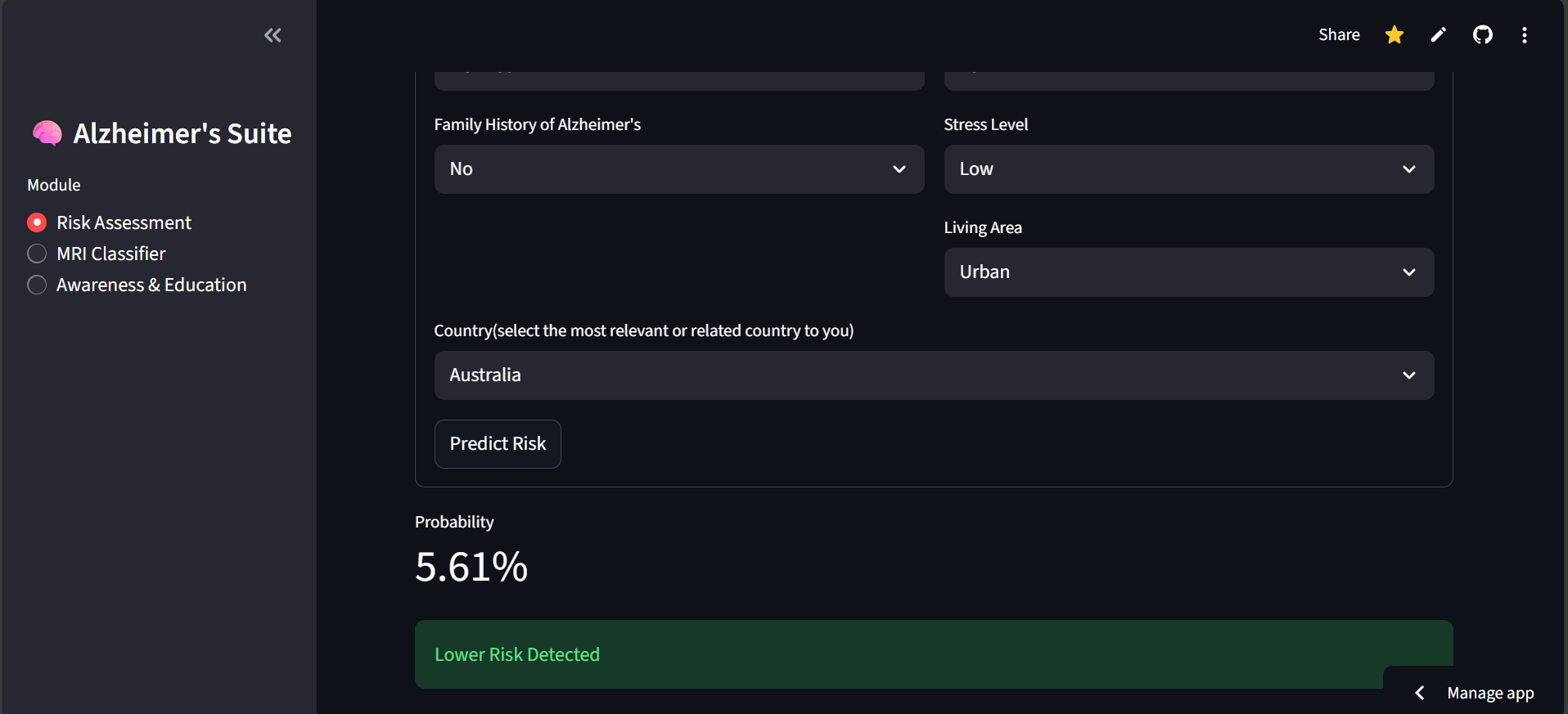
clinical data risk result demo
-
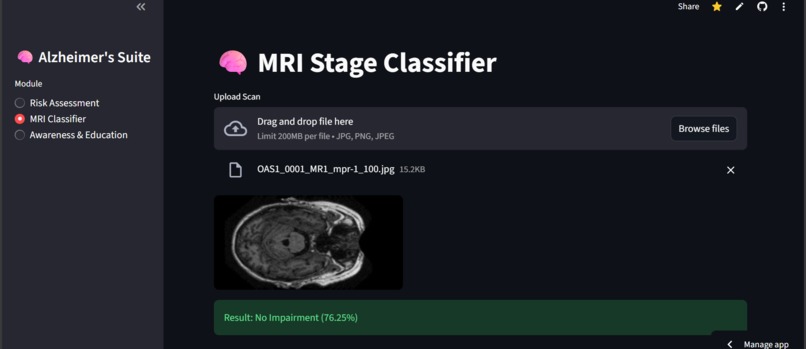
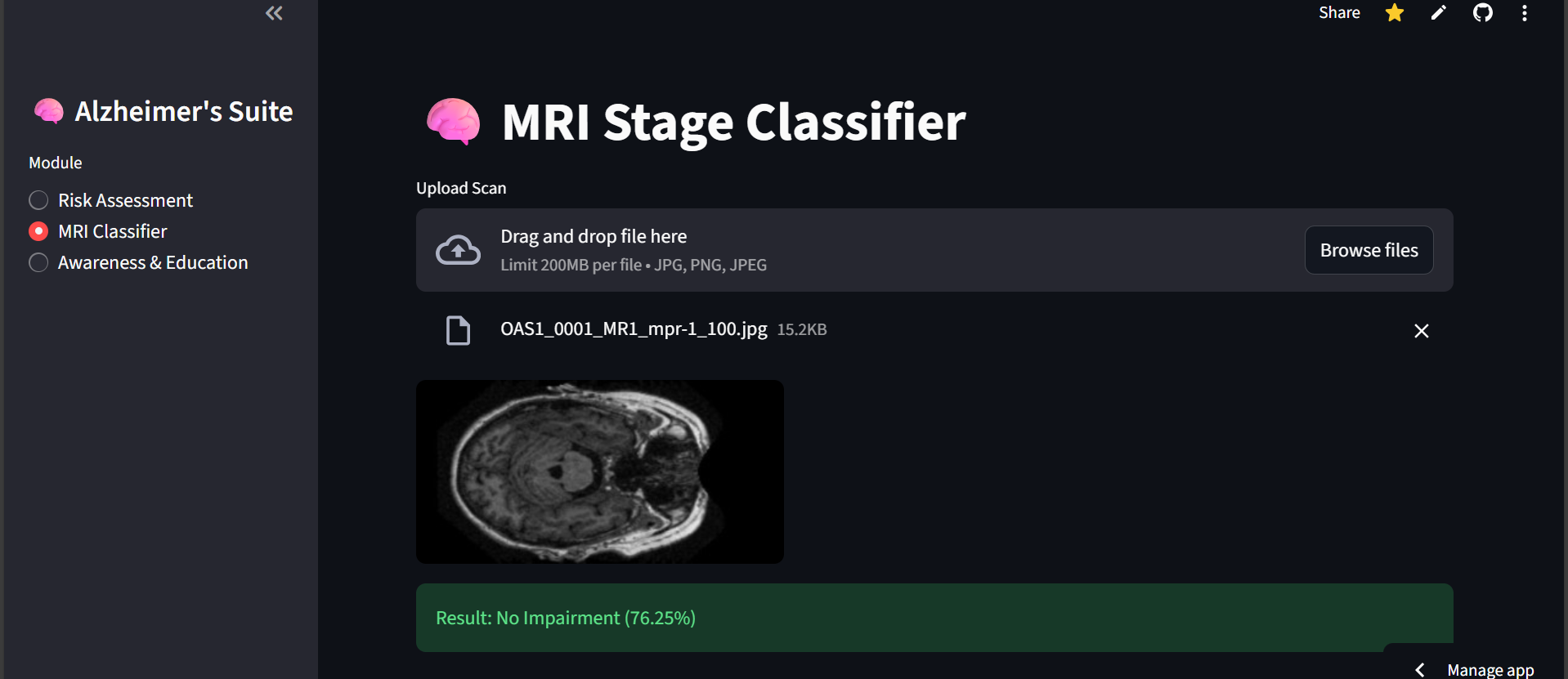
image classify
-
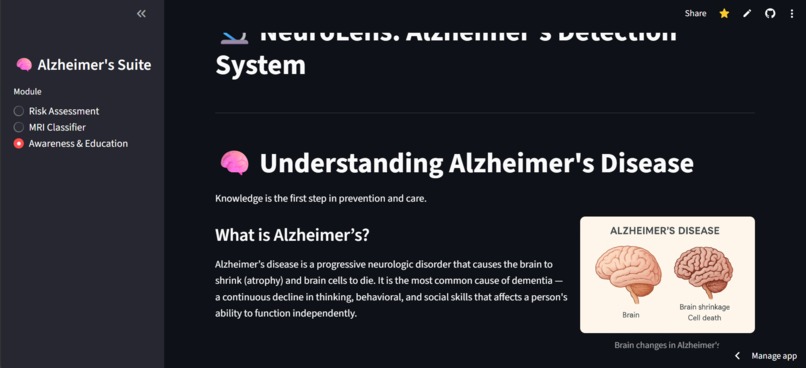
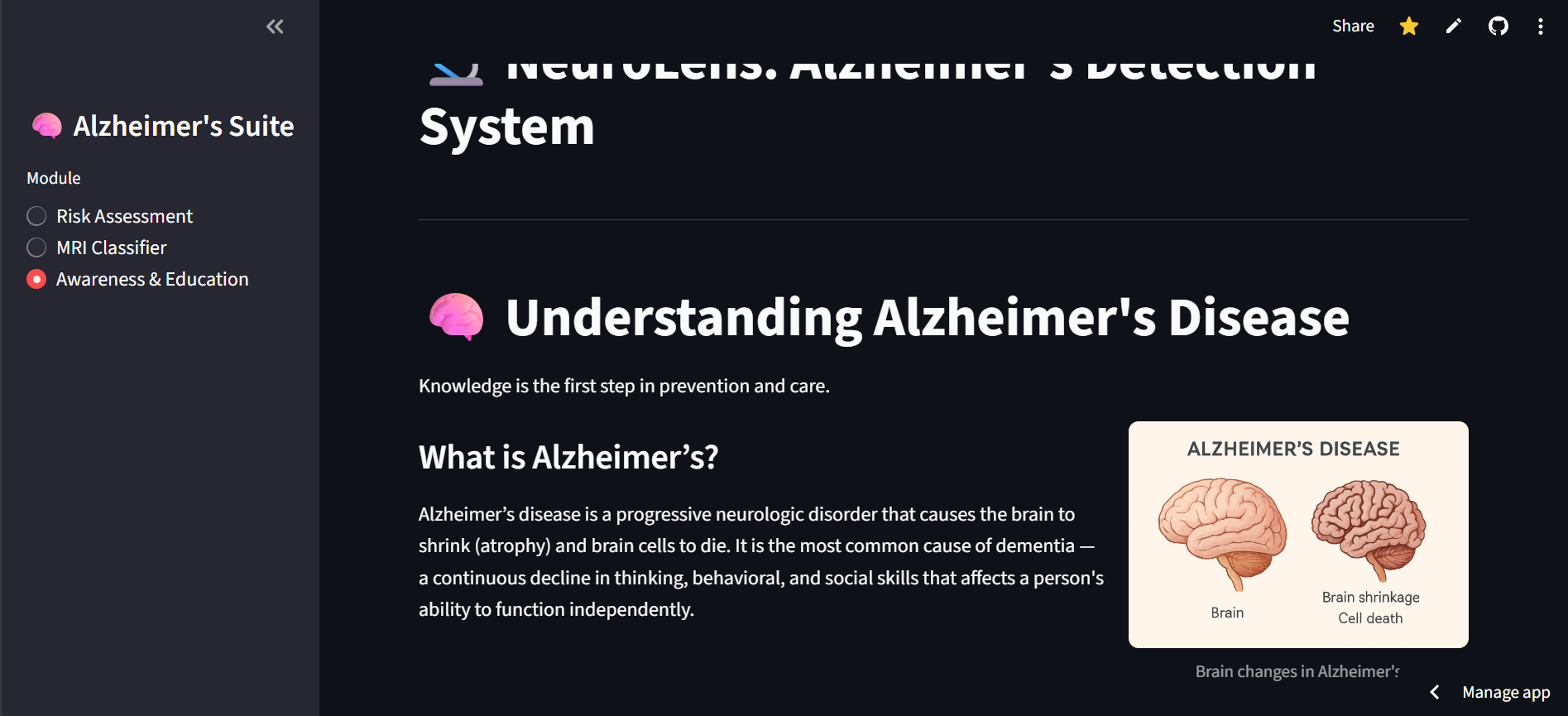
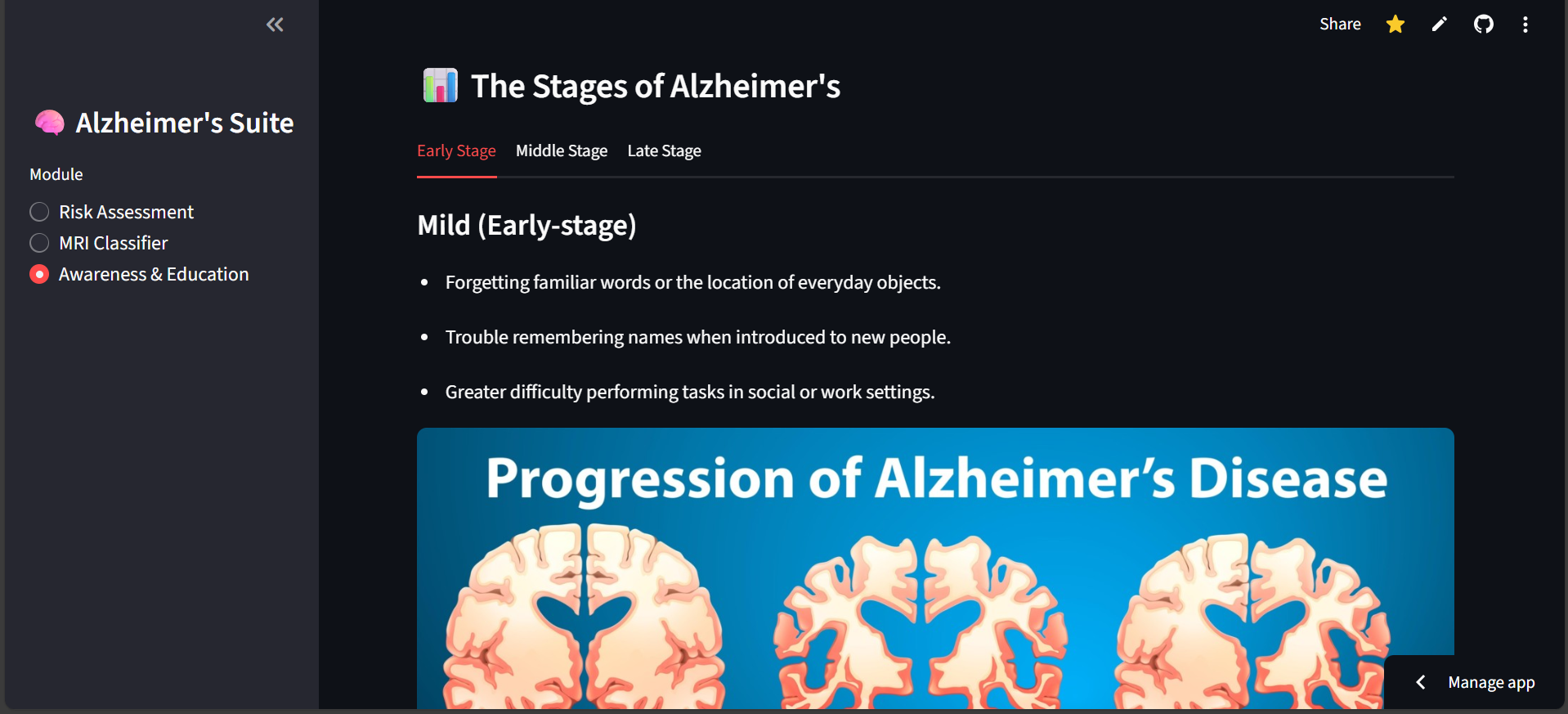
awareness page(1)
-
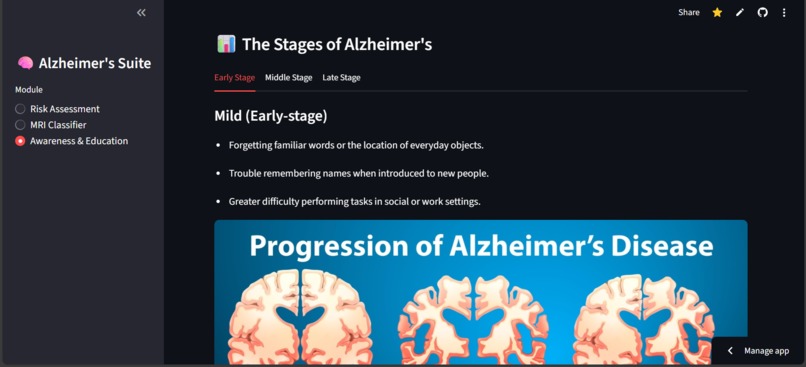
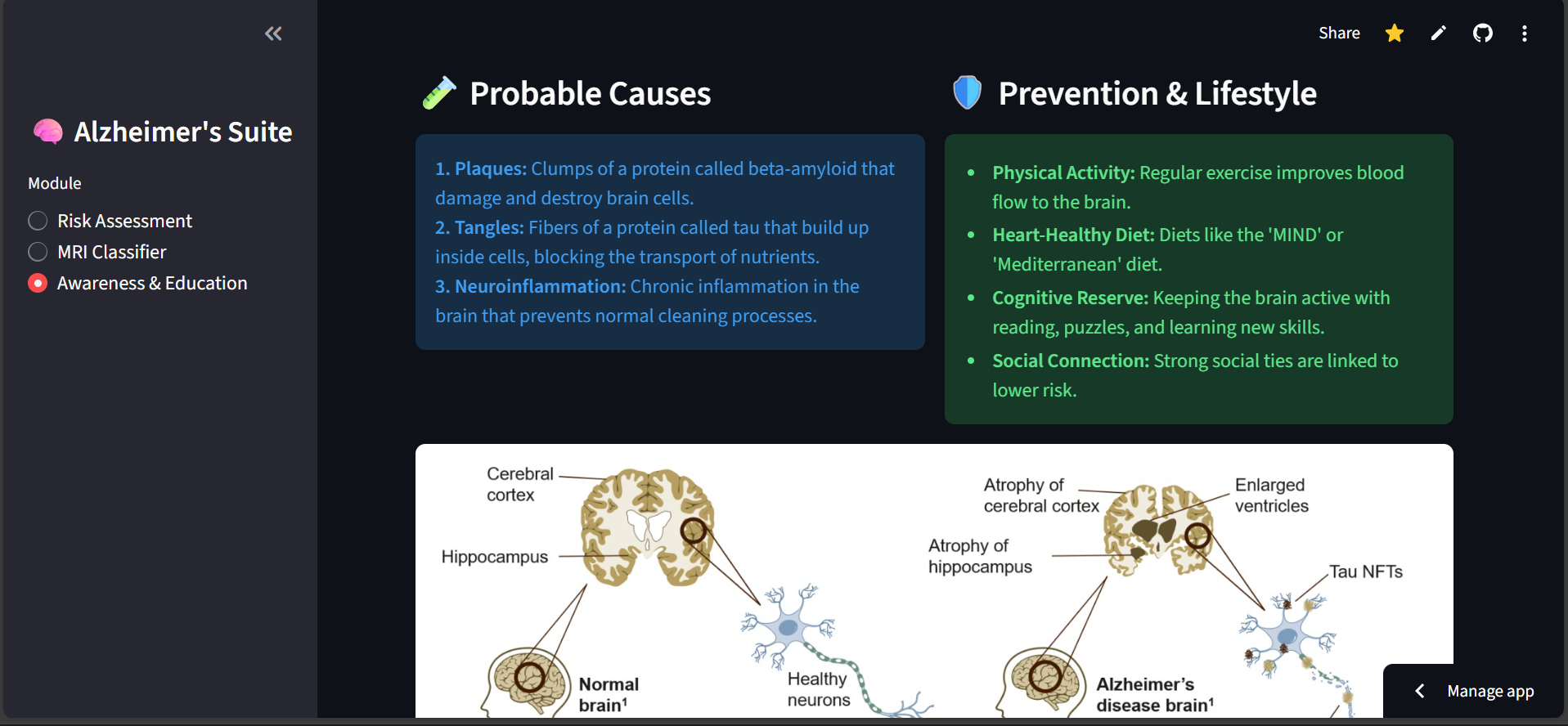
awareness page(2)
-
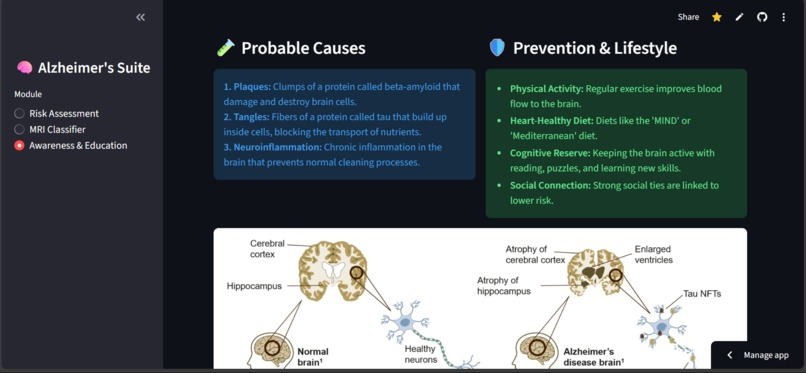
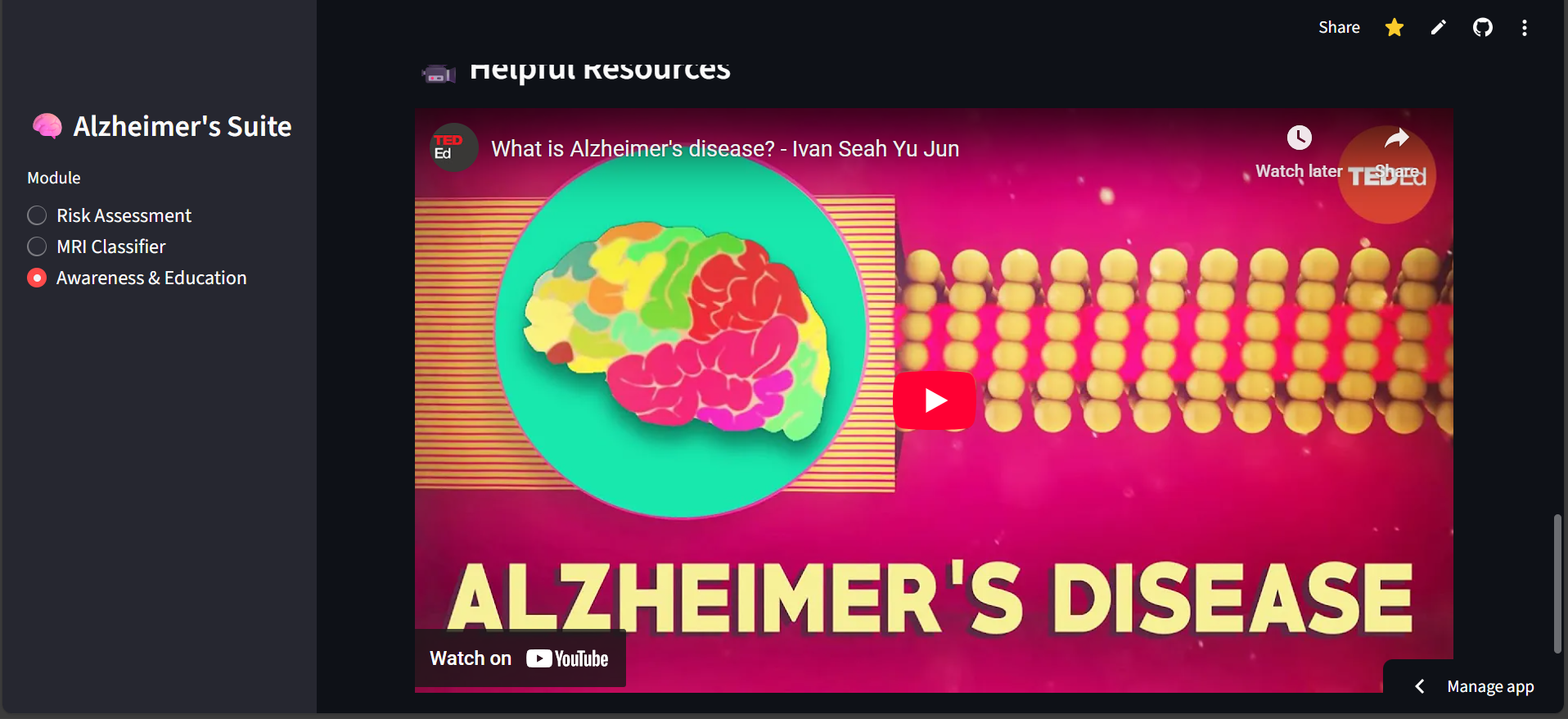
awareness page(3)
-
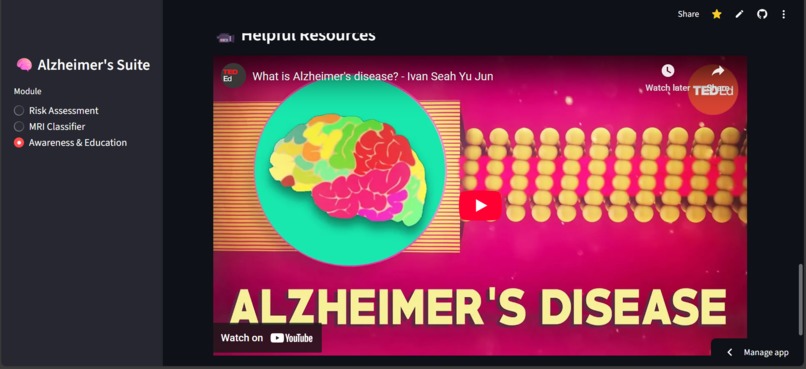
awareness page(4)
-
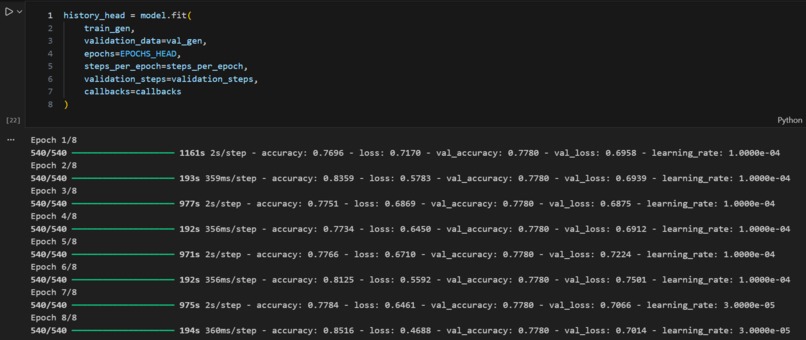
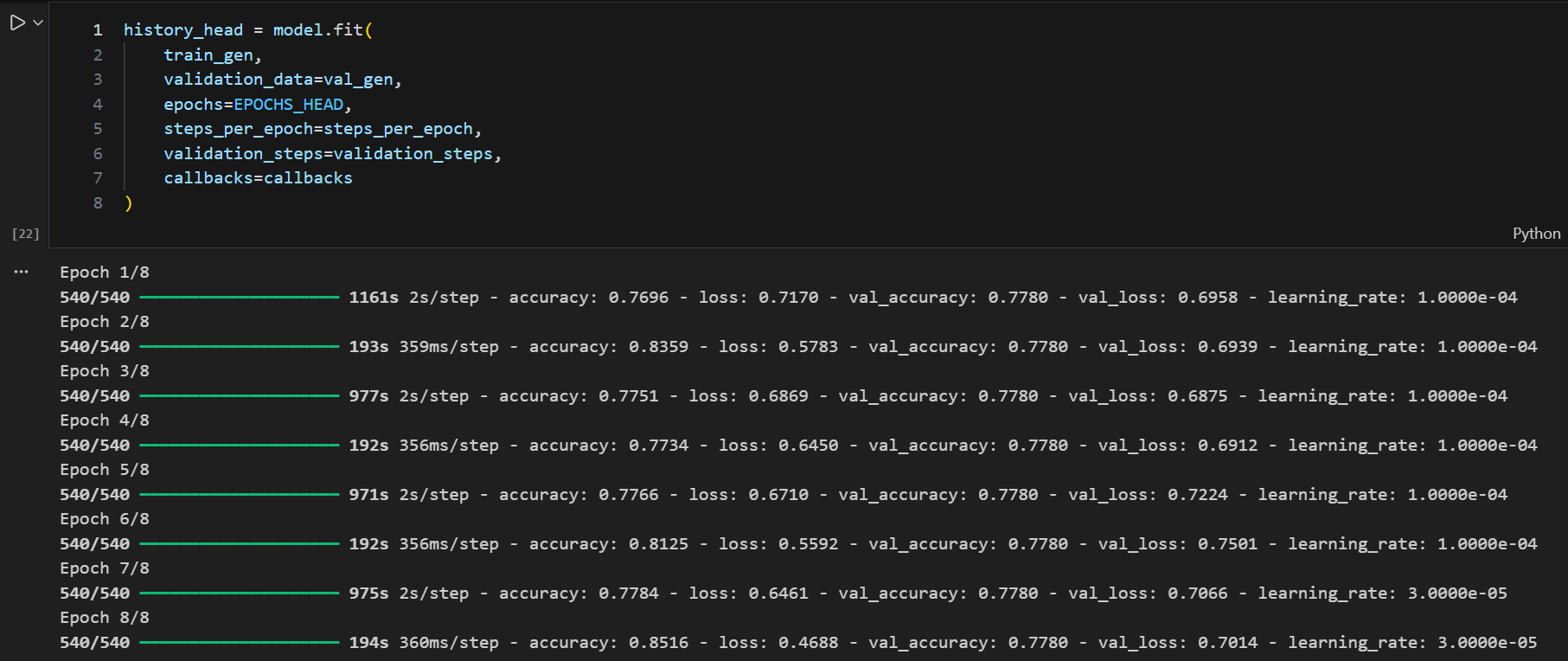
image train result
-
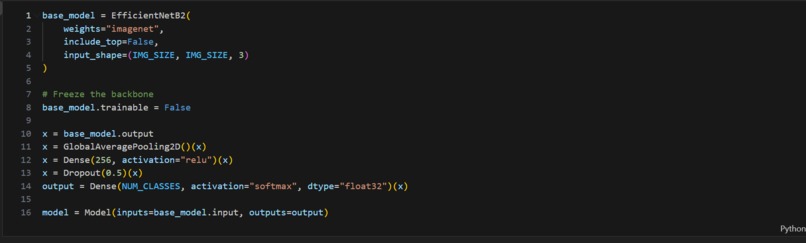
image train with model fine tuning
-
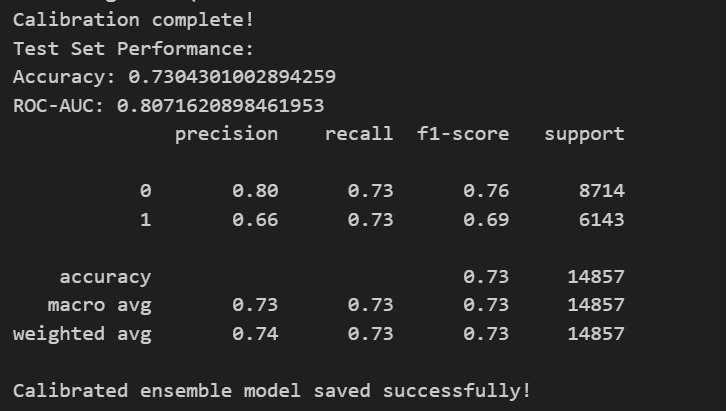
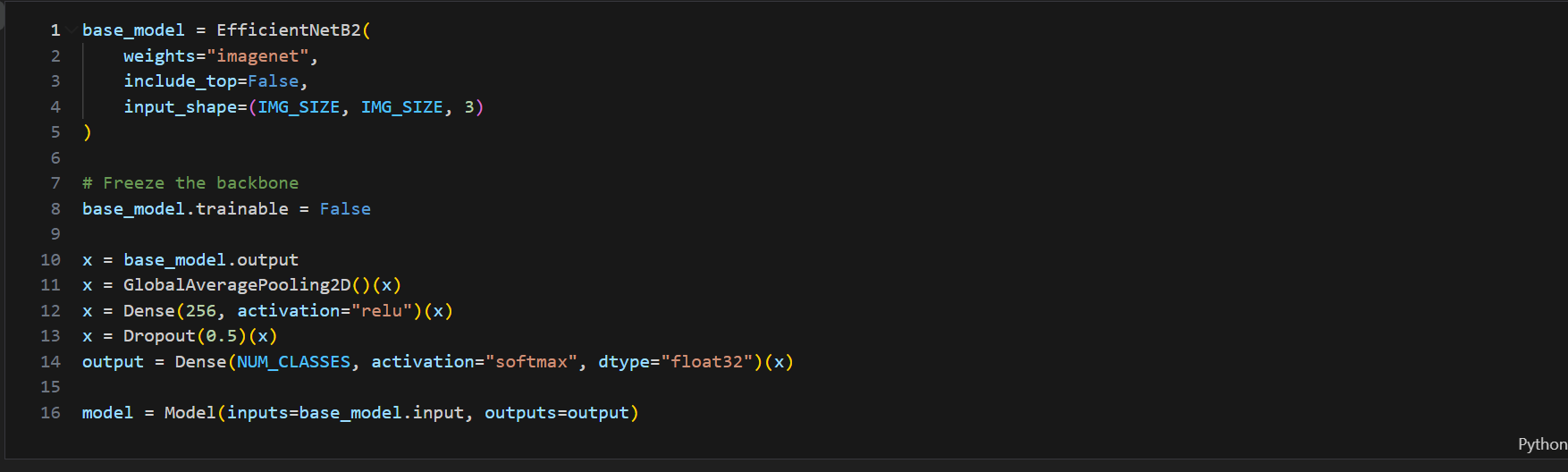
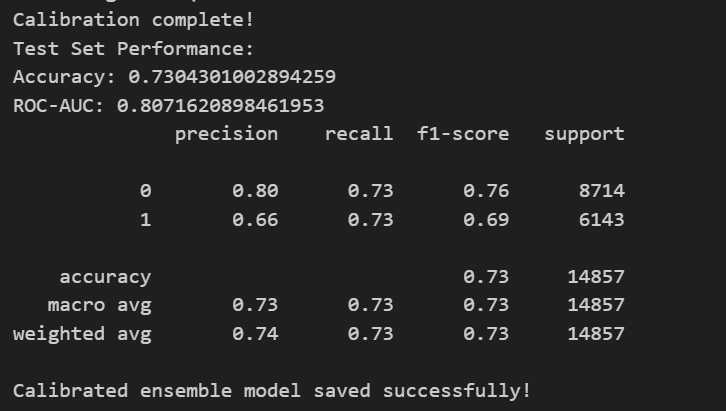
clinical data detector training
-
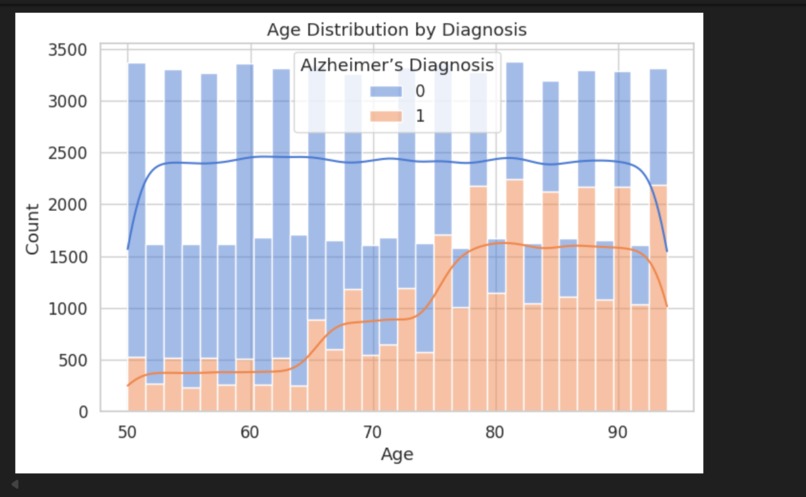
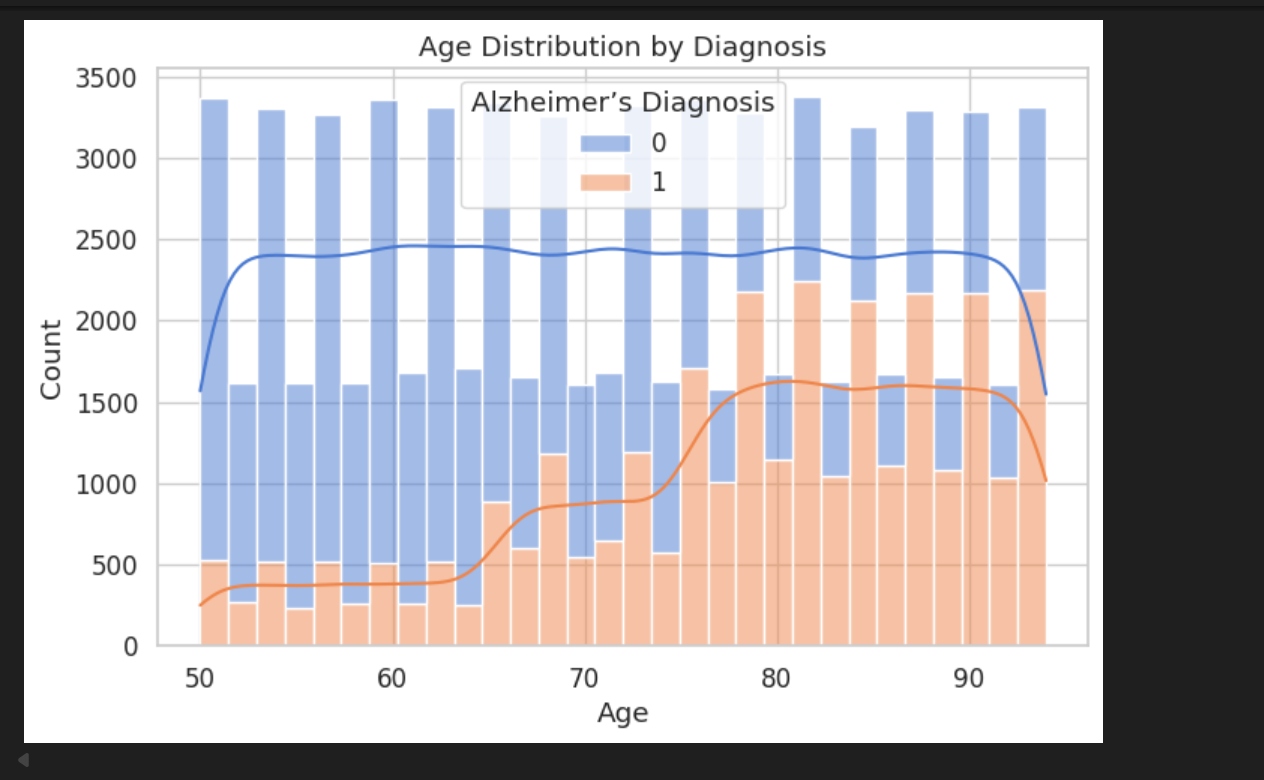
Alzheimer's vs age relationship graph
-
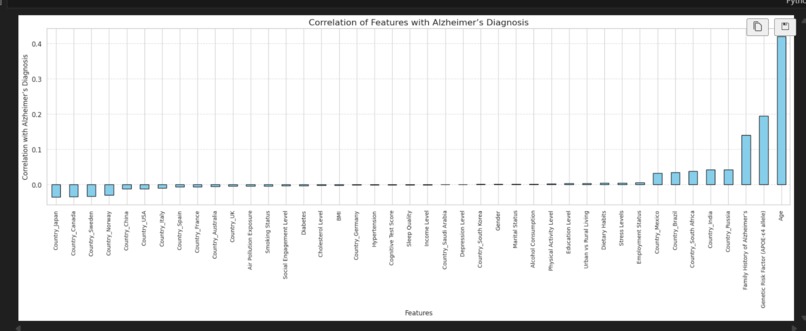
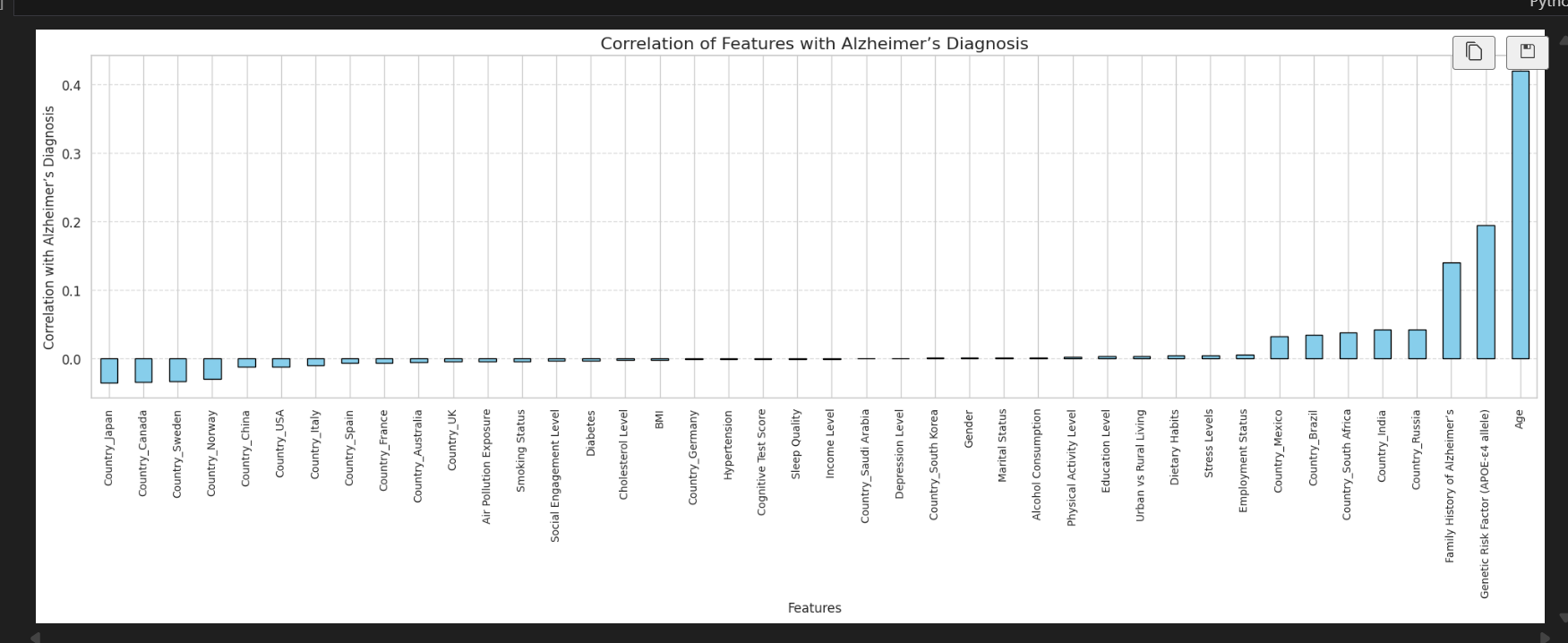
Alzheimer's vs clinical data feature importance relationship graph
-
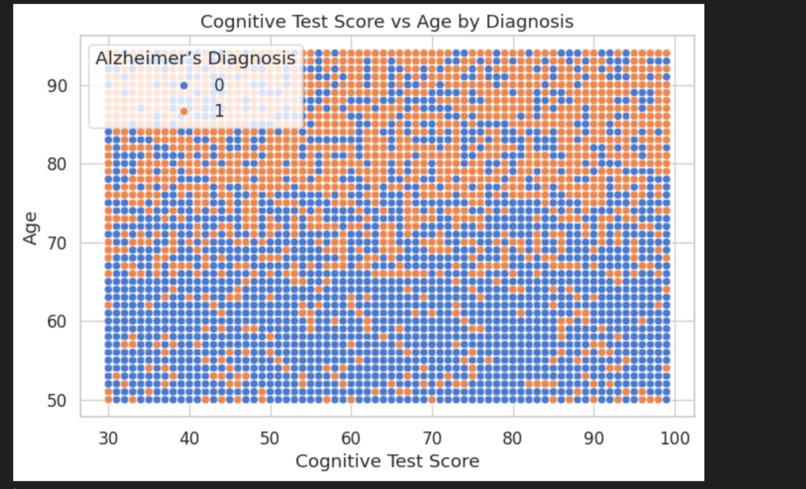
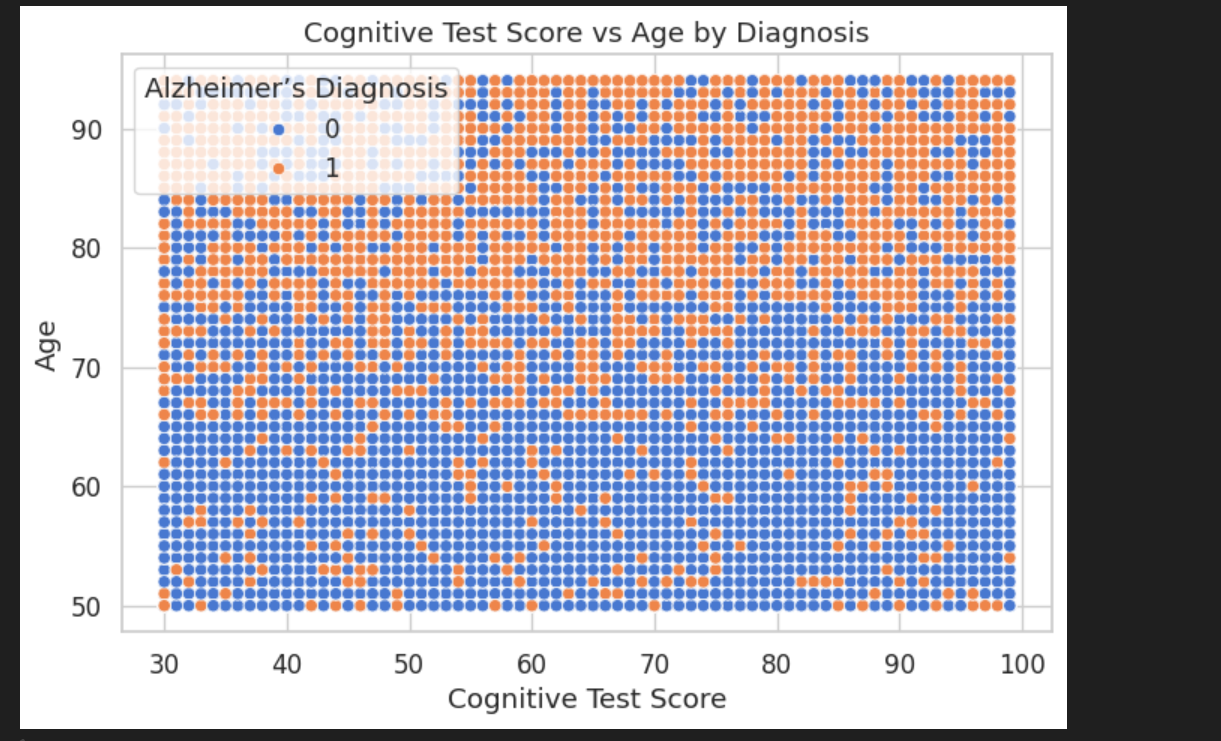
Alzheimer's & cognitive score & age relationship graph
-
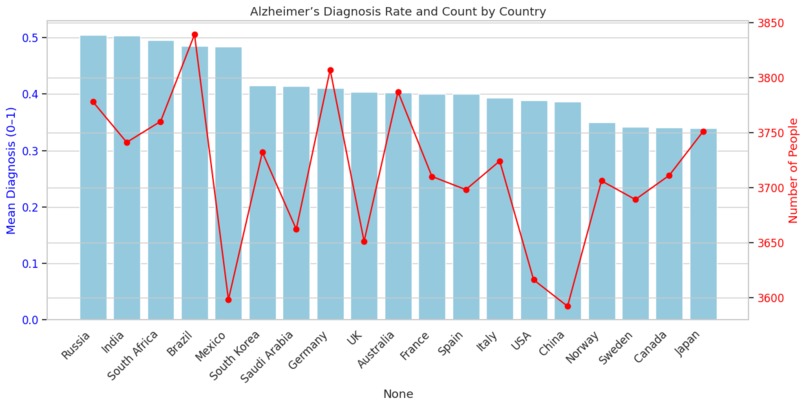
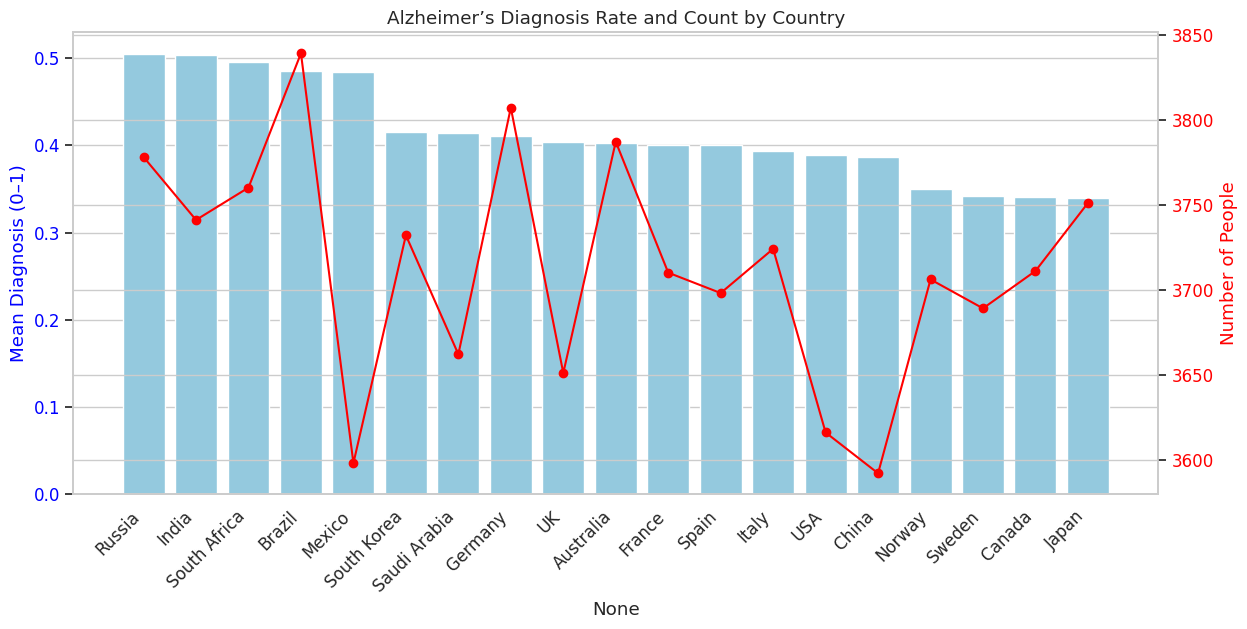
Alzheimer's vs country relationship graph
Inspiration
The inspiration for NeuroLens came from a simple but powerful realization: time is our most valuable asset. In the fight against Alzheimer’s, a few years of early detection can mean the difference between losing memories and preserving them.
We wanted to build a bridge between complex hospital technology and the everyday person. Many families feel helpless when facing cognitive decline because the tools to understand it feel "too technical" or "too far away." We were inspired to create a space where data becomes a helpful guide, turning fear into proactive action and giving families the clarity they need to plan for a healthier future.
What it does
NeuroLens serves as a dual-modality diagnostic suite that bridges the gap between clinical data and neuroimaging to provide an early warning system for Alzheimer’s Disease. It features a Clinical Risk Calculator that evaluates lifestyle and genetic markers (such as the APOE-ε4 allele) to determine statistical probability, alongside an AI-driven MRI Classifier that uses deep learning to categorize brain scans into specific stages of impairment. To ensure medical reliability, the system includes a structural validation gate that filters out non-medical data, and it rounds out its offering with an Educational Hub designed to help users understand the biological drivers of the disease and preventative lifestyle measures
How we built it
We engineered NeuroLens by integrating classical machine learning with modern deep learning architectures to create a hybrid diagnostic pipeline. The lifestyle risk engine was developed using an Ensemble Calibrated Model trained on clinical datasets, while the image classification core utilizes an EfficientNetB2 convolutional neural network for its high parameter efficiency in recognizing subtle brain atrophy patterns from the MRI. The entire system is coded with Python and deployed via Streamlit.
Challenges we ran into
First there was the hurdle of finding reliable data. We used some recognized datasets from internet as a solution. Then this was my first time creating an image classifier, so there were some practical issues about the accuracy of the model earlier which were very important for the overall accuracy of the application.
Accomplishments that we're proud of
As this was one of my first ML projects and my "the" first health related work, I am happy that I was able to learn a lot through this process of making this project work. I have always wanted to look at my work from the users' point of view to ensure it is easy for them to use.
What we learned
First thing was, I learned how to create a concept on my own and make it work within a deadline. Also, I learned basic deep learning usage from here and I learned how to assemble small features to make the work more user-friendly
What's next for NeuroLens - Alzheimer's detection system
Still there are some issues with the image classifier, so fixing that is a major part. We are currently working on fine-tuning the model's sensitivity to reduce false positives and improve the accuracy of stage detection. Beyond the code, I plan to evolve NeuroLens into a comprehensive platform where people who do not have a technical knowledge of cognitive diseases can come to learn.
Our goal is to bridge the gap between complex medical data and everyday wellness by:
1) Behavioral Habit Tracking: Integrating a feature that helps users build and maintain "brain-healthy" habits—such as daily cognitive puzzles, Mediterranean-style meal planning, and sleep optimization—complete with progress streaks to encourage consistency.
2) Localized Resource Mapping: Adding a directory to help users find nearby specialists, support groups, and diagnostic centers based on their location.
3) Multilingual Accessibility: Translating the platform into multiple languages to ensure that life-saving information and early detection tools are available to underserved global communities.
4) Explainable AI (XAI): Implementing visual "heatmaps" on MRI results so that even a non-technical user can see exactly which areas of the brain the AI is analyzing, making the technology feel transparent and trustworthy rather than a "black box."
Built With
- github
- keras
- python
- scikit-learn
- streamlit
- tenserflow


Log in or sign up for Devpost to join the conversation.