-
-
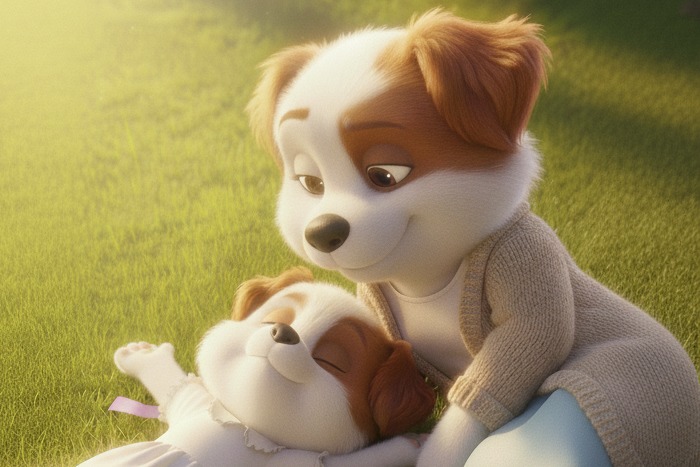
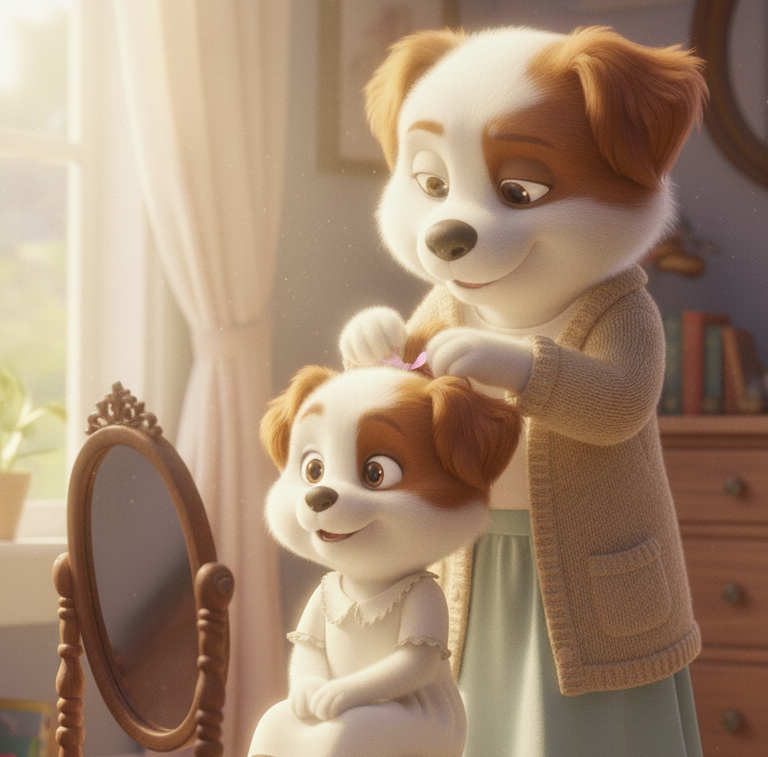
Warm days with Mom
-
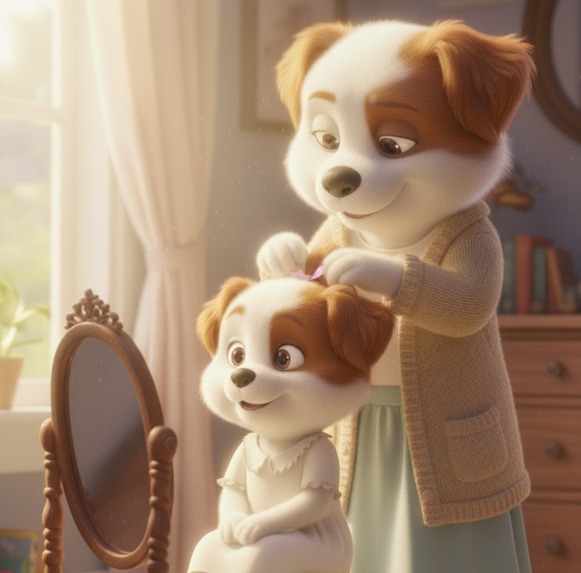
Little morning moments
-
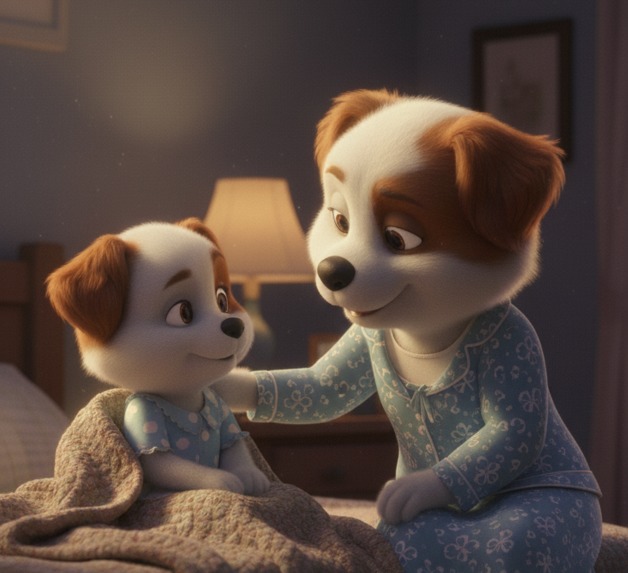
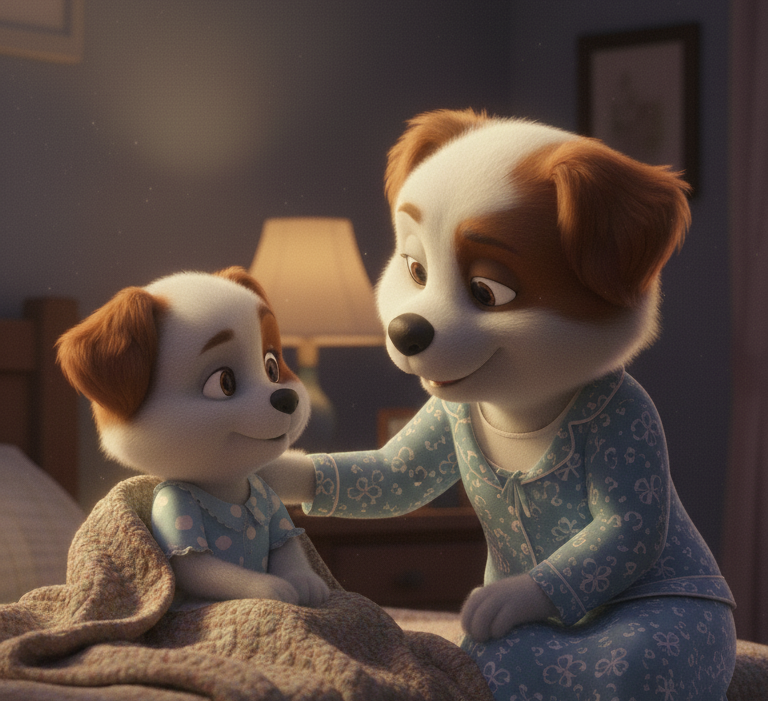
One more bedtime story
-
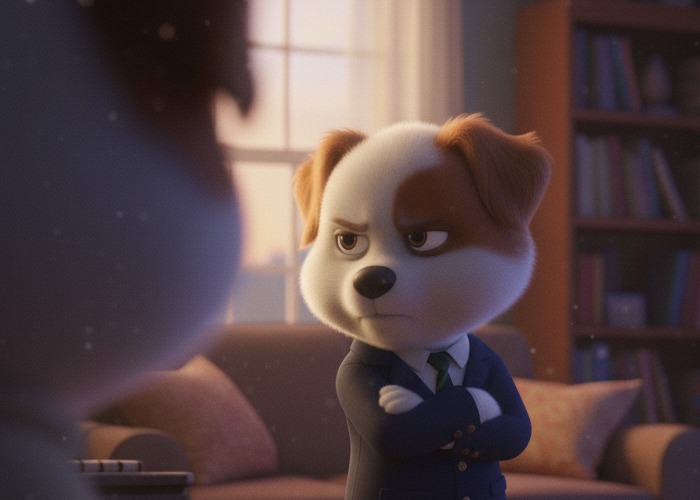
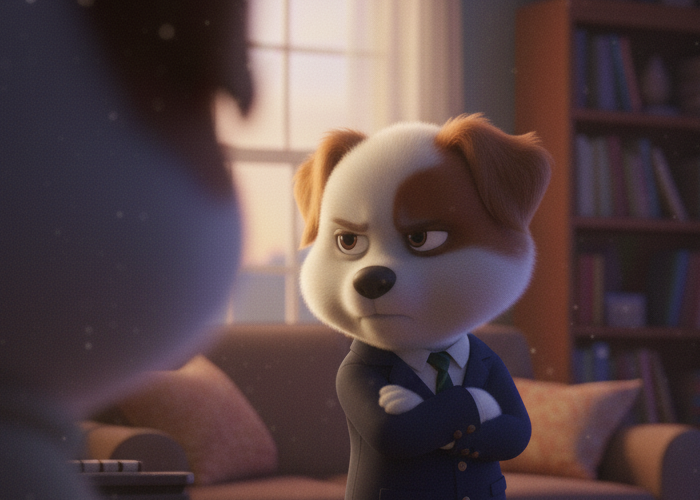
When warmth turned cold
-
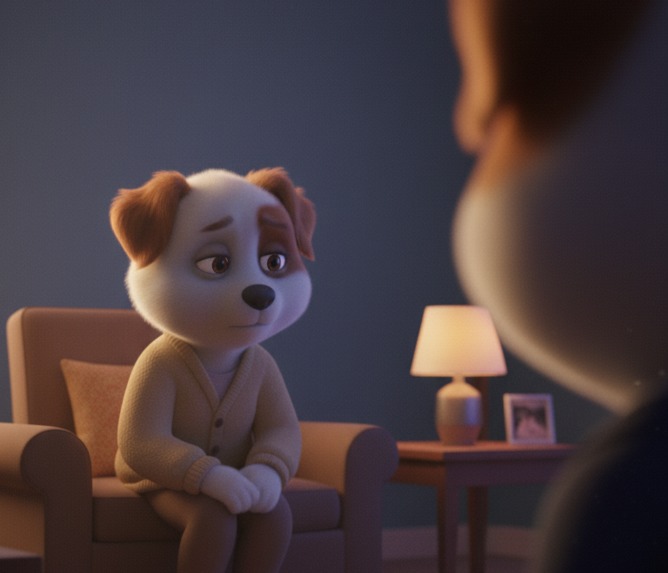
I didn’t see it coming
-
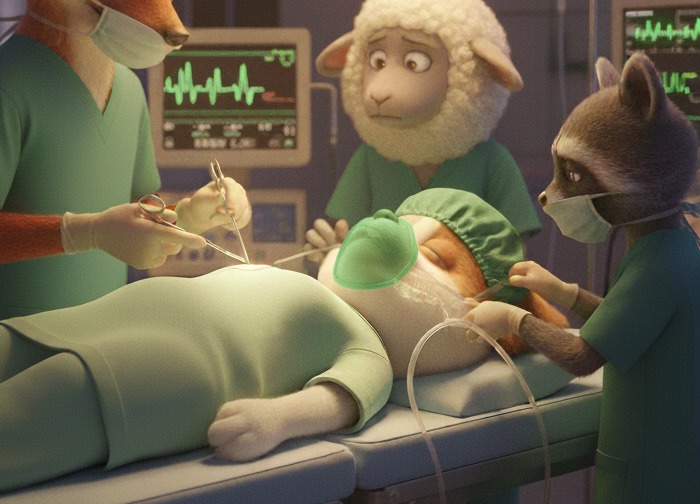
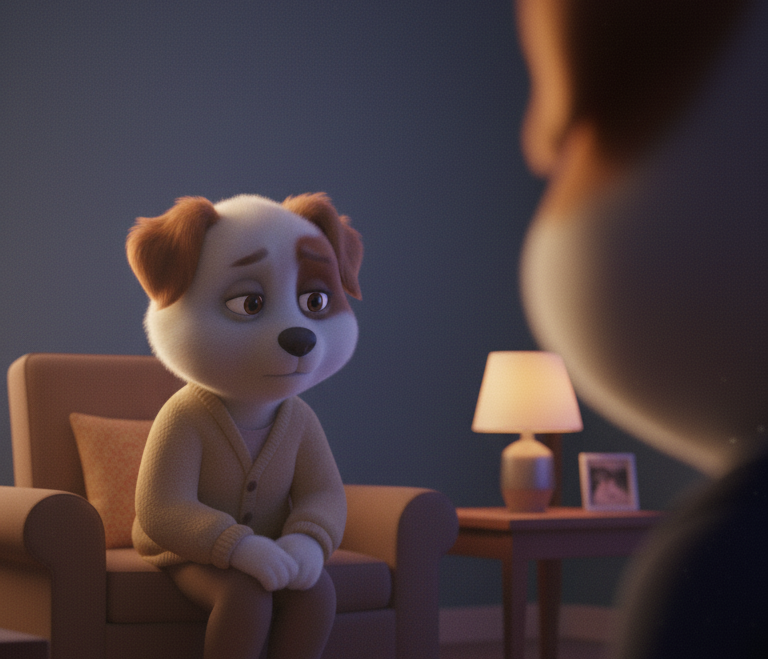
Everything stopped that day
-
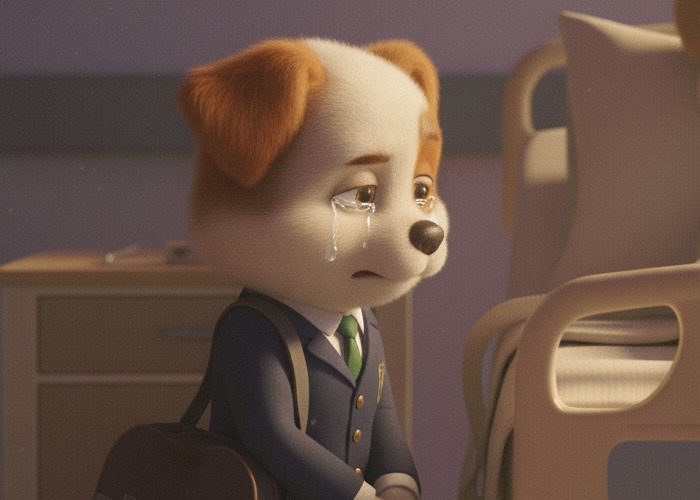
I thought she’d always be there
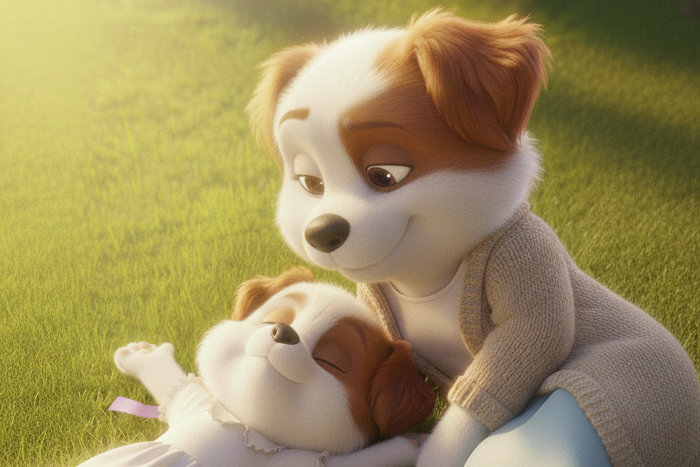
Inspiration
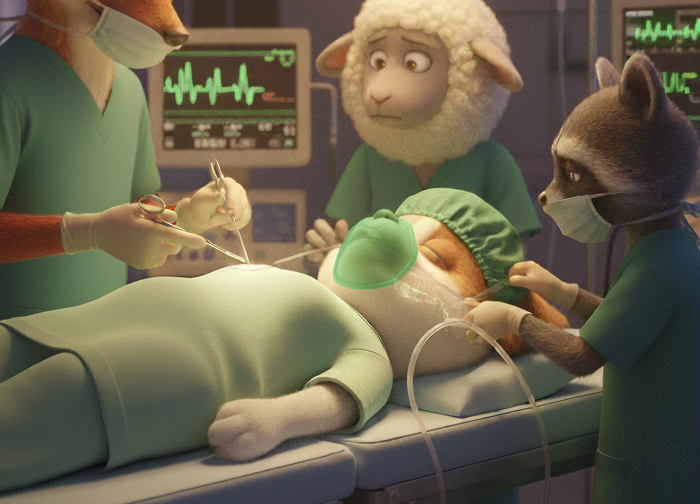
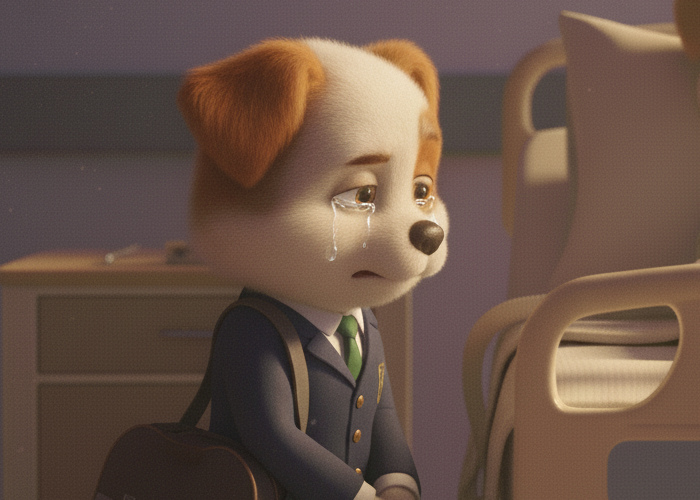
This film comes from a real moment in my life. I was a pretty typical daughter — close to my mom when I was young, then slowly taking her for granted as I got older. Everything changed the day she ended up in the ER. That was the moment I realized how easily we overlook the love that feels closest and safest. The memory of that day never went away — it just waited, until I was finally ready to tell it. The Chroma Awards felt like the right place to do that, a chance to tell this story in my own voice, using the AI tools.
What it does
This film is a reminder of how easily we overlook the people and the moments we assume will always be there. A mother’s love is one of the most familiar things in the world — so familiar that we stop noticing how precious it is. I wanted to share my story in the hope that someone might pause, look around, and appreciate a person they’ve quietly been taking for granted. And if this film gives even one person a reason to hold onto a moment a little longer, or say “I love you” before it feels too late, then it’s done what it was meant to do.
How we built it
I started by writing the narration directly from memory — not as a script, but as a diary entry I had kept in my head for years. From there, I used a mix of AI tools for visual generation, voice, and editing, combining them with real emotions that couldn’t be automated. Each scene was built by layering prompts, refining expressions, and matching the tone of the story rather than aiming for realism. The goal wasn’t to recreate the past perfectly, but to recreate the feeling of it.
Challenges we ran into
One of the biggest challenges was capturing subtle emotional shifts. The whole story relies on small, quiet changes in expression, tone, and atmosphere — the warmth in a mother’s eyes, the cold distance in a daughter’s voice, that moment when affection quietly turns into distance. Translating feelings like that through AI tool wasn’t easy. I ended up having to test different tools and rewrite the same scene through multiple prompts, because even a tiny change could lead to a completely different result. One moment of emotion often required dozens of variations just to get the feeling right. I kept asking myself how I could make the viewer feel what I felt in that moment. Finding the balance between the technical process and the emotional truth took time, patience, and a lot of experimentation.
Accomplishments that we're proud of
What I’m proud of most is that all the time spent chasing those tiny emotional details actually shows in the final film. The small shifts I worried about — the hesitation, the distance, the softness, the unspoken parts — didn’t get lost. They made it in. You can feel the change in the daughter before she even says anything, and you can sense the mother’s warmth without needing dialogue. That was the goal from the beginning: not just to show what happened, but to let the audience feel the quiet turn in the relationship the same way I did. The hours of testing, adjusting, and reworking weren’t about getting a flawless shot. It was about keeping the emotion alive. And seeing that those small feelings actually made it onto the screen is the part I’m proud of most.
What we learned
I learned that emotion isn’t something you “add” at the end — it has to be protected from the very first draft to the final render. I learned how much consistency matters, not just in how a character looks, but in how they feel from scene to scene. A single expression out of place can break the story more than a technical flaw ever could. I learned to look closer — to notice when a shrug felt too casual, when a smile came too fast, when a pause wasn’t long enough to carry the weight it needed. I learned that the smallest details are the ones that decide whether a moment feels true or flat. And I learned that emotion has its own pacing: you can’t rush it, and you can’t fake it. You have to build it, let it breathe, and let it land.
What's next for Always, Mom
I don’t see this film as a finished piece — more like the first version of a story I want to keep growing. I’d love to expand it into a longer format one day, maybe with more moments from before and after the turning point, or even from my mom’s perspective. I’m also interested in exploring how this kind of quiet, personal storytelling can keep evolving as AI tools get better at capturing emotion. But beyond format or length, what comes next is simple: I want this story to reach the people who might need it. People who haven’t called home in a while. People who think “later” is guaranteed. If this film can live a little longer, travel a little further, and remind someone else to hold on a bit tighter to the love around them, then that’s where I want it to go next.
Built With
- artlist
- dreamina
- finalcutpro
- hailuo
- higgsfield
- kling
- nanobanana
- suno
- veo3


