


The why
Aware of the needs from the isolated and risk groups during the pandemic, we want to create a simple and scalable solution to connect local volunteers with vulnerable people in their communities, and to encourage people’s act of altruism to help each other during the crisis.
What Altruist is
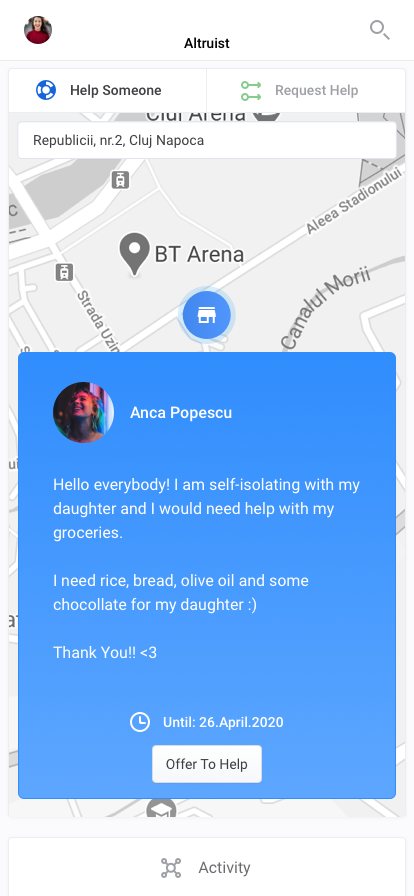
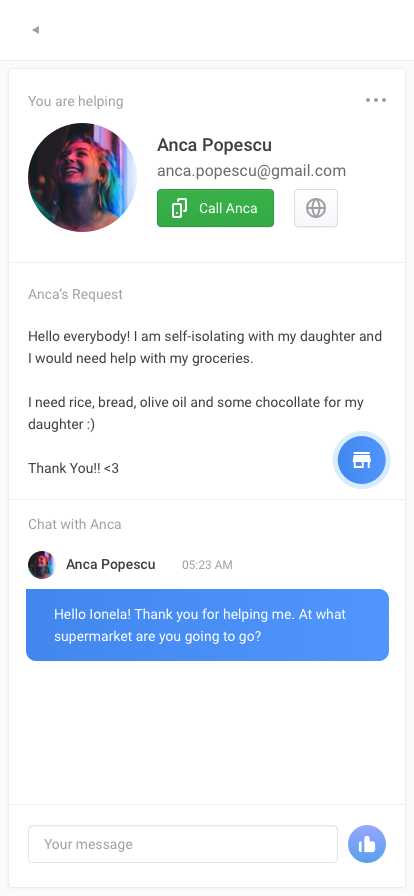
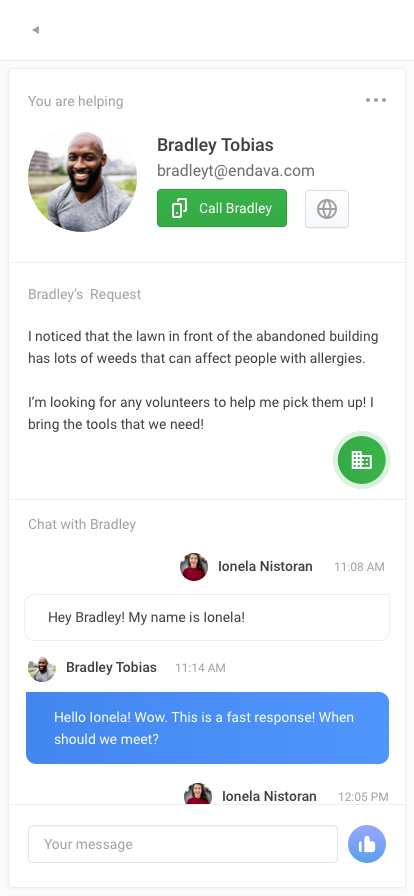
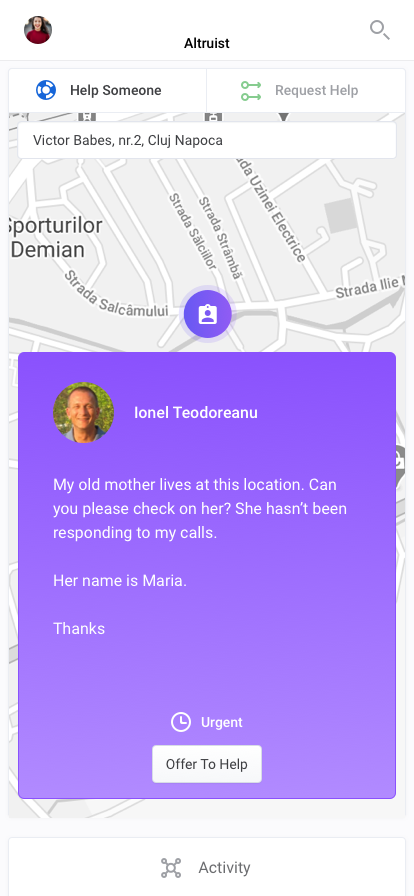
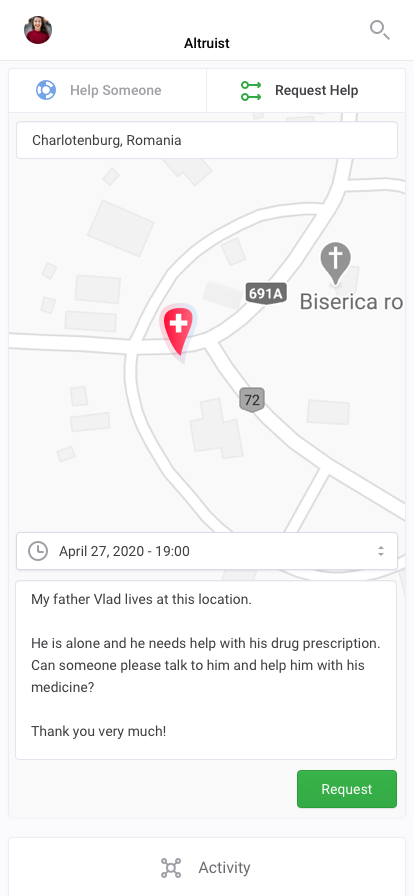
Altruist connects local volunteers with vulnerable people in need. Altruist enables people to request help and allow volunteers to easily pick up the task from their local communities. Vulnerable people can ask for help by themselves, or on behalf of other non-technical vulnerable people.
The problems it solves
Altruist solves two key problems:
- It allows people with needs to easily post individual requests for help
- It encourages local volunteers to help with those requests.
Altruist solves these problems for users with limited or no technical skills.
Immediate impact on the crisis
Altruist helps people who need it most with a distributed system to minimise the number of people who need to go out. This helps strengthen social distancing practice and facilitate local volunteers to provide care in their local communities.
Long term value Altruist provides
The crisis will provide the initial momentum for people to adopt the platform. Once the platform goes live, our solution will continue acting as a support network for all the local communities, facilitating help, and remaining a valuable tool for European social cohesion.
After the crisis, Altruist will keep onboarding users to realise environmental benefits (such as fewer car journeys) and engender community spirit to care and help for others.
How we built it
Our team kicked off the Hackathon with a clear problem area that resonates strongly with most of the team members. We want to provide a solution for isolated and vulnerable people using a distributed network provided through the app.
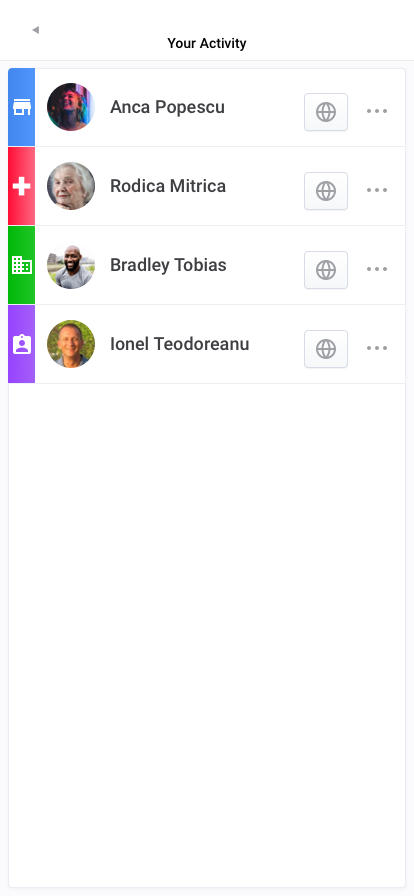
We created a video to demonstrate our product vision and core scenarios of Altruist, while developed a fully functional app to show the key functionalities.
We use Miro, Sketch and InVision for the app design. For development, we use REACT Native Framework, NodeJS Google Map API, and hosting the app on Github and Heroku. The app is built for 2 platforms: IOS and Android. We also use MySQL for Database.
What it will take to continue the project
First, we need to make sure that we have enough volunteers to register with the app to provide their help. We will start the user adoption through our own Endava staff, which comprises several thousand people across more than 10 European countries. We will also need to create digital marketing campaigns and enable social network login to drive wider user adoption.
Second, to make sure Altruist succeeds in the long run, a mutually trust-rating system (such as gamification techniques) between the local volunteers and vulnerable people will need to be created. This will build credibility into our app and ensures that no one’s effort will be easily exploited. Using real-world data gathered from the app, we can inform future features and app improvement.
To support multiple languages across different geographical locations, the app would also need to be highly scalable. The app should remain free for all participants, which means we will need to get sponsorships to cover Cloud storage fees and platform infrastructure.
What's next for Altruist
As we demonstrate in the video, some immediate future features we are thinking for Altruist include:


Log in or sign up for Devpost to join the conversation.