-
-
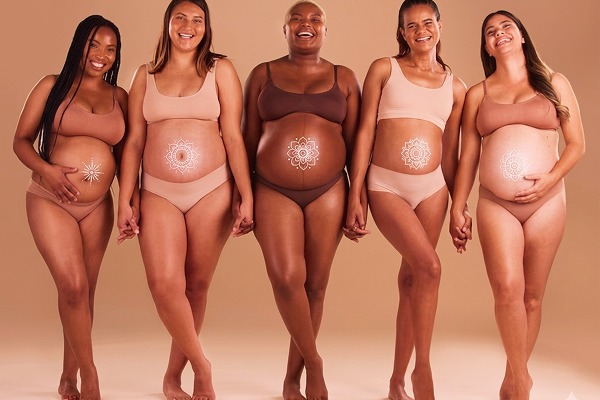
For global impact
-
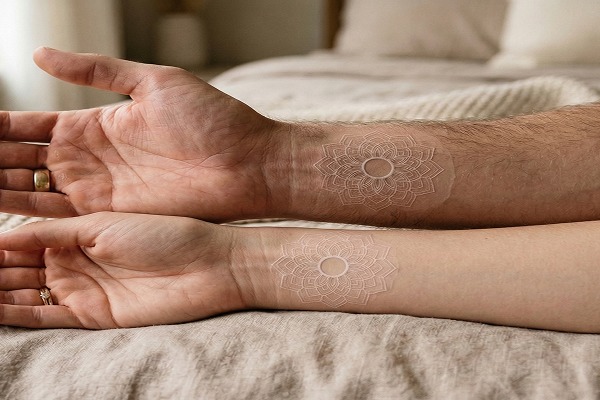
Paternal bonding
-
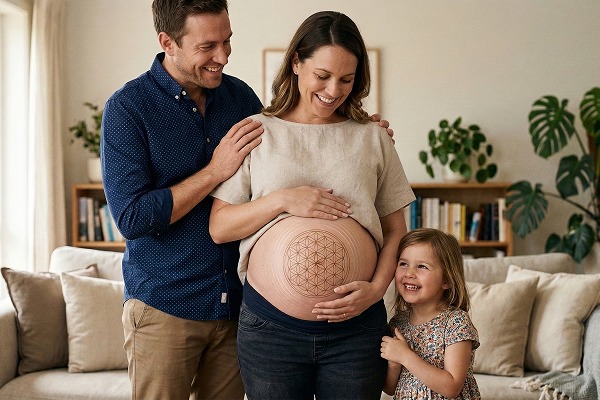
Family hours
-
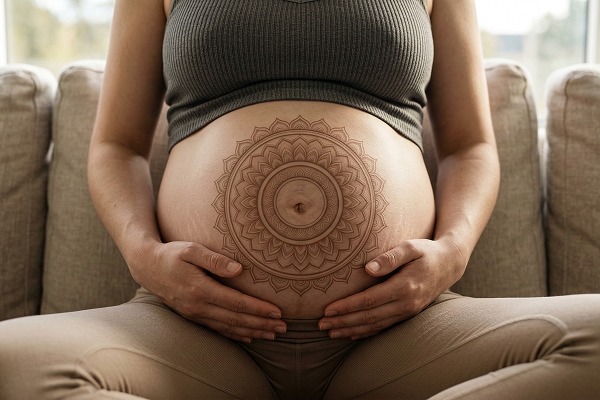
Calmness
Inspiration
The core inspiration stems from a jarring gap in maternal healthcare: the "Invisible Interval." For nearly half of a pregnancy (Weeks 0–20), the developing life is physically imperceptible to the parents. This silence isn't just a biological phase; it's a period of profound sensory and emotional disconnect.
We looked at the statistics: Postpartum Depression (PPD) affects approximately 15% of new mothers, often rooted in weak prenatal bonding. Furthermore, with 1 in 160 pregnancies resulting in stillbirth and the constant anxiety of miscarriages, the "Silent Period" becomes a loop of hyper-vigilance. We asked: What if we could decode this invisible life data into a tangible language of love?
What it does
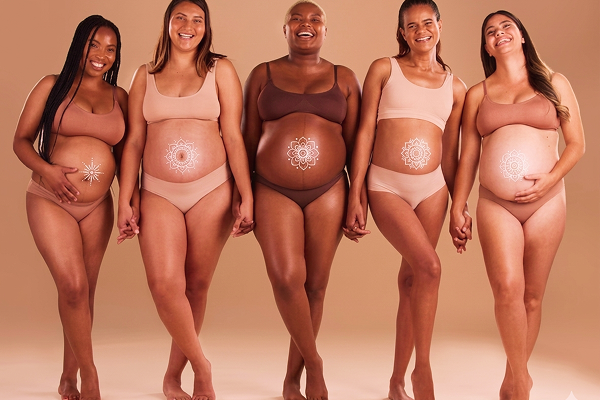
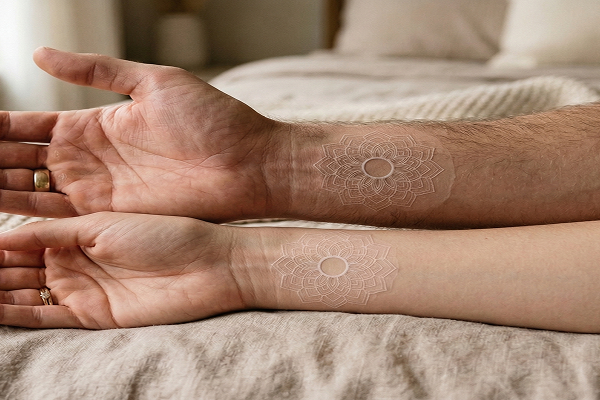
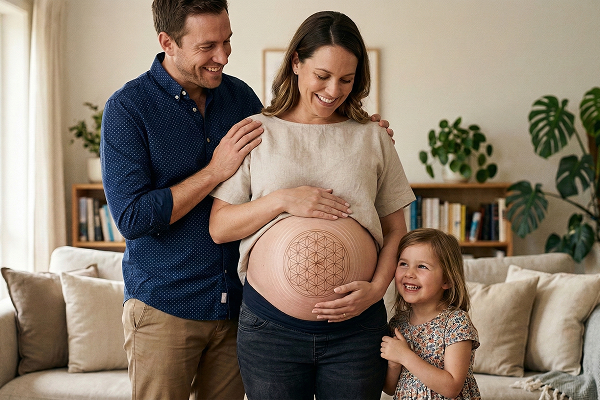
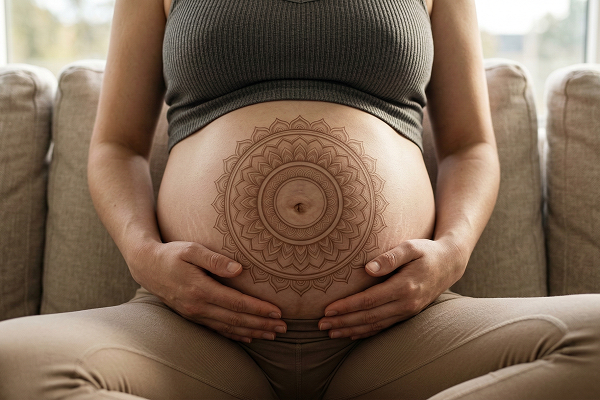
Project Alta is a speculative, non-invasive interface that bridges the parent-fetal disconnect. It transforms clinical "medical abstractions" into a shared physical connection. By utilizing a semi-living biological interface, it allows a parent to "feel" the presence and well-being of the child long before the first kick. It acts as a symbiotic sixth sense, providing agency, confidence, and peace of mind through a "Quiet UI" that respects human attention.
How we built it
As a speculative design project, we envision a construction based on three pillars of bio-technological synergy:Biosensing Layer: A thin, synthetic skin graft embedded with sensors tuned to detect fetal startle reflexes and biochemical signals of well-being.Quiet UX Haptics: The interface avoids intrusive pings. Instead, it uses haptic feedback—subtle pulses or temperature shifts—to communicate data.Biological Ornamentation: A white mandala serves as the visual display. It is a living interface that evolves in complexity as the biological bond strengthens.To model the effectiveness of this connection, we can use an Anxiety-Connection Index ($I_{ac}$), calculated as the sum of tactile feedback ($F_t$) against the natural log of perceived isolation ($I_s$):$$I_{ac} = \frac{\sum (F_t \cdot \omega)}{\ln(I_s + 1)}$$
Challenges we ran into
Ethical Minefields: Navigating the ethics of "knowing too much." If the interface can signal distress, we must consider the psychological trauma of constant monitoring.
The Uncanny Valley: Designing a semi-living graft that feels like a natural part of the human body rather than a foreign medical device.
Signal Isolation: Speculating on how to filter out maternal biological noise (heartbeat, digestion) to isolate the delicate movements of the fetus.
Accomplishments that we're proud of
We are proud of redefining the "Silent Period" from a time of uncertainty to a time of visible, felt connection. Successfully conceptualizing a "Quiet UI" for such an intimate human experience—where technology fades and emotion takes center stage—is a major milestone. Through this, we’ve decoded the molecular dialogue of pregnancy, learning how hormonal shifts communicate vital life data. By tapping into non-traditional senses like interoception (internal body awareness) and thermoception (temperature sensing), we’ve transformed invisible chemical signals into a tangible, sixth sense of shared life.
What we learned
Intervention Power: Even a speculative intervention can radically shift the narrative of maternal agency.
Bio-Tech Harmony: We learned that bio-medicine and technology can go hand-in-hand to create empathetic, "soft" solutions for historically "hard" clinical problems.
Ethical Safeguarding: We realized that for technology to truly better humanity, ethical constraints (like data privacy and the "right to not know") must be part of the initial design architecture.
What's next for Alta
The next phase involves exploring more "Quiet UI" principles to ensure the interface remains a source of comfort rather than a source of data-anxiety. We also aim to collaborate with ethicists to draft a framework for biological data ownership, ensuring that the intimate language of love remains private and protected. And mainly making this , cause we believe it will bring a positive impact in the pregnancy journey.
Built With
- claude
- figma
- gemini


Log in or sign up for Devpost to join the conversation.