-
-
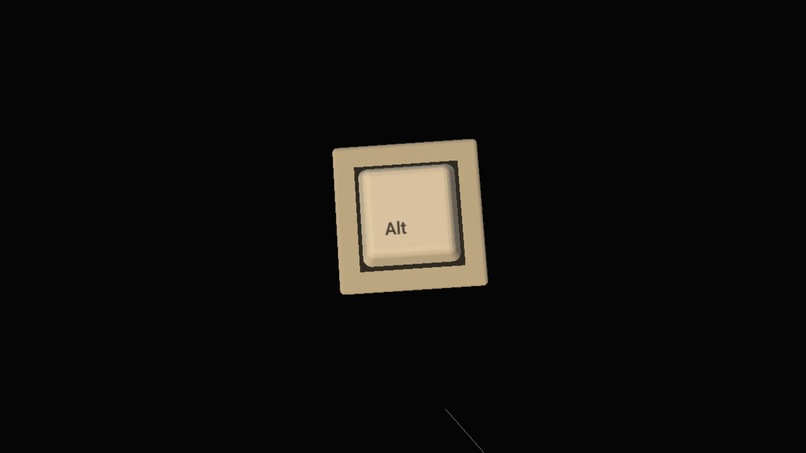
Alt splash
-
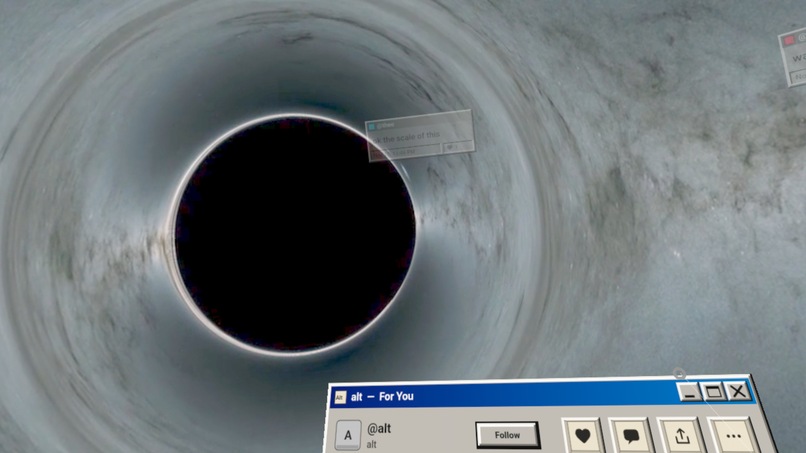
Floating in one of the alt realities, between two black holes
-
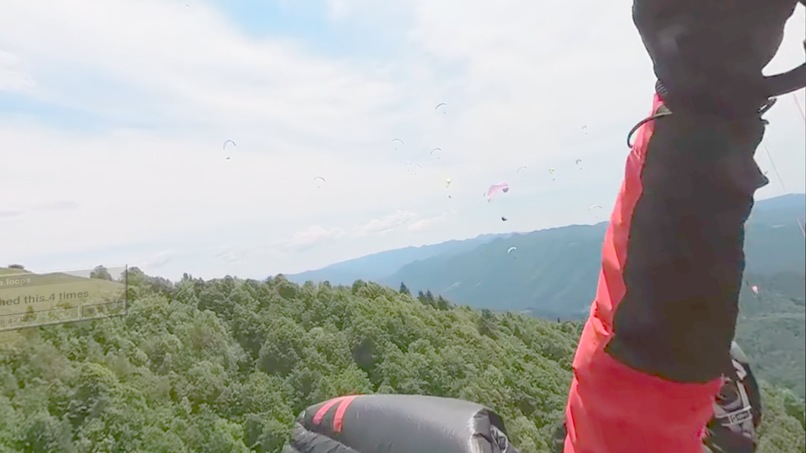
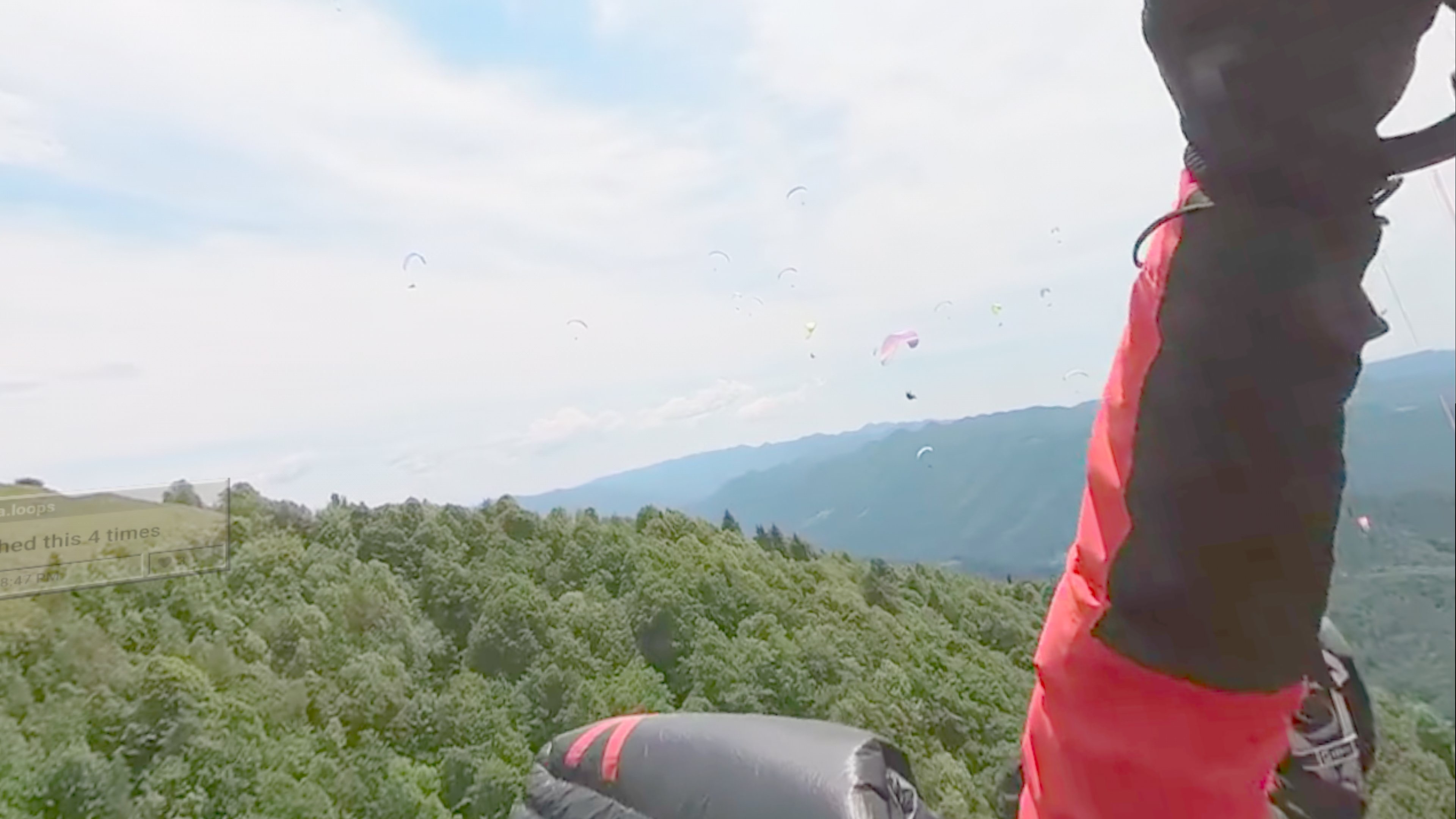
Joining other flyers in an exhilarating alt
-

Vibesynth alt
-
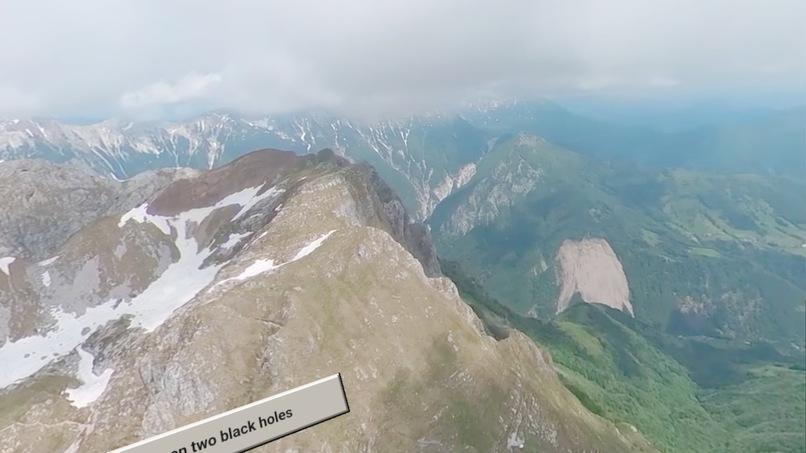
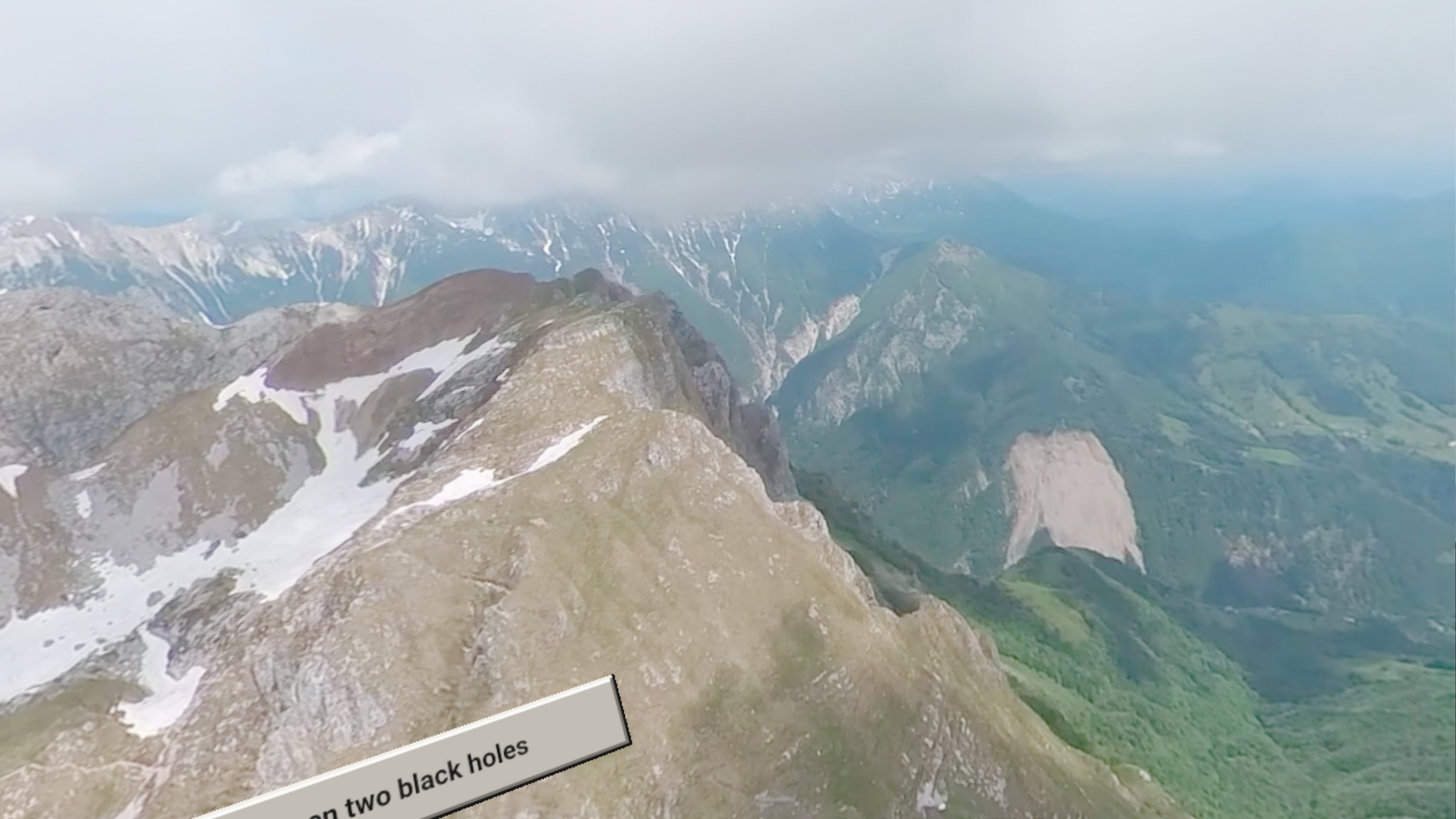
Flying atop mountains
-
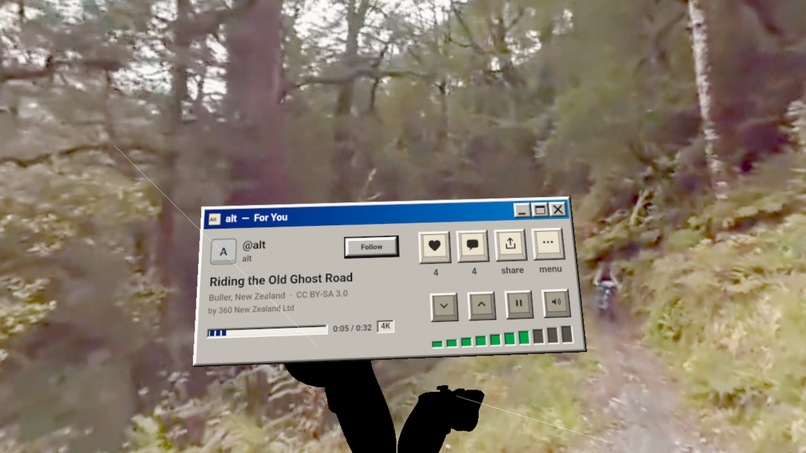
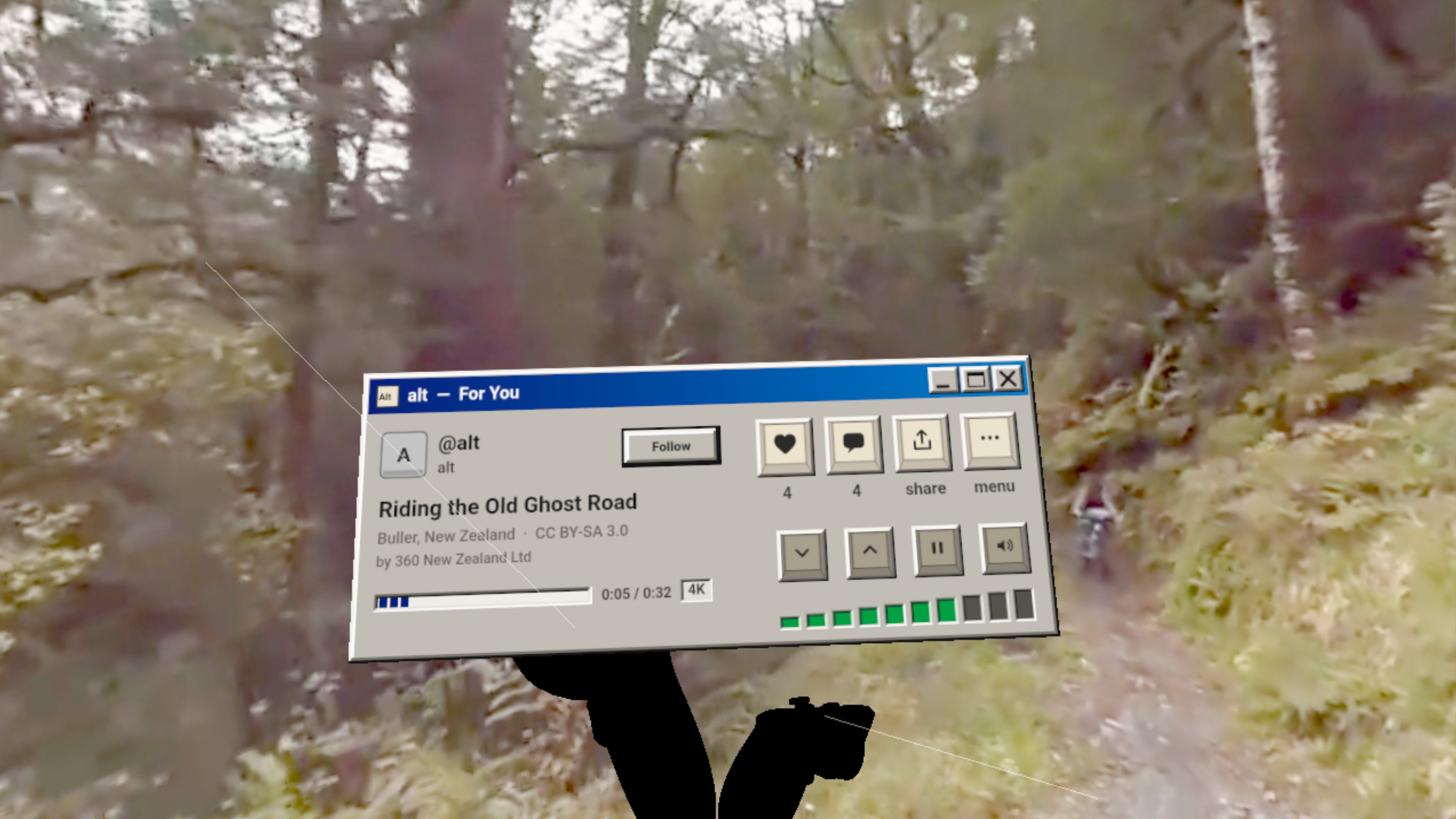
Alt UI
-
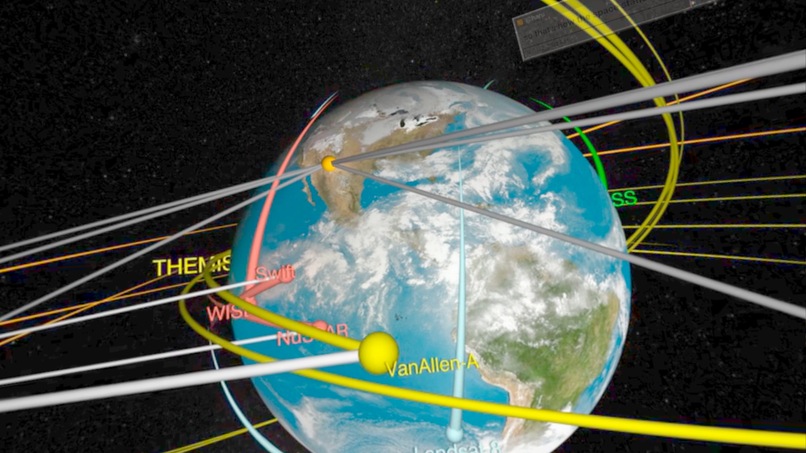
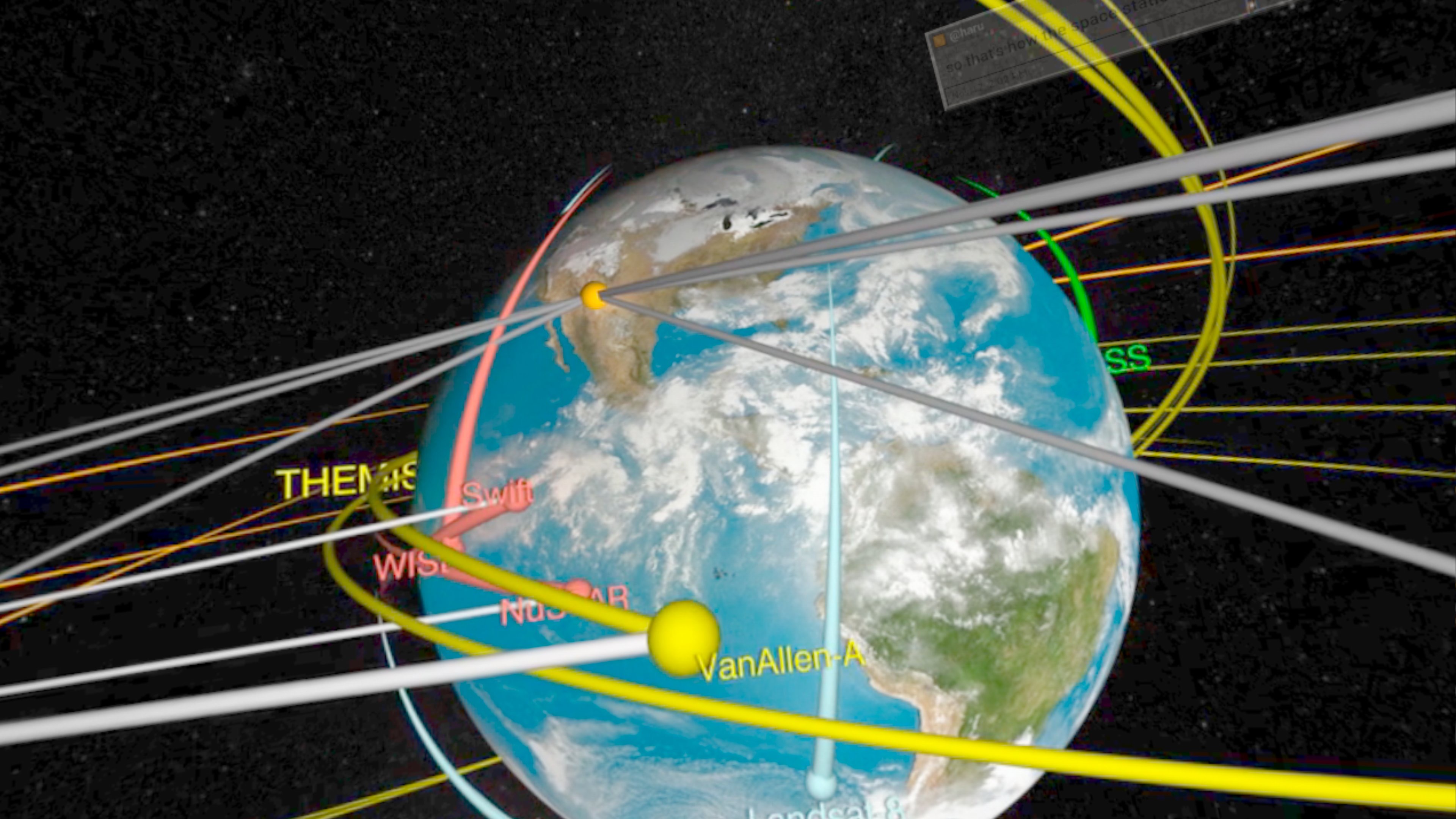
A science explainer video
-
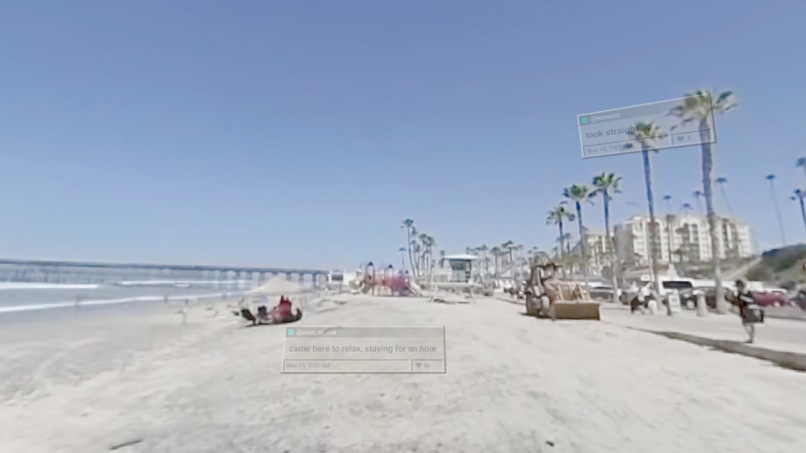
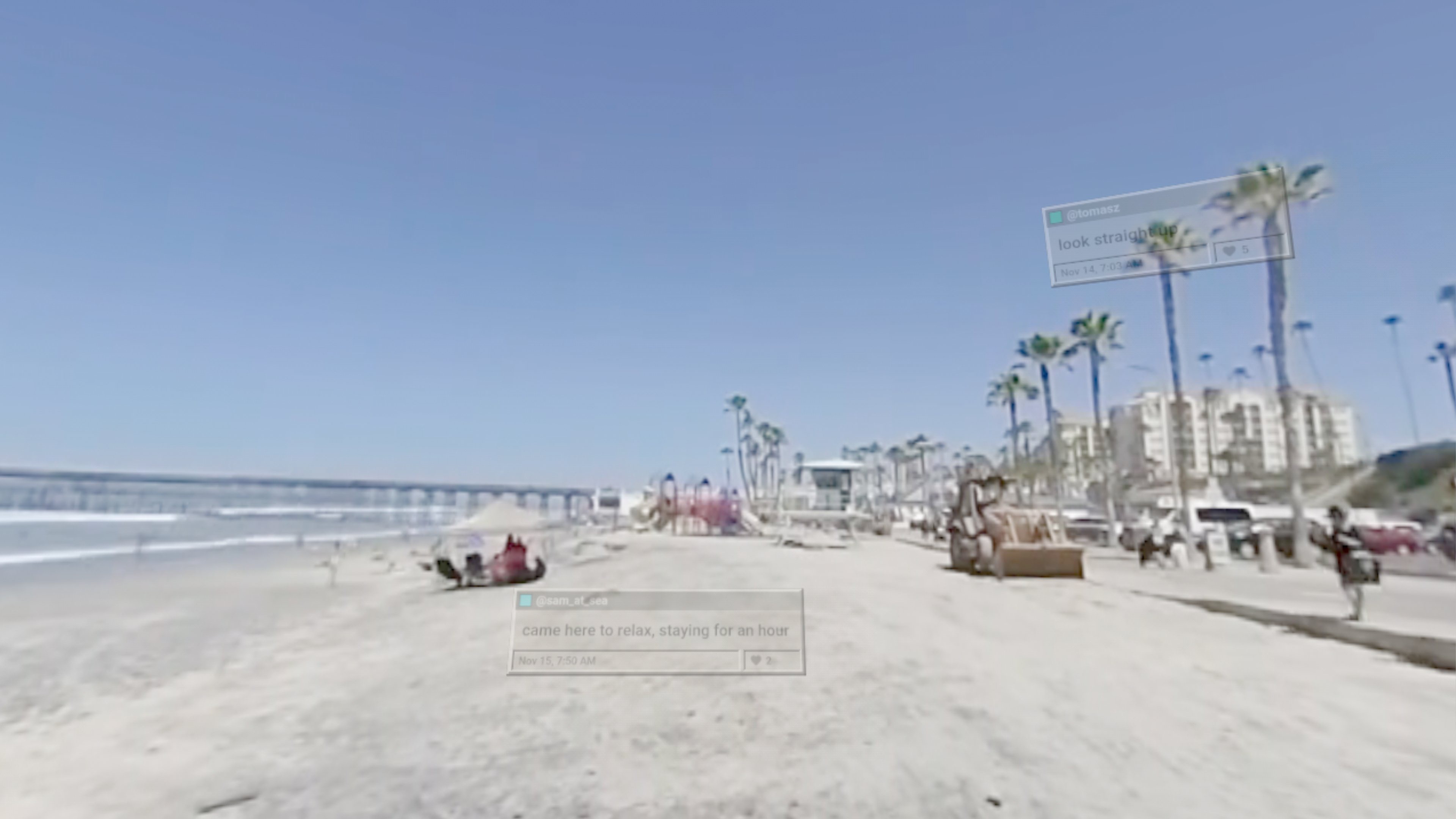
At a beach in california, a simple alt
-
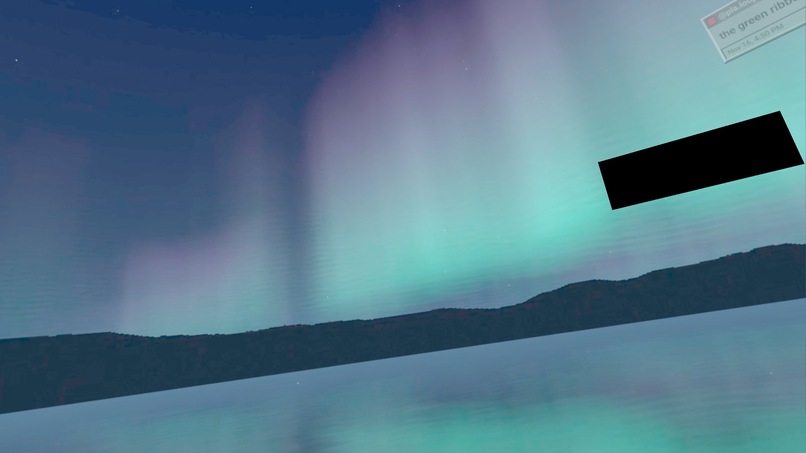
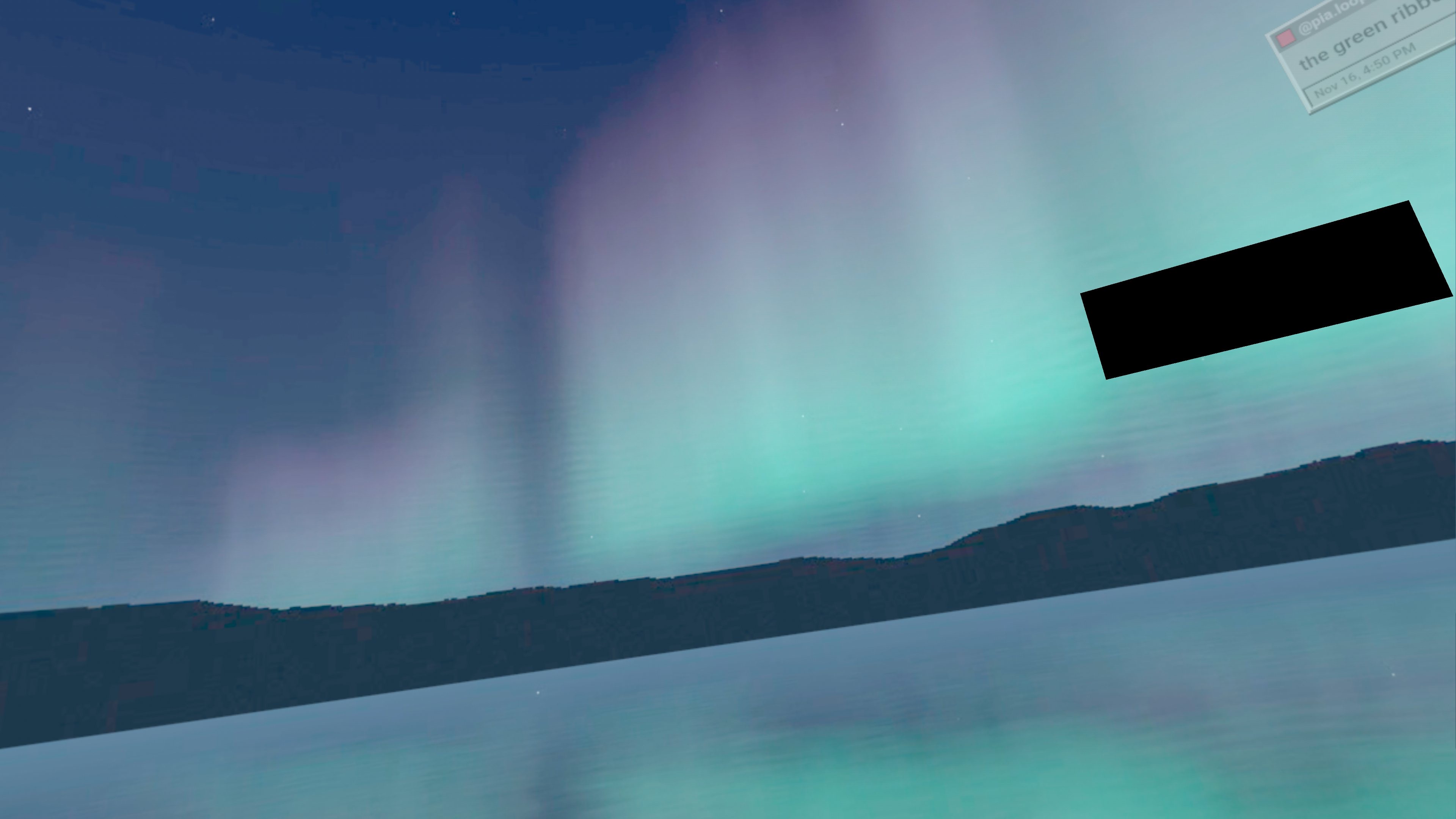
Seeing auroras in VR
-
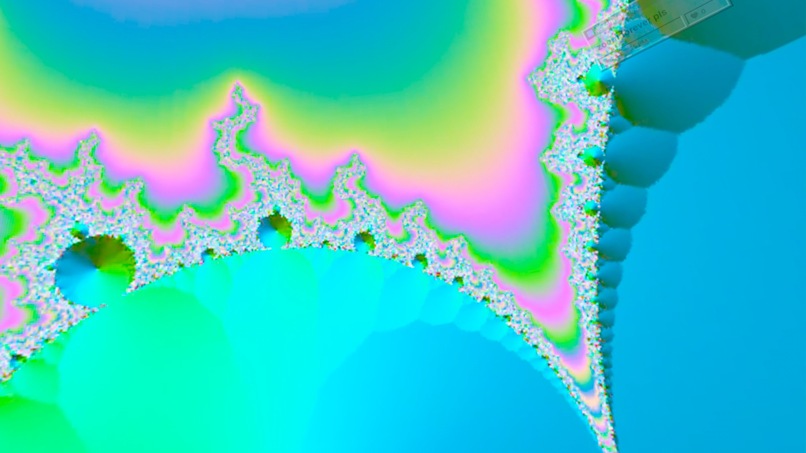
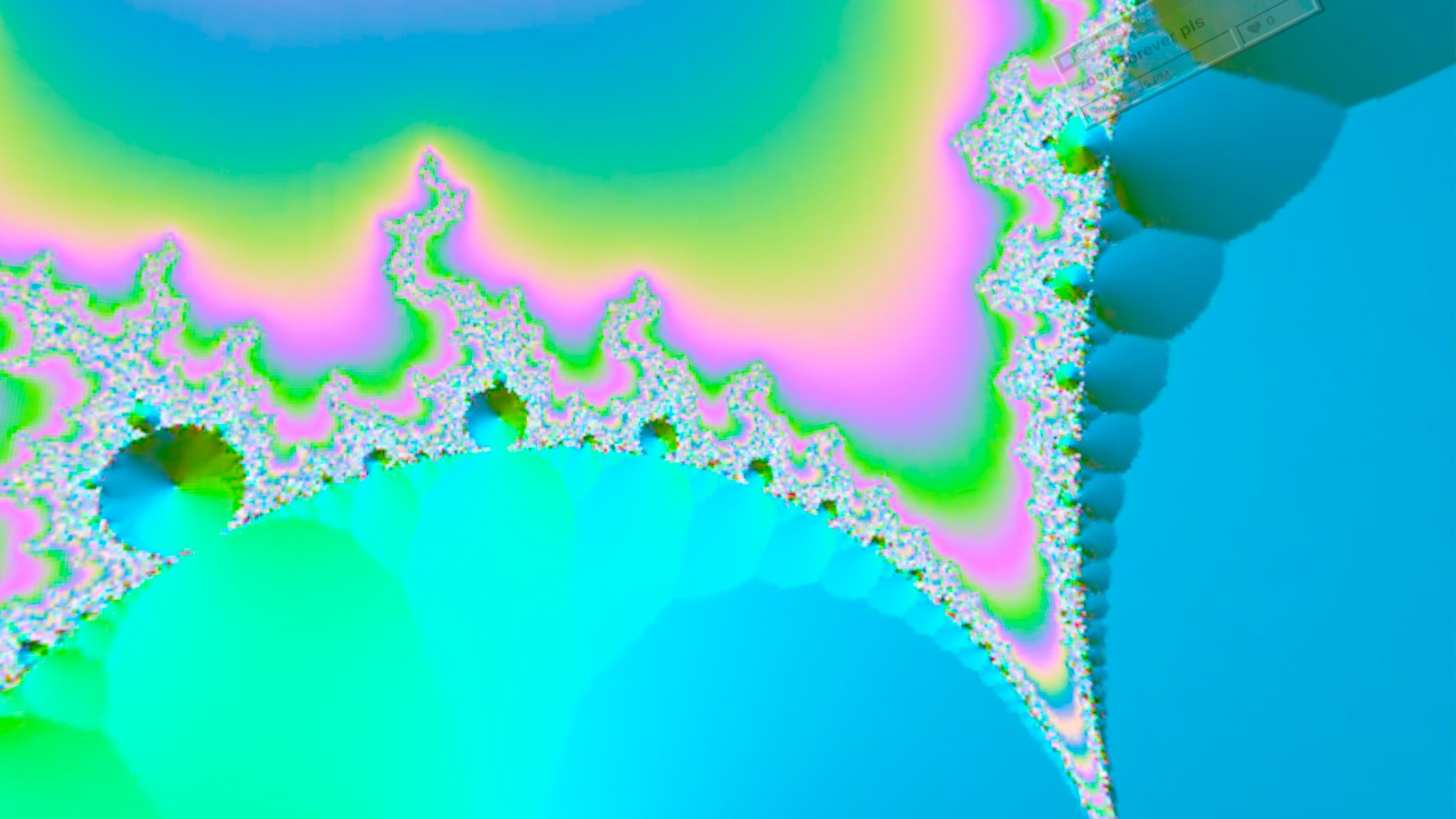
A psychadelic alt
-
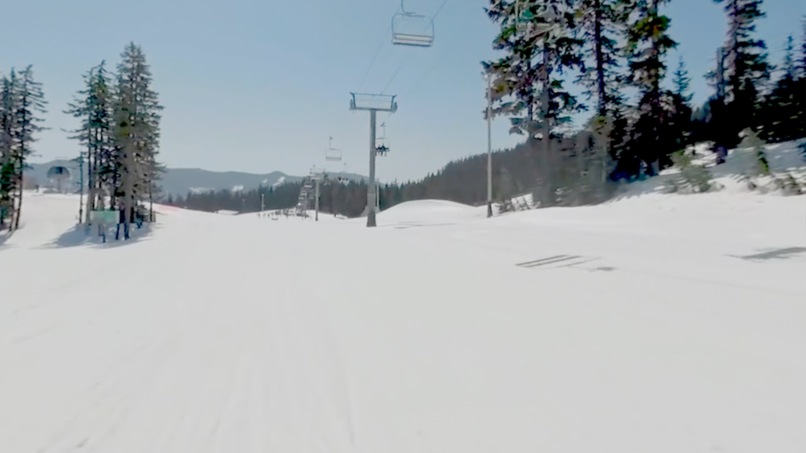
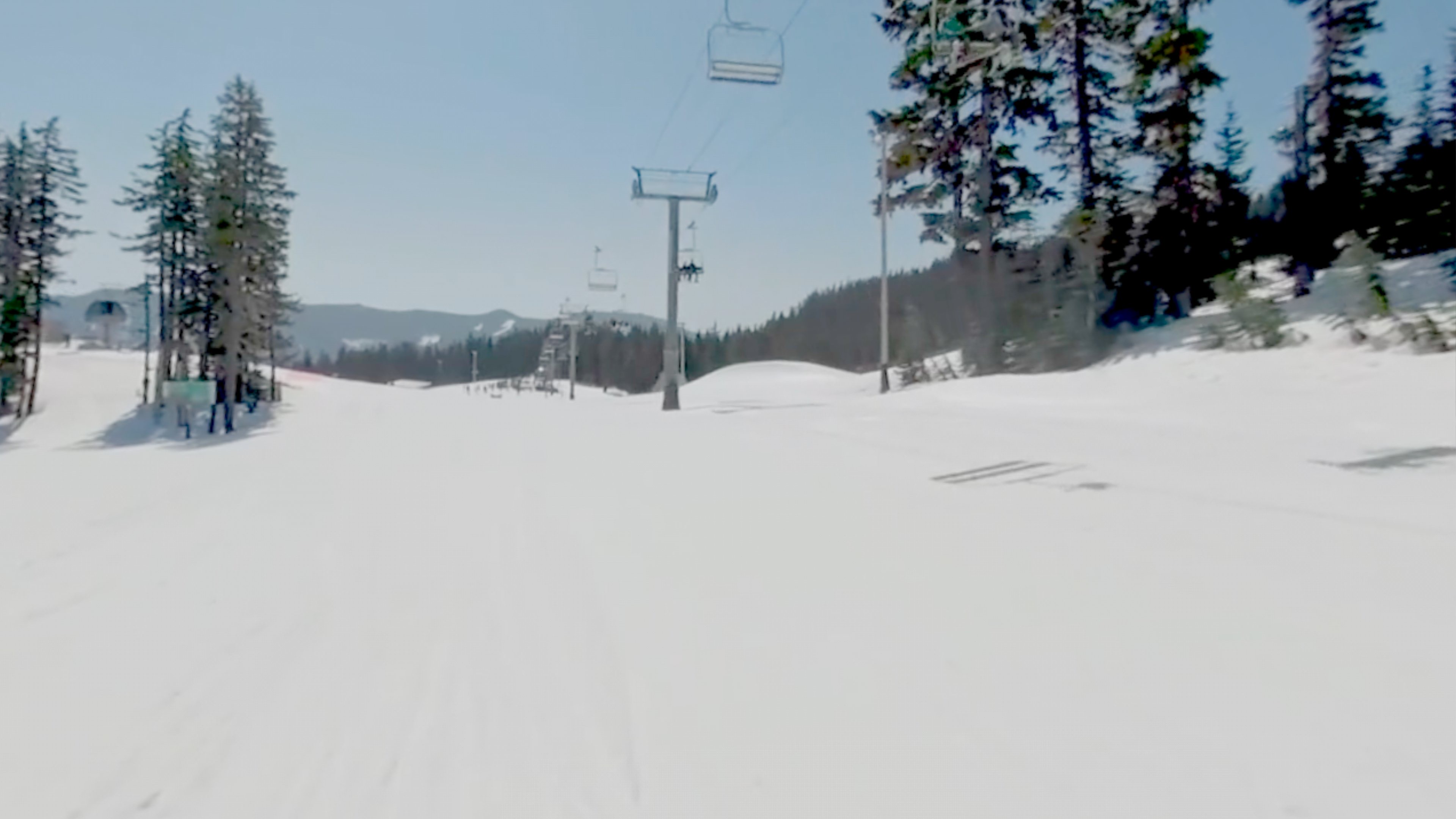
Skiing on the alt mountains

Inspiration
To be completely honest, my original inspiration came from being awe-struck the first time I saw a 360 video in the Meta Quest (in this case, the Alicia Keys concert up close). I thought to myself, why isn't there an easy way to flip through 360 content like you would on your phone? In VR the quick short form loop doesn't exist yet. 360° video is the most immersive format there is, and it feels buried in long, slow-loading players or custom videos. I wanted to know what happens if every post is a whole place you stand inside, and getting to the next alternate reality is as easy as a flick of your fingers.
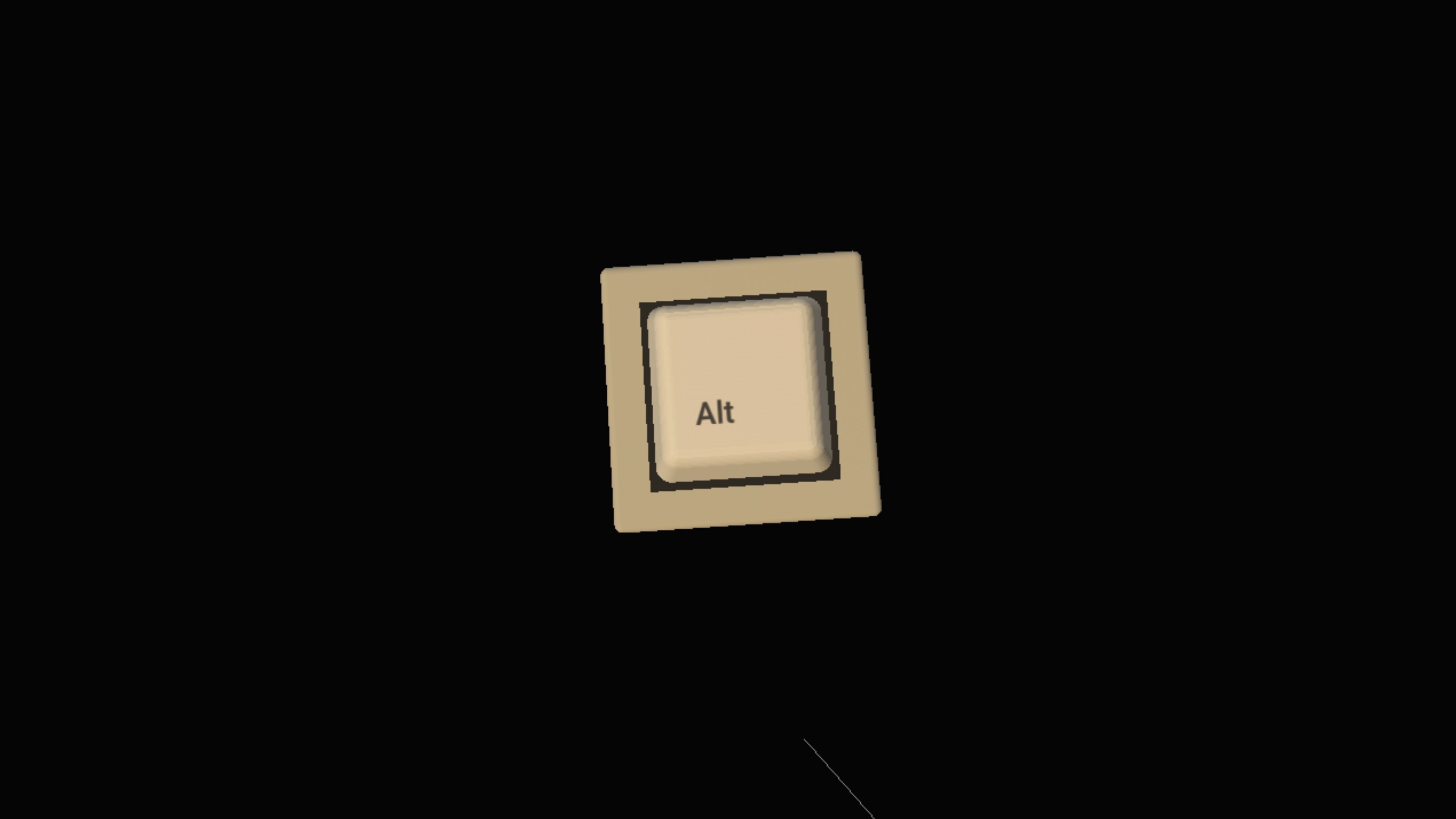
The name is a nod to the old Alt key, the key which helps you copy content on programs like illustrator. Like they say in the videogame Control, short form video is a copy, of a copy, of a copy. Our logo is that keycap, and the app's whole UI is built from it.
What it does
alt is a social feed of short 360° videos ("realities") for Meta Quest, built hands-first:
- Pinch and pull up to flip to the next reality. It sweeps in from just under your gaze and follows your hand, so you can peek halfway and let go. Pull down to go back.
- Pinch and drag sideways to spin the world, so you can see what's behind you while staying seated.
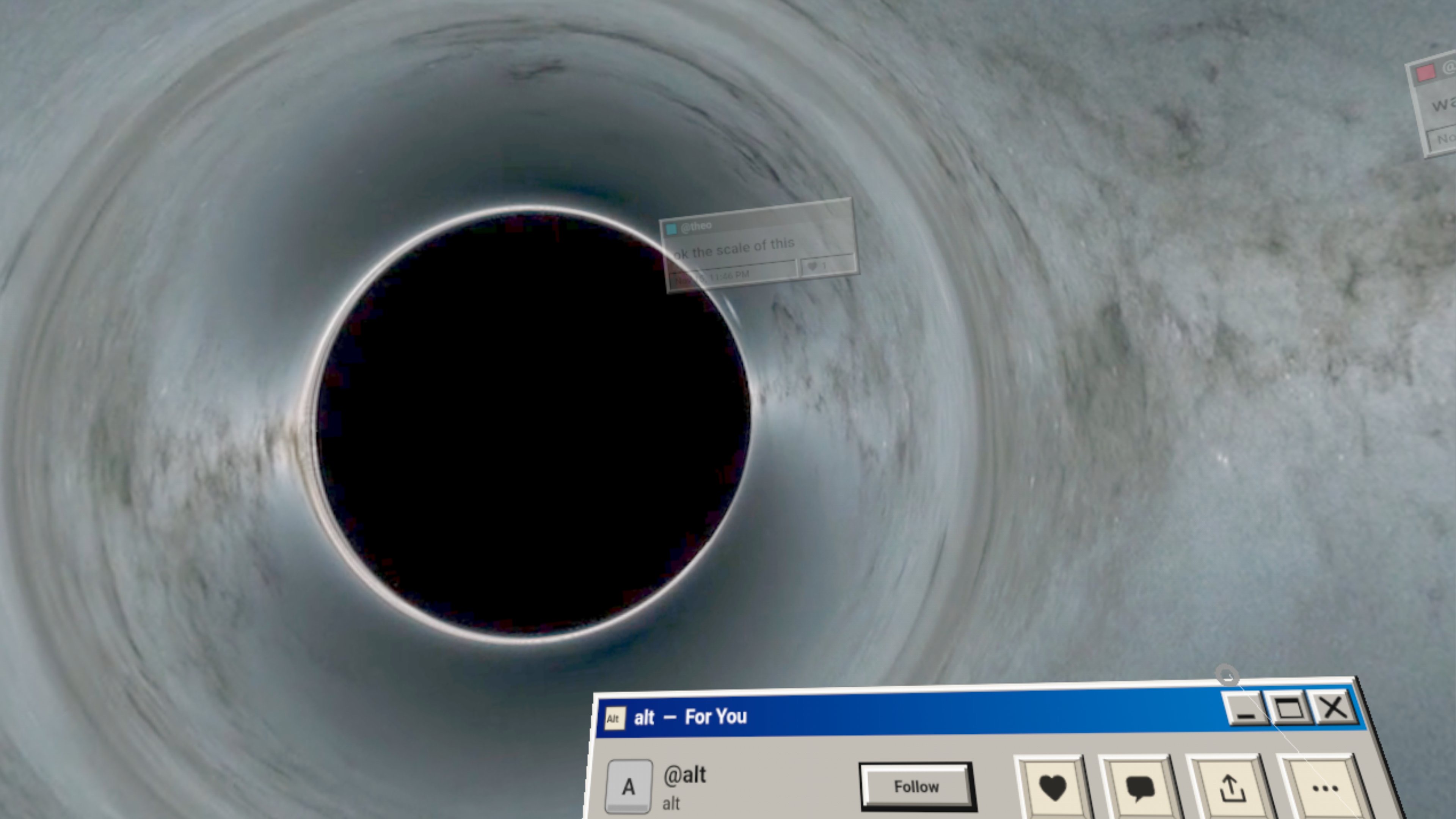
- Double pinch to like. A quick pinch pauses. Look down to wake a keycap dock with comments, share, follow and menu.
- Comments that live in the world: every comment hangs as a smoked-glass speech bubble where its author was looking. Look at one and it turns solid. Sort them into a tidy column (newest or top) that you scroll with a pinch, or hide them. Pinch a bubble to like it.
- Sign in your way, hands only: type it in-headset on the Quest keyboard, or scan a QR code with your phone and you're in.
- A real creator loop: the companion Studio (any phone or browser) handles resumable uploads of mono or stereo 360/180 footage, automatic processing into a streaming quality ladder, profiles, follows and moderation.
- Shared links open a 2D "magic window" player on any phone or laptop.
- FoV-aware: the UI reads the headset's real field of view and keeps the dock and comment column inside it, so it works on wide and narrow devices.
- Safe by design: report, auto-hide, an admin moderation queue, blocking, and account deletion.
- Ready for Meta VR Glasses: hands-only, built for sitting down, and delivered as a web app, so it runs on Quest today and on the glasses' shared OS tomorrow, with no port.
How we built it
- WebXR + Three.js in the Quest browser: fast cold start, nothing to install.
- A custom per-pixel equirectangular shader handles mono, top/bottom and side-by-side stereo, plus 360 and VR180. The flip transition runs in the same shader.
- Hands-first input: a single state machine for pinch-drag, flicks, taps, ray-pointing and finger-poking, with controllers as a fallback.
- A Python (FastAPI + SQLite) backend with an ffmpeg pipeline. It encodes every rung of an HLS ladder (1440 → 2560 → 3840 per eye) in one pass with aligned 2-second keyframes, and makes posters, portrait thumbnails and a 1 KB inline preview.
- Testing without a headset: Meta's Immersive Web Emulation Runtime drives an emulated Quest 3 in automated browser tests. The tests pinch, pull and assert that the reality flipped.
Challenges we ran into
Making 360° video feel instant. A 4K equirect is about 15 Mbps; a naive swipe means seconds of black. We layered the fixes:
- a tiny preview inline in the feed JSON;
- a first-frame poster;
- three warm player slots (previous, current, next), with neighbours buffering only after the current video is on screen;
- bandwidth memory, so each video starts at the quality the last one proved possible;
- a service-worker chunk cache, so going back is free.
In our tests a warm flip goes live in about 1 ms, and a cold start takes about 150 ms from tap to first frame.
Hands that don't lie. Fingertips move several centimetres on their own as a pinch closes, which our first version read as a drag, so every pinch became a tiny "go back". We now track the wrist and let the pinch settle for 80 ms.
Stereo in the wild. Real "3D 360" files come in every layout, including 16:9 frames with squeezed top/bottom eyes. The pipeline reads metadata when it exists and infers the layout from the frame shape when it doesn't.
Accomplishments that we're proud of
- The flip gesture. Pulling a new world up from under your feet is the moment people react to.
- Comments that live in the world instead of in a list.
- A complete social product, not a video player demo: accounts, uploads, processing, feed ranking, follows, likes, comments, sharing and moderation.
What we learned
The latency budget for "feels instant" in VR is unforgiving, and the cheapest wins (an inline preview, a poster that's literally frame zero, a remembered bandwidth estimate) beat the clever ones.
What's next for alt
- Viewport-adaptive streaming: send full resolution only where you're looking, to unlock 8K.
- Creator program: put 360 cameras in creators' hands to seed original realities.
- Spatial audio (ambisonics), and making compositor mode (WebXR media layers, already in beta) the default for sharper playback.
- Remixes and duets: reply to a reality from inside it.
Built With
- fastapi
- ffmpeg
- hls
- playwright
- python
- sqlite
- three.js
- typescript
- vite
- webxr


