-
-
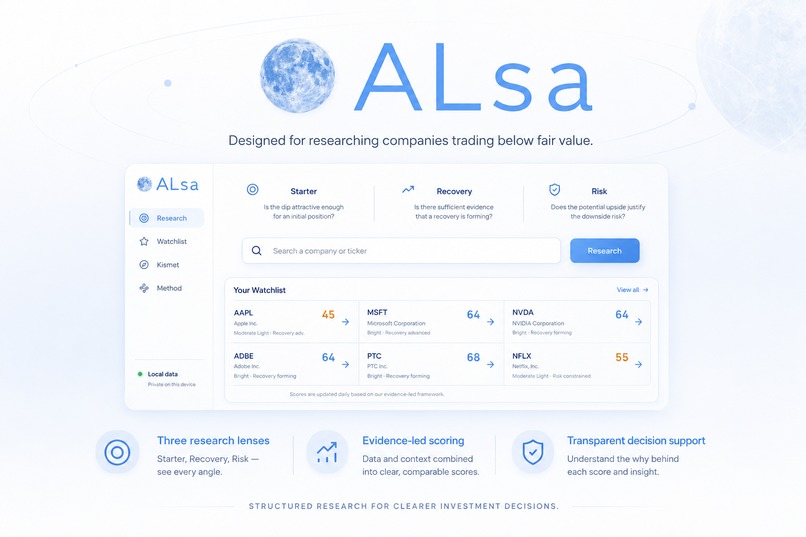
Overview
-
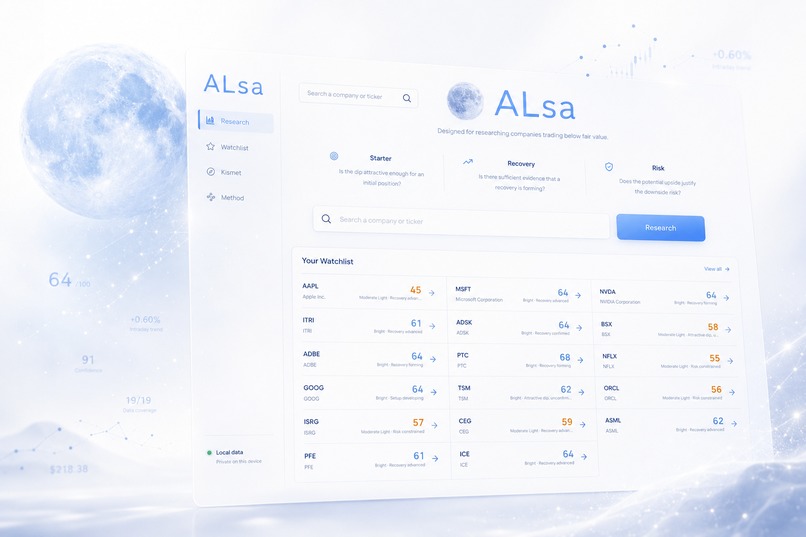
Home page
-
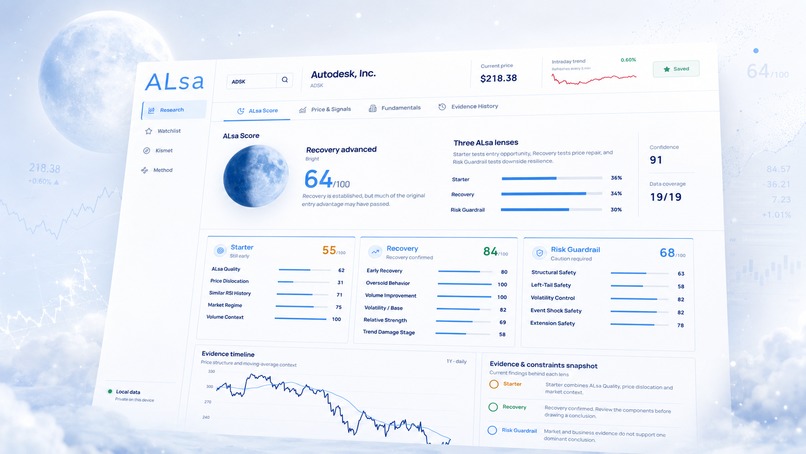
Research
-
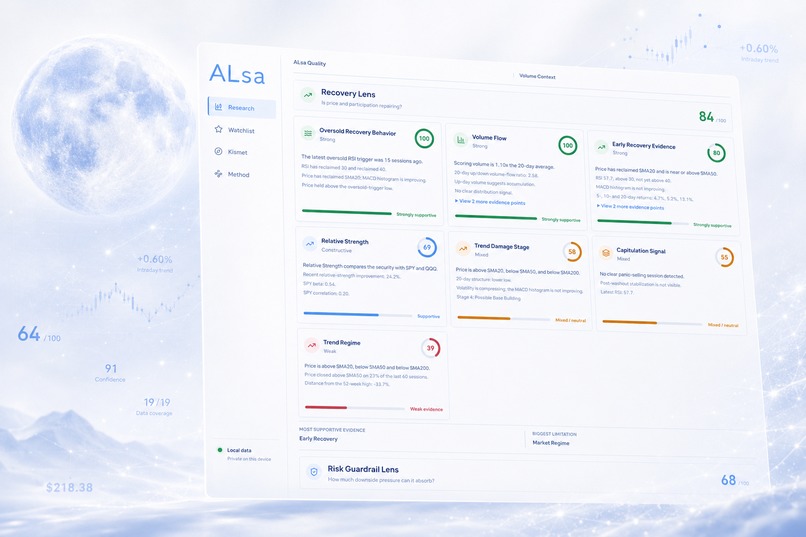
Data
-
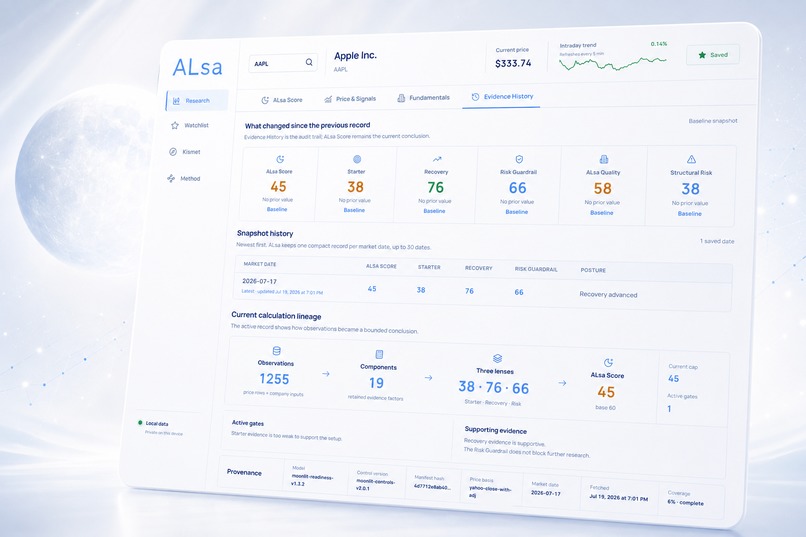
Record
-
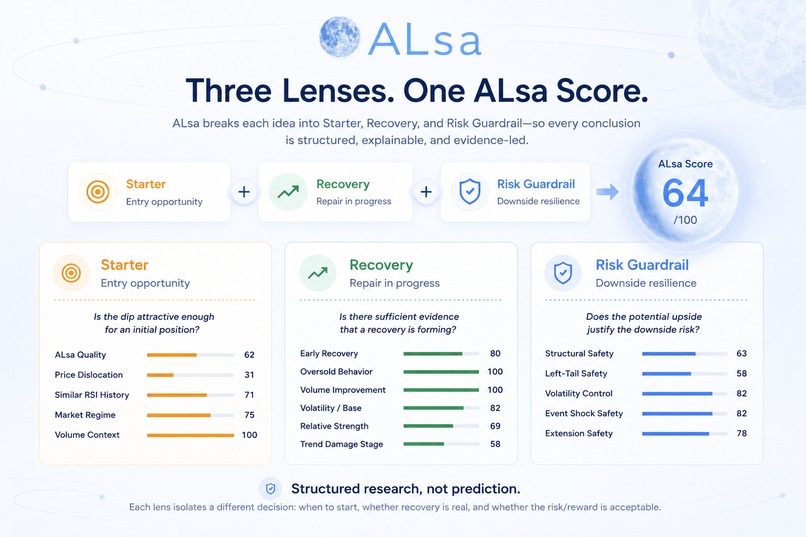
Concept
-
Logo
-
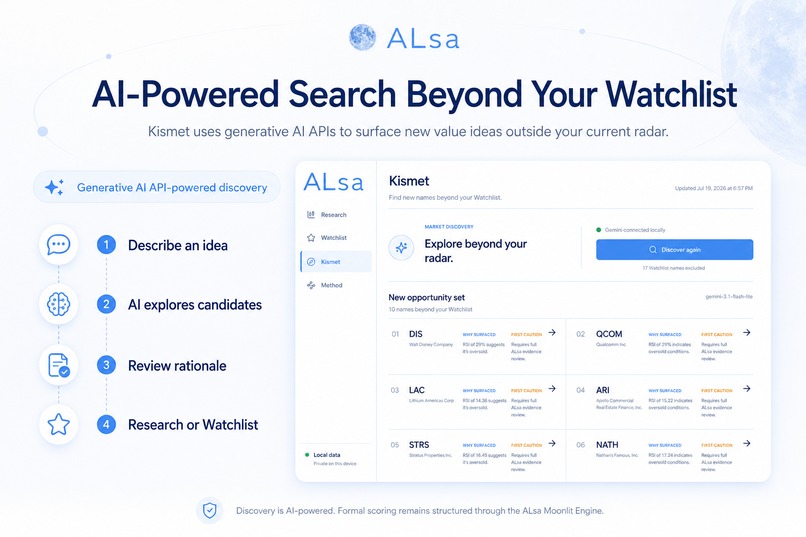
Kismet
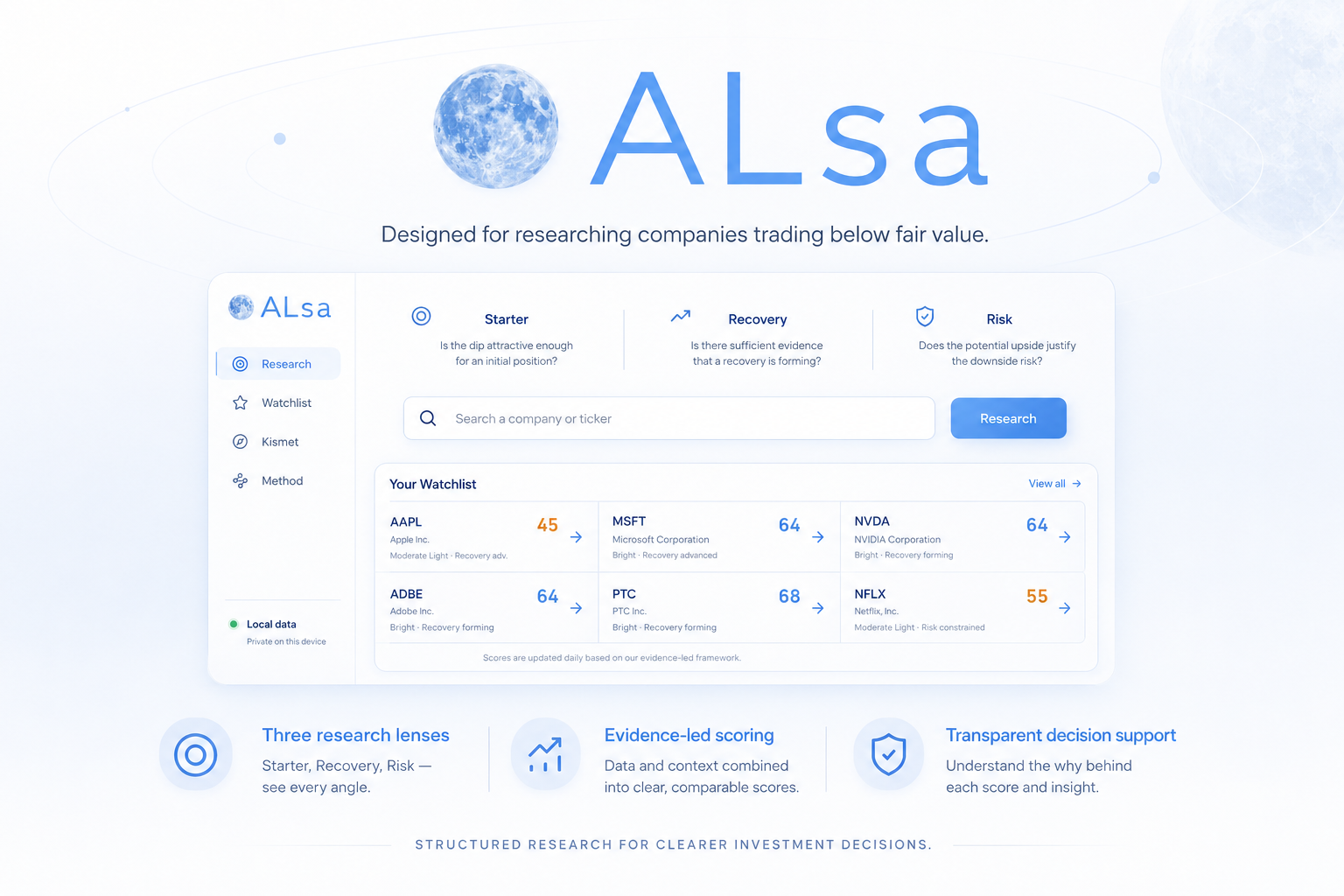
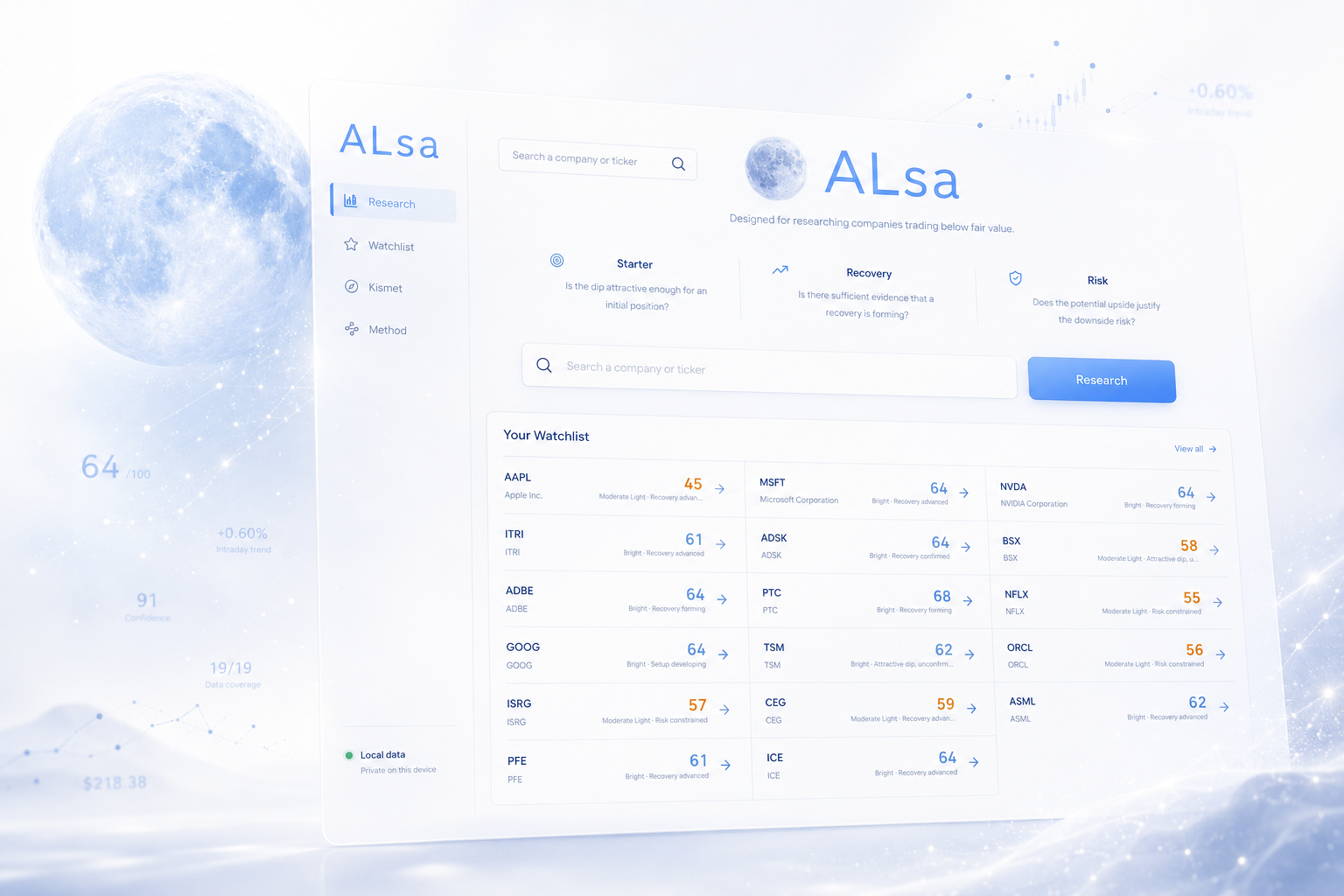
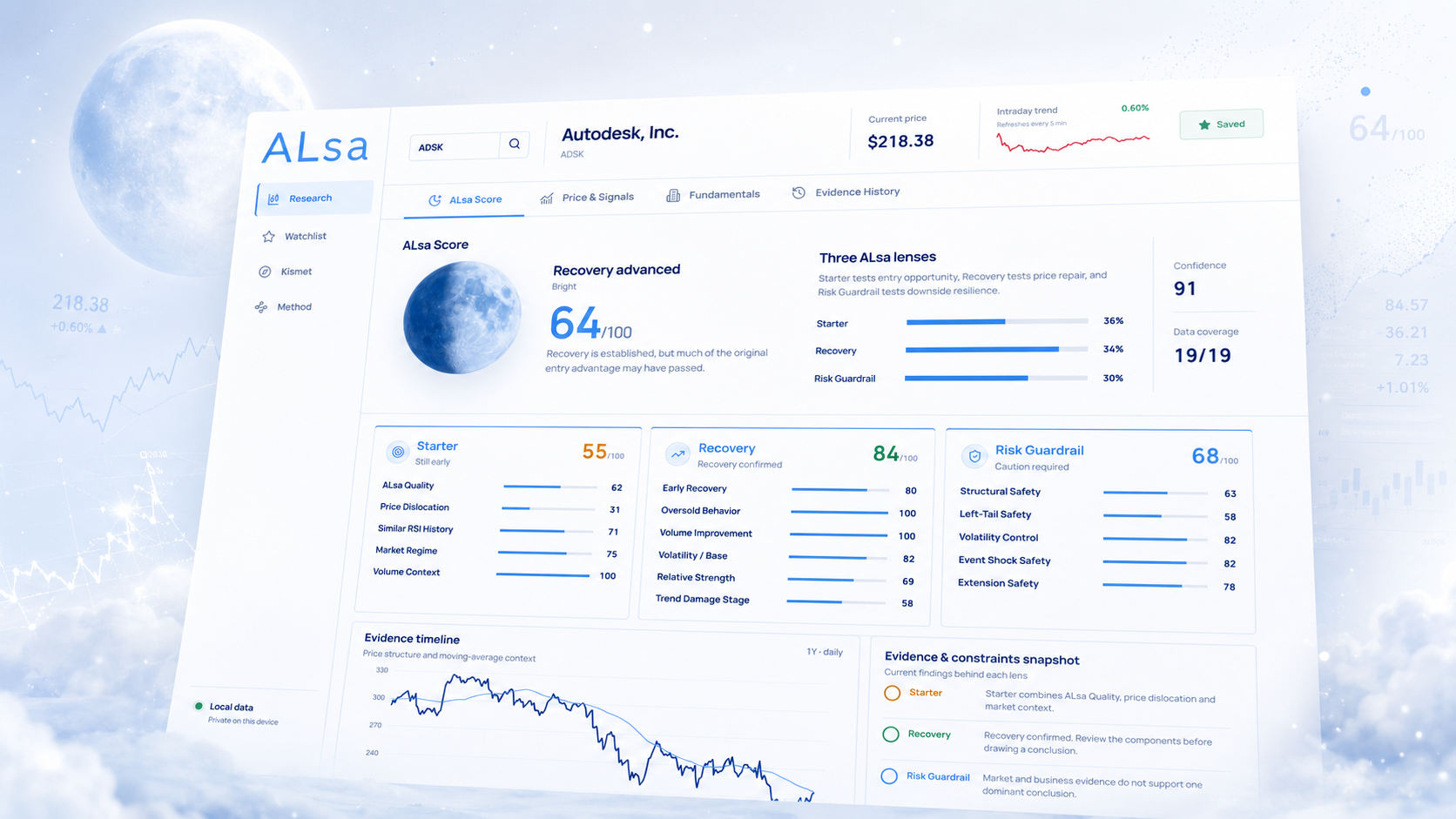
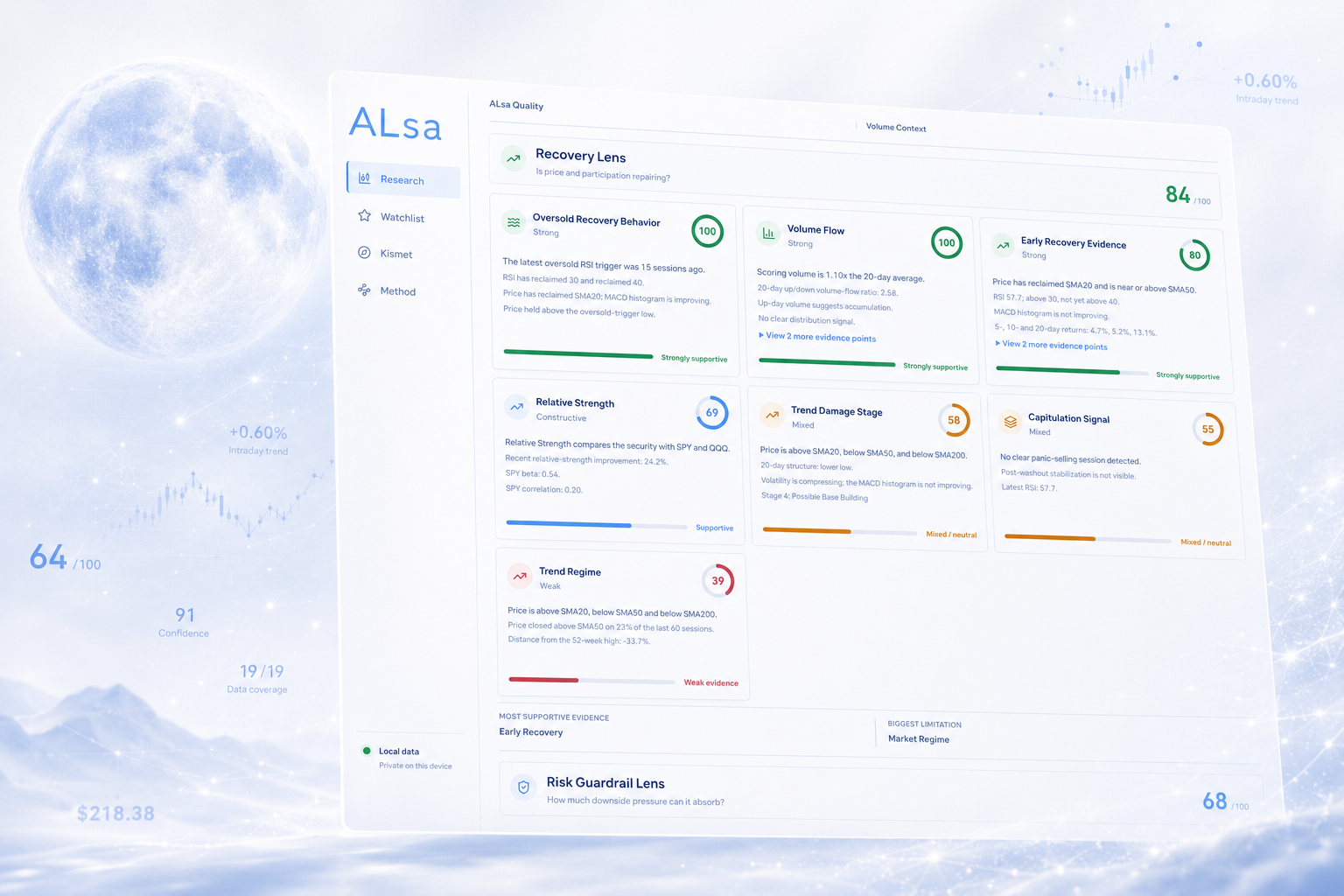
I had never written a line of code. Then I built my own stock research engine.
I come from an art background. Before this project, I had never written a program. I did not know what Streamlit was, what an API did, or why anyone would put React and FastAPI in the same sentence.
But I loved investing.
I did not have a large portfolio or access to an institutional research team. What I had was a personal philosophy: I liked looking for good companies that the market might have temporarily misunderstood.
Whenever one of them fell, I faced the same question:
Is this a real value opportunity—or am I simply catching a falling knife?
I could open more charts, collect more ratios, and read more opinions. But more information did not always create a clearer decision. Much of my investing still depended on instinct, and I wanted something more disciplined behind that instinct.
Then I learned that an ordinary person could now build a program with Codex.
My first app was built before I even knew what Streamlit was
I explained my investment process to Codex: how I looked for quality companies, how I interpreted price weakness, and how I thought about recovery and downside risk.
Together, we turned those ideas into my first working program.
It ran on Streamlit. At the time, it felt extraordinary. I could type in a stock, retrieve real market data, calculate indicators, and see my own investment logic reflected on a screen.
For someone who had never coded before, it felt almost impossible.
But after the excitement faded, I began noticing what was wrong.
The interface felt more like a data tool than a real product. Some scores were mathematically plausible but did not accurately describe the investment situation. An early dip, a forming recovery, and a genuinely strong opportunity could sometimes look too similar.
I kept asking Codex questions.
Was the interface limited because of Streamlit? Could the scoring logic tell the wrong story? Could we rebuild the experience without losing the Python engine underneath it?
The answer was yes.
So we started again.
Codex was not only building the app. It was teaching me how software thinks.
We rebuilt ALsa with React, TypeScript, Vite, Python, and FastAPI.
I still was not a developer. But I was no longer completely outside the process.
I began learning why a frontend and backend needed to communicate, why one wording change had to be checked across multiple files, why a score required gates and exceptions, and why a beautiful interface could still be conceptually wrong.
Our collaboration became a loop:
- I brought the investment philosophy and product instinct.
- Codex translated them into working systems.
- I tested whether those systems still expressed the original idea.
- Then we refined them together.
Sometimes Codex built something technically correct, and I would explain why the result did not feel true. Sometimes I asked for one “small change,” only to discover that it affected the entire application.
Over several weeks, ALsa evolved from a personal calculator into a complete research experience.
Then the algorithm became the Moonlit Engine
As the analysis grew deeper, I did not want ALsa to feel like another cold financial dashboard. The product needed its own emotional language.
The investment process I wanted was calm, observant, and honest about uncertainty. It should illuminate evidence without pretending to predict the future.
That idea became the Moonlit Engine.
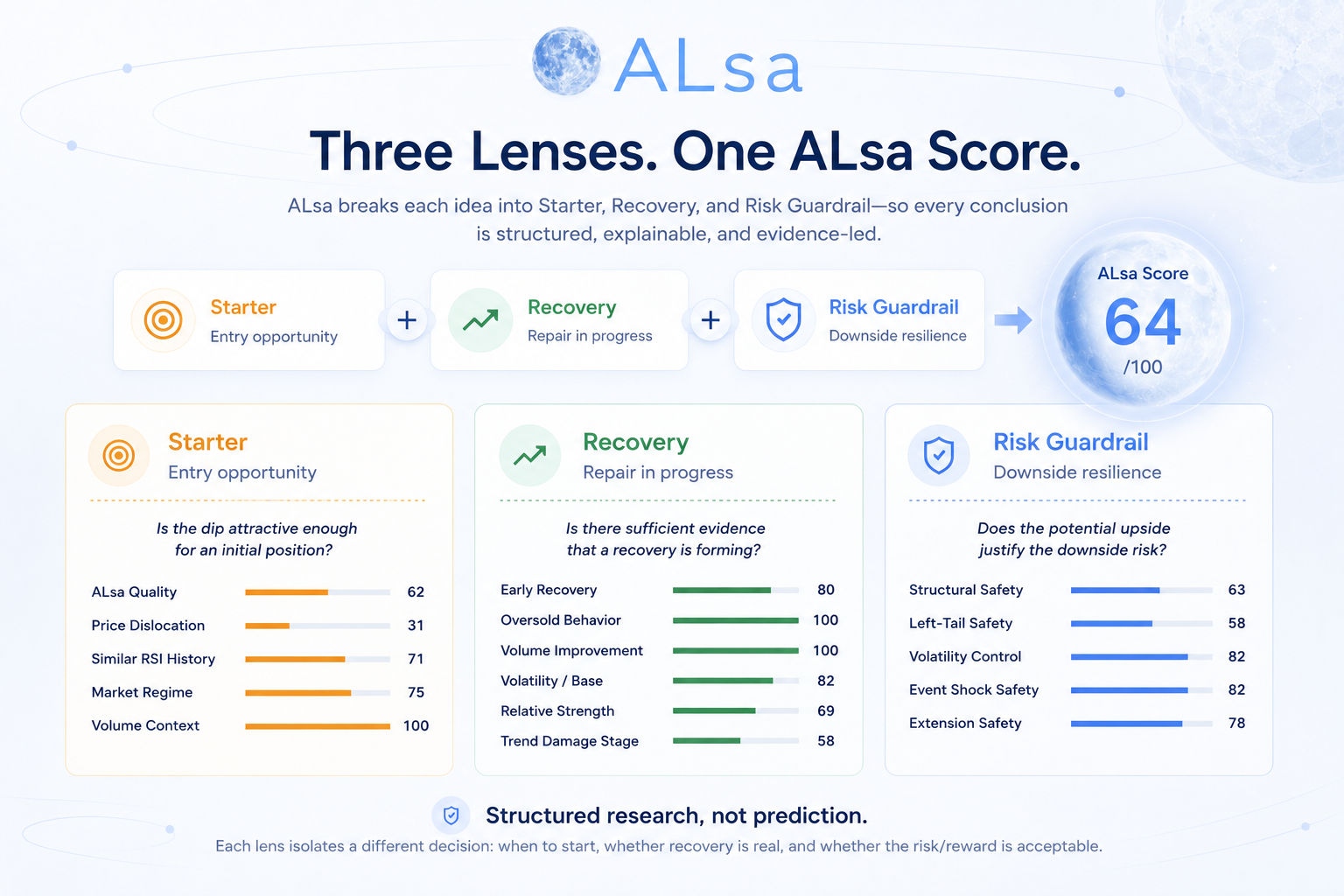
ALsa now examines every stock through three lenses:
- Starter asks whether the decline is attractive enough to begin investigating a position.
- Recovery looks for evidence that the company and its price are beginning to repair.
- Risk Guardrail tests whether the possible reward genuinely compensates for the downside.
The conclusions are represented through moon phases. A dim moon means the evidence is weak or incomplete. As the setup becomes stronger, more of the moon is illuminated.
The moon is not decoration. It expresses the central philosophy of ALsa:
A falling stock should not be judged in darkness. Evidence should reveal it gradually, like moonlight.
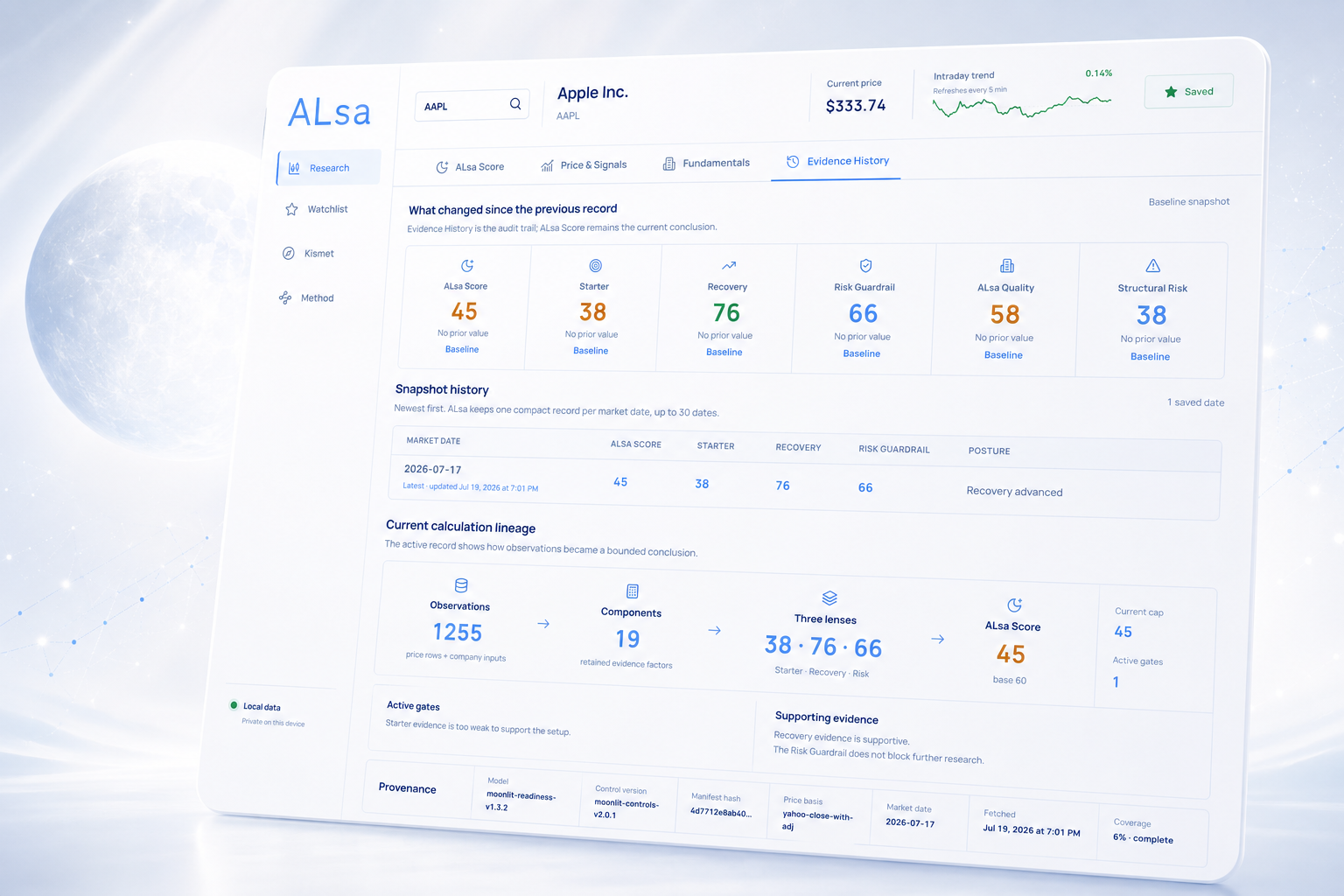
Behind every moon remains a traceable record of price signals, company quality, recovery evidence, risk factors, and scoring logic.
What began as a small investor’s instinct became a product
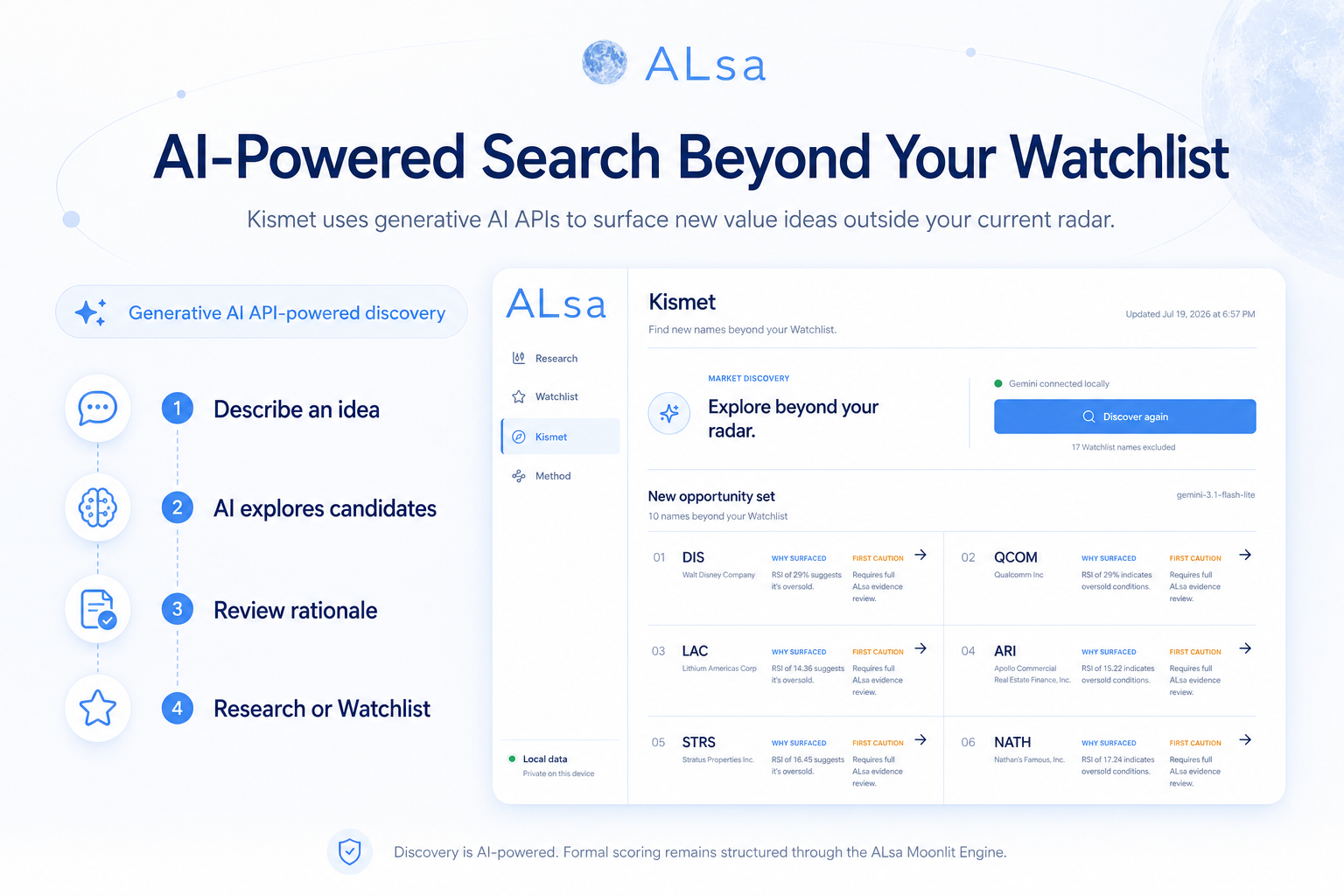
ALsa now includes company research, Watchlists, Evidence History, Fundamentals, and Kismet—a discovery experience for finding unfamiliar opportunities.
But the achievement I am proudest of is not the number of features.
It is that I started with no programming knowledge, a small amount of capital, and a personal way of thinking about investments—and managed to turn that philosophy into a working product.
Codex did not remove the need for human judgment. It made that judgment more visible.
It taught me that building with AI is not simply asking for code. It is learning how to describe an idea precisely, recognize when the implementation misses its meaning, and keep refining until the product finally feels true.
ALsa began with one anxious question:
Is this falling stock an opportunity or a warning?
Now it offers a calm, structured way to begin answering it.
What’s next
Next, I want to add point-in-time SEC data, historical score replay, and simpler ways to share an ALsa reading without losing the evidence behind it.


Log in or sign up for Devpost to join the conversation.